Open House 2026: We bring tips on where to go in Prague in the footsteps of money, water, and even Hitler Youth

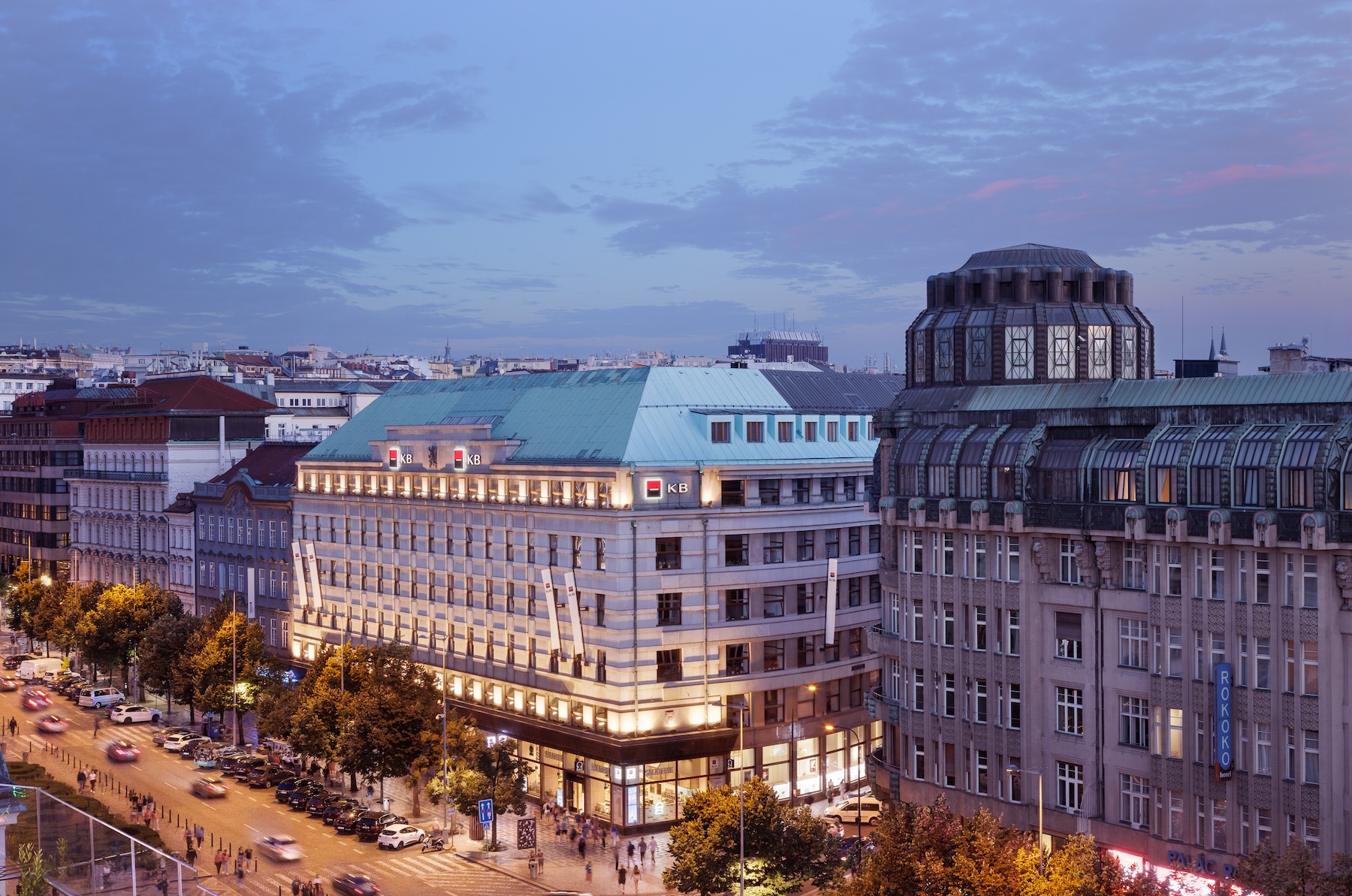
For fans of Prague architecture, the Open House festival is being prepared once again. It will open access to over a hundred buildings that we usually don't get to see. In our article, we will offer several tips that are off the most well-known tourist routes and, for those who don't fall asleep with books about the history of Prague architecture under their pillow, can offer a new perspective on the diverse array of interesting buildings in the capital city.
"Historic buildings are not just the backdrop of a city – they are the carriers of our memory. If we let them disappear, we lose a part of our own identity. This year's Open House Prague highlights buildings at a crossroads. The decision to save some has been long debated and remains unresolved. We believe the path doesn't lead to their demolition, but to sensitive restoration and new use that brings them back to life and grants them new meaning. That's why it's important to open them to the public and showcase their value," says Andrea Šenkyříková, the founder and director of the festival.
Besides the open doors in buildings during the weekend of 23rd-24th May, an accompanying program full of various tours and lectures is available from 18th May. There will be plenty for children or foreigners who live abundantly in our metropolis but do not yet fully master the intricate Czech language.
Those who want to delve as deeply as possible into the discovery of Prague's architecture might do best by installing the festival app on their mobile. You can then start with a few of our tips.
Technology, History, Art, and … Beer
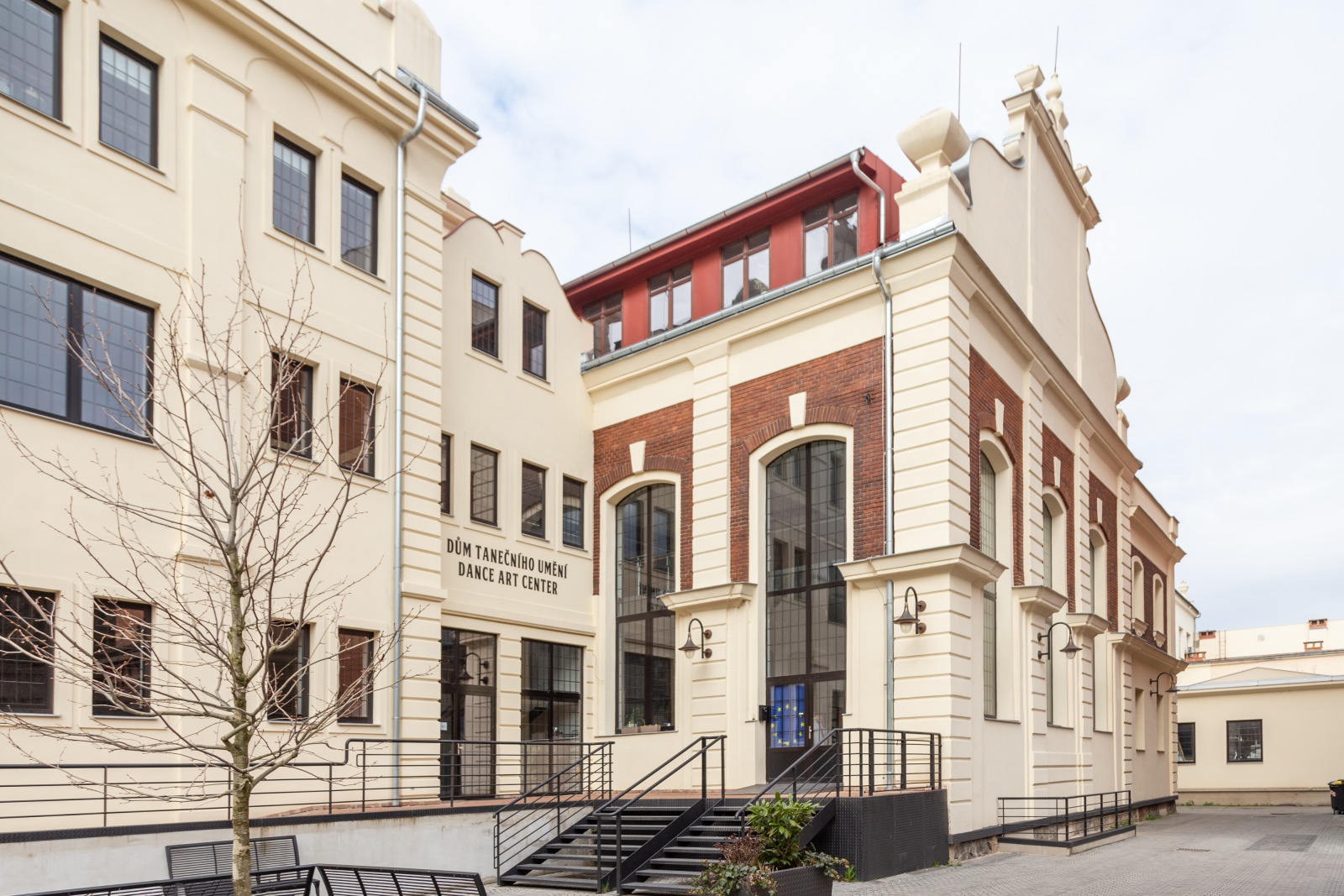
One of the remarkable landmarks that combines a truly diverse range of attributes is the Braník Brewery. Although we associate the Braník brand today mainly with cheap beer in PET bottles, the decoration of the historic brewery building was also contributed to by the famous Mikoláš Aleš. However, in 2007, the brand moved from the neo-Renaissance building to Smíchov, and the building transformed into the House of Dance Art.
During the visit, we can not only view the brewery chimney but also rooms for dance instruction.
Jewish Villa, Home of the Hitler Youth
The Grab Villa in Libeň immediately captivates with its picturesque historicist architecture. It was built at the end of the 19th century by Jewish entrepreneur Hermann Grab, owner of the largest factory producing waxed cloths (used for their water resistance) and carpets in Austria-Hungary. The villa was visited by Grab's world-famous acquaintances such as composer Richard Strauss, philosopher Theodor Adorno, and Jewish writer Max Brod.
During the economic crisis, however, the Grabs had to sell the villa. It then served as a luxurious girls' boarding school Victoria College, until the Protectorate administration turned it into the headquarters of the Hitler Youth in 1941. Later, the gendarmerie was based there, which may have inspired the creators of the series Četnické humoresky to film one of the episodes there. Today, it serves the magistrate, but it is still possible to glimpse into the life of the First Republic elite.
Tracing the Money
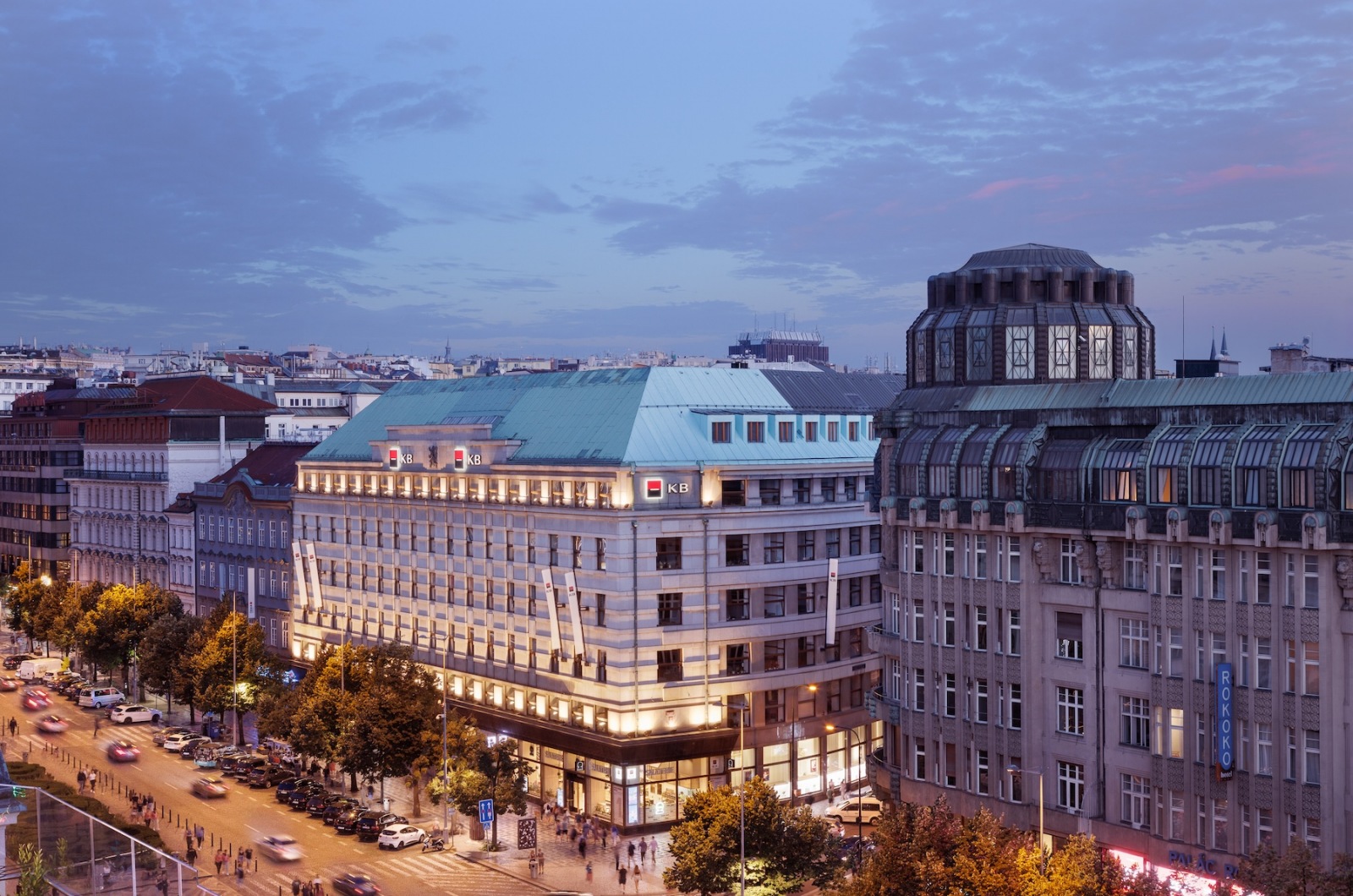
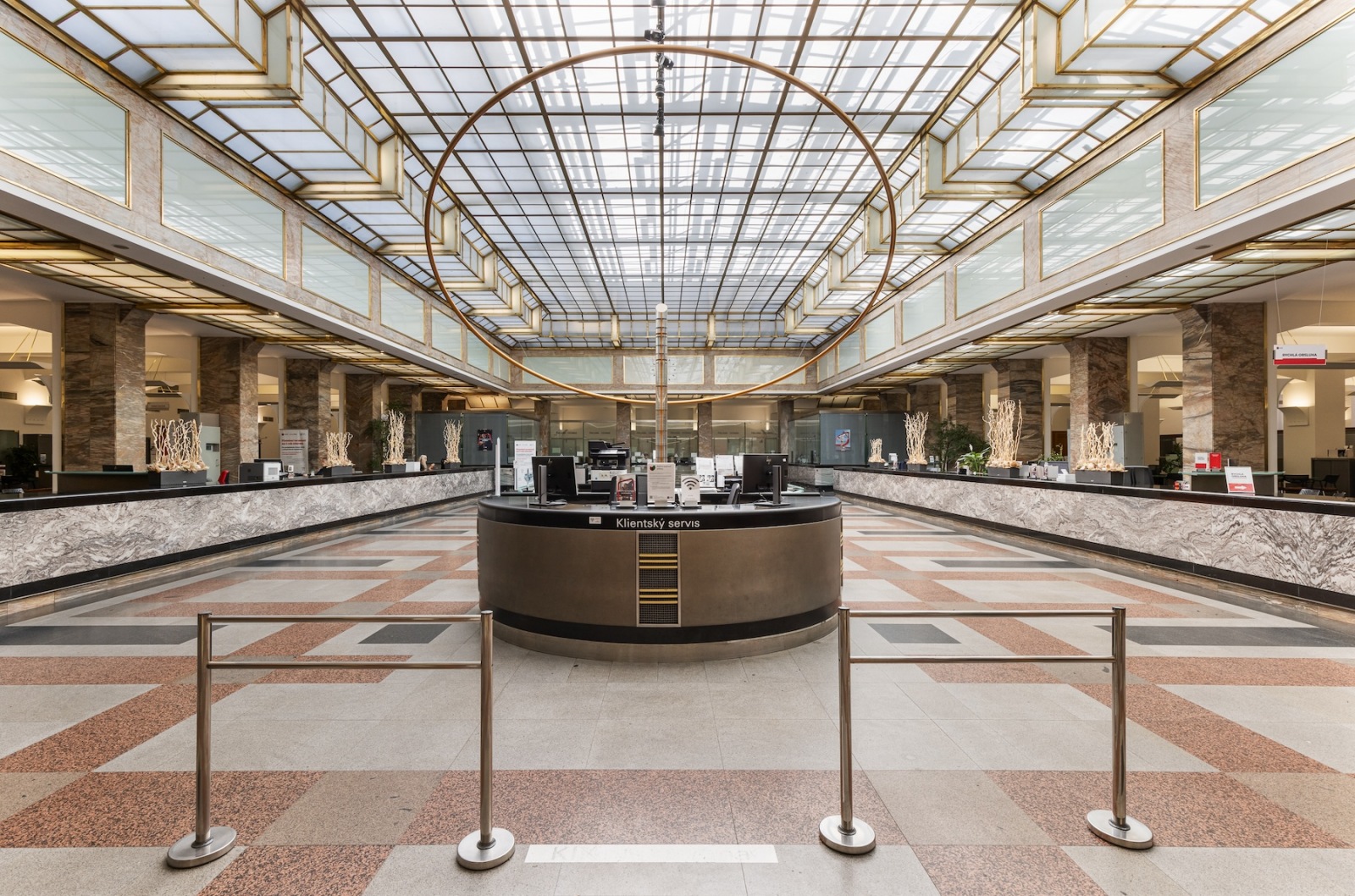
Today, banking life is shrinking into the electronic world of banking apps, but once upon a time, banking life required grand spaces worth visiting in the Post Check Office Palace. As the name suggests, this is where paper checks were converted into cash. The building is one of the prominent works of architect František Roith, whose birth was 150 years ago. Individual offices will also be open to view, allowing visitors to fully immerse themselves in the lives of local bankers.
Where the Water Flowed
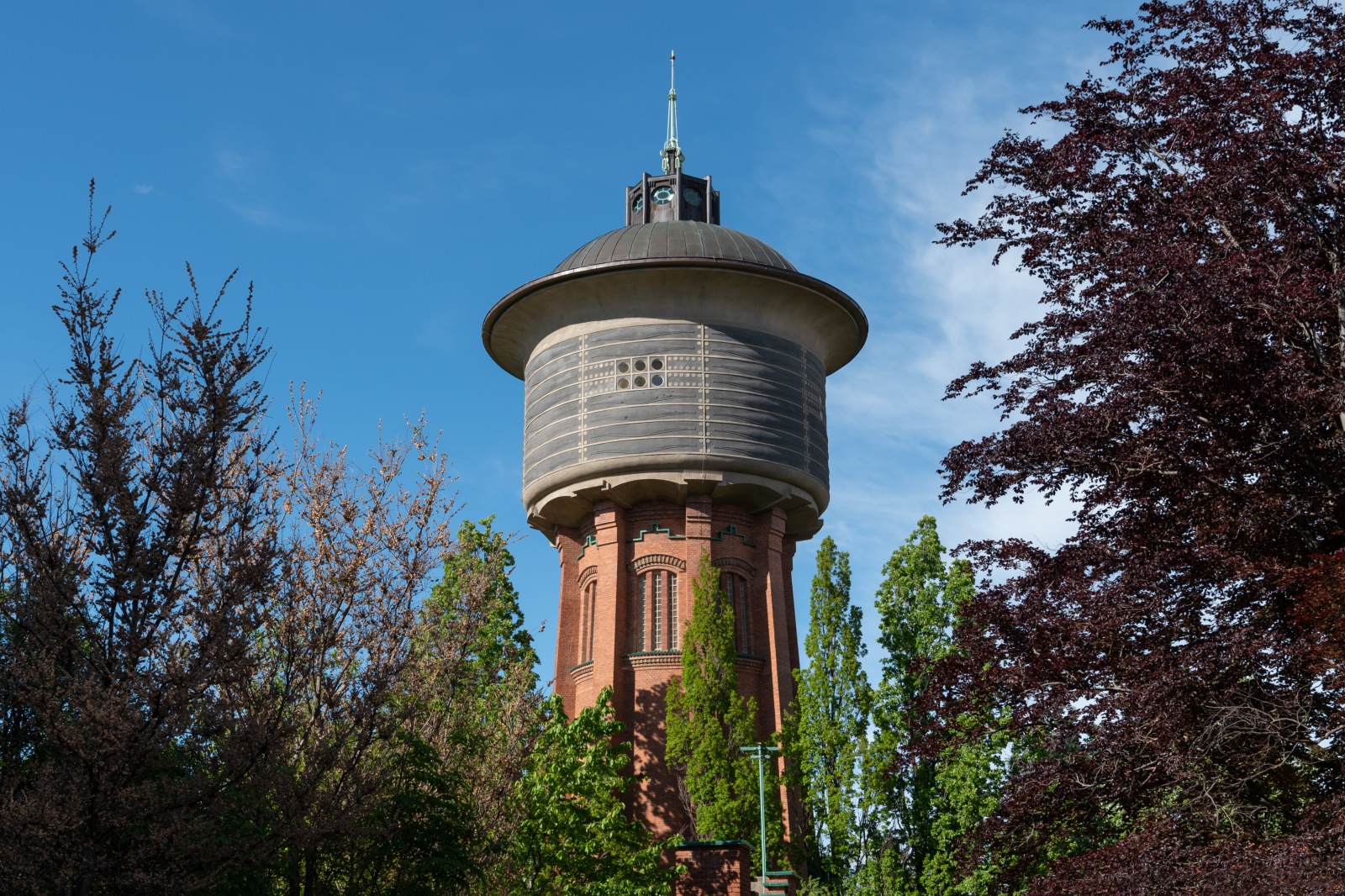
The construction of the water supply network in Prague is one of the significant technical achievements of the 20th century. At the beginning of that century, only 36% of apartments had running water. A lot of work needed to be done to transport drinking water to all households. Open House invites you on an adventurous tour of the water tower in Michle from 1907, where its above-ground and underground parts are viewed with the help of ladders.
While in Michle, after a sensitive reconstruction, we can see everything as it was during its operation, the recently reconstructed water tower on Letná now has a social hall and gallery instead of a water reservoir. And why did water flow from the tower? To have enough pressure for distribution to household faucets.
One of the oldest cinemas in Prague
Today, multiplexes in shopping malls dominate cinema entertainment, but they are rather remnants of the bygone glory of cinemas. Throughout the 20th century, hundreds operated in Prague, and one of the oldest is Kino Atlas in Prague 8. The perfect atmosphere of bygone times is brought by the marble decoration of the interior. The typical elements of functionalism then transport you to the romantic era of the First Republic. We add the cinema as the last tip, it is open even outside the festival, so if you miss it, you can visit it another time.
Sources: original text, Open House, Press Release, TN.cz, Wikipedia