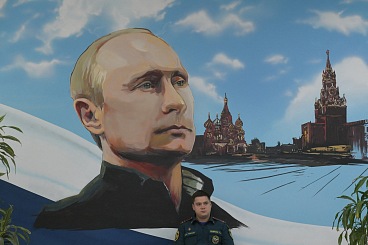
NATO meetings have historically stirred emotions. Notable are Zeman's defense of Russia or Biden's mistake when he confused Zelensky with Putin.

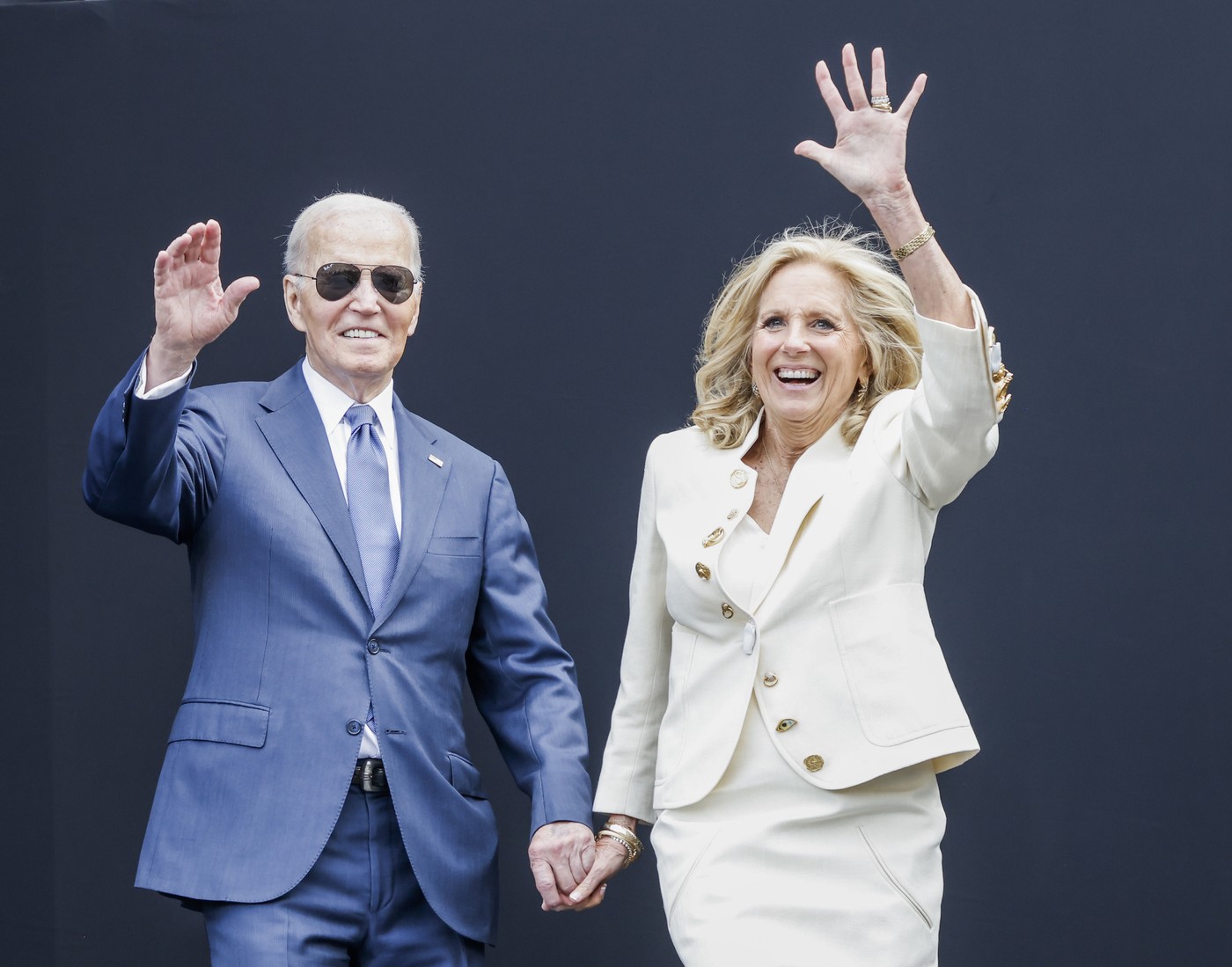
We can see that NATO summits aren't always a smooth ride, not just by looking at the current conflict between President Patrem Pavel and the government of Andrej Babiš. There are several examples from the recent past. Let's take a look at the most noteworthy ones.
We received the invitation to NATO thirty years ago. Two years later, the first summit took place, which we officially attended. At that time, the statesmen in Washington committed to ending the repressive actions of Serbian leader Slobodan Milošević against Albanians in Yugoslav Kosovo. At the same time, they adopted an action plan and revised the NATO Strategic Concepts. The Initiative for Building New Defense Capabilities and the Initiative for Weapons of Mass Destruction were also announced.
Since then, there have been a number of events worth noting. And they don't necessarily have to concern the particularly intense dispute between President Petr Pavel and Andrej Babiš's government. Let's take a look back in history.
Spanish Notch
For example, last year at this event in The Hague, an agreement was reached on a significant increase in defense spending, as well as a reaffirmation of the mutual defense commitment and further support for Ukraine. On the sidelines of the summit, a number of meetings took place, including discussions between U.S. President Donald Trump and Ukrainian leader Volodymyr Zelensky.
At a meeting, thirty-two allied countries agreed that by 2035 they will spend five percent of their gross domestic product on defense expenditures and related defense expenses, primarily due to the threat posed by Russia. However, a troublemaker emerged in the form of Spain, whose Prime Minister Pedro Sánchez stated that he is only able to meet NATO's requirements with spending amounting to 2.1 percent of GDP. The year before, his country spent 1.28 percent of GDP, the least of all allies. Trump then threatened at a press conference in Madrid that the United States would push for stricter conditions with Spain when negotiating trade agreements.
Zelensky is not Putin
Two years ago, then-U.S. President Joe Biden faced a series of questions regarding his fitness and ability to lead the main Western power in the coming years. The eighty-one-year-old president assured at the time that he was ready to face Russian President Vladimir Putin or Chinese leader Xi Jinping even three years later. However, the reality turned out to be different. The new leader of the United States eventually became Donald Trump.
On the final day of the event, Biden also mistakenly referred to Ukrainian leader Volodymyr Zelensky as Vladimir Putin, the leader of Russia attacking Ukraine.
"And now I want to hand over to the President of Ukraine, who has as much courage as determination. Ladies and gentlemen, President Putin,"
Biden said as he walked away from the lectern. He quickly returned and corrected his mistake.
"President Putin, you defeat President Putin, President Zelensky. I'm so focused on defeating Putin,"
Biden apologized for his slip of the tongue.
"I am better,"
Zelensky responded with a smile at the time.
Biden's mistake prompted awkward reactions in the hall.
Especially avoid any major actions
In 2023, the NATO summit decided to strengthen the eastern flank. Secretary General Jens Stoltenberg sparked controversy when he stated that active involvement of the alliance in Ukraine's affairs could provoke Russia into a reaction leading to a much larger conflict with worse consequences. Therefore, the Polish proposal to send a peace mission under the alliance's auspices to Ukraine did not receive the summit's approval. Polish Prime Minister Mateusz Morawiecki then expressed dissatisfaction.
"Support from the United States should be much greater, because Ukrainians are risking their lives. Germany, France, and many other countries are not doing enough,"

declared Mateusz Morawiecki in an interview given to The Washington Post. "We must at least provide them (Ukrainians) with defensive weapons so they can defend their homes, their lives, and their families,"
he added.
Zelensky at that time criticized Western countries for not responding to Ukraine's pleas for help.
"You have at least 20,000 tanks! Ukraine asked you to donate or sell one percent of them to us. But we have not yet received a clear answer. The worst thing during a war is not having clear answers to requests for help,"
said.
Defender of Russia?
A separate chapter was the participation of President Miloš Zeman. Three years ago, when the event was held in Brussels, he did not attend because doctors prohibited him from using air transport. However, at previous alliance summits, he always represented the Czech Republic.
Zeman attended the summits alone, and although he got along great with Babiš's government, for example, at the 2018 summit in Brussels, he publicly boasted about how he pressured the prime minister regarding defense spending.
He was sending messages to his NATO partners about how Czech prime ministers and defense ministers are being pushed to increase defense spending. However, he simultaneously advocated for reconciliation with Russia, arguing that we should not repeat the Cold War, which the Czech Republic has a dire direct experience with.
"Dialogue with Russia is sometimes difficult, but necessary,"
urged the now former head of state.
Sources: original article, ČTK, Forum24