Current rainfall won't save us, hydrometeorologists claim. Extreme drought is currently affecting 60 percent of the territory

According to the European Union's Copernicus meteorological service, recent months have been among the historically warmest. A heatwave has hit Europe, including the Czech Republic, bringing absolute temperature records in many places. The result is drought that has almost no parallel from a historical perspective. However, according to hydrometeorologists, current rainfall will not ensure a fundamental turnaround.
This year's July was, with an average temperature of 19.3 degrees Celsius, the eleventh warmest since 1961, when domestic meteorologists began calculating national temperature averages. The Czech Hydrometeorological Institute recorded 18 tropical days during the mentioned month, when the daily temperature at at least one of its measuring stations reached 30 degrees. On the last two July days, daily maximums even reached up to 35 degrees in many places. In Doksany in the Litoměřice region, they even measured 40.1 degrees on July 30th.
Since the 1960s, according to experts, the temperature here has risen by an average of two degrees, with summer temperatures up by three degrees. The number of tropical days has tripled at the same time – there used to be an average of four per year, now there are twelve in the country. While in cities there used to be an average of ten per year, now there are up to thirty.
However, this year's seventh month was poor in precipitation, with only 51 millimeters falling, which was about three-fifths of the normal from 1991 to 2020.

"This July was on the border between temperature-wise normal and above-normal month. In terms of precipitation, we evaluate the month as below normal,"
stated for ČTK meteorologists.
Drought across the republic
The result is drought that has affected Czechia.
"This year will likely be among the driest years, which is the result of high temperatures and relatively low precipitation. Depending on the region, these are some of the lowest since 1961,"
bioclimatologist Miroslav Trnka explained to ČTK.
Extreme drought is currently affecting 60 percent of the territory, as shown by current data from the InterSucho portal, which is run by staff from the Global Change Research Institute of the Czech Academy of Sciences - CzechGlobe.
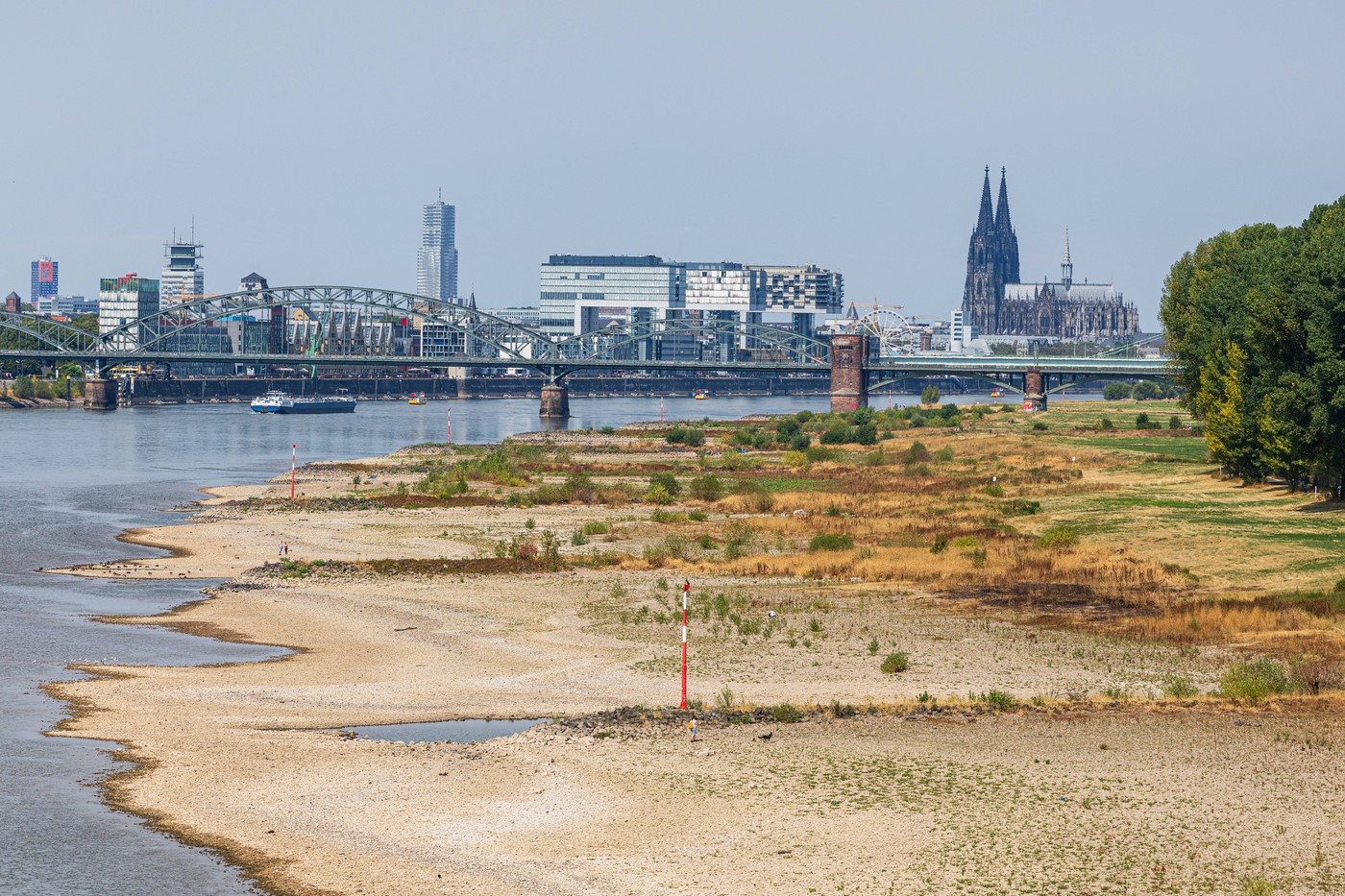
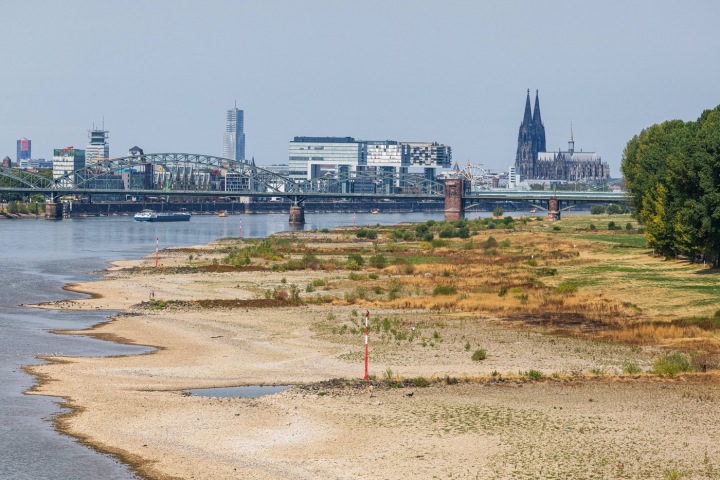
Ministries together with the Czech Hydrometeorological Institute are to compile a map of approximately 500 to 1000 problem areas from where water disappears the fastest. The government wants to define and address problem areas in a targeted manner with people from municipalities and regions so that money goes to the exact place affected by drought. Critical areas are, according to him, for example on the Elbe river.
However, other rivers and watercourses also have significant problems, which has significantly limited the operation of hydroelectric power plants in Czechia. Out of more than 1400 of these facilities, production is now halted, according to estimates by industry representatives, in up to 90 percent of them.
Farmers are once again struggling with a shortage of feed for livestock as well as lower yields. Agricultural organizations have stated that this deficit is forcing breeders in the Czech Republic to sell off cattle. The Ministry of Agriculture should therefore also distribute more than 3.8 billion crowns to farmers from the EU budget supplemented by national funds.
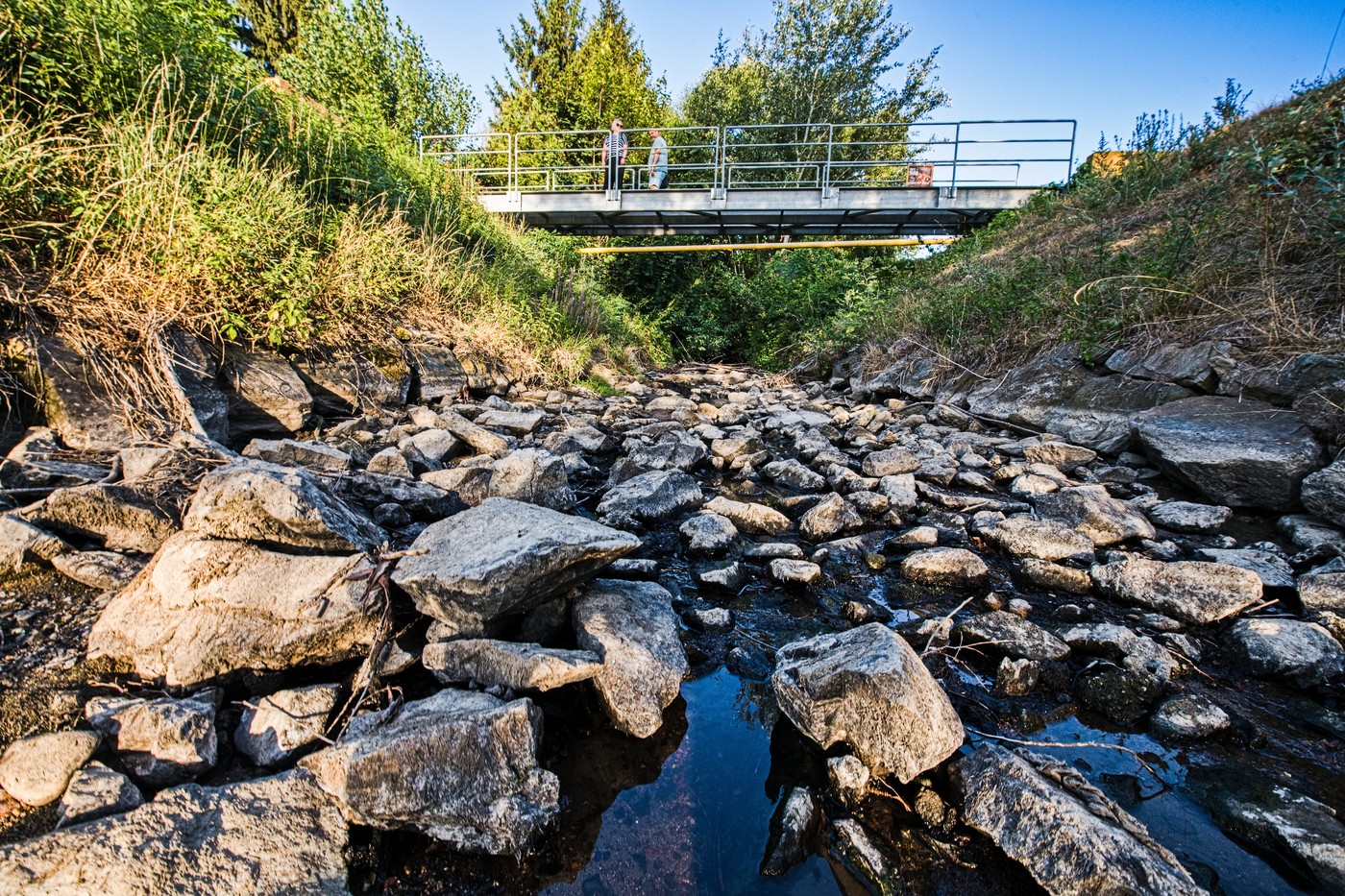
"Both groundwater and surface water are significantly affected, as well as the soil. The impacts are thus on agriculture, forestry, and also on ordinary gardening. Problems are arising in the supply of some smaller municipalities that are not connected to sufficiently capacious sources of drinking water. The problem is also that in some areas wells have dried up, but also streams and smaller watercourses, and therefore aquatic animals are having enormous problems,"
wrote LP-Life Lenka Hudcová from the Czech Hydrometeorological Institute.
Little Rain
The rains of recent days will not ensure a turnaround in the hydrological situation according to Hudcová.
"Precipitation can help vegetation and the state of the topmost soil layer in the short term and locally, but it is not sufficient to replenish groundwater supplies and river levels, or empty reservoirs. According to experience from previous years, rises in watercourses are the result of runoff from impermeable surfaces and quickly return to previous values,"
says the deputy hydrometeorologyst and adds in conclusion:
"Only a minimum volume of fallen water reaches the watercourses. From the analogy of the years 2015 to 2019, we know that often only around 5 percent of fallen water flows away. The rest remains in the catchment area, in the soil and is used for evaporation and plant transpiration. The precipitation has no chance of reaching groundwater at all; for that, their totals would have to be significantly greater and over a more extensive area. The effect of currently fallen precipitation is therefore rather for hours or a matter of days."
Sources: author's article, own survey, ČTK, Czech Hydrometeorological Institute