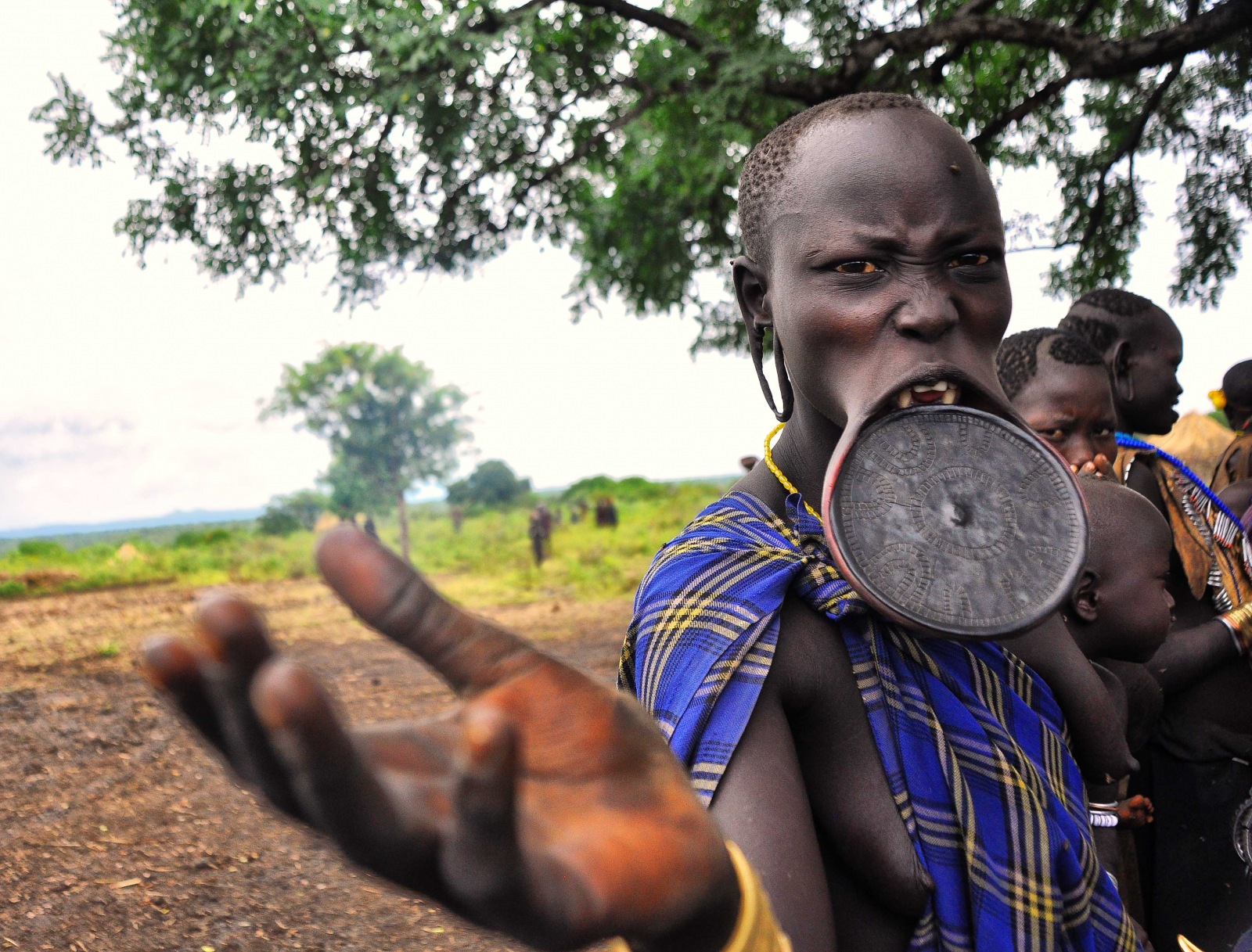
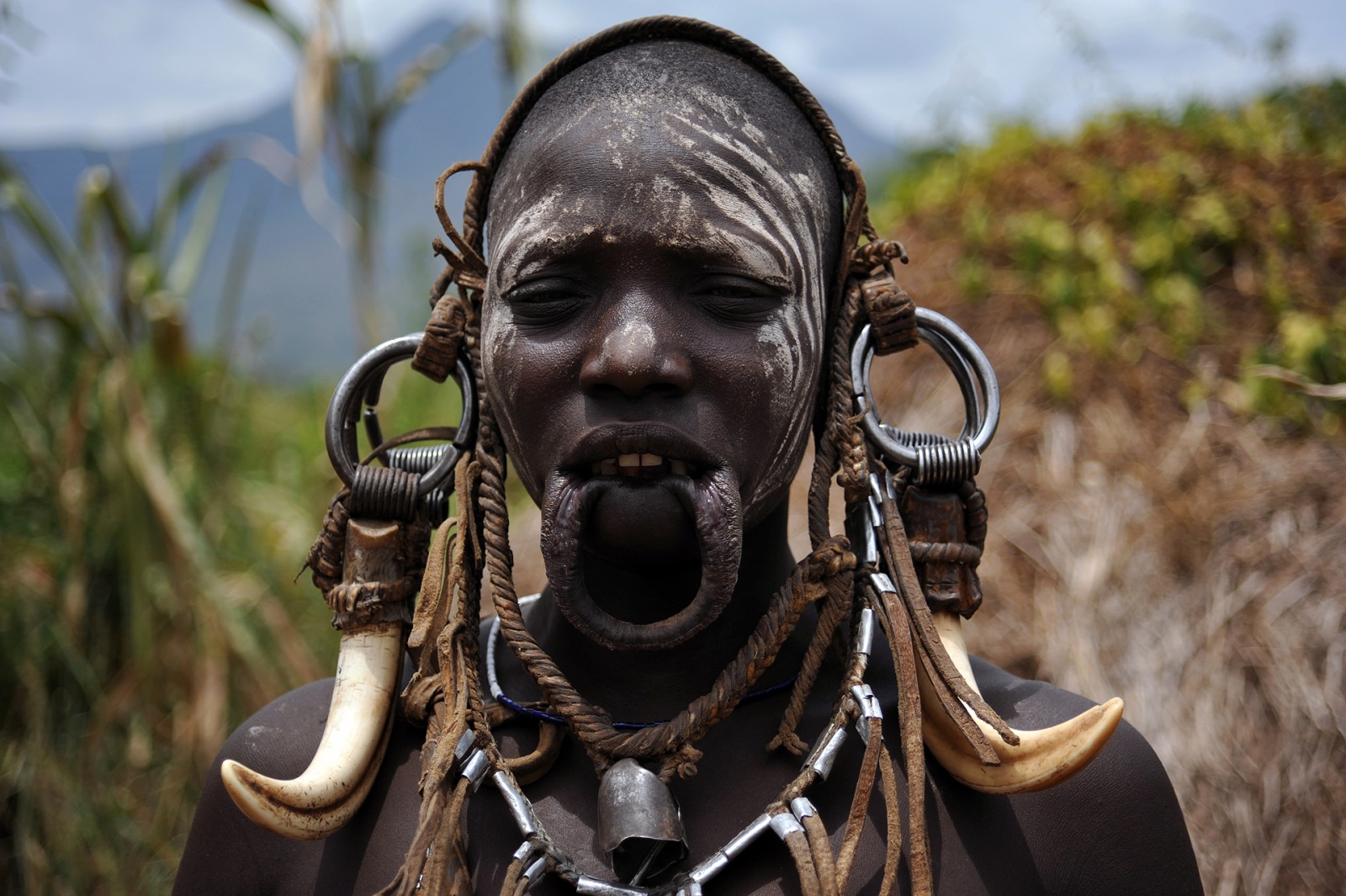
I'm marrying a member of the Mursi tribe: The bigger the lip plate, the higher the bride price?


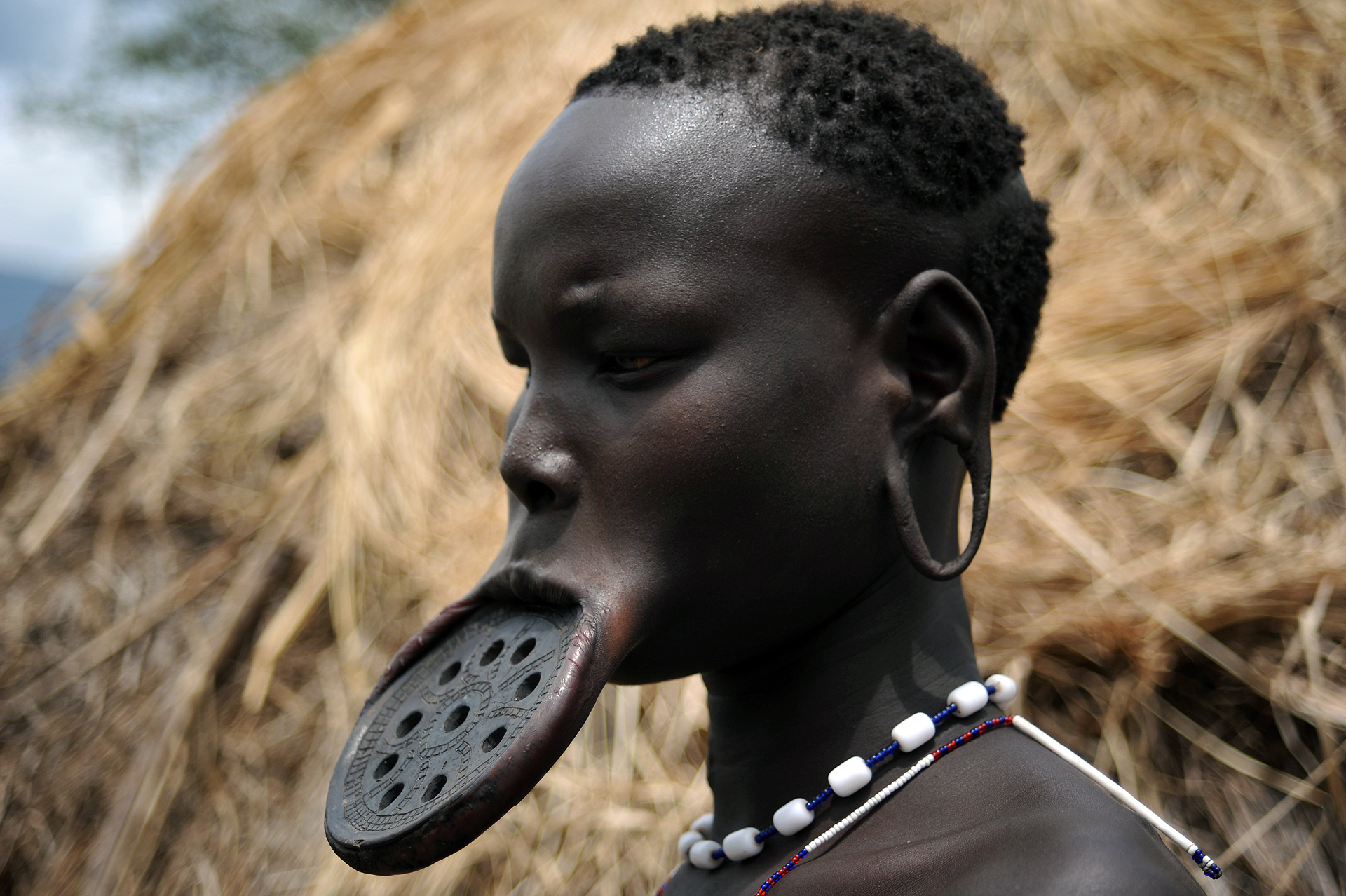
One of the most striking examples is the Ethiopian Mursi tribe, where beauty, a woman's value, and marriage itself are subject to rules that may be shocking to us. What does the life of a woman who "marries an Ethiopian" from this tribe look like? And why can the size of a clay plate in her lip determine her status?
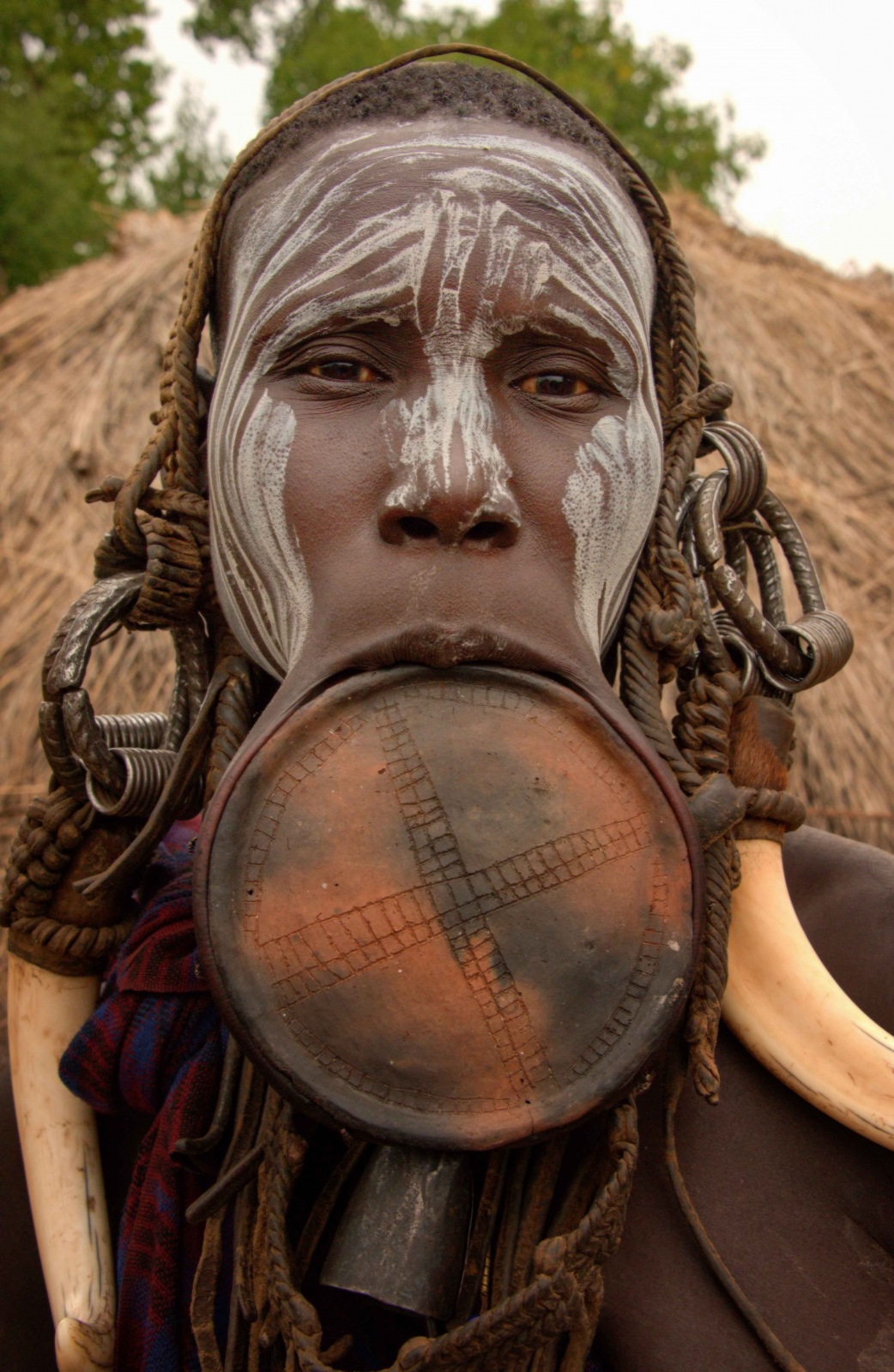
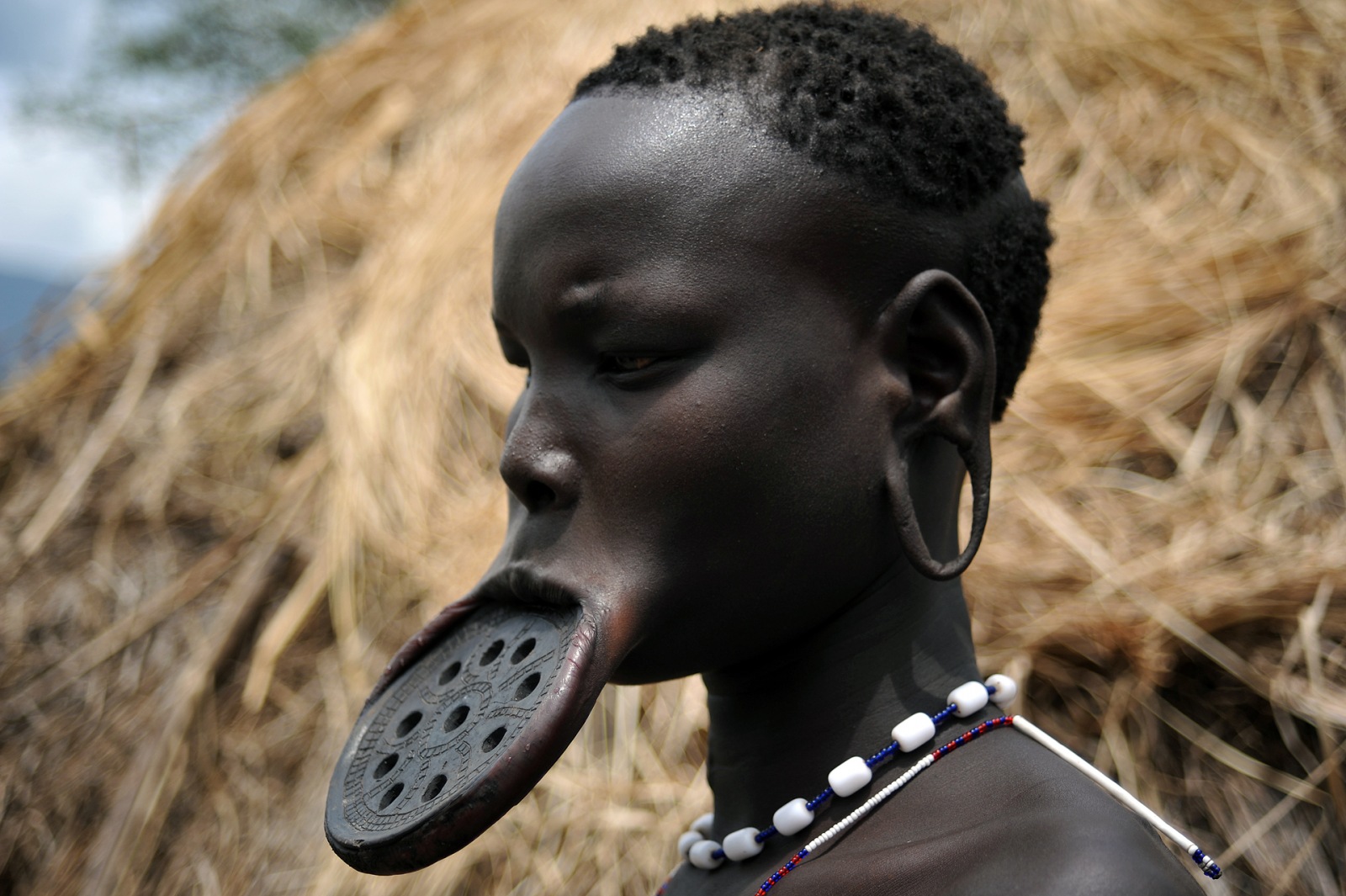
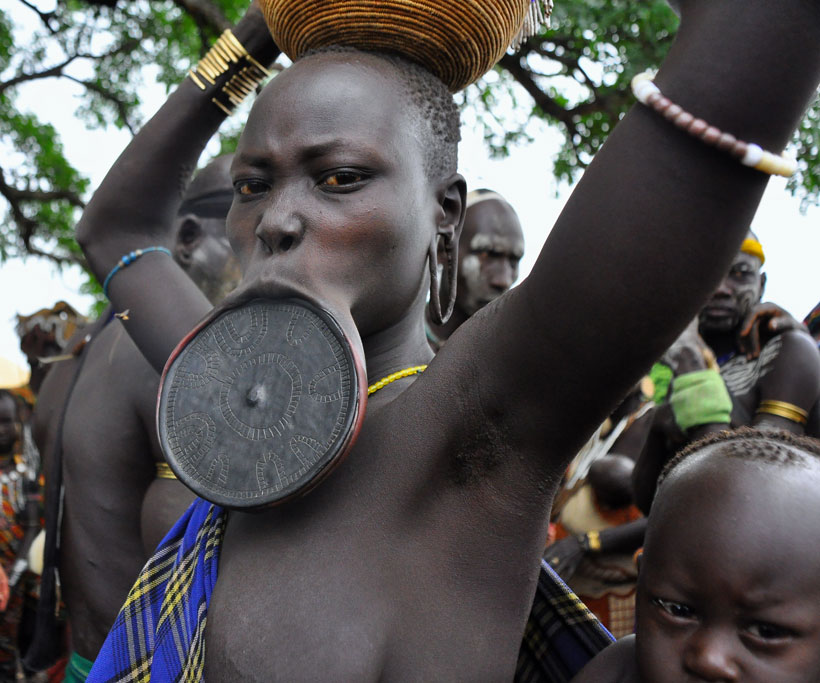
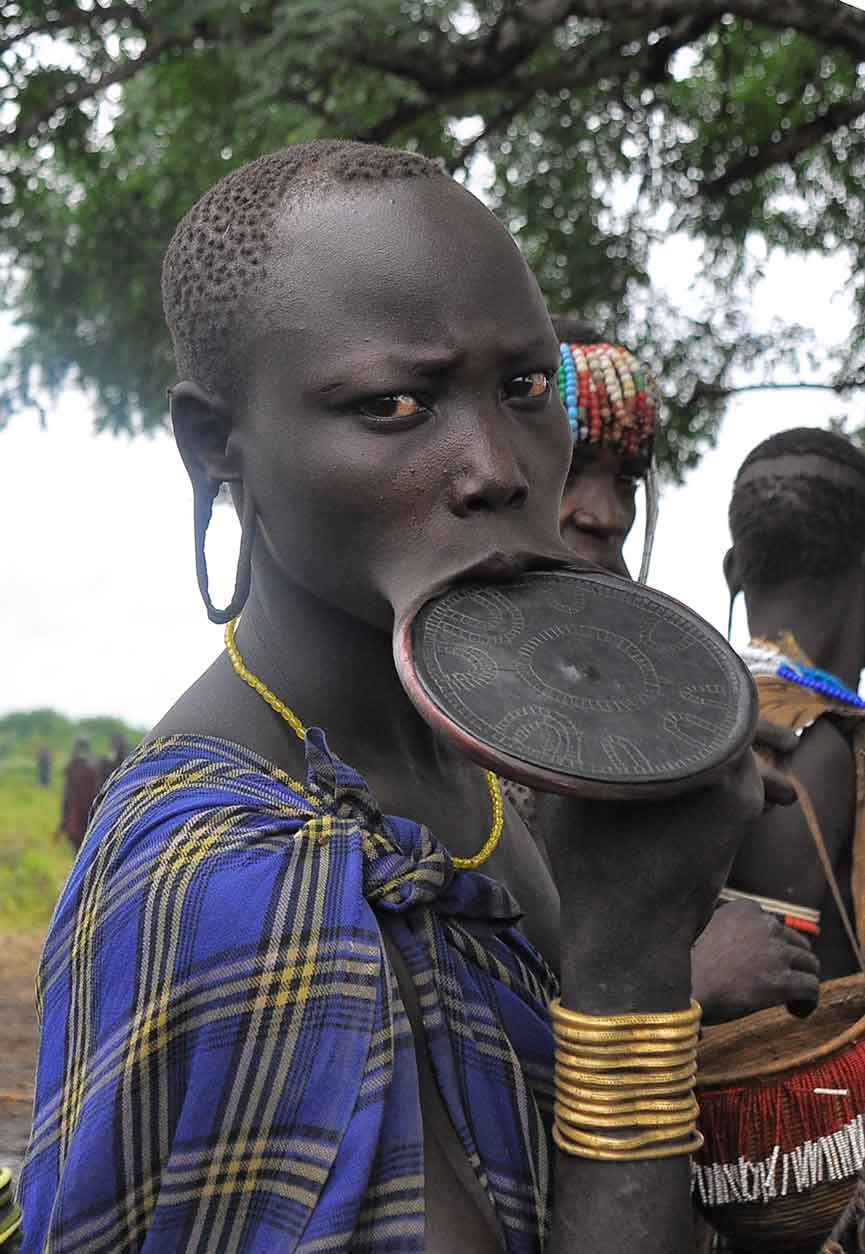
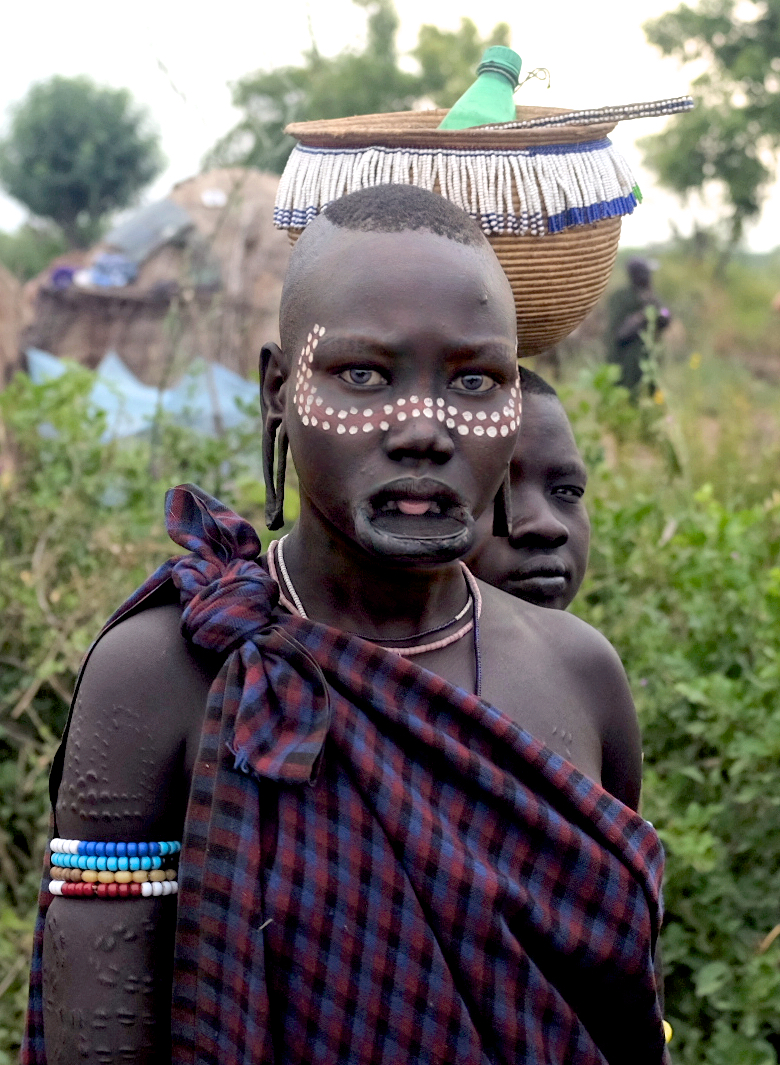
In the remote areas of southern Ethiopia, in the Omo River valley, lives the Mursi tribe, which fascinates the world with one of the most unusual beauty traditions. Their women stretch their lower lip from puberty and wear clay plates in it - a symbol that is as natural to the local culture as earrings or tattoos are to us.
For an outsider, it is a shocking sight, but for the Mursi it is a sign of adulthood, identity and femininity. This custom begins at approximately 15 to 18 years of age, when the lower lip is cut and increasingly larger pegs and discs are gradually inserted into it, until an opening capable of holding a large clay plate is created.
The process is neither simple nor quick. The first months are painful - the wound must heal and then the lip is gradually stretched using larger and larger inserts. The entire process can take several months to years and requires patience and determination, writes the portal Mursi Online. Although it is a physically demanding experience, women undergo it voluntarily, often influenced by social expectations and tradition. Interestingly, after healing, wearing the plate no longer causes pain, women get so used to it that they can function with it in everyday life.

One of the most widespread myths associated with this tradition is the claim that the larger the plate a woman wears, the higher her "price" at marriage. Many popular articles state that the size of the plate directly determines the number of cattle the groom must pay to the bride's family, and that a larger plate automatically means a higher social value for the woman.
However, anthropological research shows that this notion is largely a simplification, if not an outright myth. The actual "bride price" is primarily negotiated between families and depends on status, relationships between clans, and economic circumstances, not strictly on the size of the plate. The plate itself has more of a symbolic meaning and represents adulthood, readiness for marriage, and a woman's cultural identity. Size may play a role in how a woman is perceived within the community, but it is not a universal "price list" as is often presented. In other words: yes, a larger plate may increase prestige, but there is no direct equation of "larger plate = more cows". The reality is much more complex and is based on tradition, agreement, and social ties.

Women from the Mursi tribe do not wear the clay plate in their lip constantly. In everyday life, they often remove it, for example during work, eating, or rest. Therefore, in many photographs we see women without it, only with the stretched lip. They put the plate in primarily during significant occasions, such as celebrations, rituals, meetings with foreigners, or when they want to emphasize their identity and status. This is also why photographs can create a confusing impression - sometimes they have it, other times they don't, but it's still the same tradition.
Men from the Mursi tribe do not wear clay plates in their lips. Their position in society is determined by other signs, primarily strength, courage and the ability to succeed in ritual fights called donga. They decorate their bodies with scars or paintings, which, like plates in women, have symbolic meaning.
Pre-wedding traditions: Without cows there is no marriage
Even before there is any talk of a wedding, the most important part comes first: agreements between families. In Mursi culture, there is no romantic "dating" as we know it. Marriage is decided by parents and elder members of the community, who assess the origin, clan and economic background of both parties.
The key element is the so-called "bride price," which is paid in cattle. This involves dozens of animals – ideally around 30 to 40 cows, which the groom or his family hand over to the bride's family. Without this step, the wedding simply does not exist. Cattle are the foundation of wealth and social status for the Mursi.
Young men must earn respect. Part of the pre-wedding period may also include ritual fights called "donga", where men test their strength and courage. Scars from these fights are considered a sign of masculinity and increase the chances of an advantageous marriage, writes the portal Ethiopia Tours.
Wedding: A Union of Clans, Not Just Two People
The wedding itself among the Mursi is not a one-time event, but a process that can last for an extended period. It's not just about the union of a man and a woman, but about the connection of two families and clans. During the ceremony, they celebrate with singing, dancing, and feasting, with the entire community playing an important role.
Before leaving for the groom's home, the bride receives various items from her family - a sort of foundation for her new life. It's a symbolic household trousseau and a sign of family support, writes the portal The River.
An interesting fact is that a man can have multiple wives, especially if he owns large herds. Each woman has her own hut and takes care of her household, writes the portal Ethnoflow.
Life After Marriage: The Harsh Reality of Everyday Life
Romance quickly turns into harsh reality after marriage. Women in the Mursi tribe bear an enormous burden, taking care of children, cooking, building houses and often walking kilometers for water. Men focus on livestock, protecting the community and decision-making.

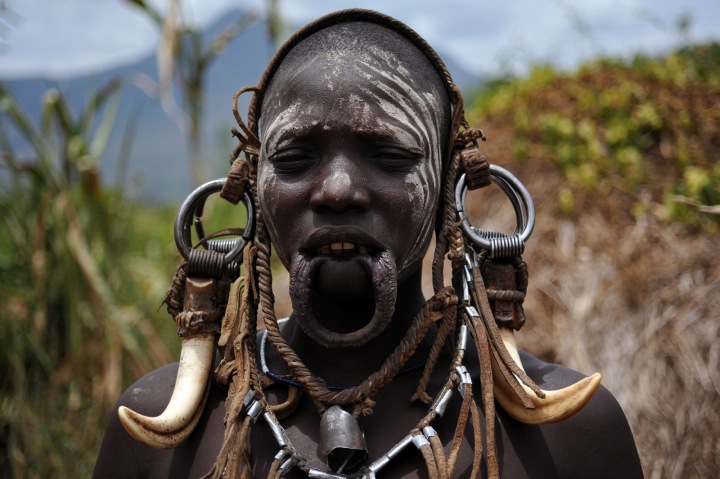
Cattle remains the center of life even after marriage. It is not only a source of food, but also of social ties - through it, alliances are built and conflicts are resolved. The exchange of cattle continues even after the death of spouses, which shows how important this system is for the functioning of the entire society.
Traditions that have survived centuries
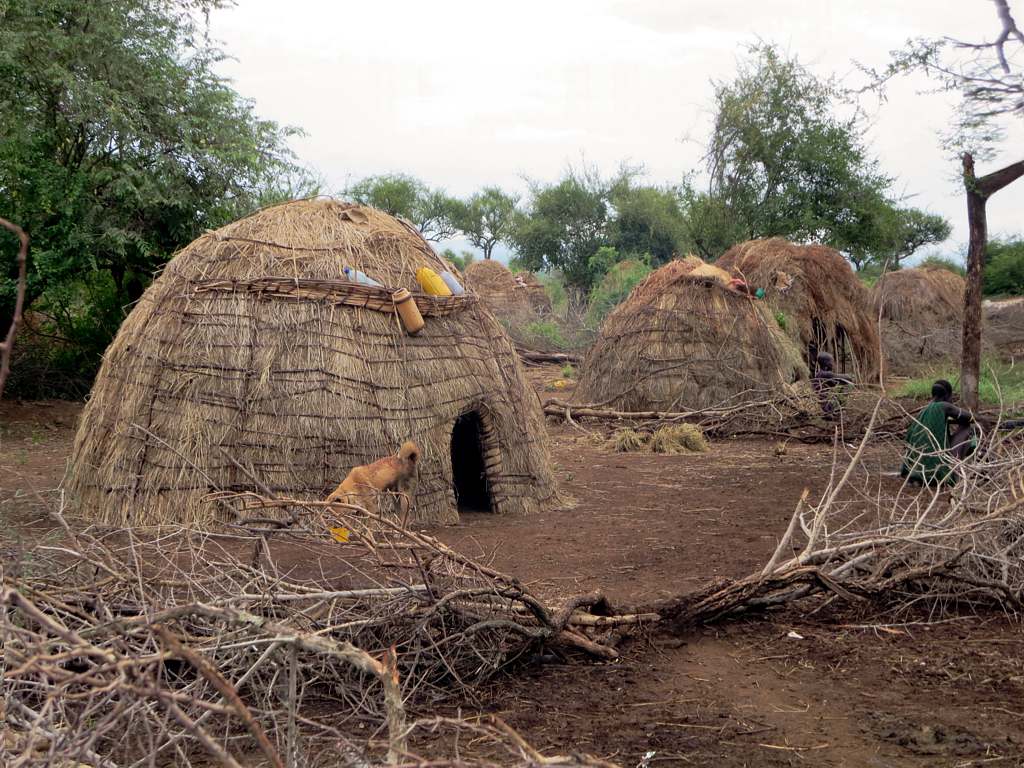
The Mursi live in small communities, often in a nomadic way of life. Their dwellings are simple – built from branches and grass – and they move according to the conditions in the landscape. Life is closely connected with nature, weather and water availability, reports the website Deniz Dikmen Blue.
The society is strictly divided, men decide on important matters, women take care of the household. Every member of the community has their role and its fulfillment is a matter of survival. Despite the harsh conditions, the Mursi maintain a rich culture full of rituals, music and body decorations that define their identity.
Interesting Facts from the Life of the Mursi Tribe: Facts That Will Surprise You
The Mursi have a very specific relationship with the body and its decoration. In addition to lip plates, both women and men create scars on their bodies – this is called scarification, which has aesthetic and symbolic significance. The scars often tell a story, for example about strength, courage or important life events.
Their way of measuring time is also interesting. The Mursi don't use a classic calendar, but follow nature - rain, cattle movement and seasons. Their life is thus completely connected with the rhythm of the landscape, which is almost unimaginable for modern people.
Another fascinating fact is that Mursi men often paint their bodies with white clay, especially during rituals or celebrations. These patterns are not random, they have both aesthetic and social function and express the identity of the individual.
Tourism has begun to significantly influence the life of the tribe in recent years. The Mursi are today one of the most photographed tribes in Africa. Some members of the community even ask for money for photographs, which is changing their traditional way of life and relationship with foreigners.
An interesting fact is also their language - the Mursi speak a language from the Nilo-Saharan language family, which is completely different from most Ethiopian languages. This further emphasizes their uniqueness and isolation.
Beauty, Pain and Tradition
From a European's perspective, the idea of life in the Mursi tribe may seem extreme. For them, however, it is a natural world where every tradition has its place. The lip plate is not just an aesthetic element, it is a symbol of strength, adulthood and belonging.
And even though the world around them is changing, the Mursi still protect their customs. Their story is proof that beauty, love and marriage can have a completely different meaning than what we are used to.
Source: author's text, Mursi Online, Ethiopia Tours., The River., Ethnoflow., Deniz Dikmen Blue