The crown remains stable. According to analysts, the domestic economy will continue to improve.


The Czech crown has significantly strengthened against major world currencies over the last 30 years and has become resilient even in times of global uncertainty, economists and other experts agree. So far this year, it is one of the best performing currencies in the world. Thanks to a functioning economy, shocks are not expected in the following period either.
"The Czech economy is stronger than expected and the rate-cutting process has been halted. It can be said that the risks are currently on the side of a stronger crown,"
Purple Trading analyst Petr Lajsek told ČTK.
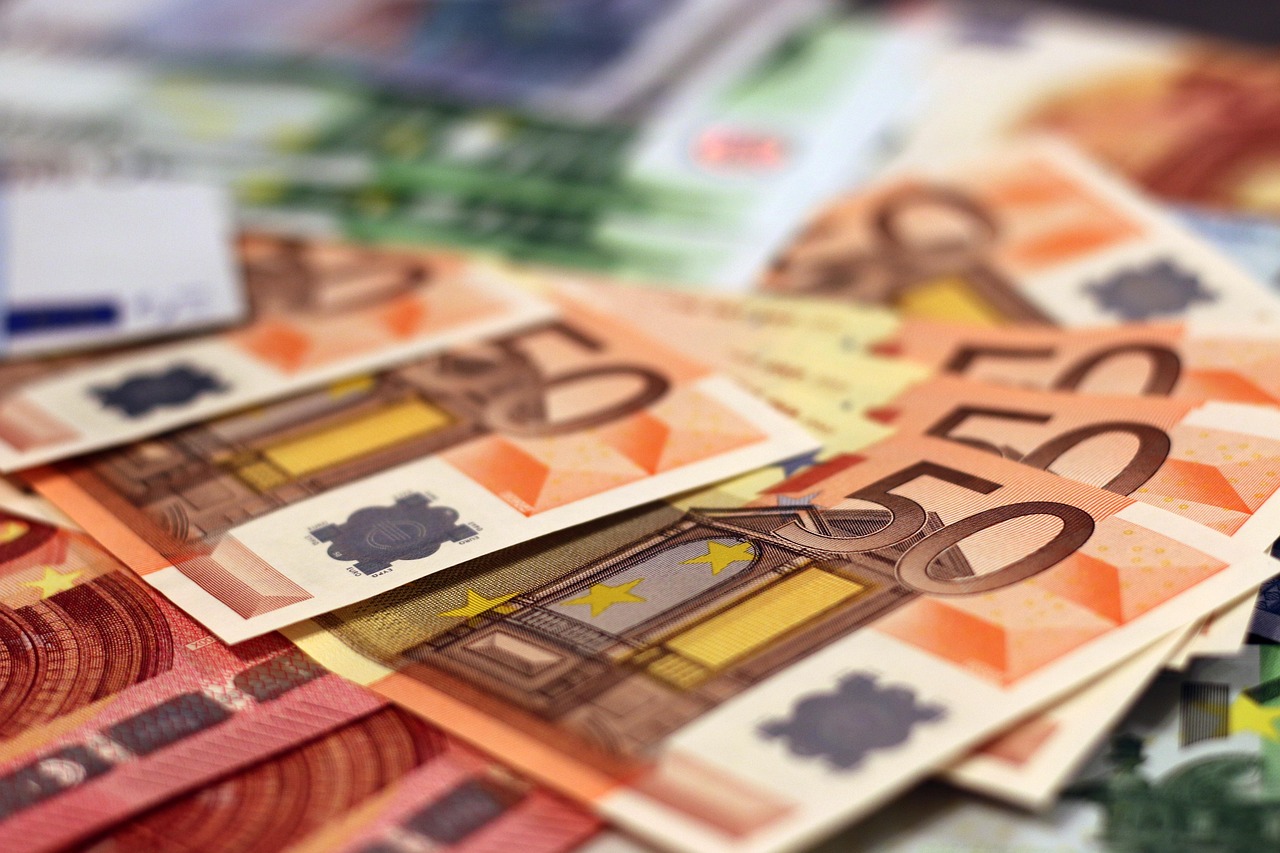
The crown has strengthened significantly this year. The crown is moving around the value of 24.30 against the euro. Since January, it has added approximately one crown to this currency. As a result, it is the strongest against the euro in recent years. This means that you need less money to buy euros or even US dollars.

The central bank insists on stability
The reason for the current development is the cautious policy of the Czech National Bank and a relatively high interest from investors. They benefit from the hawkish policy of our central bankers, which prefers higher interest rates to keep inflation under control. The crown is therefore more attractive to investors who are looking for returns in an environment of falling rates elsewhere in the world. Financials simply bet on the fact that the Czech currency has more room for growth ahead.
According to some economists, the Czech National Bank could decide in the future to take a step that could even lead to an increase in rates.
"We remain on the hawkish side of the spectrum,"
František Táborský of ING recently told the Seznam Zprávy portal.
A similar situation is also in Hungary, where the forint is strengthening mainly due to the effect called carry trade. Investors borrow in currencies with low rates and deposit in currencies with higher rates. Just like the crown, the local currency also has the potential for further growth according to many experts. Not only statements from Hungarian central bankers, but also a weak dollar support it. All this is happening at a time when the US central bank is gradually lowering its rates.
The crown in the investors' sights
The Czech crown is steadily strengthening against world currencies. This is not a random trend.
"Since the creation of the euro, the crown has strengthened more than 45 percent against the common European currency. In the case of the dollar, the crown has appreciated more than 44 percent since its inception,"
LP-Life trend was described by the chief economist of Portu, Jan Berka.
The current situation is comparable to the summer of 2008, when the crown reached some of the strongest levels in modern history. Before the outbreak of the global financial crisis, it benefited from a massive influx of capital, strong economic growth, and optimistic expectations. At that time, the euro fell under 23.10 crowns. The domestic currency was even better off in 2012, when one euro could be bought for 22.86 crowns.
The development of the exchange rate was significantly affected in the past by foreign exchange interventions within the so-called exchange rate commitment, which the Czech National Bank started in November 2013. The central bank then deliberately weakened the exchange rate in response to deflationary risks and kept the euro near the value of 27 crowns for more than three years.

Growth will continue to help the crown
The board members of the Czech National Bank do not expect the domestic economic situation to worsen dramatically in the future. Zdeněk Pikhart, the director of the monetary policy and fiscal analysis department of the Czech National Bank, is also optimistic.

"Economic growth should mainly be contributed by household consumption driven by a noticeable increase in real wages and a gradual decrease in the savings rate. An increase in investment activity is also expected, which will initially be driven by inventory creation and then by accelerating fixed investments. These will be supported by revivals abroad and the use of European funds,"
Pikhart told the editorial office.
This is good news for the crown rate as well. They consider the economy to be resilient. They also see an improving business mood. Accordingly, they unanimously agreed at their last meeting to keep the base interest rate at 3.5 percent.
The base rate affects the amount of money in the economy and also inflation. However, in this context, the councilors warn of the risk of a return of increased inflation. With the exception of May, the month-on-month core inflation rate has always been above the average values from the years 2010 to 2020.
According to bankers, the main driver of price increases is the growth in wages, which exceeded seven percent year on year in the first half of the year. They added in the same breath that the inflation will continue to be affected by the deficit of government institutions, property prices or the future impacts of emission permits.
Sources: author's article, own questioning, Seznam Zpravy