TRANSLATE: I take Wodaabe: Men put on makeup and dance, women choose husbands based on the whiteness of teeth


Among the nomadic tribes of the Fulani in West Africa, one group stands out - the Wodaabe, a tribe known for its beauty, cattle, and radical views on love. While the rest of the world discusses monogamy, the Wodaabe live by completely different rules, which may seem surprising to us, but also challenge our ideas about how our relationships should look. As in many nomadic cultures, the life of the Wodaabe revolves around cattle. Marriages are arranged very early, sometimes even before puberty.
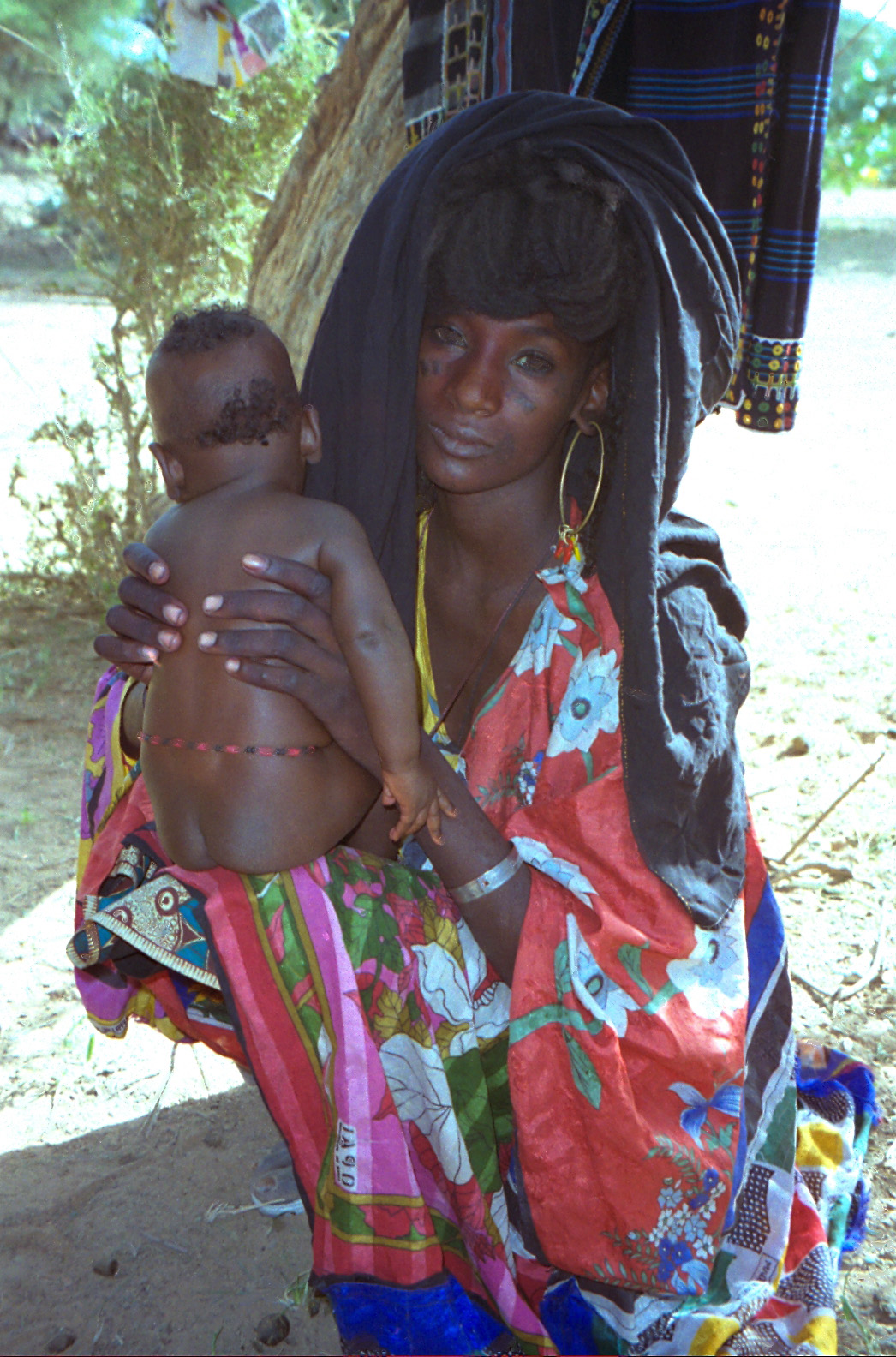
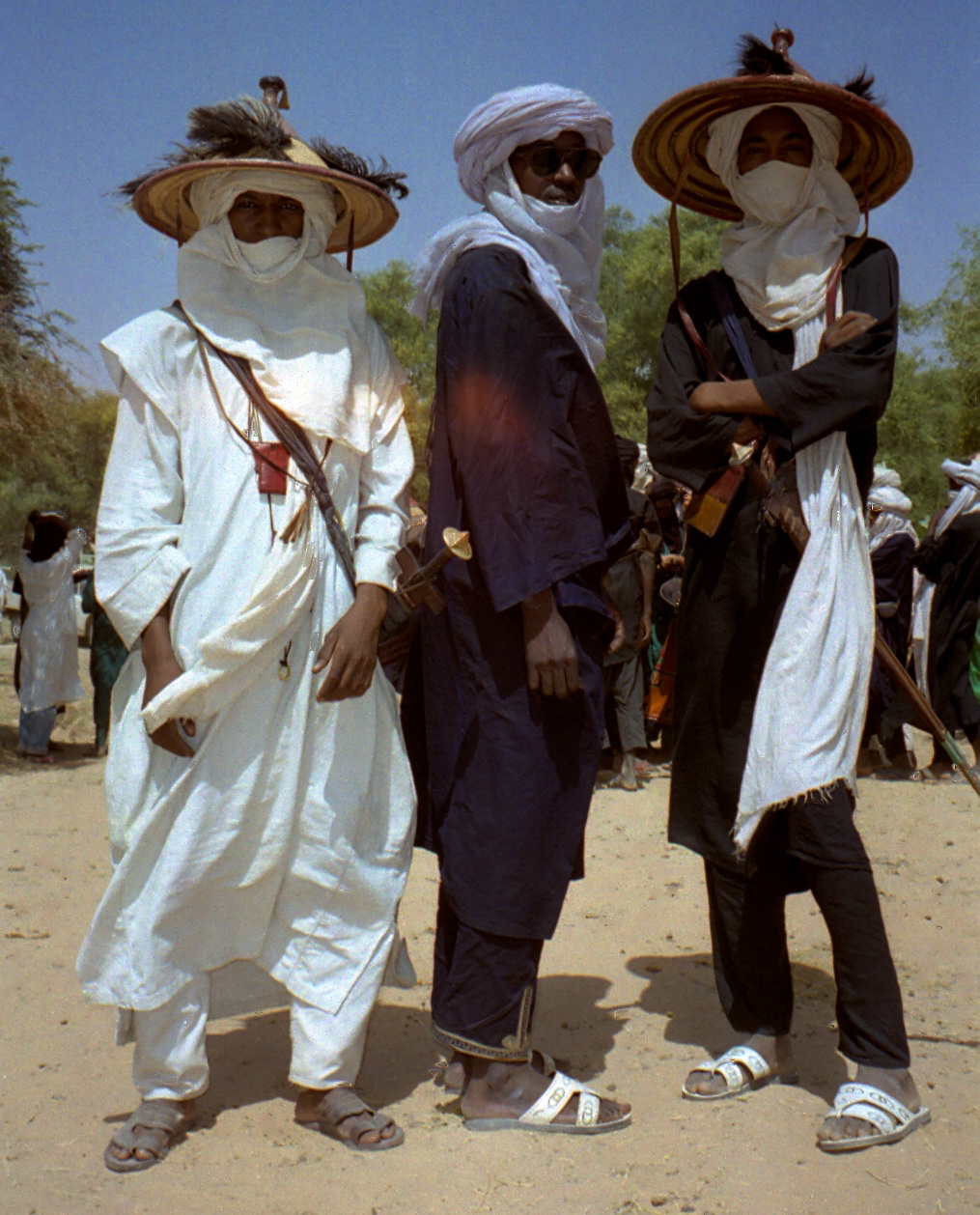
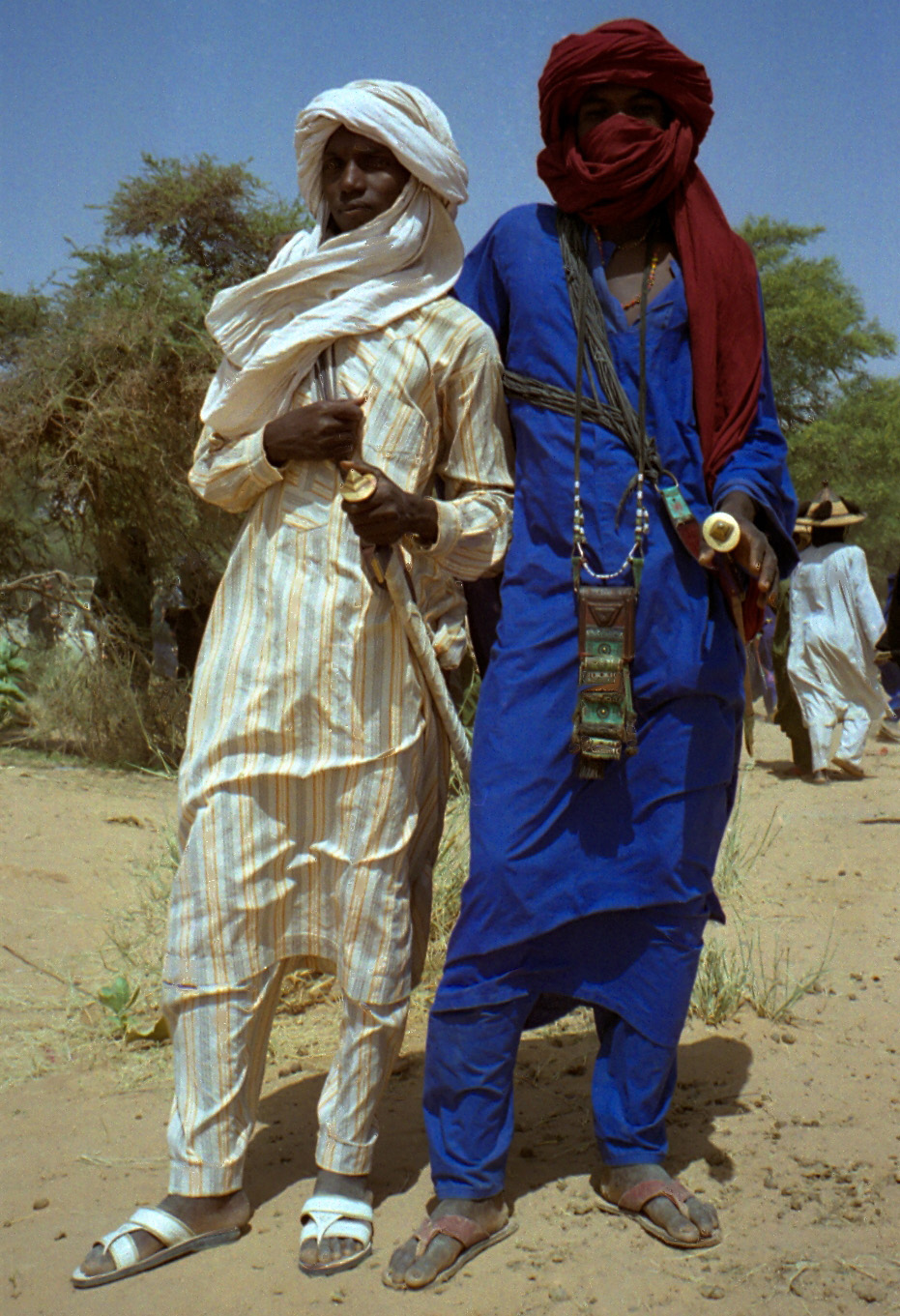
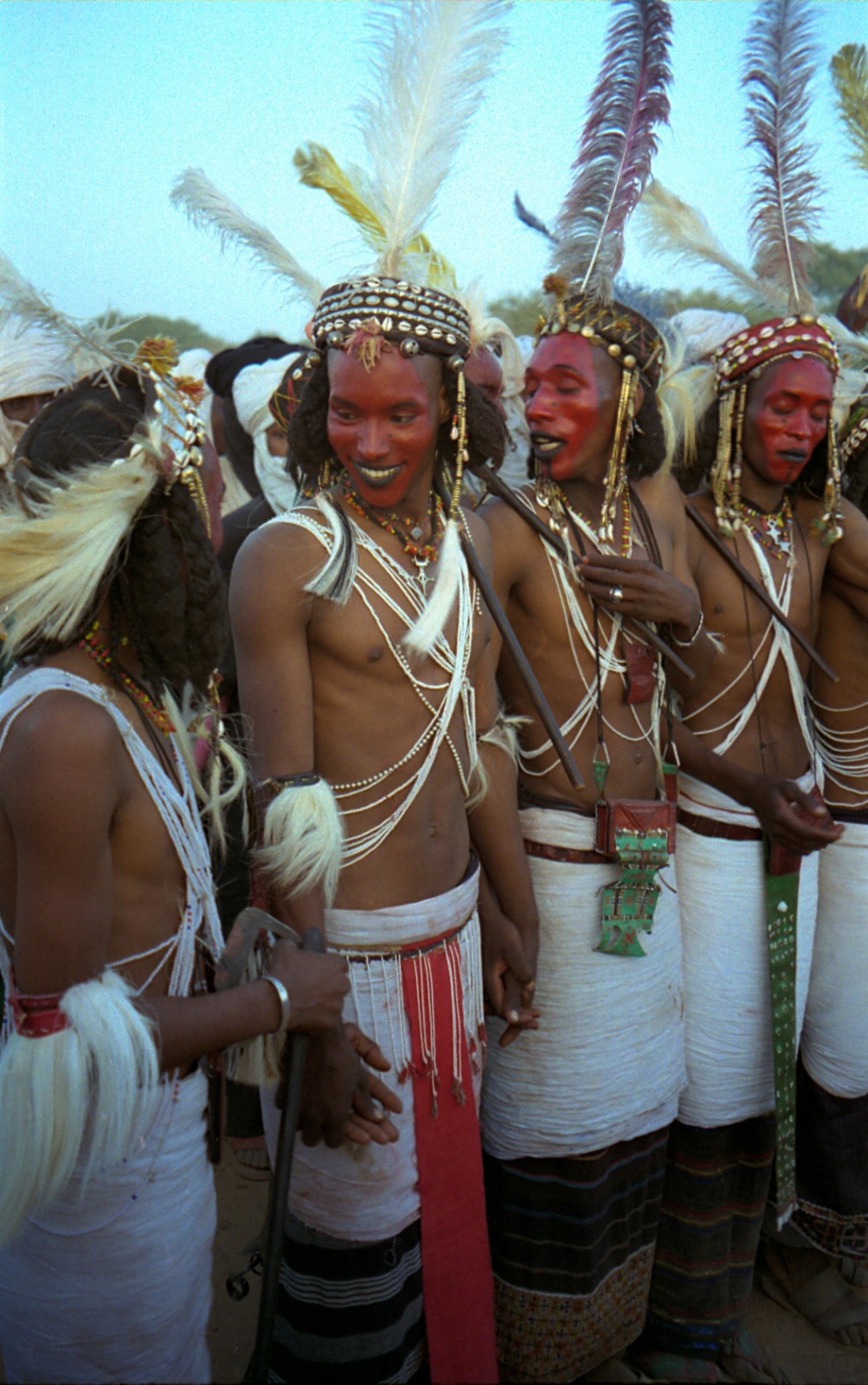
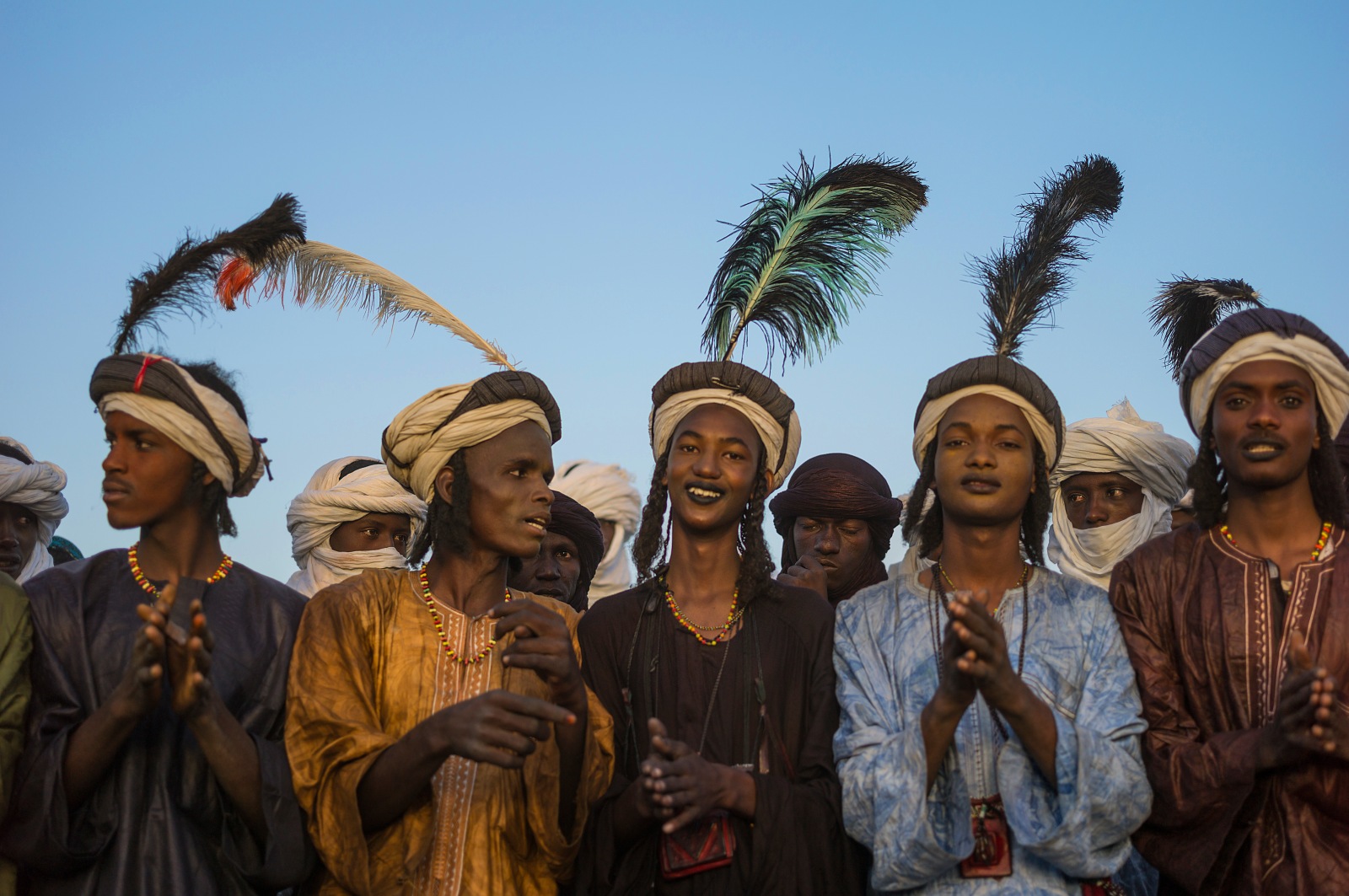
The Wodaabe are nomadic herders living in the African Sahel region. Their migration covers northern Africa - traveling with their livestock and families across the dry areas of Niger, Nigeria, Cameroon, Chad, and the Central African Republic. They are a small, isolated branch of the Fulani ethnic group, which neighboring tribes consider to be "wild" and uncivilized. Therefore they are called Mbororo or "cows" - those who live in cow camps. They speak the Fulani language, but they cannot read or write it. The Wodaabe place great emphasis on beauty and charm, because these qualities are key to their culture.
Faith and Values
Wodaabe believe in God, but they do not have any specific religious practices with specific rituals. Influenced by their Islamic neighbors, they call God "Allah", but essentially it represents the supreme force that can bring happiness or misfortune. They call to Him when they need hope. Their ethical code, pulaaku, emphasizes restraint and modesty (semteende), patience and perseverance (munyal), caution (hakkilo), and loyalty (amana).
The Wodaabe are polygamous, which means that one man can have multiple wives, and there are two main types of marriage:

Arranged Marriages
The first type is a marriage arranged in childhood. Parents choose a bride for their son. Marriages are also usually made within the same family, often between cousins. This is a way to strengthen family ties, preserve inheritance, and support community unity. Tradition plays a key role in these arranged marriages: children are raised with the expectation that they will continue family customs and protect family property.
Marriage by personal choice
The second type of marriage gives Wodaabe tribe men the option to freely choose up to four additional wives from other lineage lines. The only condition is that the man has a sincere affection and love for her. Here tradition meets personal choice - although it seems that the man has a dominant role in the choice, the woman ultimately has the right to decide whether to accept his offer. This type of marriage allows Wodaabe tribe men to follow their own desires and feelings, adding flexibility and emotional dynamics to their lives.
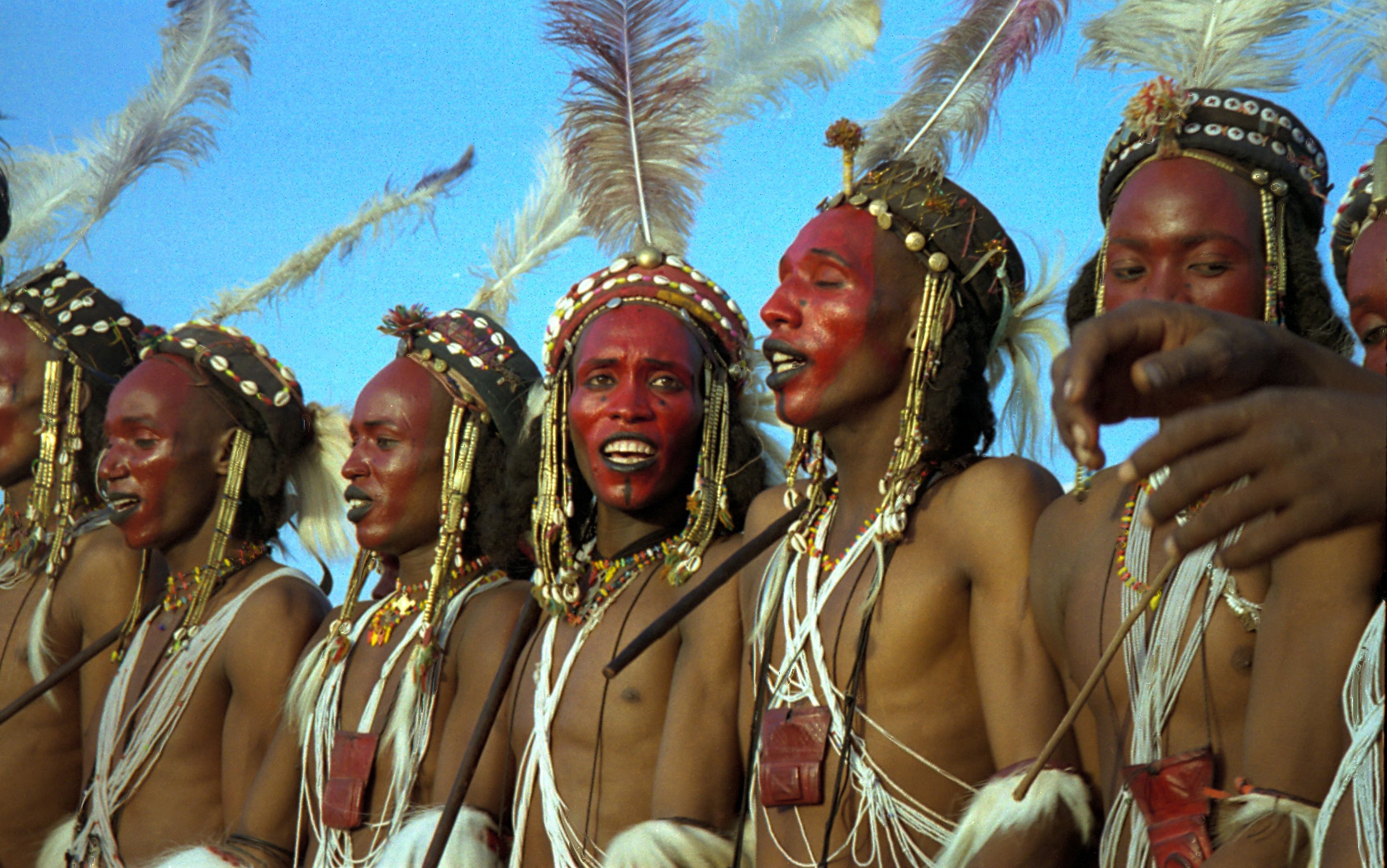
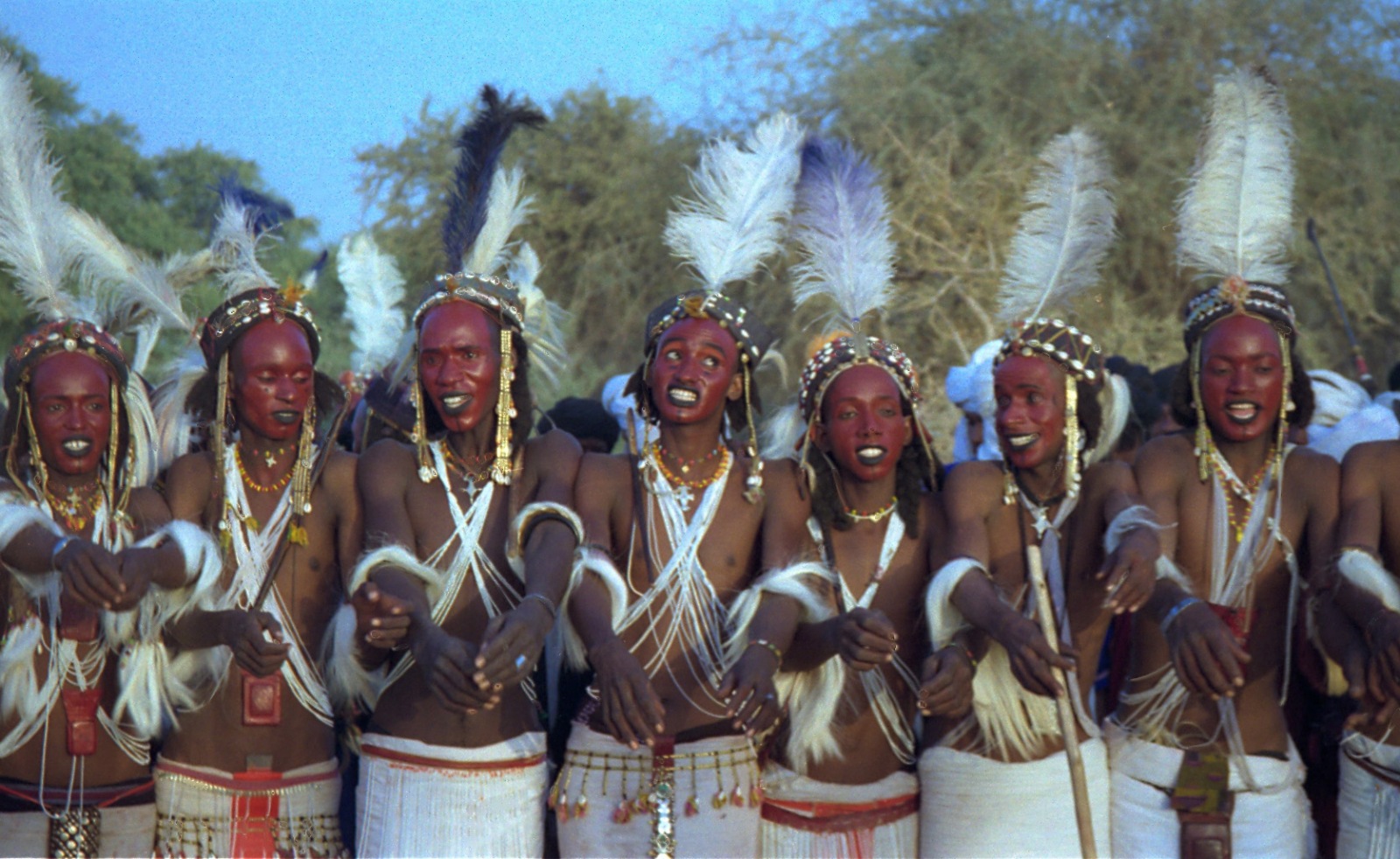
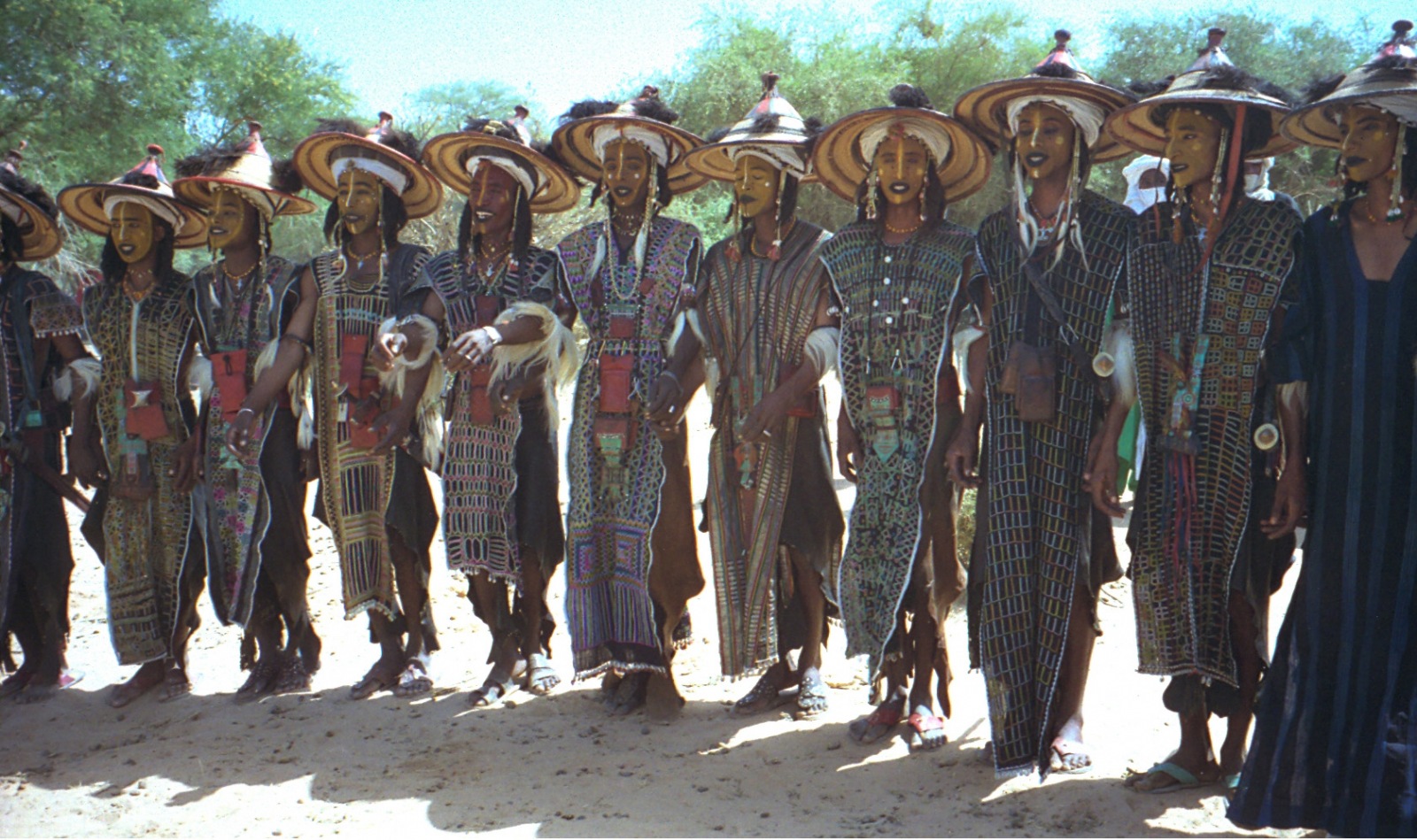
And how do the men of the tribe want to impress their future wives? With dance. What's interesting is that men invest time, money, and energy in adorning themselves and dancing to impress the women during the Gerewol festival, which is held once a year after the rainy season in September.
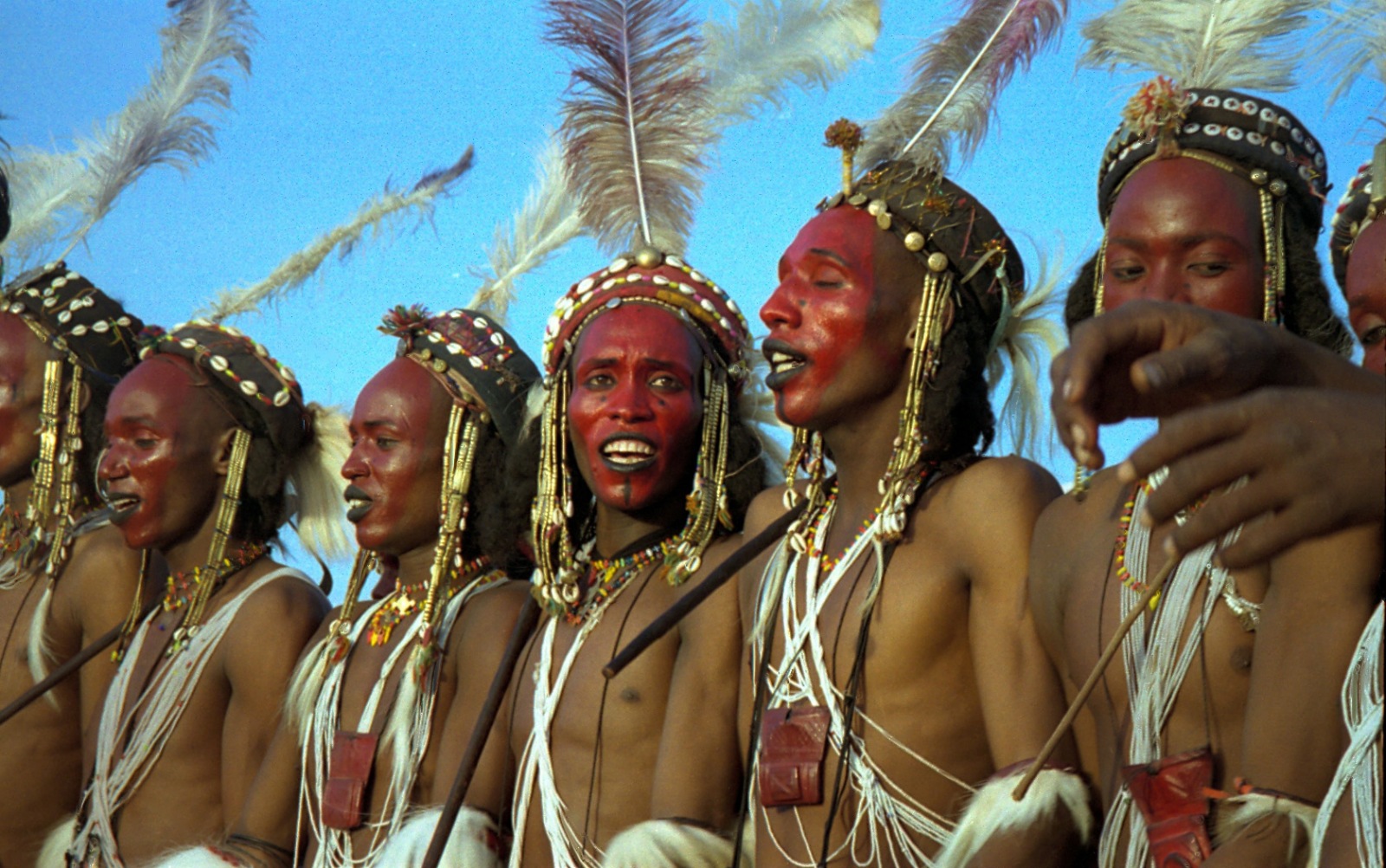
During the festival, men daub themselves with clay, stones, and animal bones, from which they prepare a paste for their face and body.
Their goal is to attract women - that's why they decorate themselves, compete among each other, and perform the Yaake dance in front of the women's camp. This ritual often lasts seven days, several hours a day in the desert. Men drink the fermented bark of trees, which allows them to dance for a long time and reportedly has hallucinogenic effects.
Clothing
Men wear colorful costumes adorned with beads, feathers, buttons, and decorations.
Beauty ideal: tall figure, white eyes, and teeth. Men often roll their eyes and show their teeth to emphasize their attractiveness. They use red, ochre, yellow, white, and black color, enlarge their eyes with kajal pencil and emphasize their lips. Feathers and hats give the face a style.
Dance and ritual
Fully dressed men dance in a circle, sing, clap, and stomp their feet. The Yaake dance involves interlaced hands and up and down movements on the toes.
If a man is not aesthetically attractive according to aesthetic criteria, he must compete through his togy - seductive voice, intense look, humor, friendliness, and social skills.
When a man catches a woman's attention, she draws closer to him and gently touches him to show her interest. If he reciprocates her gaze, he can engage in a longer conversation with her.
At the end of a day full of playful flirting, this ritual can lead to a night full of love and pleasure or a marriage proposal. Whatever the result, young men and women are not stigmatized, because virginity is not a significant theme for the Wodaabe.
After the festival
Sometimes a relationship in Gerewolu doesn't work out, but if the man is very in love, he will meet with her as many times as needed to try to convince her. Even if that meant walking several or many kilometers to the camp. But wait!

Did you know that according to the tradition of the Wodaabe tribe, marriage is not "forever"? In other words, being married is not an obstacle. If a married woman meets another man at Gerewolu, he will come for her at night, "kidnap" her and take her to his camp. There his family will accept her, even though initially she will sleep in a secluded place.
Then begins a process that can take several days. The abandoned husband will try to convince the abductor not to take her, but he will reject his arguments. Meanwhile, every night he will be getting closer to his lover's camp, until one day he officially agrees to become his wife.
If a woman finds another man during Gerewol, she can choose him and her former partner must let her go. But there is one BUT! The woman can change her partner, but her children must stay with their father. This can be very difficult because some children will see their mother leaving and sometime later a new wife will come into the world.
In the Wodaabe camp, each woman is assigned her own dwelling, several cows for milking, and a set of domestic duties. However, life among several women is not always harmonious. Women often struggle with feelings of jealousy or the need to share their husband's attention and love. In this dynamic, the eldest wife usually has the highest authority and oversees the order and rules in the camp.
The Wodaabe are known for their restraint - affection between spouses is not shown in public. Even the names of close relatives - wives, children, fathers, or mothers - are often not spoken out loud. This custom is not a manifestation of cold behavior, but deep respect and reverence. According to their culture, showing affection in public is considered a shame for the family and a disruption of the social order of the camp.
Aesthetics comes first
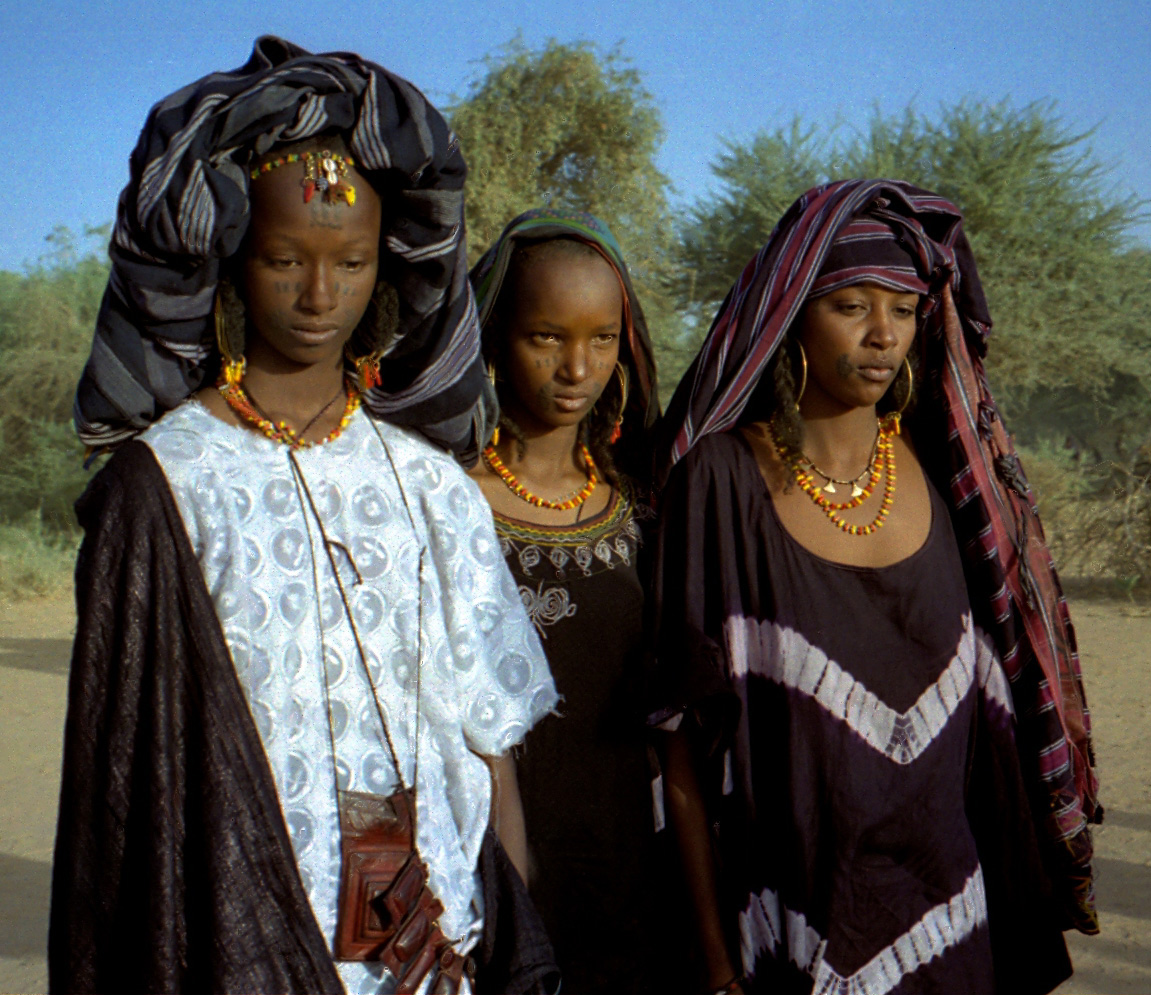
One of the most distinctive characteristics of this tribe is their unique sense of aesthetics. Beauty and visual appeal are immensely important to them and have a great influence on their everyday behavior, social interactions, and traditions. Their aesthetic ideal shapes not only their appearance, but also rituals, clothing, adornments, and the way they present themselves to other members of the community. Essentially, beauty is not just a superficial matter for the Wodaabe – it is a value that permeates their entire life and culture. Women have tattoos and scars on their faces. They are very intricate, with geometric patterns that identify them as Wodaabe.
They also wear large earrings, necklaces, bracelets, and hairstyles with two braids that frame and protect their faces. However, when they are married and are mothers, they should not look coquettish. Only single girls can and should wear dresses, jewelry, and make-up. Men also tattoo their faces, even though their physical appearance is much stricter. Everything changes at the Gerewol festival.
Cattle and children
The most valuable are dairy animals. The size of the herd and the types of animals symbolize social status - the more cows, goats, sheep, donkeys, or camels a family has, the richer and more important it is. Each animal has its own name, reflecting its physical characteristics or nature.
The size and composition of the herd indicate the wealth of the owner and the importance of the family. The ideal Wodaabe herd is balanced and provides everything needed for life: several dairy cows for milk, oxen for sale at markets, stallions for the continuation of the lineage, and young males for ceremonial purposes. The larger and more diverse the herd, the richer and socially more significant the family, and the easier it is to secure food for all family members.
During the rainy season, which the Wodaabe consider a time of abundance and happiness, milk from cows is available in unlimited quantities as it forms the basis of their diet. During this period, different families and clans meet to celebrate common holidays, the most important of which is the aforementioned Gerewol.
Children are also extremely important to the Wodaabe as they are expected to support and assist their parents in old age. As their wisdom says: "A couple without children is like a tree without fruit - in old age it remains alone." They prefer boys because girls move to live with their husbands after reaching adulthood. If they don't have their own son, they can adopt one of their nephews - and this is fully accepted by the entire community because it preserves inheritance and continues in the family name.
Life in the Heart of Chad
Imagine a world where people feel like birds in the tree crowns - this is how the Wodaabe from Chad describe their home. Their dwellings, called denki, are masterfully built from reeds and form two-story buildings. On the upper floor, they securely store all their valuables and personal items, while the lower "floor" serves as a place for sleeping and relaxation, protected by a fine mosquito net or a thin fabric that ensures privacy.
Women of the Wodaabe tribe value their possessions for their entire lives, forming their heritage. Carved pumpkins, hand-woven baskets, and other small items are all they can take with them if they decide to leave their husbands. Today, these traditional items are combined with plastic containers or metal flower pots - traces of the modern world are penetrating their ancient way of life.
Every day, a small fire is lit. It's the place where food is prepared and where they warm up on cold nights. The houses are arranged to provide privacy, or form a semicircle to protect against the wind and prying eyes, with bushes serving as a natural barrier.
The camp awakens with the first rays of the sun. Men take care of herds of cows, which are bred right next to the houses. At dusk, it's time for milking - milk is a basic element of their diet. Meat is consumed only rarely and mainly comes from smaller farm animals, such as goats and sheep. Cows are slaughtered only rarely, as they are a valuable source of milk and a symbol of wealth.
The daily life of men is associated with animal care - they lead them to pastures, to watering places or ponds, and decide when to move the camp. Women have their own demanding schedule: they care for children, collect fuel and water, maintain the fire, grind millet, cook, sew, decorate pumpkins, weave baskets, care for their appearance, and milk in the evening. Their work is as invaluable as the daily work of men with livestock.
When night falls, families gather around the fire, wrapped in blankets, listening to the elders tell stories about the origin of their tribe. These legends, passed down orally from generation to generation, preserve the history and culture of the Wodaabe. Every evening reminds them of their traditions, life in symbiosis with nature, and respect for the community that forms the solid foundation of their daily existence.
Source : original text, marieclaire.ng, kumakonda.com, our-ancestories.com