Trends in Housing? Primarily the Health of Residents


European research shows that daylight, contact with greenery, or a sense of privacy help us relax and avoid psychological difficulties. Fortunately, modern residential architecture can already respond to this. Your **byt/top** then becomes a refuge amidst hectic city life. What are the latest trends in healthy living?
Every person's home should be a place where we feel safe and can truly slow down. Investment in quality housing is no longer just a matter of comfort, but primarily prevention and care for one's own health.
Home as a Place of Active Regeneration
In architecture and interior design, the concept of the so-called home sanctuary, or home as a place of active regeneration, has been gaining ground in recent years.
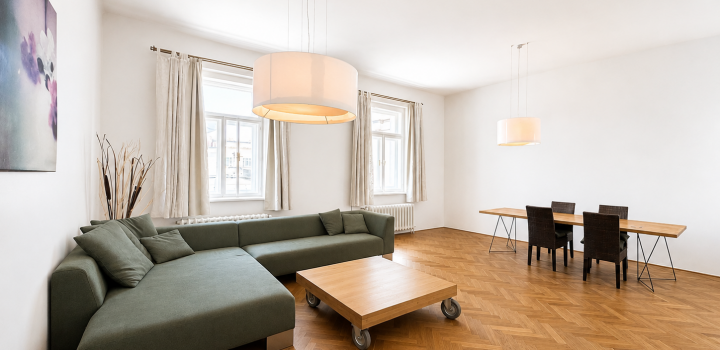
"The key elements of this concept are large-format windows maximizing daylight, connecting the interior with the exterior through terraces or winter gardens, high-quality acoustic insulation as protection against noise, and flexible spaces that allow for the creation of quiet zones separated from work activities. Contact with greenery, even if only visual, has been proven to reduce levels of stress hormones,"
explains Eliška Koderová, director of the sales department at Geosan Development.
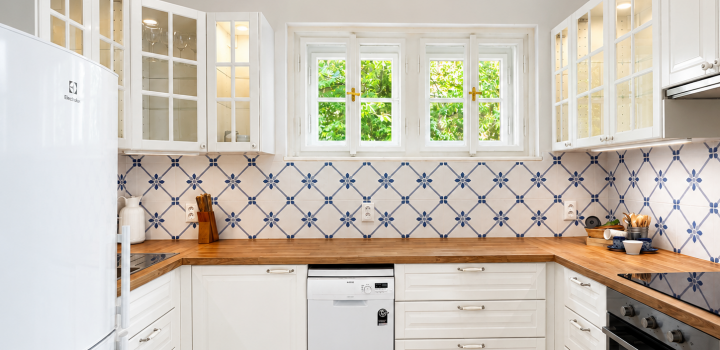
The ideal combination is east-facing windows for morning light, which helps set the circadian rhythm, and west-facing windows for evening lighting. If you have the option, prioritize apartments with windows facing multiple directions to ensure natural light throughout the day.
When choosing an apartment, pay attention not only to the location but also to the quality of construction. Quality windows and good insulation from neighbors are not just about comfort but also about health. A good example is windows with triple glazing, which prevent noise from outside and also have thermal insulation functions. Chronic noise increases the levels of stress hormones and negatively affects sleep quality.
Another current trend is the clear separation of work and relaxation spaces. Ideally, this is either a completely separate study or at least a visually separated work zone that you can "leave" after working hours. This will help your brain switch into relaxation mode.
Don't forget about greenery in the interior. Houseplants improve air quality and have a positive effect on the psyche. Taking care of plants can work as a form of meditation, and regular contact with greenery reduces stress.
Controlled Ventilation and Other Technologies
A common topic is also the investment in recuperation or quality ventilation. Fresh air improves sleep quality, concentration, and overall well-being.
“Controlled ventilation with recuperation should be an obvious part of quality housing. It is quiet, unobtrusive, and space-efficient,”
wrote the head of the Czech and Slovak representation of Zehnder Group, Jiří Štekr, to the editorial team. And if you don't have recuperation, pay attention to regular ventilation – ideally at least three times a day for 10 to 15 minutes.
The preparation for intelligent apartment control allows you to remotely manage both the temperature and things like blinds, lighting, and some home appliances. You can set up a program in advance that best suits your needs. Its usage is then reflected in clear graphs, so you have everything under control.
In some projects, you may encounter other technological innovations. For example, an efficient system for maintaining water temperature, HWAT, which replaces traditional circulation systems. This significantly reduces heat loss in the return piping and simultaneously minimizes the risk of mechanical system failures.
Experts sometimes also consider capturing rainwater and its subsequent use in how rainwater can be managed. This results in significant cost savings. Accumulation tanks have year-round use. The water is thus distributed from the tank to garden irrigation.
Moreover, some projects feature so-called green roofs, which produce oxygen, retain CO2, absorb pollutants from the air, and filter dust particles. They also prevent roof overheating and reduce temperature fluctuations between day and night.
Sustainability Also Applies to Commercial Buildings
Emphasis on energy and ecological improvements is a major theme both for many housing seekers and investors in commercial real estate. Buyers often request discounts for properties that do not meet ecological standards, or sometimes even completely avoid them.
“Sustainability has become a key factor in determining property value. Investors are actively considering the ecological performance of properties, which has a measurable impact on their market value,”
stated for LP-Life the head of the investment properties department at CBRE in the Czech Republic, Jakub Stanislav.
Sources: author's text, own inquiries