Internet stores are conquering social networks. Most people shop for software, electronics, and gift items.

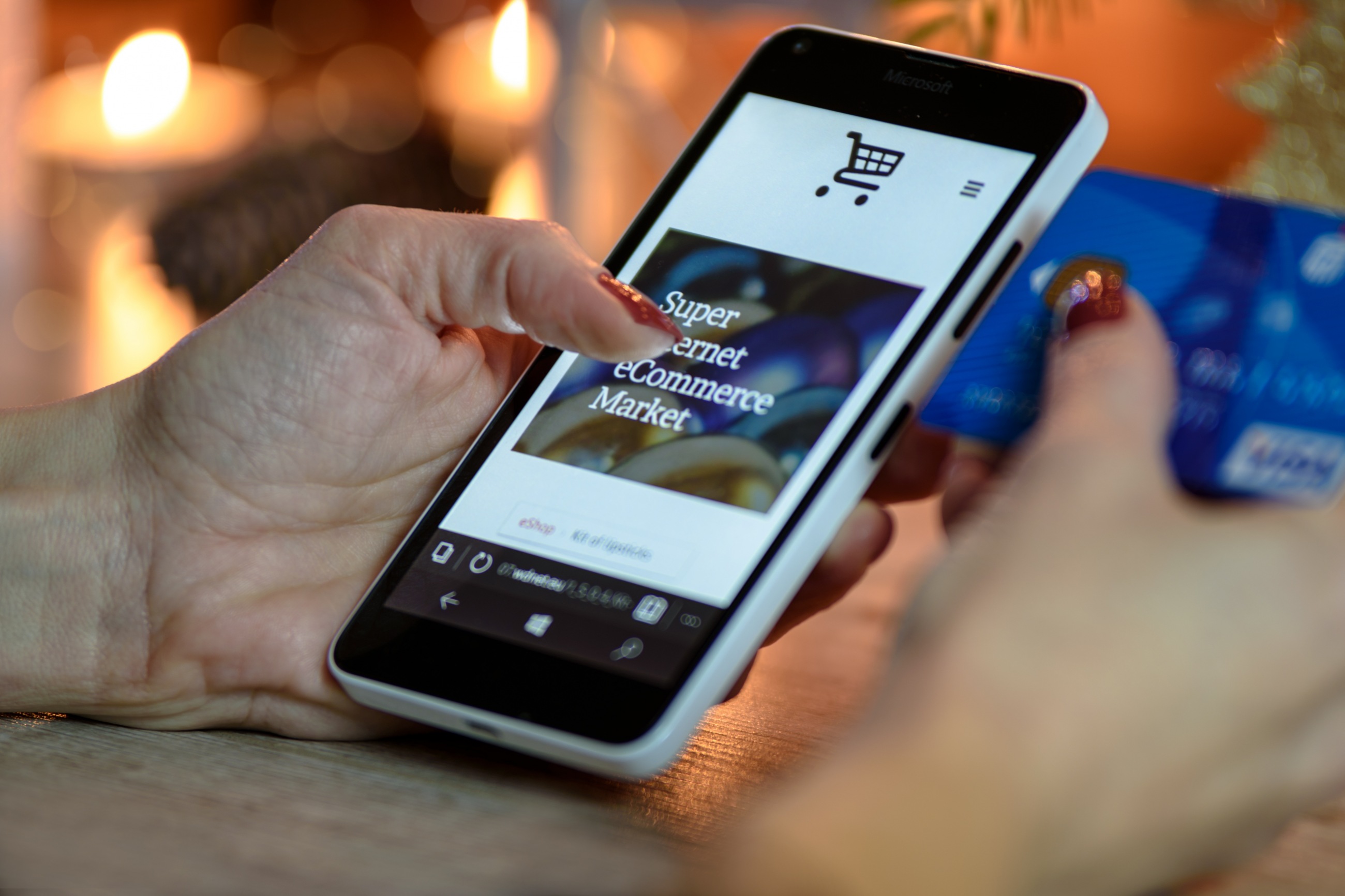
Shopping through social networks is on the rise. While last year a fifth of Czechs shopped through Instagram or TikTok, this year it is already a quarter. Generation Z is the most receptive to this trend, as they also trust influencer recommendations more than traditional advertising. Additionally, artificial intelligence is increasingly being used in the offerings of individual online retailers. However, the difference between the shopping behavior of men and women remains.
According to a survey by Adyen, 25 percent of Czech consumers are shopping on platforms like Instagram or TikTok this year. A year ago, it was only a fifth.
Influencers Matter
Social networks have now become a standard destination for shopping-hungry visitors, who also seek inspiration for what to buy. Nearly 37 percent of Czechs reported that they are more likely to purchase a product recommended by known personalities, influencers, or celebrities. More than a fifth of respondents trust recommendations from online creators more than traditional advertising, particularly among younger individuals. In the case of Generation Z, nearly 40 percent of respondents trust influencers more than traditional advertising. More than a quarter of Czech consumers also admit that their purchases are influenced by products and trends currently gaining popularity on social networks.

The mentioned purchases are not just occasional occurrences. Active users who shop this way make an average of four orders per month. Just under 70 percent of them spend a maximum of three thousand crowns per purchase.
Interest is growing
The most active shoppers remain Generation Z, aged 16 to 27. Their share has increased year-on-year from 36 to 38 percent. Among millennials, the share increased from 26 to 27 percent. For the baby boomer generation, those born after World War II, it went from 12 to 15 percent.
"I started using social media in my 70s. Thanks to that, I purchase goods more and more often only online. I don't feel like going to the store for it at my age,"
said Jiří Vopat from Prague to the editors.
However, customers are sometimes discouraged by complicated payments on social media. According to a survey, nearly one-third of Czechs say they would spend more often with their favorite brands if they could securely pay directly within the app without having to switch to another website.
"On social media, people today encounter a vast amount of content and offers. They make decisions in seconds and often act impulsively. That's why speed is absolutely crucial,”
said Matouš Michněvič, regional director for Central and Eastern Europe at Adyen, regarding the survey results.
Artificial Intelligence Comes to the Forefront
Innovations by online retailers do not stop there. A new study prepared by MageXo in collaboration with the Association for Electronic Commerce and the Czech Association for Artificial Intelligence claims that 69 percent of retailers are gradually implementing AI and learning to work with it. This innovation offers great potential, especially in the area of creating visual content or customer support within e-shops.
“The results of the study indicate that currently, the market situation is primarily in the style of We use ChatGPT, and this needs to be quickly changed to utilize the much broader possibilities that artificial intelligence offers,”
wrote the LP-Life executive director of the Association for Electronic Commerce Jan Vetyška.
Men and women differ in shopping behavior
Online stores also register different interests between men and women. Men search for software in almost 80 percent of cases, consumer "black" electronics in over 70 percent, and also the auto-moto segment including accessories, computers, notebooks, hardware, and mobile phones. For women, flowers and gift items remain number one, followed by children's clothing, childcare products, cosmetics and perfumes, books, and drugstore items.
While ten years ago, 52 percent of internet users in our country shopped online, last year it was 88 percent, according to Eurostat data. Almost 9 out of 10 Czechs made an online purchase at least once in the past year. Thanks to this, we are among the biggest fans of online shopping in Europe.
Sources: Author's article, Adyen, APEK, Mediaguru