Baby Leontýnka and sixteen-year-old Lilly are fighting with lung failure. Special devices can change their lives
One is just beginning her life. The other stands on the threshold of adulthood. Nearly sixteen years separate them, but they are connected by something that should connect no child - their world is bounded by four walls and the struggle with lung failure. An oxygen monitor could make it easier for Leontýnka's mother to care for her daughter at home, while an oxygen concentrator could help Lilly get out more often and experience adolescence similarly to her peers. The Naše plíce Foundation has therefore decided to launch a fundraiser that could bring both girls more safety, freedom, and life outside the hospital room or home.
Leontýnka was born in the 23rd week. She weighed only 420 grams
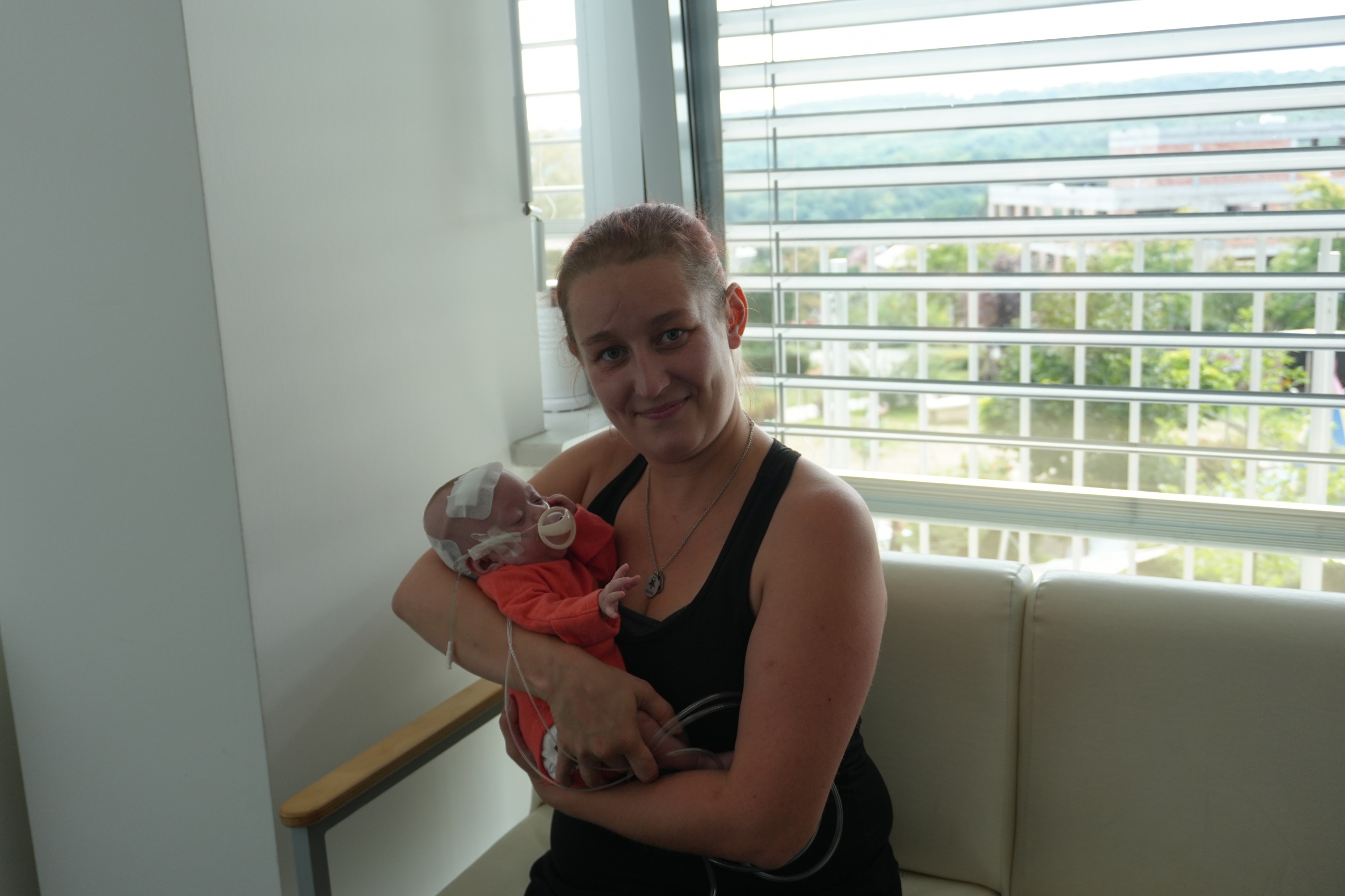
Leontýnka came into the world extremely prematurely, at 23+2 weeks of pregnancy, and weighed only 420 grams. Instead of the first days together at home, her parents faced a fight for the little girl's life. The situation was so serious that after several days, doctors also opened up the option of palliative care with the parents. But the parents did not give up hope.
"We didn't even consider this option. We believed in her," her mother recalls for LP-Life.cz.
And Leontýnka continues to fight. Since her birth, she remains hospitalized and her mother is with her continuously. Meanwhile, the family still doesn't know when the day they are waiting for will come, when they can finally take their little girl home.

Her lungs were not ready for life outside her mother's body
One of the consequences of extremely premature birth is bronchopulmonary dysplasia. Leontýnka's lungs were not sufficiently developed at birth, and breathing is therefore much more demanding for her small body than for a healthy child.
She still needs oxygen support and due to other health complications, she is undergoing a series of examinations and procedures. Additionally, cerebrospinal fluid is drained from her Ommaya reservoir every day. Even feeding is challenging for her. Leontýnka is learning to drink from a bottle, but she gets exhausted quickly. Therefore, her mother still administers part of the necessary nutrition through a tube directly into her stomach.
The treatment of premature newborns is specific in that it can actually cause harm. For instance, we administer oxygen with the aim of improving blood oxygenation, but at the same time we must be aware that the oxygen is toxic, so we must be very cautious with it,
said Doctor Leontýnka, MUDr. Václav Koucký, Ph.D., working at the Pediatric Clinic of the 2nd Faculty of Medicine, Charles University and the University Hospital in Motol, for LP-Life.cz.
The device could give mum greater peace of mind once Leontýnka gets home
Hospital means continuous supervision by medical staff and monitors. But at home there won't be such support. This is what mum is particularly worried about during Leontýnka's sleep, when breathing difficulties may occur. A monitoring device would therefore greatly help the family, allowing them to monitor her condition in the home environment as well.
"In home care, monitoring would make many things easier for me. It would ease my fear that something might happen and I wouldn't notice. At the same time, I could also think about the needs of my older daughter,"
her mother explained to the editorial team.
At home, ten-year-old Tonička is waiting. She also needs her mother. The monitor would thus not only be a medical aid. For the whole family, it would mean a greater sense of security and could facilitate Leontýnka's long-awaited transition from the hospital environment to home.
Sixteen-year-old Lilly wants to be a chef. But illness has taken away a large part of her normal adolescence
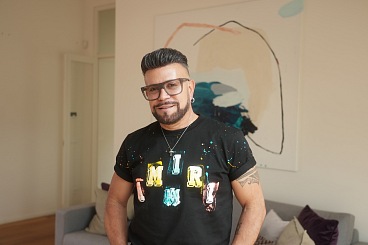
Lilly is sixteen years old and in September she starts secondary school, where she wants to become a chef. She loves singing, is learning guitar, listens to metal and opera, and more than anything would like to live like her peers, be with friends and enjoy her adolescence. But her possibilities today are determined by the condition of her lungs.
Lilly has had health problems since childhood. Subsequent examinations revealed a serious chronic lung disease associated with a mutation of the FLNA gene. Her lungs today need oxygen support. At night she sleeps with oxygen, during the day she monitors her saturation and at low levels or during physical exertion she needs oxygen support.
"It mainly limits me in movement. I can't do what I used to do, and I can't go where I'd like to. Like meeting friends or going to dance class. I'm at home most of the time,"
Lilly told LP-Life.cz.
The illness has changed things that were taken for granted just a few years ago. However, the limitations don't only concern sports. Going to the cinema, a concert, visiting friends, or even an ordinary weekend at grandma's or sister's becomes complicated.
"As a mother, I would wish for Lilly to be happy and to experience her youth truly. First love, going to the cinema with friends, to concerts, or just hanging out whenever she feels like it,"
wishes her mother.
An oxygen concentrator could expand Lilly's world
Lilly needs long-term oxygen therapy. The current oxygen supply, according to the family, lasts approximately three hours. Therefore, every longer stay away from home needs to be carefully planned.

The Philips Oxygenate 5 oxygen concentrator could help. The device extracts oxygen from the surrounding air and allows a continuous flow of 0.5 to 5 litres per minute. It's not a small portable concentrator that Lilly could carry during a walk. However, the device is transportable by car and can be connected to the electrical grid on site.
For the family, this would mean the possibility to go, for example, to grandma's, to their sister's, or on a joint stay without such significant dependence on a limited oxygen supply.
Two Devices, Two Lives and One Collection
The Our Lungs Foundation has therefore launched a public collection, the aim of which is to help both girls obtain aids that will make everyday life easier for their families.
The Our Lungs Foundation assures that it does not keep any part of the donations for its operation. The foundation's operating costs are covered by the company that established the fund. Funds possibly collected above the target amount are to be used for further collections of the foundation for children and families in need.
You can help Leontýnka and Lilly through the public collection of the Naše plíce Foundation Fund, which is announced on the Darujme platform.
Source: original text, own inquiry, Naše plíce Foundation Fund