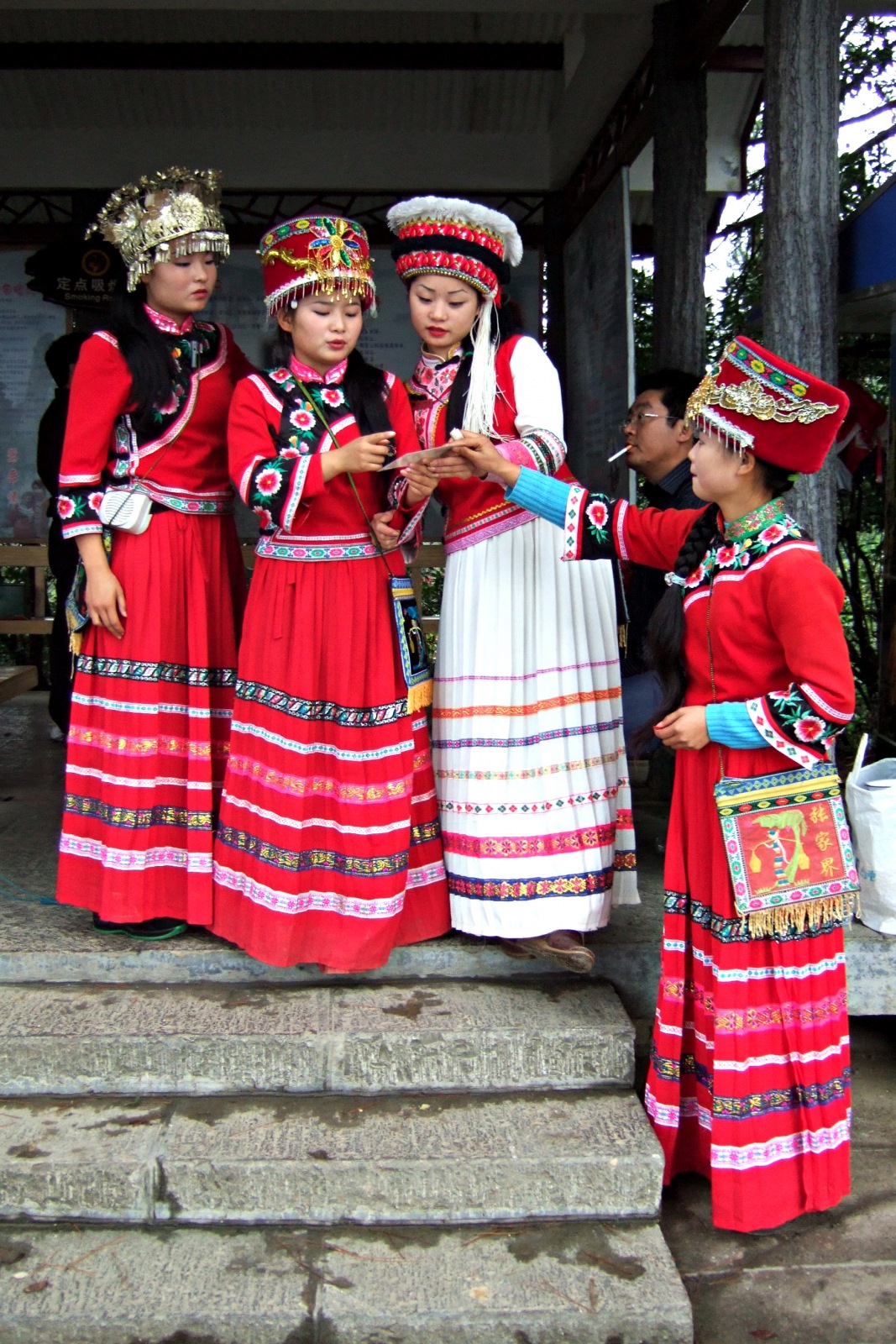
I'm Taking a Husband from the Tujia Ethnic Group: The Bride is Forced to Cry Before the Wedding, the Ritual Lasts for Entire Weeks


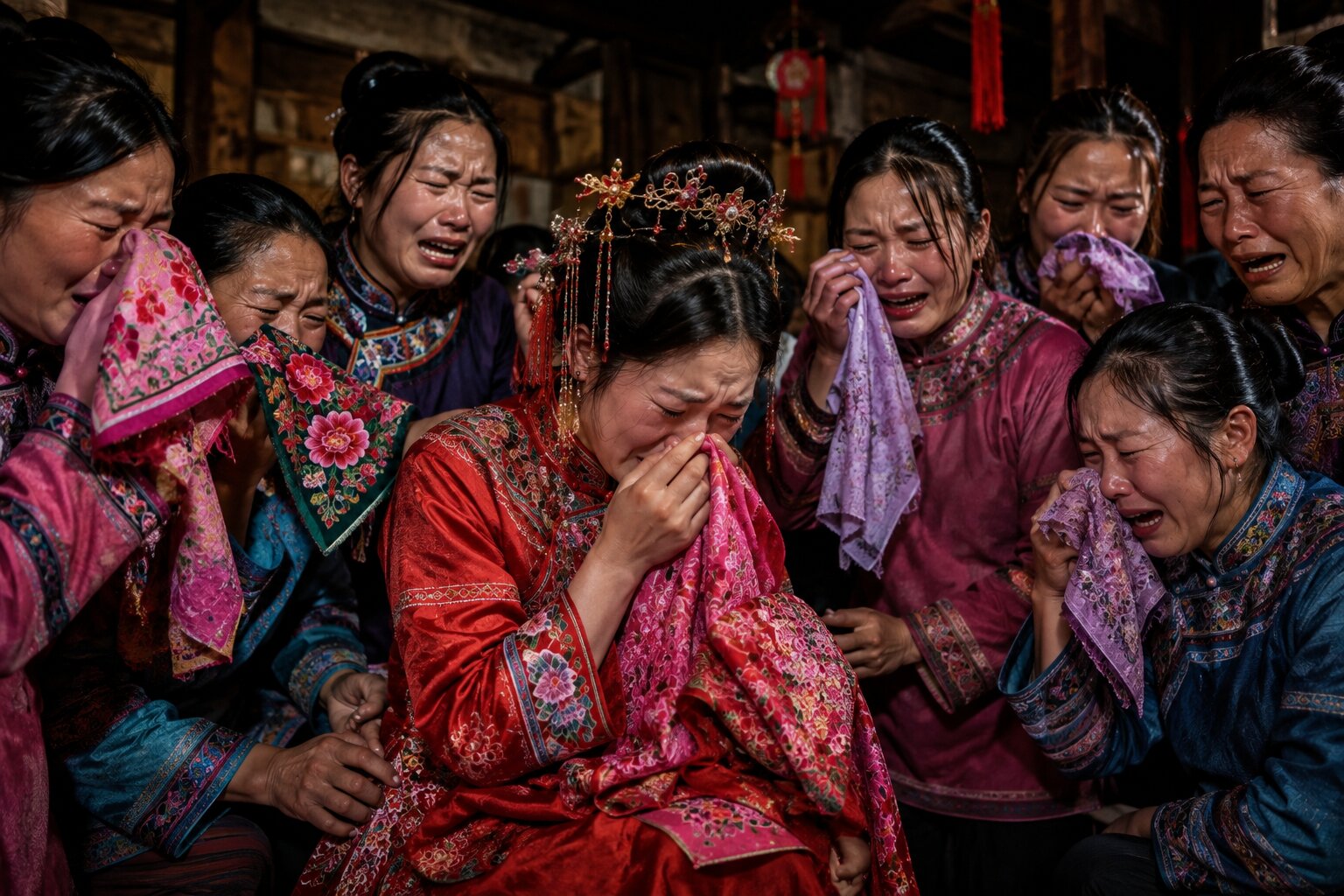
Among the Tujia ethnic group in China, one of the most important wedding traditions is the bride's crying, and not symbolic crying, but systematic crying that lasts for whole weeks. This custom may seem strange, even shocking, but in reality it is a deeply rooted ritual that has historical, social and emotional significance.
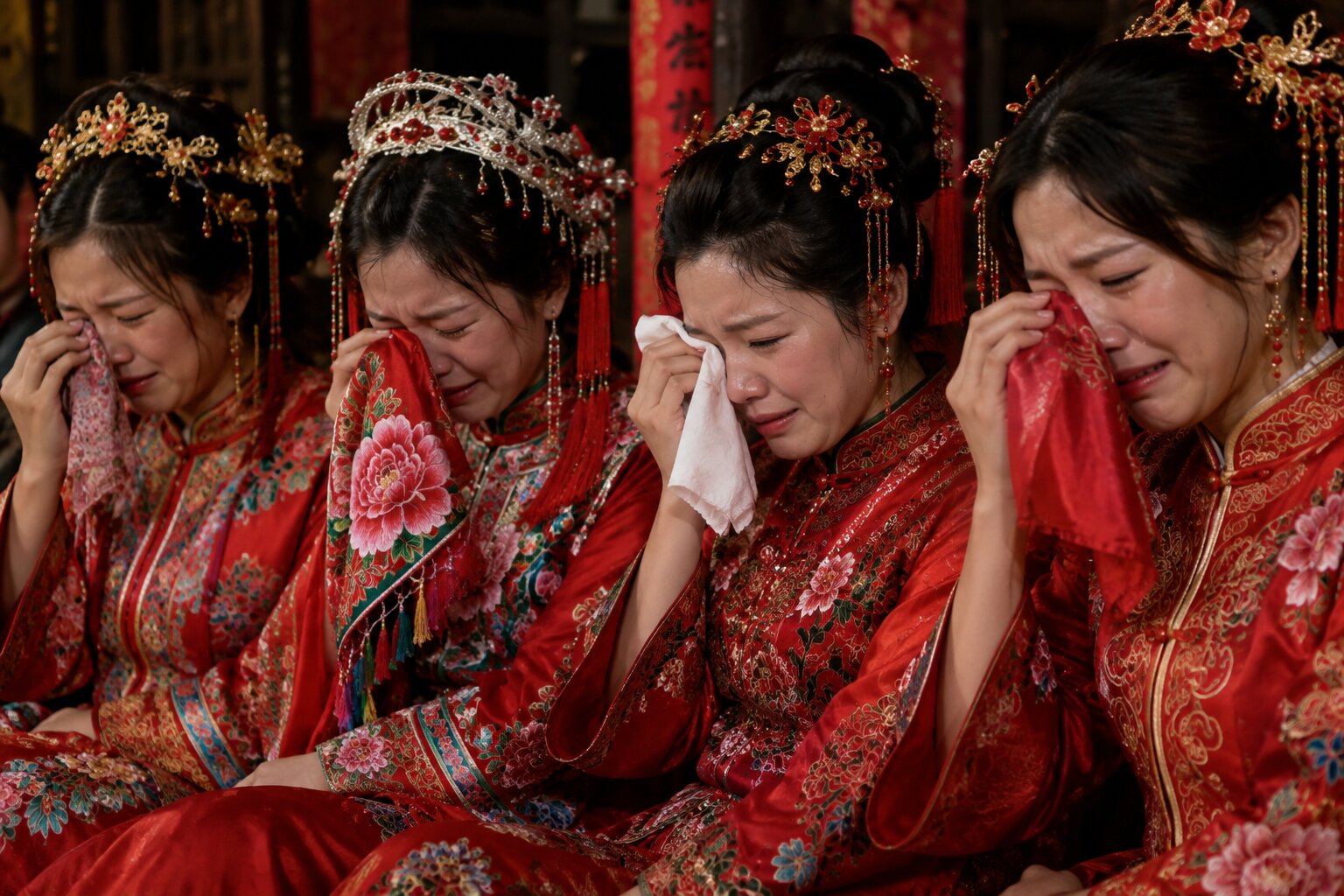
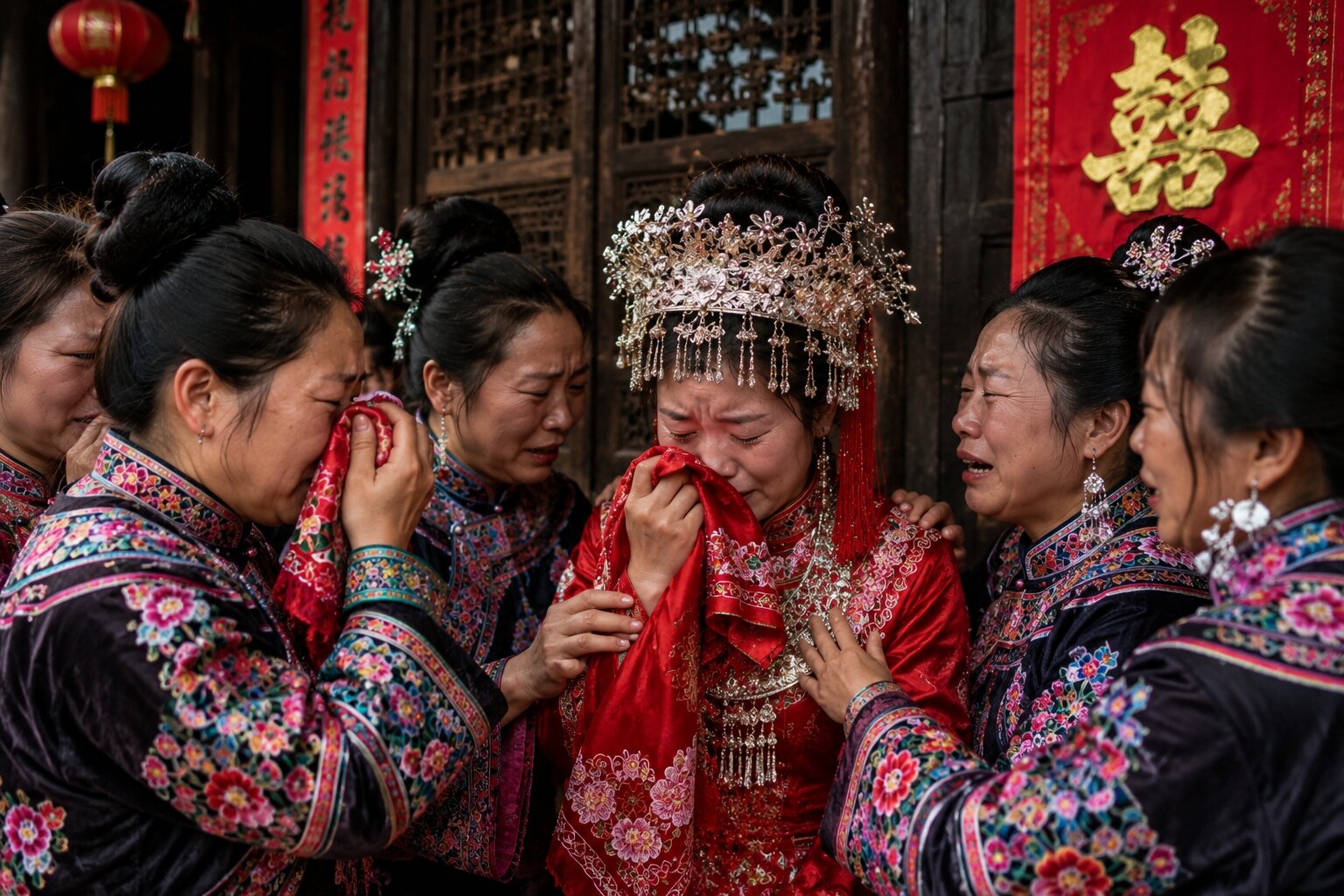
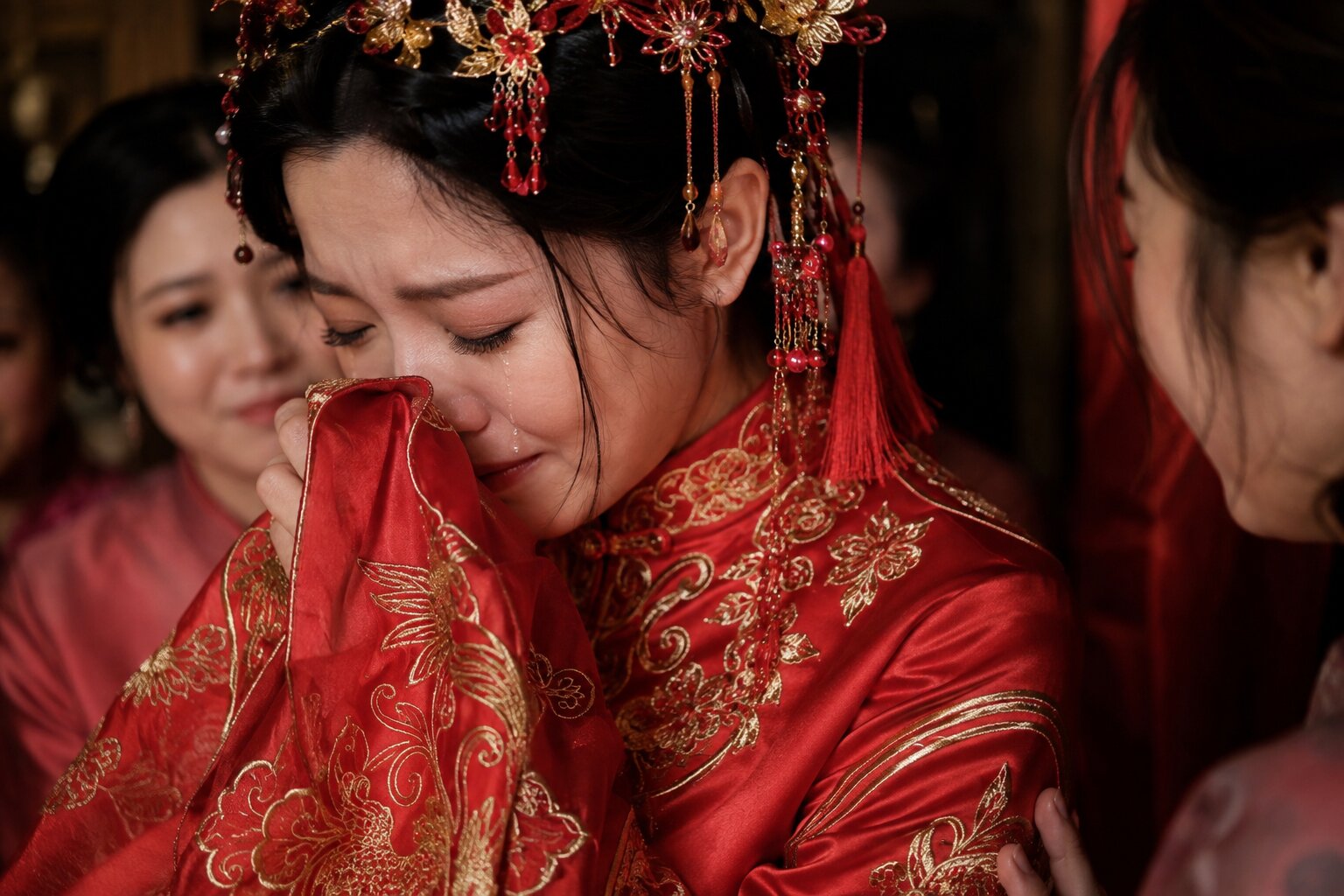
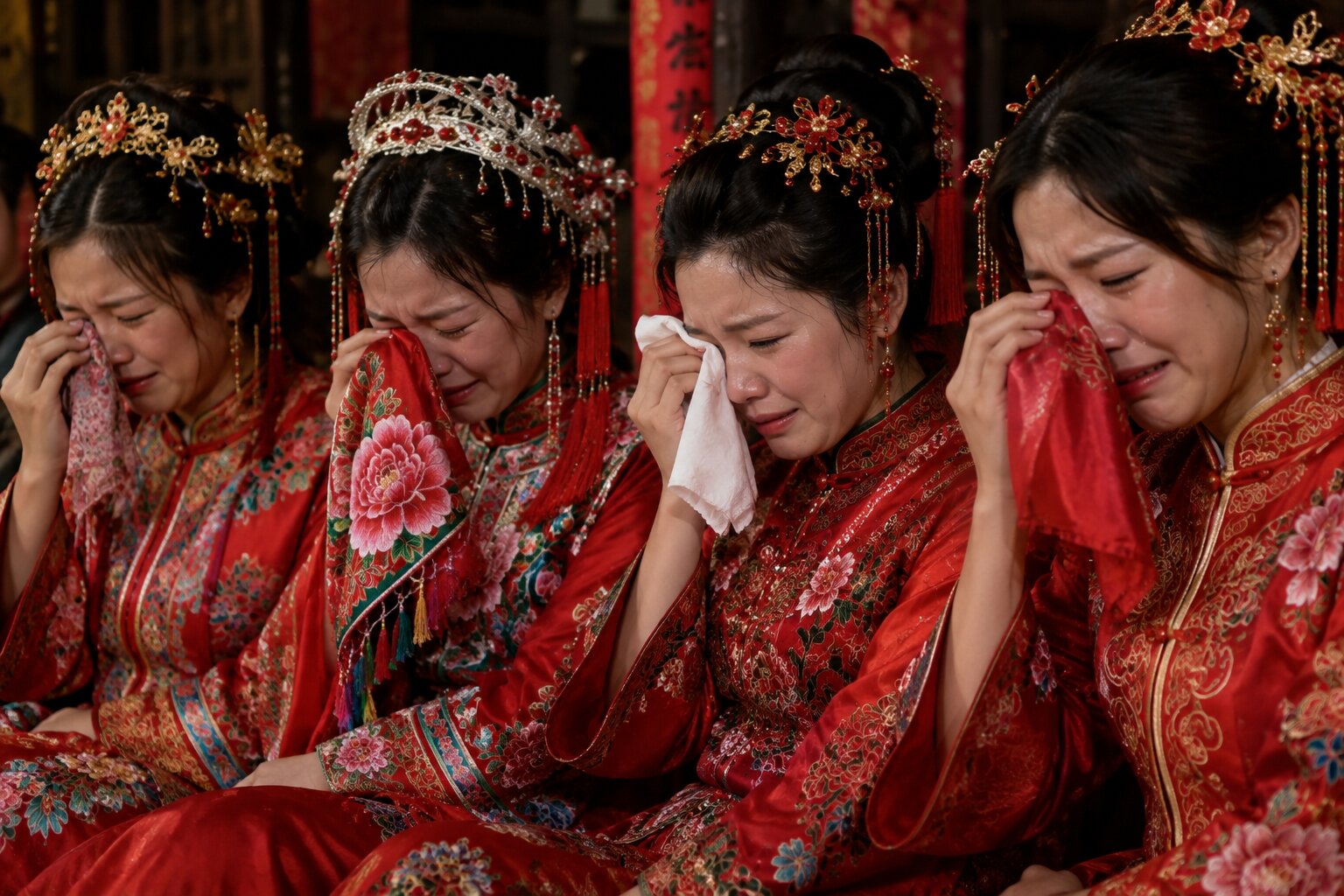
According to the ChinaCulture website, these are not spontaneous tears of sadness, but a culturally learned expression that is considered a sign of a woman's maturity, with the ability to control one's emotions and consciously express them being regarded as an important life skill in this community that the bride brings into marriage as well.
What a month full of crying looks like
Tradition requires the bride to start crying about a month before the wedding. However, it's definitely not about crying all day long – the ritual has its clearly defined place, time and rules.
It all begins quite inconspicuously. Every day, usually towards evening, the bride sits down and bursts into tears. The first days she cries alone, but over time other women from the family begin to join her. First mom, then grandmother, sisters and gradually aunts too. It creates a kind of special women's circle. For the whole family it's actually a social event: the women sit together, chat, sing and together mourn the fact that the bride will soon leave home.
What's fascinating about the entire custom is mainly how it functions outside these designated moments. The bride lives completely normally between the rituals. She eats normally, laughs, chats with others and does everything as usual. Tears don't drip into her plate at meals and she certainly doesn't mope during the day. The crying is locked only into those specific evening moments, which paradoxically gives it even greater power. It's precisely that firm control and order that turn ordinary sadness into something completely different – they transform it into a ritual.

How the Bride Learns to Cry
One of the most interesting aspects of this tradition is the fact that crying is understood here as a form of art that must be learned.
Not every bride is able to immediately summon tears or create a sufficiently emotional performance. Therefore, girls learn from a young age – they observe older women, imitate them, and gradually master the techniques that help them handle this ritual.
To be considered good girls, they start learning to cry even before marriage at the age of 12. Some invite an experienced person to teach them. When the girls reach 15 years old, they invite each other to "play" at who cries better, and to help each other with learning. Some even discuss crying methods.
According to the website Travel China Guide, the "training" includes work with voice, facial expressions, and rhythm.
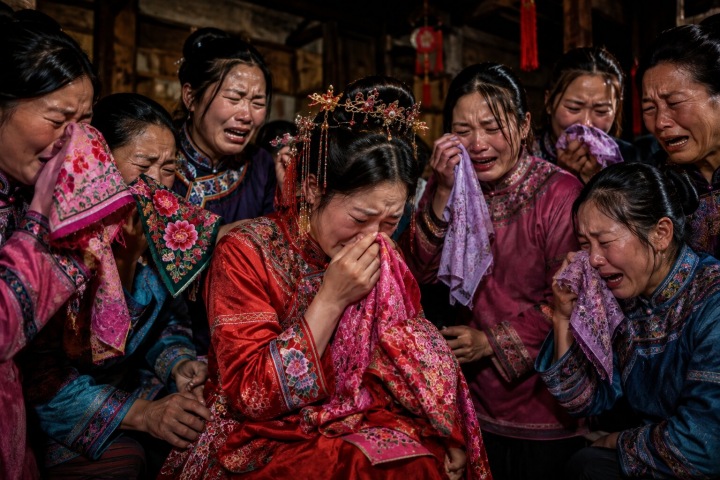
Some women combine crying with singing, while others recite traditional texts passed down from generation to generation. The ability to evoke emotions is also important – some brides help themselves with memories of childhood, family, or moments of parting to make their performance seem authentic. In some communities, there are even informal "training meetings" where young girls practice crying under the supervision of older women. They guide them, advise them, and evaluate their performance. The more convincing and emotional the performance, the more respect the bride will gain.
Can the bride stop? And what if she doesn't want to cry?
The question of whether the bride can stop crying is particularly interesting from the perspective of modern people. However, in the traditional Tujia environment, this ritual is considered a social obligation that the bride should observe. This doesn't mean she must cry continuously, but she is expected to participate in the ritual regularly. According to the website BCPublication, in the past, the absence of crying was perceived negatively and could indicate a lack of respect or feelings. Today the situation is more relaxed, they shorten the ritual or take it less strictly.
When Tears Meant More Than Today
To understand why this custom has such a strong position, we must return to the past. In a time when women had no right to decide about their marriage, crying was one of the few ways they could express their true feelings. According to the website BCPublication, this ritual served as a form of protest as well as emotional release.
This custom didn't just appear there overnight. Its roots go back to a time when women of the tribe gradually lost any right to have a say in whom they would marry. It began to break down during the rule of the Ming and Qing dynasties. The imperial court at that time swept away local self-governments and sent its own officials from the center to the regions. And with them, of course, came pressure to adopt the dominant Han culture to the area.
Since Khan society supported arranged marriages, this custom was gradually adopted by Tujia families as well. Parents thus began to decide on their daughters' marriages without their consent. Women thereby lost freedom in choosing their partner, and it was in this period that the custom of brides crying during weddings appeared. Originally, it was a natural expression of sadness, disagreement, or helplessness, but gradually this spontaneous expression transformed into an established ritual. With the development of the tradition, the crying itself gradually became enriched with additional elements, specific songs, texts, and techniques emerged, which were passed down from generation to generation. Although it might seem that this custom helped women draw attention to their position and fight for their rights, the result was rather the opposite. Instead of society addressing their situation, it began to perceive the "crying wedding" as a cultural curiosity and aesthetic expression.

This shifted attention from the real problem - the position of women - to the ritual itself. This process can be explained through two concepts: active change and passive change. Active change represents the conscious actions of women who tried to express their disagreement, while passive change describes a situation where their expression gradually adapted to social expectations and lost its original meaning.
More than just preparation
Wedding rituals among the Tujia tribe are far from being just about tears. For whole weeks before the wedding, there are many other customs that are meant to ensure a happy and peaceful life for the newlyweds. Families attach great importance to the selection of the date itself. The D-day is not chosen according to restaurant availability, but according to traditional calendars and astrology, so that the stars are aligned in their favor.
Rituals full of symbols
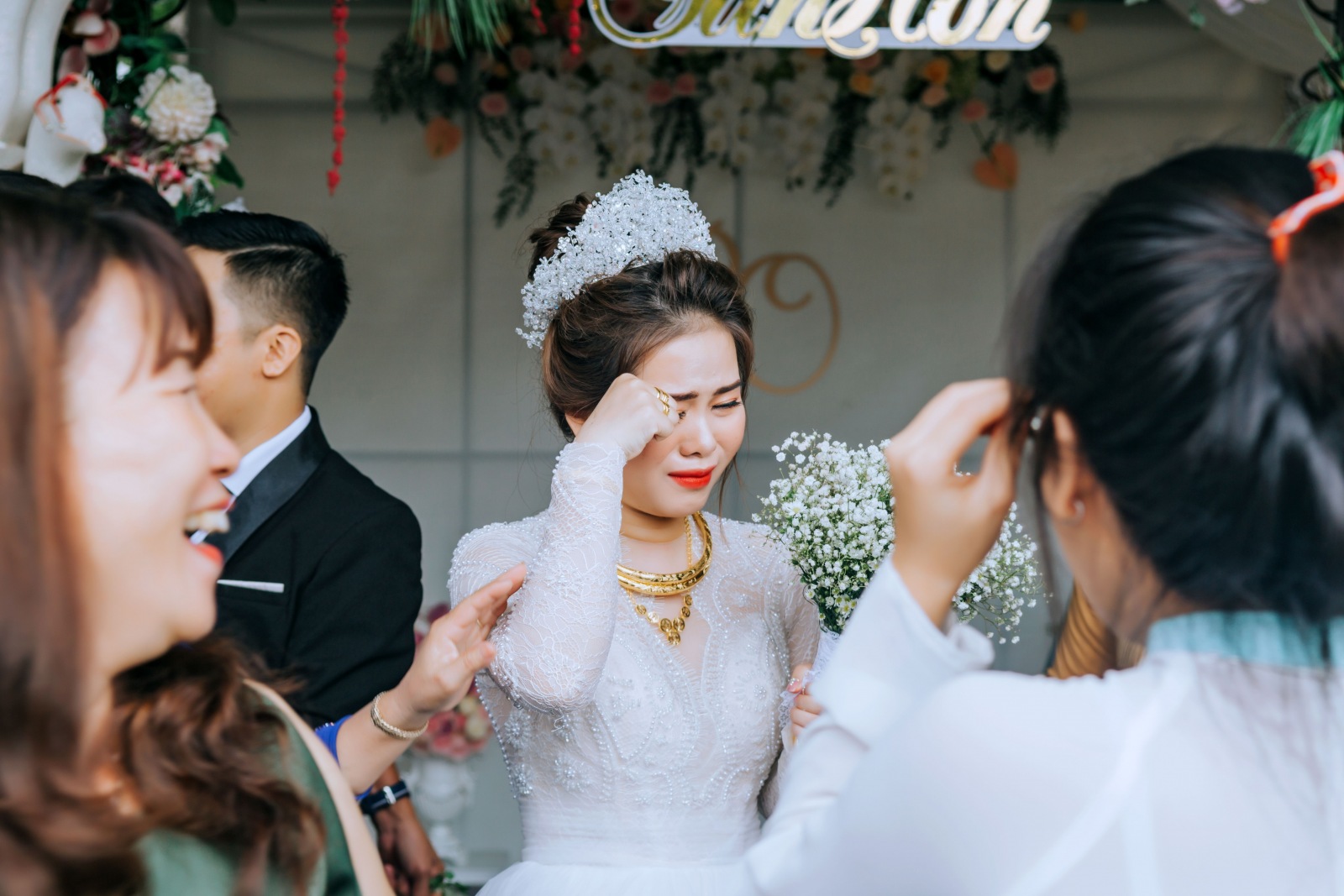
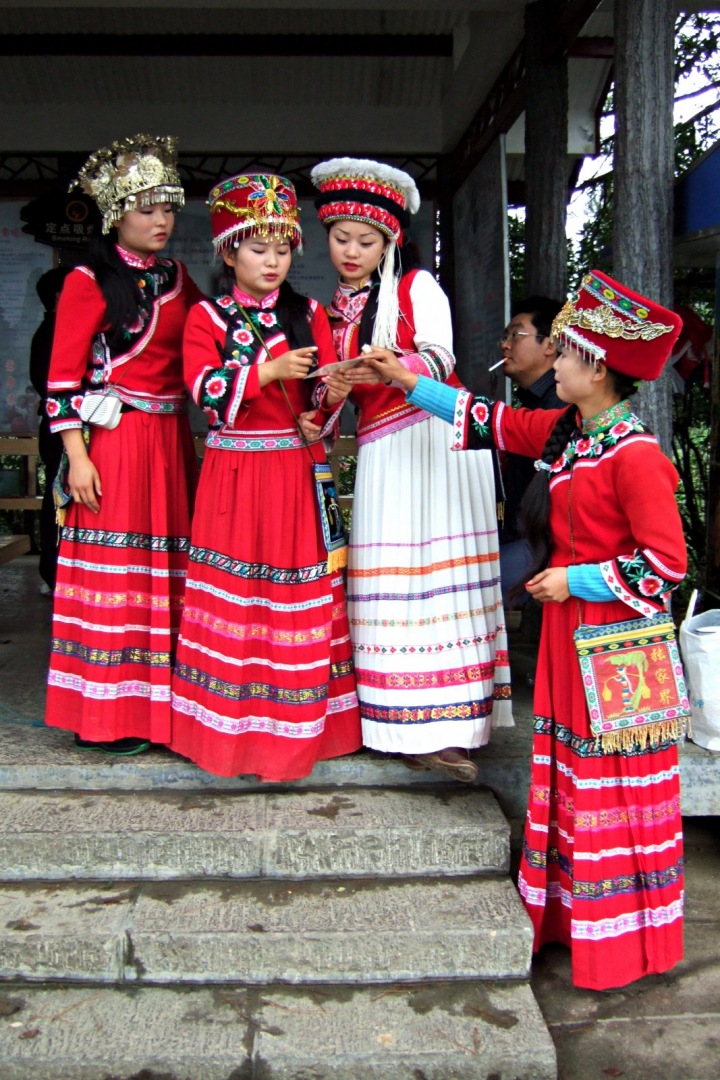
The wedding day itself is full of traditions that are meant to ensure a happy marriage. The bride is often dressed in traditional attire adorned with embroidery and symbols of prosperity. During the ceremony, various rituals take place – from the symbolic departure from home to the acceptance into the groom's family. According to the website Visit Beijing, one of the most important moments is the bride's departure from her family home, which is often accompanied by continued crying. This moment symbolizes the definitive end of one life stage. After the wedding, the bride's life changes significantly.
Interesting Facts That Will Surprise You
This tradition holds many details that make it even more fascinating. For example, some women are able to smoothly transition between crying and singing during the ritual without losing rhythm or emotion. In some areas, it is even said that the best "crying brides" are remembered by people for many years after the wedding.
Another interesting fact is that the texts women use during the crying are not fixed and are often improvised or adapted according to the specific situation. Some contain humor, others nostalgia or personal memories. The ritual also has a social dimension; it is one of the few moments when women from the community regularly meet, share their stories, and strengthen mutual relationships. It is therefore not just about the crying itself, but about the entire process that connects generations.
Today, the bride's crying no longer means protest, but a symbolic act ... it is primarily about saying farewell to family, expressing gratitude and readiness for a new life.
Even though the modern world brings new values and lifestyle, the tradition of the crying bride still survives, especially in rural areas. Some brides today shorten or modify it, but its essence remains preserved.
Sources: author's text, ChinaCulture, Visit Beijing, Travel China Guide, BCPublication, South China Morning Post