I'm taking a Mentawai as my husband: I'll only be beautiful with filed teeth. Unusual ritual prepares girls for adulthood and marriage


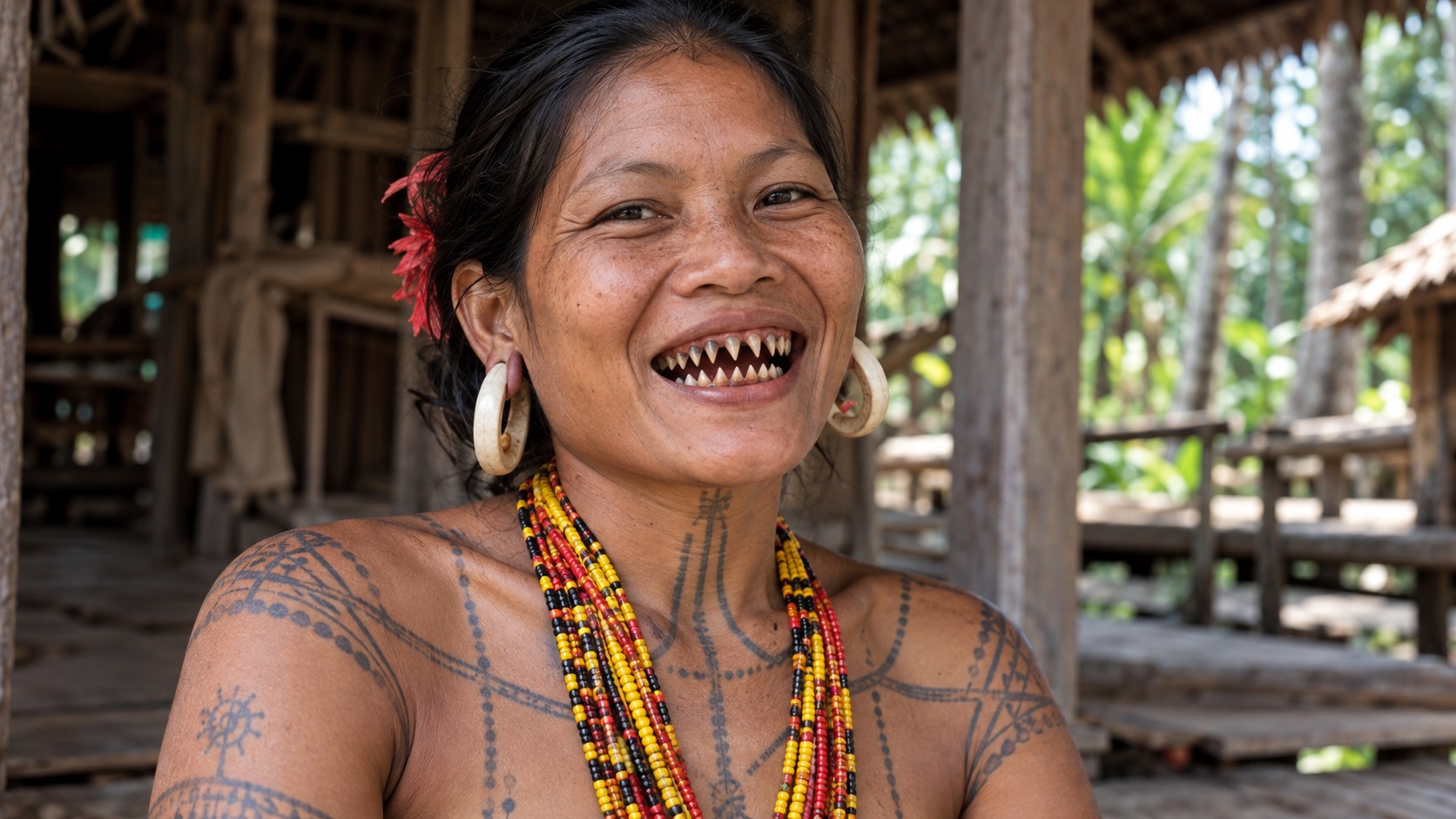
Among members of the Mentawai ethnic group, traditional concepts of the body, spiritual world, and harmony with nature play a significant role. One of the most distinctive customs that attracts attention even beyond Indonesia's borders is tooth filing. This alteration of appearance has deep cultural roots and reminds us that the ideal of beauty is not the same everywhere.
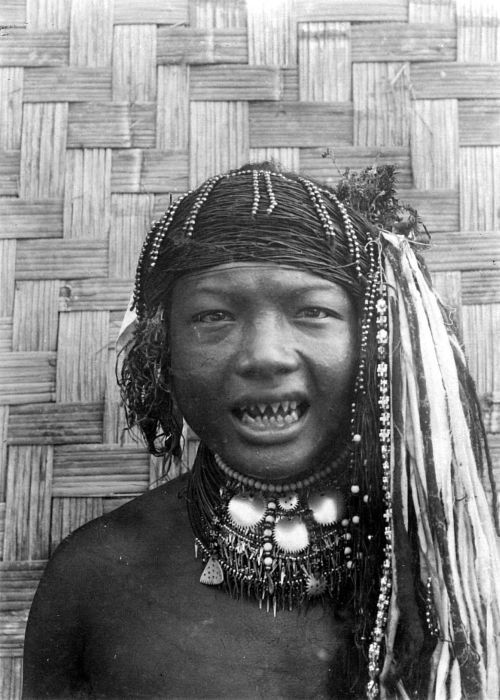
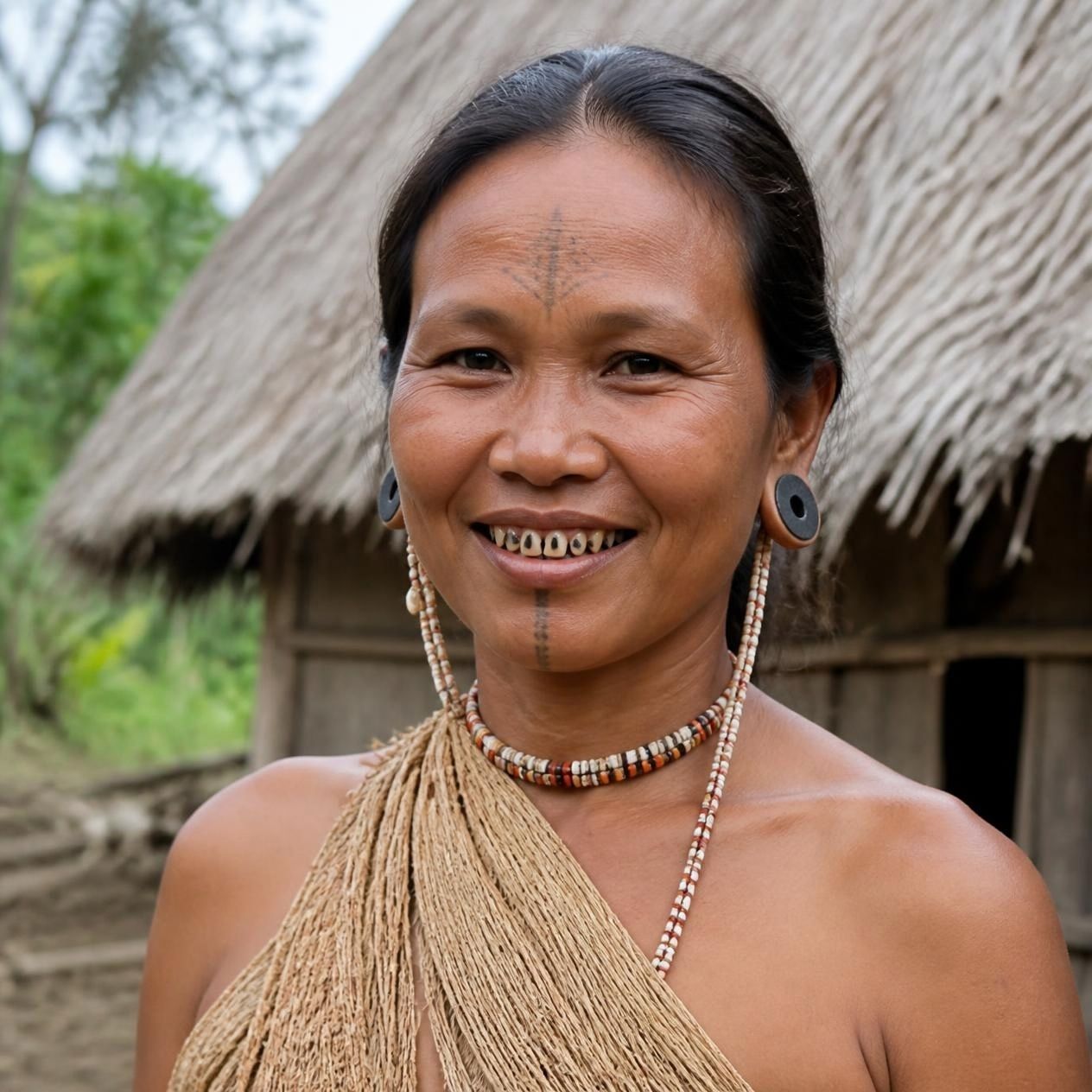
The idea of a perfect bride differs in various corners of the world. While long hair is a symbol of femininity in some places, elsewhere body decoration, tattoos, specific hairstyles, or distinctive jewelry are considered beauty. In the traditional communities of the Indonesian Mentawai archipelago, customs have been preserved that may be surprising to a person from Europe. These include tooth modifications, which are associated with ideas about beauty and the transition to adulthood. For a girl growing up in an environment where these traditions are passed down from generation to generation, this need not be eccentricity or an attempt to stand out. Such customs can represent part of cultural identity and a way in which the community expresses its values. To understand them, it is necessary to look at the life of the Mentawai people, their relationship with nature, and the significance they attribute to the human body.
Mentawai: People Whose Lives Are Intertwined with the Rainforest
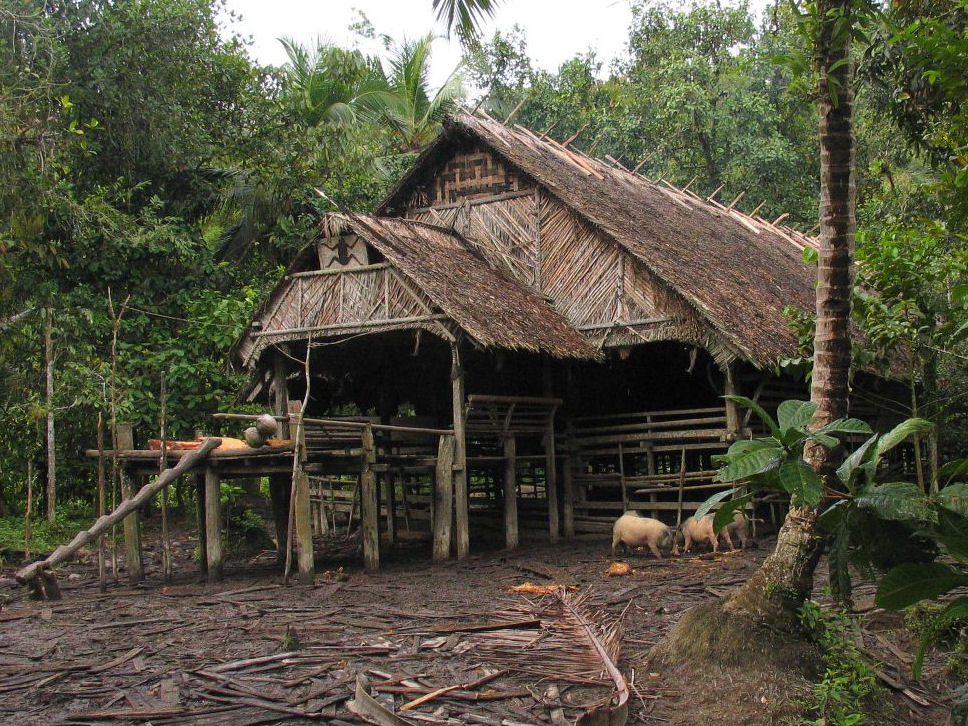
The Mentawai are an indigenous ethnic group of Indonesia who live primarily on the Mentawai Islands in the Indian Ocean, west of the island of Sumatra. The archipelago consists of several larger islands, including Siberut, Sipora, North Pagai and South Pagai, as well as numerous smaller islands. Especially in the interior of Siberut Island, some communities still strive to preserve their traditional way of life. Their everyday life is closely connected with the tropical rainforest, rivers and the environment that provides them with sustenance. They grow crops, gather forest fruits, hunt and utilize local natural resources.
An important place in social life is the traditional communal house called uma. It is not only a dwelling, but also a space where members of the extended family meet, maintain social ties, and pass on traditions.

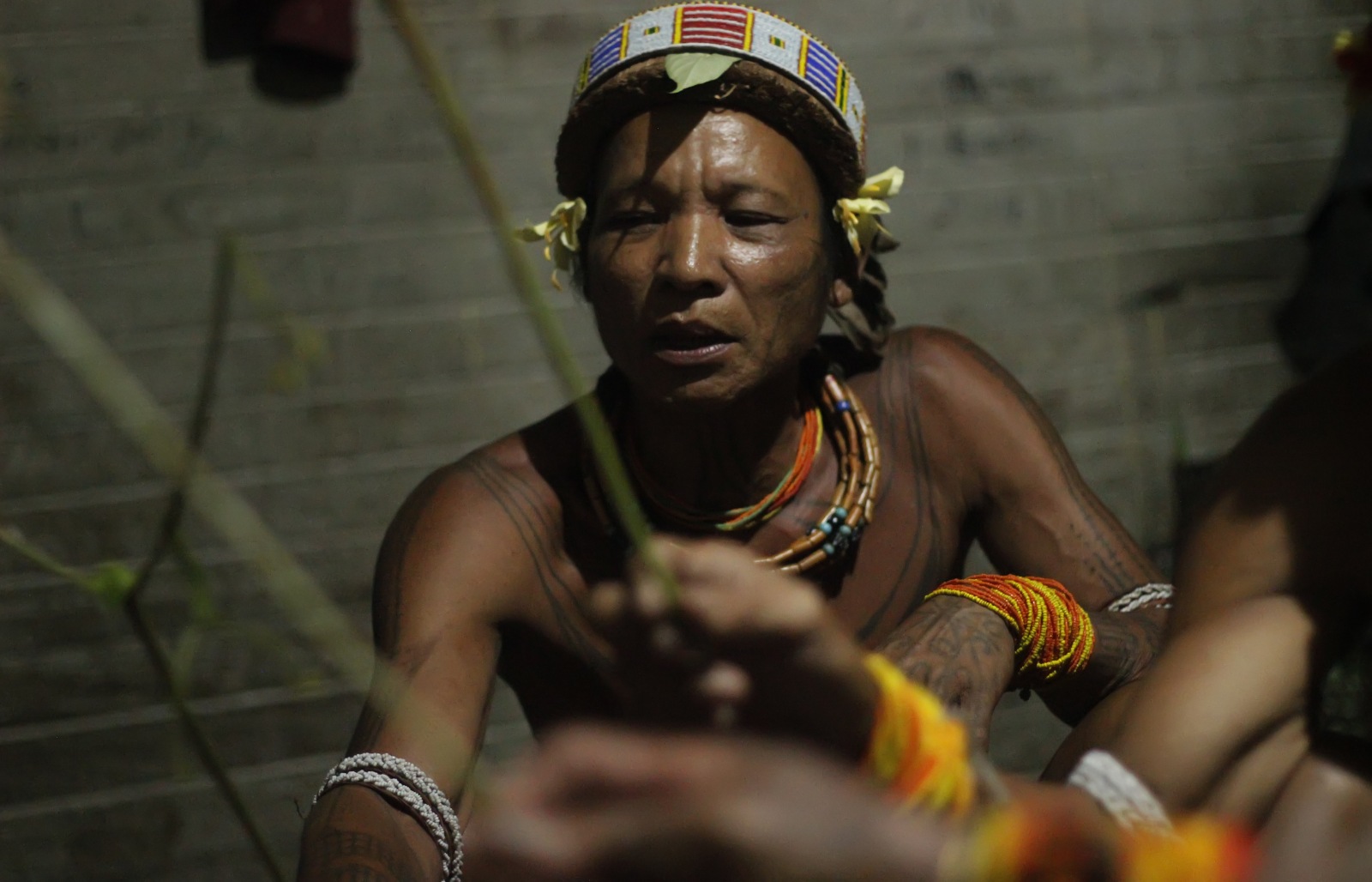
The life of the Mentawai people is also historically connected with animistic beliefs, according to which animals, plants, and other components of the surrounding world have their own spiritual essence. People therefore strive to maintain balance between themselves, nature, and the spiritual world. In the traditional environment, shamans play a significant role, locally referred to as sikerei. It is precisely this spiritual dimension that helps explain why certain body modifications may not be perceived merely as a matter of appearance. They can be connected with concepts of identity, social status, coming of age, or the relationship between humans and the surrounding world. Further information about the spiritual life, ceremonies, and social ties of the Mentawai people is provided by The Mentawai - Ceremonies and Ritual Life.
Love, Engagement and the Decision to Enter Marriage
A wedding among the Mentawai does not have to begin with families selecting a partner for the future bride and groom. The choice of partner can be based on the personal decision of a young man and woman. Only then do their families enter the process. An academic study published in the journal Food, Culture & Society, which examines the social life of the Mentawai on Siberut Island, also describes partnership as a matter that can exist before formal announcement to parents. When a couple reaches the decision to marry and the families agree with it, preparation for the wedding ceremony begins. It is therefore not just a romantic story of two people. Marriage also connects extended families and their social relationships. It is precisely this dimension that is important in traditional society, because family is not just a group of people living under one roof. It is also part of a wider community that cooperates, shares resources and jointly organizes important ceremonies.
What happens before the wedding? Families negotiate about gifts
Once a couple decides to get married, negotiations between both families come into play. One of the important topics are gifts that are exchanged in some communities as part of wedding agreements. On the Mentawai Islands, the term alak toga. is used in this context. In some descriptions of traditions, the expression surat mone also appears for the agreed exchange of gifts, while local terminology may vary.
According to the study Makna Alak Toga dalam Tradisi Lamaran pada Masyarakat Non Muslim di Desa Sigapokna, published in 2023 in the Puteri Hijau journal, this tradition has significance for the relationship between families and is associated with objects that are presented during the engagement. The study mentions, for example, pots, containers, machetes and mosquito nets. Other descriptions of traditional customs on Siberut also mention fruit trees, land with sago palms, pigs or other useful items. The specific form of gifts and their quantity may vary according to the local community and agreement between families.
It is not a simple bride purchase. Such an explanation would be misleading. Gifts can express respect for the bride's family, willingness to share resources and commitment to building relationships that will continue even after the wedding.
Wedding Day: Colors, Decorations and Spiritual Protection
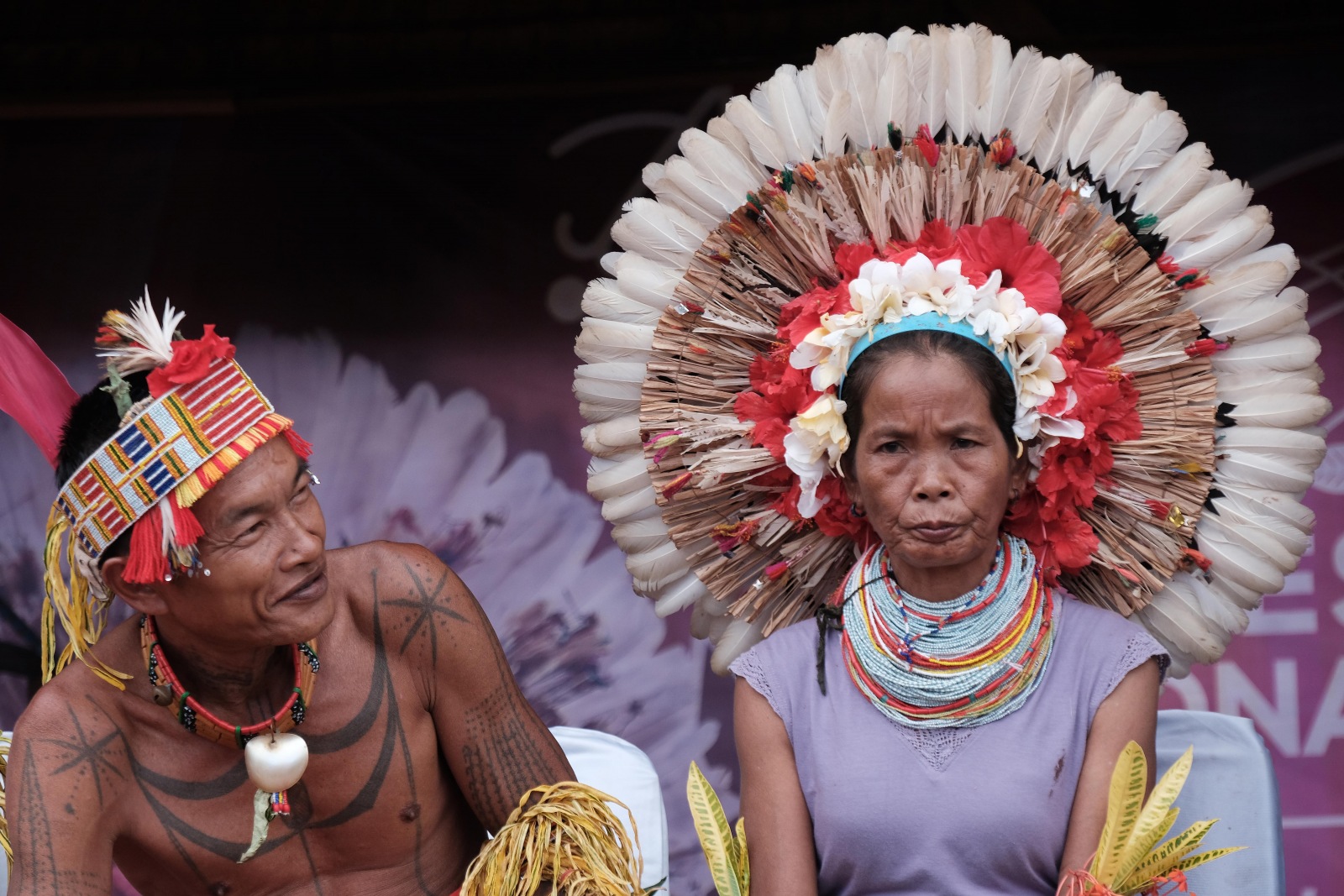
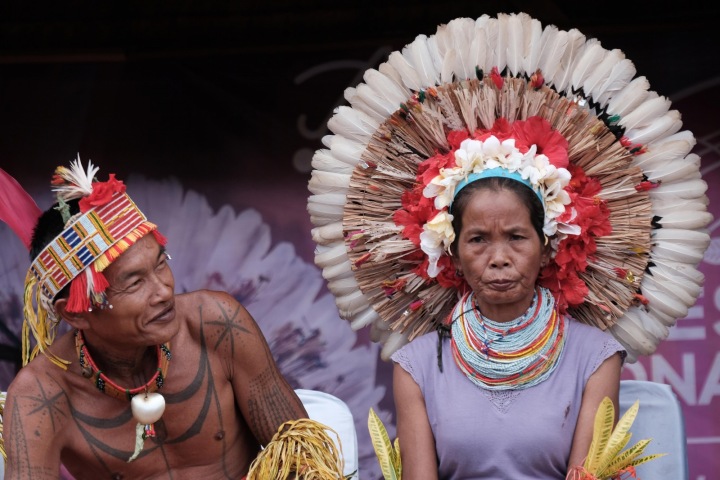
The wedding day itself can be much more than a ceremonial moment when two people confirm their love in a traditional community. It is also a significant event for the wider family and community in which the couple lives. According to the description of the pangurai wedding ritual on the page The Mentawai - Ceremonies and Ritual Life, the bride, groom and groom's mother may prepare for the ceremony using traditional decorations and colors. The described ceremony uses yellow dye from turmeric, locally referred to as kiniu. Wedding attire is complemented by glass beads, fresh flowers and a distinctive headpiece made of plant fibers. Also mentioned is luat, a headdress associated with shamanic tradition. However, these details cannot be considered mandatory attire for every Mentawai bride. They describe a specific form of traditional ceremony and individual communities may use different decorations or procedures.
Blessing of Animals and Pig Sacrifice
One of the most prominent elements of the described pangurai ceremony is the ritual associated with pigs. The bride and groom, under the guidance of local spiritual authority, bless the animals and turn to the spiritual world with a request for favor and protection. In the traditional conception, this is not merely about preparing food for the feast. The ritual can express the couple's responsibility, their readiness to enter a new life stage, and their effort to maintain harmony between people and the spiritual world. After the ceremony, the bride leaves the family house uma in a ceremonial procession. According to the described account, the bride, groom, and his parents carry a live chicken and together depart toward the new home. This very moment symbolizes the change: the woman becomes part of a new family community and her marriage connects two broader groups of relatives. The specific course may differ according to the community and local customs.
Shared Meal as a Symbol of Marital Union
Food plays an important social role in the lives of the Mentawai people. It is not only about satisfying hunger, but also about the way people create and maintain relationships. A scholarly study on social life in Siberut describes a special ritual called paruruk simagre, in which a woman is symbolically accepted into her husband's uma. An essential part of it is eating together from one wooden bowl or plate called lulag. Shared eating here represents more than a practical activity. It symbolizes the union of the couple and the bride's integration into the new family community. The ritual also informs the ancestors and spirits associated with the house that the woman is becoming its member. According to the study, it is precisely this shared meal that is an important moment when the couple's union is publicly confirmed.
Teeth as a Symbol of Beauty
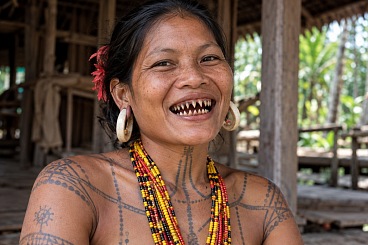
Some descriptions of the traditional culture of the Mentawai people mention tooth filing, in which their natural shape is altered. Teeth can be shaped into a more pointed appearance, which is associated with local aesthetic concepts. While modern dentistry focuses on preserving healthy teeth, their function and natural shape, in some traditional cultures the human body is also viewed as a space that can be modified according to local ideals of beauty.
Among the Mentawai, similar practices are often presented as part of a broader set of bodily modifications, which also include traditional tattooing. However, it is necessary to distinguish between generally documented customs of individual communities and the claim that every girl must undergo tooth filing before marriage. Such a rule cannot be automatically attributed to the entire ethnic group. It is therefore not correct to present this ritual as a universal condition of marriage for all Mentawai women. Traditions can vary according to the specific community, family, and the extent to which its members adhere to older customs.
Nevertheless, the very idea of pointed teeth as an aesthetic ideal is an interesting example of how significantly the perception of beauty can differ from culture to culture. What seems unusual to one person may have deep historical and social significance in another environment.

How is tooth filing done? Traditional tools, pain and major transformation
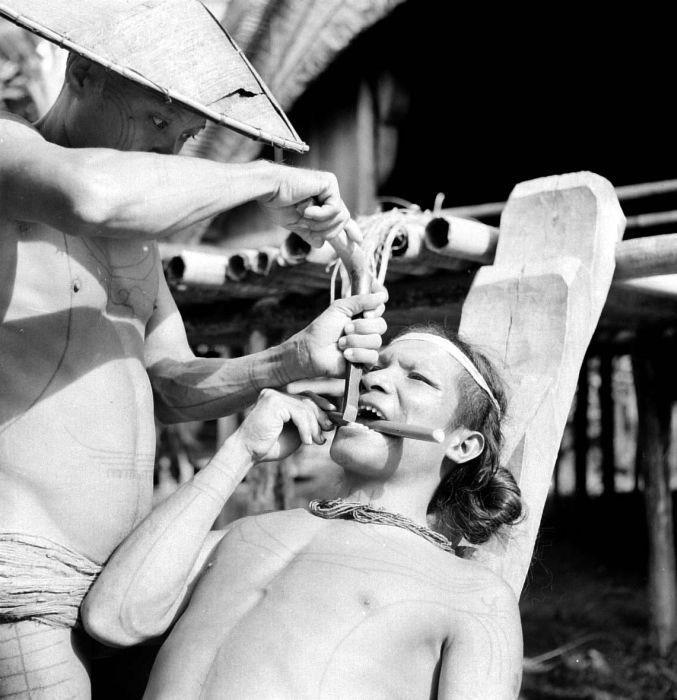
The procedure itself is one of the most striking aspects of this tradition. The custom is known as pasipiatsot and its form can vary according to the local community. According to an article from the Indonesian university Universitas Gadjah Mada from August 2024, when observing the tradition in the Buttui settlement on Siberut island, traditional tools were used including a small chisel, wooden mallet and a piece of wood to protect the lips. The teeth were modified without anaesthesia.
In the traditional modification, the front teeth are gradually filed down to achieve a pointed shape. The procedure can affect teeth on both the upper and lower jaw. This is not about attaching decorative tips or a temporary cosmetic modification that could be easily removed. Such a procedure can be painful. By removing part of the tooth enamel, the teeth are permanently altered and may become more sensitive or prone to damage. Depending on the extent of the procedure, there is also a risk of further complications.
In a traditional environment, however, this practice is not viewed solely from the perspective of health risks. Its significance must also be understood in the context of local notions of beauty, adulthood, and belonging to the community.
Why are pointed teeth considered beautiful?
The answer is connected to the fact that beauty in traditional cultures often represents more than just external appearance. It can be associated with spiritual beliefs, family values, and the notion of what kind of person an adult member of the community should be. The Mentawai are also known for traditional tattooing, which is among the distinctive elements of their cultural heritage. In the past, tattooing was connected with identity, life experiences, and the relationship to the surrounding world. Tooth modification and body decoration can thus be part of a broader understanding of human beauty. Some scholarly descriptions of Mentawai traditional beliefs also mention the conviction about the close connection between body and soul. In this context, care for appearance may not have been understood as a superficial matter, but as a way of achieving harmony between the physical and spiritual aspects of a person.
However, such explanations must be given carefully. The Mentawai are not a homogeneous group with a single unchanging set of views, and not every community has to attach the same importance to tradition.
Tattooing from Head to Body
When Mentawai is mentioned, many people think of traditional tattooing. In some communities, intricate patterns cover a large part of the body and represent an important element of local identity.
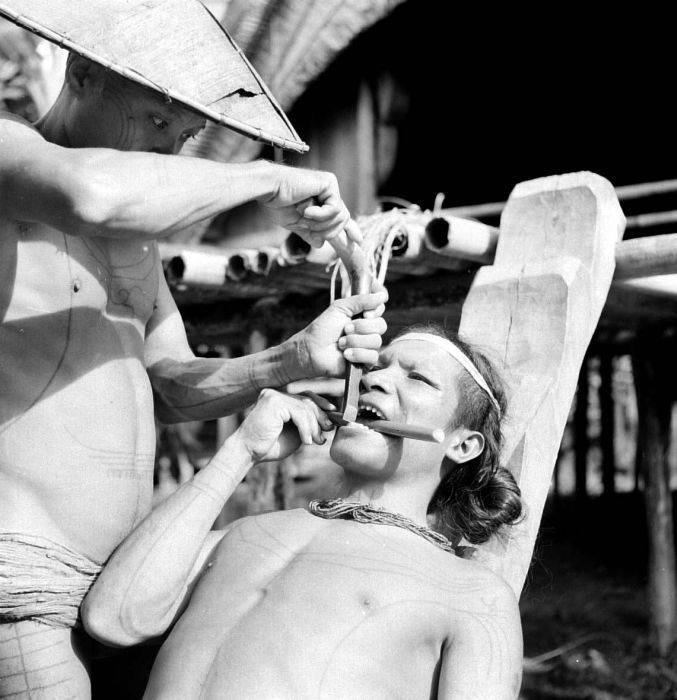
The traditional tattooing of the Mentawai is known as titi. Its creation was historically associated with special procedures, tools and knowledge that people passed down between generations. The patterns could be related to family, social life or relationship with nature. Unlike today's tattoos, which people often choose according to fashion or personal taste, traditional body decoration in some communities had a broader cultural significance. It was not just decoration, but also a way for a person to express their belonging to a particular community.
Tattooing and tooth modification thus represent two examples of how the human body can be perceived as part of cultural heritage. However, it cannot be assumed that every member of the Mentawai has tattoos or pointed teeth. In this case too, tradition and personal decisions of individuals differ, writes the portal UMATAITELU.
Do modified teeth mean that a woman is ready for marriage?
This is where an interesting question arises. If a certain bodily modification is associated with adulthood, does it automatically mean that it is a condition for entering into marriage?
Not necessarily.
In traditional societies, the transition to adulthood is often associated with rituals that symbolically separate childhood from adult life. These can be ceremonies, tattoos, changes in clothing, or other forms of body modification. Such customs may also be related to the period when young people begin to think about partnership. Among the Mentawai, tooth filing is described primarily as an expression of beauty and adulthood. However, this does not mean that every woman must undergo this procedure in order to marry, or that without it she has no chance of finding a partner in the community.
Traditional marriage in the Mentawai Islands has its own social context. In some communities, family ties, agreements between families, and relationships between extended family communities play a significant role. However, their specific form varies by location and is also changing due to contemporary life. Therefore, it is more appropriate to speak of a tradition that is associated with the ideal of female beauty and adulthood, rather than claiming that it is a mandatory premarital procedure for all Mentawai women.
A Tradition That Is Gradually Disappearing
Although tooth sharpening has been written about again in recent years in the media and on travel portals, it is not a custom that is common among all Mentawai.
Universitas Gadjah Mada in its article from August 2024 pointed out that the tradition of pasipiatsot has largely been abandoned. However, it continues to be preserved in the settlement of Buttui in the village of Madobag in the southern Siberut area. This information is important because many photographs and articles on the internet create the impression that all members of a certain ethnic group live the same way as their ancestors did centuries ago. Reality is much more diverse. On the Mentawai Islands, traditional ways of life meet modern education, healthcare, tourism, and new ideas about beauty. Some people try to preserve cultural heritage, others prefer a more modern lifestyle and do not practice old customs. Preserving tradition does not necessarily mean that every member of the community must observe it. Cultural heritage can also be preserved through storytelling, documenting old practices, and passing knowledge on to younger generations.
What are the health risks of tooth grinding?
From the perspective of current dentistry, the biggest problem is the fact that part of the enamel is removed during tooth grinding. It forms the protective surface of the tooth and the human body cannot naturally restore it to its original extent.
Possible consequences include:
- Increased tooth sensitivity: After enamel removal, teeth may react more sensitively to cold, hot, or sweet foods and drinks.
- Damage to tooth pulp: If the procedure affects deeper layers of the tooth, inflammation or death of the tooth pulp may occur.
- Higher risk of cavities: The damaged protective layer can increase the tooth's susceptibility to further complications.
- Changes in biting: Significant alteration of tooth shape can affect their mutual contact and function during chewing.
- Permanent change to dentition: Removed tooth enamel does not regenerate itself, so the result cannot be easily returned to its original state.
These risks do not mean that the health condition of every woman who underwent the tradition can be determined without a specific examination. However, they show why such a procedure should not be considered a safe cosmetic modification today.
Traditional dental modifications in various cultures are discussed in more detail in the expert review Dental Ritual Mutilations and Forensic Odontologist Practice.
At the same time, it is important to distinguish between describing a cultural tradition and its health assessment. Respecting another culture does not mean that potential health damage should be overlooked. Likewise, the mere existence of an unusual custom is not a reason to ridicule people who inherited it from their ancestors.
Beauty Does Not Look the Same Everywhere
The story of the Mentawai reminds us that ideas about beauty have changed throughout history and still differ across the world today. What is considered natural and desirable in one society may be completely unusual in another environment. While some women invest in teeth whitening, braces, or aesthetic procedures, elsewhere in the past pointed teeth were considered the ideal of beauty. In both cases, however, it is necessary to distinguish between personal choice, social pressure, and tradition. It is therefore not appropriate to assume that every Mentawai woman desires the same smile or that all consider tooth filing an essential part of life. Some old customs are preserved, others gradually disappear, and still others acquire new meaning. The most interesting thing about this tradition in the end is not just how unusually modified teeth can look. It is also a reminder that the ideal of beauty never emerges in a vacuum. It is shaped by history, family, society, spiritual beliefs, and the environment in which a person grows up.
Source: author's text, Universitas Gadjah Mada, The Mentawai, The Mentawai, Eating, sharing, and mutuality of being among the Mentawai on Siberut Island, Indonesia, Makna Alak Toga dalam Tradisi Lamaran, Babi, Encyclopedia.com, The Unequal Brothers-in-Law, Mentawei Social Organization, Dental Ritual Mutilations and Forensic Odontologist Practice, UMATAITELU