TRANSLATED INTO ENGLISH, CHECK: They married a sheikh and their lives changed beyond recognition: European women who entered the world of palaces, luxury, and strict rules


When we wrote about women who married a sultan or king, we were exploring worlds where power and tradition have well-defined boundaries. A sultan is typically the head of an Islamic state, often historically with military power as well - for example, the Sultan of Oman. A king leads a monarchy as the official ruler - such as the King of Saudi Arabia or Bahrain. However, a sheikh does not have to be a king or sultan - it is a title given in the Arab world to a respected person, a member of a prominent family, a religious leader, or also the ruler of a certain emirate.
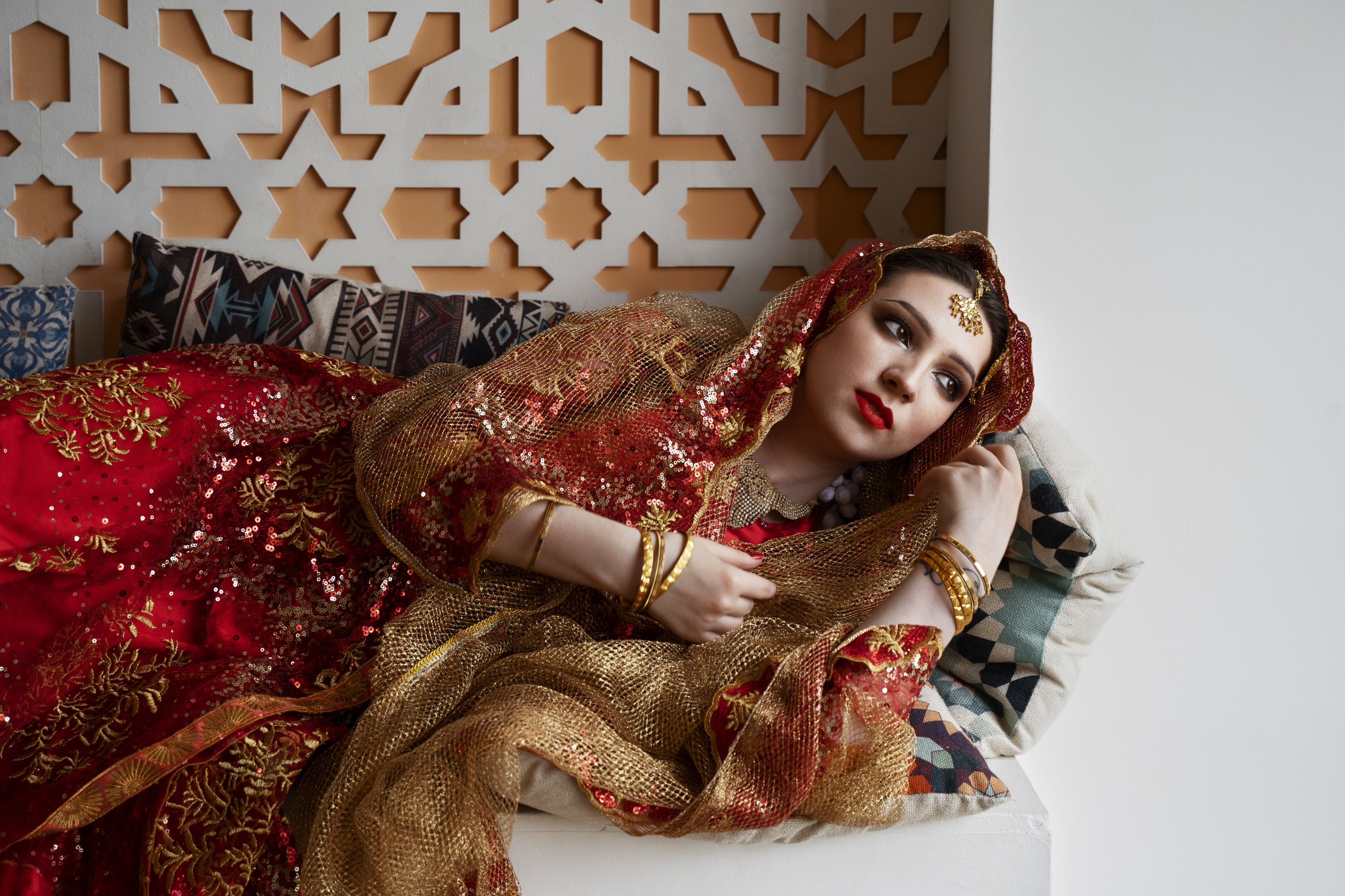
For many women, the idea of marrying a sheikh is synonymous with luxury, wealth, and a life reminiscent of a fairy tale from One Thousand and One Nights. Private jets, palaces, an army of servants, diamonds, and unlimited financial resources. However, the reality is often much more complicated. Some European women did indeed become part of the world of Arab royal families, but many of them later found that along with the fairy tale life came strict rules, loss of privacy, and even a struggle for their own freedom.
There is no publicly documented case of a Czech woman marrying an Arab sheikh. However, that does not mean such stories have never occurred. There are real stories of women from Europe and other countries who have married Arab sheikhs. Their lives have dramatically changed, from a regular everyday routine to a world of luxury, yet also strict rules and cultural expectations.
Natasha from Belarus: A Waitress Noticed by a Dubai Sheikh
One of the most well-known stories about an ordinary girl who ended up in the world of Arabian palaces began in 2007 at the Hotel Minsk in Belarus. Nineteen-year-old Natasha Aliyeva worked there briefly as a novice waitress and trainee in the hotel restaurant. At that time, she probably did not realize that her life would change after a single meeting with a man who came from one of the wealthiest families in the world.

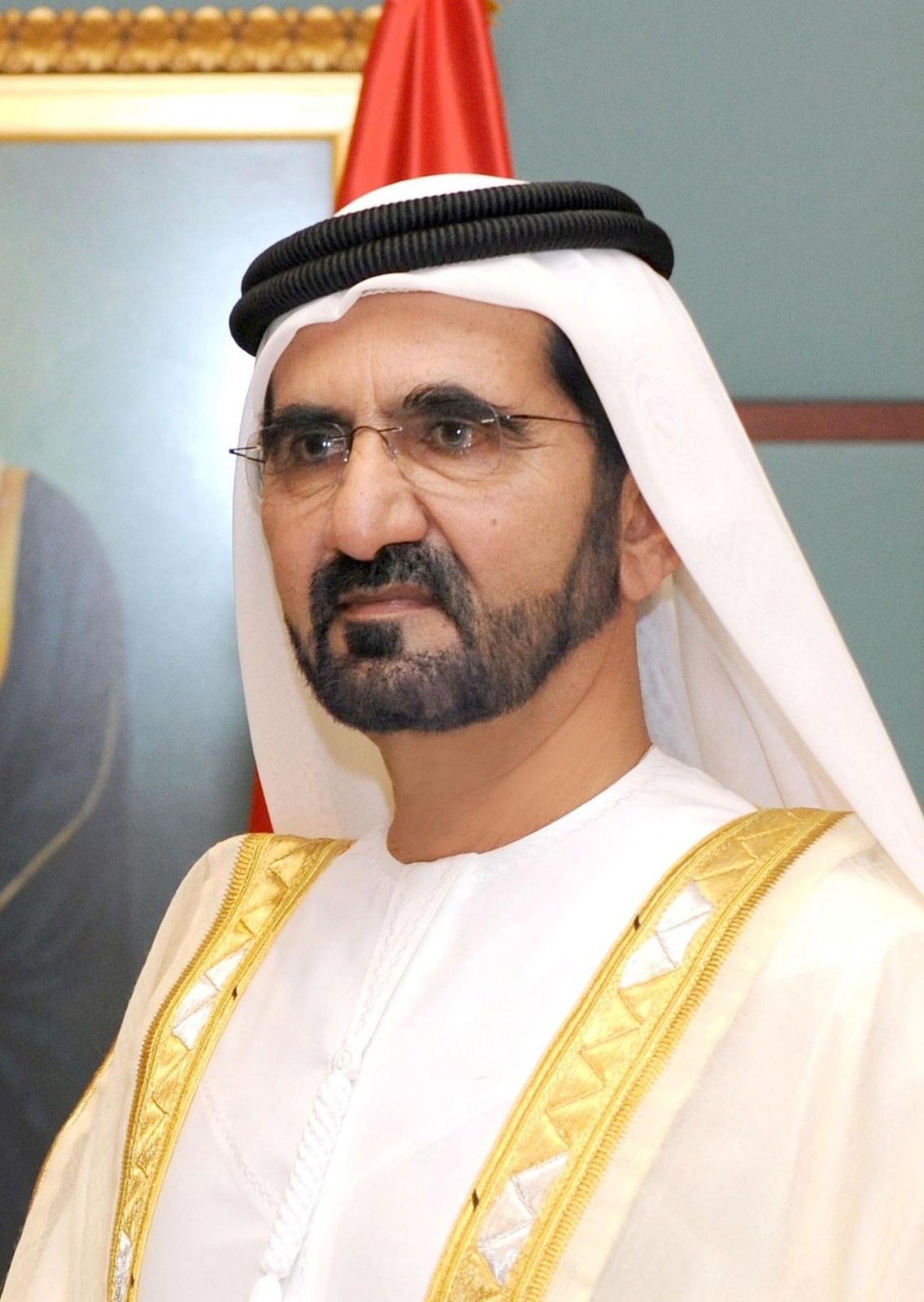
The hotel welcomed Sheikh Saeed bin Maktoum Al Maktoum, a member of Dubai's ruling Al Maktoum dynasty. The family has ruled Dubai since 1833 and is among the most powerful families in the Middle East. Saeed himself was the son of the former ruler of Dubai, Sheikh Maktoum bin Rashid al-Maktoum, and the nephew of the famous Dubai ruler Mohammed bin Rashid al-Maktoum, writes The Guardian.
The sheikh originally traveled to Belarus for only a few days. He stayed in the presidential suite of the Minsk hotel and, according to the staff, was very reserved. He spent most of his time in his room, prayed five times a day, and even had his own chefs with him to prepare his food. Therefore, the hotel staff still cannot fully explain how the pair actually got to know each other better.
According to one version, they were introduced by a completely ordinary detail. The sheikh had a glass of orange juice brought to his room, and it was Natasha who delivered it to him.
The young woman reportedly caught his attention immediately. Other sources claimed that he started seeing her repeatedly during his stay at the hotel and extended his stay in Minsk twice instead of his planned departure to Russia, writes Daily Mail.
Their relationship developed incredibly quickly. The acquaintance lasted less than a month and was followed by a simple Islamic wedding. Before the marriage, Natálie converted to Islam. Interestingly, although she was raised in a Christian environment, her father was from Azerbaijan and was a Muslim. This made the family's acceptance of Islam easier than it might have seemed.
The media in Belarus immediately labeled their story as a modern fairy tale. According to her former teachers, Natasha was exceptionally beautiful and elegant. One of her high school teachers even said she had an "aristocratic appearance and exceptional charm," and that was why she understood why the sheikh chose her.
However, not everyone was thrilled about the relationship. Natasha's mother initially had great concerns. She knew her daughter would have to move to a foreign country after the wedding, among a completely different culture and rules. She was also worried about polygamy, as the sheikh already had one wife and five children. Natalie was going to become his second wife. Eventually, though, the family supported the marriage, and after a personal meeting, the mother described the sheikh as an intelligent, educated, and very tactful man. She also emphasized that her daughter was not marrying for money.
And it was money that fascinated the media the most. Even at that time, it was estimated that Sheikh Saeed's wealth reached billions of dollars. Thus, Natasha, an ordinary girl from a post-Soviet country, became part of one of the wealthiest families on the planet.
Shortly after the wedding, the couple left for Cyprus, where the Sheikh had other obligations. Natasha's sister Galina traveled with them to help the newlyweds as an interpreter, as Natasha was not yet fluent in English or Arabic. The language barrier and completely new world were among the greatest challenges. Natasha practically had to adapt overnight to a life in an environment where completely different rules applied compared to Europe. After the wedding, she practically disappeared from the public eye. She stopped giving interviews, wasn't appearing on social media, and there was minimal information available about her subsequent life.
This is typical for women in similar families. Many of them move into a significantly more secluded lifestyle after marriage. Although they have access to luxury residences, staff, drivers, and financial comfort, they are also expected to maintain absolute discretion, respect the family hierarchy, and adapt to the rules of the aristocratic family.
One of the few public statements from the sheikh himself was also interesting. When journalists asked him if he would one day become the ruler of Dubai, he responded very philosophically. He claimed that money and power come and go, but faith remains forever.
Princess Haya: The Woman Who Escaped From a Fairy Tale
Perhaps the most famous woman associated with the ruler of Dubai is Jordanian Princess Haya bint Hussein. Unlike Natálie, she herself came from a royal family. She was the daughter of Jordanian King Hussein, studied at Oxford, and represented Jordan at the Olympics.


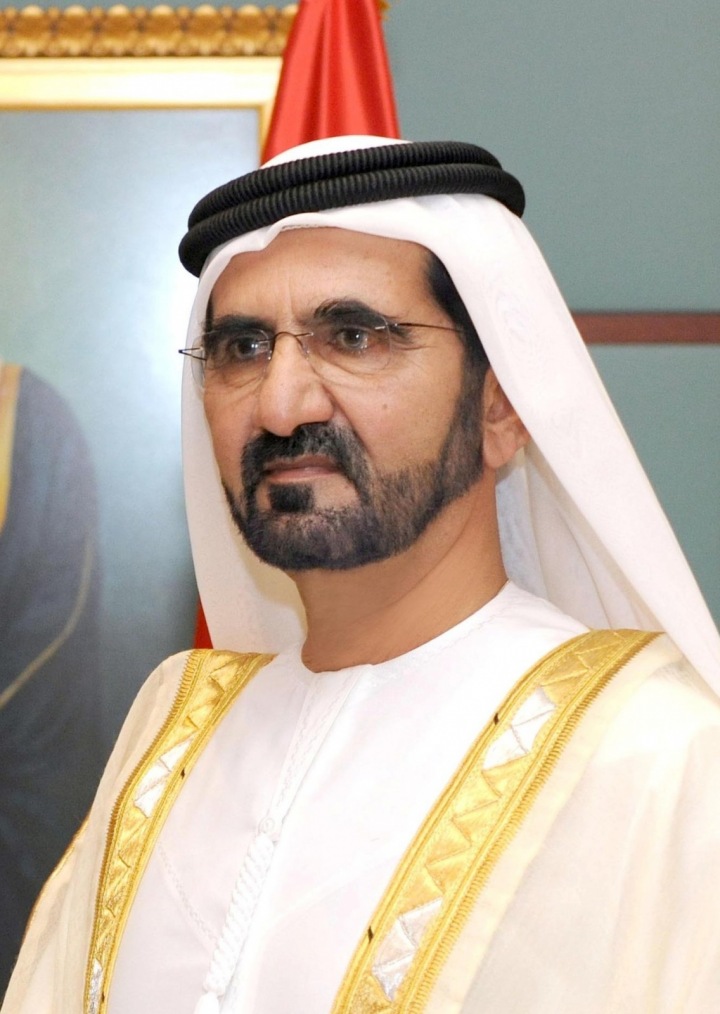
When she married Sheikh Mohammed bin Rashid al-Maktoum, the ruler of Dubai, in 2004, their marriage seemed like a union of two modern worlds. Haya became the representative face of Dubai, participated in international events, charitable projects, and was among the most visible women in the Arab world, writes Vanity Fair.
Their wedding was a huge social event. In Arab royal families, a wedding is not just a romantic moment, but also a display of the family's power and status. The celebrations often last several days, and the guests can number in the hundreds to thousands. Brides wear dresses embroidered with gold, diamond sets, and entire hotels are transformed into palaces full of flowers and crystal.
However, Haya later discovered that behind the glitter of Dubai lies a darker reality. She gradually began to fear for her safety after learning more about the fates of Sheikh's daughters Latifa and Shamsa, who attempted to escape the country.
In 2019, she herself left for Britain with her children. This was followed by one of the biggest divorce battles in modern monarchical history. A British court concluded that Sheikh Mohammed organized the return of his daughters against their will and used intimidation against Haya. There were allegations of phone surveillance using Pegasus software and threats.
Today, she lives in Britain under high protection. Despite receiving a huge financial settlement, her story has become a symbol that even the status of a princess does not guarantee freedom.
Princess Latifa: The Sheikh's Daughter Who Desired a Simple Life
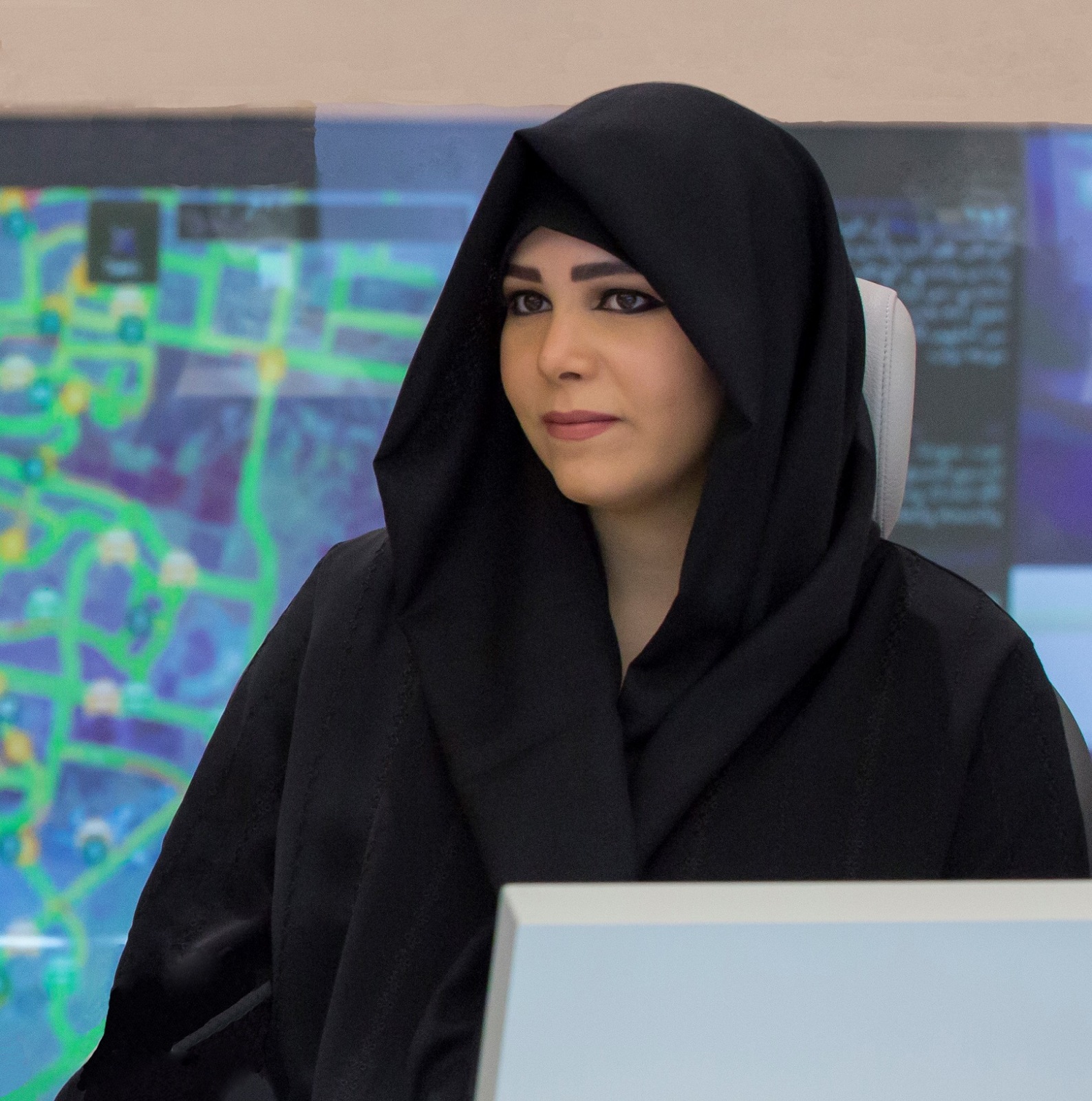
Latifa is an Emirati princess and a member of Dubai's ruling family. She is the daughter of Mohammed bin Rashid al-Maktoum.
Latifa's story is not one of romantic love or a grand wedding. Unlike many princesses from Arab monarchies, she never married, and according to available information, she spent years trying to escape the system of rules dictated by her family and her position as the daughter of Dubai's ruler. Her life is therefore more associated with the struggle for freedom than with a fairytale marriage, writes New Yorker.
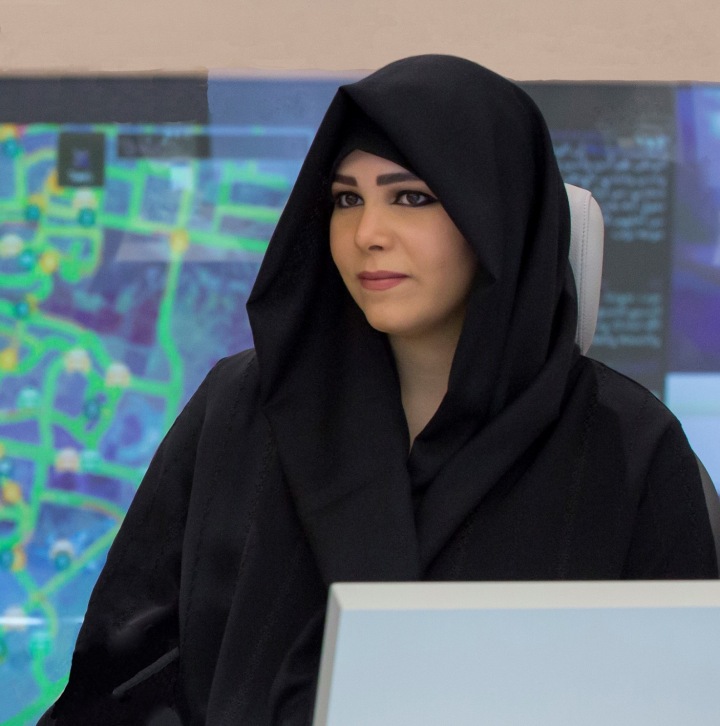
One of the most important people in her life became Finnish woman Tiina Jauhiainen. It wasn't a romantic relationship, but a strong friendship that developed during capoeira martial arts training. Latifa hired her as a trainer at a private sports center owned by the royal family. Initially closed off and cautious, Latifa gradually developed trust towards her. They trained together every day and also began engaging in skydiving, diving, and other adrenaline sports. It was during these joint sessions that Latifa slowly revealed details of her life behind the palace walls. Tiina later admitted that she initially had no idea under what kind of supervision the princess lived. It was only after years that Latifa revealed the story of her sister Shamsa, her own escape attempts, and the fact that she did not feel free in Dubai.
Latifa grew up in one of the most powerful families in the United Arab Emirates, but according to her statements, she was part of a system of strict rules. She claimed she couldn't travel abroad independently, was often accompanied by security, and many decisions in her life were made by male family members. Additionally, the principle of male guardianship still functions in Emirati society, meaning that women need the consent of a male family member for many life decisions. Critics have long pointed out that despite Dubai's modern image, conservative families have strict expectations regarding the behavior of daughters and wives.
Latifa herself described the life of royal women as a constant duty to represent the family and protect its honor. She claimed that disobedience is perceived as damaging to the dynasty's name. According to experts cited by The New Yorker, this is why princesses' escapes caused such a stir; it was not just a family conflict, but also a matter of prestige and the ruler's authority.
Latifa developed a very close relationship with Tiina, based on trust. They planned their escape together for years. Tiina even left her regular job to dedicate herself fully to Latifa's training. When Latifa decided to definitively leave Dubai, it was Tiina who helped her with organizing the journey, arranging equipment, and crossing the border into Oman. Both believed they could make it to India and then to the United States, where Latifa wanted to apply for asylum.
However, after several days of sailing on the yacht Nostromo, the situation suddenly changed. Off the coast of India, planes and ships began to follow them. Armed units subsequently stormed the deck, reportedly using smoke grenades and weapons. Latifa allegedly resisted, screamed, and refused to return to Dubai. Her friends later claimed that she begged the soldiers to shoot her rather than take her back to her father. In the end, she was forcibly taken off the ship and transported back to the United Arab Emirates. After her return, a period followed that still raises many questions. Latifa later claimed in videos and secret messages that she was held in isolation in a villa guarded by police. She described barred windows, constant surveillance, and a ban on contact with the outside world. She also claimed to feel like a hostage and feared for her life. Her videos later reached the public and prompted international pressure on Dubai and her father.
Sheikh Mohammed himself did not comment too extensively in public about the escape. However, the Dubai royal court issued a statement saying that Latifa was "safe at home with her family." The official version claimed that it was not an escape from the family, but a kidnapping and manipulation by the people who accompanied her. The family denied allegations of abuse or illegal detention.
Great attention was also drawn by Latifa's meeting with the former President of Ireland and former UN High Commissioner for Human Rights, Mary Robinson. Dubai released photographs showing Latifa sitting calmly at lunch. At that time, Robinson stated that she was a "vulnerable young woman" who needed help. Later, however, she admitted that she felt misled and did not know the full extent of the situation.
The case escalated further after a British court concluded in 2020 that Sheikh Mohammed orchestrated the forced returns of his daughters Shamsa and Latifa back to Dubai. The court also deemed more of Latifa's claims about restriction of freedom to be credible. The Sheikh denied these allegations, writes Human Rights Watch.

For a long time, it was unclear what was happening with Latifa. The world hadn't seen her, and human rights organizations pointed out that her fate remained uncertain. A breakthrough occurred in 2021, when photos from public places began to surface. She was first spotted in a shopping mall in Dubai, later at an airport in Madrid, and subsequently during travels in Europe. Footage from Spain or Iceland suggested that she could now travel outside the Emirates. After these photos, the international #FreeLatifa campaign was even ended, as her supporters concluded that she had gained a certain level of freedom.
What she does today is not entirely clear. Latifa appears in public only sporadically and does not give interviews about her life. In 2021, she also met with the then UN High Commissioner for Human Rights, Michelle Bachelet, stating, according to published information, that she lives freely and that her situation has improved. Nevertheless, several human rights organizations point out that it is not possible to independently verify to what extent she can make decisions about her own life.
The story of Latifa, therefore, doesn't have a completely clear ending even after years. While Dubai claims that the princess is living a peaceful life and is safe, critics point out that many questions about her past detention and the true extent of her freedom remain unanswered.
Shamsa: The Princess Who Disappeared After an Escape Attempt
Even before Latifa, her sister Shamsa also attempted to escape. In 2000, during a stay in the United Kingdom, she left the family estate and wanted to start a new life. According to available information, she was later tracked down and forcibly taken back to Dubai.
Since then, she has appeared in public only minimally. Her case became one of the first major scandals associated with the Dubai ruling family, writes The Guardian.com.
The Rules of Life alongside a Sheikh
Many European women who entered the world of Arab sheikhs later admitted that the biggest shock did not come during the luxurious wedding or after moving into the palace. The hardest part was getting used to the rules that have been in place in such families for generations.
Limited Privacy and Constant Security
One of the first things women must get used to is the practically constant presence of security and staff. In royal families, security is considered an absolute priority. Many wives of sheikhs cannot simply go shopping or for a walk alone without the accompaniment of security or a driver.
Some former members of the Emirati aristocracy have described that their daily schedule was organized in advance by staff and family. Trips abroad, public appearances, or even visits from friends were often pre-consulted, writes Financial Times.
For women from the Western world, it can also be challenging that there is no complete privacy in many families. Palaces and residences are full of staff, from cooks, cleaners, and nannies to security personnel. Some women have described the feeling of never being alone and having their lives constantly watched.
Respecting family and male authority
In many aristocratic Arab families, the family hierarchy holds significant weight. Older family members and the male part of the family are often respected as the main authorities. After marriage, a woman often doesn't just enter a relationship with the man but becomes part of an extensive family system where her every behavior affects the reputation of the entire family. Some women have described being expected to consult important decisions with their husband or his family. This could involve matters such as clothing, public appearances, travel, or raising children. The upbringing of children is particularly sensitive. Children in royal families represent the continuation of the lineage, and their future is often planned from birth. In some cases, wider family members or staff have the final say in their upbringing.
Discretion and Prohibition of Public Scandals
Women in similar families often have to adhere to very strict discretion. Public conflicts, scandals, or openly criticizing the family are considered unacceptable. That is why many sheikhs' wives completely limit social media or stop giving interviews to the media after marriage.
Some former members of aristocratic circles claimed that even a minor scandal could damage the entire family's reputation, and therefore women are expected to exercise maximum caution in every public appearance, writes The New Yorker.
This was also one of the reasons why many women withdrew from public life after marriage. From the environment of social networks, careers, and their own projects, they moved into the more closed world of family obligations and representation.
Clothing and Public Appearance
Although Dubai seems modern and foreigners can wear regular European clothing, the rules tend to be stricter in aristocratic families. The wives of sheikhs are often expected to dress elegantly and conservatively, respecting local traditions.
Some women have adopted wearing the abaya or covering their hair during official events. Others claimed that even though no one directly ordered them, the pressure from the environment and family was strong enough for them to adapt on their own, writes portal Bayut.com.
In royal families, a woman's appearance is also perceived as a representation of her husband's status. Therefore, great emphasis is placed on etiquette, demeanor, communication style, or public behavior.
Duty to Represent the Family
Many wives of sheikhs engage in charity work, organize social events, or represent the family at official events after marriage. At first glance, this may seem like a luxurious life full of parties and galas, but more women have claimed that it is part of their "duties." The wife of a prominent sheikh is expected to be representative, loyal, and capable of appearing perfect in public. Some women described having to learn the exact etiquette of dining, communication with diplomats, or behavior during religious events, writes The National.
Luxury That Can Feel Like a Gilded Cage
The combination of immense wealth and strict rules has led some women to describe their lives as a "gilded cage." They had everything: jewelry, cars, staff, and palaces. Yet they didn't have the freedom they were used to in Europe. Princess Latifa claimed before her escape attempt that she felt like a prisoner despite living in absolute luxury. Princess Haya, according to British media, started feeling concerned about her own safety and the safety of her children after years of marriage.
The stories of these women show that life alongside a sheikh isn't just about wealth and fairy-tale weddings. It's also about rules that can be very challenging for women from the Western world. That's why many of them have admitted over the years that the hardest part wasn't leaving their country. The hardest part was learning to live in a world where personal freedom often yields to tradition, family, and reputation.
Source: author's text, The Guardian, Daily Mail, Vanity Fair, The New Yorker, Human Rights Watch, Financial Times, Bayut.com, The National