TRANSLATE: I'm taking an Inuit: Displays of affection will not do without inhaling the scent of the other person.


When a man asked a woman for her hand, it was often a test of his skills - whether he can hunt seals, process fur, repair a kayak, or help build a dwelling. Life in icy Greenland really differs in many ways from our geographical latitudes, including wedding customs.
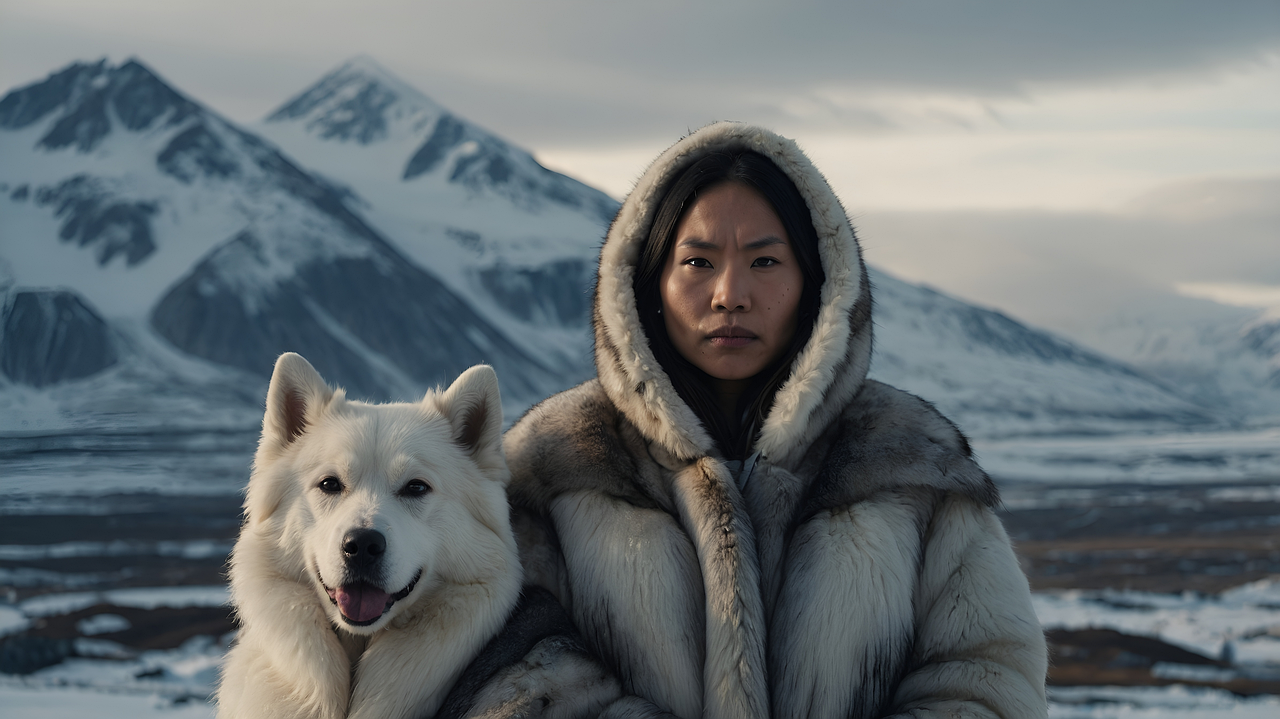
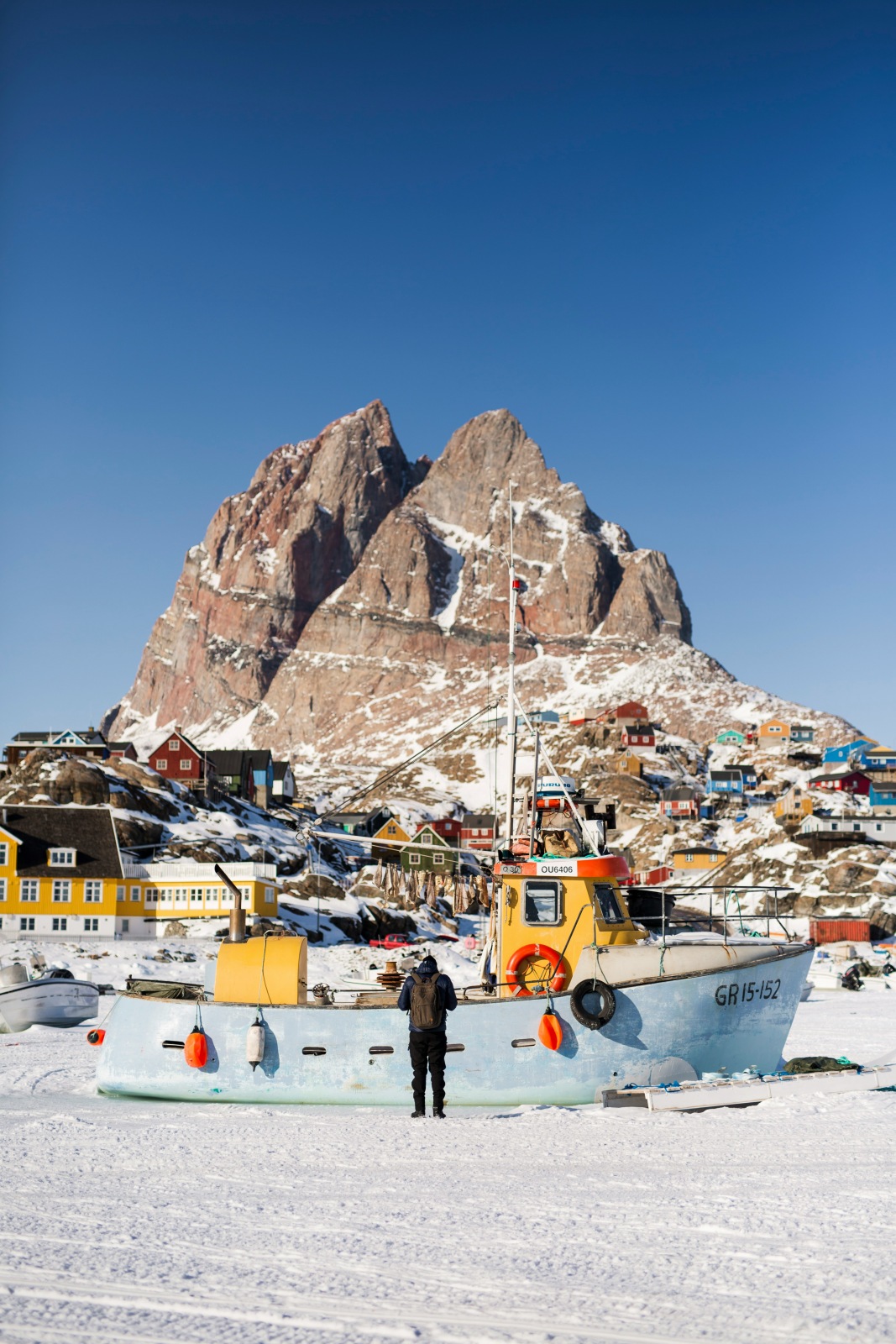
The story of this wedding began far from home and even farther from anything familiar. Klara, a young Czech woman working on a research project tracking climate change, found herself unexpectedly on the coast of Greenland. Originally, she was supposed to spend only a week in the field, but the North had something much bigger in store for her than just work experience. One evening, she went out to look at the Northern Lights, but the cold wind fogged up her glasses and her equipment refused to cooperate. At that moment, a local photographer Inuk stopped and noticed her futile attempts to capture the light in the sky. Without any fuss, he helped her set up her camera and showed her the place where the green streams in the sky broke most beautifully. It wasn't love at first sight, but rather a quiet and natural meeting of two people who would have missed each other under different circumstances. Klara felt strangely calm in his presence, as if someone was extending a hand to her in a land where everything seemed harsh, inhospitable, and simultaneously magical. That evening marked the beginning of a story that gradually led them to the decision to join their lives and embrace traditions older than the villages scattered across the icy cliffs.
After months of friendly visits, long trips to the glacier, and discussions, Klara realized she was entering a world of traditions older than the settlements on the coast itself. Greenland is a country where weddings are not only celebrated but also experienced in deep connection with the Inuit culture.
When a man asked a woman to marry, it was often a test of his abilities – whether he could hunt seals, process furs, repair a kayak, or help build a dwelling. In traditional communities, it was common for a young man to live with his bride's parents for some time to prove that he was responsible and capable of contributing. Once he gained the family's trust, they could start a life together. The website also describes other forms of relationships. Webactuality stated that marriages often took place without large ceremonies. It was more of social obligation than a ceremony.
Gifts as an alliance
The first tradition she encountered was the exchange of gifts between families. It was not about expensive items, but rather handmade things: a small carved bone figure, leather gloves, a stock of dried meat. Each gift carried a message of respect and solidarity. Lucia saw beauty in this: two families that had never met before proved to each other that they would stand as firmly together as with the young couple.
The Beauty of Traditional Inuit Clothing
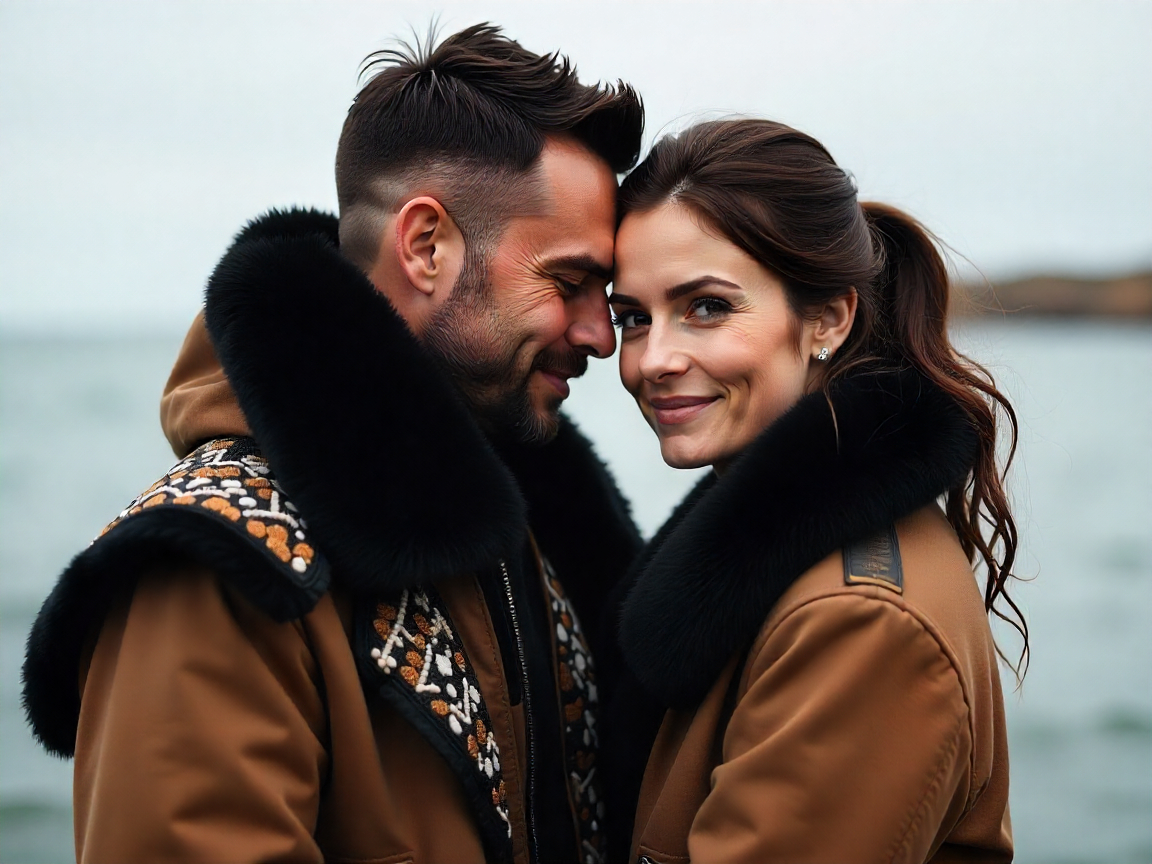
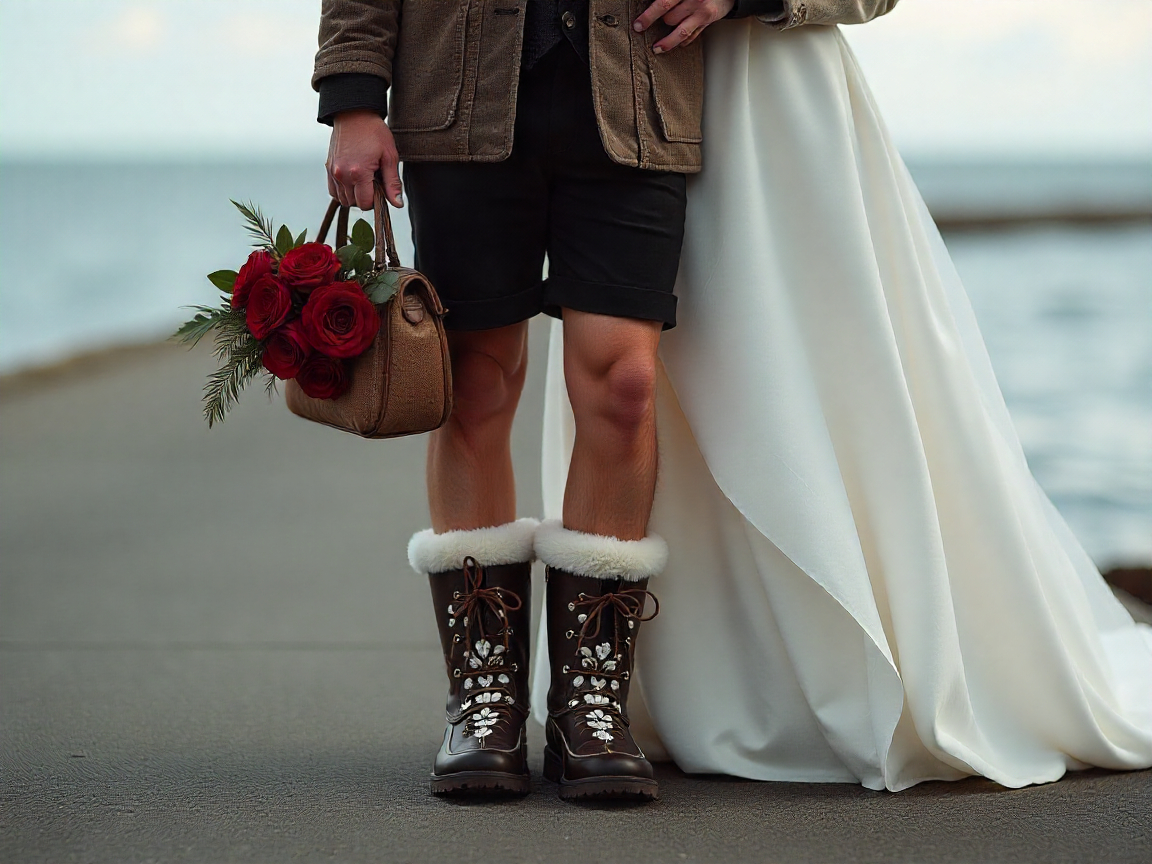
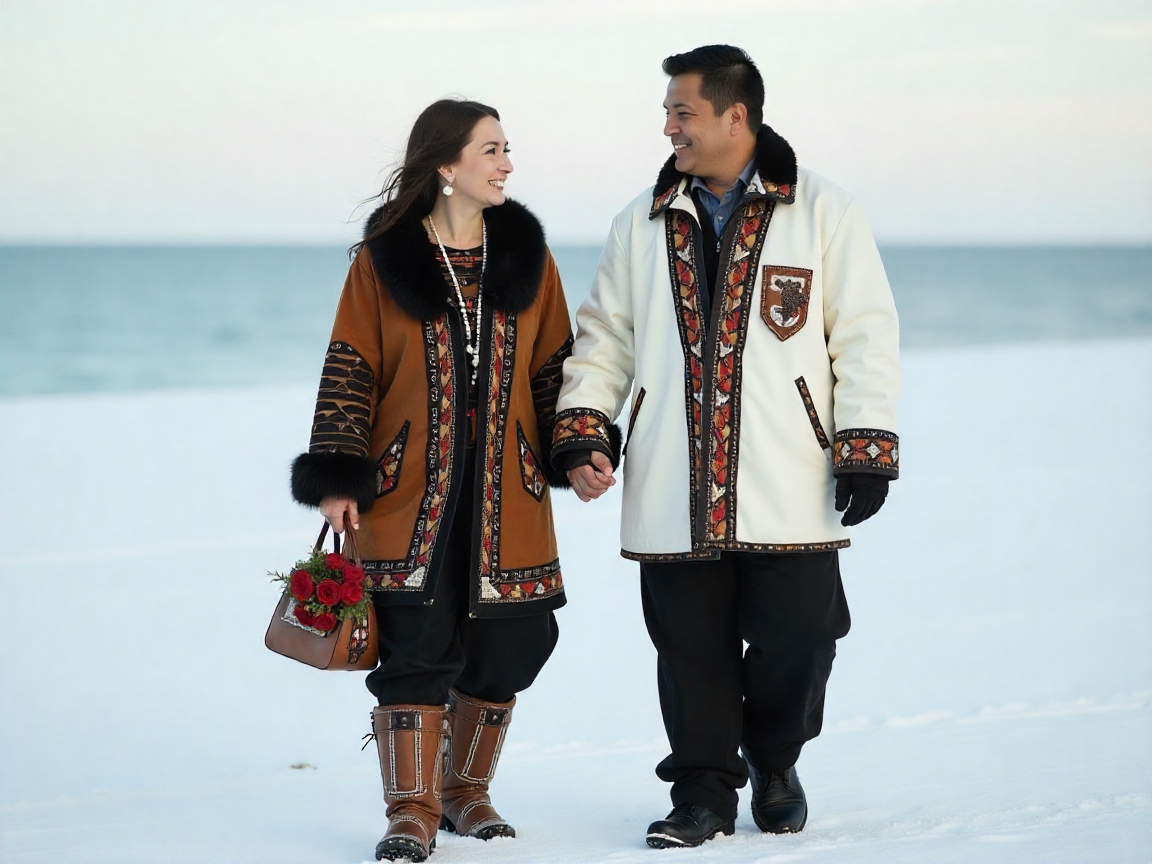
In modern times, clothing plays a very important role - the bride wears traditional national costume (anorak). The traditional clothing of Klára consisted of a fabric anorak adorned with black seal skin at the wrists and neck, complemented with beads with geometric patterns, which formed a large and heavy collar extending to the elbows and covering the back and chest. The pants were made of dark seal skin and resembled shorts. She wore kamik boots made from small pieces of dyed seal skin with white and floral embroidery, carried a small seal skin bag, a bouquet of red roses, earrings, and a necklace made from narwhal bones, had styled hair, and a radiant smile.
Inuk wore black pants, black shoes, and a traditional white jacket made of fabric with a polar bear-shaped pendant. They had to borrow a traditional wedding costume because she didn't have one - the price of a Greenlandic national costume is around 20,000 DKK (approximately 65,000 crowns).
Wedding feast
After the ceremony, there was a "kaffemik" at the port, where guests could taste various dishes, desserts, and drinks.
Greenlandic weddings never concern only two people. When Klara and Inuk, together with their families and neighbors, sat down to a shared feast, she understood why the Inuit are able to hold together even in the toughest conditions. Long wooden tables were laid out with dishes prepared by traditional methods that once saved lives - dried fish, whale meat, and delicate snow crab soups. It's not just about food, but a celebration of shared values. Shared joy is as important to the islanders as a vow between two partners. The celebrations also included traditional drum dances.
Sleigh Ride
One of the best-known traditions that has survived to this day is the bride's journey on a sleigh pulled by the groom. In the past, this symbolized the safe delivery of the woman to her new home, but today it is more of a folkloric tradition. Modern day Greenlandic weddings take place in more modern environments, often in churches or community centers, but many families still observe the symbolic elements of tradition - beaded outfits, old songs, and feasts made from local ingredients.
Symbolic hand-tying ceremony
At Greenlandic weddings, the newlyweds' hands are tied with cords or ribbons during the ceremony. This act symbolises unity, love, trust, respect, and partnership. It strengthens their mutual commitment and the connection of their lives. This tradition is a beautiful expression of their vows and the beginning of their shared journey. It symbolises hope and a promise for the future.
Greenland is a huge piece of land in the north, formally belonging to Denmark, but in spirit completely independent. People imagine it as a place of eternal snow and huge glaciers - but for many, one of the most beautiful chapters of their lives began here. Every year, hundreds of weddings take place here, and a large part of them are foreigners who simply fell in love with this harsh Nordic country. With nature... and with someone they met there.
In Greenland, various ethnic groups live - Inuit, descendants of the original Eskimos, but also smaller communities with their own customs. Therefore, there is no single "correct" wedding. It depends on what family the partners come from and what is close to them. While in the past marriages were mostly arranged by parents when children were still small - to strengthen family ties -, today even in the north people marry mainly out of love.
How marriages are closed today
In Greenland, civil marriages are legally valid and must be concluded at the Registry Office. Couples, including foreigners, submit an application, provide documents such as a passport, birth certificate or possibly a divorce or death certificate, and confirm that they are getting married voluntarily. The office then verifies all the necessary information and sets a time frame for the wedding itself after issuing a permit. If the couple does not speak Greenlandic, Danish or English, they can use the services of an interpreter and the wedding must take place in the presence of two adult witnesses.
Many Greenlander people also desire a religious ceremony after a civil ceremony, which, however, has no legal validity. The priest usually asks the office for a marriage certificate and only then blesses the couple.
What about LGBT couples, polygamy, and laws
Greenland is one of the most open places in the world when it comes to same-sex marriages. It's been legal since 2016 and couples have the same rights as heterosexual married couples.

Polygamy is prohibited, although it used to occur in remote areas in the past.
Otherwise, the laws are relatively simple: both partners must be over 18 years old, exceptions are rare, marriage must be voluntary, and marriage between relatives is prohibited. All documents must be translated into one of the three official languages.
Rights and Duties in Marriage
In Greenlandic marriages, men and women have equal rights - to own property, inherit, run for political positions, and pay joint taxes. They also have the same right to request a divorce. However, in everyday life, some families still adhere to traditional roles: women take care of the household and children, while men provide for the family. Yet, modern urban couples share responsibility equally.
Why some foreigners chose Greenland
Maybe for the silence that you can't find anywhere else. Maybe for the polar light that transforms every ceremony into a magical scene. And maybe because Greenland is one of the simplest countries for weddings of international and LGBT couples.
And once someone steps onto a glacier with a ring in his pocket, it's easy to understand why.
Six Greenlandic traditions that will certainly surprise a European
Greenland is a country where people still maintain their original culture and customs, which visitors may find like a scene from another world. The local residents live in close connection with nature, their daily life is influenced by harsh weather and traditions are passed from generation to generation. This has led to customs that you will not find elsewhere in the world here.
1. Displays of affection that cannot be separated from inhaling the scent of another person
In Greenland, love is not expressed with a kiss on the lips or nose as we know it from romantic movies. The local residents show their affection by putting their face to the face or neck of their loved one and inhaling their scent deeply. The slight rubbing of the nose against the skin is a natural gesture of closeness and a kind of "fragrant hug".
2. Warm seal lungs as an unusual delicacy
Seals are an important food source for Greenlanders, so hunting and processing of these animals has a long tradition. When the hunter returns to shore with a fresh catch, the ritual distribution of the prey begins. Before opening the animal's belly with a knife, he cuts off pieces of warm lungs and offers them to those who are nearby. This delicacy is consumed immediately after hunting, while it is still warm.
3. Double New Year's Eve as an integral part of winter
Greenlanders love end-of-year celebrations so much that they celebrate them twice. The first time, when midnight strikes in Denmark – four hours before they bid farewell to the old year themselves. That means that the locals can enjoy a double dose of fireworks, toasts, and joy. After the "Danish" midnight explosion of colours, the festive dinner continues, and when the clock strikes midnight in Greenland, the atmosphere explodes again.
4. Fermented birds as part of the traditional table
Although a raw piece of whale skin may look like the height of exotics, there are even bolder delicacies in Greenland. One of them is kiviaq, whole small birds preserved in seal skin. As many birds as possible are inserted into the fresh skin along with fat, everything is sewn up tightly, the air is squeezed out, and the package is weighed down with stones in the ground. After months of fermentation, a dish with a distinctive odor and taste is created, which is compared to a very strong moldy cheese.
5. Celebrations where coins fly instead of rice
At Greenlandic weddings, christenings, and birthdays, it's common for someone to throw a handful of small coins into the air. Suddenly, the entire celebration turns into a fun game in which guests collect metallic treasures from the ground. It's a popular tradition intended to bring abundance and joy.
6. Legends born in the darkness of Arctic nights
Before Christianity arrived, the inhabitants of Greenland believed that everything around them had its own spirit. According to tradition, shaman were able to communicate with these beings, which supposedly appeared in the form of animals, people, or a combination of both. Many older people still tell stories of strange apparitions they allegedly encountered while hunting or traveling. These legends are passed down from generation to generation and can instill fear even in the bravest.
Unique Greenland experiences that you won't find anywhere else in the world
Although traditional life in Greenland is firmly rooted in hunting and fishing, the world of Greenlandic culture offers a much wider range of experiences. Many of them are associated with nature, others with the community, and some touch on the ancient Inuits. It's these moments that make the island a fascinating place where time seems to flow according to its own rules.
Dog sledding as a living part of heritage
In the north, there are still families for whom dog sledding is more than just a mode of transport. It is a symbol of identity, tradition, and bonds between people and animals. Riding with experienced mushers, who have been breeding these dogs for generations, offers an insight into a world where survival has since time immemorial depended on the strength and endurance of four-legged helpers.
Kaffemik - when houses open wide
One of the most beautiful customs in Greenland is the so-called kaffemik, an informal gathering at home, during which the family welcomes friends, neighbors, and strangers. It is held for family celebrations - birthdays, weddings, successes - or just when visitors arrive in the village. The tables are full of homemade cakes, coffee flows freely, and the atmosphere is so homely that you feel like you have entered the living room of someone you have known all your life.
The taste of the Arctic on your plate
Greenlandic cuisine is a direct reflection of the harsh environment - it's simple, natural, and rich in sea ingredients. Fish, seafood, and meat from marine mammals, particularly seals and whales, dominate. Reindeer meat, poultry, and game are also often served. The island's cuisine can be a challenge for tourists, but it embodies the true taste of the north.
Brættet – market of life
Every Greenlandic town has a brættet, a market where hunters sell their daily catch. In one place, you will find fresh meat from whales, seals, muskoxen, reindeer, sea birds and various kinds of fish. The bustling atmosphere reminds that the rhythm of traditional life still prevails here, where each piece of meat is the result of challenging hunting.
Rainbow houses with hidden meaning
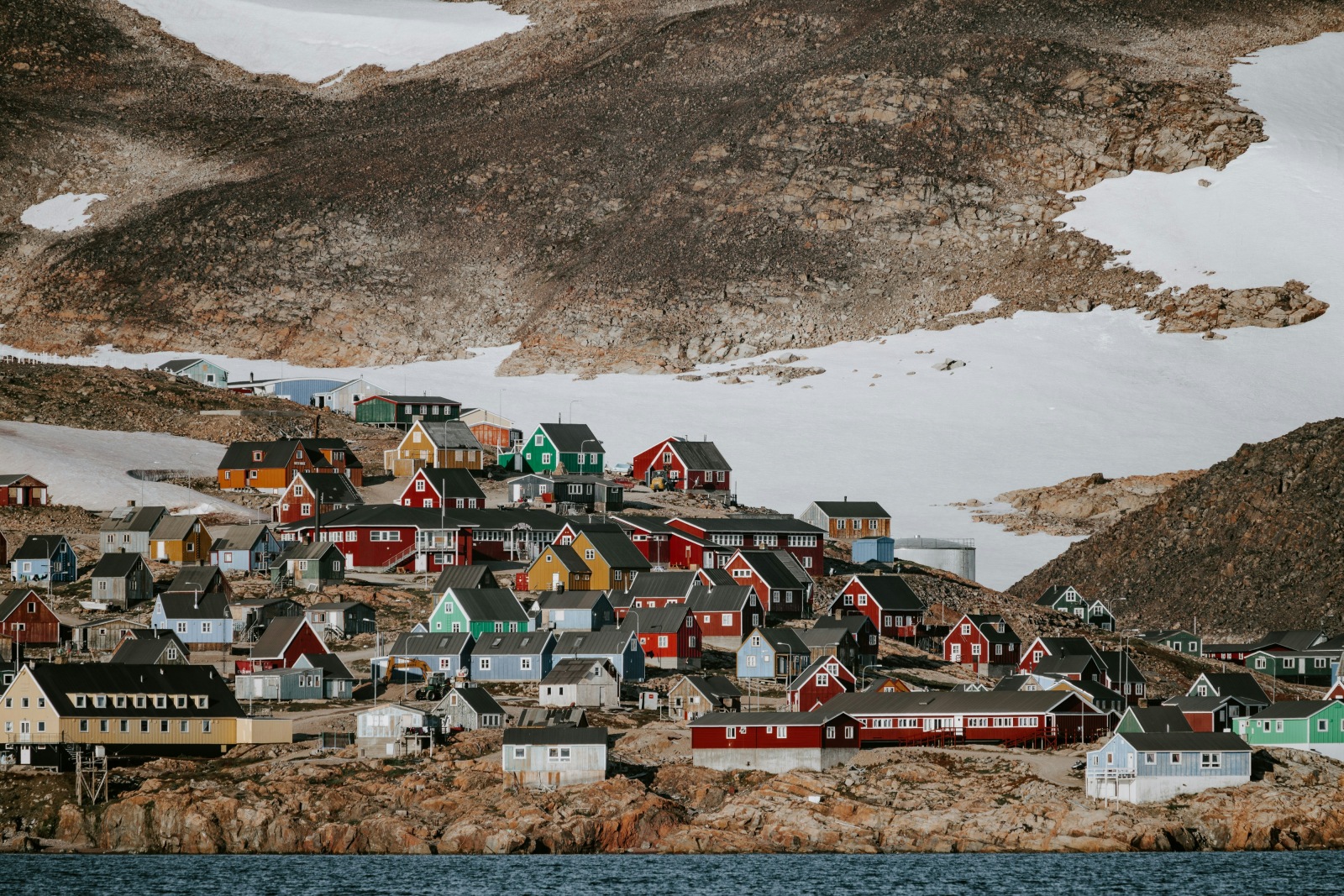
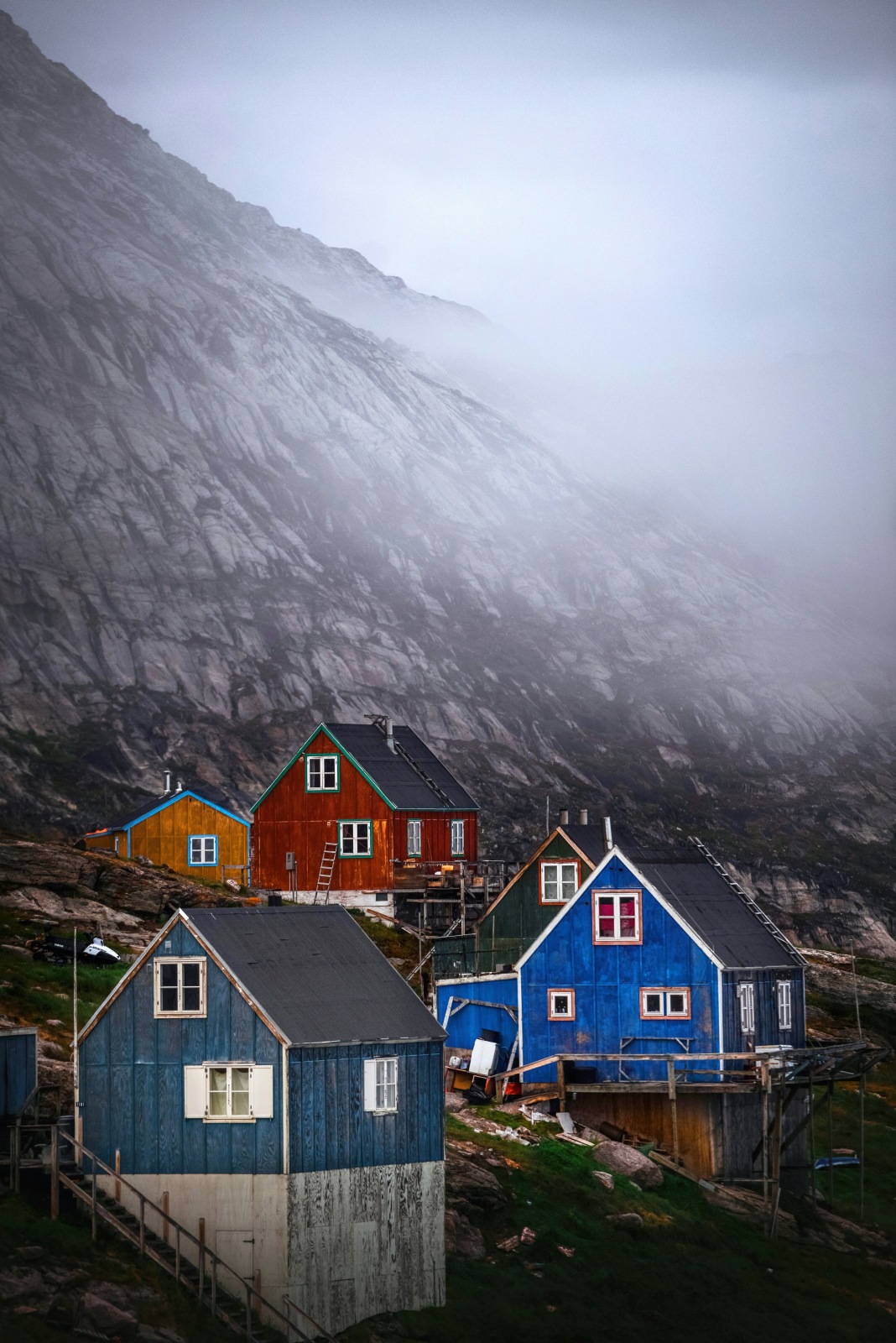
Colorful wooden houses scattered along the Greenlandic coast are not just a romantic backdrop for photos.
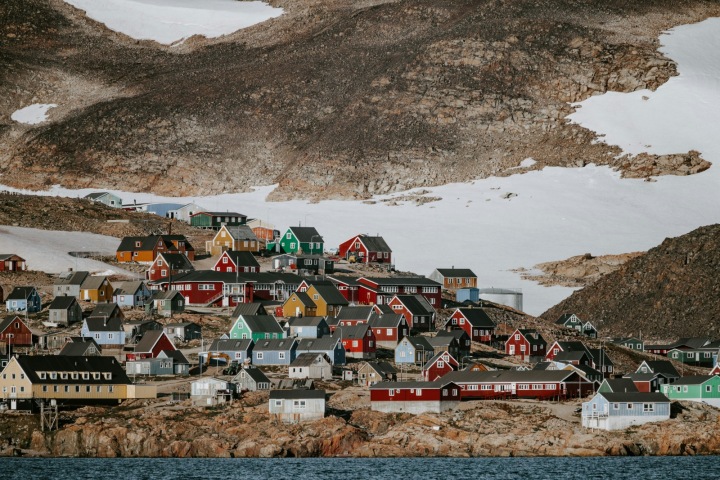
Once they had a precise system: the color determined the function of the building. Yellow was for hospitals, black for police stations, red for shops, and blue for fish processing plants. Today, these small houses are a symbol of Greenlandic identity and a visual sign of local life.
Drum dances and songs telling the stories of the Inuit
Traditional drumming and singing are among the oldest manifestations of Inuit culture. Their rhythms reflect history, spirituality, and the struggle for survival. Modern Greenlanders still love to sing, whether in churches, choirs, or as part of a rich musical life that extends beyond the island and includes the entire Scandinavian area.
Art of stone, bone, and skin
Greenland is a land of artisanal skill. Local masters can create small artistic treasures from natural materials - from animal skin ornaments to statuettes made of sperm whale or bone. Among the most famous are tupilaks, figures inspired by Inuit mythology, which are said to once have had magical protective power.
Greenlandic coffee - a ritual that warms you differently than a regular cup
Greenlandic coffee is not just a drink, but a small performance. Its preparation resembles a ritual in which every alcohol or additive used has its symbolic meaning - from fire and strength to the chilly Arctic night. The result is a sweet and spiced drink, whose flavor and story are the perfect conclusion to a long Greenlandic evening.
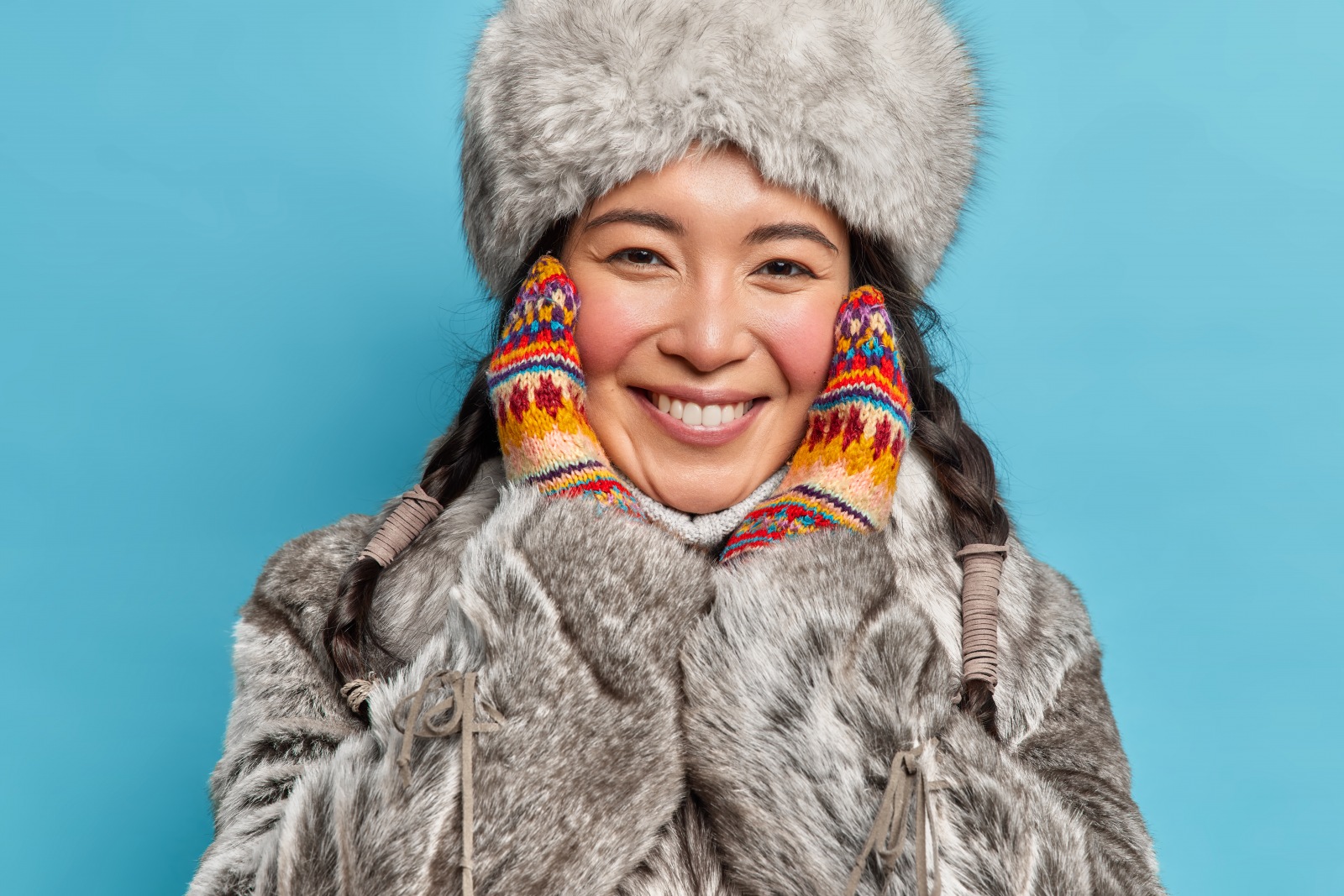
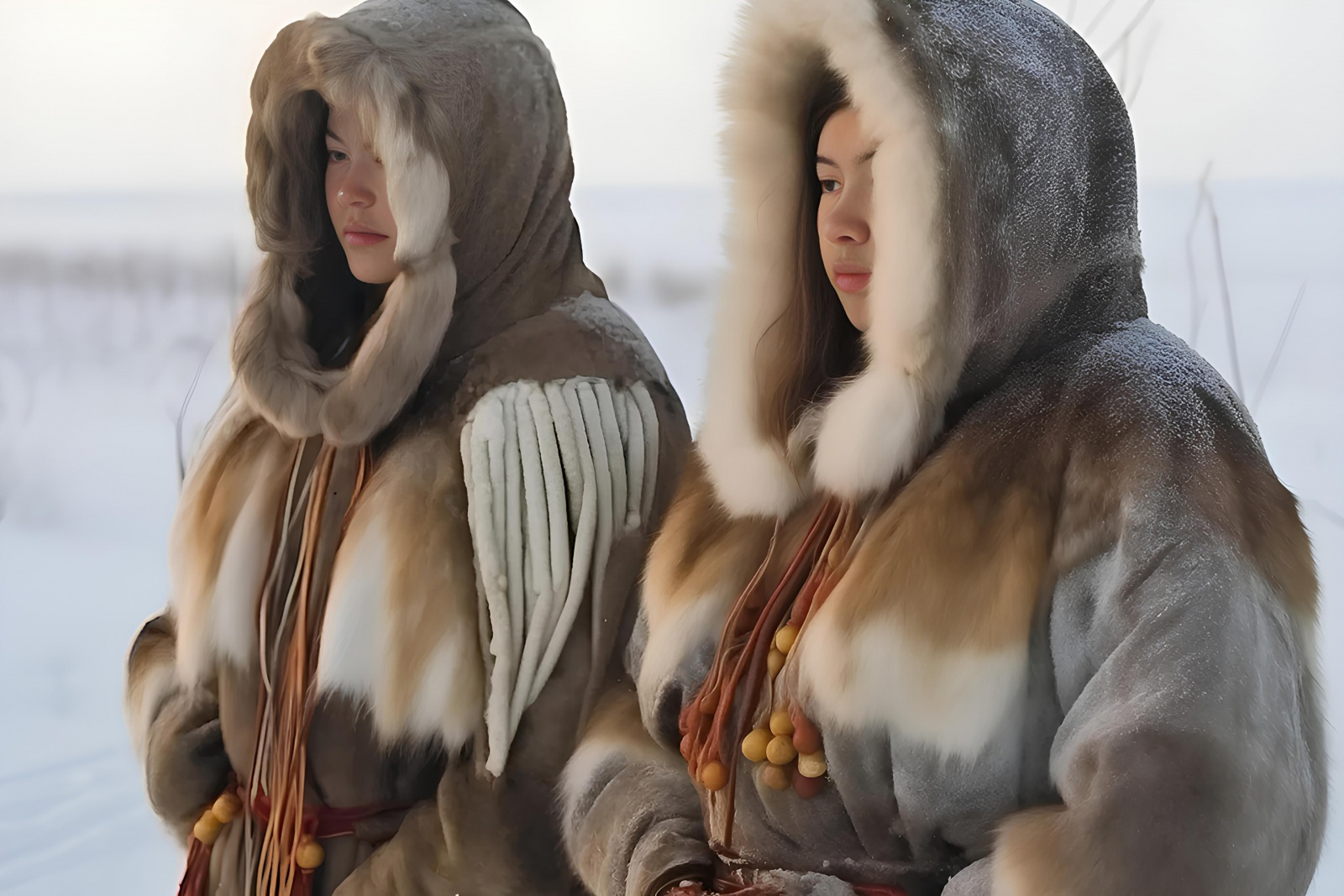
Inuit clothes made of animal skins
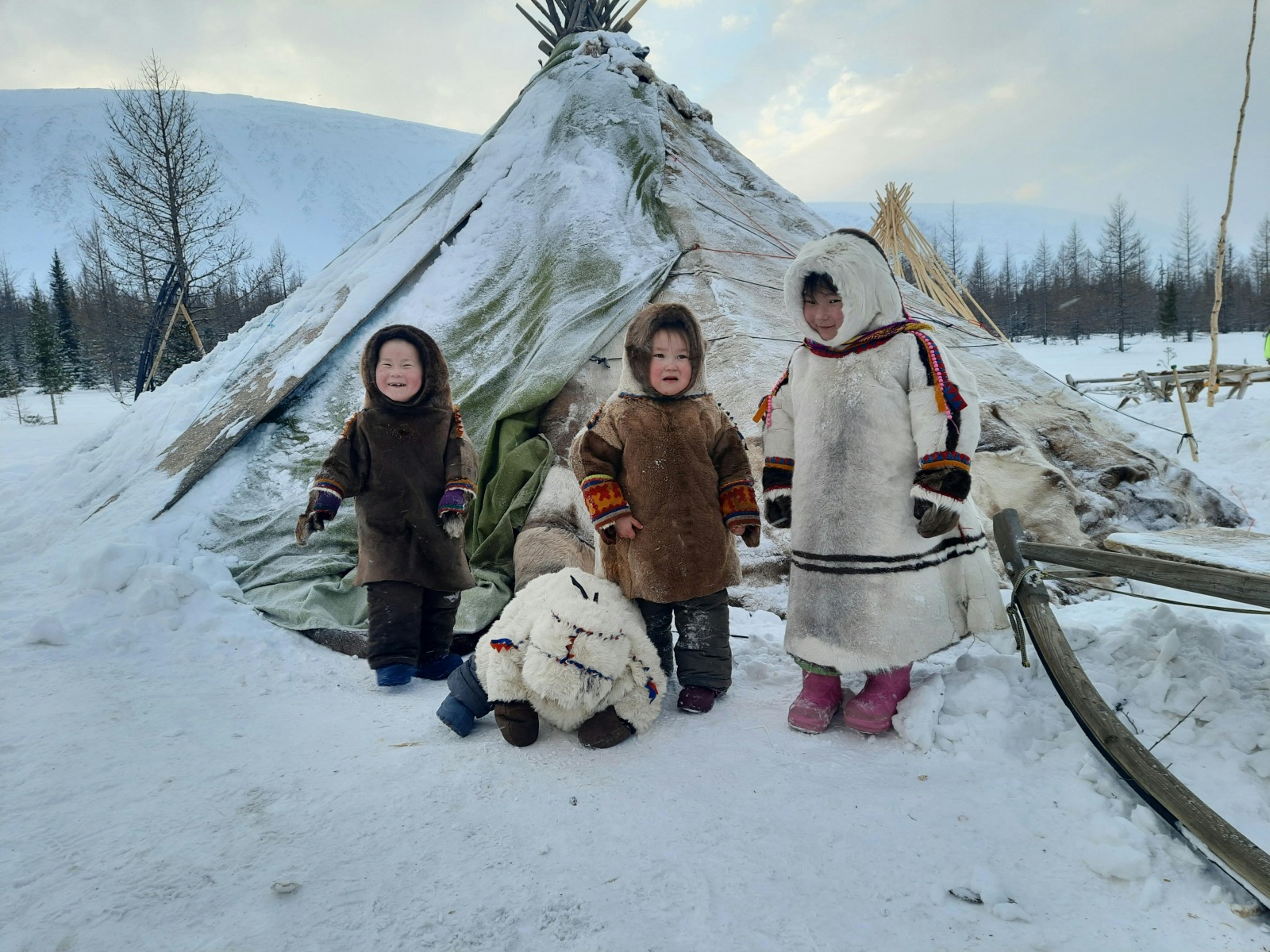
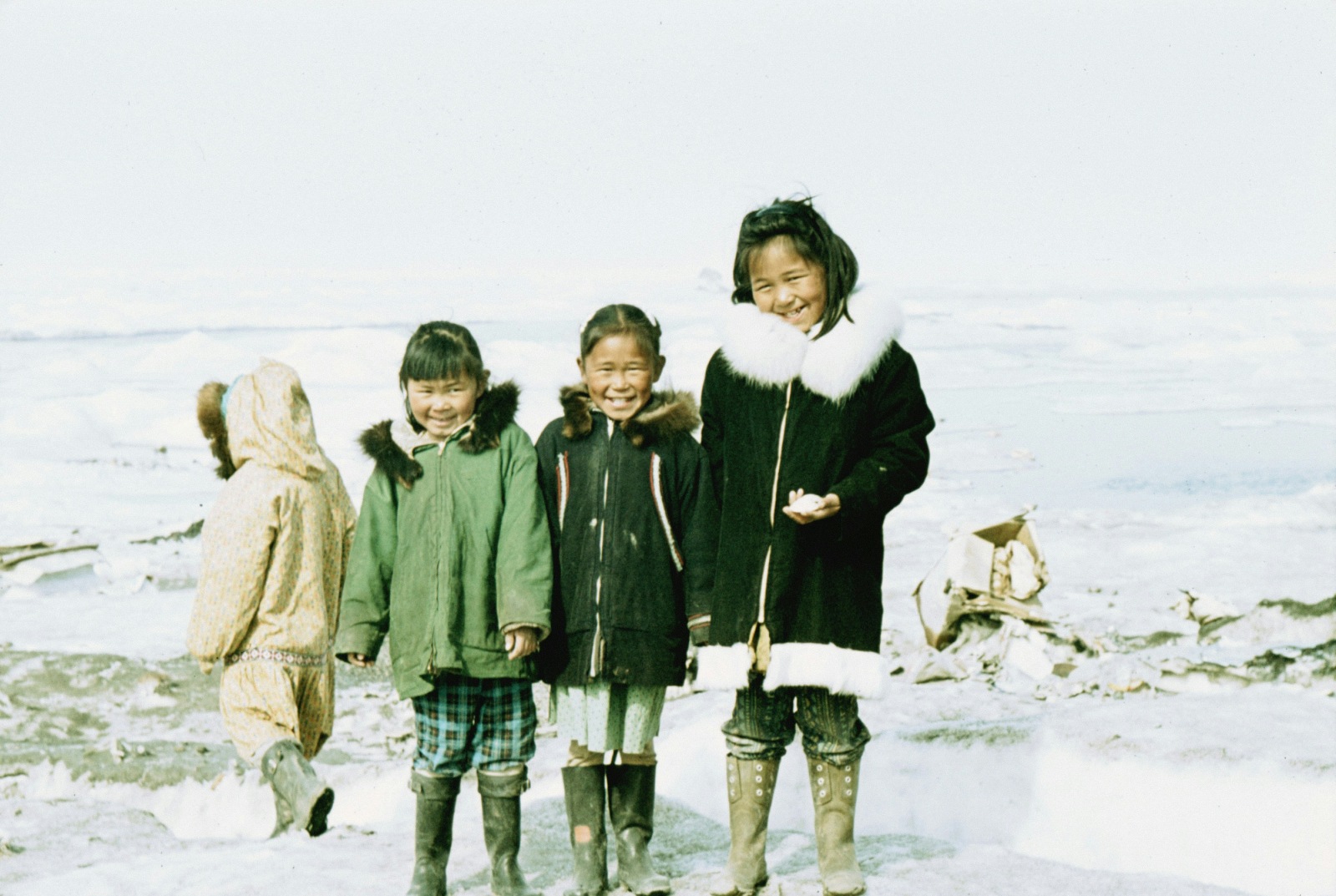
In the past, the Inuit in Greenland did not have access to imported fabrics and relied entirely on nature. The most valuable items were the furs of hunted animals, from which they made durable clothing that protected them against the Arctic winter, wind, and ice. Men and women wore coats, warm trousers, and tall boots, with the choice of fur and cut varying depending on the gender and type of animal - each material had a different strength, thickness, and color, which affected the longevity of the garment.
Men's clothing had to withstand extreme conditions. Hunters spent days outdoors on frozen plains or in kayaks, and a single bad stitch could endanger their lives. Therefore, it was traditionally believed that the value of a man was determined by how perfectly his wife could sew his clothes. A skilled woman who could sew trousers, kamik boots, or a warm jacket, earned the respect of the entire community. Today, we can admire these garments in Greenlandic museums.
With the arrival of Europeans in the 17th and 18th centuries, new materials arrived – wool, silk, ribbons and glass beads. Men exchanged leather pants for firm wool, women sewed colorful jackets and beads became a symbol of prestige. This trend has particularly been preserved in women's national costumes, richly decorated with colorful patterns.
Today, Greenland national costumes are worn on significant occasions - weddings, confirmations, Christmas, Easter, and Greenland Day. They also have their place in family life, for example at the celebration of a child's first birthday or their first day at school. Colorful coats, fur boots and bead necklaces symbolize the connection between tradition and modern life and the preservation of the Inuit identity despite the changes brought by time.
Tourists can also see the costumes when cruise ships arrive at ports or at special events in cities. Colourful coats, warm fur boots, and rich beaded necklaces symbolize the connection between tradition and modern life - a symbol of how the Inuit managed to preserve their identity despite the changes that time brought to the country.
Source: author's text, newsbytesapp.com, marryonchain.com, matadornetwork.com, greenlandbytopas.com, visitgreenland.com