TRANSLATE: I'm taking a Dane: When love meets bureaucracy, Copenhagen says yes



In recent years, Denmark has become a popular destination for couples from all over the world who do not want or cannot wait for months for approval in their home countries. Especially Copenhagen has earned a reputation as the "Las Vegas" of Europe, not due to wild parties, but thanks to the speed, simplicity, and transparency of the wedding process. Here, the authorities can arrange the marriage within a few days, without unnecessary bureaucracy which is common elsewhere.



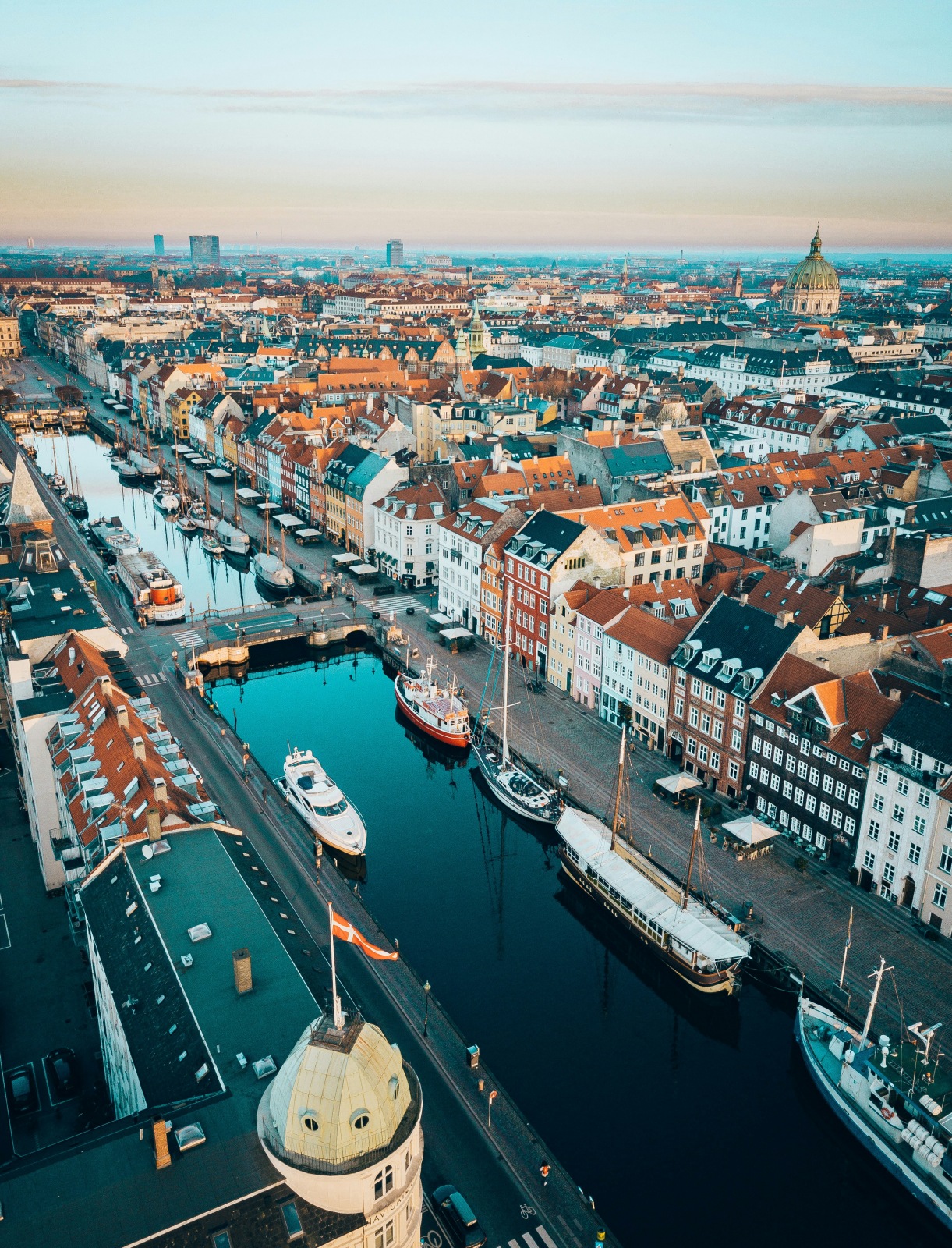
While many European countries require birth certificates, proof of marital status, or lengthy communication with embassies, in Denmark a valid passport and in some cases a visa is enough. The Danish Family Law Agency usually issues a marriage permit within five working days and the marriage certificate itself is valid for several months. This is one of the reasons why Denmark has become a lifeline for couples who would otherwise have to wait an unreasonably long time elsewhere.
Before the traditional wedding in Denmark, a series of customs and rituals take place even before the couple say "yes". Some of them have deep historical roots, others have gradually adapted to modern times, but all together they create a special atmosphere of Danish weddings.
From the traditional proposal to the noisy polterabend
One of the oldest and now rather symbolic customs is to ask for the bride's hand. It's a tradition in which the future groom formally asks the bride's father for consent to the marriage. It's seen as a sign of respect to the family and future father-in-law. If the father agrees, the path to engagement is free. In Danish, this act is referred to as "Anmode om datterens hånd." Unlike the Vikings, however, modern Danish couples no longer ask parents for permission to marry - though some grooms may still ask the bride's father for "his daughter's hand".
Overall, however, the engagement itself increasingly represents an agreement between two people who love each other and are willing to spend the rest of their lives together.
After a successful proposal follows the engagement, which is not complete without a ring. According to Danish custom, the engagement ring is worn on the left ring finger. The reason is an old belief that from this finger a vein leads directly to the heart, hence it is called the “vein of love”. However, this custom is not exclusively Danish but is widespread in several Western countries.
In Denmark, there is a strict unwritten rule regarding the night before the wedding. The bride and groom should not sleep together and ideally, they should not even see each other. Spending the night together is considered inappropriate and according to tradition, it can even bring bad luck. Brides typically spend the night with their bridesmaids, while the groom stays with his family or close friends.
The Danes are known for their ability to celebrate properly, and the bachelor and bachelorette parties, which are called polterabend in Denmark, are the ideal opportunity to demonstrate their sense of fun. This is a special evening during which the future newlyweds stylishly say goodbye to their single life.
The term polterabend comes from German and literally means "noisy evening". According to tradition, guests during the celebration are supposed to make as much noise as possible to drive away evil spirits and ensure a happy life together for the couple. Until the 1980s, this celebration was exclusively for the groom, who spent it in the company of his male friends. However, in recent decades, this custom has changed and brides have started organizing their own bachelorette parties with their friends.
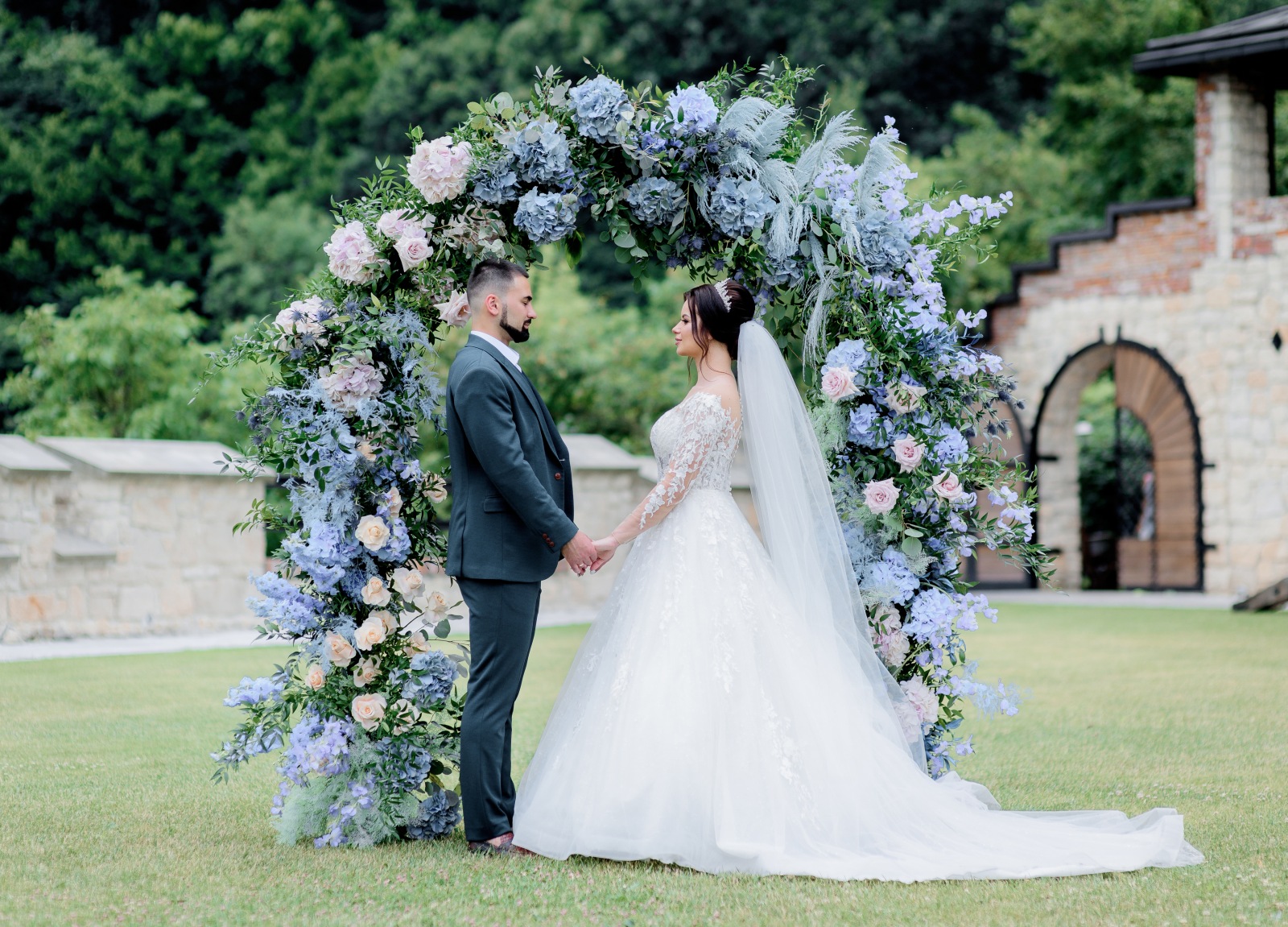
An especially beloved and visually impressive tradition is the so-called "Æresport", or honor arch. On the eve of the wedding, family, friends, and acquaintances secretly gather and form a celebratory arch in front of the couple's home or the location of the ceremony or feast. Traditionally, it is made of flowers and coniferous branches, especially spruce, but often also contains personal symbols related to the couple.
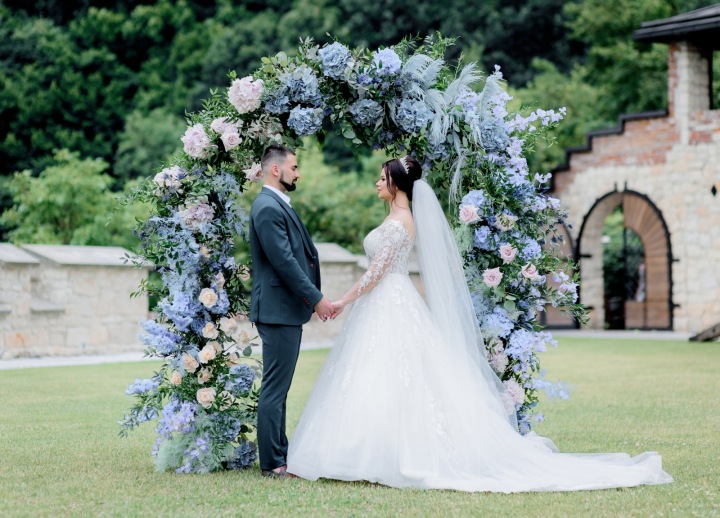
For example, if one of the betrothed is a teacher, pencils or rulers might appear on the gate. This gate is intended to bring luck into their shared life and simultaneously let neighbors know that an important event is approaching. This tradition also has a mildly humorous aspect. After the gate is set up, friends often enter the house and "gently wreck it". This is rather harmless jokes, such as throwing toilet paper around or rummaging through drawers with cutlery.
It is interesting that the tradition of erecting an honorific arch is also repeated at significant wedding anniversaries - after 12.5 years (copper wedding), after 25 years (silver wedding) and after 50 years (golden wedding).
Wedding day
On the wedding day, a festive atmosphere prevails from morning. Each of the pair prepares separately, with laughter, hugs with loved ones and last-minute adjustments. It is on this day that typical Danish wedding traditions are fully displayed.
Choosing clothing
There are also rules for guests when choosing their attire. Women should never wear white, which is exclusively reserved for the bride. In the past, black was also discouraged, as it was associated with mourning, but today it is entirely common. However, it is considered polite to make sure with the bride that she is okay with it. Men, on the other hand, should not overshadow the groom with their outfits. If the groom is wearing a normal suit, guests should not show up in a more ostentatious tailcoat or top hat.
Accuracy
Also interesting is the exact order of arrival. The groom must arrive at the ceremony first and wait at the front for the arrival of the bride. She arrives last, ideally right on time. The bride is traditionally accompanied to the altar by her father, who symbolically "hands her over" to her future husband and transfers to him the responsibility for her life. After the ceremony, there follows the throwing of rice, which in Denmark symbolizes fertility and a wish for the marriage to be blessed with children. The rice is thrown at the newlyweds as they leave the ceremony.

Cutting the cake
Authentic Danish wedding traditions, however, come to life during the wedding feast.
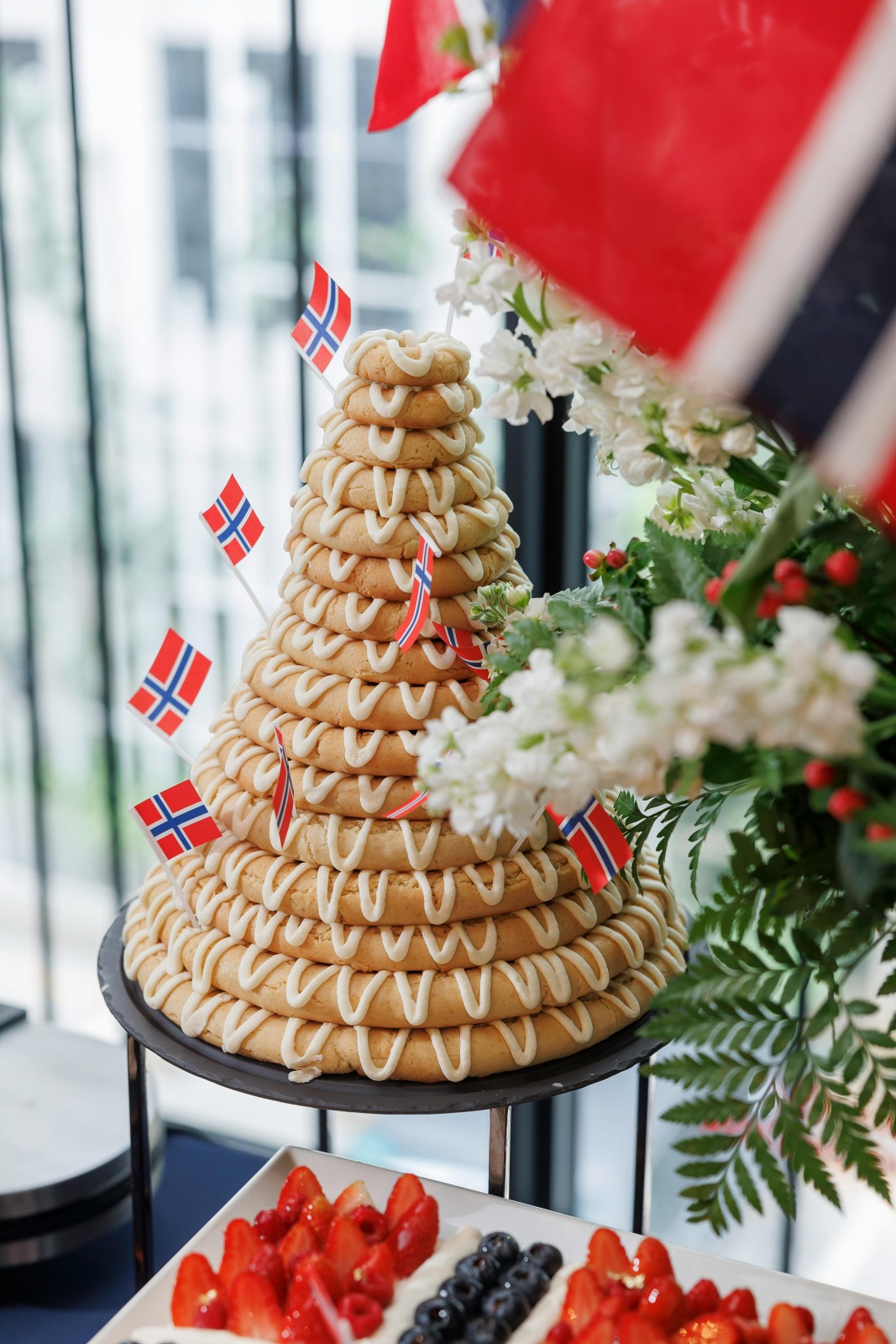
One of the most important moments is the cutting of the wedding cake. In Denmark, there are different types of cakes - for example, the famous "kransekage" made from almond paste in the shape of rings or a cake in the shape of a horn of plenty.
However, the most common is a classic tiered cake, whose top tier the couple saves for their first anniversary or the christening of their first child. The cake must be cut before midnight and each guest should get a piece, which is supposed to bring the newlyweds luck.
In Denmark, the bride and groom cut the cake together.
Speeches, speeches and more speeches
One thing you have to prepare for at a Danish wedding is the amount of speeches. Words carry great weight here and the guests certainly do not hesitate. Speeches are made by family members, friends, and colleagues, and it's not uncommon for some of them to last several tens of minutes. However, these are more honest conversations full of memories, humor, and gentle irony rather than formal speeches.
First dance
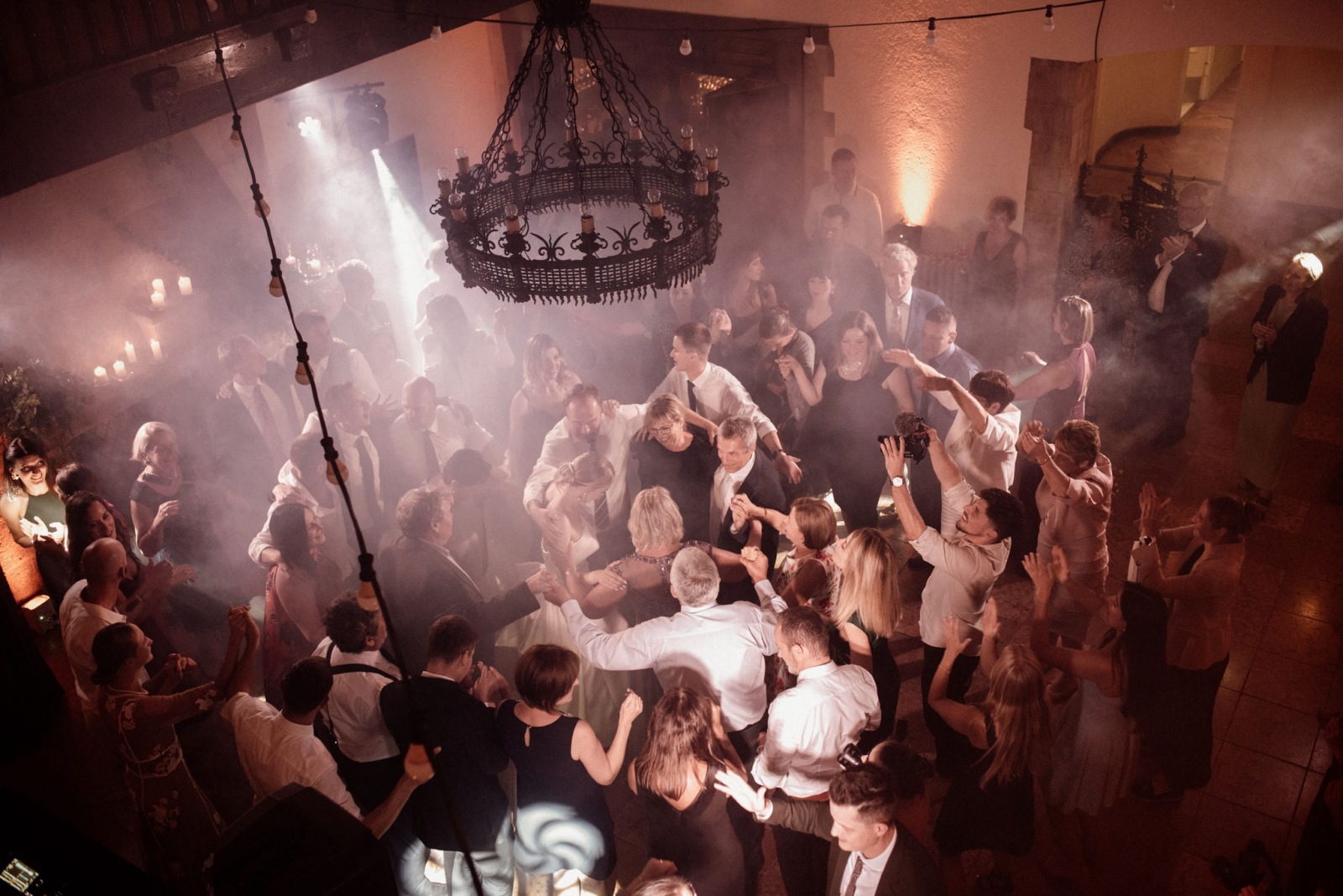
The first dance, known as "brudevals", must take place before midnight, as midnight symbolically closes the wedding part of the celebrations.
During the dance, guests stand in a circle around the couple and gradually approach them until the newlyweds have no space to move. A kiss follows, which is rewarded with loud applause and the enthusiasm of the entire hall.
The music comes from the ballet of August Bournonville from the 19th century. After this dance, one of the most unusual traditions follows - the groom's friends cut off the tips of his socks. This act symbolizes the transition from a single life to marriage. At the same time, the bride's veil is destroyed, symbolizing her farewell to girlhood and stepping into adulthood.
During dinner, do not expect peace and silence. Danish weddings are known for guests being actively involved in the proceedings even during the meal. Stomping of feet is a signal for the newlyweds to crawl under the table and kiss. If instead, there is a clinking of cutlery against glasses or plates, the couple must stand on chairs and repeat the kiss there. These moments may be repeated several times during the evening and are a common part of the entertainment.
And let's not forget about another interesting fact! One of the most unusual customs is cutting the groom's socks. During the party, the guests lift him, remove his shoes, and cut the tips of his socks. This custom is a symbolic reminder to the groom that he will not be looking for another woman, but it is also a humorous test for the bride who will have to demonstrate her skills in the future. It is not uncommon for the groom's tie to suffer a similar fate.
And while the groom stumbles from this friendly attack, neither does the bride escape damage to her wedding dress, as a piece of her veil will bring luck to the one who manages to grab it.
The day after the wedding
Even the day after the wedding is not without traditions. The groom gives the bride a so-called morning gift, most often a piece of jewelry with personal meaning. In the past, this gift had a practical purpose, because widows had no claim to inheritance. The gift aimed to provide them with at least basic security in case of the husband's death. Today it is more a symbol of love than a necessity.
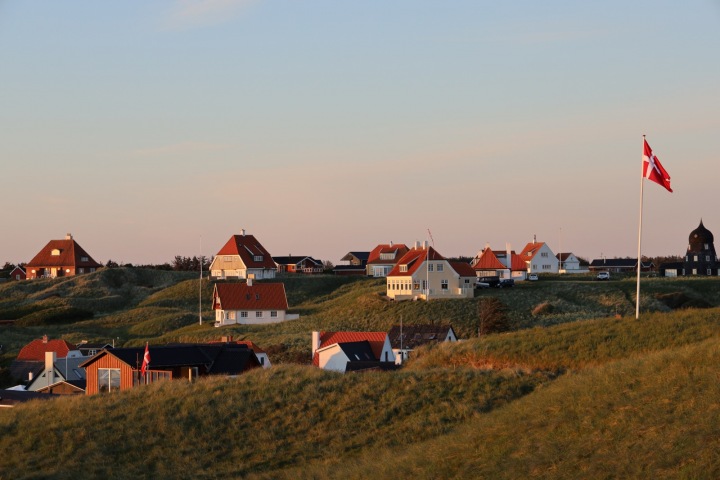
And what about housing? High-rise buildings are rather rare in Danish cities, because most buildings do not exceed six floors. This is a long-term architectural principle, only violated by a few isolated projects.
Nor will you be starving. Baking holds a special place in Denmark and the locals are rightly proud of their traditions. Bread is an integral part of their daily life and stores offer an extremely wide selection of breads, rolls and sweet treats in countless variants.
Interest in Copenhagen grows annually
Last year, thousands of ceremonies were held here, a large part of which involved couples without permanent residence in Denmark. This trend has doubled compared to the situation five years ago, which is beginning to be felt by the city itself. It is becoming more and more difficult for local couples to find a free date, therefore the city council plans to reserve some wedding dates exclusively for Copenhagen residents. At the same time, the possibility of getting married through private officiants is expanding, but this option remains available to foreign couples as well.
Denmark has long had a liberal approach to partnership rights. In the late 1980s, it made history as the first country to officially recognize registered partnerships of the same sex, and later legalized same-sex marriages. This open approach is also reflected in practice, which has made the country a symbol of equality and administrative simplicity.
In Denmark, a whole industry of services related to weddings has developed. Specialized portals and agencies help couples with documents, reservation of dates, and organization of the ceremony itself. Many engaged couples are surprised to find that the entire process can be completed without a personal visit to the office and without lengthy verification of personal data. Although complete packages of services are not cheap, they seem to be an acceptable investment compared to the time and stress the couples would experience elsewhere.
Happy Denmark
For a long time, the Danes have been among the happiest nations on the planet, and their high rankings in quality of life rankings are not by chance. Although it is a country with extremely high taxes, the main reason why life in Denmark is so good is not the money paid to the state. Nordic countries are generally considered some of the best places to live, but Denmark regularly ranks first in these comparisons place.
Empathy
One of the key pillars of Danish happiness is empathy. Danes believe that the ability to empathize with others has a fundamental impact on interpersonal relationships, the workplace, and personal development. Empathy helps prevent conflicts and bullying, and at the same time promotes the development of quality leaders, entrepreneurs, and managers. Schools dedicate a certain amount of time to empathy each week, particularly for children aged six to sixteen. Students have the opportunity to openly talk about their problems, while the whole class and teacher together seek solutions. If no problems arise in the class, the time spent together is devoted to relaxation and building a sense of well-being, known as hygge. This concept is closely associated with Danish culture and represents the ability to create a pleasant atmosphere, a sense of home, peace, and security. Hygge is associated with spending time with loved ones, small joys of everyday life, and conscious slowing down.
Hygge
In a country with long, dark winters and frequent rains, hygge is particularly important. It helps people cope with adverse weather and creates a warm home environment, even when the conditions outside are not ideal. This concept has gradually extended beyond the borders of Denmark and now inspires people all over the world.
Teamwork
An important part of the Danish education system is the emphasis on teamwork. Most school tasks are completed in groups, with the aim not to excel individually, but to cooperate and share responsibility. Children learn to help those who are weaker, and understand that individual success is closely linked to the success of the entire group. This approach contributes to Denmark being considered one of the best countries in Europe for work-life balance.
Competitiveness in Danish schools is focused primarily on personal growth, not on comparing oneself with others. Pupils do not receive public recognition for above-average performance in teaching or sports, in order to avoid unnecessary pressure and rivalry. Instead, intrinsic motivation and constant self-improvement are promoted. Free play also plays an important role, developing the ability to negotiate, collaborate and perceive the needs of others.
In Denmark, play has been considered a valuable educational tool for more than a century. From childhood, children understand that helping others leads to better results for everyone.
High taxes
Although empathy plays a key role, fortunately, other factors also influence the happiness of Danes. One of them is a functioning social system, funded by high taxes. Danish citizens pay a substantial portion of their income to the state, but most of them consider it fair. This is because they see concrete results in the form of high-quality public services.
Health care is largely free for patients, universities do not charge tuition and students receive financial support to cover their living costs. Child care is subsidized, and seniors are guaranteed decent pensions and home help. The society is based on the belief that everyone who can should work and contribute to the common good. If everyone pays their share, a strong social network is created that protects children, seniors, the sick, and people who have temporarily lost their jobs. The unemployed receive support for up to two years, during which they can look for new employment without financial stress.
Source: author's text, ndtv.com, aol.com, apnews.com, gettingmarriedindenmark.com, gettingmarriedindenmark.com