I am moving to the mill and the castle: Hloubětín hides architectural gems, the baroque pub was regularly visited by the Habsburgs


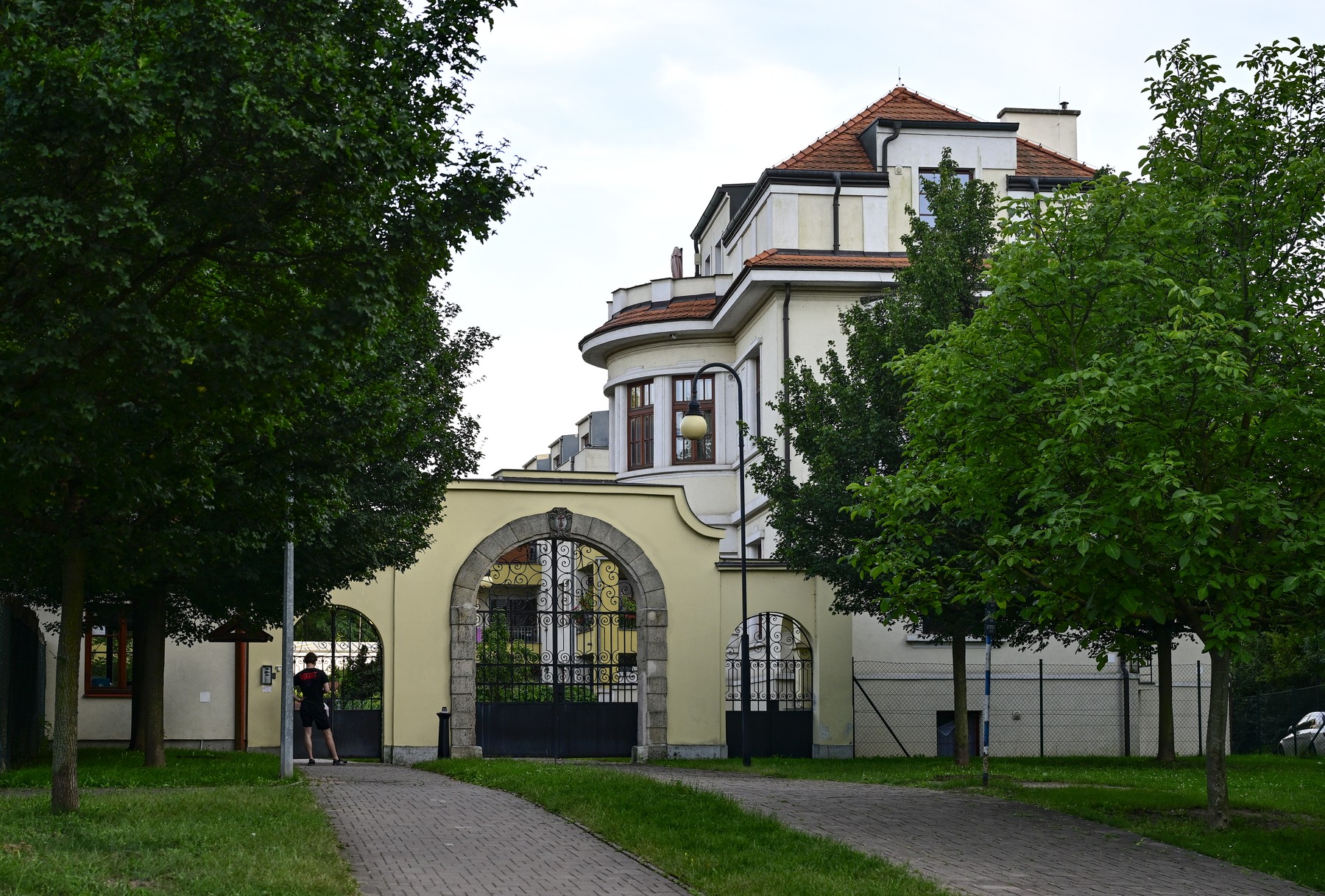
The Prague district of Hloubětín is not among the most famous Prague addresses. However, for lovers of undiscovered architecture, it hides a number of hidden gems. At the same time, it is not just a place where you can look at only stones and bricks, but it also contains one of the most beautiful green areas of Prague, Rokytka.
Hloubětín is not named after a deep brook, a deep valley, or deep sand pits, as is sometimes rumored. Most likely, the name refers to a personal name, as is the case with most Czech villages, and is named after Hlúpaty, or a fool.
However, the foolishness is fortunately only in the name. People have lived here since the Iron Age, as archaeological finds have confirmed. With a bit of exaggeration, it can be said that the location has been attractive for living since prehistoric times. In the Middle Ages, the village became the property of the only Czech Order of Knights of the Cross with the Red Star, founded by Agnes of Bohemia.

Kejř's mill dates back to these times. Today, it is a modernly renovated complex, which also includes attractive residential housing, but for many centuries, mainly grain was ground here. The first written mention of the mill dates back to 1515, but by that time, the mill wheels may have been turning for a good number of years.
The mill is named after the last miller who owned it, Josef Kejř. The mill experienced hard times, especially during the Swedish occupation during the Thirty Years' War, much like the rest of this part of today's Prague. Today, the mill wheels no longer turn and in addition to residential housing, the former mill complex also includes a children's playground and a fitness center and sauna.
Although Kejřův mlýn is unique for several reasons, before the expansion of electrical energy, water mills were almost in every village. Water wheels were then often converted into turbines for the production of electrical energy. From an architectural perspective, however, the local castle listed in the register of cultural monuments is even more interesting.
Where the Hloubětín castle stands, a Gothic fortress was in the past, burned down by the Swedes in 1648. However, the castle, which was built here in the 19th century, was not home to any princess, duke, or count. Following the contemporary trend of historicist romanticism, the lawyer Vaclav Linhart had it built as his family residence. The fundamental idea of neo-Gothicism, which shaped its current form, was contributed by another lawyer who lived here, František Sedláček.
The Hloubětín castle is neither a princely nor a count's residence, but a modern legal castle. After World War II, the castle served as a village theater and later as the headquarters of a pioneer club.
Another local monument also has a glorious past. A baroque pub is not seen everywhere today either. The Hloubětín pub was probably designed by one of the most important architects of Czech Baroque, Kryštof Dienzenhofer.
Since 1711, when the first visitors left after their disputes, it had a numerous clientele, but while the nobility never stayed in the local castle, the most noble people of their time were regulars in the pub. On the way to the coronation as Czech king, Charles VI Habsburg had lunch here with his daughters. Among them was none lesser than the famous Maria Theresa. She repeatedly visited the pub even during her reign in the 40s of the 18th century.
The popularity of the Habsburg inn doesn't end there. A regular visitor was also the enlightened ruler Joseph II. He liked to present his folksiness, and so he was repeatedly accommodated in the pub.
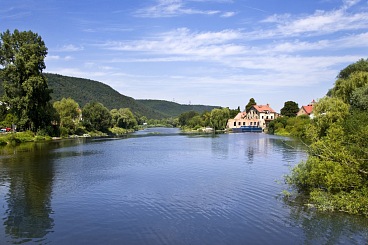
But not only the past is lived in Hloubětín. The location is also sought after thanks to popular expeditions around the banks of the Rokytka river. They were revitalized in 2010 and besides greenery, you can also find children's playgrounds here. Improvements to the place are still expected in the future.
"As part of the adjustments, there will be ponds, fords and alluvial banks that will give the stream a more natural character. The most stressed sections of the bed will be reinforced with boulder plains, which will contribute to their stability and protection against erosion," says councilor of Prague 9 Jan Poupě, as mentioned in the magazine Devítka.