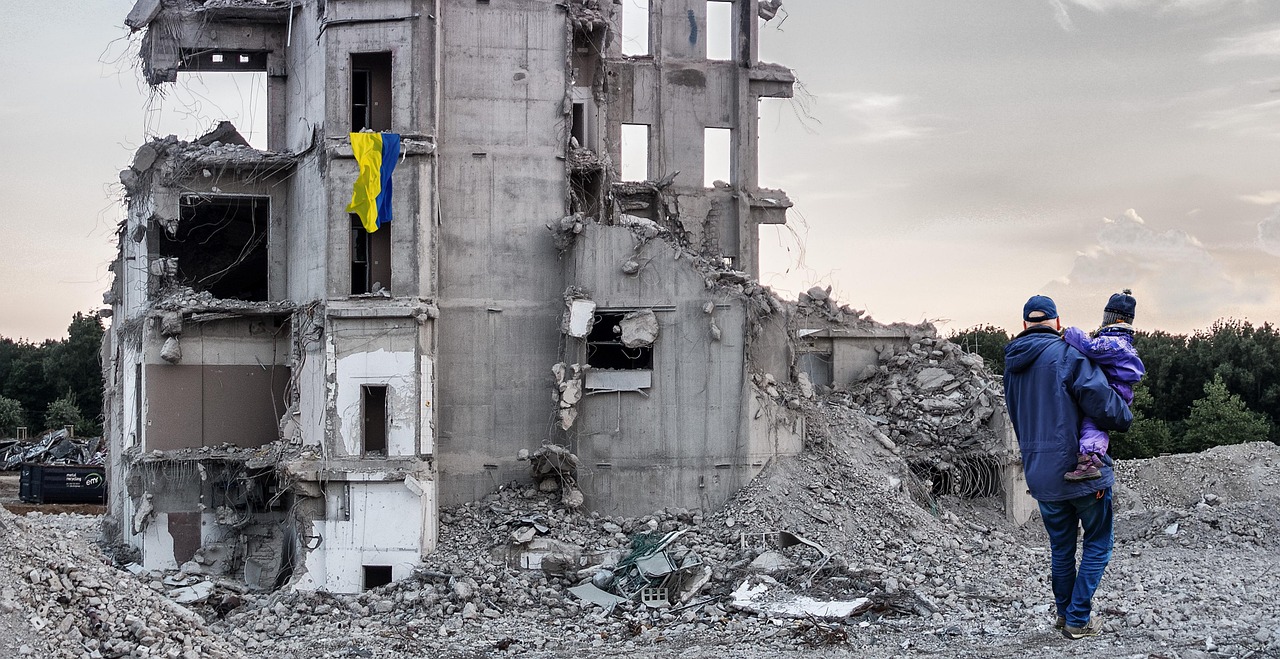
The return of thousands of Ukrainian children is likely to be delayed. So far, only eight of them have returned home.

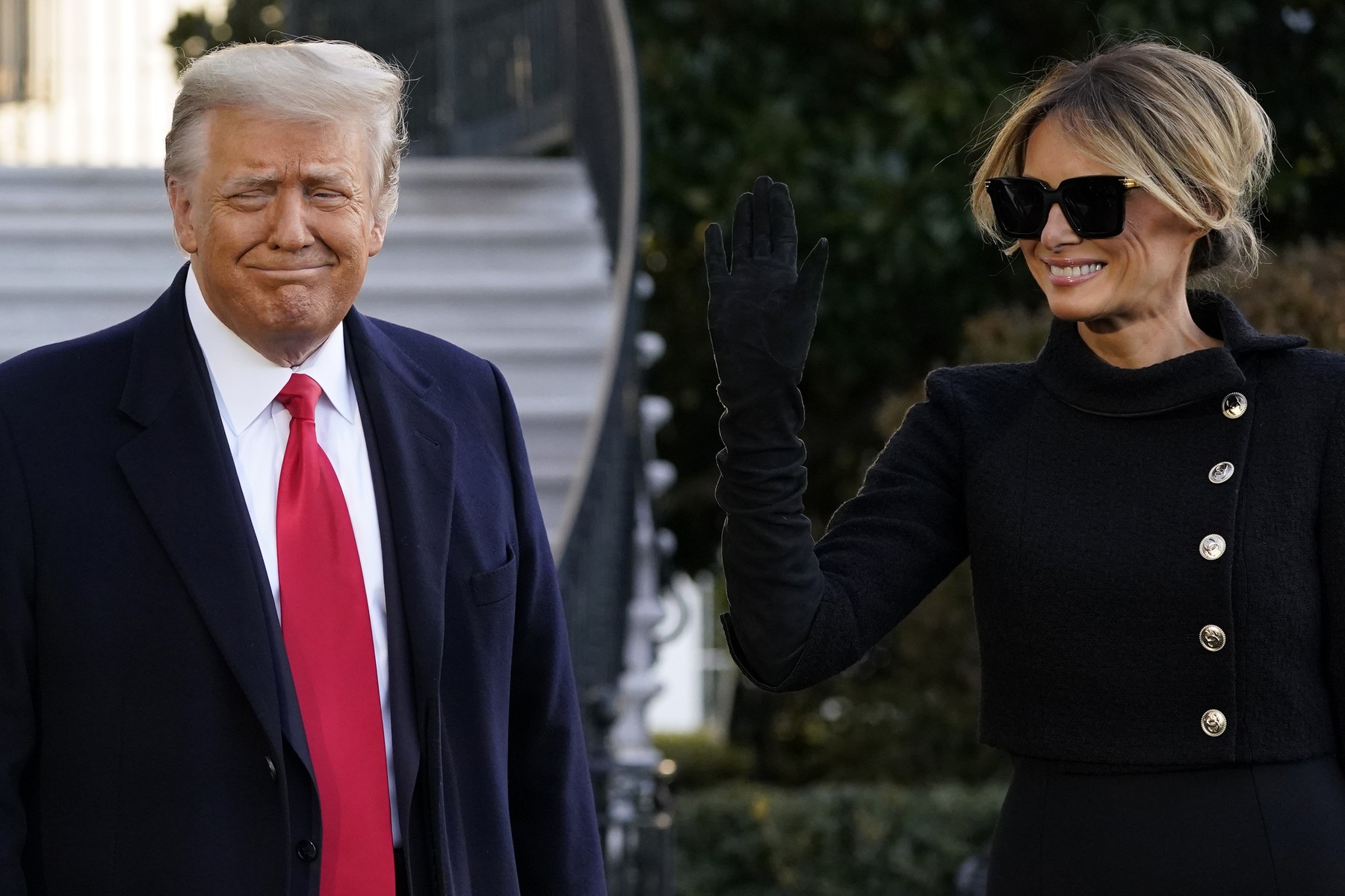
After Donald Trump cancelled the planned meeting with Vladimir Putin in Budapest, and announced sanctions against the two largest Russian oil companies, commentators are debating whether the Russian leader will be willing to discuss the return of abducted Ukrainian children. Estimates suggest that there could be around 35 thousand of them. However, thanks to the US First Lady Melania Trump and other initiatives, only a fraction of them have returned home so far.
Melania Trump achieved a breakthrough in the first half of October when, after three months of private negotiations with Russian President Vladimir Putin, she organized the return of the first group of eight abducted Ukrainian children. She added that she is also negotiating further returns.
The entire process began in August, when the wife of the American president wrote a personal letter to Putin, expressing her concern about the fate of Ukrainian children deported from their homes. Her husband then personally delivered the letter during a meeting with the Russian president in Alaska. Moscow surprisingly responded to it, thereby creating a direct communication channel between the first lady of the USA and the Kremlin.
Melania Trump herself, born Melanija Knavs, is from Slovenia, where she personally experienced what growing up in a dictatorship is like. In the 1990s, she moved to Milan and later to Paris, where she worked as a model. In 1998, she met Donald Trump in New York, gained American citizenship after marriage, and became the mother of their son Barron.

Further help
The efforts of the American president's wife come amidst increasing pressure from Ukrainians, a bipartisan group of American lawmakers, and evangelicals for the Trump administration to get involved in the repatriation of Ukrainian children.
"Until recently, Russia had been denying this matter or spreading all these false narratives. I consider this a first step, not the last. There is still much work to be done,"
quoted the Director for Government Relations at the evangelical humanitarian organization World Relief, Chelsea Sobolik, CNN.
For example, Ukrainian first lady Olena Zelenska traveled to New York last month with an urgent mission to raise awareness of the international community. On the sidelines of the UN General Assembly, she warned that at the current rate, the return of Ukrainian children would take another 50 years.
"These crimes cannot be justified by anything and the return of children home must not be delayed. Every day that these children are not back is a day of ongoing injustice. We won't stop until every child is where they belong - with their family, at home, safe and free,"
Andriy Yermak, the head of the Office of the President of Ukraine, also stated regarding this issue.
A coalition of countries that are trying to bring these children back has also been formed. The coalition is co-chaired by Canada and Ukraine. The joint statement of the aforementioned association was signed by 38 countries, the Council of Europe and the European Union.
Putin's PR
However, the aggressor, who has been occupying neighboring Ukraine for nearly four years, ended up using the topic of returning children more to his own advantage. Through the return of eight of them, he showed the world a human face without losing anything substantial from his goals. Besides them, nothing else happened.
"I think the first lady has a genuine interest in getting Ukrainian children home. But the fact is, Putin is not doing it. If he wanted to, he could return all these children and end the war tomorrow,"
Bill Taylor, former US ambassador to Ukraine, told CNN in relation to this.
The eight returned children are actually just a drop in the ocean. For example, Yale's humanitarian research laboratory found out last month that these children had been taken to at least 210 Russian locations, including military bases, orphanages, and camps, where they are being re-educated in accordance with pro-Russian narratives and in some cases are even trained to fight. Many of them have reportedly also had their identities changed, making it increasingly difficult to track them over time.
"We continue to urge the Trump administration to ensure that this issue remains a central problem and that all estimated 35,000 children will be returned as a condition for any peace talks,"

said also the director for government relations at the evangelical humanitarian organization World Relief A Chelsea Sobolik.
New sanctions
The situation associated with their return is not simple, not least because US President Donald Trump and the European Union itself have intensified their pressure on the Russian regime in recent days. The United States announced sanctions against the two largest Russian oil companies, Rosneft and Lukoil, and the European Union announced a nineteenth package of sanctions.
Putin has already labeled the new US sanctions as an act that does not strengthen relations between Russia and the United States. And therefore considers them a "not friendly" step. This rather suggests that Putin will probably not count on further release of Ukrainian children. The only thing that could persuade him to do so now would be such a bad situation in Russia that he would have nothing else to do but to "pretend" to show that he is actually just a philanthropist backed into a corner.
Sources: author's article, ČTK, CNN, International Coalition for the Return of Ukrainian Children