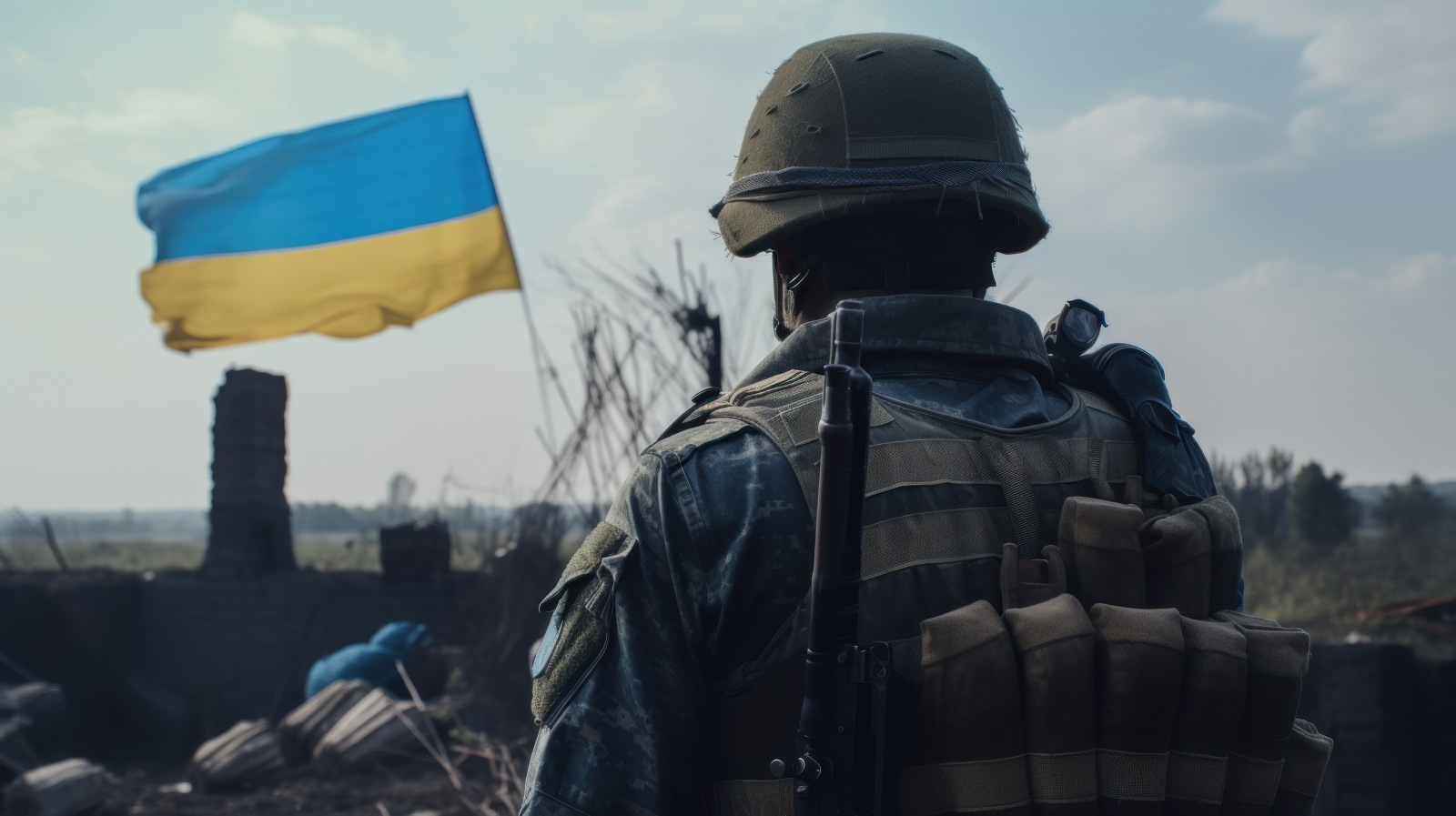
Putin fears for his life. The reasons are the war in Ukraine and the poor economic situation in the country.

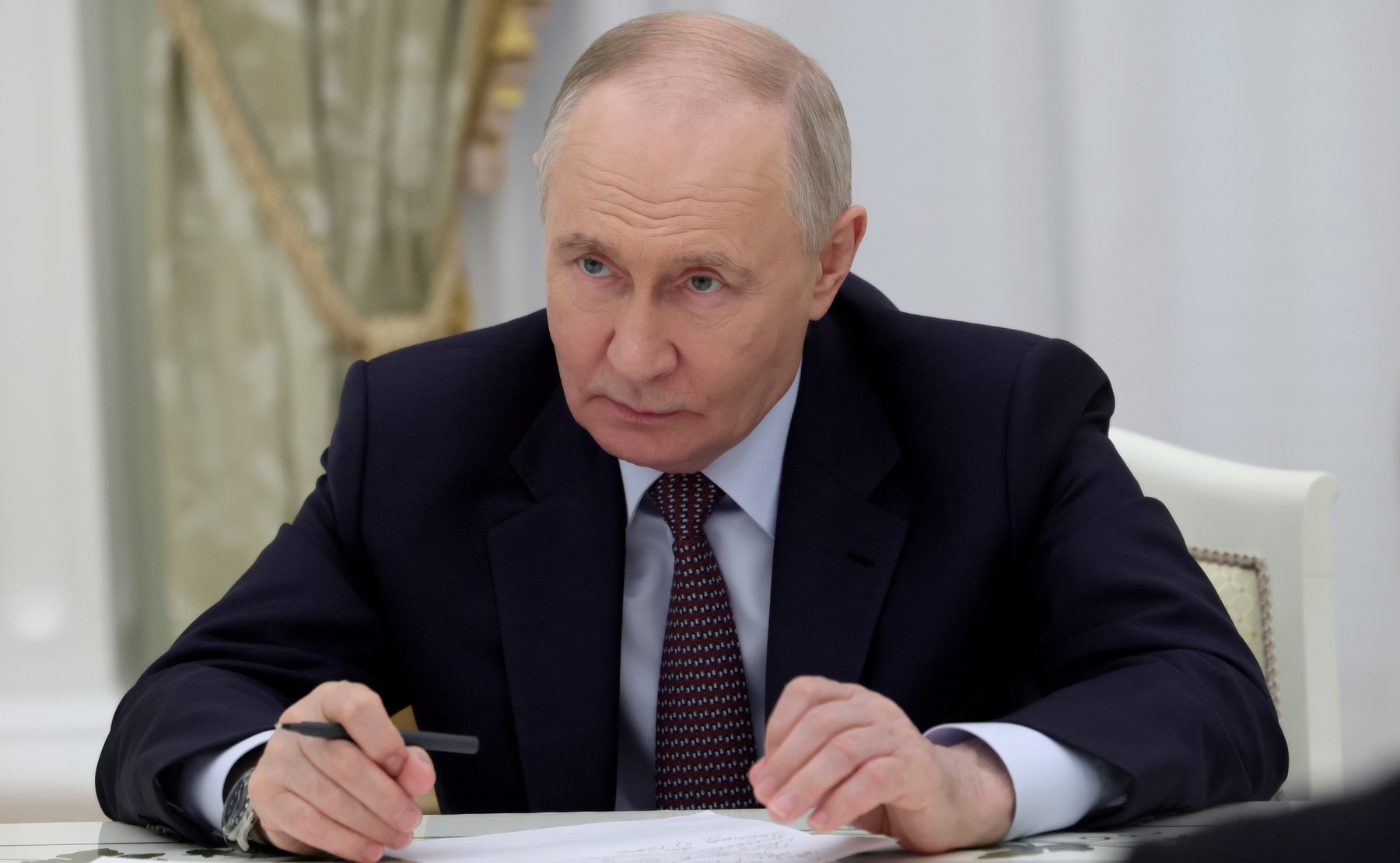
The Russian Federal Protective Service has significantly tightened security for President Vladimir Putin in recent months due to concerns about a possible coup or assassination attempt. Local communists even predict that if the country does not adopt financial, economic, and other measures, it will face a revolution similar to that of 1917. The dissatisfaction of the population in the country is gradually increasing as the war in Ukraine drags on.
According to CNN, the Russian protective service has significantly limited the number of locations Putin visits. The President and his relatives have stopped staying in residences in the Moscow region and Valdai. It is said he is spending increasingly more time in underground bunkers, where he gets involved in such war details against Ukraine as the names of individual villages captured by this or that side, and he is becoming more and more detached from civilian life in the country. For several weeks, he worked in a bunker in the Krasnodar region, and state media used pre-recorded footage to create an impression of normal activity.
Moreover, this year Putin has not visited any military facilities yet, although he made such trips regularly last year. Security screenings for people meeting with the Kremlin leader have been tightened. His personal chefs, security, and photographers are not allowed to travel by public transport and use phones with internet access. Surveillance devices have been installed in their homes.
Battlefield Losses
A number of the described measures were introduced in recent months following the December murder of a high-ranking Russian general. The event triggered a dispute at the top levels of the security establishment.
In April, the Russian army suffered a net territorial loss on the battlefield for the first time in more than a year and a half, amounting to approximately 120 square kilometers, according to data from the Institute for the Study of War (ISW). Analysts note that the pace of Russian advancement has been consistently declining since last autumn. In March, the aggressor recorded almost no territorial gains for the first time in 2.5 years, capturing only 23 square kilometers. In some areas, it even lost control over territory. In February, however, it had still seized 123 square kilometers and in January 319 square kilometers of Ukrainian territory.
Ukrainian Foreign Minister Andriy Sybiha stated that his country holds the strongest position against Russia on the battlefield in the past year, thanks to drones, air defense, and asymmetric measures. The improvement of the situation on the battlefield was also discussed some time ago by the main commander of the Ukrainian armed forces, Oleksandr Syrskyi.
The Institute for the Study of War attributes the slowdown of the Russian advance to Ukrainian counteroffensives, the denial of access for the Russian army to the Starlink communication system, and the Kremlin's attempts to limit access to the Telegram platform. The latest slowdown in the Russian advance may also be related to "seasonal annual" influences, where the terrain in Ukrainian plains turns muddy and marshy in spring and autumn, restricting the movement of equipment.
Russian losses, which Western countries estimate at about 30,000 dead and wounded per month, along with limited territorial gains on the front line and repeated Ukrainian drone attacks, have worsened the situation to the point that many experts consider it unsustainable.
Additionally, Putin still has concerns about the aftermath of last year's Operation Cobweb, during which Ukrainian drones attacked strategic air bases deep within Russian territory. The president's fear was reportedly further intensified by the January abduction of Venezuelan President Nicolás Maduro by American special forces.
Economic Difficulties
There are also some additional reasons. In the first quarter, Russia's gross domestic product decreased by 0.3 percent. The economy thus declined for the first time since the beginning of 2023, according to preliminary data from the Russian Ministry of Economy. At a recent meeting with the government on the economy, Putin warned of a slowdown in economic growth and called for measures to support it. He noted that the current economic development is falling short of expectations.
The enormous expenses on the war effort, which started four years ago, have temporarily boosted growth, but at the same time they have contributed to inflation, burdened parts of the economy that are unrelated to the conflict, and increased Russia's foreign debt to its highest level in the past 20 years.
The head of the Russian communists, Gennady Zyuganov, has already stated that economic difficulties could trigger a revolution in the country similar to the one in 2017. However, instead of the president, his criticism was mainly aimed at the government, the central bank, and the ruling party United Russia.
Citizen discontent is also being stirred by the limitation of internet connections occurring in many places. Many districts in Moscow and St. Petersburg have recently been experiencing mobile internet outages. The Russian state agency RIA Novosti reported on Tuesday that residents of the capital are unable to send SMS messages. At the end of last month, the Russian-language BBC stated in this context that Russian authorities plan a controlled restriction of mobile services from May 5 to 9 due to the Victory Day celebrations in the Great Patriotic War, which will take place on May 9.
The Russian society is facing quite a few problems. A turning point in this regard could particularly be the situation on the battlefield.
Sources: author's article, ČTK, Novinky.cz, iDnes.cz, CNN