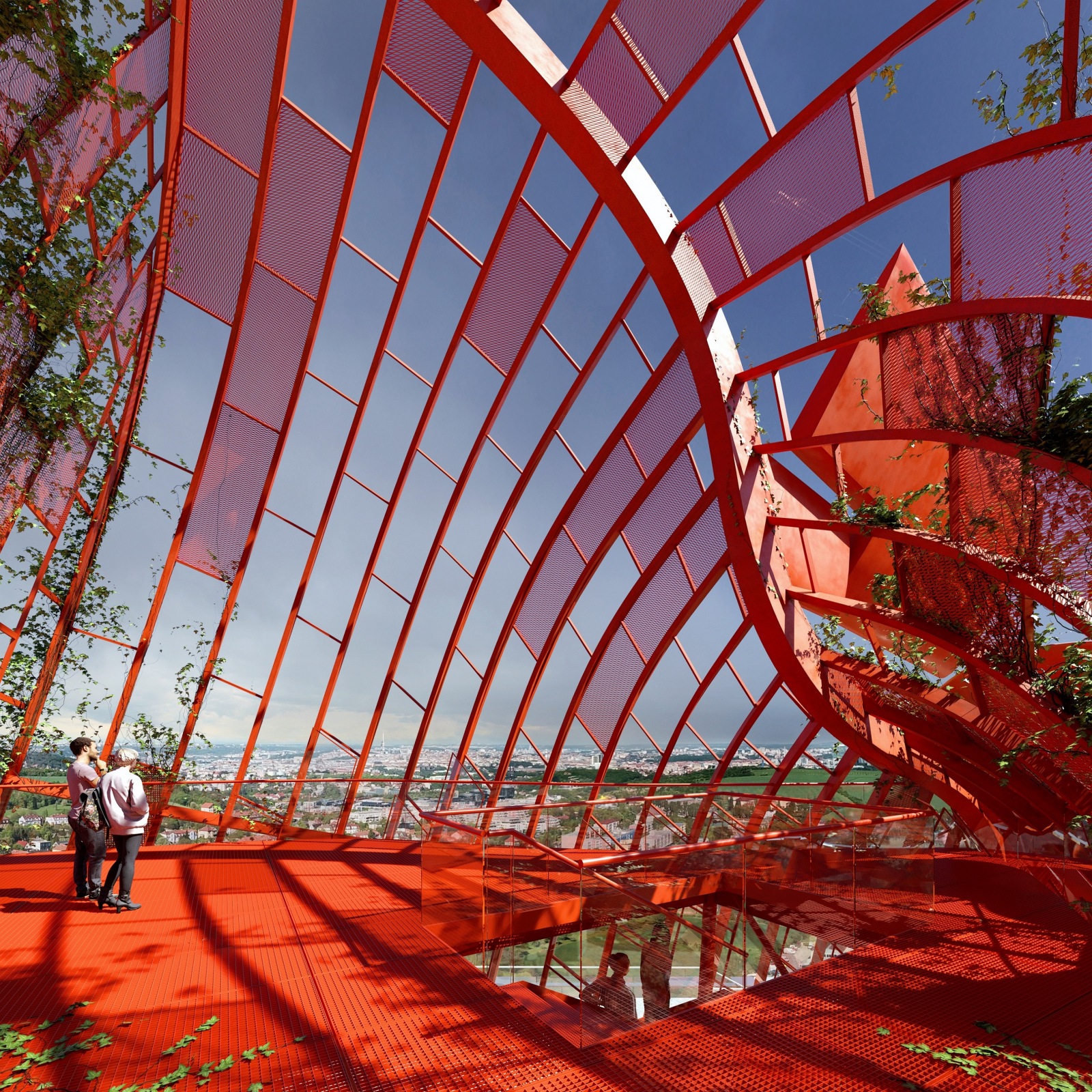
Prague is anticipating new skyscrapers. Will the capital join the ranks of other modern metropolises?

Prague is likely to see new skyscrapers. This is anticipated by the draft Metropolitan Plan, which councilors are set to vote on at the end of May. The issue of high-rise buildings has been a sensitive topic until now due to the protection of the city's historic center. UNESCO has also complained about this.
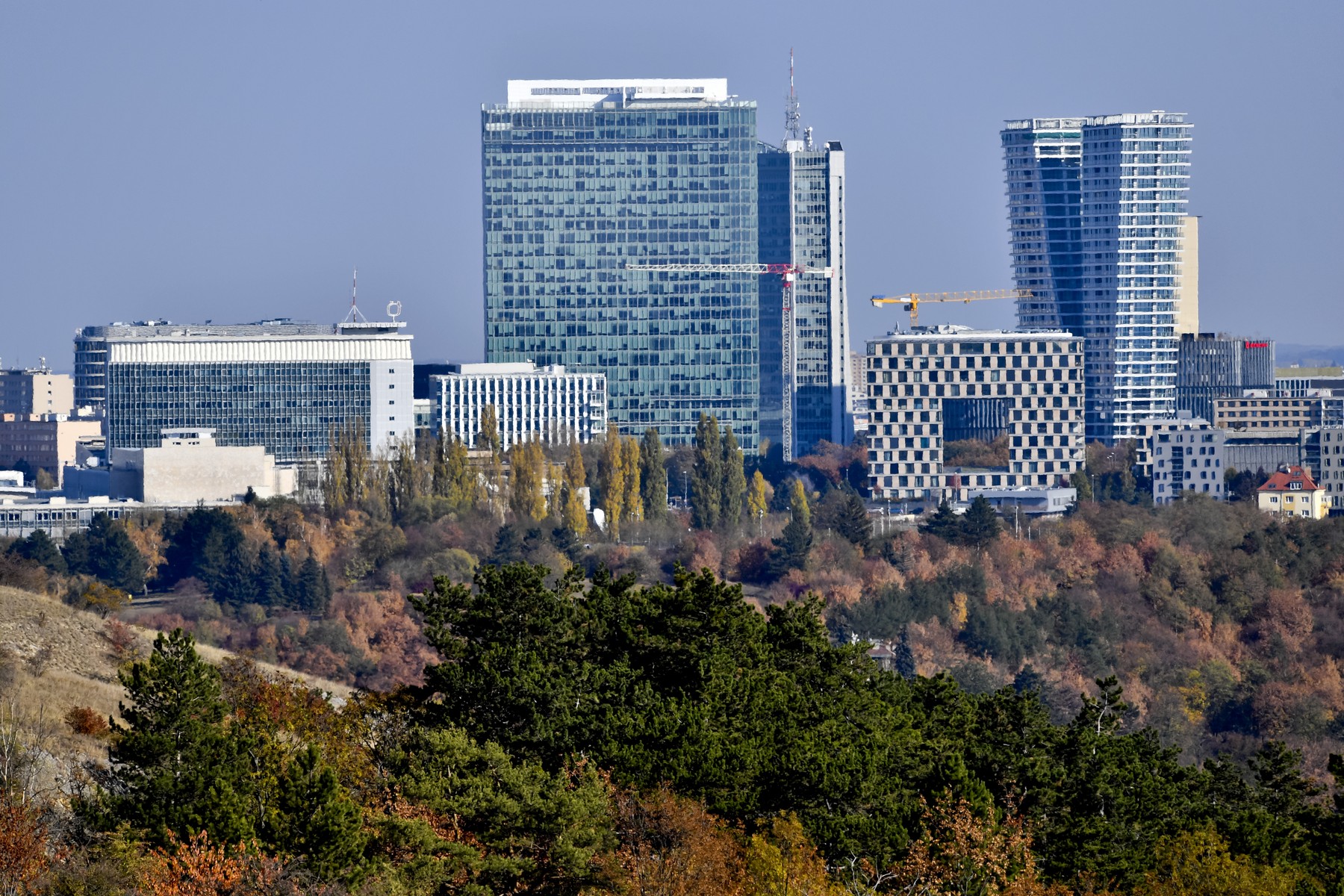
Currently, there are only three skyscrapers in the metropolis exceeding 100 meters in height. Coincidentally, all of them are located in the same place: the Pankrác Plain in the fourth city district.
The office building City Tower, with a height of 109 meters, was originally intended to be the headquarters of Czechoslovak Radio. However, the project was later changed. Its final form involved American architect Richard Meier from the so-called New York Five and Václav Aulický. Just 5 meters shorter is the neighboring City Empiria, which was built in the 1970s as the headquarters for the foreign trade company Motokov, and also the residential V-Tower designed by architect Radan Hubička.
Pankrác in the UNESCO Spotlight
The plain at Pankrác has frequently been criticized in the past for its development potentially disrupting the panorama of Prague's protected historic center. UNESCO has therefore recommended establishing a height limit of 60 to 70 meters for new buildings here. The current city leadership, in collaboration with the Institute of Planning and Development, prepared a document that plans to adhere to these guidelines at this location in the future.
The Metropolitan Plan sets out the possibilities for further development of the city, enabling more efficient planning and construction, even in other parts of Prague, which would bring with it much taller structures.
New Skyscrapers
Hundred-meter buildings could rise in the southeast of the city thanks to the plan. The document allows them in Roztyly and Chodov, as well as at the Eden train stop, at the Českomoravská metro station, and in Nové Butovice, where the company Trigema has been preparing a project for a significantly taller building, Top Tower, for many years. Architect Tomáš Císař collaborated on its design with sculptor David Černý.
Other locations in the metropolis will have to consider lower heights, as the document specifies. Eighty-meter buildings will be possible, for example, at Nové Dvory, Budějovická, Brumlovka, or at the former Telecom site in Žižkov, where the company Central Group plans a tower designed by Eva Jiřičná. Up to seventy meters can then be built at Opatov, Pelc-Tyrolka, Kolbenova, or near the Nádraží Holešovice metro station.
The main criteria for selecting locations were the protection of Prague's panoramas and restrictions due to the proximity of airports. The height regulation is to be reflected in the plan through a network of squares with sides of one hundred meters, covering the entire city area and determining the permissible range of building heights.
“We assume that the builders will rather prefer the upper limit,”
stated earlier in the media advisor to the deputy mayor, Zdeněk Völfl.
Public Comments
The Prague City Hall considered almost 10,000 comments from citizens, city districts, and other parties in the plan preparation. About one-fifth of them were in agreement.
“We are grateful to the city districts and the public for more than 2,000 positive and supportive comments, because unfortunately, as the law is set, it does not apply in the creation of a zoning plan that silence means consent. At the same time, I want to highlight our digital commenting application, through which about 7,300 comments were submitted, which significantly facilitates our work,”
the director of the Department of Urban Development of the Municipality, Filip Foglar, stated in a press release and added:
“As an example, I can mention completely opposing demands and public interests, where on one hand we have 20.53 percent of all comments requesting an increase in height regulation limits, and on the other hand 20.51 percent, essentially the same number, who want the exact opposite, i.e., for the construction to be lower in many areas.”
Collaboration with Developers
According to the institute, the plan also brings fairer conditions for developers with a share in financing public amenities with the help of so-called planning agreements. Prague councilors have already approved such a document, for example in the case of the mentioned skyscraper Top Tower. Trigema is thus to contribute approximately 75.7 million Czech crowns to Prague 13 and the city council in the form of cash and public space improvements.
The Developers Association has already labeled the Metropolitan Plan as a significant step in the long-standing effort for modern and predictable planning of the capital city's development.
"We hope that the final document will be understandable for its users – officials, experts, and investors – and that it will not be burdened with excessive regulation that would complicate its practical use."
said the association's general secretary Zdeněk Soudný.
Everything so far suggests that Prague could transform from an architectural open-air museum into a modern metropolis and get closer to some other European cities where tall buildings have long been standard. It would undoubtedly deserve it.
Sources: author's article, HN, IPR, Prague City Hall, Developers Association, ČTK