Mobile phones do not belong in schools, experts state in their report. Meanwhile, the state has prepared a manual on how school administrations should proceed.

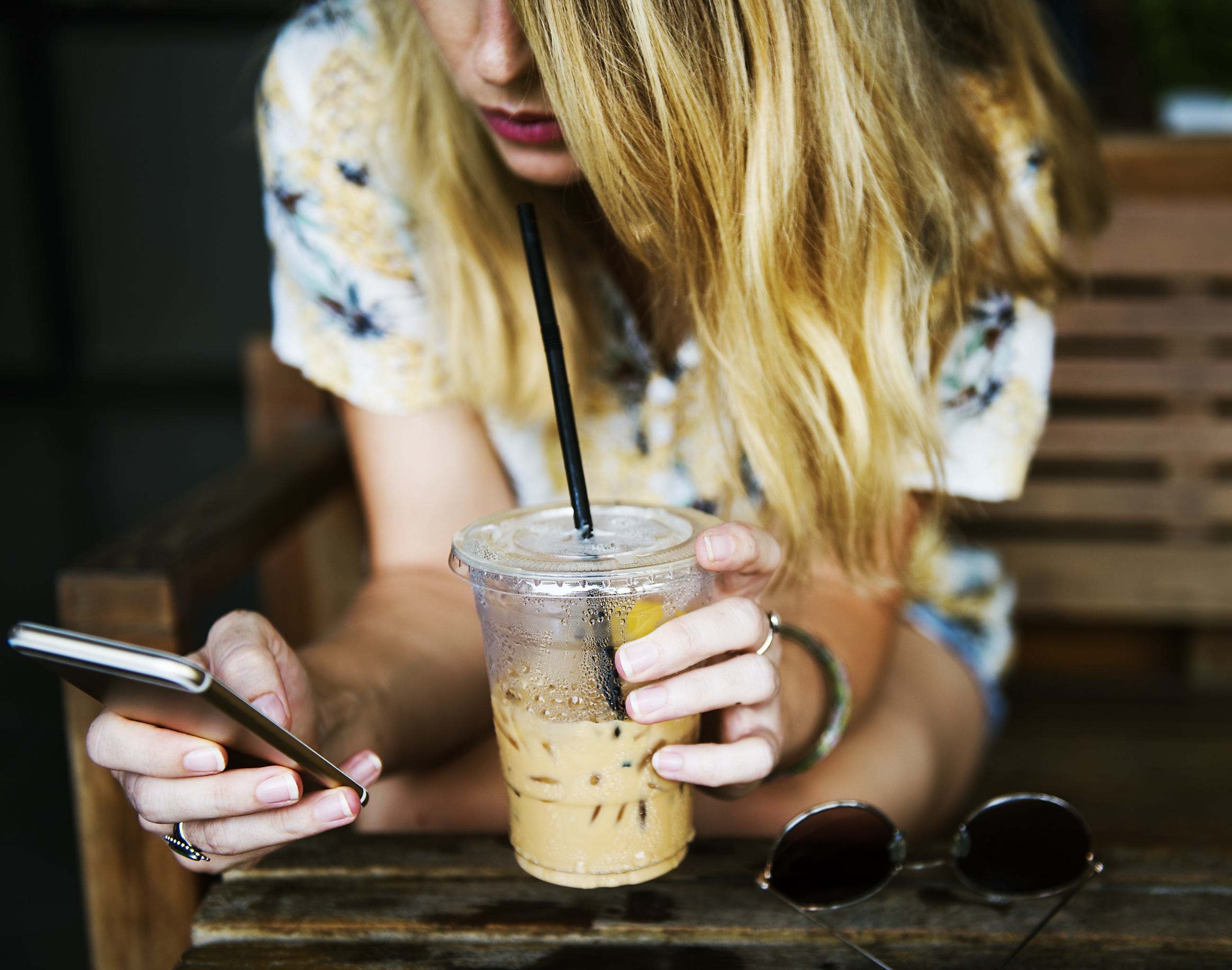
Several dozen domestic experts and organizations have called on the government to implement comprehensive regulation of smartphones in schools. They believe the restrictions should be complemented by long-term, state-backed awareness for both parents and students. According to the signatories of the appeal, the Czech Republic is the only European Union country that has not yet approved or is not preparing a nationwide or regional regulation. The state, through the Ministry of Education, defends itself partly by stating that it already sent a methodology for the use of mobile phones by students to schools in February.
To combat the negative impact of social networks on adolescents, Australia decided to take action two years ago by passing a law that prohibits children under the age of sixteen from accessing these platforms. At the same time, it also implemented a ban on the use of mobile phones in schools. And it's not alone; similar legislation exists in France, Canada, the United Kingdom, Hungary, Brazil, Latvia, and Slovakia. Following the example of France, Prime Minister Andrej Babiš proposed a similar ban on the use of social networks by children this year. Previously, conclusions from the Clinic of Addictology at the First Faculty of Medicine, Charles University, indicated that about one-fifth of children in our country are addicted to the internet.
For now, a discussion is often enough
Laws in the Czech Republic allow schools to limit or ban the use of mobile phones through the school regulations. The aim is for the school to be able to protect students' mental and physical health from negative impacts such as cyberbullying, reduced concentration, or disruption of social relationships. The specific regulations, however, are up to the principal. The school is not allowed to confiscate their phones. An alternative solution is that a student can be allocated a place where they can deposit their phone.

“We try to communicate with the children and their parents. However, if mobile phone use threatened the smooth running of lessons, we would take stricter measures,”
said Hana Procházková, the principal of a Central Bohemian elementary school in Benešov, to the LP-Life editorial staff.
Games and Social Networks Lead
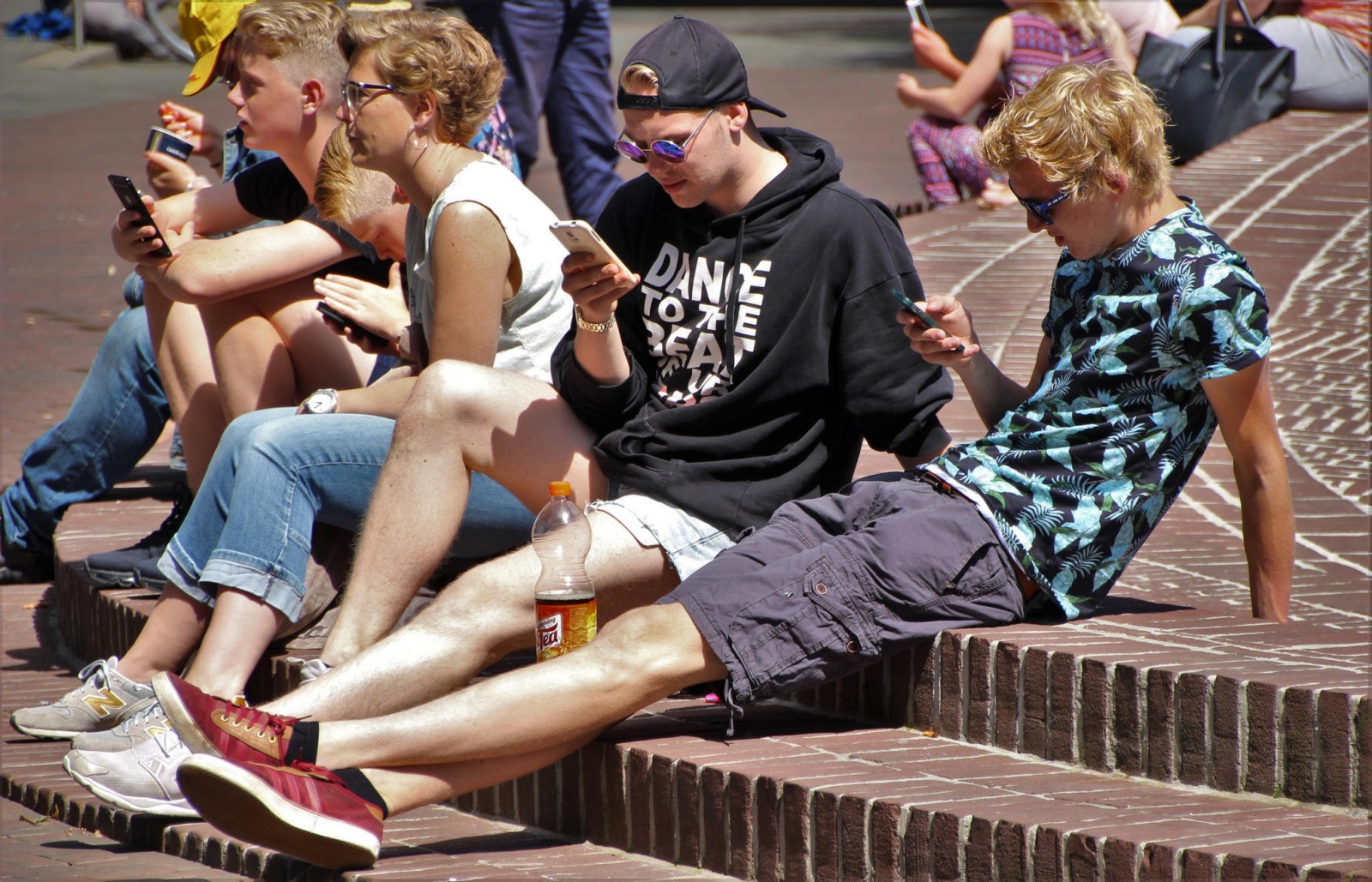
Opinions differ on whether it is appropriate for children to bring phones to school at all. However, research suggests that where phones are banned, children read more, play sports, and engage in social games. Their excessive use leads to inattention, addiction, and disrupted communication.
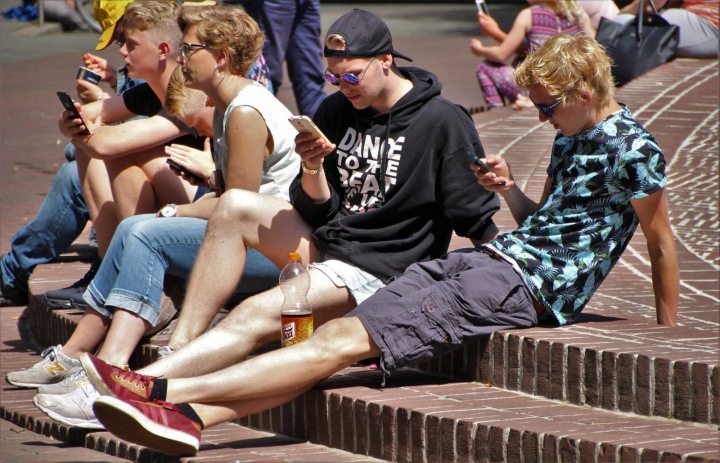
In the past, we conducted a study called Czech Children in Cyberspace, which was realized by the Faculty of Education at Palacký University in Olomouc and the company O2. More than 27,000 children from all over the Czech Republic participated in the survey. The data showed that where mobile phones are allowed during breaks, playing games dominates, with more than 40 percent of children engaged during breaks, followed by using social networks (almost 39 percent). A large number of children also passively watch a game or video of their classmate.
Experts Sound the Alarm
The situation is alarming in many respects. We are the only country in the European Union that has not approved or is not preparing a national or regional regulation in this area. It should be noted that a similar step has already been taken by 86 percent of European and North American countries and 92 percent of Asian countries.
Therefore, an initiative has been created in our country aiming to change this situation. Among its signatories are, for example, the rector of the Czech Technical University in Prague, Michal Pěchouček, the Young Doctors Section of the Czech Medical Chamber, the Society of General Medicine of CLS JEP, and the Association of Clinical Speech Therapists. Overall, more than three dozen top experts and organizations from the fields of technology, healthcare, education, and prevention have signed the call.
The purpose of the document, which has already been addressed to the government, is to introduce blanket legal regulation of personal smartphones in schools, complemented by long-term, state-supported awareness for parents and students. However, this also deepens social inequality among them. Children from wealthier families come with the latest models, while other parents can barely afford a basic smartphone.
The mentioned material proposes specific steps, including the establishment of an expert multidisciplinary committee involving representatives from the health sector, to prepare the regulation transparently and in a way that ensures its effective functioning in practice, while also considering health aspects, as is common abroad. Along with this, there should be a restriction on the use of smartphones in school, including during breaks, throughout the entire duration of primary education.
"In the first levels of elementary schools, phones should not be allowed at all, and in higher levels only on the teacher's instruction for educational purposes,"
it states in the appeal.
State Manual
The state, however, defends itself. It refers to the fact that the Ministry of Education already sent schools guidelines in February for the use of mobile phones by students. It includes principles for incorporation into school regulations as well as practical examples. According to the Minister of Education, Robert Plaga, the first step before legislative restriction is methodical support. For instance, limiting phones during breaks is already possible through school regulations, but some principals, according to him, do not enforce this. Schools should, according to him, offer students alternatives such as active breaks.
In this context, it is necessary to add in conclusion that no regulation is a panacea. Research by the Faculty of Education at Palacký University in Olomouc and O2 has confirmed that although the school bans mobile phones during breaks, about 4 to 5 percent of children still do not comply with this ban.
Sources: author's article, ČTK, Digibalanc, Clinic of Addictology, First Faculty of Medicine, Charles University, Faculty of Education, Palacký University in Olomouc