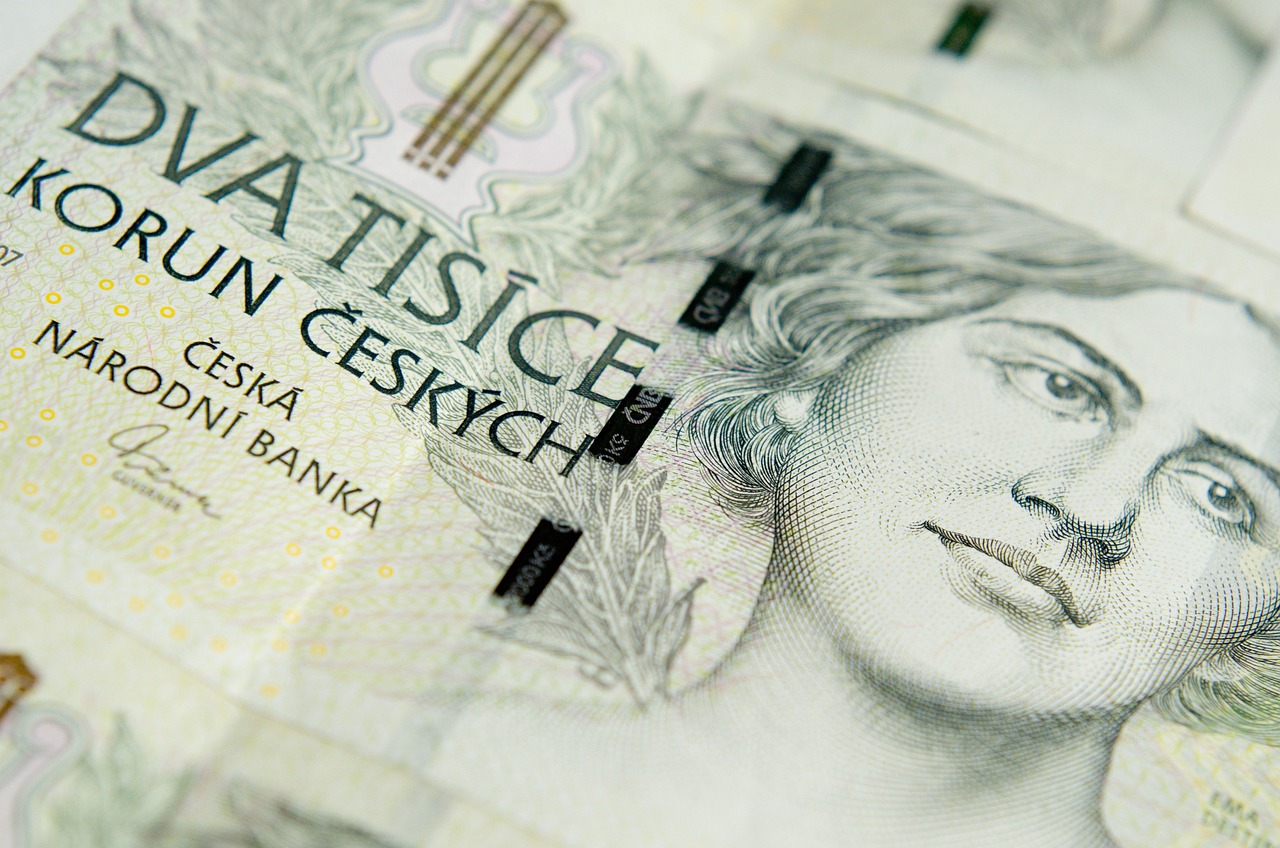
A lower inflation rate did not convince. The central bank kept the base interest rate at 3.5 percent.


The Bank Board of the Czech National Bank decided on further setting of interest rates. As expected, it kept the key interest rate unchanged at 3.5 percent. All seven members of the board agreed with this.
The base interest rate remains at 3.5 percent. Why is this indicator so important? Interest rates on bank deposits and loans are derived from the central bank's rates. For businesses, higher interest rates mean more expensive loans for investments and operations, and for households, more expensive housing loans. However, higher interest rates also increase the returns on deposits in accounts.
“It is necessary to maintain a relatively tight monetary policy. For example, household consumption is rising. At the same time, we are seeing rapid wage growth in some sectors,”
The governor Aleš Michl listed some reasons at the press conference why the rate will remain at the level it has held since last May, even in February. Back then, it was the last time monetary policy was eased when the bank board reduced the base interest rate by a quarter of a percentage point to the current level.

At the February press conference, Michl further added that additional growth in public sector spending or an acceleration of money supply growth in the economy due to household and government institution lending could drive higher inflation. Conversely, a stronger koruna exchange rate or weaker economic performance of some European countries could have an impact on suppressing inflation. The development of the war in Ukraine remains uncertain for the outlook.
Experts expected the central bank's decision
Experts anticipated before the meeting that the key interest rate would remain unchanged.
"The Czech economy remains in relatively good condition. Solid performance is supported by the growth of real wages and household consumption, which is the main driver of the economy. This development is reflected in the still strong growth of service prices. If the central bank wanted to actually reduce rates in the future, it would need to see either faster productivity growth or a slowdown in wage dynamics,"
stated to ČTK the chief economist of the Czech Banking Association, Jaromír Šindel.
"The Czech National Bank left the repo rate unchanged at the first monetary meeting of the year, which was entirely in line with the expectations of the financial market,"
wrote LP-Life analyst Radomír Jáč after Thursday's decision from Generali Investments.
Analyst from J&T, Adam Ruschka, stated in this context that the central bank is currently keeping all options open.
"According to Michl, the probability of the next change in interest rates is equal in both directions, depending on data evaluation and risk fulfillment,"
Ruschka wrote to the editorial team.
Inflation is currently being kept under control
The retention of rates confirms the stability of the domestic environment. Akcenta's Director Jacek Jurczynski states that it is equally important to monitor the development of the euro and the dollar and the further steps of the European Central Bank, as these can currently have a more significant impact on costs and margins than domestic rates themselves. Meanwhile, the koruna did not react to the decision itself and remained around 24.30 CZK per euro, having strengthened already after the publication of the current price developments.
The preliminary estimate of January inflation suggests that the price increase slowed to 1.6 percent, dropping below the two percent target. According to statisticians, the largest share of last month's price increase was due to the prices of services and alcoholic beverages and tobacco, which rose by nearly 5 percent.
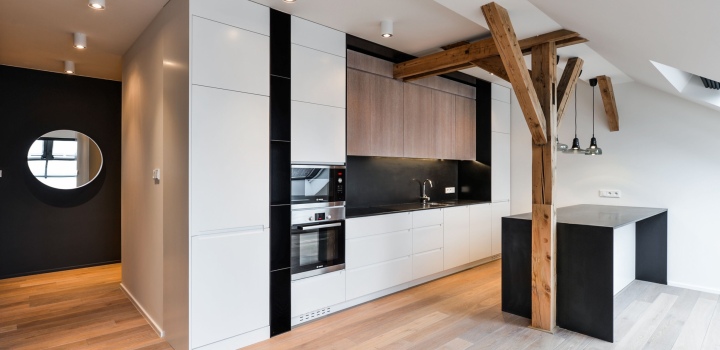
"The blame clearly lies with housing, specifically rent and imputed rent reflecting apartment prices on the real estate market. Demand remains high here, while supply is stagnant,"
stated the chief economist of Banka Creditas Petr Dufek in his statement to the editorial team.
On the other hand, almost an 8 percent decrease was characteristic for energy.
"A crucial role was played by the waiver of the fee for renewable energy sources. It should be added that lower fuel prices also contributed to the decrease in the price level in this category,"
said David Marek, chief economist at Deloitte, to CTK.
And what further developments can be expected?
"Inflation this year will mostly remain under two percent, rising above two percent again at the end of the year due to the low comparison base from 2025. For the entire year 2026, inflation is expected to average 1.8 percent,"
stated Vaclav France, an analyst at investment company Uniqa.
However, next year it could accelerate again and reach 2.1 percent.
"This year's temporary drop in inflation mainly reflects the impact of transferring renewable energy fees to the state budget,"
noted Michl at the conference.
Sources: author's article, own inquiries, ČTK, J&T