I'm taking a Pole: On a Polish wedding, black soup and vodka as a bribe at the gate can't be missing.


Experiencing a real Polish wedding is exceptional. It's not just a one-day event - the celebrations can last a whole week. During these days, there is a lot of singing, dancing, and drinking. Before the ceremony itself, the groom has a long and often complicated speech to his family. The wedding ceremony is rich in symbolism and traditions, which may not be clear to everyone at first glance.
Anna, a Czech woman working as an interpreter in Krakow, met Michał at a summer language school where she taught Czech to Polish students. Michał was among the participants and their first meeting was quite unremarkable - he saved her from a downpour by holding her umbrella on the way home. One word led to another, they began to meet more often and gradually a deep relationship developed between them. After two years of living together, Michał decided on a traditional Polish engagement gesture - he asked Anna for her hand during a family dinner in the presence of his parents, with bread, salt, and Polish plum brandy.
Engagement and wedding preparations
In the past, a boy had to officially propose to a girl by asking her father for a blessing. Today, this happens less often, but before it was a necessity if a man wanted to marry his chosen one. An interesting fact is that the refusal was not always expressed verbally - the groom was sometimes served a special soup called "czarna polewka". It was a polite way to let him know that there would be no wedding.
"Czarnina" or "czarna polewka" is a traditional Polish soup made from duck blood. Some restaurants in northern Poland still serve it today.
Traditionally, a wedding should take place in the bride's hometown. Planning a wedding usually takes two to three years and 100 to 150 guests are expected to attend.
Pre-wedding traditions
After the engagement follows the traditional engagement celebration, which usually takes place in the home of one of the betrothed's parents. It is an intimate gathering of families with excellent food and drink. A symbolic act is the blessing of the couple, which is often associated with tears of emotion.
Wedding attire
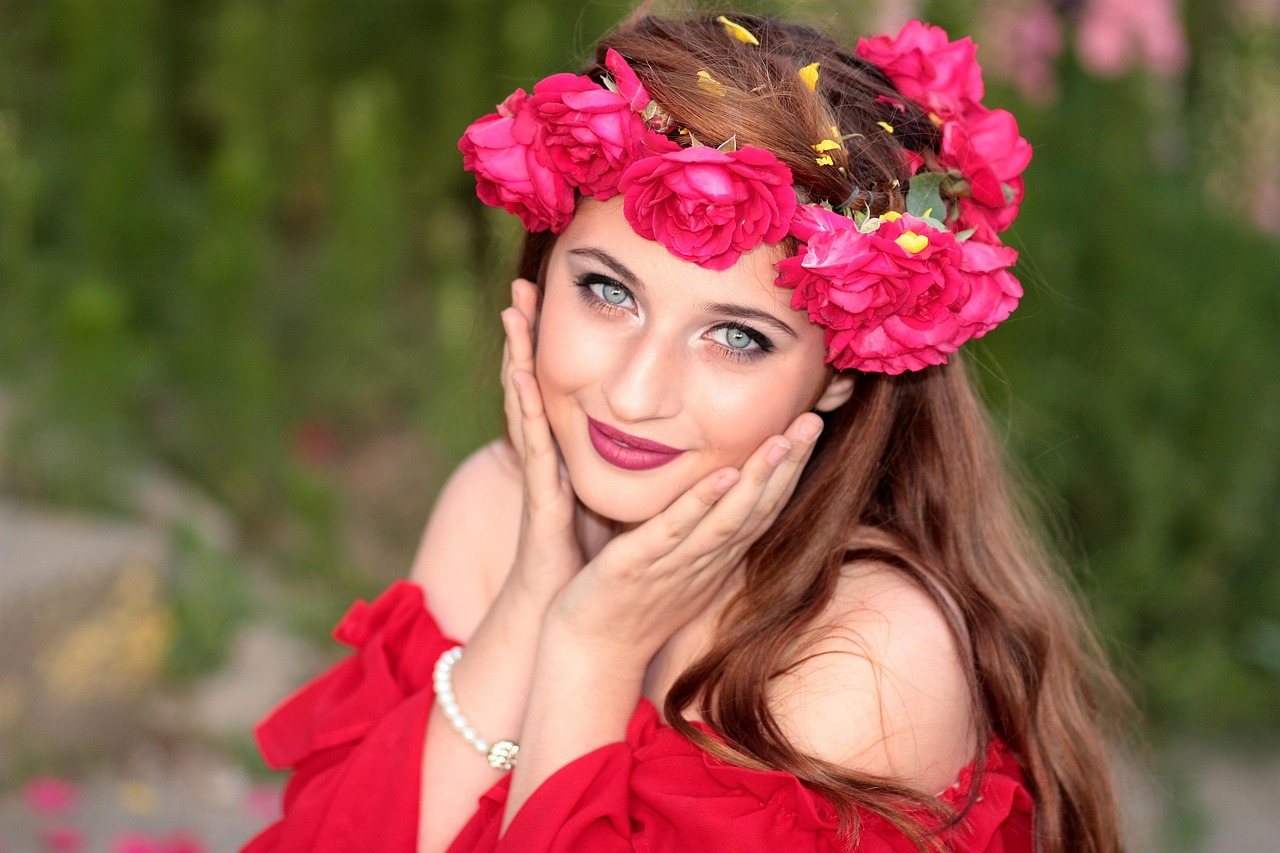
Polish brides most often choose white wedding dresses, sometimes with blue details - blue represents fidelity and white purity. More traditional brides may wear hand-painted dresses inspired by folklore and braids as a sign of freedom. On their head, they place a wreath of flowers. The groom and his groomsmen may wear white suits. Interestingly, at some weddings, guests also come in white.
Guests dress ceremonially, as most Polish weddings take the form of a church ceremony, followed by a reception. Women choose dresses or skirts, men suits or even tuxedos.
Parents' Blessing
The traditional Polish wedding is usually Catholic, and therefore it is preceded by a blessing from the parents. On the wedding day, before the actual ceremony, the bride's parents bless the newlyweds directly at their home. They do so by making a cross on their foreheads and wishing them a happy life together. Sometimes the newlyweds drink champagne and kiss the cross with Jesus. Traditionally, they kneel during the blessing, but today it is common to stand as well.
Gates - the cheerful tradition from the street
One of the most beautiful Polish wedding traditions is the so-called "gates". It is a very old custom in which the bride's neighbors block the way to the church for the newlyweds and, dressing up as various characters, stop them from passing through. To be allowed to proceed, they must be "bribed" - usually with a bottle of vodka. Children are given sweets at the gates. Each gate has its own theme, with characters representing, for example, butter production or laundry washing.
Two people are responsible for the alcohol at the wedding - the "mayor" and "". They are usually close friends or family, not the parents of the bride and groom. According to tradition, the couple should not get out of the car - negotiating the "bribe" is the task of the mayor, the elder and the parents.
Church ceremony
The ecclesiastical ceremony is the most important part of the Polish wedding. Although the course of the mass itself does not differ from other Catholic ceremonies, Poland has its specifics. For example, wedding rings are worn on the right hand. If someone has a ring on their left hand, it means they are a widow or a widower.
After the mass, the newlyweds stay in the church for a while, where they pray to the Virgin Mary. All the guests patiently wait for them during this prayer.
Coins or rice
As the couple leaves the church, the guests shower them with rice, coins, or flowers. This ritual is meant to bring wealth, fertility, and abundance into their shared life.
Traditional Polish Ritual: Bread and Salt
Upon arrival at the reception, the parents traditionally welcome the newlyweds with bread, vodka, and salt. The bread symbolizes the desire for them never to suffer from hunger, the salt reminds them that life also brings difficult moments and is meant to protect the newlyweds from evil, and the vodka symbolizes joy. Some families also add two glasses - one with vodka, the other with water. The one who randomly picks the vodka is said to be more dominant in the marriage. After drinking, the glasses are thrown behind them - if they break, it means luck.
Gifts and congratulations
After the ceremony, it's time for congratulations and gift giving. Sometimes this happens directly in front of the church. The most common gift is money – it is recommended to donate at least as much as the "plate", i.e. the cost of one person.
Wedding toast
The most common Polish toast is "Na zdrowie" – for health. The traditional wedding toast is "za młodą parę" – for the newlyweds. And when they start singing "Sto lat", guests wish them a hundred years of health and happiness.
It is a wish for a long and happy life. It is followed by a dance evening full of polka and in some regions the "Apron Dance" - the bride's father holds an apron into which guests during the dance with the newlyweds put money for the honeymoon.
Traditional Polish dishes
At Polish weddings, hot food is served approximately every two hours. There is always enough food on the tables for everyone. In the corners of the room, you often find "country tables" with traditional specialties. The wedding feast usually starts with chicken broth "rosół", Polish chicken soup, which is the typical first course. This is followed by the main course - often steak with potatoes and salad - and dessert. There is also zakąski - cold starters, such as herring, cheeses, sausages, which go well with vodka. Polish weddings are known for their rich food and various desserts, including poppy seed cakes, cottage cheese cakes, and gingerbreads. Available are pierogi (stuffed pouches), kielbasa (sausage), bigos (stewed cabbage with meat), fried schnitzels or mashed potatoes. Vodka and wine are the prevailing drinks. The wedding cake "kołacz" is served approximately three to four hours after the beginning of the celebration. The newlyweds first cut it together and then, with their eyes closed, they put a piece into their mouth.
Wedding feast and unveiling
The most anticipated part of the wedding is the wedding party. The newlyweds dance their first dance as a married couple. At midnight, the traditional ceremony of "unveiling" follows, during which the symbolic "unveiling of the bride" takes place. The bride is seated in the middle of the room, the veil is removed and there is a symbolic transition from girl to married woman. Sometimes her veil is replaced with a scarf and there are also humorous games for the newlyweds and guests. It is a very noisy, cheerful and emotional moment, which is considered the climax of the evening.
One of the popular pastimes is a game where the groom has to recognize his bride among several women by her legs. The wedding feast often lasts until the early morning.
During the first dance, the newlyweds relax and enjoy their time together. In the meantime, the wedding guests enjoy the music and dancing - a live band with a traditional Polish repertoire adds an authentic atmosphere to the wedding.
Poprawiny - the day after
However, the wedding does not end with the wedding night. On Sunday, the so-called poprawiny continue - the second day of celebrations, which is more informal, intimate and usually only for the closest family and friends. It's a time for resting, laughing, telling stories about experiences from the previous day, and of course, more food.
Social Expectations and Family After Marriage
After the wedding, it is traditionally expected in Poland that the spouses will become parents soon. Especially in rural or more conservative regions, society still places emphasis on starting a family. The parents of the newlyweds often play an active role in their lives - sometimes helping with childcare or financing housing.
Although young couples increasingly live alone, it is not uncommon for them to live with one parent for a while after the wedding - for practical or financial reasons.
Housing and household equipment
Polish couples often look for shared accommodation after their wedding - either renting an apartment or trying to buy their own. Given the rising real estate prices it is becoming increasingly difficult. In many cases, newlyweds receive financial aid from their parents or opt for a mortgage.
The household is usually run together, but in more traditional families it is still more likely that the woman will take responsibility for cooking, cleaning or raising children - although younger generations are trying increasingly to find a balance.
Career and role division
Many Polish women remain active even after marriage, but often interrupt their careers during maternity and parental leave, which is relatively long and state-supported in Poland. Some couples decide that the woman will stay home longer, especially if more children are born.
Religion and values
Due to the strong Catholic tradition, marriage in Poland often has a spiritual dimension and life after marriage is perceived as a "sacred union". Divorce is still considered the last option - although their number is increasing in cities. Religious couples often engage in church life, attend Mass together, and lead their children to faith.
Postpartum life and child-rearing
In Poland, there is a significant emphasis on child-rearing – often it's a combination of strictness and love. Maternity leave lasts 20 weeks (for one child), but parental leave can be extended up to 32 weeks and can be used by both parents. Many families also rely on the help of grandparents.
Marrying a Pole means more than just a marriage between two people – it's a connection between two families, cultures, and traditions that carry rich symbolism and emotions. The Polish wedding was a deep and moving experience for Anna. Even though she was a foreigner, she felt accepted and part of something bigger. Michał's family enveloped her with love and respect – and on that day, they realized that she was not just marrying a man, but also an entire world of values that make up the true meaning of marriage.
Source: author's text, theknot.com, krakowfoodtour.com, coffeewithdamian.com