I'm taking Bodiha: Men drink blood to win a bride. Those who don't gain weight to the extreme have no chance of marriage


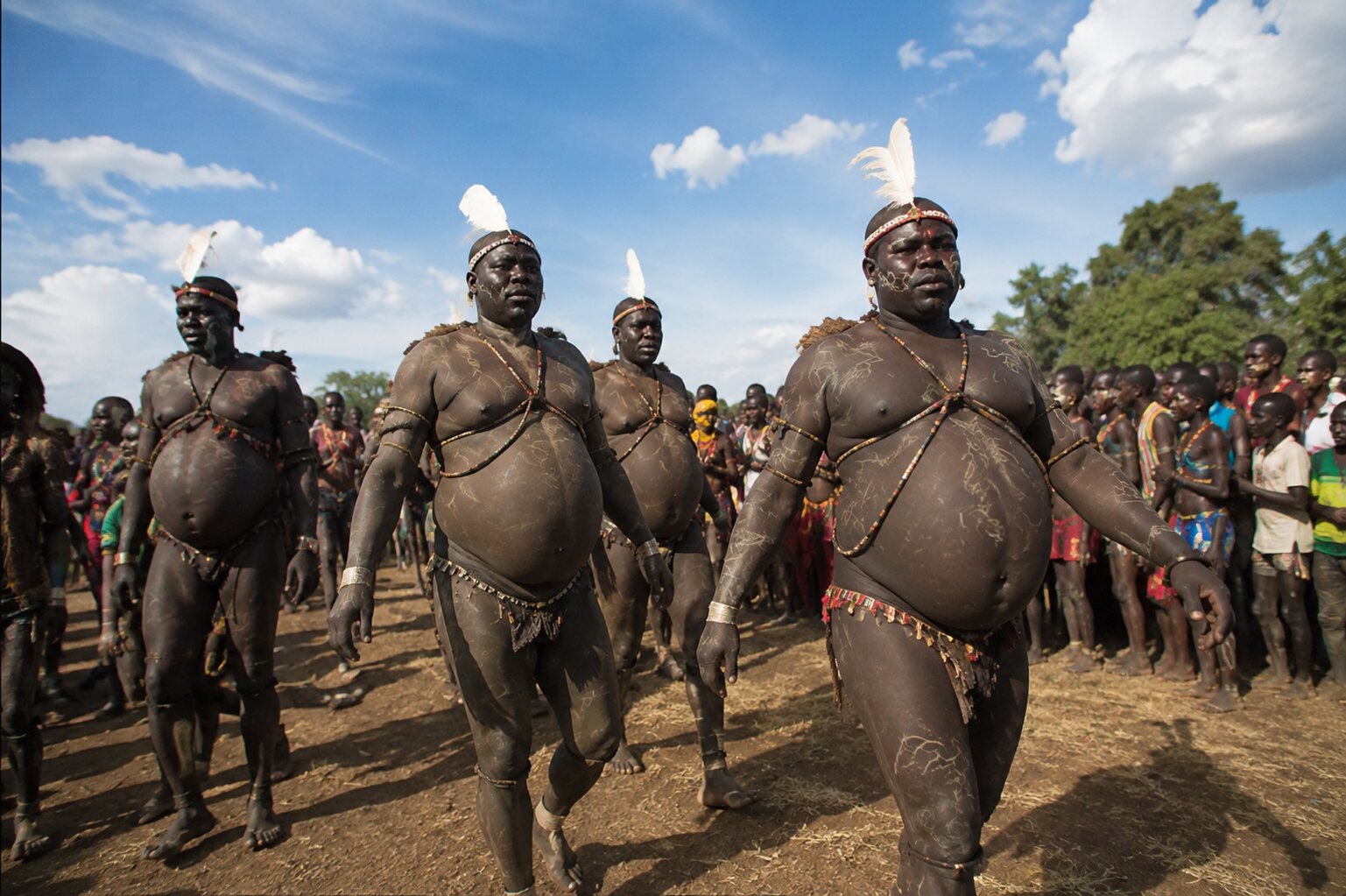
In a remote valley of the Omo River in Ethiopia lives the Bodi tribe, where a man becomes attractive only if he can gain weight extremely. And not just any way - a ritual awaits him that most people couldn't even imagine.
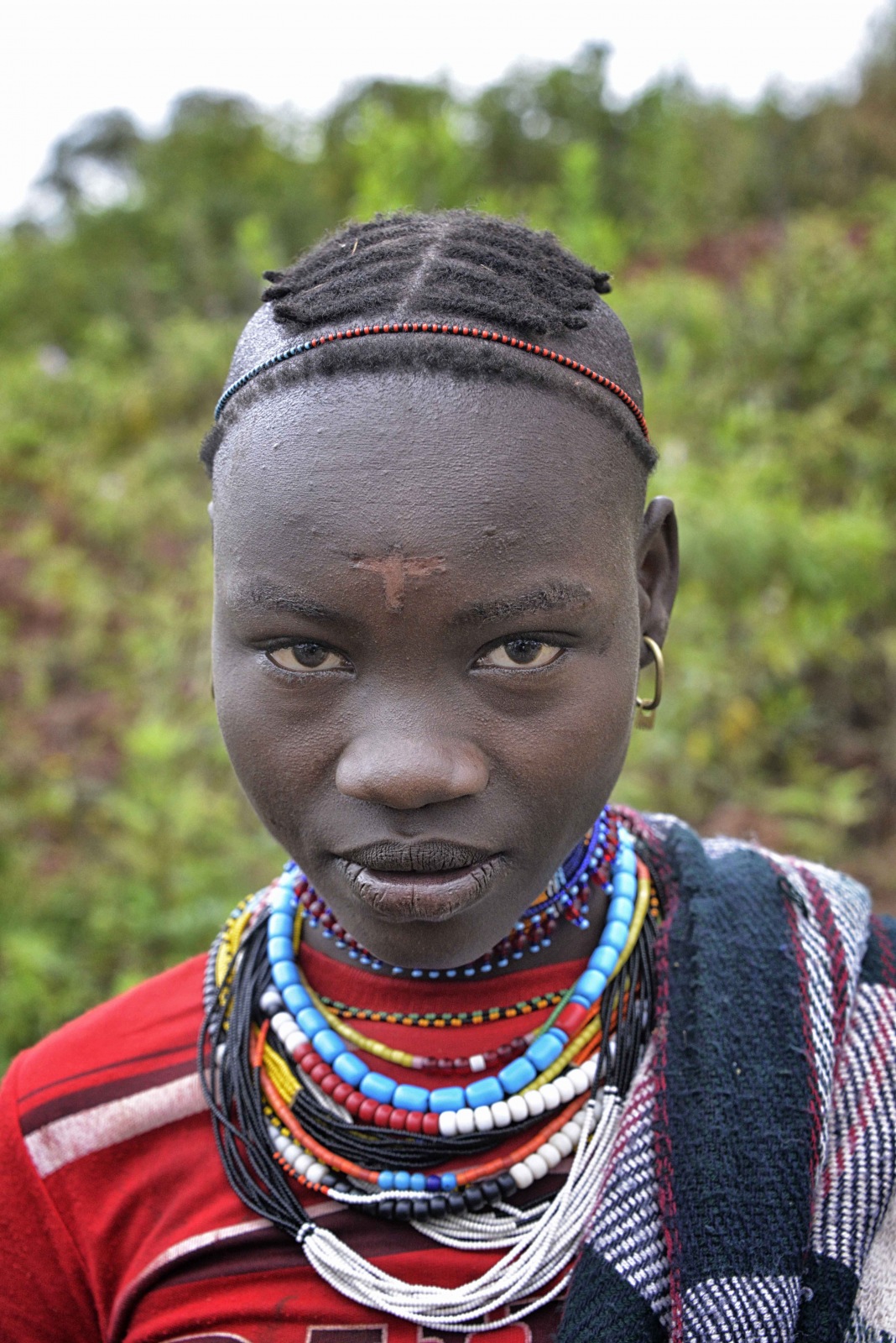
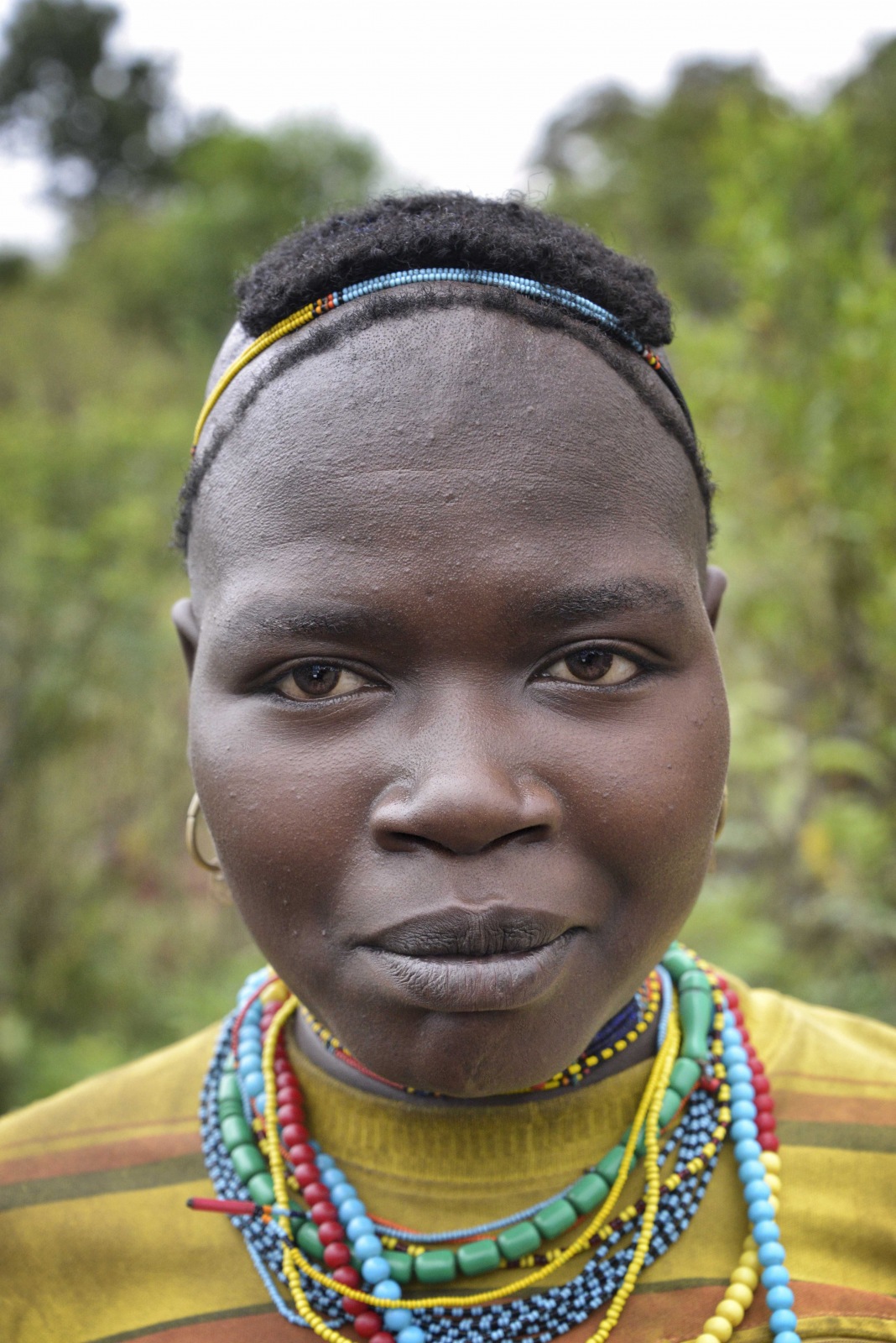
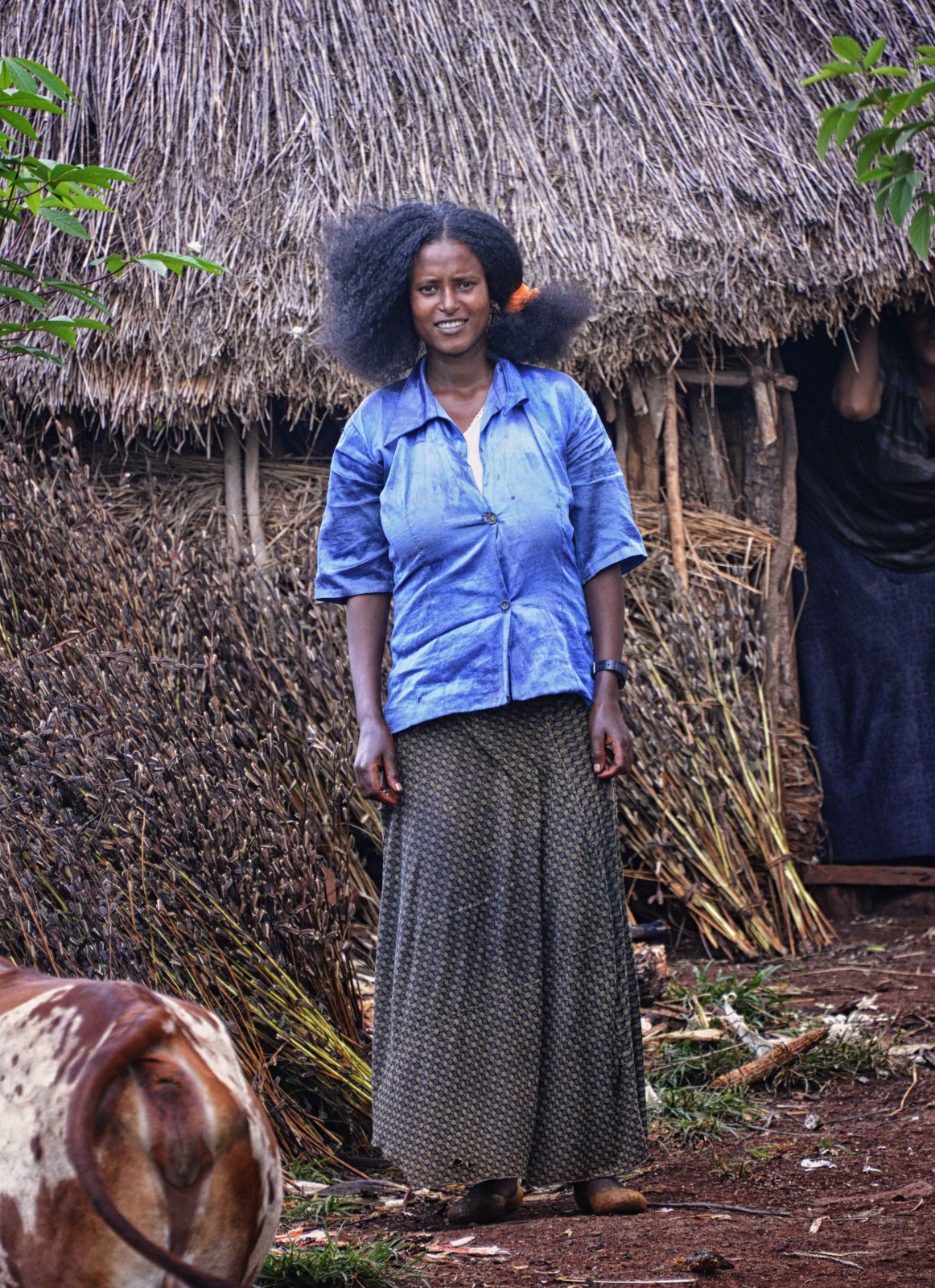
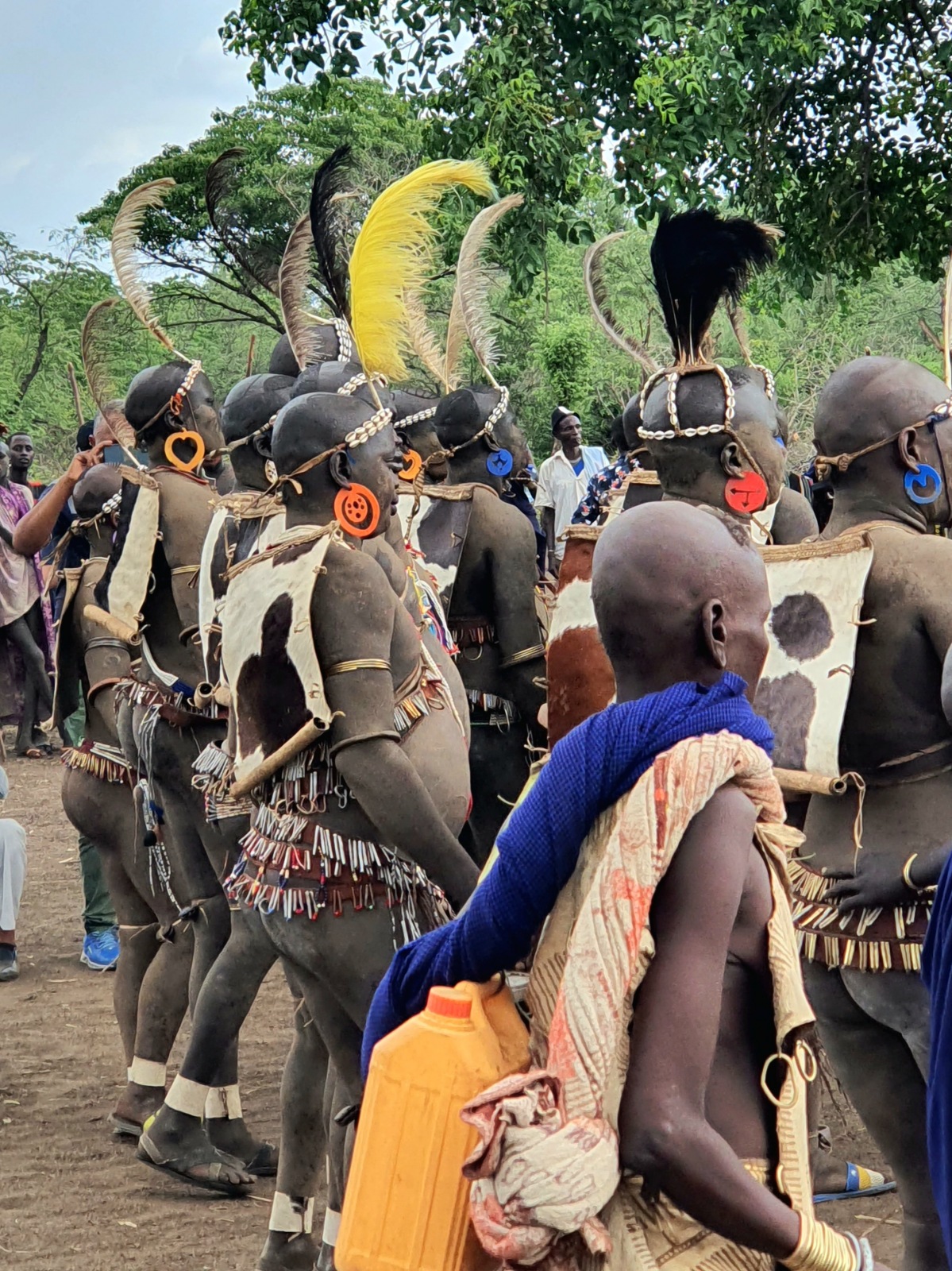
In a remote region of southern Ethiopia, in the Omo River valley, there exists a community that completely overturns our notions of beauty, masculinity, and what it means to be an ideal partner. The Bodi tribe, also known as Me'en, has maintained traditions for generations that seem almost unbelievable in the modern world. The most striking of these is the ritual Ka'el - a unique ceremony that determines a man's status in society and indirectly his chances of marriage.
For the Bodi, an attractive man is not slim or muscular. Quite the opposite. The ideal is a large, round body with a prominent belly.
Such a body symbolizes prosperity, health and the ability to provide for a family. In an environment where food is scarce and living conditions are harsh, the ability to gain weight has a completely different meaning than in the Western world.

A ritual that decides the future
The most important event in the lives of young men is a ritual called Ka'el. According to the Ethiopian culture portal setourismbureau.gov.et, it is not just a celebration, but a crucial moment in every man's life.
It is a ritual during which young single men prepare for a competition for the title of the most desirable individual in the tribe. It takes place once a year, usually at the turn of June and July, and at the same time symbolizes the beginning of the new year in the tribe's calendar. Each clan selects one single man who will represent the family in this exceptional "competition". According to the travel portal Omo Region Tours, this selection is a prestige for the entire family.
His everyday reality?
No work, no movement, no sex. Just one thing - eating and gaining weight.
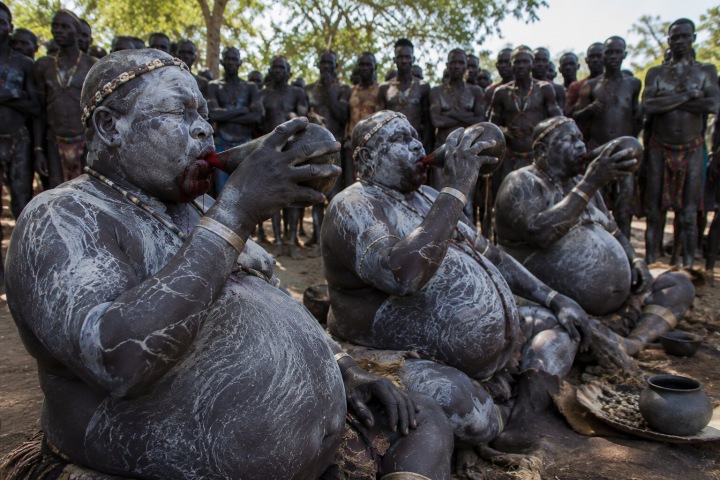
The ritual has a fundamental impact on their social status. It's not just some kind of beauty contest, but a complex rite of passage into adulthood. Selected men subsequently undergo several months of preparation, which is extremely demanding and at the same time fascinating. During this period, they isolate themselves from the rest of the community, live in simple huts, and their only task is to gain as much weight as possible. They cannot work, are not allowed to have sexual intercourse, and spend practically the entire day eating and resting.
Warning! This is not just a game. This moment can fundamentally affect their position in society and their chances of marriage.
A Diet That Shocks the World
Preparation for Ka'el takes three to six months and is among the most extreme physical transformations in the world.
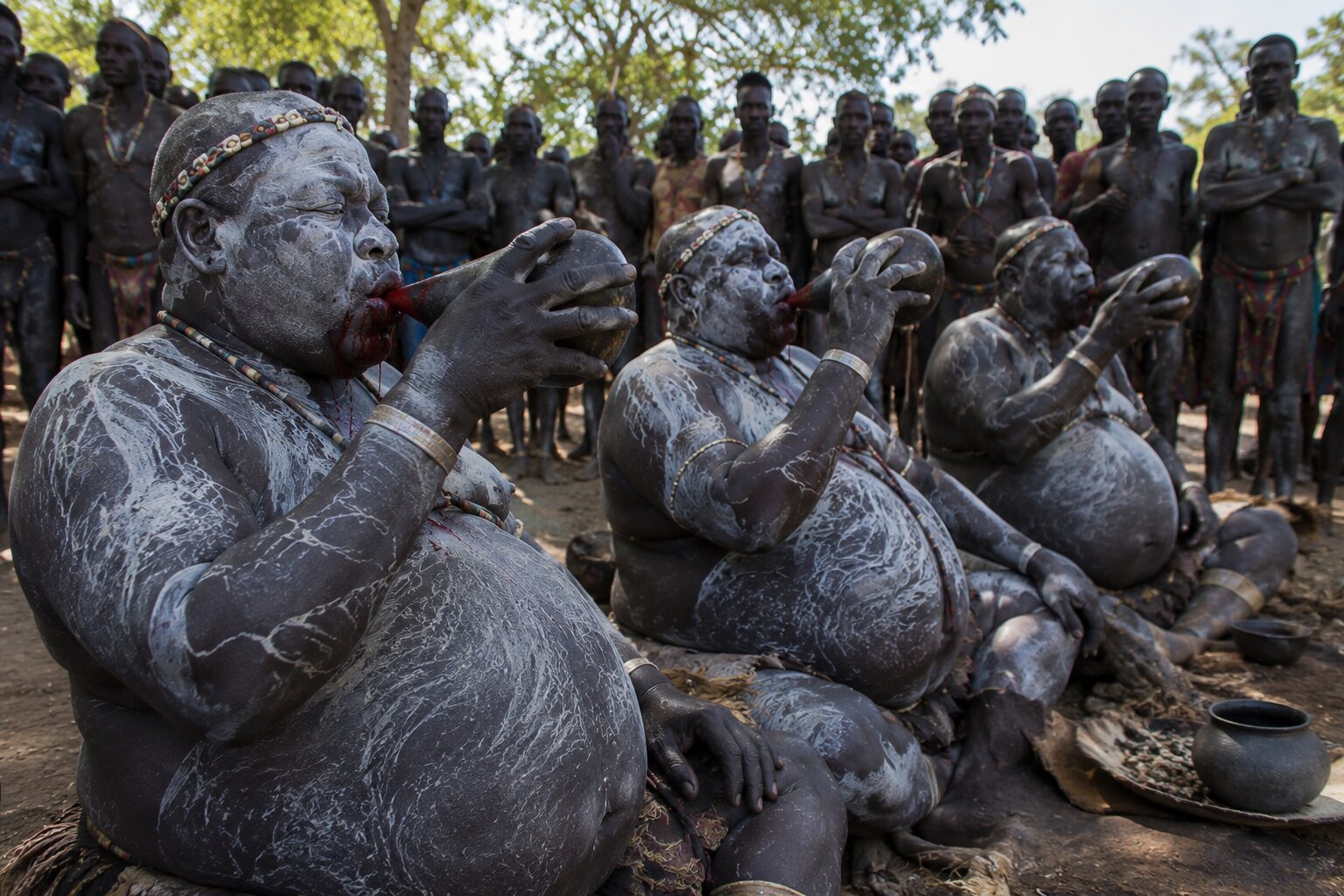
The basis of the preparation is an extreme "diet" that shocks even experienced anthropologists. Men consume large quantities of a mixture of cow's blood and milk, which they drink daily, often immediately after collection, so that it doesn't have time to coagulate.
According to the cultural article Answers Africa this combination ensures rapid weight gain and significant increase in body volume.
Interestingly, they don't kill the animals in the process. They obtain blood by gently puncturing a vein and after extraction they seal it again with clay. This diet causes rapid weight gain, sometimes even extreme. Men often barely walk because their body becomes heavy and clumsy. The family takes care of them, brings them food, cleans them and supports them throughout the entire process.
This "diet" causes men to gain significant weight within a few months and their bodies change radically. In extreme cases, it can be tens of kilograms extra. However, not everyone manages it, some participants cannot drink the mixture or cannot tolerate it, and thus drop out of the competition.
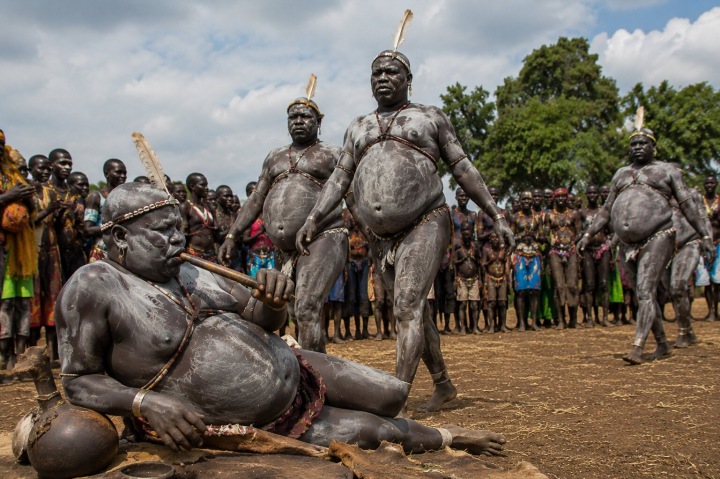
Interestingly, during this phase, sex is strictly forbidden. It is believed that it would bring bad luck and could harm the cattle, which is the tribe's most valuable property.

"D-Day": When the Belly Decides
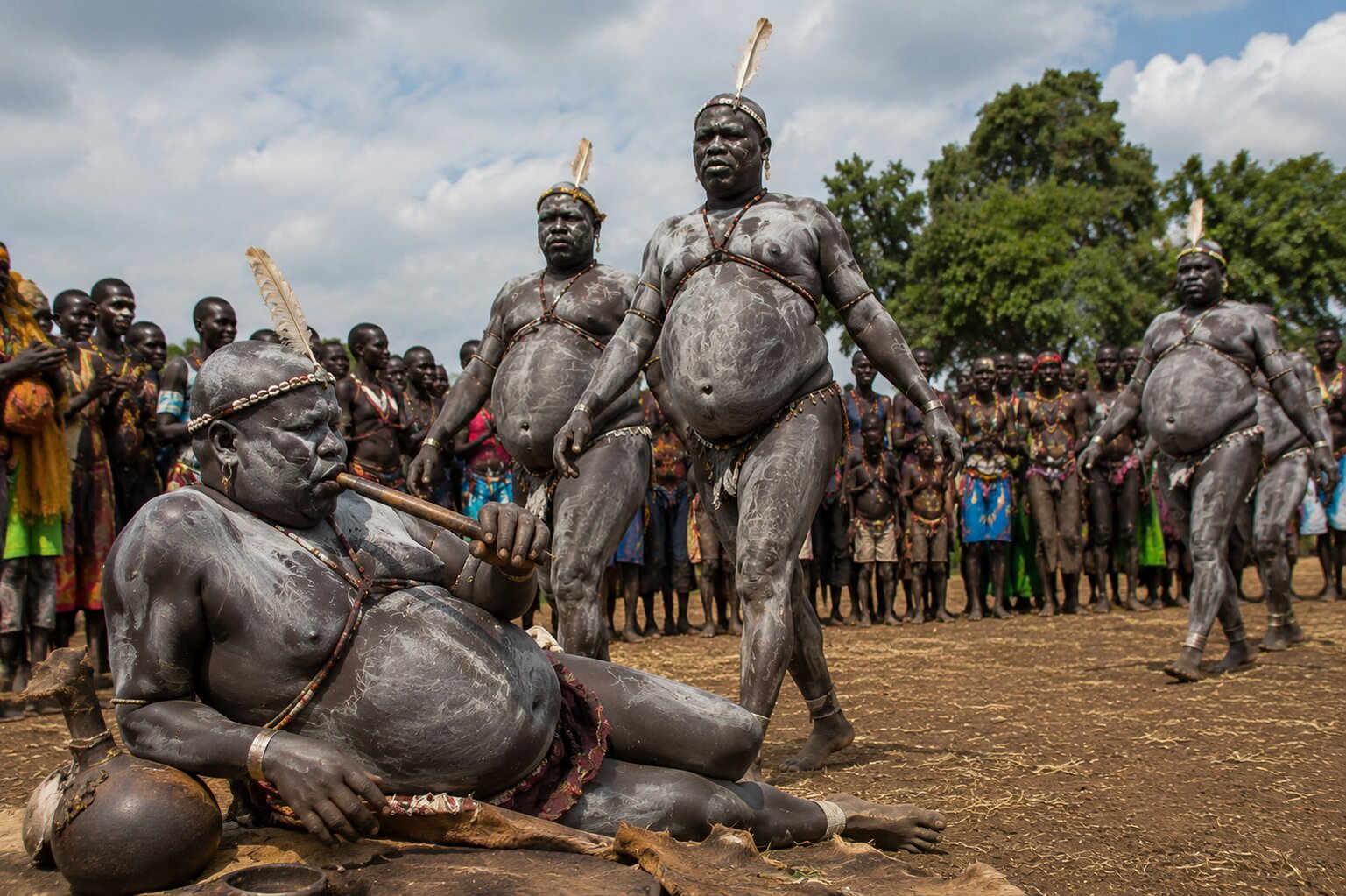
After months of "fattening up," the big day arrives. The men step before the entire tribe and show the result of their transformation. According to the expedition portal Ethiopian Tribal Expeditions, it is a major social event accompanied by singing, dancing, and celebrations. The community gathers and the men step forward before the others, often with their bodies painted with clay or ash.
Participants move in circles, displaying their bodies and are carefully observed by elders and other tribe members. It's not just about the size of the belly itself, but also about the overall impression, body posture and confidence that the man radiates.
The winner receives the title "Fat Man of the Year" and becomes a symbol of beauty and success. This title remains with him for life. He doesn't gain money or property, but something much more important - respect, prestige and significantly better chances of marriage. Now he has greater chances of entering into marriage, because he is considered an ideal partner. In the eyes of the tribe, he has accomplished something exceptional, demonstrated discipline, determination and the ability to prepare for life's challenges.
The festival is also a meeting place for young people. During the celebrations, people dance, sing, and new relationships are formed. Women often choose their partners from among the men who participated in the ritual.
Trade, arrangement and love
Marriage in the Bodi tribe takes multiple forms. It can be arranged by families, but there are also cases where the young people choose their partners themselves.
Cattle play a crucial role. According to information from the Omo Region Tours portal, the groom must pay a dowry in the form of dozens of cattle. This ranges approximately between 30 to 36 head of cattle. Cows are not just property, they represent status, stability and the ability to provide for a family. After the wedding, the man receives additional cattle from his family and gives his wife her own cows, which serve to support the household.
Interestingly, even though marriages are often arranged, young people have a certain degree of freedom. If parents don't agree, the couple can even run away and later return as a done deal.
Reality Beyond Ritual
After the Ka'el ritual ends, the winner and other men gradually return to normal life. Their extreme weight is not permanent; in everyday life, it would rather hinder them in work and caring for livestock.
The Bodi are primarily herders. Their life revolves around:
- cattle breeding
- migrations following pastures
- simple way of life in nature
Marriage means the beginning of a new stage, building a family, caring for children and expanding property in the form of a herd.
The woman has an important role in the household, taking care of children, preparing food and participating in the daily running of the family. The man provides protection and economic stability.
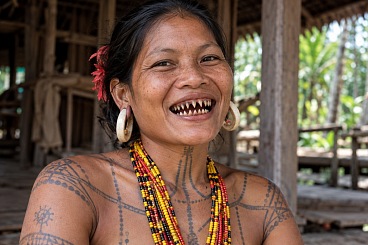
Men from the Bodi tribe wear simple garments made of rolled cotton or bark, while women wear skirts made of goat leather, which they fasten around the waist and over the shoulders. Similarly to the Mursi tribe, both men and women here have short hair and wear ornaments in their ears. Women additionally pierce their lower lip and insert nails or wooden plugs into it, which is a custom also known among the Karo tribe.
Scarification is widespread especially among women and serves not only as a form of beautification, but also as a symbol of identity. Complex plastic patterns are thus created on the body, which have both aesthetic and cultural significance.
The Komoro Ceremony
Komoro is the traditional leader of the Bodi tribe. After his death, elder members of the community perform a symbolic ceremony to determine his successor. The necklace of the deceased leader is first immersed in cattle blood, then in milk, and then presented to the eldest son. He is then anointed with blood and blessed as the new leader of the tribe.
Hunting Tradition of Abakto
Before the hunt, men consult with the tribal shaman, who is to predict the success of the expedition. When a hunter manages to kill large game, such as a buffalo or lion, he returns with the hide and horns as proof of success. His father then sacrifices a cow and the hunter is blessed with its blood. The entire event is then celebrated with traditional dances and a feast.
When Beauty Means Survival
To understand this tradition, it is important to realize that it is not just a "bizarre custom". In Bodi culture, everything has deep meaning. A large body represents a symbol of abundance, health and stability. It is proof that the family has enough cattle and therefore food. The Ka'el ritual also demonstrates a man's discipline and determination. The ability to endure months of isolation, consume a demanding diet and achieve extreme bodily transformation is perceived as proof of readiness for adult life.
Although the ceremony itself is not a wedding, its outcome has a direct impact on who becomes a desirable partner. The winner is perceived as the ideal man - strong, capable and worthy of starting a family.
The story of the Bodi tribe is proof that ideals of beauty and human value are relative. What would be considered extreme in one culture can be a sign of success and prestige elsewhere. And it is precisely these differences that show us how diverse and fascinating the world of human traditions is. And that is exactly why these stories are so powerful - they force us to reassess our own stereotypes.
Sources: original text, Southern Ethiopia Tourism Bureau, Omo Region Tours, Answers Africa, Ethiopian Tribal Expeditions