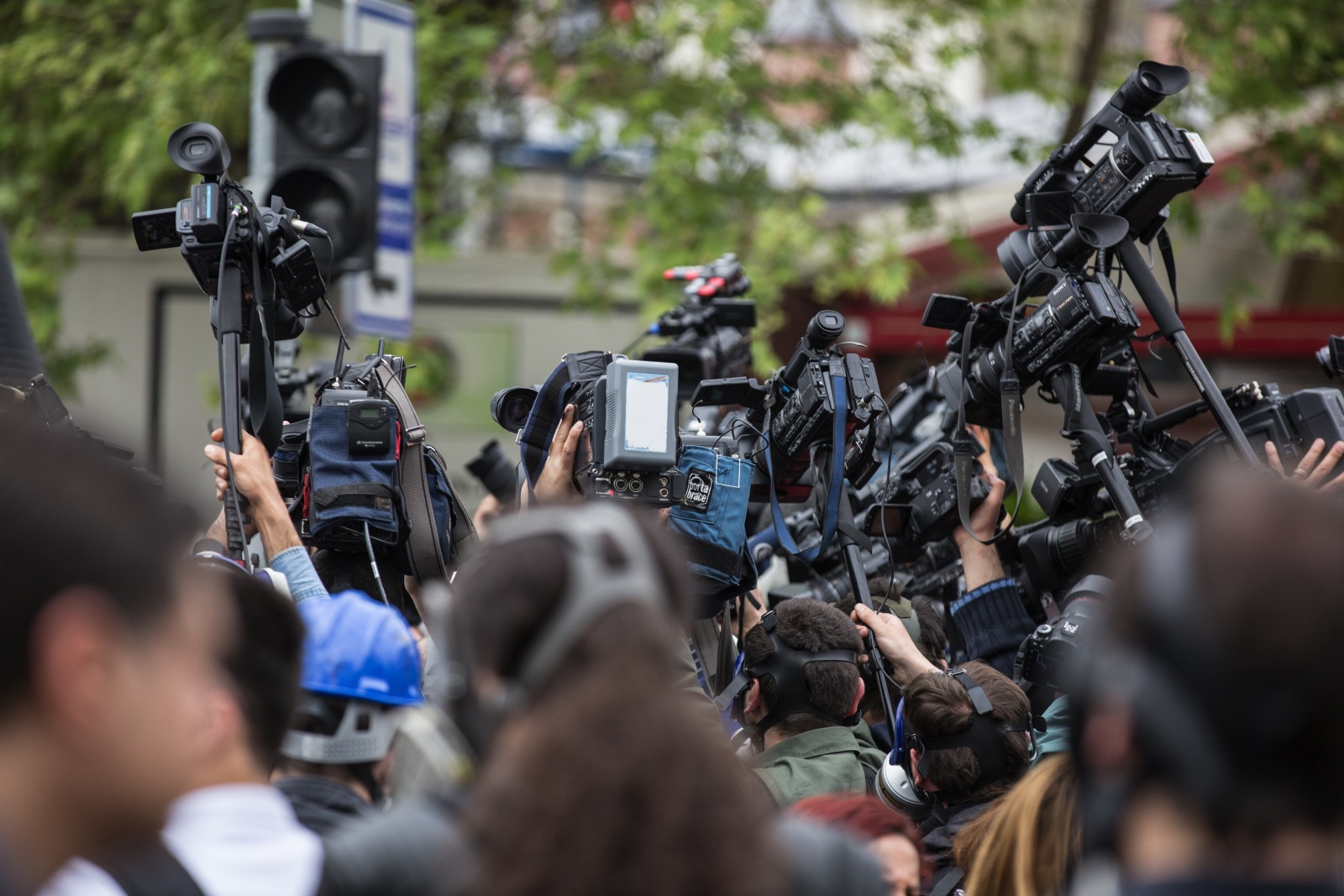
Czechs are often willing to pay extra for television, research confirms. We spend five hundred a month on commercial stations.


Paid commercial television is used by two-thirds of Czechs, as confirmed by the Atmedia index survey. On average, we pay 460 crowns for this service, which is more than double the amount of what the usual license fees for public service Czech Television and Czech Radio cost.
Despite the gradual price increase, more than two-thirds of viewers aged 15 to 69 use paid television in our country. Rising prices do not deter viewers, claim representatives of the company Atmedia, which conducted the current survey.
"The prices of paid television have been rising for a long time, a more significant change occurred in 2024 when the price first exceeded the 400 CZK mark,"
explained Michaela Suráková, Managing Director at Atmedia, in a press release.

Almost three-quarters of younger viewers and two-thirds of older viewers use paid television
The main reason Czechs pay extra for television is, of course, to watch interesting content. More than a third of viewers also appreciate the ability to watch TV shows simultaneously next to the TV on other devices such as a computer, tablet, or mobile phone.
“I tend to watch some shows only on my mobile. I mainly pass the time like this when I return home late in the afternoon from work.”
stated Petr Vala, who lives in the Central Bohemian Region and commutes to the capital city for work every day.
Paid television is most popular among the younger generation. Almost three-quarters of television viewers aged 15 to 34 use it. However, as the authors of the research emphasize, this type of television broadcasting dominates across all age categories of viewers, including older generations. For example, among viewers aged 45 to 69, it holds a 63 percent share.
Paid television is most commonly owned by viewers from larger cities. However, satellite reception has significant presence among viewers from smaller towns.
"In smaller towns and villages, satellite remains an attractive option. It offers a stable signal, covers the entire territory, and for many households, it's simpler than dealing with internet connection quality,"
added Suráková.
Streaming Services are "On the Rise"
The willingness to pay for additional content is also confirmed by data from the use of various streaming platforms. Channels like Netflix, Disney+, or Prime Video are gaining subscribers, which is also reflected in the rise of subscription prices.
While a Netflix subscription cost just under 14 dollars a month five years ago, it is now almost 20 dollars. In the case of Disney+, it was nearly 8 dollars and currently around 19 dollars. Prime Video increased from 13 to 20 dollars, as reported in an article by Samsung magazine. For Netflix and Prime Video, this represents a price increase of about 30 percent, but for Disney+, almost 60 percent!
From the rising numbers, it is clear that few are willing to give up an uninterrupted and unlimited viewing experience.
Public media are considered expensive by some politicians
In light of the described trend, the statement from the current Minister of Culture, Oto Klempíř, sounds somewhat amusing. He defended the effort to abolish license fees for domestic public Czech Television and Czech Radio in an interview with Seznam Zprávy with the following explanation:
"I'm already allergic to the argument that the 205 crowns a month for Czech Television and Czech Radio won't kill anyone. I know plenty of young families and elderly people who are counting every crown three days before payday. So I want to relieve those in need, and that's why I think they shouldn't have to pay,"
the minister said.

Currently on the table is mainly a legislative proposal to abolish fees for seniors over 75, businesses, young people under 26 who are not self-sufficient, or people with disabilities. According to an estimate from about a month ago, Czech Television and Czech Radio would lose roughly a third of their income by abolishing these parts of the television and radio fees, as planned by the government coalition. For television, this would mean more than two billion crowns, and for the radio, up to 800 million crowns.
According to the director of Czech Television, Hynek Chudárek, such a scenario would threaten the collapse of the television. If the changes were implemented, Czech Television's revenue would not revert to 2024 levels, but instead to 2008 levels.
“However, at that time the Czech koruna had a different value due to inflation, Czech Television had advertisements, and overall operational costs were much lower. If this change is to take effect from July 1, Czech Television will not manage to restructure its operations, fulfill contractual obligations, and realistically faces bankruptcy,"
quoted the director of public television ČTK.
However, that would be just the beginning. From next year, the coalition intends to completely change the funding system and abolish the fees. The management of both public media would then depend on what state budget politicians would approve for each subsequent twelve months.
Sources: original article, ČTK, Seznam Zprávy, Samsung magazine, Atmedia