Czech Republic and its cubism. They reveal on Kampa, why cubes and spheres took hold here.

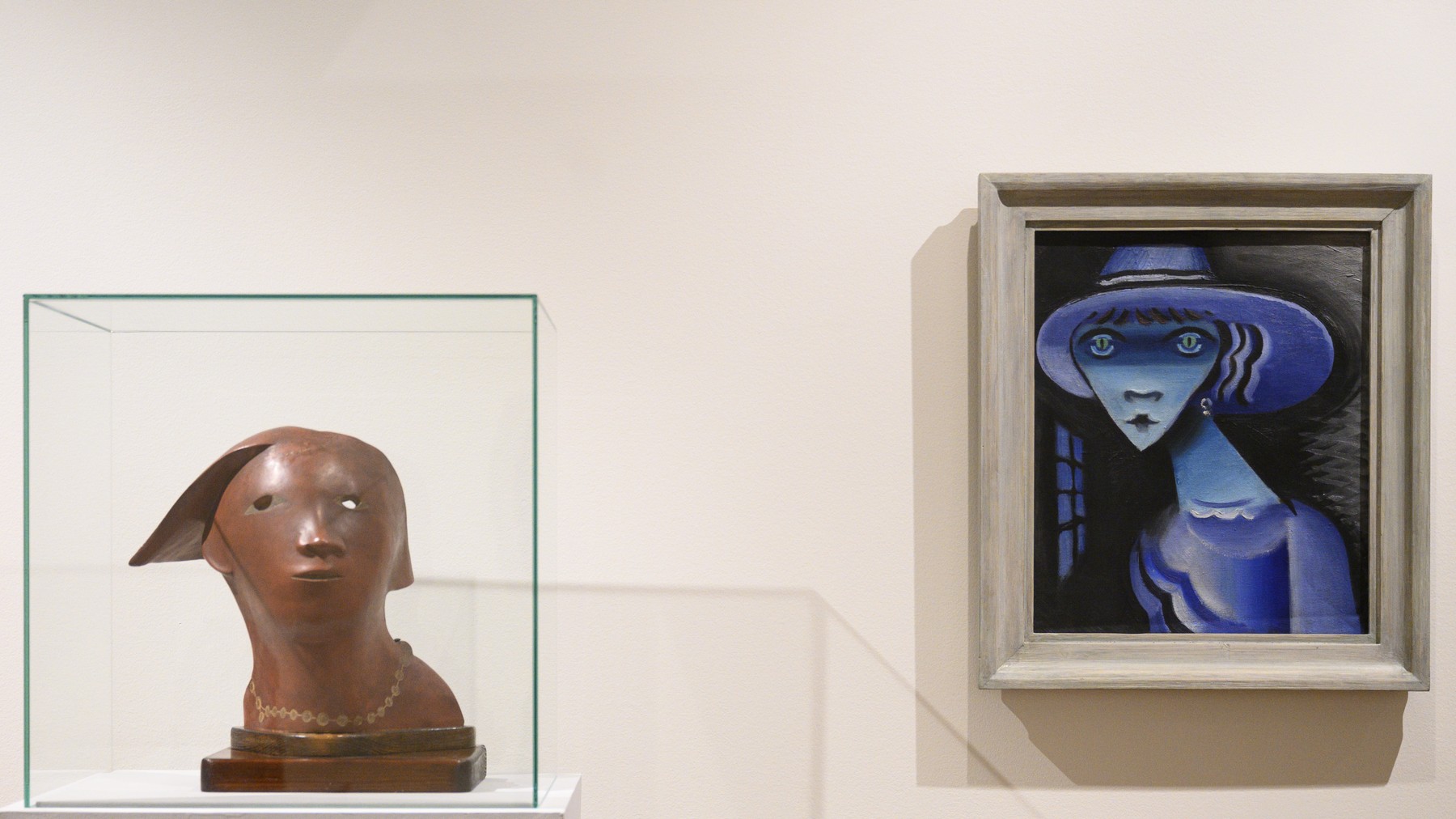
For works of Czech Cubism, you can head to the Kampa Museum in Prague, where the most extensive collection of Czech Cubist fine arts from the West Bohemian Gallery in Pilsen is currently on display. In addition to the visual visit of this popular style of the Czech interwar period, the curators also focused on the circumstances of building such a collection, we learn how and for how much the paintings were bought from the owners, and the exhibition also allows a glimpse into how some creators themselves created and how they came to Cubism.
Kampa Museum has prepared an exhibition based on the collection of the West Bohemian Museum in Pilsen, where it has managed to create a unique collection of dozens of Cubist works by leading Czech artists. Currently, these works are presented in the heart of Prague, where they are more visible not only to locals, but also to foreign visitors.
The collection was created from the interest of Oldřich Kuba, who focused on the work of Bohumil Kubišta and began to systematically buy it at the turn of the 50s and 60s of the 20th century. Soon, the focus shifted to other Cubist artists for the collection. In the collection, as well as in the Kampa Museum, visitors can find works mainly by Emil Filla, Otto Gutfreund, Václav Špála, Josef Čapek, Jan Zrzavý, or Antonín Procházka.
Special attention is devoted to Emil Filla. He was somewhat an artistic successor of the Cubist, who he surpassed at least in terms of the success of his works. His cubist self-portrait and this genre are presented in multiple forms at the exhibition, attesting to the influence of the father of cubism, Pablo Picasso, on Czech authors.
The domestic cubists were particularly influenced by their stays in France and Paris. With the orientation of Czech politics towards France, as the main victor of World War I, Czech society of the First Republic is also fascinated by its culture.
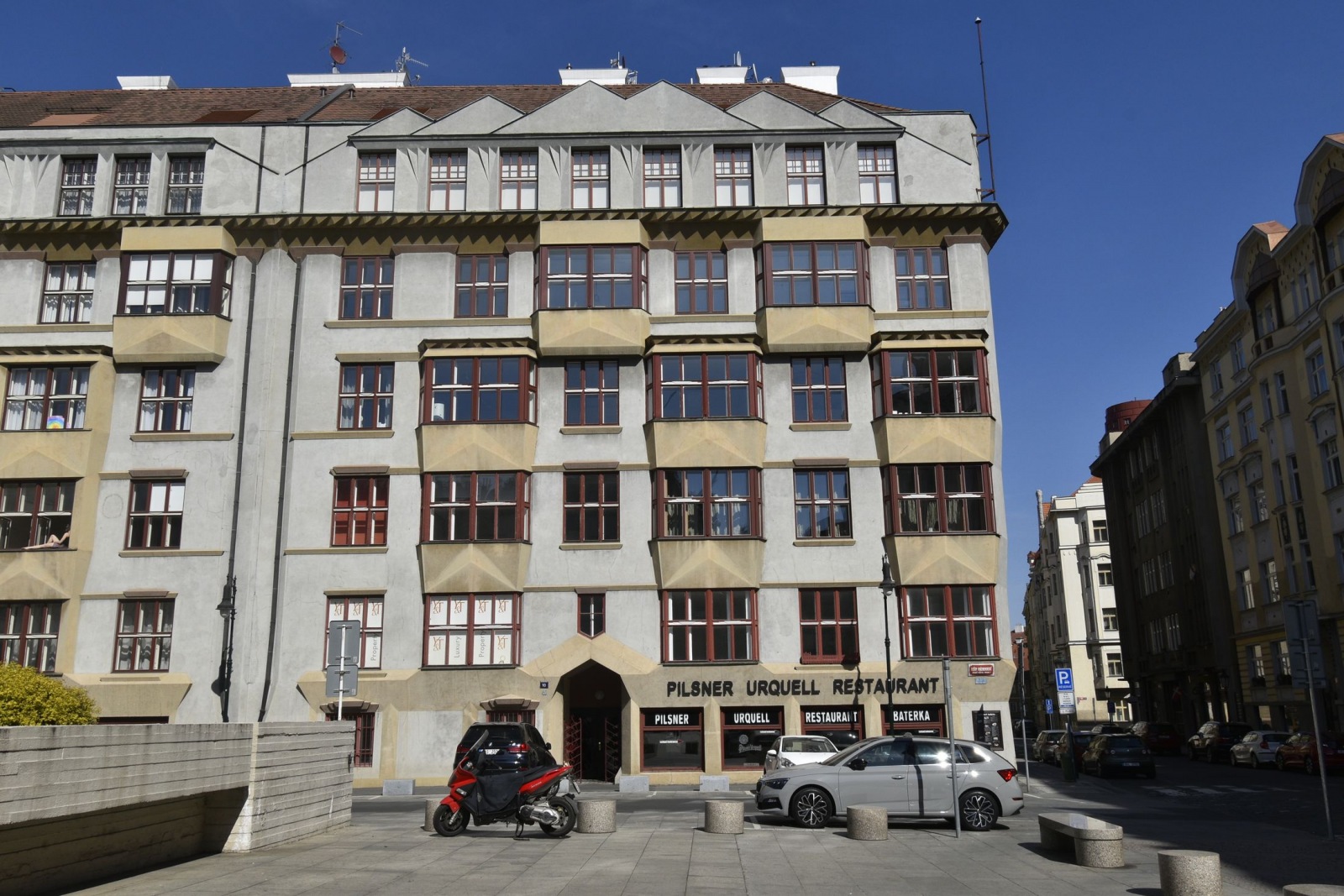
One of these manifestations was also an unusually strong interest in cubism. It is completely logical, as it was a rejection of the dominant Secession and Historicism, thus becoming an attractive messenger of new times. It was then even more reflected in architecture, transforming into a unique domestic Rondocubism in Czechoslovakia.
Visitors with an increased interest will definitely go to the section with cubist paintings by Josef Čapek, a painter and writer as well as the brother of the more famous Karel Čapek. He too ultimately met a tragic fate in a Nazi concentration camp without his body being found. His cubist works were inspired by a trip to Paris, even though it was still in the pre-war period, and his exhibited artworks Prostitute and Sailor document it.
For those who are not satisfied with merely looking at images, however fascinating their visuals may be, they will appreciate the samples from the correspondence of Oldřich Kuba. The first director of the West Bohemian Gallery in Pilsen (from 1954-1985) often negotiated with the owners of the works about their purchase in them. They also prove that Oldrich Kuba had a good reputation.
These are mostly left by artists, who are sometimes more, sometimes less willing to sell their works, at least this is the picture offered by the exhibit samples. Visitors will also learn how much cubist paintings were bought during the times of socialist Czechoslovakia. According to the curators, the theme of art collection connects the entire exhibition.
The authors of the exhibition did not want to stay only with the works themselves, taking into account their creators. In this case, however, they supplement the exhibition with numerous biographical medallions of artists, so in this respect, the viewer will definitely not be short-changed.
As for the background of the creation, the exhibition offers, for example, sketchbooks. An interesting view under the hood is somewhat hidden within the architectural layout of the exhibition behind special walls, which is a bit of a pity, because many visitors might overlook it.
The addition of details about the work of the period collector Oldřich Kuba to the exhibition and the effort to acquaint the visitor with the background of the creation of works and also with the context of the creation of an art collection is a very pleasant factual enhancement of the gallery visit.