Central bankers remain calm despite the Middle East crisis. Rates have been kept at 3.5 percent again.

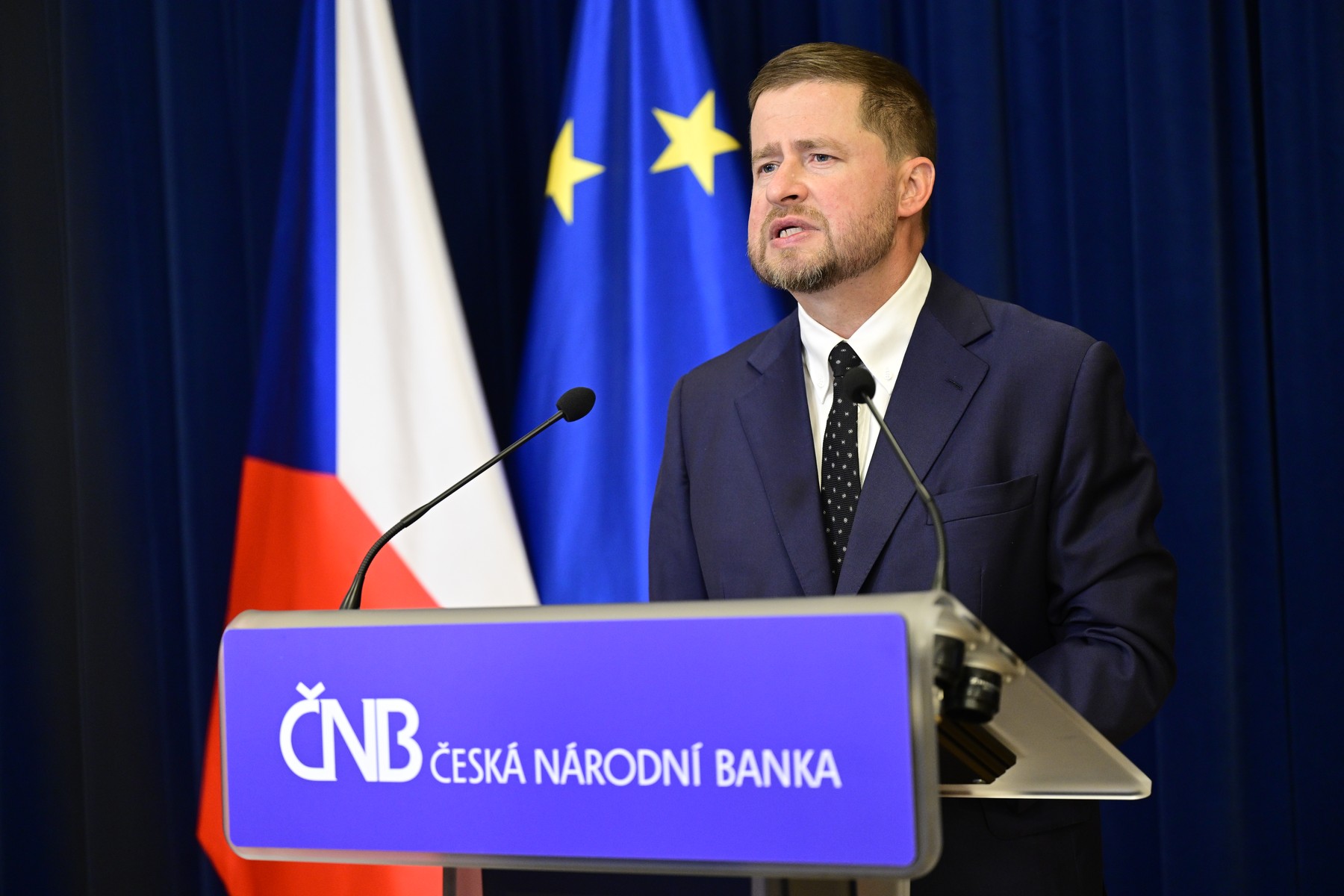
The Bank Board of the Czech National Bank decided on the economic development settings for the upcoming period. The base interest rate remained at 3.5 percent despite the conflict in Iran and the ongoing war in Ukraine. According to Governor Aleš Michl, the main reasons are the current low inflation and reportedly also strict monetary policy.
According to experts and members of the bank's board, the impact of the conflict in Iran on the Czech economy is currently limited and does not require a monetary policy response.
“The economy's condition is good, and the bank does not need to lower rates to support economic performance. Inflation remains low for now."
analyst Tomáš Pfeiler of Cyrrus stated for ČTK.

The Entire Bank Board Recommends Keeping Rates Unchanged
Members of the bank board Jakub Seidler and Jan Kubíček also expressed restraint in the possibility of adjusting interest rates in interviews with the media even before Thursday's meeting. According to them, the Czech National Bank has room to wait and see how the conflict in Iran affects Czech inflation.
"Even if I tried to overlook the Middle East crisis, I still wouldn't see a reason to lower rates,"
said Kubíček to Bloomberg on March 11.
While the conflict in the Middle East has pushed the price of oil significantly above the levels anticipated by the latest forecast from our central bank, futures contracts on oil with more distant delivery dates have seen considerably smaller price increases. According to Kubíček, this supposedly suggests that commodity markets perceive the current situation as more temporary.
According to Jakub Seidler, although the rising oil prices increase global uncertainty, they do not yet represent as strong an inflationary shock as the economy experienced after the pandemic or after the Russian invasion of Ukraine. He emphasized to Reuters that the discussion about a potential rate hike is premature.
Thursday's vote showed that all seven members of the board are in favor of keeping the rate at 3.5 percent. At the subsequent press conference, Governor Aleš Michl confirmed that concerns about price increases are not significant enough to force bankers to change their perspective.
"For the banking board, it is important that inflation expectations do not rise due to the impacts of the war in the Middle East,"
commented J&T analyst Adam Ruschka on the decision.
Oil and Gas Crisis
Since Thursday, March 19, oil prices have accelerated due to attacks on energy infrastructure in the Middle East. The price of gas for the European market is also sharply increasing. Czech Prime Minister Andrej Babiš also estimates that gas prices will rise further.
The higher gas price is mainly due to reports of an Iranian attack on the largest liquefied natural gas production plant in the world, located in Qatar. The local state energy company stated that the attack caused significant damage. However, the government later announced that all fires are under control. According to data from the organization Gas Infrastructure Europe, gas reserves in the European Union are about 30 percent full. It is similar in our country.

Do we really have it under control?
Despite the escalation of tensions in the Middle East, the central bank governor is not too worried that the economic situation in our country should worsen. He admits that there may be further increases in raw material prices, including the price of gasoline, but in the same breath adds that domestic inflation is the lowest it has been in the past 10 years and claims that we have a strict monetary policy in the country.

"Overall inflation should remain below 2 percent this year,"
Michl said at a press conference. He also stated that he is aware of the risks prevailing in the market. The main reasons requiring the continuation of a strict monetary policy, according to him, are credit activity, rapid wage growth, persistent elevated growth in service prices, real estate price growth, strong domestic demand, and increased commodity price growth. As unequivocally pro-inflation risks, he mentioned household and government credit activity, an overheated labor market, and the persistence of price growth in services and real estate.
On the other hand, anti-inflationary risks remained asset price corrections, slowdown in global demand due to trade barriers, worse than expected economic developments in some eurozone countries, and the development of the war in Ukraine.
Regarding the future development of rates, he only stated that the Czech National Bank is keeping all options open and will primarily respond to the development of core inflation and credit activity in the economy. According to him, the market currently expects that rates could rise this year due to the conflict in the Middle East. However, the overall outlook remains very uncertain.
Central bank rates influence the interest rates on bank deposits and loans. Higher interest rates result in more expensive loans for investments and operations for businesses, and more costly housing loans for households. However, higher interest rates also increase the returns on account deposits.
Sources: own inquiry, original article, CNB, ČTK, Bloomberg