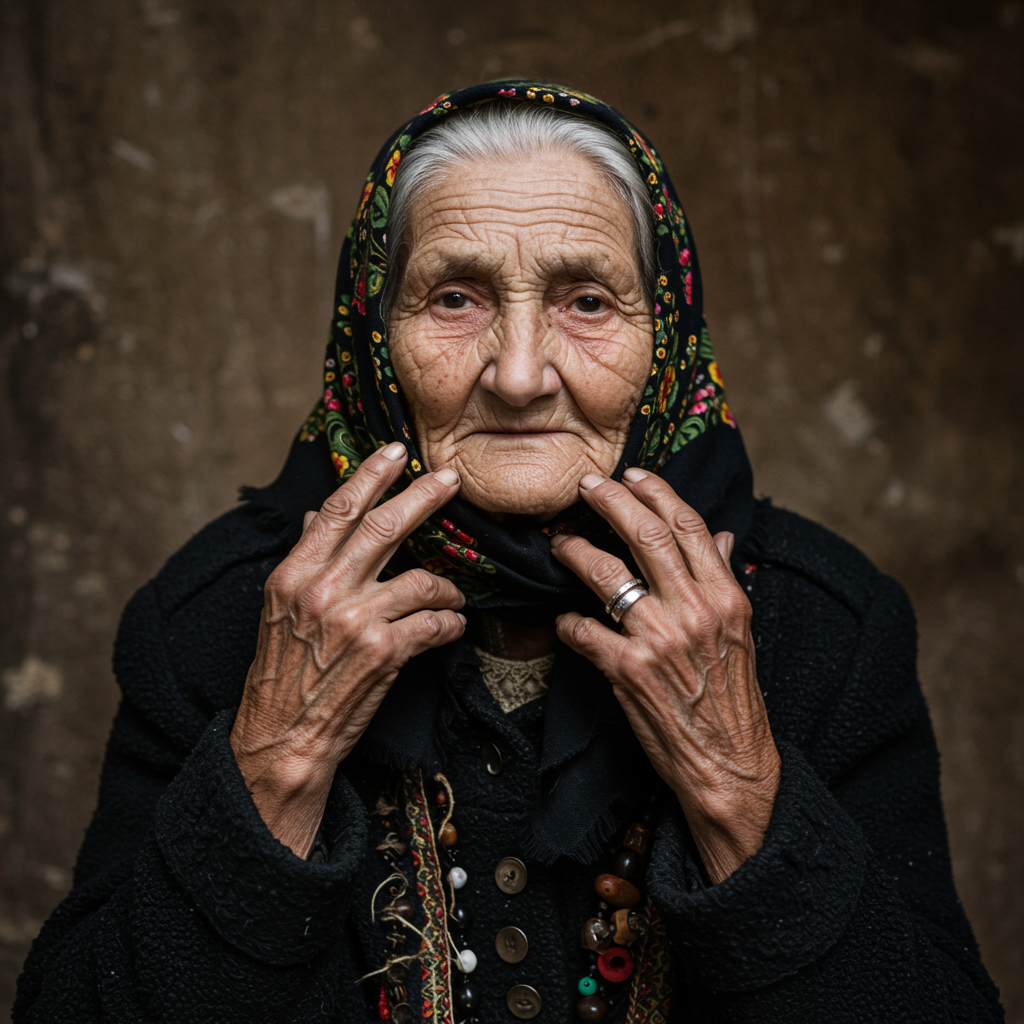
Year 2026 according to the prophecies of Baba Vanga and Nostradamus: Europe in the midst of conflicts, fight for water and surprising hope from space

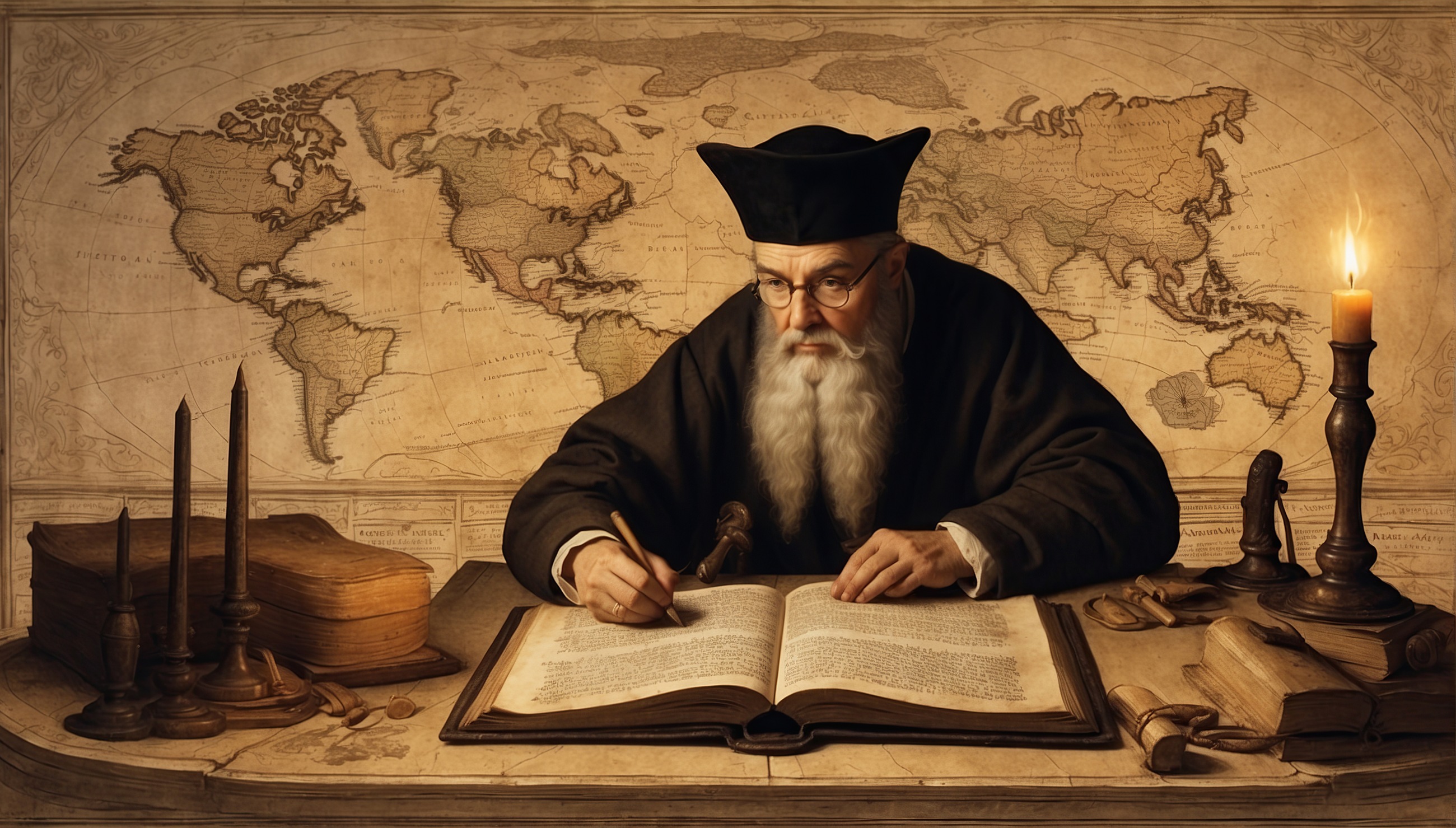
The beginning of a new year traditionally arouses curiosity. People wonder what the future will bring and whether the world will finally calm down, or it awaits further trials. At such moments, many often turn to the prophecies of the two most famous visionaries in history. What does the world expect according to them this time? The interpretations of the words of Baba Vanga and Nostradamus do not notably differ from those related to the year 2025. These two periods are in many interpretations connected as challenging years full of changes, trials, and unexpected twists that are supposed to test not only individual states but all of humanity.
Nostradamus wrote his prophecies in the form of obscure and symbolic quatrains. Their openness allows them to be interpreted even in relation to the 21st century. According to some researchers, several dozen passages from his famous work Prophecies relate to the year 2026. They have a common denominator: change, the breakdown of old structures, but also the possibility of a new beginning. And what does Baba Vanga say about the upcoming year? Her words were not much happier. She speaks of a devastating apocalypse, volcanic eruptions, and extreme weather that will hit the entire planet.

Europe in uncertain times
Baba Vanga spoke of a "continent that will exhaust itself". Today, this statement is interpreted as the interplay of political contradictions, military tension, and economic instability. Nostradamus in his quatrains mentions a "long dispute in the west", which will not start suddenly, but will gradually grow and draw other parts of the world into the events. According to some interpretations, it is not about one massive war, but a series of conflicts that will gradually weaken Europe from within. In the following years, this region could become a devastated continent full of disputes, with which individual states will not be able to cope on their own. There has already been talk of the third world war in connection with her prophecy. Her visions for this period include escalating tensions between world powers, a possible Chinese intervention in Taiwan, and a direct confrontation between Russia and the United States.
It is also noteworthy that Vanga already spoke of a conflict in Europe for the previous period, which is to significantly affect the local population. These predictions are often linked to the war in Ukraine, which has been ongoing and escalating for several years now. According to Vanga, however, people should start exploring Venus as a potential source of energy two years later. By 2076, communism is then expected to spread to countries around the world. Whether this would be a direct result of prolonged conflicts and whether humanity faces decades of fighting is still a question.
One of the frequently quoted passages of Nostradamus's prophecies also addresses the widespread occurrence of bees all over the world. However, it is not a literal image. In symbolism, bees usually represent power, organization, and a solid hierarchy. Their raids may suggest steps by world leaders that will lead to further tension and conflicts. Strong emotions are also evoked by a quatrain in which Mars traveling between stars, blood, and fires rising from the east appear. Mars was the god of war and in astrology is traditionally associated with aggression and violence. That's why many interpreters believe that with this figurative language Nostradamus warned of a large-scale armed conflict with possible global impacts.
Water more expensive than gold
Unlike last year's interpretations, a part of foreign authors agree that the key theme of 2026 should not be weapons, but natural resources. Baba Vanga seemingly warned about a time when drinking water will become the reason for disputes between countries. Drought, extreme heat and infrastructure collapse are, according to these interpretations, to cause massive migration and pressure on the governments of individual countries. Nostradamus, on the other hand, wrote about the "land where rivers will become quiet", which is usually associated with climate changes and depletion of resources.
Legends say that extensive climate changes should affect nearly ten percent of the land. And that would already mean a fundamental risk for the planet. We are already experiencing a wave of record heat, the weather is changing, extensive fires are becoming common, which destroy everything in their way. In March 2025, we witnessed a massive earthquake in Asia, which affected Myanmar and Thailand. The shocks were so strong that they were recorded by seismological stations in the Czech Republic and Slovakia.
Space as a Source of Hope
While most of the prophecies are bleak, both seers surprisingly have a positive vision. Baba Vanga allegedly spoke of a discovery that "will not come from Earth" but will bring humanity a new perspective on energy and technology. Could we expect some fundamental discovery this year?
Some foreign sources link this to advanced space research, new forms of energy, or a fundamental scientific breakthrough. Nostradamus, in his texts, mentions "light from heaven", which could denote not only an astronomical discovery, but also a technology that will change our current way of life.
In his texts, an image of a man who should be the new leader and lead a large group of people towards personal transformation even appears. It may not be so much about specific events, but rather a warning that in times of chaos it will be crucial to reorient oneself within oneself. Not to seek answers from false authorities, but to return to values that make sense. This is exactly how Nostradamus could have meant his warning. And the rest only depends on what we take from his words.
Artificial Intelligence and Alien Civilization
Today, artificial intelligence has already become a common part of our lives. In 2026, it could potentially have an even larger impact. A mystic hinted that in this year, AI should make substantial progress, to such an extent that it will overshadow humanity.
In November 2026, according to some interpretations, the first contact with extraterrestrial life could occur. Reportedly, a massive spaceship is to enter Earth's atmosphere.
What Baba Vanga was supposed to have predicted
(according to her supporters and the media)
- the collapse of the Soviet Union
- the Kursk submarine disaster
- the terrorist attacks of September 11, 2001 in the USA
- the death of Princess Diana
- the rise of Barack Obama to the leadership of the USA
- strong earthquakes and natural disasters
- pandemics and global health crises
- technological advancement and the decline of interpersonal relationships
Nostradamus Predictions that came true
- The Great Fire of London (1666)
- The French revolution
- The rise of Napoleon Bonaparte
- The rise of Adolf Hitler
- World wars (in general)
- Assassinations and terrorism
- Epidemics and plagues
- Natural disasters and floods
Source: Editorial team, history.co.uk, Economic Times