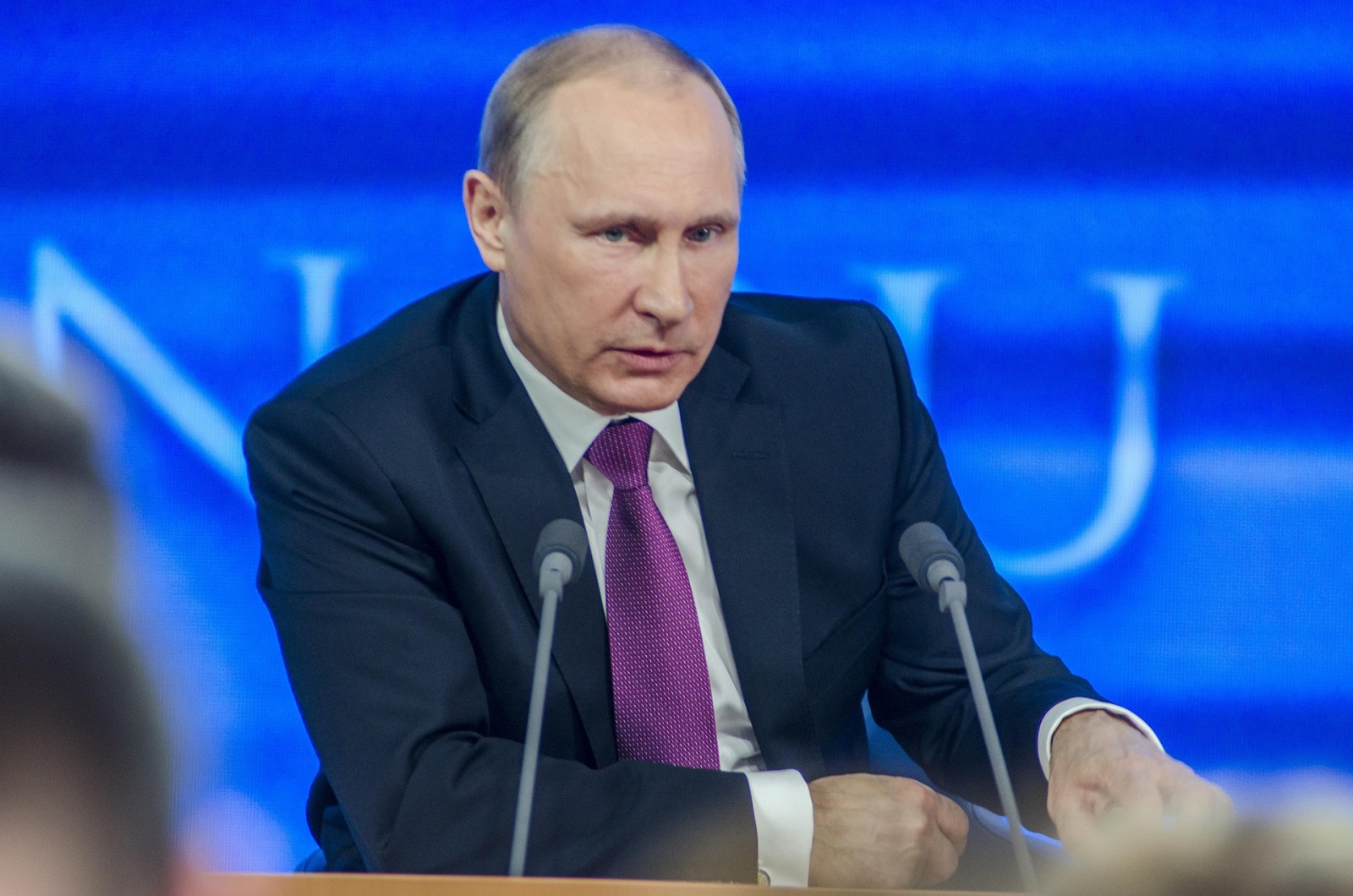
WHO CREATED VLADIMIR PUTIN? NEW FILM ABOUT THE RUSSIAN PRESIDENT LABELED A NATIONAL SECURITY THREAT

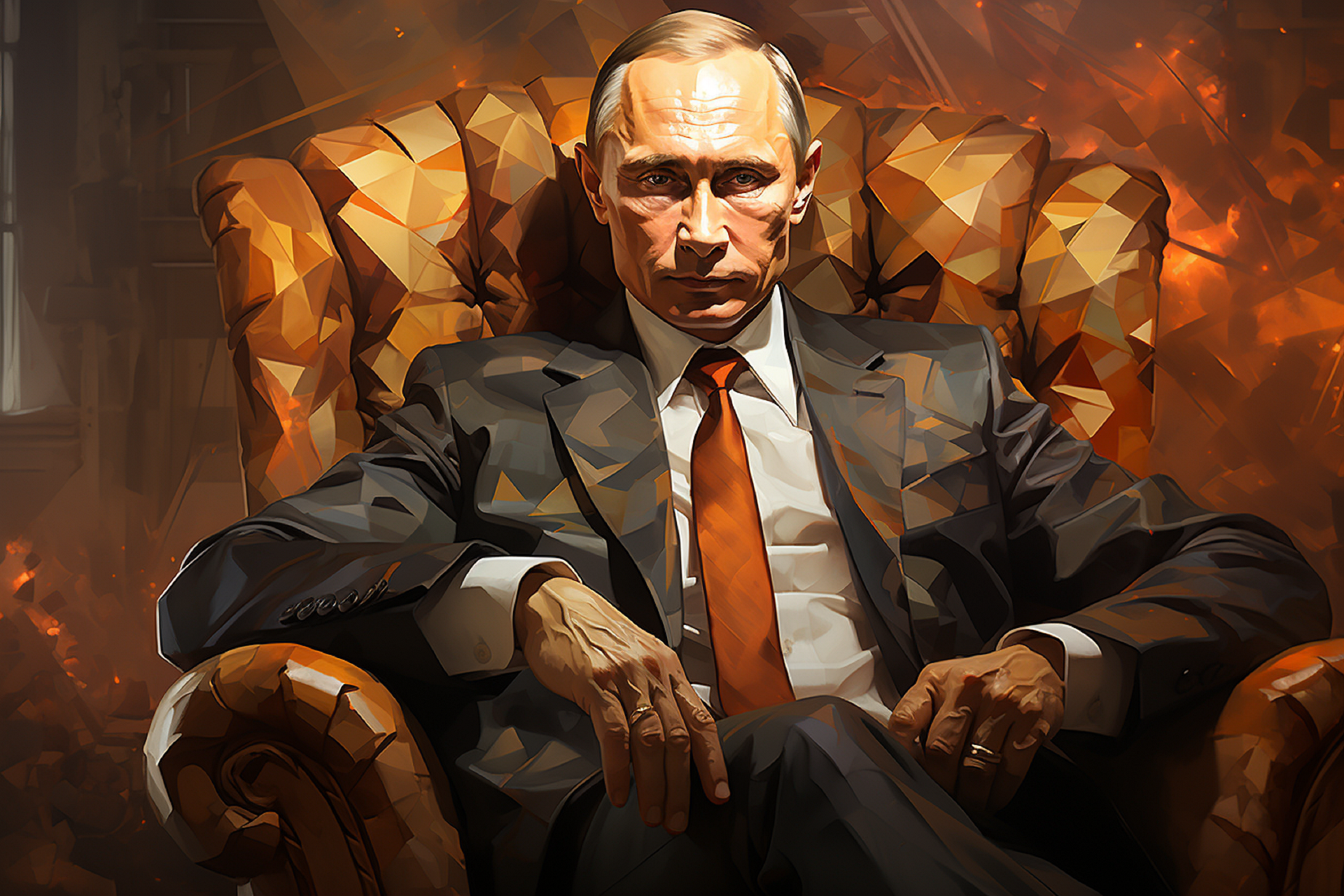
The new film The Wizard of the Kremlin has stirred strong emotions in Latvia even before it hit theaters. It's not just another political thriller, but a movie focusing on Vladimir Putin's rise to power, and a large part of its scenes were shot on Latvian territory. Viewers have also been captivated by the striking cast selection.
What is the film about?
The film The Wizard of the Kremlin tells the story of how a new form of power was born in the chaos of post-Soviet Russia. The plot focuses on the fictional character Vadim Baranov, portrayed on screen by Paul Dano. He is a former artist and reality show producer who unexpectedly finds himself at the center of political events in the 1990s and gradually works his way up to become a key media strategist for the future president. His task is to create the image of a strong leader and teach society to believe in a new myth of power.
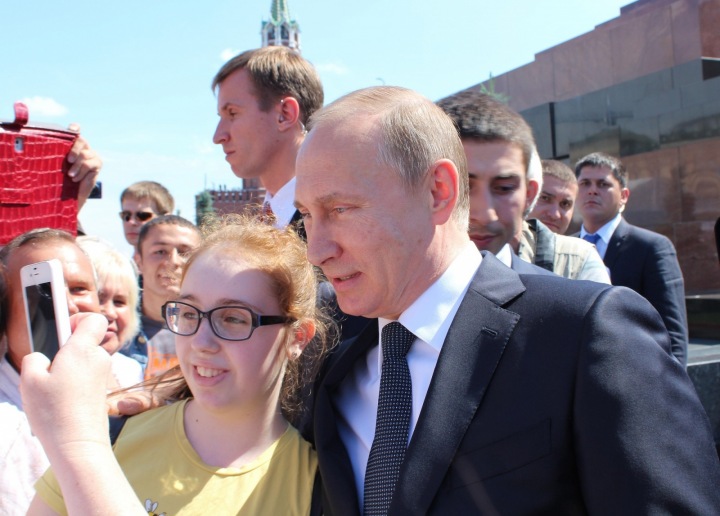
The character of Vladimir Putin, played by Jude Law, is portrayed as a quiet, cold, and systematic man who builds his way to the top step by step. Through Baranov, the film follows the transformation of Russian society from the collapse of the Soviet Union, through the wild nineties, to the period when power concentrates in the hands of one man, culminating in the annexation of Crimea. The story shows how politics turns into a show, how media ceases to be a mirror of reality and becomes a tool of manipulation, and how a new order based on fear, the illusion of stability, and a strong leader is born from chaos. The film thus does not offer a classic biography but rather a psychological probe into the backstage of power and the way a political leader can be created through image, symbols, and emotions.
The film was created as an adaptation of the novel by Italian author Giuliano da Empoli and directed by Olivier Assayas. It had its world premiere at the Venice Film Festival, where it was among the most talked-about titles and received a long round of applause from the audience.
Viewers and critics especially appreciated the performances. Jude Law as Putin is almost indistinguishable from his model, and Paul Dano as Baranov confirms his reputation as an actor capable of convincingly playing complex and dark characters. At its core, it is a story about how power is born in the modern world, not on the battlefield, but in television studios, in behind-the-scenes conversations, and in the manipulation of public opinion. The film questions where politics ends and theatre begins, and whether it is possible to separate reality from the image created by those who hold the reins.
Law stated that he did not enter the project naively and that he is not afraid of the consequences of his portrayal of the Russian president, writes 10news.
“I felt safe in Olivier's hands,”
said the actor.
“This story was meant to be told intelligently, with subtle nuances and attention to detail. We weren't interested in controversy just for the sake of controversy.”
The actor, who used prosthetics for the transformation, added that his Putin is "a character in a much broader story."
A Political Thriller Without Cheap Effects
The film The Wizard of the Kremlin distinguishes itself from traditional political thrillers by avoiding cheap dramatic effects and direct action scenes. Director Olivier Assayas builds tension subtly through conversations, silence, gestures, and behind-the-scenes dealings that reveal hidden power mechanisms. Although the film lasts 145 minutes, its rhythm is precisely constructed and gradually draws the viewer into a world where every move, every word, and every decision carries significance and has consequences.
An interesting contrast to the male world of power is the character of Xenia, portrayed by Alicia Vikander. This woman represents an unpredictable force for Baranov, something that cannot be controlled or manipulated. She symbolizes an alternative life that differs from the cynicism and manipulation prevailing in the Kremlin, and reminds us that there is also a moral and emotional dimension that power games often ignore.
Global media rated the film as an "alarming image of a period that is not yet over" and as a "disturbing guide to the functioning of contemporary authoritarianism." Critics point out that the Western European perspective on the post-Soviet space is often torn between the belief that it understands it and the reality that key historical and political contexts truly elude them. According to Latvian film publicists, this is reflected in the film as well, not only simplifying Russia's development after the fall of the Soviet Union but at times adopting rhetoric that shifts the responsibility for today's situation onto the West, especially the United States, writes the website LSM.lv.
Filming took place in Latvia because they couldn't shoot the film in Russia
An investigative Ukrainian journalist also joined the discussion, focusing in detail on the film's financing. In her work, she concentrated on the background of the creation of both the original and the film itself, as well as the ownership relations in the Latvian studio, which has long specialized in "masking" Latvia as Russia. This production encountered rejection from the Latvian Investment and Development Agency, which did not provide state support. The decision caused tension on an international level. The French side argued that it is an artistic work without political ambitions and that the refusal of support threatens the freedom of creation. The topic also appeared on the pages of the newspaper Le Monde.
The film was first presented in France at the Arras Film Festival. On a chilly November evening in 2025, a long line of viewers formed in the northern French city of Arras, eager to be among the first 900 attendees of the screening. Organizers described it as a "gripping geopolitical thriller where fiction dangerously approaches reality." Even then, it was clear that this was not an ordinary film title, but a project that would provoke questions and debates.
The film's budget reached approximately 561 million crowns (23 million euros), placing it among the most ambitious European productions of recent years. The director described it as an English-language film shot in Latvia, featuring American and Latvian actors, with a French crew, and aimed particularly at a French audience. Assayas himself hinted that the journey from the controversial literary source to the finished film was full of complications, not only artistic but also political and financial.
At the beginning of the film, a warning appears stating that it is a work of art and that the characters and their opinions are fictional. However, the viewer quickly recognizes that many of them have clear counterparts in reality. The inspiration included figures such as oligarch Boris Berezovsky, chess grandmaster Garry Kasparov, and former Russian President Boris Yeltsin. The story draws the viewer into the atmosphere of Moscow parties filled with alcohol and drugs, as well as into the backstage of the Kremlin, where decisions about the country's future are made. At the center of the plot is a communication and image strategist, whose task is to bring Putin as close to power as possible. On screen, he is portrayed by Paul Dano, and in reality, the character is inspired by Vladislav Surkov.
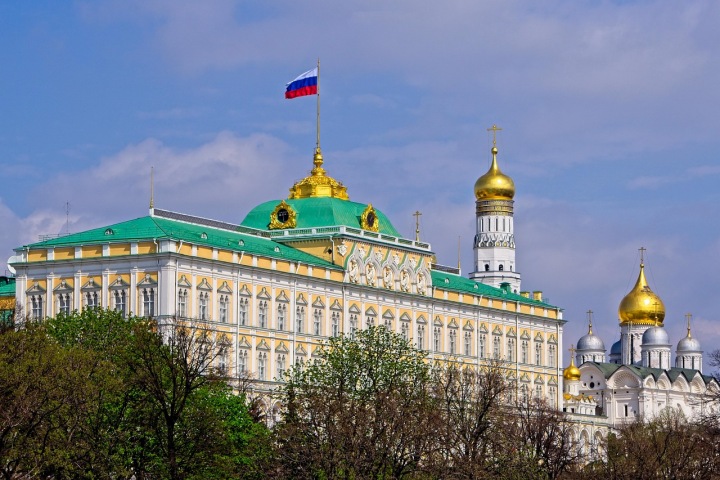
From a visual perspective, the film attracts with its appealing locations. In the trailer, you can recognize the historic estate Ungurmuiža near the city of Cēsis and parts of the fast roads in Riga, which, after adjustments to signs and details, resemble Moscow streets. Latvia thus once again shows itself as a country capable of playing any role, from Nordic cities to a post-Soviet metropolis.
However, questions remain regarding the overall tone of the film. According to critics, while it is understandable that actors are drawn to portraying dark and controversial characters, in this case, the characters remain rather flat and serve primarily as bearers of problematic statements. Figures inspired by real personalities from the Russian environment appear, from a biker gang leader to the head of a mercenary group, but without a deeper psychological layer.
Film critics also point out the paradox of the entire production: Western creators filmed a story about Russian politics in a country that was once occupied by the Soviet Union, at a time when Russia is waging war against Ukraine. According to them, this context cannot be ignored because it gives the entire project a strong ethical dimension. While the film tries to indicate why Russia resorted to aggression, it does so in a way that comes across more as a simplified overview of events rather than a deep analysis.
Putin as the Russian James Bond
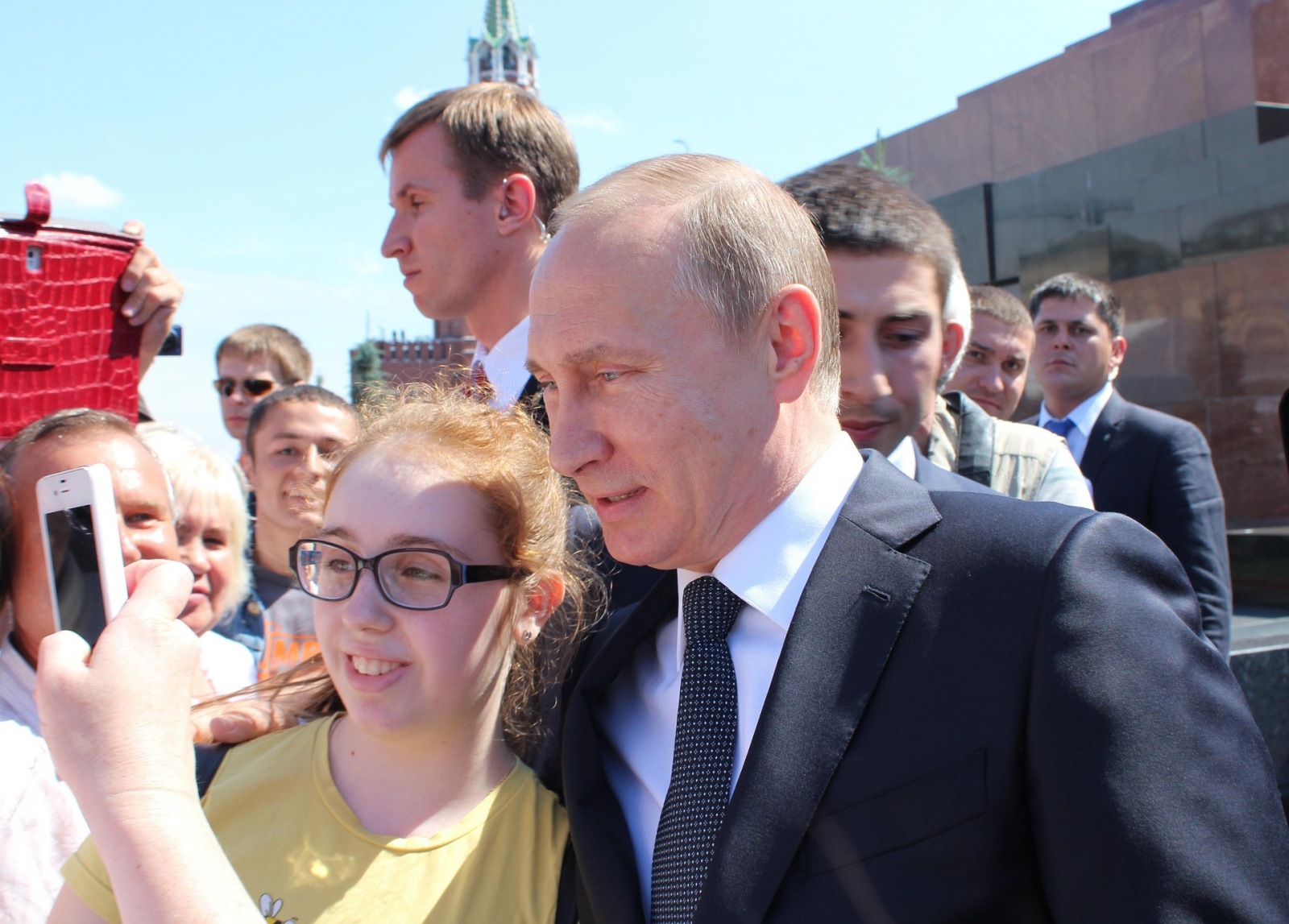
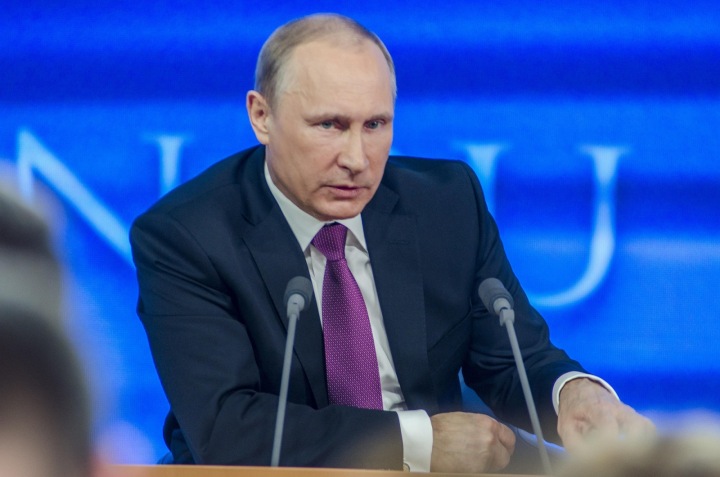
In the film The Wizard of the Kremlin, Jude Law portrays Vladimir Putin as a cold, strategic leader, whose rise to power is depicted almost like a political spy opera. The character is crafted as a strategist who gained his position due to youth, athletic build, and experience with secret services, an image quite far from reality. This approach of the film resonates with the myths propagated by Russian media, and the domestic audience often perceives it more as flattery than criticism.
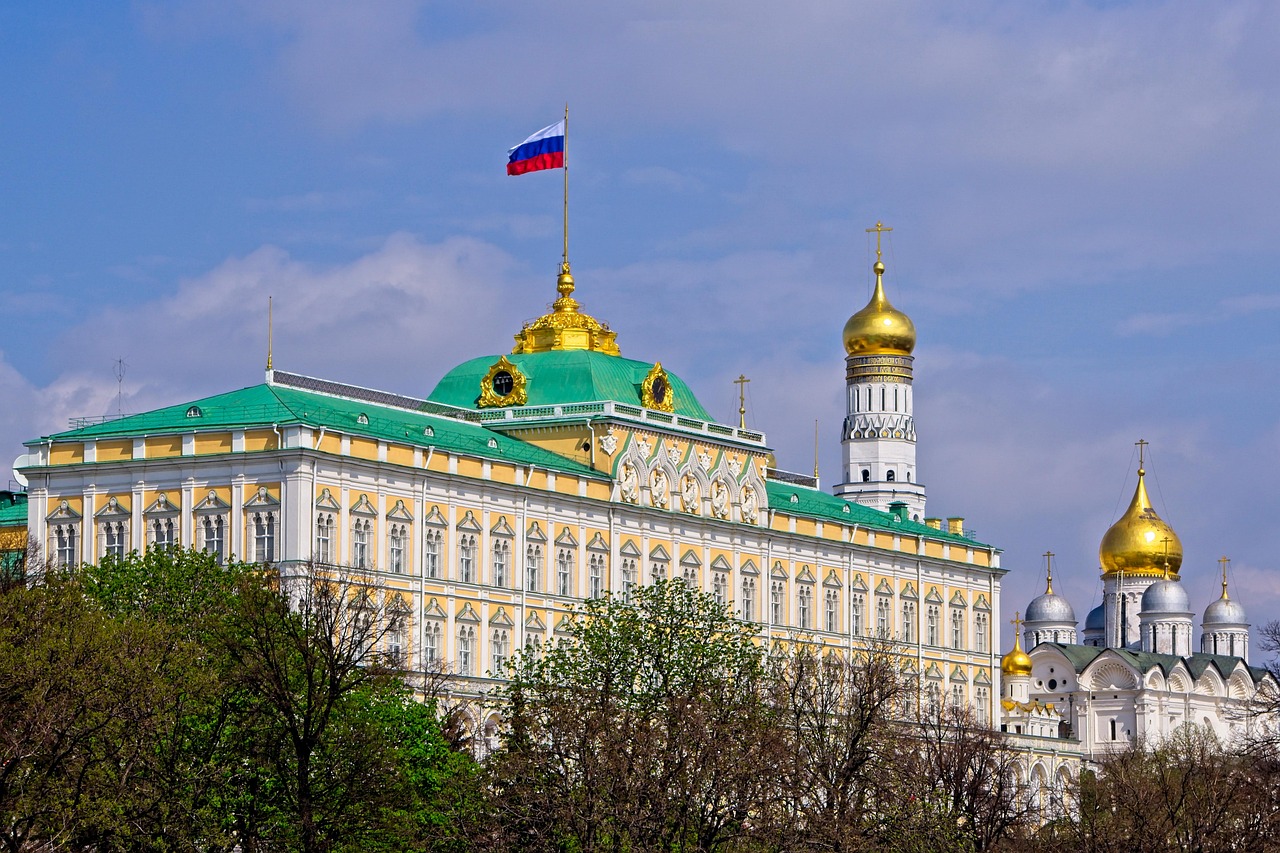
The Kremlin has long been creating an image of Putin as an infallible strategist, a person who always knows more than he reveals, and who can predict every decision. In recent years, Russian pop culture has depicted Putin as a secret agent or spy, inspired by visual parallels with James Bond, further intertwined with broader propaganda and cultural myth.
The film does not suggest that it is a documentary, but reveals the ways political evil and power mechanisms function. Some characters bear real names, including Putin, oligarchs Berezovsky and Gusinsky. Others are fictional but modeled after real political operators, such as Baranov after Vladislav Surkov. The film points out that the real Putin was chosen in the nineties not only for his abilities but mainly as a loyal and controllable candidate meant to secure the interests of influential oligarchs and the so-called The Family.
Power in Image and Myth
Assayas' film shows that Putin is not only an active player but primarily a symptom of the political mechanism. Through Baranov and the media apparatus, the film analyzes how images of power are formed, how public opinion is manipulated, and how politics transform into a theatrical performance. This perspective simultaneously illustrates a paradox: Western creators tell a story about Russian politics in a country that was once occupied, and in the context of Russia's current war against Ukraine, the film takes on a strong ethical and political dimension.
The outcome is thus perceived by many as a polished political thriller in a traditional style: a French director crafting a British story about Russian elites for a global audience. Visually attractive, star-studded, yet content-wise balancing on the edge between trying to critique and dangerously downplaying reality. The film raises questions not only about Russia and its politics but also about Latvia's role as a film set and where art ends and responsibility begins. The film The Wizard of the Kremlin has made its way to Czech cinemas as well.
Source: author's text, lemonde.fr, eng.lsm.lv, wsls.com