Vienna Opera Ball 2026: Why Sharon Stone Fled and How an MEP Misused Protocol for Her Campaign

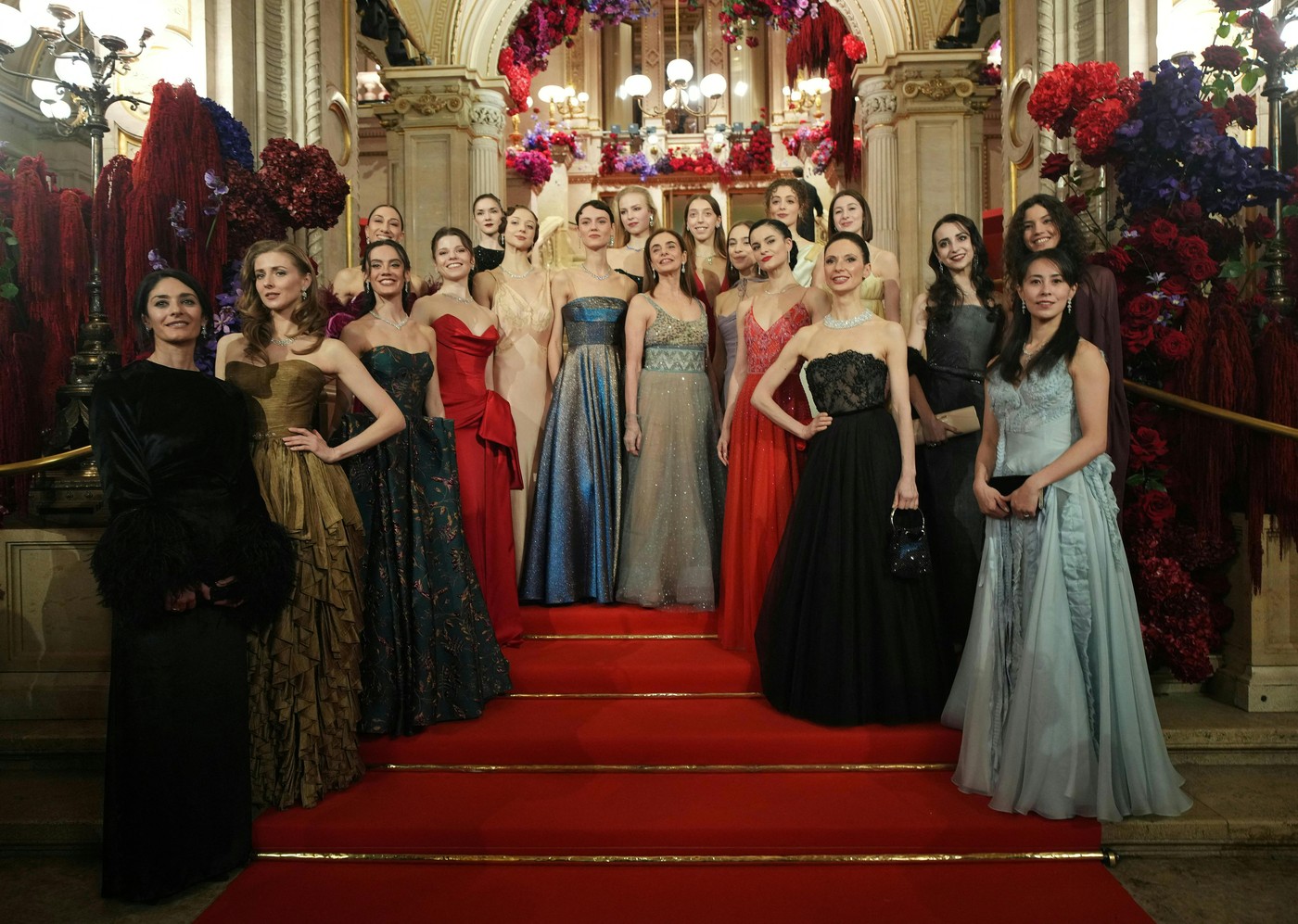
While in February 2026 the gates of the Vienna State Opera opened for the 68th edition of the legendary Opernball, the Austrian capital once again reminded us that high politics and culture are inseparable in its presentation. The event, which exceeds European borders in its prestige, is not just a ball but a living archive of rituals whose roots reach back to the new arrangement of the continent after the Napoleonic wars. Yet, even this year, minor scandals couldn't be avoided.
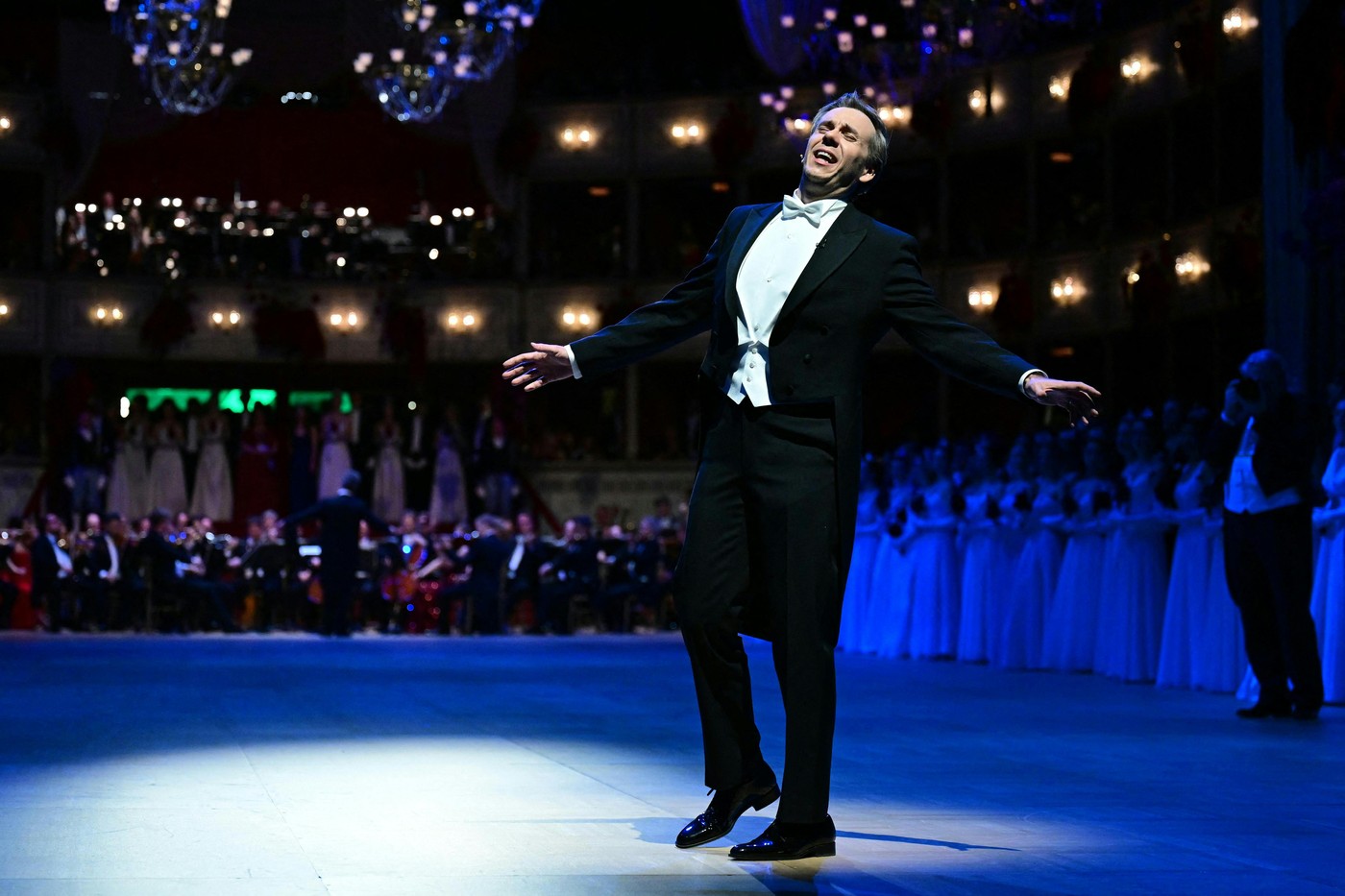
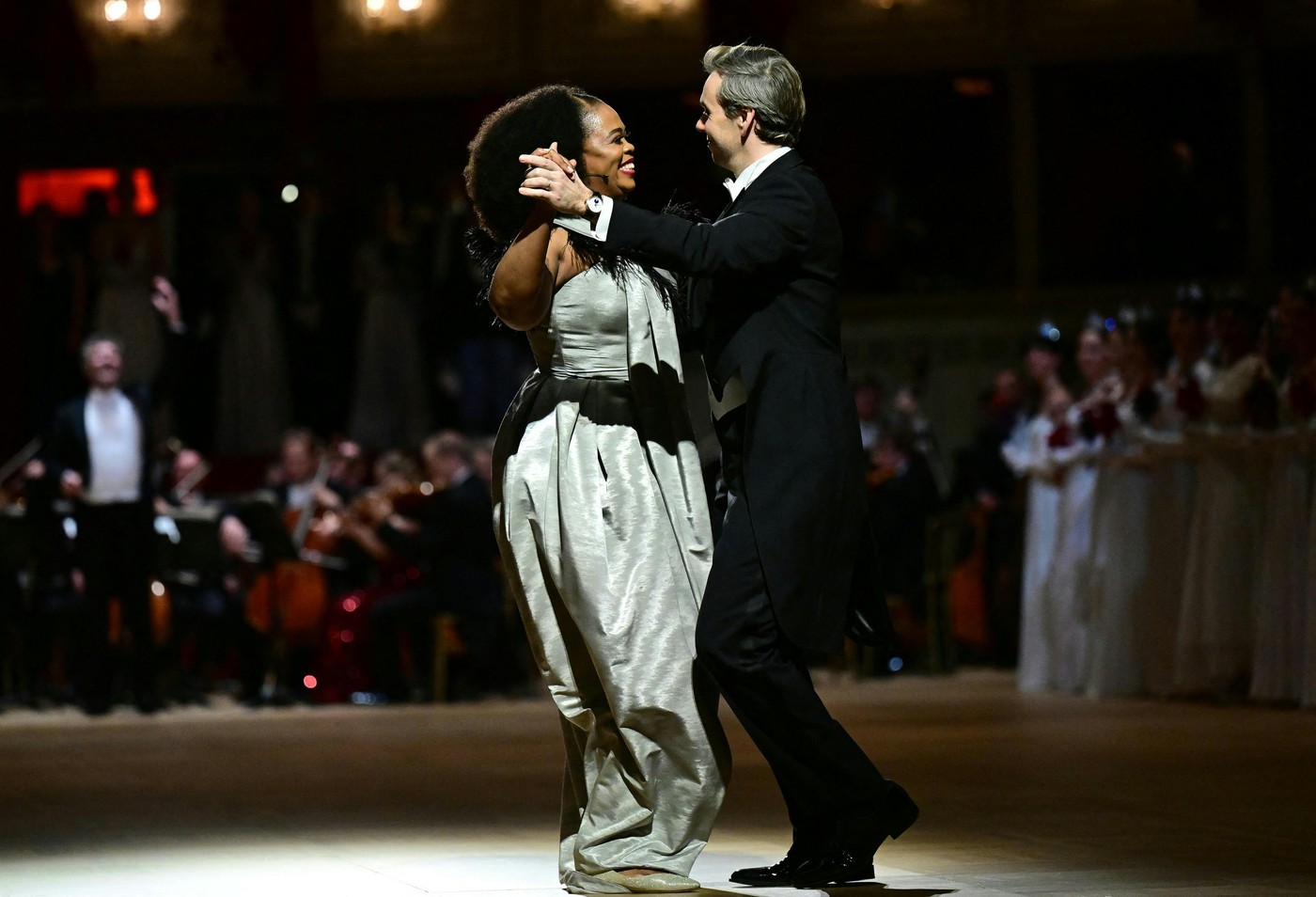
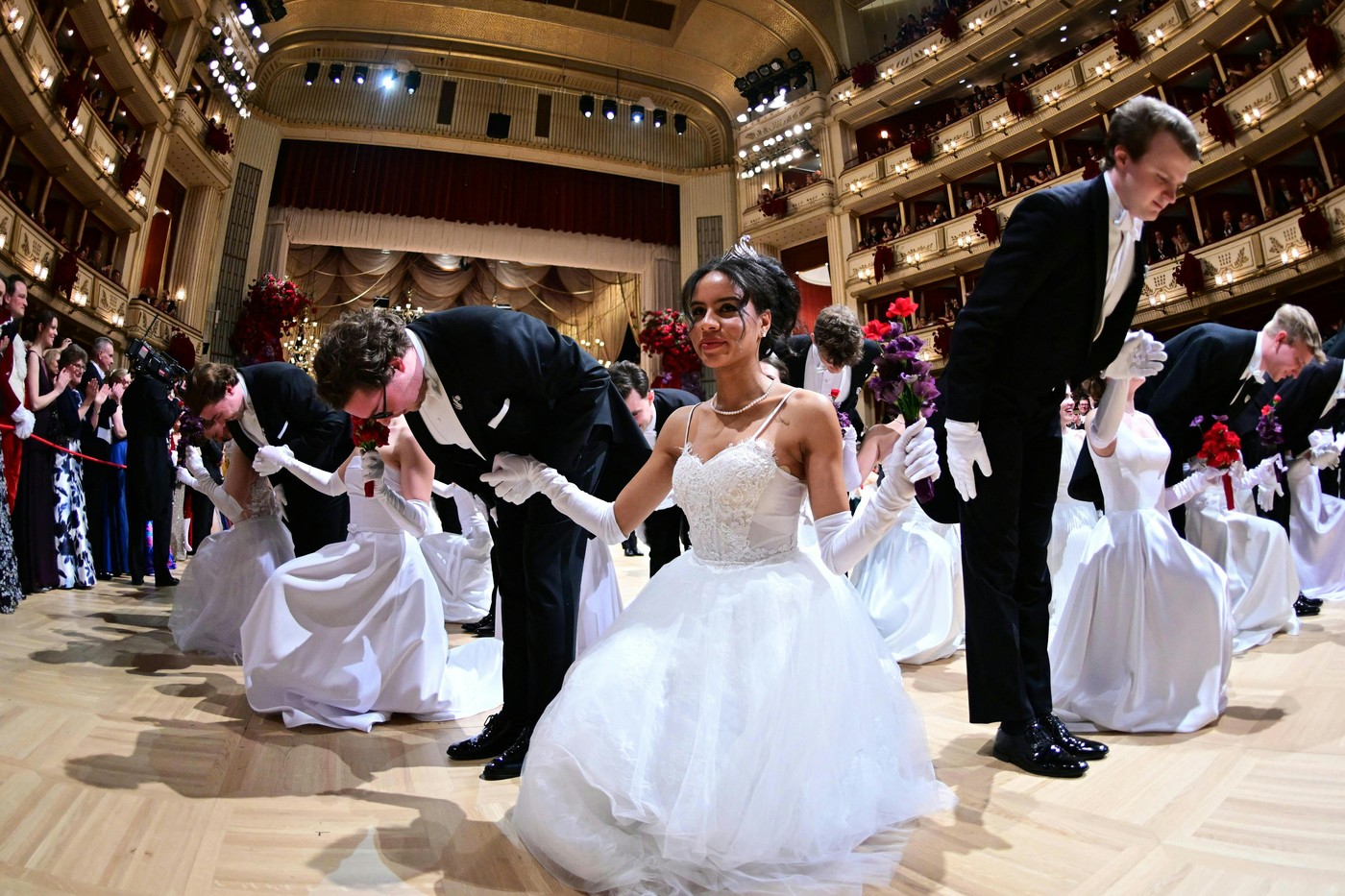
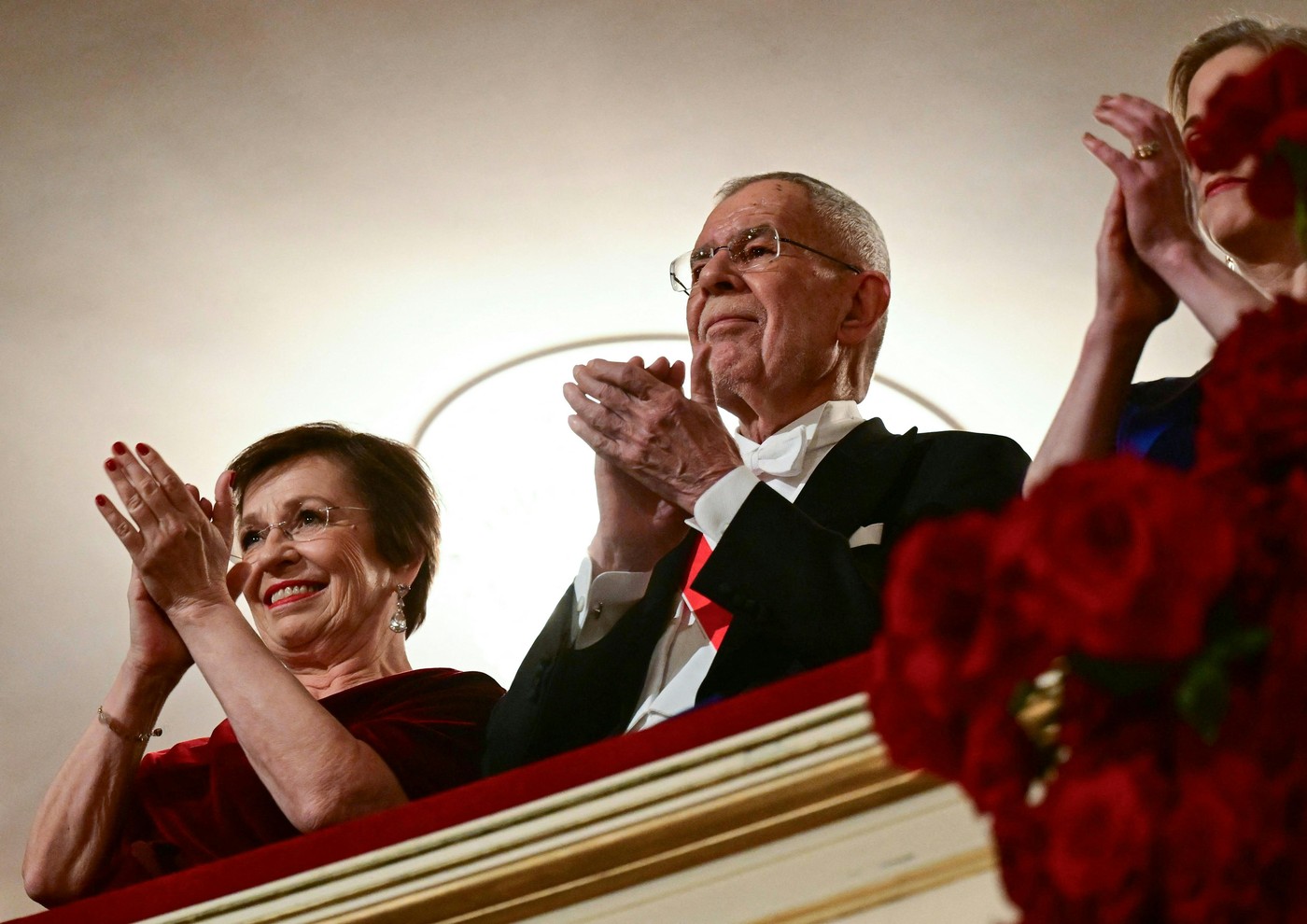
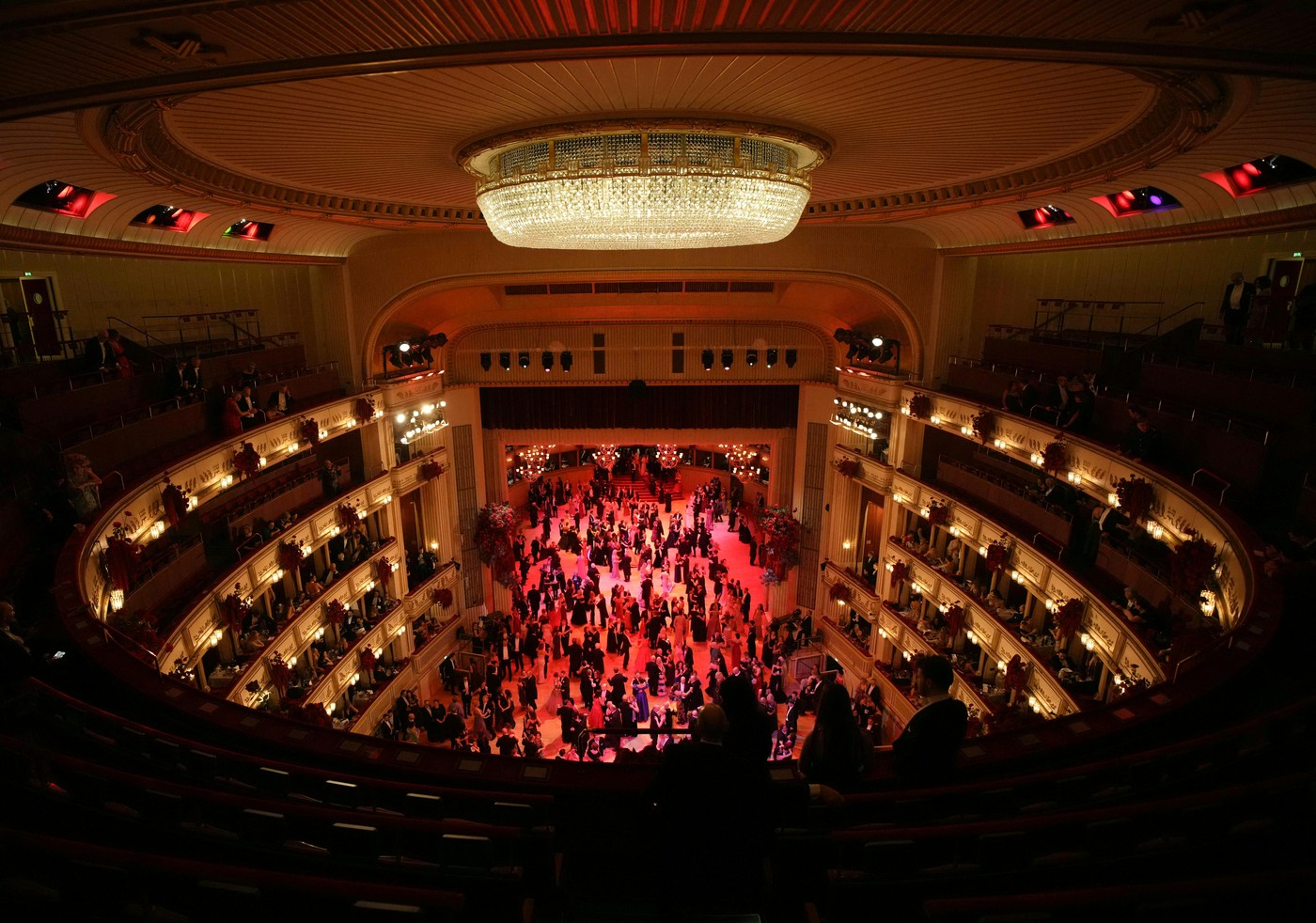
The ball at the Vienna Opera is the annual highlight of the ball season. The seats in the auditorium disappear, creating a huge dance floor where anyone who buys a ticket can dance. However, it is not a cheap affair. The most expensive tickets cost up to 18,000 EUR, approximately 455 thousand crowns. The evening, which is a symbol of luxury, attracts businessmen, politicians, and celebrities every year.
An event full of history
The roots of Viennese balls date back to 1814, when the famous Vienna Congress was held. After Napoleon's defeat, kings and diplomats gathered in the city to re-divide influence in Europe over maps. The almost daily balls, held in the salons of noblewomen, earned the name dancing congress. At that time, luxurious balls were not just entertainment, but primarily a diplomatic tool.
In the dance halls, informal agreements were made between the waltzes, which then dictated the fate of nations for decades. Today's Opernball directly follows this tradition. It is a place where influential politicians meet with businessmen over champagne in the safety of a building that has survived the fall of the monarchy and two world wars.
Luxury in the Shadow of Unrest
The opera ball is not just a showcase of luxury, but also a traditional magnet for street unrest known as Opernballdemo. For left-wing activists, this night represents the pinnacle of the elites' extravagance, which regularly provokes strong opposition. The tradition of protests began in 1968, but Vienna experienced its most turbulent atmosphere at the turn of the 1980s and 1990s under the leadership of the Green Alternative. At that time, up to three thousand demonstrators clashed with the police in the streets.
Bizarre peak was reached by the protests in 2000, when the Freedom Party of Austria (FPÖ) joined the Austrian government. Actor Hubert Kramar shocked the public at that time by attempting to infiltrate a ball disguised as Adolf Hitler. Although the intensity of these conflicts has gradually faded over the last decade, these demonstrations remain an important reminder that Vienna's glamour also has its dark, politically charged side.
Discipline in White and Black
Upon entering the Opernball, there is no room for compromise. The prescribed dress code requires the absolute pinnacle of social hierarchy: White Tie. For gentlemen, a tailcoat is mandatory, a garment that adheres to strict, almost geometric rules. The tailcoat with its characteristic tails is never buttoned, its cut must perfectly fit the body so that the white vest made of cotton piqué stands out underneath. This vest must not extend more than two centimeters beyond the coat line, a detail upon which the social reputation of participants stands in the eyes of Viennese arbiters of elegance.
The white hand-tied bow tie is essential, as are black patent leather shoes and black knee-high socks that must not reveal even a millimeter of skin. This uniformity has a profound meaning. In a hall full of tailcoats, individual eccentricity disappears, and collective respect for the institution of the ball comes to the forefront. The same discipline is demonstrated by the debutantes' entrance. Ladies in large white evening gowns are adorned with uniform tiaras. This steadfastness in adhering to formal rules is what makes the Vienna ball a world-class unique event, resistant to the changing fashion trends of modern times.
Royal Elegance and This Year's Scandals
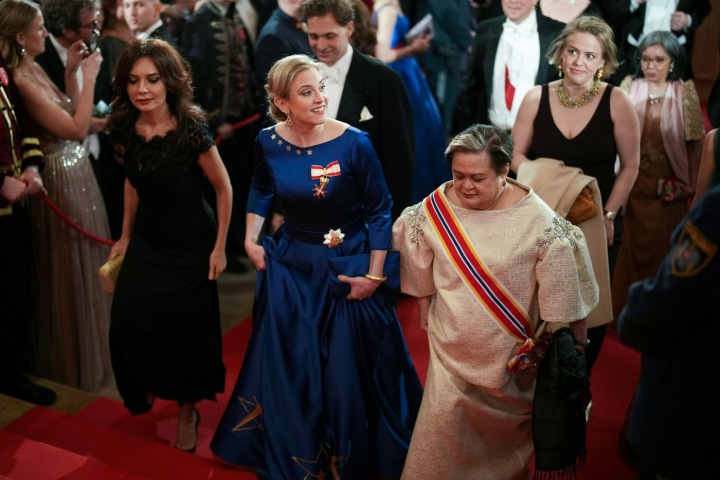
The undeniable stars of the evening were the twins Lady Eliza and Lady Amelia Spencer, nieces of Princess Diana. Cousins of Prince William and Harry wore gowns by Oscar de la Renta, complemented by Chopard jewelry. Their presence brought an authentic touch of British aristocracy to the opera, and both were listed among the best-dressed women of the evening by fashion editors (such as the magazine Hello!).
In close pursuit was Hollywood legend Sharon Stone, who attended the ball as an honorary guest. Although she arrived in stunning attire, shortly after giving interviews and praising this year's event, she left the ball abruptly. It was speculated that she suffered a panic attack. She later returned but did not step onto the dance floor. "It was incredibly crowded, fans were shouting at her. It was too much for her," described German Bild reporter Tobias Render.
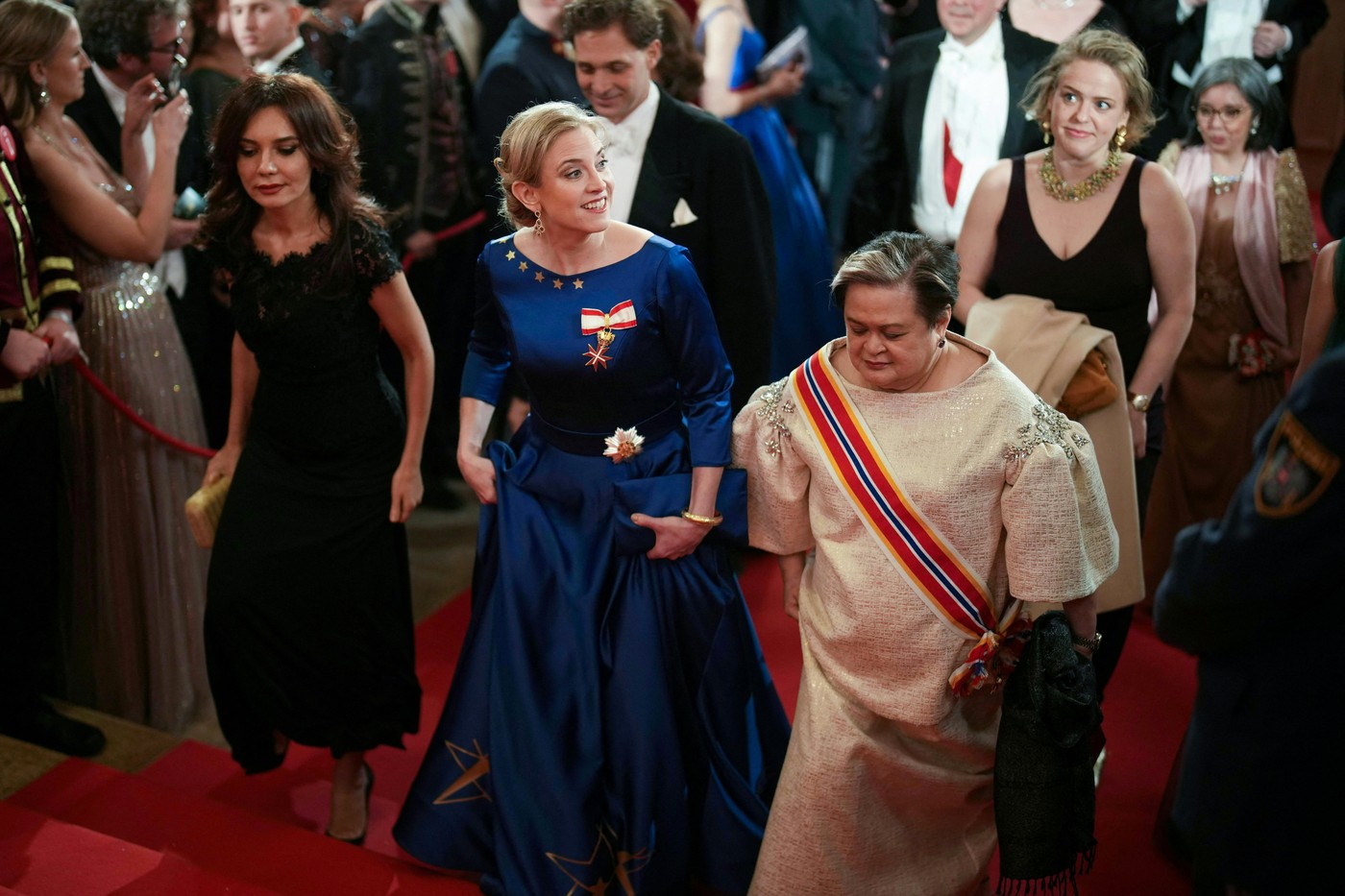
A stir was also caused by Austrian MEP Lena Schilling, whose gown was spiced up with a banner demanding the introduction of an inheritance tax for the super-rich and more intensive climate protection. However, it was not well-received by fashion critics, and instead, it sparked debates about the boundaries between fashion and political presentation at such a formal event.
Return to Swan Motifs
Nevertheless, this year's edition was once again a showcase of elegance, sophistication, and luxury. The debutantes' tiaras, resulting from a seventy-year partnership with the brand Swarovski, garnered significant attention. This year's design, inspired by the iconic swan, featured exactly 315 crystals.
However, the evaluation of men's fashion remains relentless. While most guests adhered to the prescribed White Tie, the fashion police once again focused on details of men's tails. Frequent targets of criticism were the lengths of white vests and the proper tying of bow ties. Austrian media noted that even minor deviations from the given protocol degrade the overall impression, regardless of how expensive the outfit the individual wore.
In summary, the ball in Vienna is not a place for fashion fads or a cheap attempt to shock. This is exactly what makes it one of the most significant events in the world.
Source: dailymail.co.uk, austria.info, OE24.tv