TRANSLATED INTO ENGLISH, CHECKED: I'm marrying a man from the Hamar tribe: Before the wedding, I was whipped. For them, it's a proof of love.


For a person from Europe, such an image can appear shocking. For the Hamar, however, it is one of the highest expressions of love, devotion, and belonging. If a Czech woman were to marry a man from this tribe, she would quickly understand that pain can have a completely different meaning in another culture.
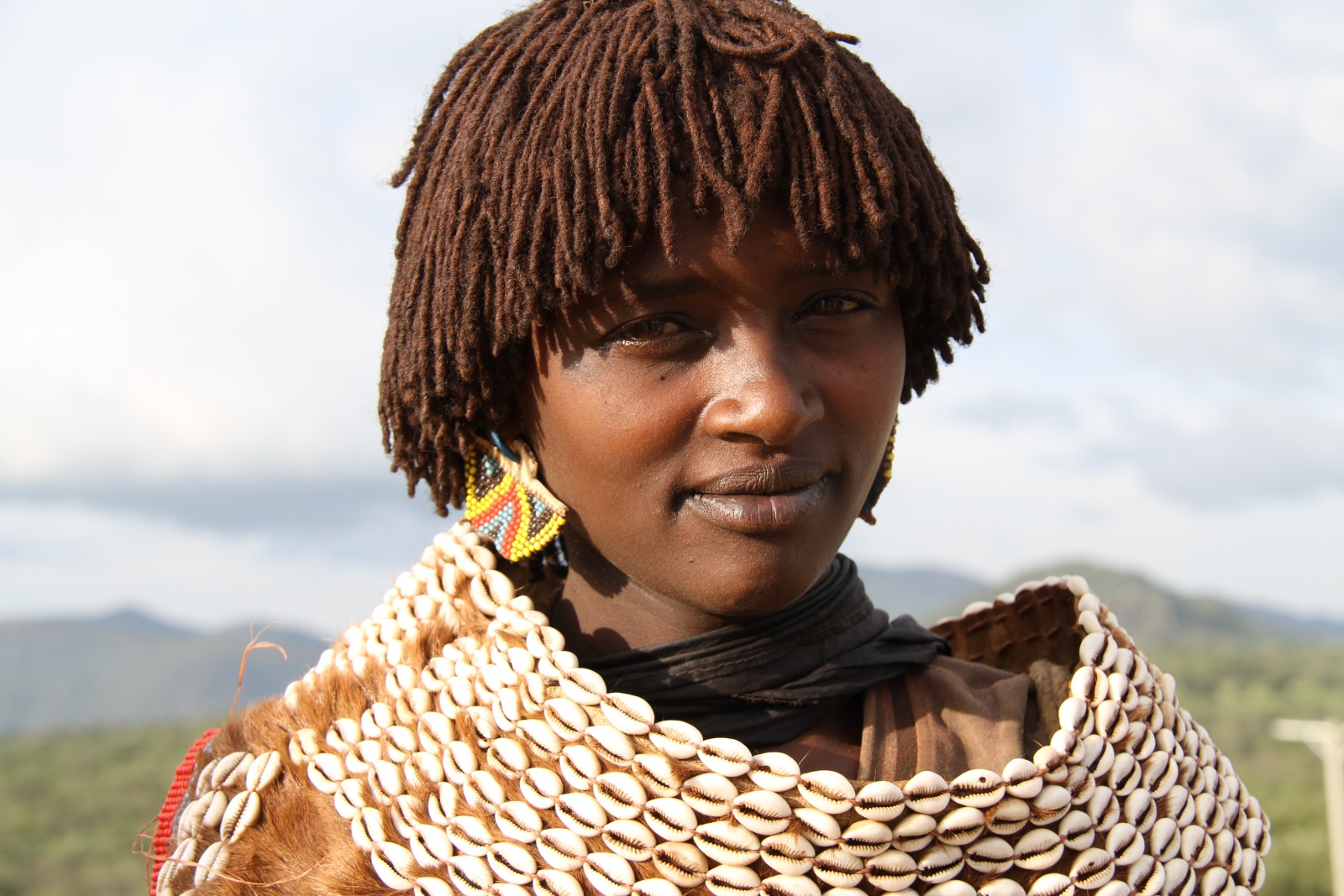
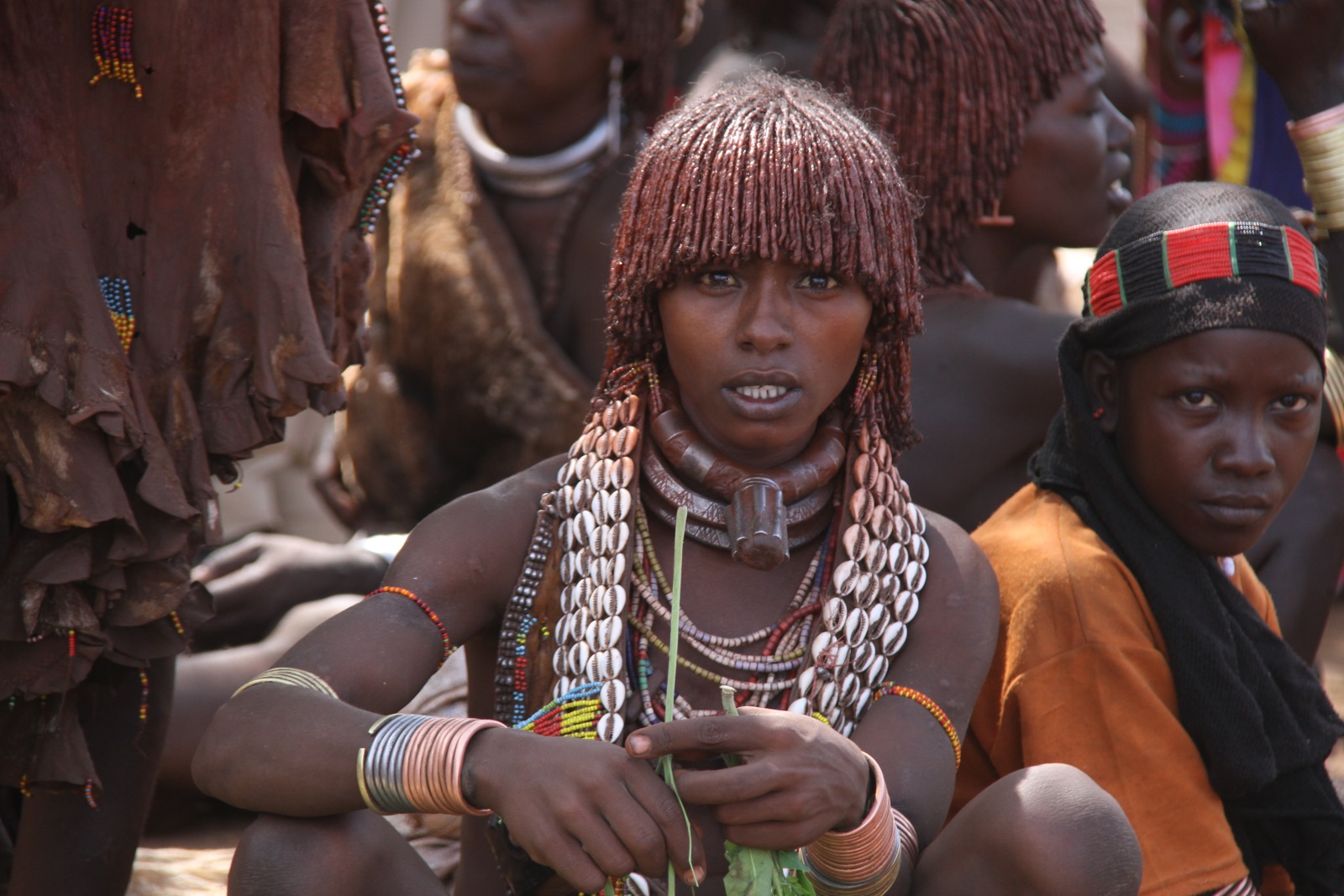
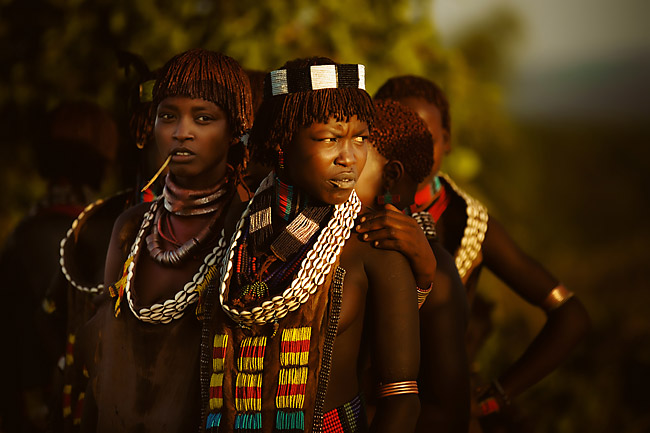
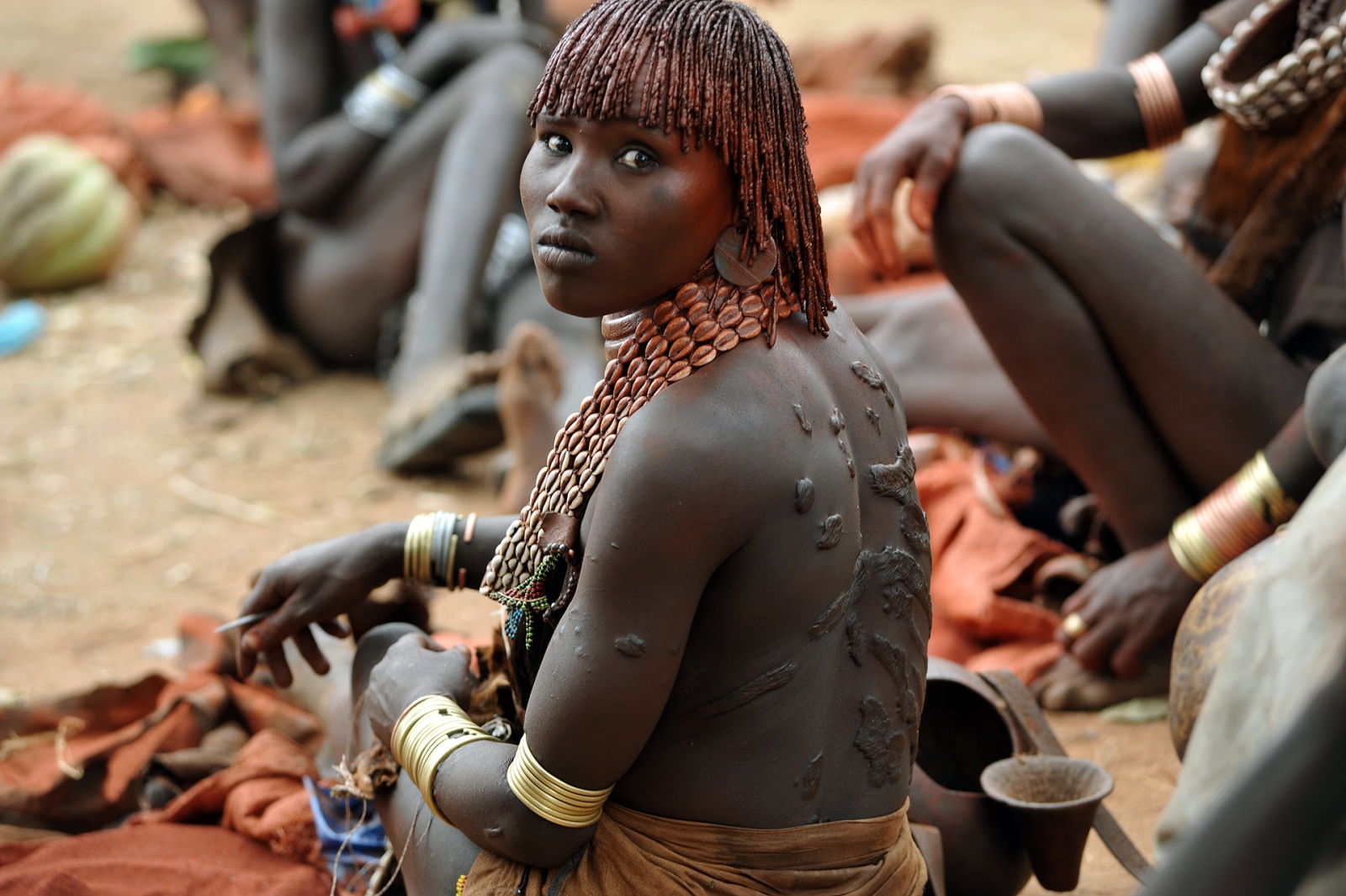
The Hamar people live in the Omo River Valley in southern Ethiopia. They are one of the most well-known ethnic groups in a region renowned for its extraordinary cultural diversity. Many local tribes have preserved their traditional way of life, which is based on cattle herding, family ties, and rituals passed down from generation to generation. The life of the Hamar revolves around family and livestock. Cattle represent wealth, prestige, and the foundation of the economy. This is why many significant ceremonies are associated with cows and bulls, writes the Encyclopaedia Britannica.
Ceremony That Decides the Future of a Man
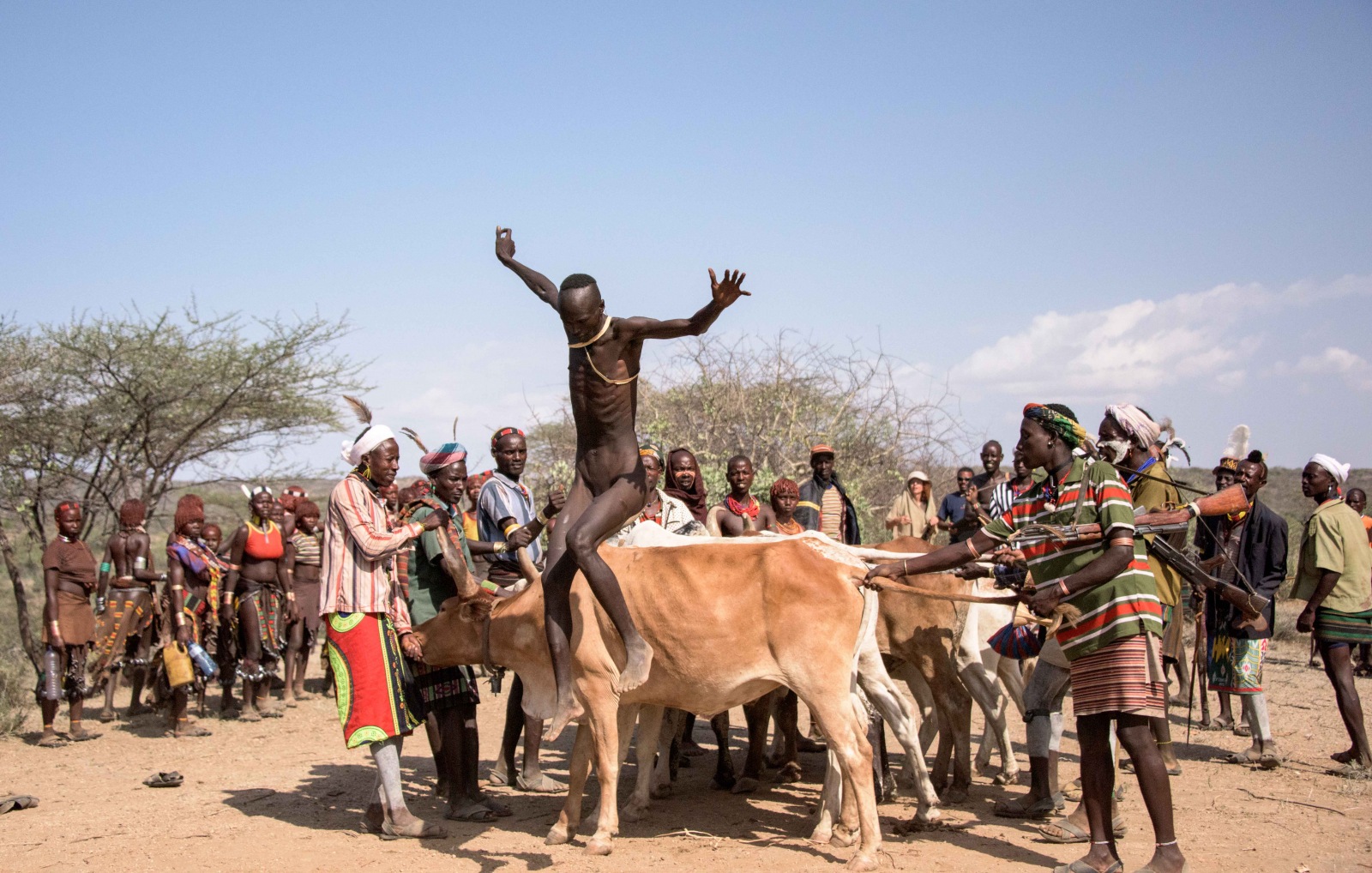
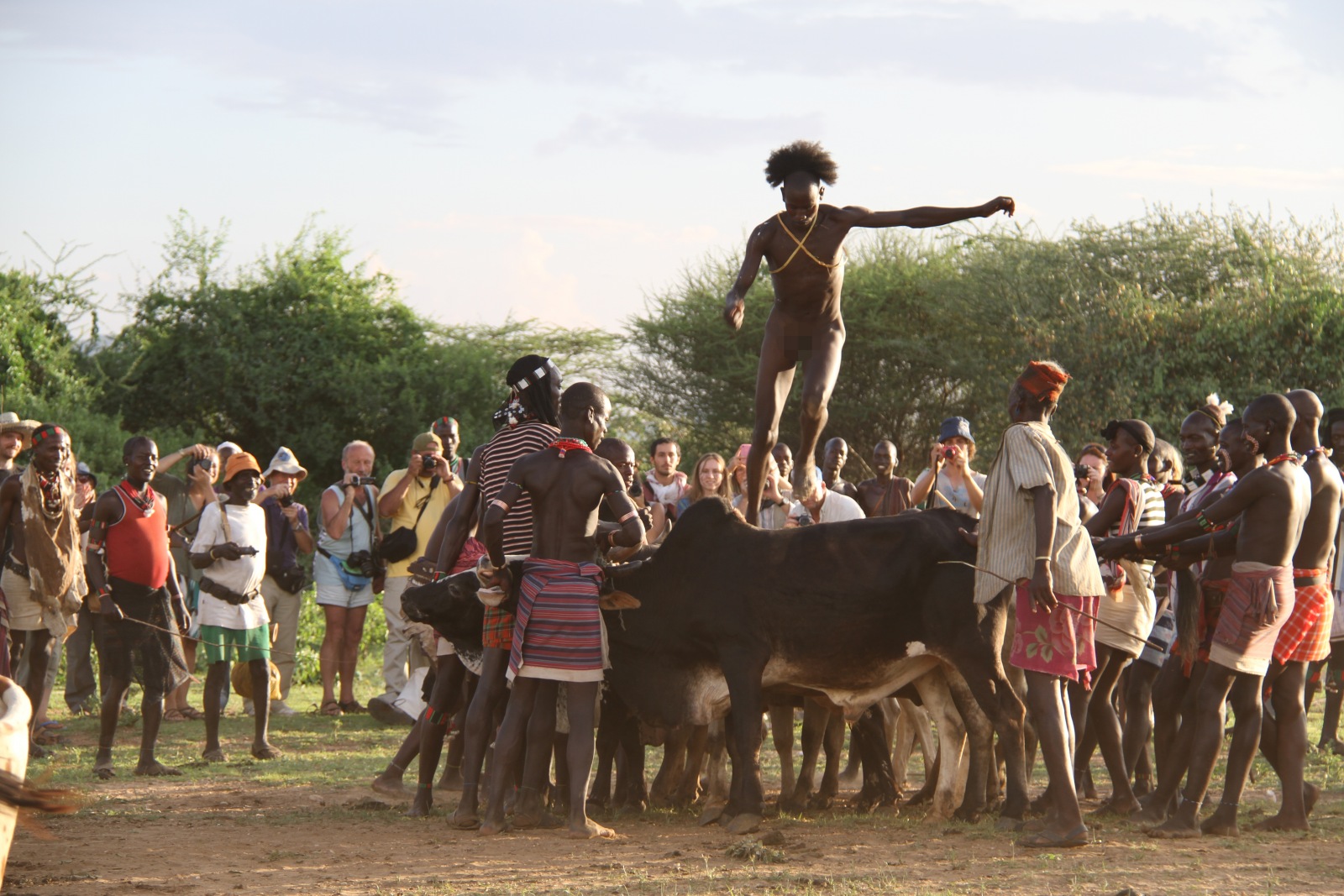
The most well-known ritual of the Hamar is the Ukuli Bula ceremony, often referred to as bull jumping.
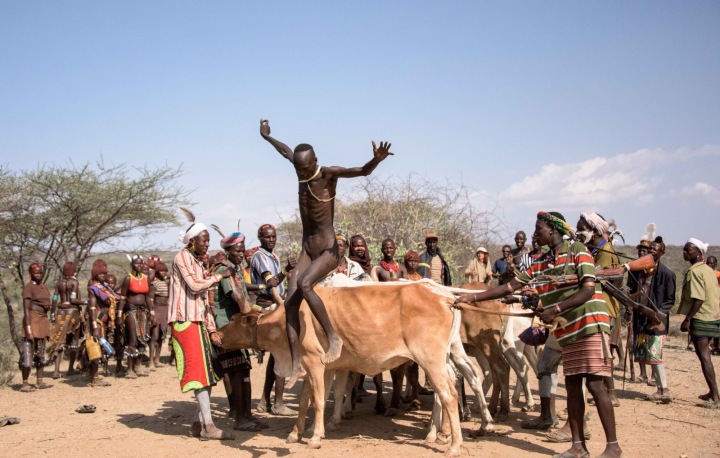

It is an initiation ceremony during which a young man symbolically transforms into an adult member of the community.
The prospective groom must run several times across the backs of lined-up bulls without falling. If he succeeds, he gains the right to marry, start a family, and own a herd. If he fails, he must wait for another opportunity.
For local residents, it's not a tourist attraction, but one of the most important moments in a man's life.
Women Who Voluntarily Request Whipping
The biggest shock, however, comes when women participate in the ceremony. During the celebration, female relatives of the young man voluntarily request men from the community to whip them with long sticks.
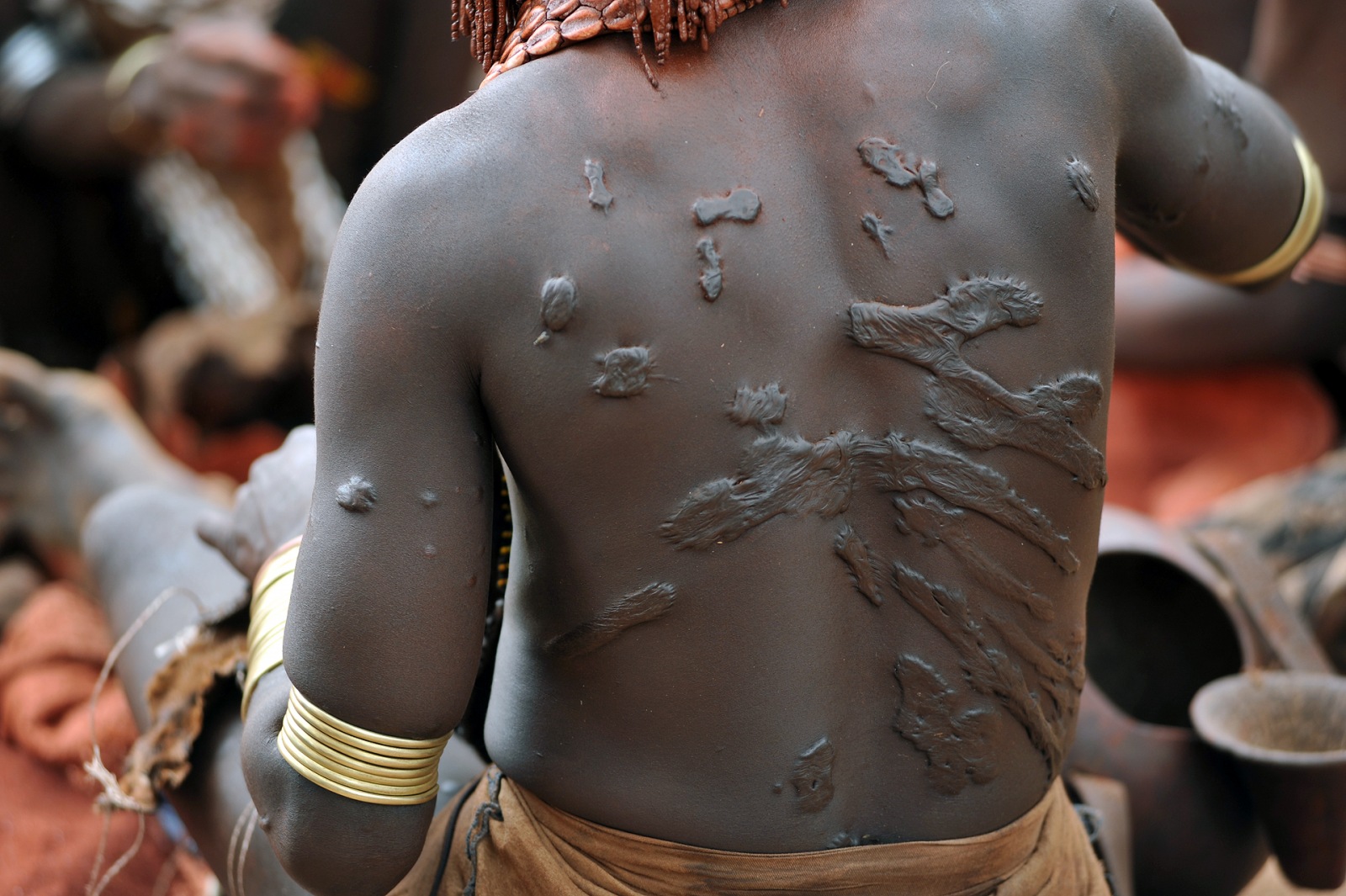
The blows tend to be deep and bleeding. Many women scream, dance, and encourage others during the ceremony. To an uninvolved observer, the entire ritual may appear violent. But in the eyes of the Hamar, it is an expression of loyalty to the family.
The woman thereby shows that she is ready to support her relative for life. If the man encounters problems in the future, it is precisely the women with scars on their backs who can expect his help and protection, writes the portal Africa 101 Last Tribes.
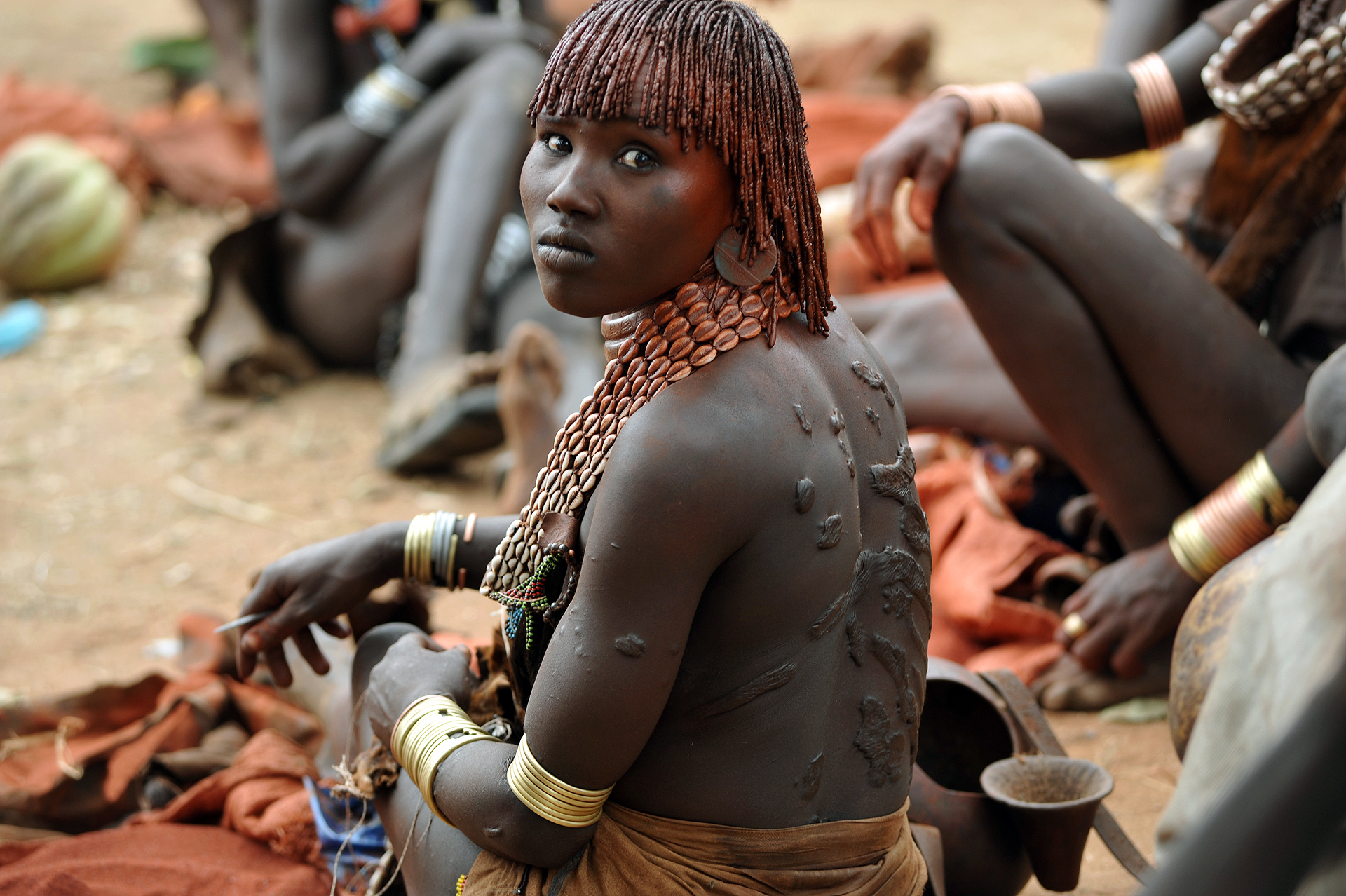
What a European might consider an injury is a source of pride for women of the Hamar tribe. The scars remain on the body for life and represent evidence of courage, devotion, and the ability to endure suffering for the good of the family. The more prominent the scars a woman has, the greater respect she can gain in the community. Some women even undergo whipping repeatedly during several ceremonies of their brothers or other male relatives.
For the Hamar, scars are not a sign of weakness. On the contrary, they are proof of a strong character.
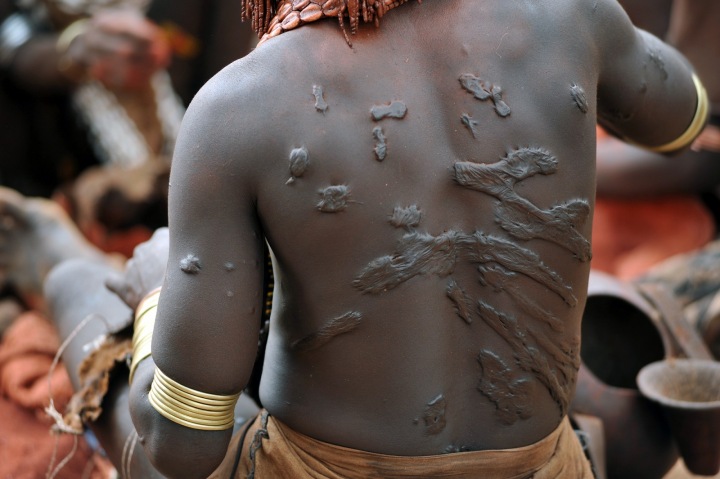
For the women of the Hamar tribe, beauty is not just about appearance. Courage, hard work, and dedication to family play equally important roles. Scars from whipping are therefore not seen as something a woman should hide. On the contrary, many wear them with pride, as they demonstrate their willingness to endure pain for their brothers and other male relatives, reports the portal Qiraat Africa.
In the Hamar community, women hold a significant position. They take care of the household, children, food preparation, and managing the farm. A young bride is expected to be capable of handling the challenging living conditions in the semi-desert areas of southern Ethiopia.
What a Hamar Bride Looks Like
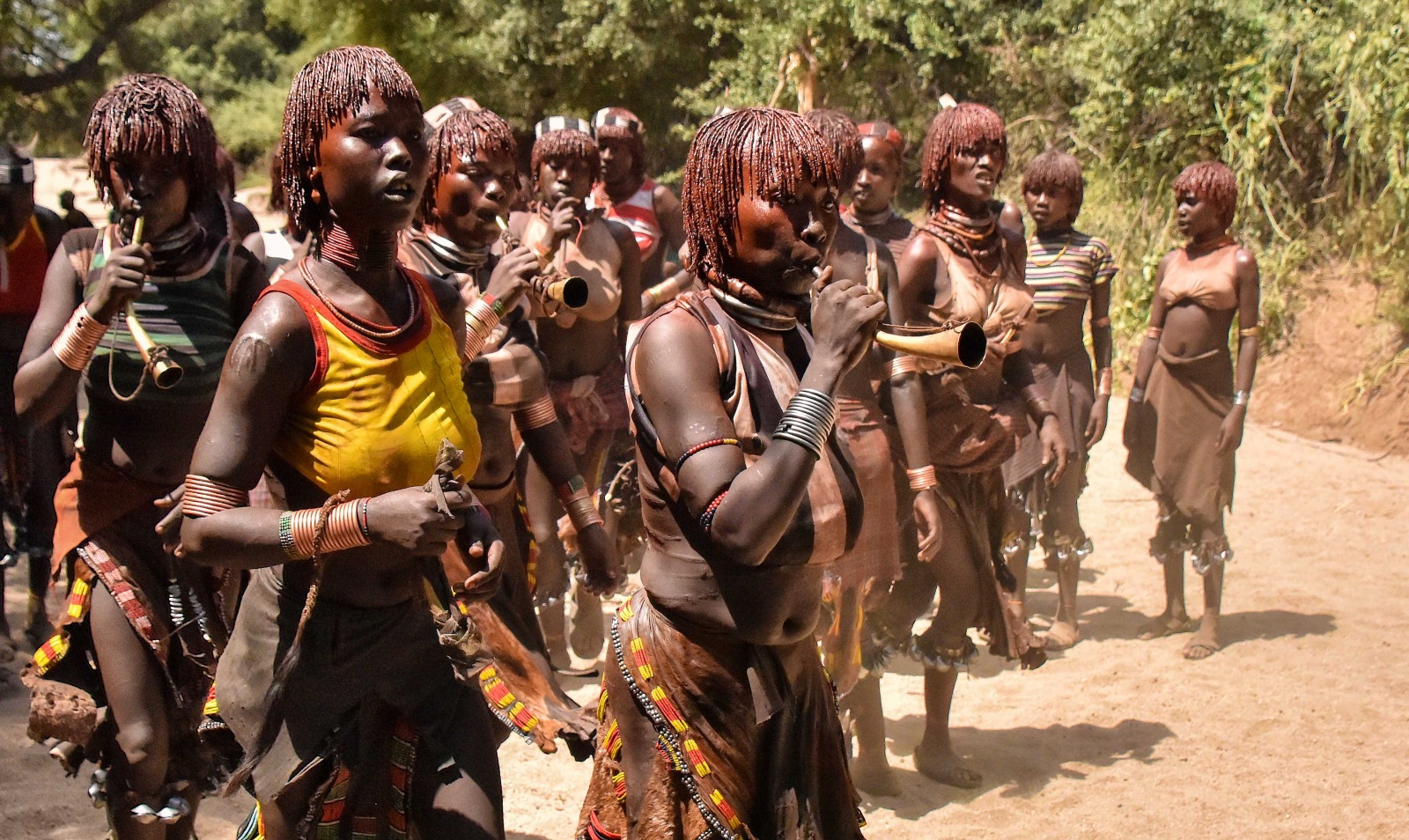
Women from the Hamar tribe are known for their distinctive appearance. They apply a mixture of butter, water, and red clay to their hair. The result is striking red strands, which are among the most well-known symbols of their culture.

They wear rich beaded necklaces and metal ornaments. Married women can be recognized by metal collars around their necks. These symbolize their family status and position in the community.
Beaded ornaments, shells, and metal elements are often passed down from generation to generation and represent family heritage.
Before the wedding, cattle matter
If a Czech woman wanted to marry a man from the Hamar tribe, she would quickly find out that a wedding is not just a matter of feelings. Livestock also plays a big role. Cows and bulls represent the most valuable property of the family and are also a symbol of social status. Before entering into marriage, it is customary for the groom's family to provide a certain number of livestock to the bride's family. Such an exchange is not seen as purchasing the bride but as a confirmation of the seriousness of the relationship and commitment between families. For the Hamar, marriage is not just the union of two people. It is about creating a new alliance between families that can last for generations, writes the Joshua Project.
The Wedding Belongs Not Only to the Bride and Groom
The wedding ceremony itself is primarily a family event. Relatives from nearby and distant communities participate. The celebrations are accompanied by music, singing, dancing, and shared feasts.
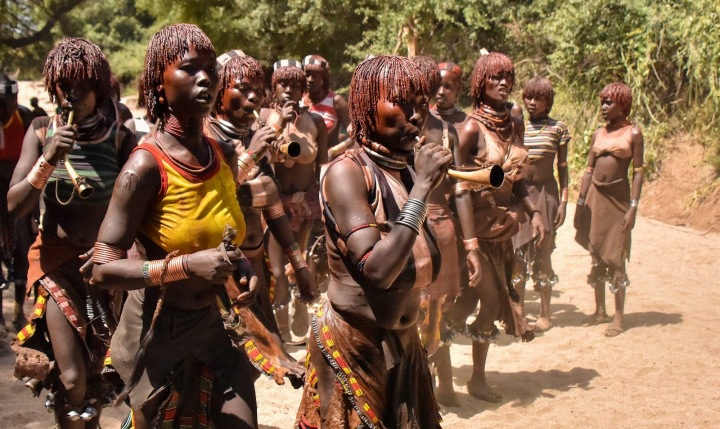
During the ceremony, the newlyweds become part of a broader network of relationships and commitments. The bride's family and the groom's family mutually affirm an alliance that will continue even after the wedding.
For the Hamary, the most important moment is not the exchange of vows itself, but the confirmation that both families will stand by each other in the future.
Dance, singing, and a celebration lasting for days
Wedding celebrations among the Hamary are among the most significant social events. Families prepare for several days and a large part of the community gets involved in organizing. During the celebrations, traditional songs are sung, which tell stories of ancestors, family ties, and significant events. Men and women dance in circles accompanied by drums and rhythmic singing, writes the portal Bradt Ethiopia Update.
Feasts are usually lavish and can last several days. Animals are slaughtered, meat is prepared, and the food is shared among the guests. The bigger the celebration, the higher prestige the newlyweds' family gains.
The Man Must Prove Himself
Before a man can start a family, he must demonstrate that he is ready to take on the responsibilities of a future household. This is why the bull-jumping ceremony is of such significance. Successfully passing the test means that the young man becomes a fully-fledged adult member of the community. He gains the right to marry, own livestock, and participate in decision-making regarding family matters.
If he falls during the ceremony, his path to marriage may be postponed by another year.
A man can have multiple wives
The traditional Hamar society allows men to have multiple wives. Wealthier men with more animals can establish extensive families. Each wife has her responsibilities and contributes to the running of the household. Although some traditions are changing under the influence of modernization, the family remains the foundation of social life. Children are considered a great blessing and the continuation of the lineage.
After marriage, couples are expected to start a large family. Children represent the continuation of the lineage, future workforce, and also security for parents in old age.
The birth of a child is often a reason for the entire community to celebrate. The family gains higher status, and the new parents become an even more important part of society.
Life Between Tradition and the Modern World
The Hamar tribe is also gradually encountering the modern world. More and more tourists are arriving in the region, schools are being established, and the younger generation is coming into contact with technology. Nonetheless, many traditions remain surprisingly strong. The bull-jumping ceremony still takes place, women continue to adorn their hair with red ochre, and family remains the highest value. Although some customs are changing, the Hamar are among the communities that exceptionally protect their cultural heritage.
Marrying a man from the Hamar tribe? Marriage to a man from the Hamar tribe would mean entering a community where traditions still hold tremendous power. A woman would find herself in a world where scars represent honor, a herd of cattle symbolizes wealth, and family stands above everything else.
The story of women who voluntarily offer their backs to the whip is not just a story of pain. It is primarily a story of a culture that interprets devotion and love completely differently than we are used to in Europe. Where a European sees suffering, the Hamar see proof of belonging. And that is why entering such a family can be one of the greatest cultural shocks imaginable for a Czech woman.
Source: author's text, Qiraat African, 101 Last Tribes, Joshua Project, Bradt Ethiopia Update, Encyclopaedia Britannica, Smithsonian Magazine, G Adventures, Lonely Planet, Cultural Survival, Africanews.