TRANSLATED INTO ENGLISH, CHECK: Petr Pavel and his million-dollar presidential package. Does the Czech head of state earn more than is still "normal"?


The level of presidential salaries regularly raises questions about whether such amounts are adequate or already too distant from the reality of ordinary people. While a large part of society is dealing with rising energy, food, or **byt/top** prices, the highest constitutional officials receive monthly amounts that many employees do not earn in an entire year. Critics often point out the growing gap between the living standards of politicians and ordinary people, while supporters of high salaries argue that the head of state represents the country on an international level and bears enormous responsibility.
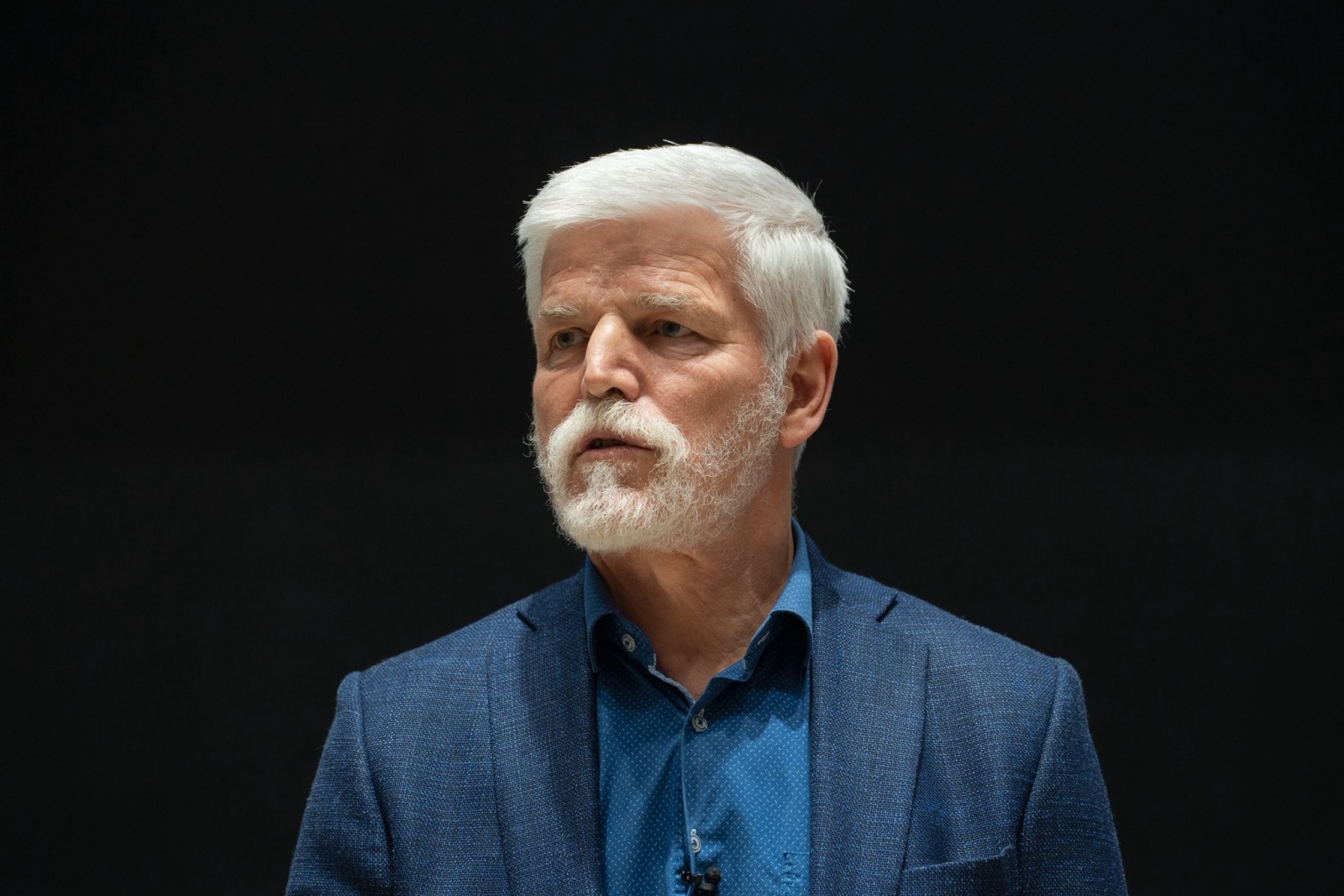
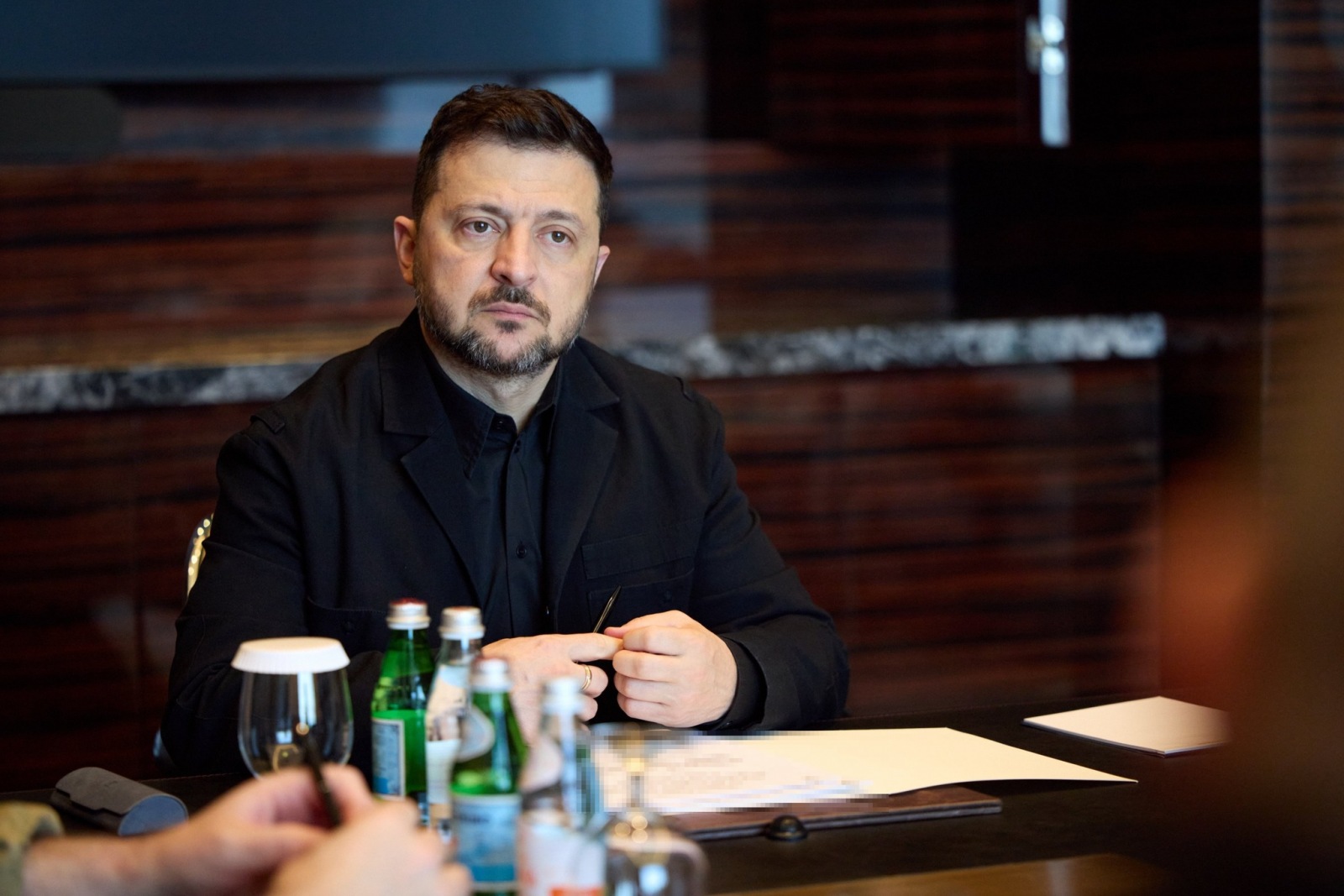

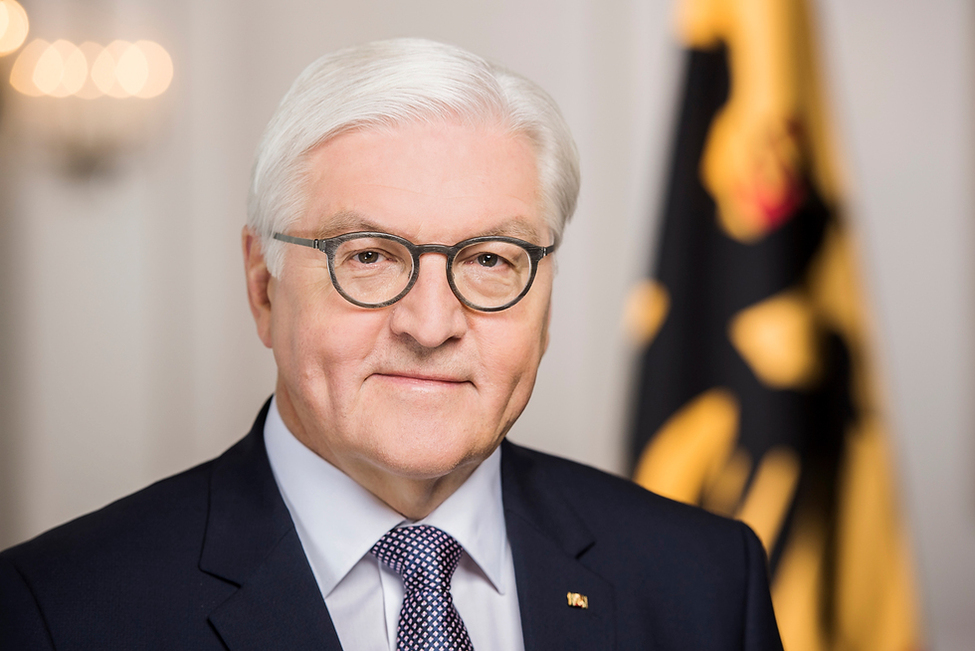
The discussion about presidential salaries is not only being held in Slovakia or the Czech Republic. Similar topics regularly resonate in Poland, Hungary, Austria, or the United States. In some countries, the public questions the high incomes of presidents, and in others, the benefits and compensations they have access to even after their terms end. The differences between individual states are enormous - from relatively "modest" European salaries to million-dollar amounts in the USA.
In recent months, Czech President Petr Pavel has come into the spotlight. The public is increasingly interested not only in his demeanor and political actions but also in how much the Czech head of state actually earns and what other benefits are associated with the presidential role. The figures, which are derived from law, may be surprising for many.
Let's gradually take a look at some presidents around the world and what salaries, compensations, and benefits their roles actually bring them.

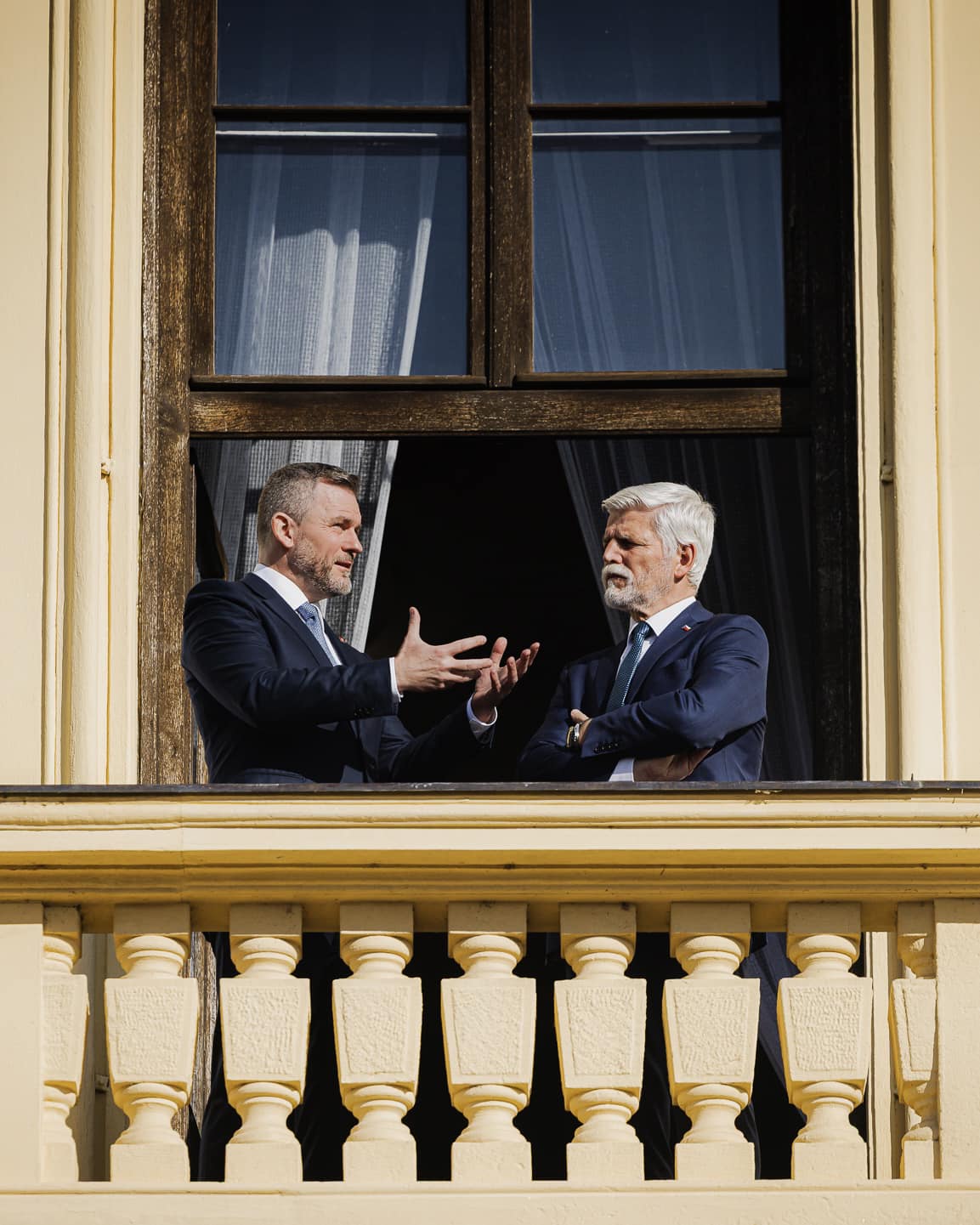
Peter Pellegrini (Slovakia)
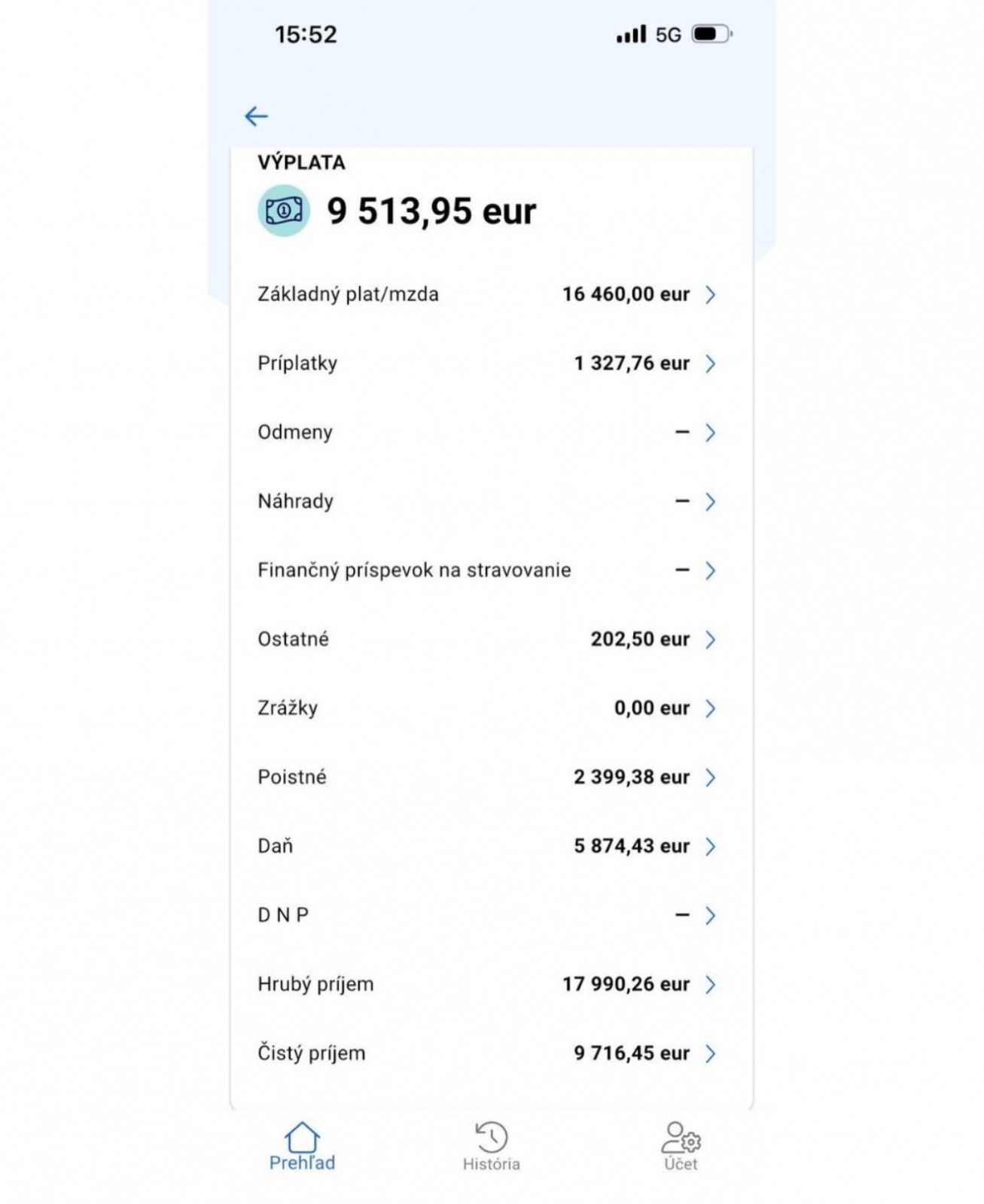
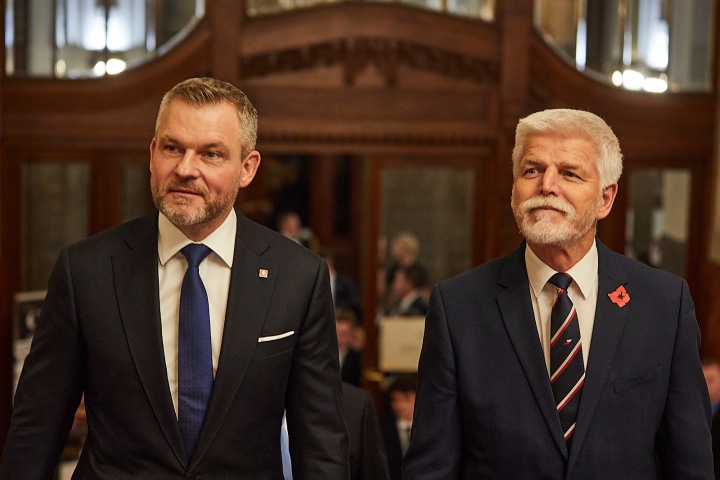
The salary of the President of the Slovak Republic became a topic of public discussion again this March. After Peter Pellegrini published his pay slip, people began to question how much the head of state actually earns during a period of consolidation and rising costs.
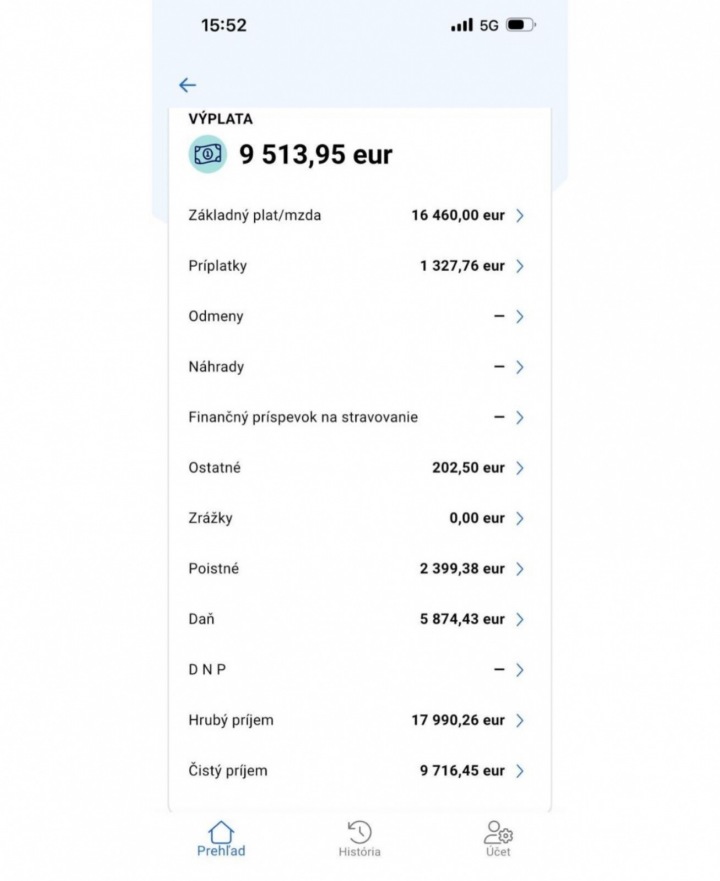
According to the law, the president is entitled to four times the basic salary of a member of the National Council of the Slovak Republic. Since the basic salary of a member is frozen at 4,115 euros (approximately 101,000 Czech crowns), the president's basic monthly salary currently amounts to 16,460 euros gross (approximately 404,000 Czech crowns). This amount is further supplemented by flat-rate compensations of 1,327.76 euros (approximately 32,600 Czech crowns).
The total gross income of the president thus amounts to approximately 17,990 euros per month (about 442,000 Czech crowns). However, high taxes and deductions are taken from this amount. The published payslip showed insurance of approximately 2,399 euros (almost 59,000 Czech crowns) and a tax of nearly 5,875 euros (approximately 144,000 Czech crowns). The net income of the president, according to published data, was around 9,700 euros per month (about 238,000 Czech crowns).
The surprising aspect for many people was the amount of net income, as the public often deals with gross figures. The president also stated that after the implementation of consolidation measures, his net income decreased by more than 2,000 euros per month (approximately 49,000 Czech crowns). The debate was also sparked by the fact that while members of parliament froze their salaries, the president, government members, or judges were not exempt from this freeze. The opposition criticizes the increase in constitutional officials' incomes during a period when the state is saving and people are facing price hikes. The president's office argues that the calculation of the salary is automatically linked to the average wage in the economy and that it is not an extraordinary increase approved by politicians. Furthermore, Pellegrini himself stated that he plans to donate any increase in his salary to the League Against Cancer.
The SNS party even previously raised the issue of reducing the salary by half, from 18,000 euros (approximately 442,000 Czech crowns) to about 9,000 euros per month (approximately 221,000 Czech crowns), arguing that the president primarily has a representative role and their remuneration should not exceed that of the prime minister. However, the head of state responds to these proposals rather matter-of-factly, noting that the country has more important problems to address than the president's income level.
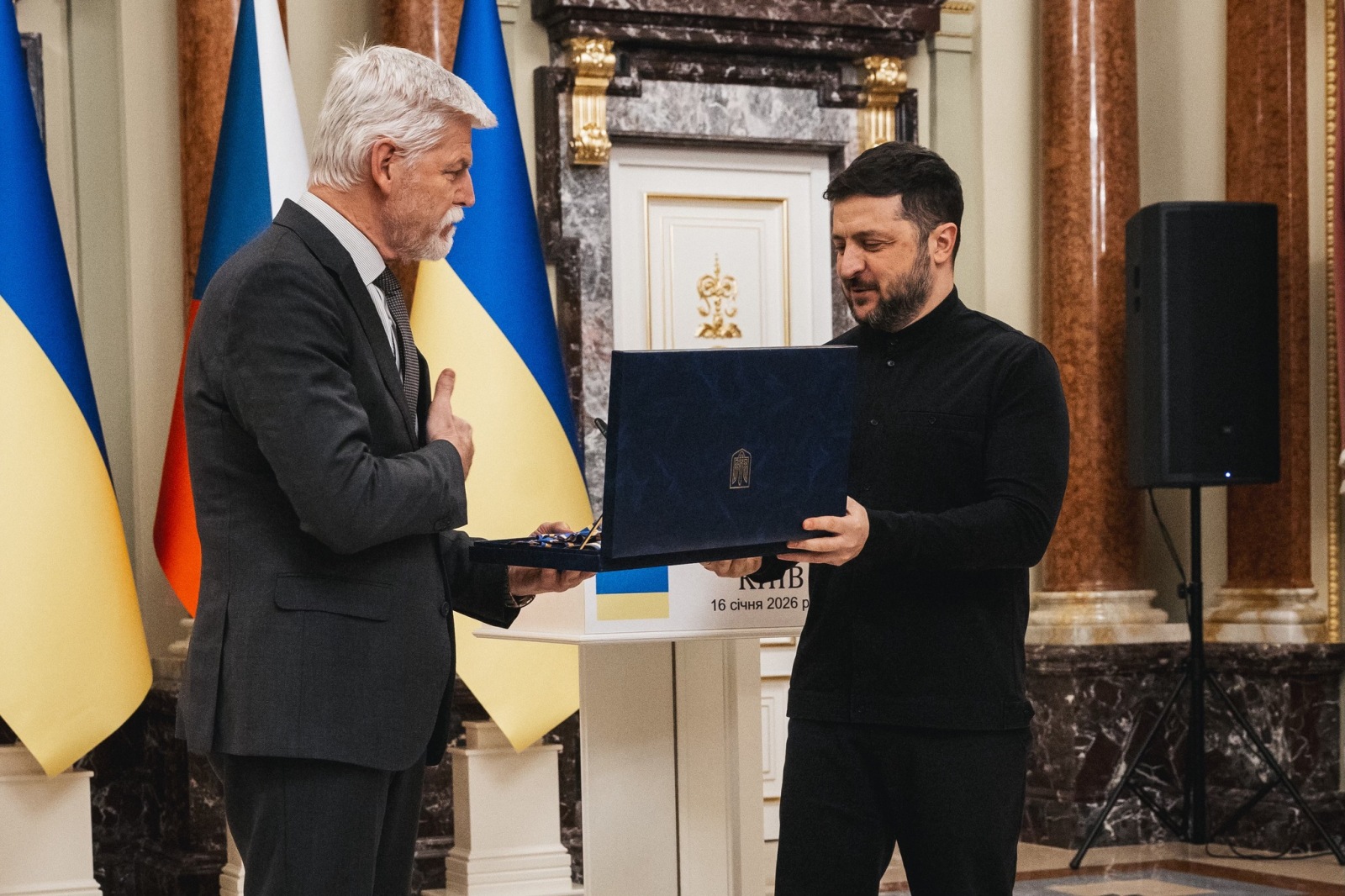
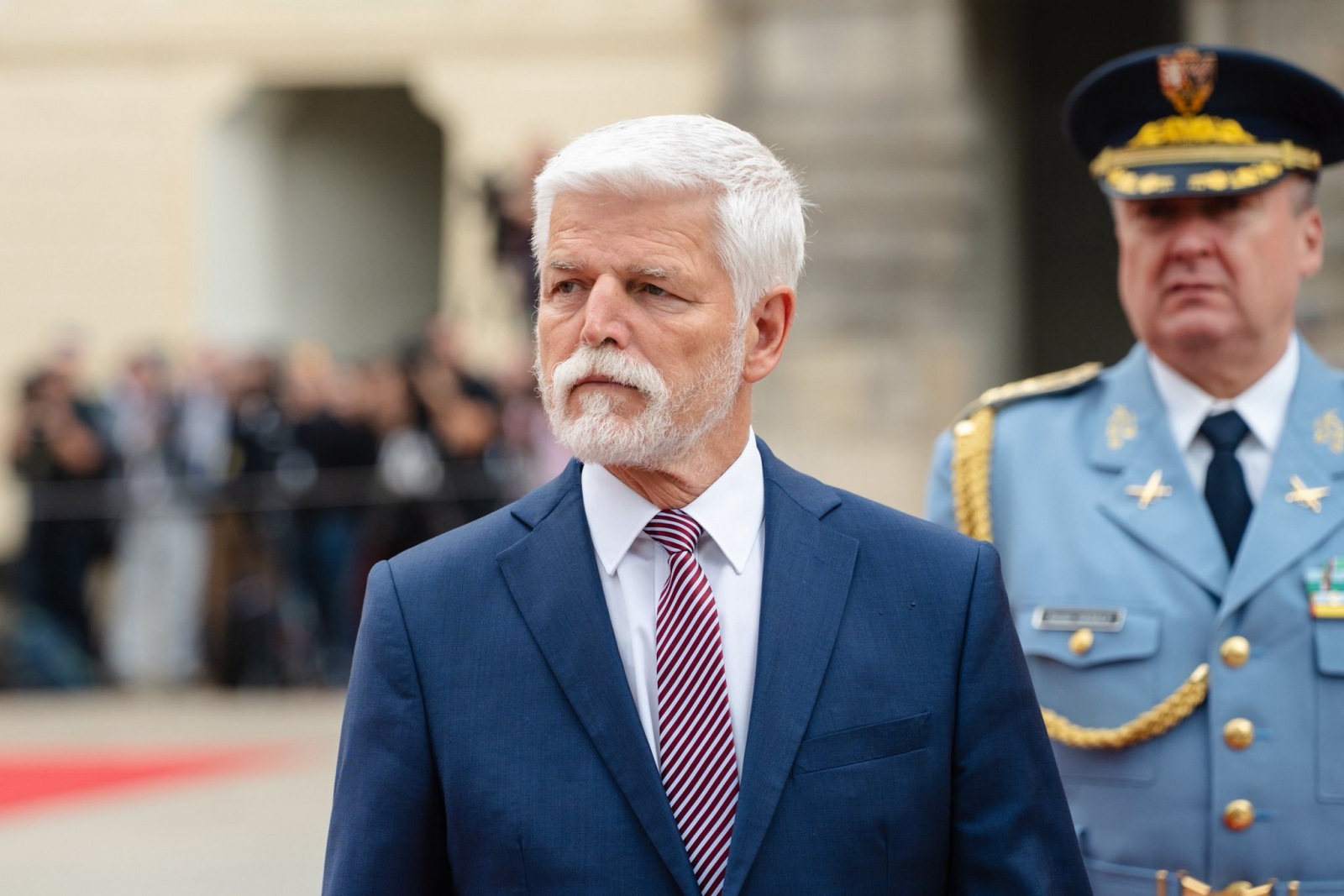
Petr Pavel (Czech Republic)
In recent months, the name Petr Pavel has been appearing in the media more and more frequently. It is no longer just about his calm demeanor or attempts to unite society, but also about statements, gestures, and decisions that spark discussions. With the growing interest in his actions, naturally, interest in how the financing of the highest constitutional position in the country is set up is also increasing.
The key to understanding the presidential salary is directly provided by the law. It clearly states:
"The President of the Republic is entitled to a salary determined from the salary base by a salary coefficient of 3.60."
For the year 2026, the salary base was set at 106,433 Czech crowns.
After conversion, this means that the president's basic monthly salary amounts to approximately 383,000 crowns gross.
However, his income does not end there. The law also regulates expense allowances associated with the performance of the function. This allowance is usually at a level comparable to the salary itself. Its amount is set at 335% of the salary base, which represents approximately 356,600 crowns. It is at this point that the often-discussed topic of financial security, specifically the allowance for the First Lady, comes into play.

In case the president has a wife or partner who performs protocol and public duties, the system changes. In such a case, the following applies:
“The President of the Republic is entitled to ... a flat-rate compensation of 235% of the salary base, and his spouse or partner ... compensation of 100% of the salary base.”
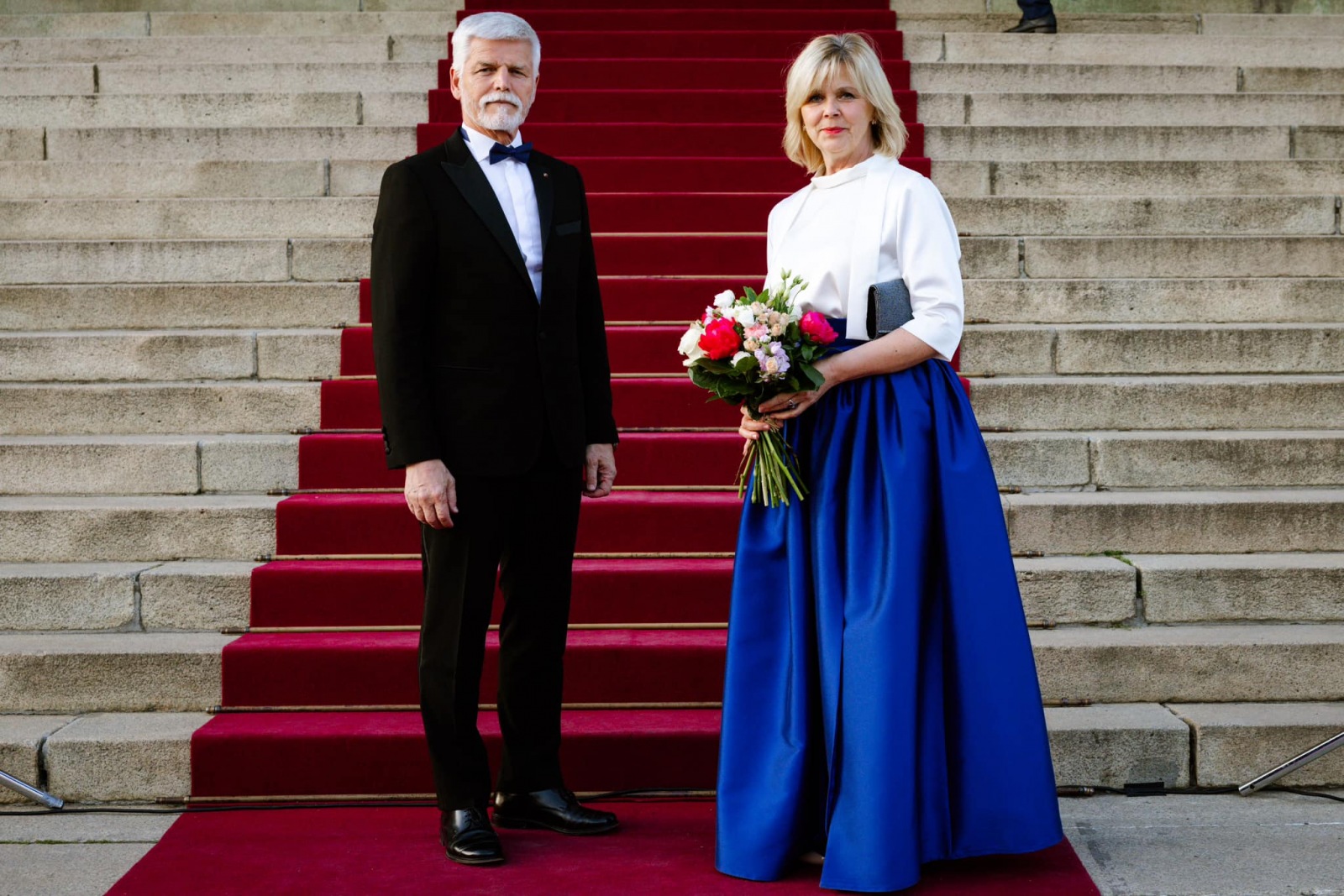
In practice, this means that Eva Pavlová, as the First Lady, receives her own flat-rate compensation. The president thus receives approximately 250,000 crowns per month for expenses related to the execution of his duties, while his wife receives approximately 106,000 crowns.
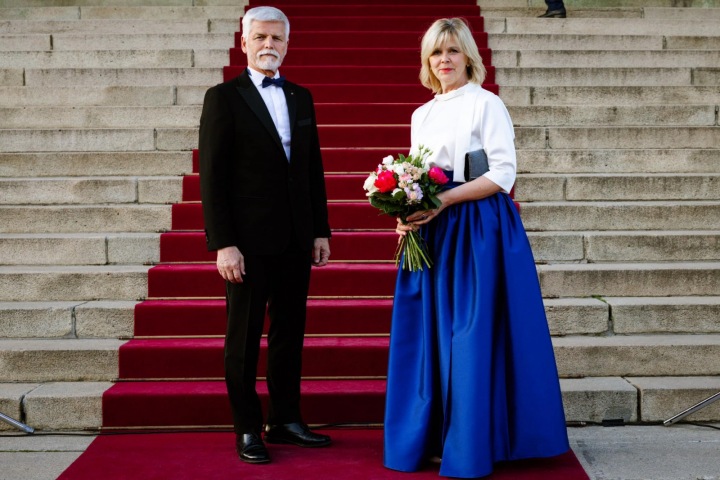
When these numbers are added up, the result is quite significant. The president himself, with a basic salary and allowances, receives approximately 633 thousand crowns gross per month. His wife has access to an additional approximately 106 thousand crowns. Together, the presidential couple has an amount close to 740 thousand crowns per month.
However, it should be emphasized that this is not a regular income in the full sense of the word. The flat-rate allowances are intended to cover expenses related to representation, travel, or public activities and may not be subject to the same taxation as regular wages.
In addition, the president is also entitled to what are known as in-kind benefits - that is, accommodation at Prague Castle, security, transportation, or other provisions related to the performance of their duties.
The performance of the presidential function does not interfere with the entitlement to income from a previous career, such as a retirement pension or service benefits. Legislation considers heads of state even after their term ends. Former presidents are thus entitled to a lifetime pension of 50,000 crowns, to which reimbursements of the same amount are added. These can be used, for example, for running an office or paying an assistant. The entire system is legally and transparently structured, yet it still provokes discussion. Especially at a time when ordinary people are dealing with rising living costs, these amounts seem distant from everyday reality for many.
For better context: the average employee in the Czech Republic earns approximately 580,000 CZK gross per year. The salary of the president and his wife approaches 750,000 CZK per month. In other words, the president's monthly "package" is close to what an average person earns in an entire year, and when including his wife's income, it significantly exceeds it.
Karol Nawrocki (Poland)
The salary of Polish President Karol Nawrocki in 2026 is automatically determined by law and the state-set base amount. It is not determined by the government or the prime minister through an individual decision but by a precise mechanism enshrined in Polish legislation for the highest constitutional officials, writes BNBN.
According to current calculations, the President of Poland will earn approximately 30,887 Polish zlotys gross per month (around 185,000 CZK). This amounts to approximately 7,200 euros per month before taxes. Annually, his income will reach approximately 370,000 zlotys gross (roughly 2.2 million CZK).
This amount includes the base salary, functional allowance, and seniority allowance.
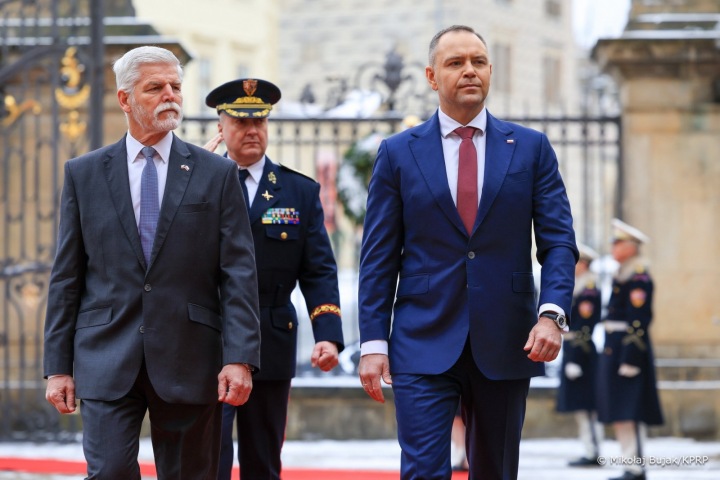
The higher income compared to last year is related to the planned increase of the so-called basic budget amount by three percent. This automatically raises the salaries of the highest state officials, including the president.
However, after deducting taxes and social contributions, the president is left with a significantly lower sum. Estimates suggest a net monthly income of around 20 to 22 thousand zlotys, which is about 120 to 132 thousand crowns.
During his term, the Polish president is also prohibited from running a business or having additional income. The salary from the state is thus the only legal source of his income during his mandate. After the end of his term, he is entitled to a special presidential pension linked to the level of his salary.
The entire remuneration system is public and is directly based on the law, not on current political decisions.
Frank-Walter Steinmeier (Germany)
In 2026, German President Frank-Walter Steinmeier receives a very high state salary, which is among the highest of European heads of state, writes Lohncheck.
According to German data, his annual basic income amounts to approximately 254,400 euros gross (about 6.3 million Czech crowns). Monthly, the president earns approximately 21,200 euros (around 523,000 Czech crowns).
The salary of the federal president in Germany is directly linked to the income of the federal chancellor. The law stipulates that the president receives approximately 111% of the chancellor's salary, which emphasizes the status of the head of state as the highest constitutional representative of the country. In addition to the salary itself, the president is also entitled to a special allowance for representation and the performance of duties. These so-called "expense allowances" amount to approximately 78,000 euros annually (about 1.9 million Czech crowns). These funds are primarily used for official representation, state visits, social events, and other responsibilities associated with the presidential office.
Part of the presidential benefits includes official residences - primarily Schloss Bellevue and Villa Hammerschmidt. The president also has access to service vehicles with drivers, security, and complete staffing paid by the state.
German legislation takes care of presidents even after their term ends. After leaving office, the former head of state receives a so-called "Ehrensold," a lifetime pension equivalent to their previous base salary. Thus, Frank-Walter Steinmeier will be entitled to a lifetime income of approximately 254,000 euros per year (about 6.3 million Czech crowns) after his presidential term ends.
Alexander Van der Bellen (Austria)
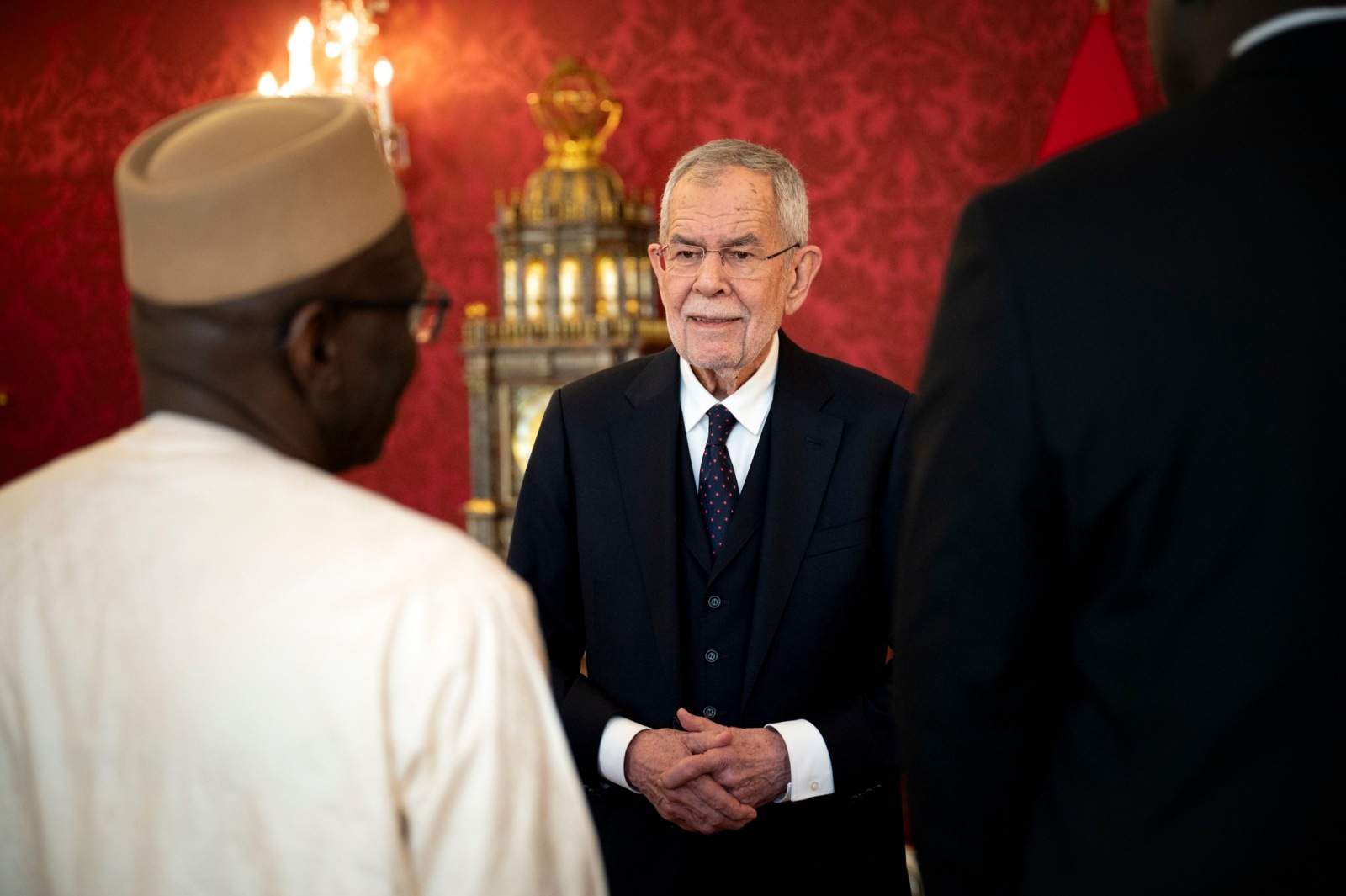
Alexander Van der Bellen has one of the highest presidential salaries in Europe.
The president's monthly salary in 2026 is 26,252 euros gross (approximately 645,000 Czech crowns), so the annual salary is approximately 367,528 euros gross (about 9 million Czech crowns).
In Austria, the average wage in 2026 is approximately around 4,950 euros per month gross (about 122,000 Czech crowns).
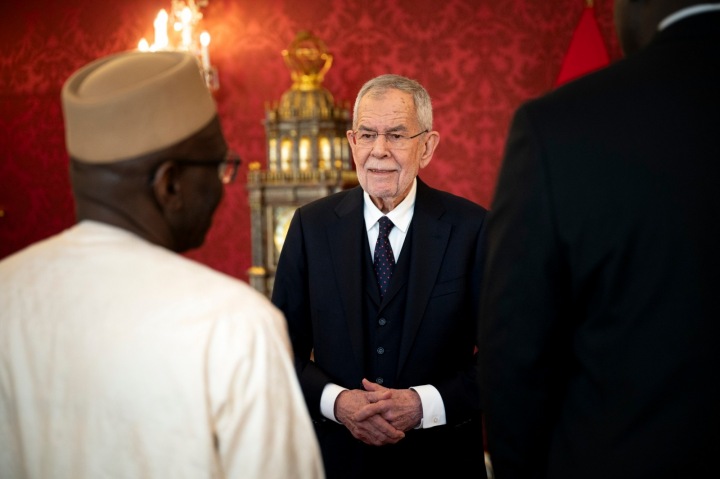
After deducting taxes and contributions, employees are left with approximately 3,100 to 3,300 euros net (76 to 81 thousand Czech crowns). The president thus earns roughly 5.3 times the average salary of an ordinary Austrian. Although the Austrian head of state does not have as strong powers as the prime minister, their position is highly representative and associated with a high social standing. The Hofburg, extensive personnel security, diplomatic duties, and a wide team of advisors make this role one of the most comfortable in Europe, writes the portal Finanz.
Tamás Sulyok (Hungary)
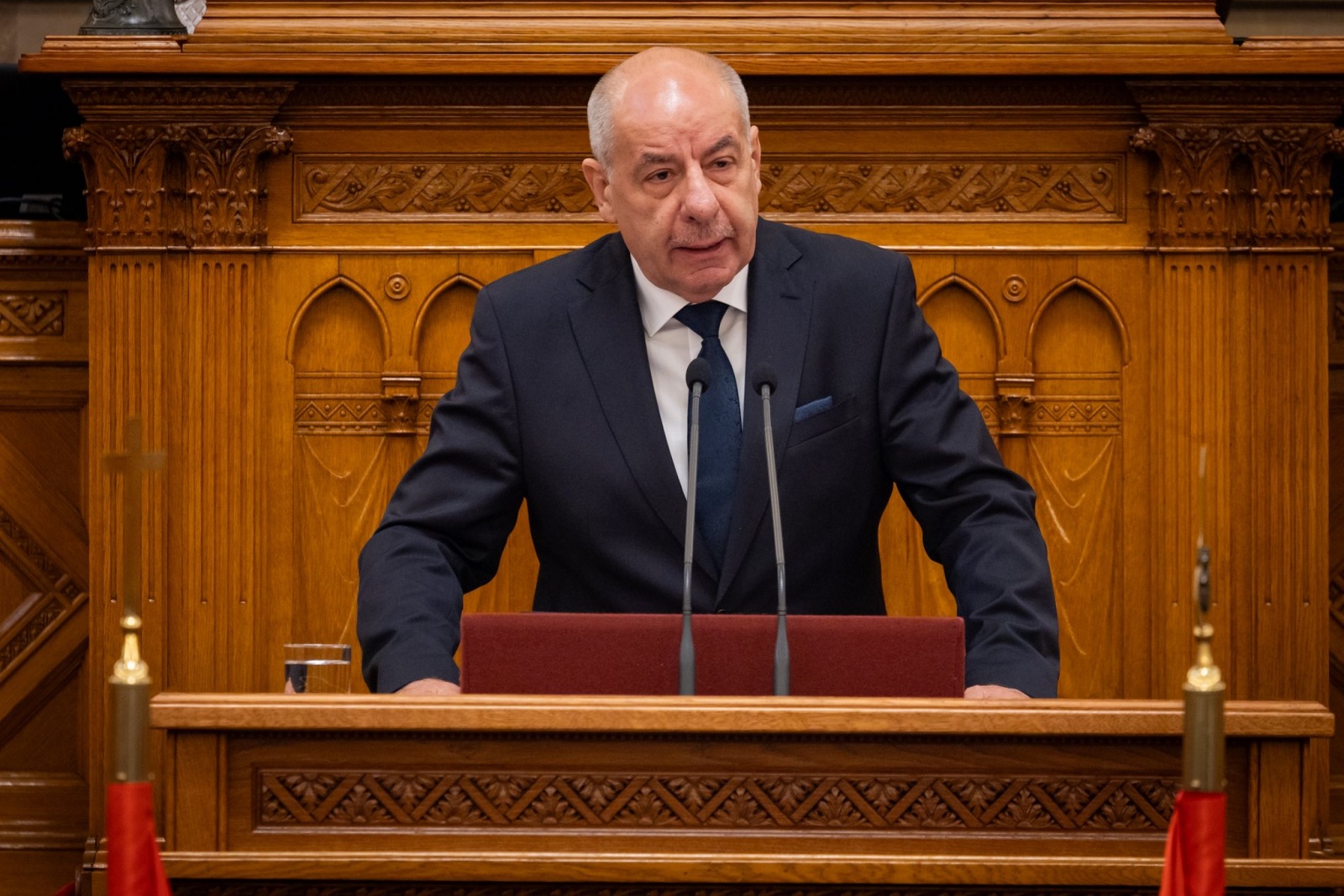
The salary of Hungarian President Tamás Sulyok increased again in 2026.
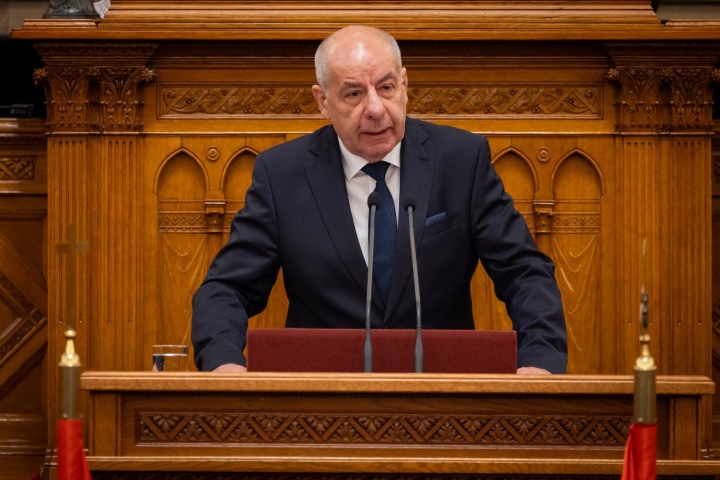
According to Hungarian media, his income is automatically linked to the remuneration system of top constitutional officials and is adjusted by law, writes the portal Nepszava.
He currently earns approximately 6.48 million Hungarian forints gross per month, which is about 403,000 CZK per month. Annually, the President of Hungary receives approximately 77.7 million forints, around 4.8 million CZK gross.
The salary increase is related to the automatic valorization of constitutional officials' incomes. The Hungarian system operates similarly to other European countries – the presidential salary does not result from the government's individual decision but directly from the law.
In Hungary, the salaries of top politicians regularly spark debates, especially considering the living costs and the average wages of the population. Critics point out that the gap between politicians' incomes and that of ordinary Hungarians is constantly growing.
Donald Trump (USA)
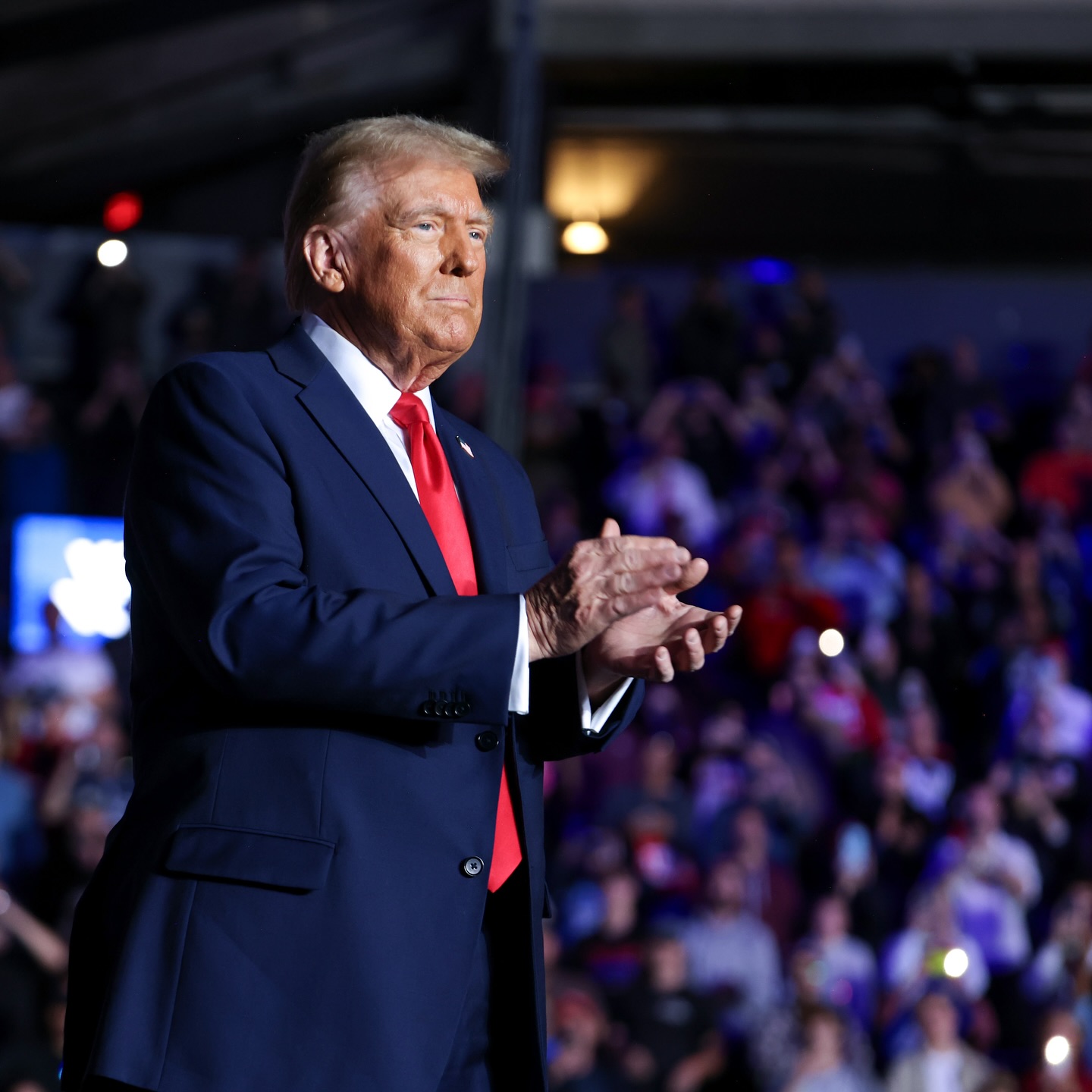
Donald Trump is among the wealthiest presidents in the world.
The official presidential salary in the USA amounts to 400 thousand dollars per year (approximately 8.3 million Czech crowns). Therefore, the American president earns about 33,300 dollars gross monthly (about 693 thousand Czech crowns).
Apart from the basic salary, he also has at his disposal a representational allowance of 50 thousand dollars (approximately 1 million Czech crowns) and a travel budget of 100 thousand dollars (about 2.1 million Czech crowns), writes Merkur.
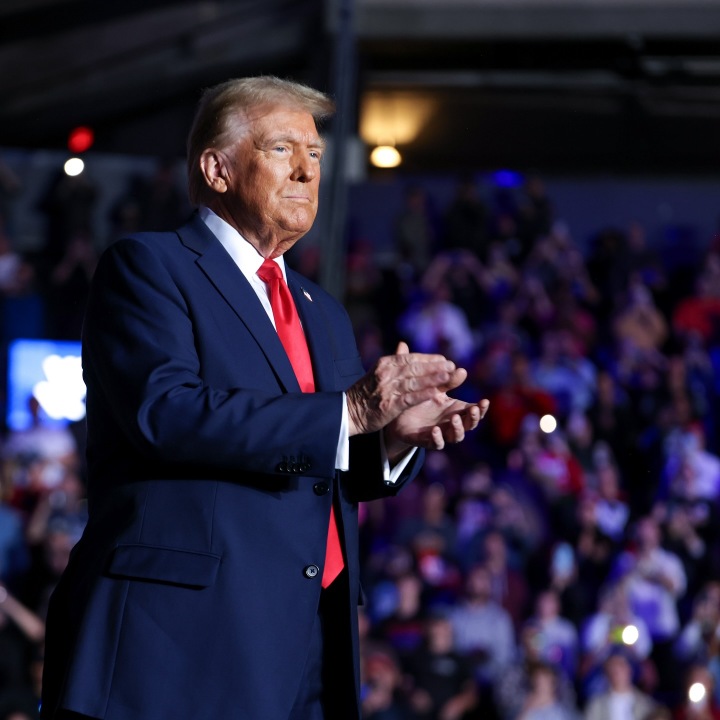
However, Trump has long claimed that he does not keep the presidential salary. During his first term, he regularly announced that he would be donating the money to federal agencies, national parks, healthcare, or projects for veterans. American law does not allow the president to completely forgo the salary—it has to be officially paid to him, but he can then donate it.
Media reports indicate that he continues this tradition during his current term. Critics, however, point out that given his billionaire wealth, it is more of a symbolic gesture than an actual financial sacrifice.
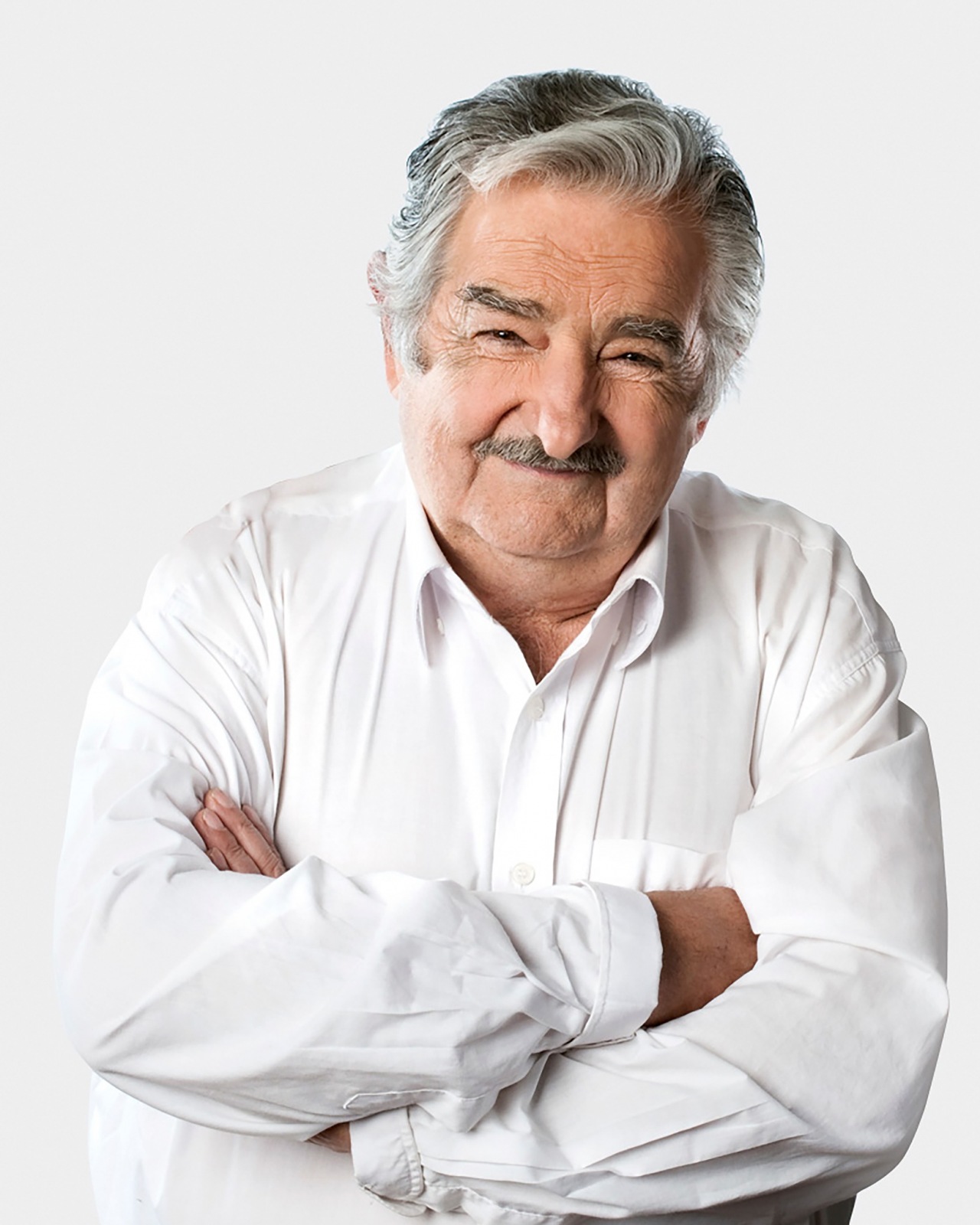
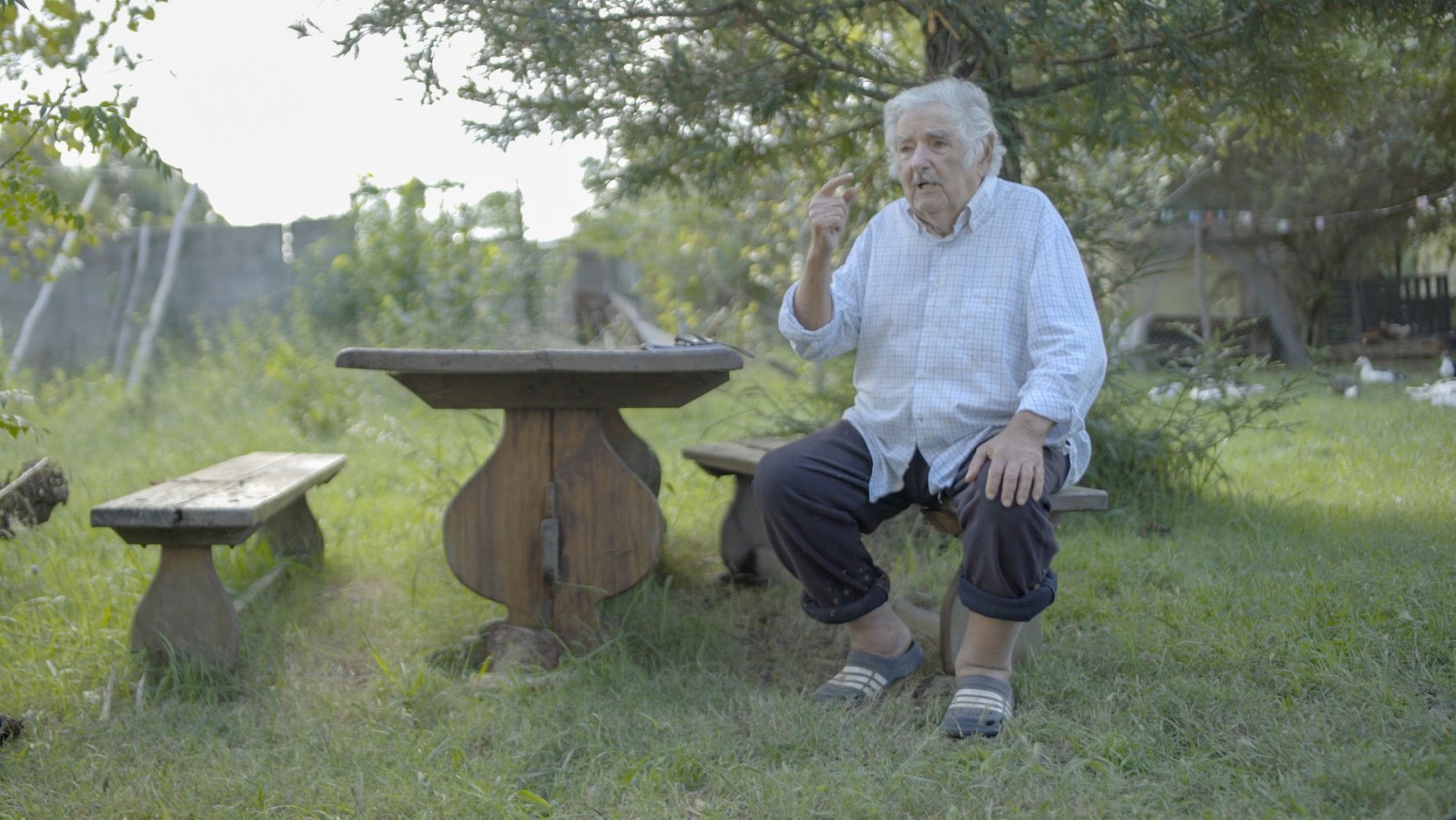
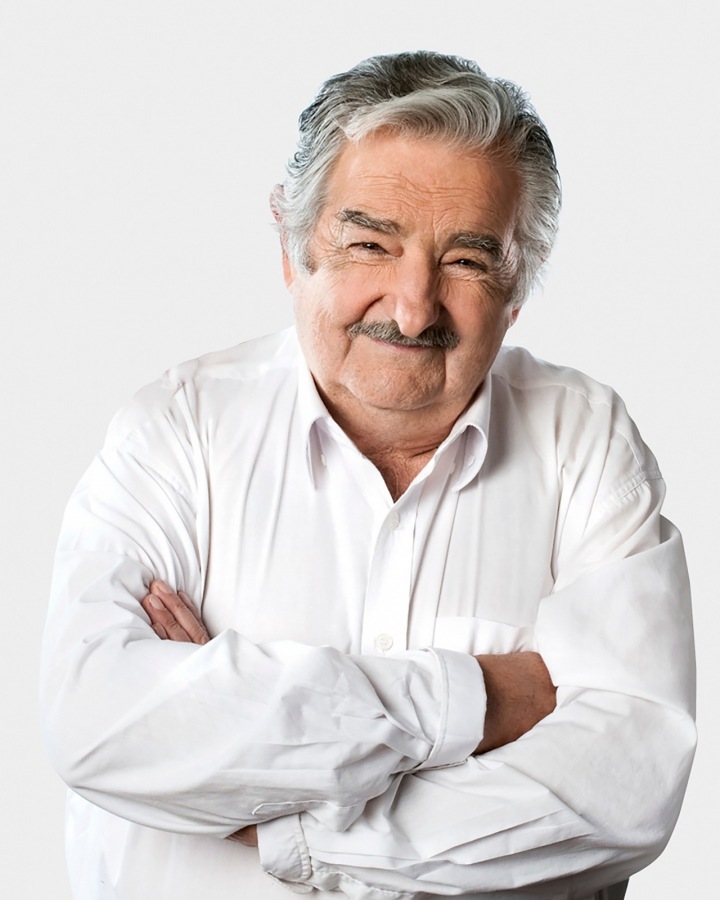
José Mujica (Uruguay)
Former Uruguayan President José Mujica is often regarded as a symbol of modesty.
During his term, his official presidential salary was approximately 12,500 US dollars per month before tax (about 260,000 Czech crowns).
However, he kept only about 10% of this amount, which was approximately 1,200 to 1,300 dollars per month (25 to 27 thousand Czech crowns). The rest he donated to charity and social projects, reports Britannica.
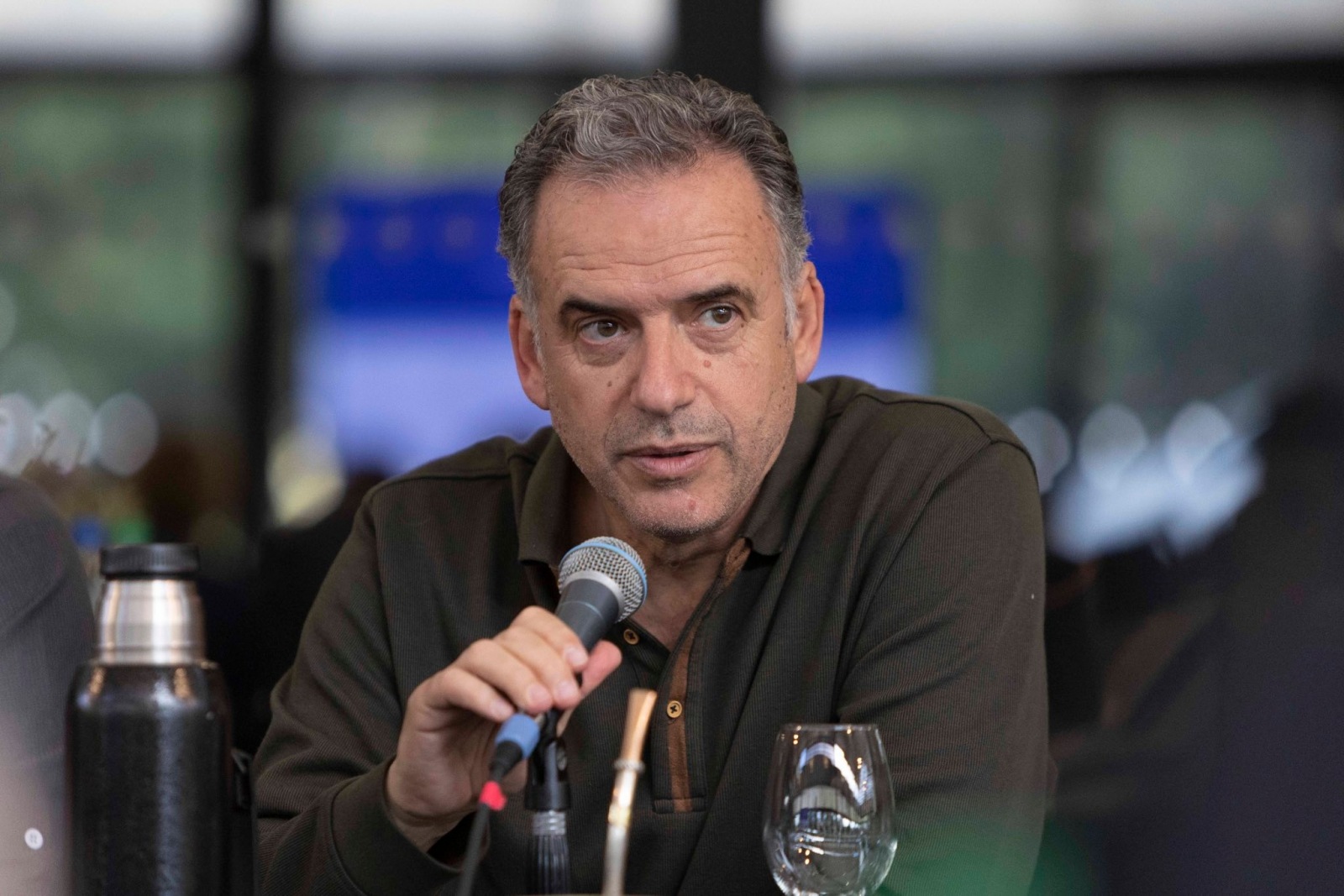
The current president of Uruguay, Yamandú Orsi, today earns significantly more. After deductions, he retains approximately 571 thousand pesos per month net. This translates to approximately 291 to 312 thousand Czech crowns, writes the portal El Principal.
The comparison of presidential salaries thus shows significant differences between individual countries – from relatively "modest" European incomes to high American amounts. However, the common denominator remains one: these are positions that bring not only high financial rewards but also enormous responsibility and public pressure.
Volodymyr Zelensky (Ukraine)
The President of Ukraine receives a monthly salary of 28,000 hryvnias gross in 2026 (approximately 16,000 CZK). This is a fixed amount that has not changed since 2016. Annually, the head of state earns 336,000 hryvnias (about 192,000 CZK), and after deducting taxes, Volodymyr Zelensky retains approximately 21,000 to 22,000 hryvnias net per month (roughly 12,000 to 12,500 CZK). At first glance, this amount seems surprisingly low for a country's president, especially during times of war, economic problems, and immense pressure on the state. However, this modesty is said by many to symbolically demonstrate the country's leadership effort to be closer to ordinary people, as reported by the Ukrainian portal Ваш Вісник.
The president's salary is determined by a decision of the Ukrainian government from 2016. Since then, the amount has not been adjusted and is not linked to inflation or the growth of the minimum wage. The president receives only the basic salary without any rewards, bonuses, or additional allowances for the role.
Ukrainian authorities have long maintained that the head of state is not entitled to any extraordinary financial benefits. At a time when the average salary in Ukraine is approximately between 28 to 30 thousand hryvnias (16,000 to 17,000 CZK), the president's salary appears almost at the level of an ordinary employee. However, behind this figure lies a broader political and economic story of the country.
The Evolution of Presidential Salaries Mirrored Ukraine's History
The salaries of Ukrainian presidents have significantly changed over the years and always reflected the state of the country. In the 1990s, during Leonid Kuchma's era, the salaries were low when converted to hryvnias, but seemed quite solid in dollar terms. In 1998, Kuchma earned approximately 18,000 hryvnias annually, which at the exchange rate of the time was more than seven thousand dollars.
During Viktor Yushchenko's presidency, the head of state's income increased significantly. From 2005 to 2008, his annual income reached nearly half a million hryvnias (approximately 285,000 CZK), which was about 97 thousand dollars at that time. This was a period when Ukraine was trying to get closer to Europe, and the country's economy was more stable.
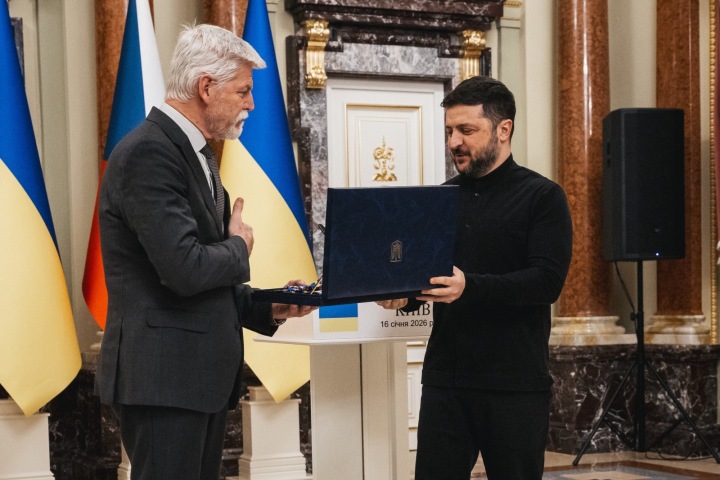
Viktor Yanukovych had an even higher income, earning approximately 775,000 hryvnias annually (about 442,000 CZK) between 2011 and 2012. However, after the events of 2014 and the sharp devaluation of the hryvnia, the situation changed dramatically. President Petro Poroshenko earned significantly less by 2015, and the state began saving practically in all areas.
During Volodymyr Zelensky's era, the salary stabilized at today's level of 336,000 hryvnias annually (approximately 192,000 CZK). It hasn't increased even once since 2020, not even after the onset of full-scale war with Russia. Many perceive this as part of the image of a president who does not want to appear as a politician living in luxury but as a leader of a country fighting for survival.
The Salary is Determined by the Government, Not the Constitution
Unlike some countries, the salary of the President of Ukraine is not directly enshrined in the constitution. The amount of the compensation is determined by a government regulation. Specifically, it is the decision of the Cabinet of Ministers from July 2016, which set the basic monthly salary of the president at 28,000 hryvnias (about 16,000 CZK). Interestingly, the president is not entitled to various allowances that are common for other high-ranking state positions. There are no bonuses for years worked or for the difficulty of the position. The state aimed to emphasize the symbolic nature of the office rather than the financial benefits associated with power. Even in the years 2025 and 2026, this amount did not change, despite the fact that the minimum and average wages in Ukraine have been gradually increasing. This also raises questions about whether such a salary is adequate given the enormous responsibilities of the president during the war.
How much does the president actually have left?
From a gross salary of 28,000 hryvnias, the state deducts the same taxes for the president as for ordinary citizens. He pays 18 percent income tax and an additional 1.5 percent is a military levy. After all deductions, Zelensky ends up with approximately 21,500 hryvnias per month (about 12,300 CZK). Annually, the president pays more than 66,000 hryvnias in taxes (approximately 38,000 CZK). This is why Ukrainian authorities often emphasize that the president is not financially advantaged compared to other citizens and contributes to state financing in the same way as others.
Interestingly, the President of Ukraine is among the lowest-paid top politicians in the country. The Prime Minister can earn from 50 to almost 100 thousand hryvnias per month (28,000 to 57,000 CZK) depending on bonuses and allowances. The Speaker of the Parliament receives approximately 47,000 hryvnias per month (about 27,000 CZK) and many ministers earn even more. The difference is not accidental. In Ukraine, the President is often seen more as a symbol of the state rather than a classic public administration manager. Zelensky himself has indicated several times that he does not hold the position for the money and relies mainly on the assets and income he acquired before entering politics.
On the other hand, much like elsewhere in the world, the Ukrainian president has access to state security – official residences, bodyguards, official transportation, or state-funded healthcare. Therefore, the salary itself is just one part of the overall benefits of the position.
The low presidential salary in Ukraine carries strong symbolic significance. After 2014 and especially after the Russian invasion in 2022, the government aims to demonstrate solidarity with the country's citizens. At a time when thousands of soldiers are fighting on the front lines and many families are struggling with economic issues, high salaries for politicians would spark enormous criticism. Zelensky himself is not among the poor politicians. Before entering politics, he was a successful producer and actor. His family has income from property rentals, royalties, or investments. According to asset declarations, the total family income amounts to millions of hryvnias annually.
That is why many argue that the president can afford to work for a symbolic salary. For some of the public, it is a demonstration of service to the country, but critics also speak of political marketing.
Interestingly, since 2016, the presidential salary in Ukraine has not increased by even a single unit despite high inflation, which exceeded 25 percent at certain times. In dollar terms, Zelensky's income has significantly decreased over the past few years.
Today, there are also many Ukrainians working in the IT sector or in business who earn more than the president of the country. However, the difference lies in the enormous level of responsibility that the head of state bears during one of the most challenging periods in modern Ukrainian history.
The salary of the President of Ukraine is not just an ordinary figure in a table. It has become a symbol of political legacy - to show that the country's leadership during the war is not trying to profit but to stand alongside its own citizens.
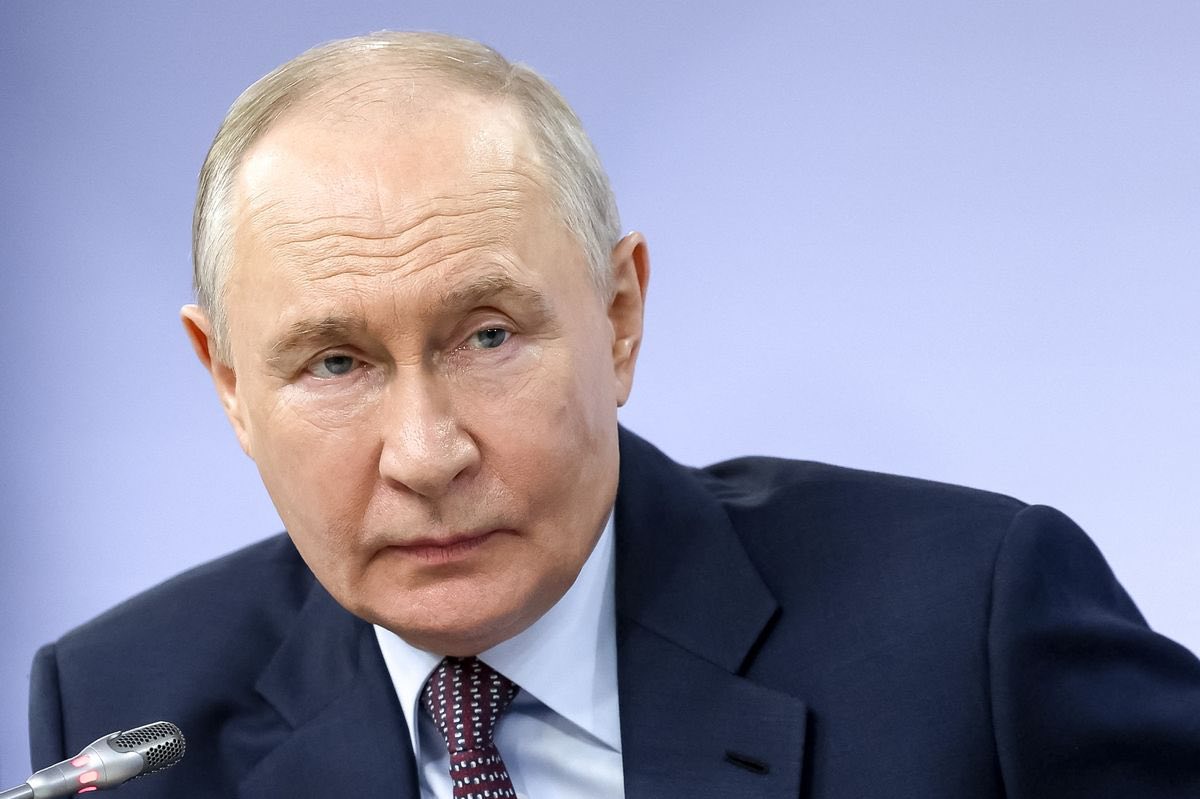
Vladimir Putin (Russia)
The exact salary of the Russian president is not regularly detailed and published as transparently in Russia as it is in some Western countries. However, according to the latest available official data and Russian media, the monthly salary of the President of Russia is approximately between 700,000 to 900,000 rubles gross per month. This translates to about 190,000 to 245,000 Czech crowns per month. Annually, Vladimir Putin can officially earn about 8 to 10 million rubles, i.e., approximately 2.3 to 2.7 million Czech crowns, writes Money Control.
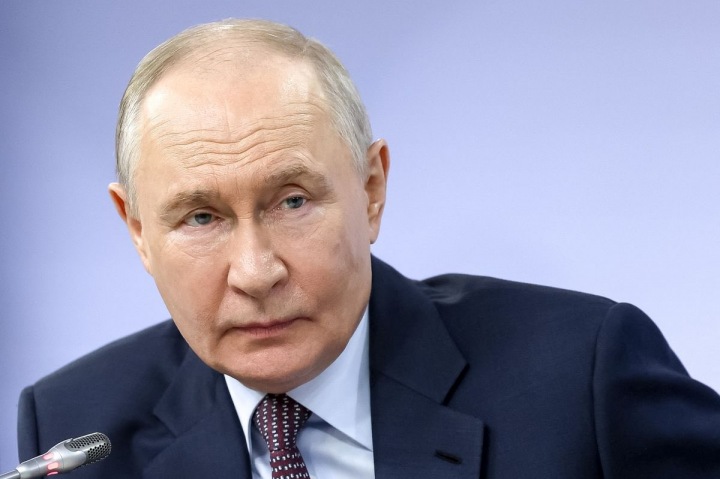
The Russian president, in addition to his salary, also has access to extensive state benefits - official residences, presidential aircraft, security, service staff, and luxury transportation. Due to this, his actual standard of living is often said to be many times higher than his official income. Speculation surrounding Vladimir Putin's assets has existed for a long time. Western media and Russian opposition politicians have repeatedly claimed that the real wealth of the Russian president may be significantly higher, possibly reaching into the billions of dollars. However, the Kremlin denies these claims.
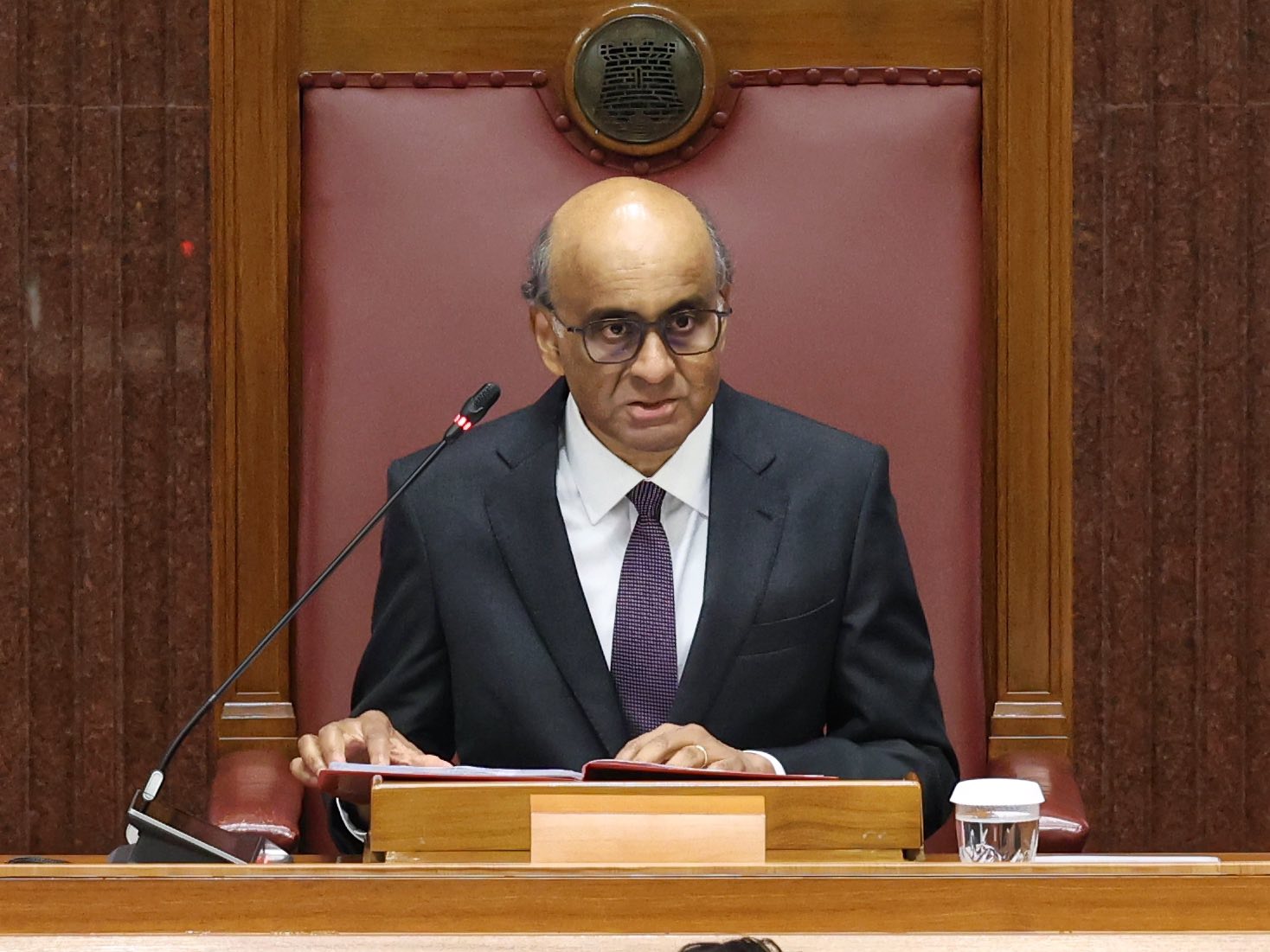
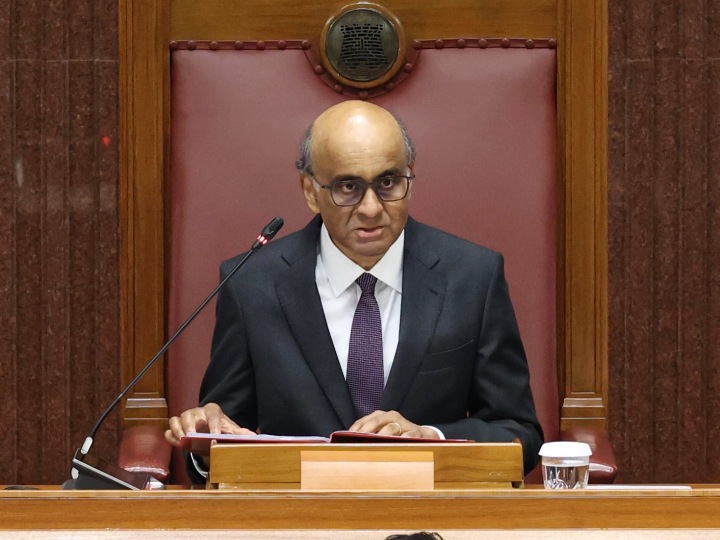
Singapore President Tharman Shanmugaratnam remains one of the highest-paid state leaders in the world in 2026.
According to available data, he receives an official annual salary of approximately 1.54 million Singapore dollars, which amounts to about 1.1 million US dollars annually. In conversion, this is approximately 24 million Czech crowns per year.
Monthly, the President of Singapore earns roughly 128 thousand Singapore dollars, or about 92 thousand US dollars per month. In Czech crowns, this amounts to approximately two million crowns per month.
Singapore has long been known for paying very high salaries to top politicians. The local government explains this by its effort to attract capable managers into politics and at the same time minimize the risk of corruption. This is precisely why the salaries of Singaporean presidents and ministers are regularly among the highest in the world.
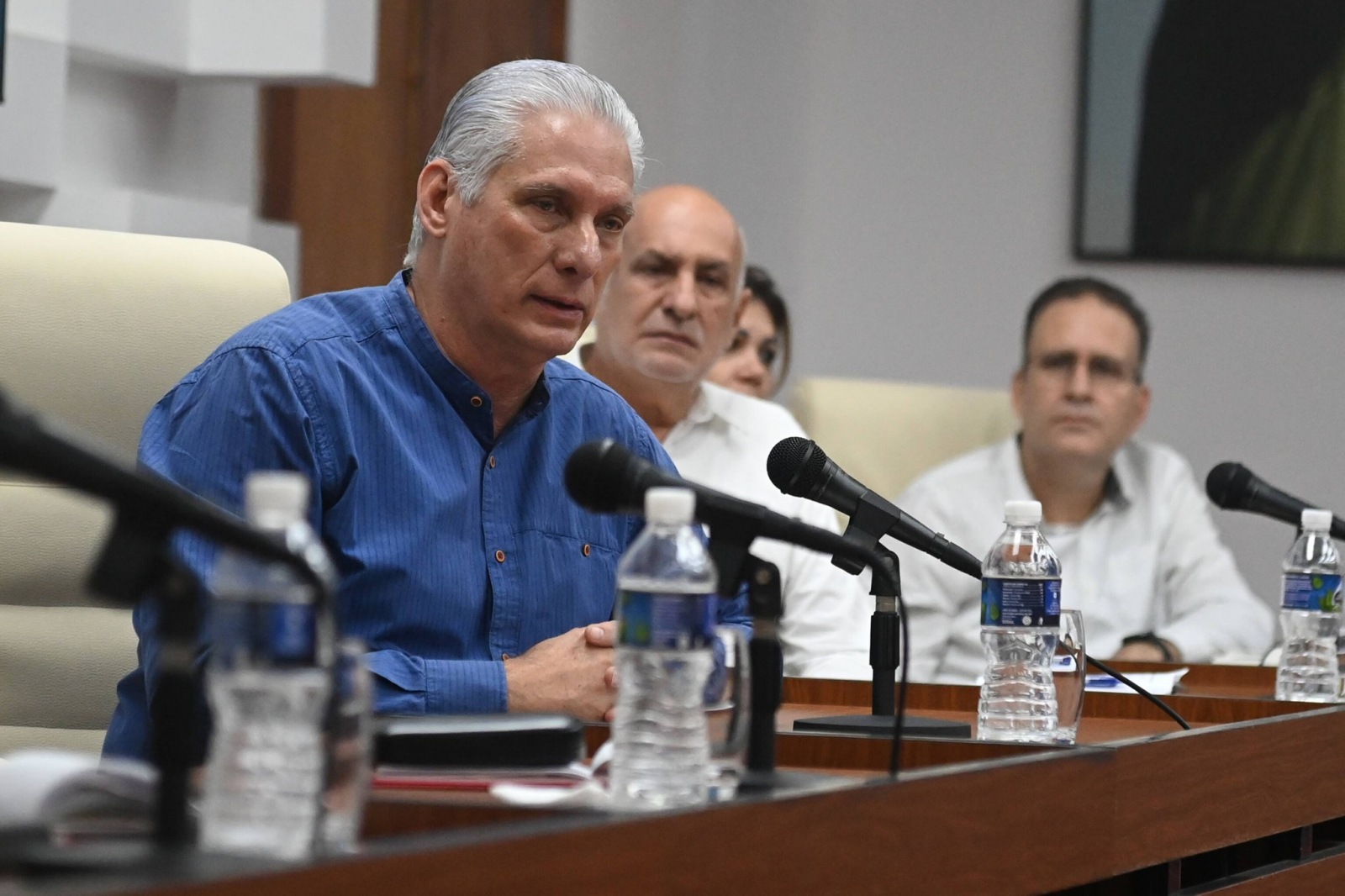
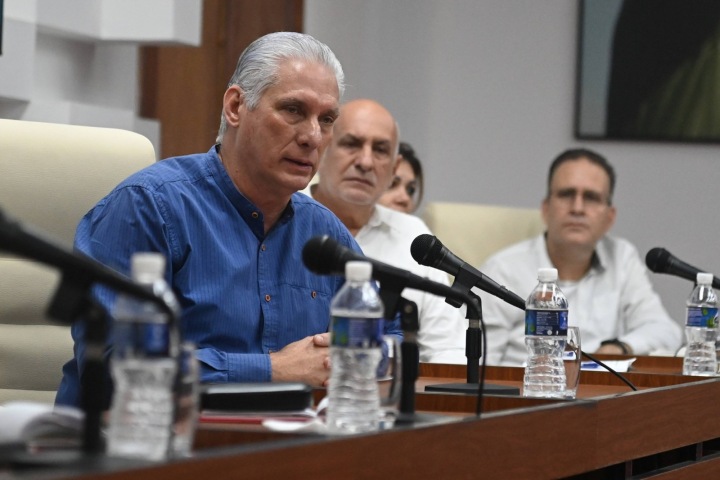
While some world presidents earn millions of dollars annually, there are also heads of state whose official salaries are very low in comparison. Among the world's lowest-paid presidents in 2026 is often the President of Cuba, Miguel Díaz-Canel.
According to available foreign data, his official income is only in the range of several thousand US dollars per year. Monthly, this may amount to a sum significantly lower than the salaries of presidents in Europe or the USA. The Cuban government does not regularly disclose exact figures, but Cuba has long been among the countries with the lowest official incomes for top politicians.
The low salaries of state officials are primarily related to the country's economic situation. Cuba has been struggling with economic problems, inflation, and a shortage of basic goods for years. This is why the difference between the salaries of world presidents seems almost shocking; while the President of Singapore earns tens of millions of crowns annually, the Cuban head of state is only at a fraction of this amount.
In comparison to other presidents around the world, Petr Pavel is certainly not among the worst-paid heads of state. On the contrary, when not only the salary but also flat-rate compensations, the allowance for the first lady, and other benefits associated with the role are considered, the Czech president is more financially well-off compared to other European leaders. While, for instance, Ukrainian President Volodymyr Zelenskyy earns only a few thousand crowns net monthly during the war, and Polish President Karol Nawrocki receives significantly less than the Czech head of state, Petr Pavel's total "package" approaching 740,000 crowns per month puts him among the best-paid presidents in Central Europe. Presidents of economically stronger countries, like Austria or Germany, or the American president, have higher official incomes. The Czech model also shows that a president's salary today constitutes just a portion of the total financial security of the role - compensations, representational expenses, state services, and lifelong benefits after the end of the term also play a significant role.
Source: author's text, El Principal, Britannica, Merkur, Nepszava, Finanz, Lohncheck, Ваш Вісник, BNBN, FB/Peter Pellegrini, e-Sbírka.cz