TRANSLATED CZECH, CHECK: Israel continues to produce billionaires during the war. Their wealth has reached over 300 billion dollars

At the top of the world rankings are Israeli names like Miriam Adelson, Idan Ofer, and Eyal Ofer, who are among the 100 richest people in the world.
Despite the ongoing war, the total wealth of Israeli billionaires has significantly increased over the past two years—by approximately 50%—and this year it exceeded the $300 billion mark. These figures are based on the Forbes billionaires list, compiled in collaboration with Forbes Israel. In fact, this shouldn't be surprising. Despite the war and the sharp rise in oil prices that shook global markets, the past year still ranked among the strongest periods in the history of global stock indexes. Wall Street, as well as the main exchanges in Europe, Asia, and particularly in Israel, maintained a growth trend driven primarily by extreme demand in the areas of artificial intelligence, semiconductors, cloud technologies, and industrial automation.
Start-ups and private companies, especially those operating in AI - at the center of global technological races - were achieving record valuations, and in some cases, their value climbed to hundreds of billions of dollars. At the same time, large technology companies and multinational corporations benefited from a favorable investment climate, pushing their market values to historical highs.
The wealth of the world's richest people was growing at the same pace. This rapid increase in wealth was reflected on paper in tens of billions of dollars in additional wealth for many billionaires - in some extreme cases, even hundreds of billions. This global trend was also reflected in Israeli billionaires, who benefited from the worldwide investment mood, as well as from the extraordinarily strong performance of the domestic stock exchange. The Tel Aviv Stock Exchange thrived on the strong interest of investors and a willingness to take risks, which was also evident in the quick market response to the 12-day conflict with Iran.

The Elite of Israeli Wealth
The total wealth of Israeli billionaires has significantly increased, rising by tens of percent in recent years and currently reaching approximately 308 billion dollars, representing a 24% increase compared to 2025 (approximately 250 billion dollars, which is around 5.2 trillion Czech crowns) and a 50% increase compared to the list from 2024 (approximately 206 billion dollars, equivalent to 4.28 trillion Czech crowns). This is a historic record that reflects the strength of the country's technology and investment sector. (All amounts mentioned will be recalculated according to the current exchange rate, which is approximately 1 USD = 20.8 CZK)
Miriam Adelson - Gambling Industry
(780 billion Czech korunas)
At the top of the list is once again Miriam Adelson, who maintains the position of the richest Israeli with a fortune of approximately 37.5 billion dollars (approximately 780 billion Czech korunas), writes Forbes.
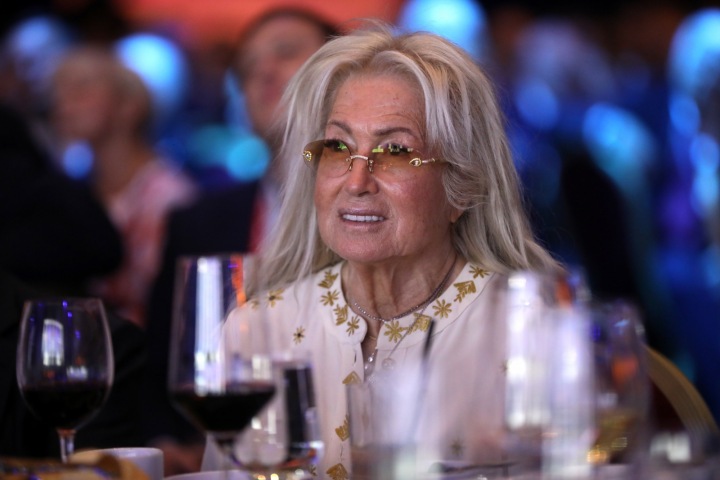
However, Adelson was not part of the billionaire elite from the beginning. She originally worked as a physician specializing in addiction treatment. A significant turning point in her life occurred after marrying Sheldon Adelson, one of the most influential entrepreneurs in the gambling industry. Together, they built the Las Vegas Sands empire, which expanded from the USA to Asia, particularly to Macau and Singapore, where gambling became an extremely lucrative business. After her husband's death, Miriam Adelson became the main heir and gradually took over strategic decision-making.
Currently, she controls more than half of the shares of Las Vegas Sands, which form the core of the family wealth. In addition, she has significantly expanded her influence beyond the gambling industry.
She is also the main controlling shareholder of the NBA basketball team the Dallas Mavericks, where she owns approximately 70% stake. Besides her business endeavors, she is heavily involved in the media sector – publishing the newspapers Israel Hayom and Makor Rishon, which influence public discourse in Israel. At the same time, she invests substantial resources in philanthropy, particularly in healthcare projects in Israel and the USA, writes Bloomberg.
Idan Ofer - Maritime Shipping
(719.7 billion Czech crowns)
Idan Ofer, brother of Eyal Ofer, ranks 61st with assets approximately worth 34.6 billion dollars (approximately 719.7 billion Czech crowns).
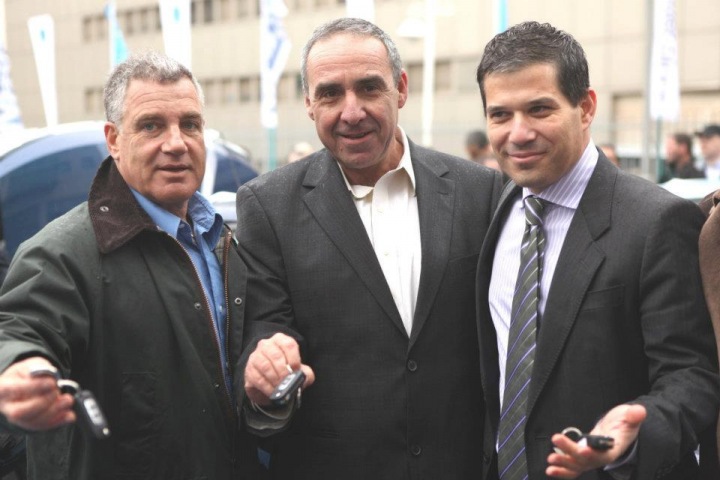
He focused on industrial sectors, particularly the chemical and energy sectors. His wealth has surged dramatically over the past year, mainly due to the Quantum Pacific Group, which is among the dominant players in global maritime shipping.
The heart of his business is Eastern Pacific Shipping, based in Singapore, which operates a fleet of approximately 210 ships and is among the largest private shipping companies in the world. Besides, he also holds stakes in other companies in the maritime transport sector.
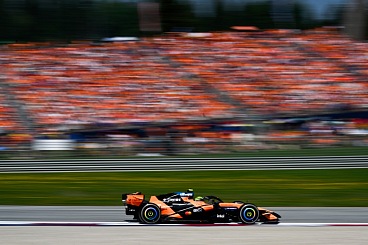
Idan Ofer is also the majority owner of the holding company Kenon Holdings and controls Israel Corporation, which is behind companies OPC Energy and ICL (formerly Israel Chemicals). His investment portfolio goes beyond shipping, reaching into energy, chemical industry, and sports. He is co-owner of a Formula 1 team and also owns a football club in Portugal, while in the past he had a stake in the Spanish Atlético Madrid.
Eyal Ofer - maritime transportation, real estate
(698.9 billion Czech crowns)
Eyal Ofer also holds a strong position, operating in maritime transport, real estate, and energy, and is among the largest entrepreneurs with Israeli roots.

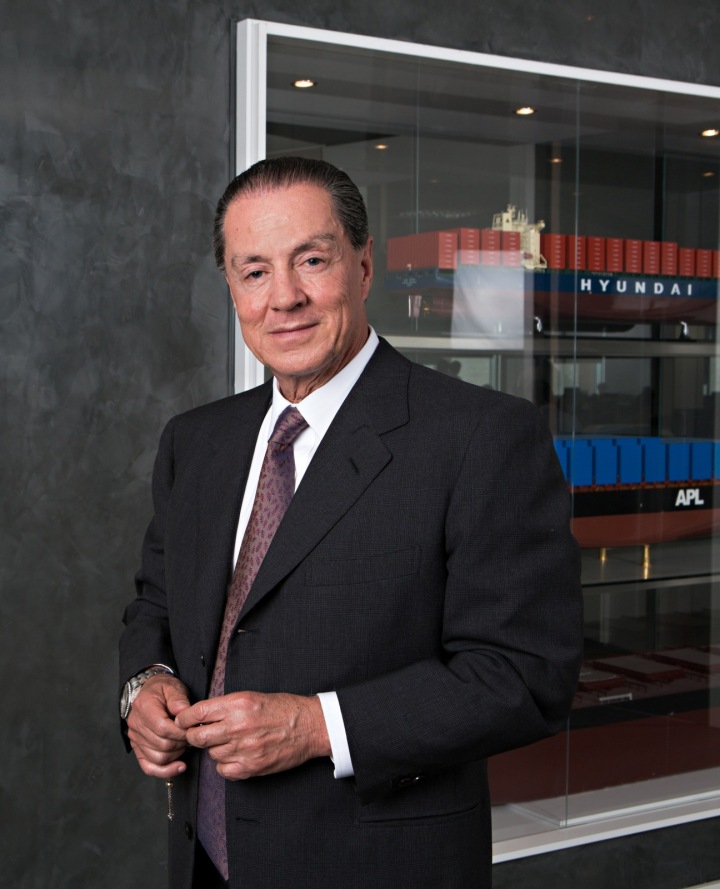
Eyal Ofer grew up in a business environment; his father, Sammy Ofer, was one of the largest shipping magnates in the world. After his death, the brothers divided the family empire, and Eyal focused on shipping and global investments. His company, Zodiac Maritime, now operates approximately 190 ships and is among the largest shipping companies in the world.
Besides expanding into the maritime industry, he has also extended his activities into the real estate sector, owning luxury buildings in New York, London, and Monaco. He dedicates a significant portion of his time to philanthropy and the support of the arts. He funds galleries, museums, and art projects around the world. His story illustrates how traditional family wealth can transform into a modern global empire. Eyal Ofer is ranked 62nd, with an estimated wealth of approximately 33.6 billion dollars (about 698.9 billion Czech crowns).
Dmitry Bukhman - Gaming Industry
(282.9 billion Czech crowns)
Dmitry Bukhman is among the most successful "self-made" billionaires in the gaming industry. Along with his brother Igor, he built the company Playrix, which is among the world's largest mobile game creators.
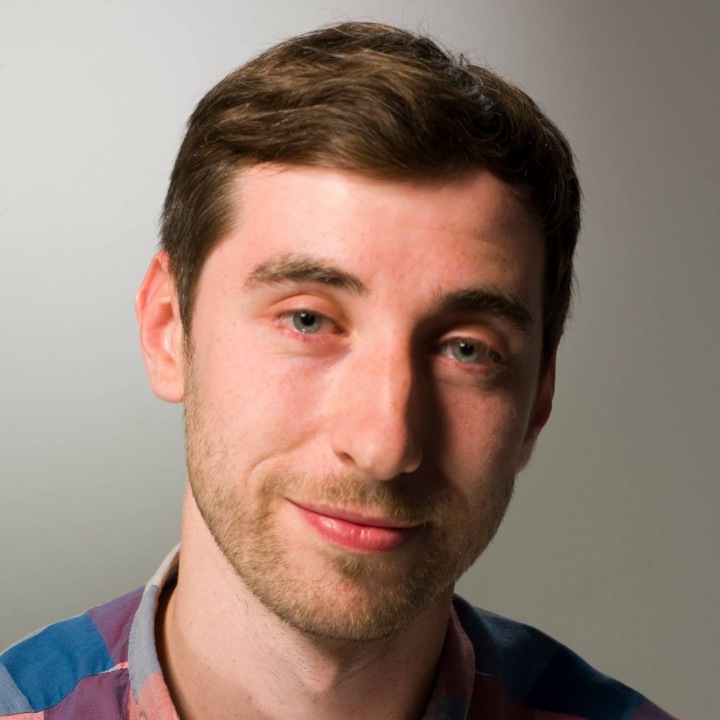
Their combined wealth is estimated at approximately 28 billion dollars (around 582.4 billion Czech crowns), with each owning assets worth about 13.6 billion dollars (approximately 282.9 billion Czech crowns).
Their breakthrough came after creating simple online games, which gradually turned into globally successful titles like "Gardenscapes" and "Homescapes." The company primarily earns through the so-called free-to-play model, where millions of players spend money on virtual upgrades.
Buhman literally started from scratch - he was programming games since childhood and launched his business with minimal capital. Today, he is among the wealthiest people in the gaming industry worldwide.
Igor Bukhman - Co-founder of Playrix
(282.9 billion Czech korunas)
Igor Bukhman is the brother of Dmitry and co-founder of Playrix. Both brothers manage the company as a private holding, avoiding going public and maintaining full control over profits. Their strategy was based on rapid expansion into Western markets, especially the USA and Europe, where mobile games have become a billion-dollar business. The company now employs thousands of people and ranks among the biggest players in the mobile gaming segment.
Igor focuses more on management and expansion, while Dmitrij is more technically oriented.
Viatcheslav Kantor - fertilizers, industry, and real estate
(249.6 billion Czech crowns)
Viatcheslav Kantor is among the more controversial billionaires.
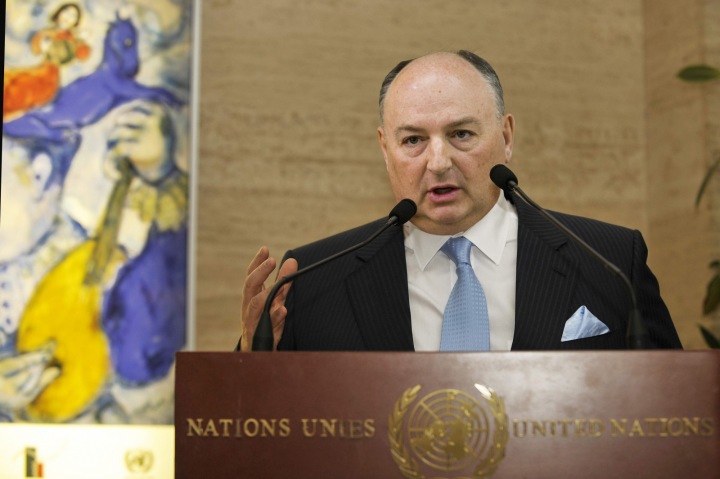
He built his wealth mainly in the chemical industry, specifically in fertilizer production through the company Acron Group.
The fertilizer business brought him enormous profits, especially due to the global demand for agricultural production. In addition, he has also invested in real estate and various industrial assets in Europe.
Kantor was previously known for his involvement in international Jewish organizations, but in recent years his name has also been associated with political and sanction-related controversies in Europe. He owns assets valued at 12 billion dollars (approximately 249.6 billion Czech korunas).
Michael Federmann - Defense Industry and Hotels
(208 billion Czech korunas)
Michael Federmann is one of the traditional Israeli industrial billionaires. His wealth primarily comes from two sectors: hospitality and the defense industry.
He is the chairman of Federmann Group, which owns the Dan Hotels chain - one of the most well-known hotel brands in Israel. He also has a significant stake in Elbit Systems, one of the largest Israeli manufacturers of defense technologies, drones, and military systems.
Elbit Systems provides technologies not only to the Israeli army but also to armies worldwide, which significantly contributes to the company's value growth.
Federmann is among the typical representatives of the "old industrial capital" that has connected with the modern defense sector. He owns assets worth 10 billion dollars (approximately 208 billion Czech crowns).
Roman Abramovich - Football
(193.4 billion Czech crowns)
Roman Abramovich, who holds Israeli citizenship, is best known for his investments in energy and football.
His story is among the most controversial – he became wealthy during the privatization of Russian state enterprises in the 90s, when he acquired shares in the oil giant Sibneft. This process was often criticized as non-transparent and associated with political connections.
Later, he became globally known as the owner of the football club Chelsea FC.
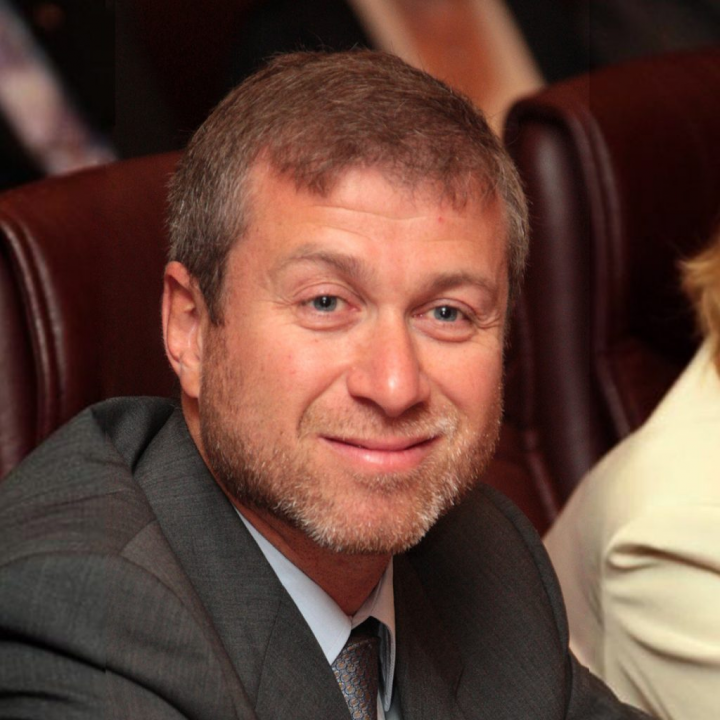
However, his business activities in recent years have been significantly affected by international sanctions that have impacted his assets and restricted his movement abroad. Nevertheless, he remains a significant figure among the wealthiest individuals with ties to Israel. He owns assets valued at 9.3 billion dollars (approximately 193.4 billion Czech crowns).
Teddy Sagi - online casinos
(147.7 billion Czech korunas)
Teddy Sagi represents a completely different type of billionaire - a self-made entrepreneur from the technology sector. He built his wealth in the area of online gambling and digital technologies. His company Playtech became one of the leaders in the field of software for online casinos, which brought him huge profits.
However, his journey was not without controversies - in his youth, he had conflicts with the law, but after returning to business, he managed to build a globally successful company. Currently, he invests primarily in real estate and technological projects in Europe. His wealth is valued at 7.1 billion dollars (approximately 147.7 billion Czech korunas).
New Billionaires and the Tech Wave
One of the most notable is Alex Bouaziz, the founder of the fintech company Deel, which enables companies to employ workers worldwide and handles all administrative and payroll processes in various countries. During the COVID-19 pandemic, the company experienced rapid growth and now operates in over 150 countries with thousands of employees. His wealth is valued at 2 billion dollars, approximately 41.6 billion Czech crowns.
Deel has annual revenues exceeding 500 million dollars (approximately 10.4 billion Czech korunas), and its value in the latest investment round reached 17.3 billion dollars (approximately 359.8 billion Czech korunas).
In addition to it, the ranking also featured new names from the insurance and finance sectors, such as Tali Griffel and Niva Gurevitch from the Menora insurance company, or the Hamburger family from the Harel insurance company. All have profited from the sharp rise in stock prices in the sector, which has significantly strengthened in recent years.
Israeli Technology Sector and "Old" Billionaires
Long-standing technology entrepreneurs also maintain a strong position. Gil Shwed, the founder of the cybersecurity company Check Point, has a net worth of approximately 4.5 billion dollars (approximately 93.6 billion Czech crowns). Although his value has decreased over the past year, he remains one of the pillars of the Israeli technology industry.
Other founders of Check Point include Shlomo Kramer and Marius Nacht, who have built their own investment and technology empires. Another significant figure is Nir Zuk, who after leaving the company founded the competing Palo Alto Networks.
An interesting fact is that Israel has one of the highest numbers of billionaires per capita in the world, which points to a strong entrepreneurial culture and global economic connections.
Why Israel Produces Billionaires
A key factor is the technology sector known as “Silicon Wadi”. This term refers to the concentration of technology companies particularly in the Tel Aviv and Haifa areas, where startups with global potential are emerging. Israeli companies specialize in areas such as cybersecurity, artificial intelligence, biotechnology, and defense technologies.
In a country with approximately 8.8 million inhabitants, there are more than 6,500 startups, and each year another 1,000 to 1,500 new companies are added. Investment per capita is among the highest in the world, making Israel an extremely attractive environment for venture capital. A significant portion of these companies focuses on mobility - more than 10% of startups are working on solutions for transportation and autonomous systems. As a result, automakers like Volkswagen, Mercedes-Benz, BMW, and Škoda have been interested in Israel for a long time, establishing development centers and technology hubs there, writes TechCrunch.
An important role is also played by mandatory military service, during which young people gain technological and organizational experience. Many elite units of the Israeli army function as a "talent incubator," from which successful entrepreneurs later emerge. These experiences are transferred to the civilian sector and support the creation of innovative solutions.
Israel is also among the countries with the highest investments in research and development in relation to GDP. Strong cooperation between universities, the state, and the private sector creates an environment where new ideas quickly turn into commercial products.
A significant factor in wealth growth is also the fact that Israeli startups are often acquired by global tech giants like Google, Microsoft, or Intel. The founders thus receive billions and reinvest them into new projects, creating a cycle of further growth, writes Reuters.
Besides technology, traditional industries such as energy, real estate business, and financial services also play an important role. Many Israeli entrepreneurs operate globally and often have headquarters outside the country.
Revolutionary Mobility Innovations from Israel
1. Charging for 100 km in Five Minutes
One of the best-known projects is the company StoreDot, which develops ultra-fast charging batteries. The goal is to eliminate so-called "range anxiety" — the fear of electric vehicle drivers of insufficient range.
The technology allows charging for approximately 100 km of driving in just five minutes. The battery uses nanomaterials and special organic compounds. Investors such as Daimler and BP participated in its development. Commercial deployment is planned for the coming years.
2. Car as a Quiet Relaxation Zone
The start-up Silentium focuses on eliminating noise inside vehicle interiors. It uses the principle of active noise cancellation similar to noise-cancelling headphones.
The system captures surrounding noises, processes them, and then neutralizes them with an anti-phase signal through the car's speakers. The result is up to a 90% reduction in noise, turning the car into a quiet space suitable for relaxation or work.
3. Real-time Driver Health Monitoring
The company ContinUse Biometrics (CU-BX) has developed a camera system that monitors the driver's health status during the drive.
Using optical sensors, it can measure heart rate, blood pressure, or stress level. The data is processed in the cloud using artificial intelligence. The system can also detect fatigue and promptly alert the driver, thereby increasing road safety.
4. AI parking search and movement prediction
The start-up Anagog uses artificial intelligence to analyze user movement through smartphones. The system can predict future behavior and movement, which is used, for example, in parking searches or in the insurance industry.
Another company, Otonomo, collects and processes data from vehicles and provides it to car manufacturers, insurance companies, or cities to optimize traffic.
5. Flying Taxis and Air Ambulances
The company Urban Aeronautics is working on developing a flying taxi called CityHawk. It is an electric VTOL vehicle (vertical take-off and landing) that can also function as an air ambulance.
Unlike helicopters, it has its rotor system enclosed within the vehicle, which increases safety. The project has already completed hundreds of test flights, and the goal is commercial use in the coming years.
6. Mobileye - the Foundation of Autonomous Driving
One of the most significant Israeli technology giants is Mobileye, which develops camera systems for driver assistance and autonomous driving.
The technology is used in cars from brands like BMW, Audi, and Tesla, enabling obstacle detection, collision warnings, and a gradual transition to autonomous driving.
Today, Mobileye is considered one of the global leaders in the field of autonomous vehicles.
Benjamin Netanyahu: Politics, Wealth, and Controversies
A special chapter is represented by Israeli Prime Minister Benjamin Netanyahu. Unlike billionaires, he is not among the richest Israelis - his income primarily comes from his public office and is significantly lower than the assets of the business elite.
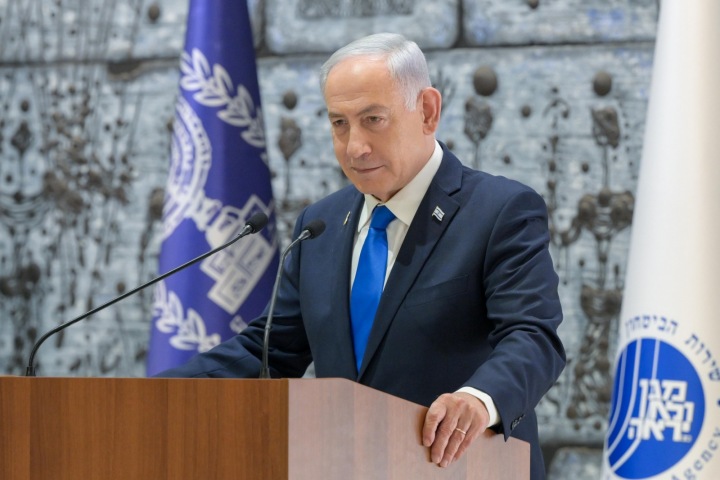
Netanyahu's political career is one of the longest in Israeli history. During his years in office as Prime Minister, he became one of the most prominent figures in Israeli politics, but also one of the most controversial. Critics accuse him of an authoritarian style of leadership and contentious reforms, while his supporters emphasize the country's economic growth and security stability.
However, his name is often associated with corruption cases. The Attorney General has charged him with fraud, breach of trust, and accepting bribes in cases known as 1000, 2000, and 4000.
The first case ("case 1000") involves suspicions that he received luxury gifts such as cigars, champagne, and jewelry from billionaires — for example, Hollywood businessman Arnon Milchan and Australian casino magnate James Packer — allegedly in exchange for political or personal favors.
The value of these gifts is estimated at approximately 150,000 pounds. According to the accusation, Netanyahu was supposed to have helped Milchan, who is of Israeli origin and produced the film Pretty Woman, with the extension of his US visas. In Packer's case, it is unclear what specific advantage he was supposed to have gained, writes The Guardian.
The second case ("Case 2000") concerns an alleged agreement with the largest Israeli newspaper Yedioth Ahronoth, according to which he was to limit its competition in exchange for favorable media coverage, writes BBC.
The third and most serious case ("case 4000") involves suspicions that nearly 200 million pounds worth of benefits were offered to the telecommunications company Bezeq in exchange for positive coverage on an internet portal owned by the company. This case is the only one where bribery is included in the charges.
Along with Netanyahu, other influential businessmen and media figures were charged - former owner of Bezeq Shaul Elovitch, his wife Iris Elovitch, and publisher of the Yedioth Ahronoth newspaper Arnon Mozes. All defendants deny the charges. In a separate case, Netanyahu's wife Sara was convicted of improperly spending thousands of pounds of public funds on luxury meals, even though she had a state-funded chef available. Sara Netanyahu, a child psychologist by profession, has been a controversial figure throughout the prime minister's political career and has faced allegations of mistreatment from former employees. These cases have sparked mass protests and deep societal divisions. Netanyahu denies the accusations, claiming it is a politically motivated process. His trial has been ongoing for several years and is one of the most closely watched in the country.
This process continues to significantly polarize Israeli society and provoke political tension and protests.
It is important to emphasize that this is a legal proceeding – guilt or innocence will be determined by the court, writes BBC.
Israel thus presents an interesting contrast: on one hand, extremely wealthy entrepreneurs shaping global markets, and on the other, a political elite facing accusations and public pressure. While billionaires are building technological empires and investment funds, the country's political environment is often marked by sharp conflicts and scandals. This tension between economic success and political scandals makes Israel one of the most discussed countries in the world.
Source: author's text, Forbes, Bloomberg Billionaires Index, Reuters, BBC, Financial Times, The Guardian, Al Jazeera, Forbes Israel, TechCrunch