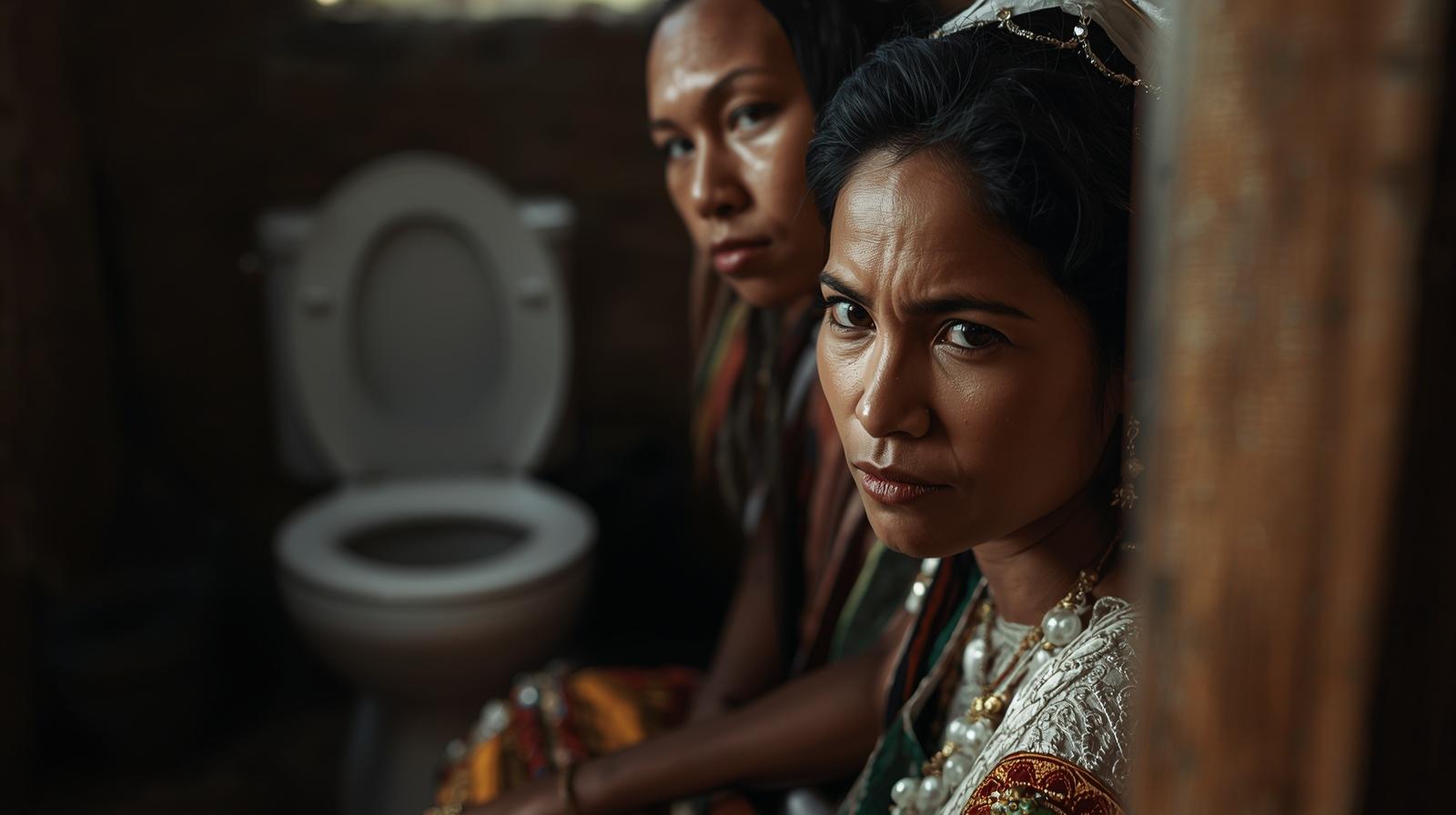
TRANSLATED INTO CZECH, CHECK! I'm Taking Toding: Newlyweds Are Banned from Using the Toilet for Three Days


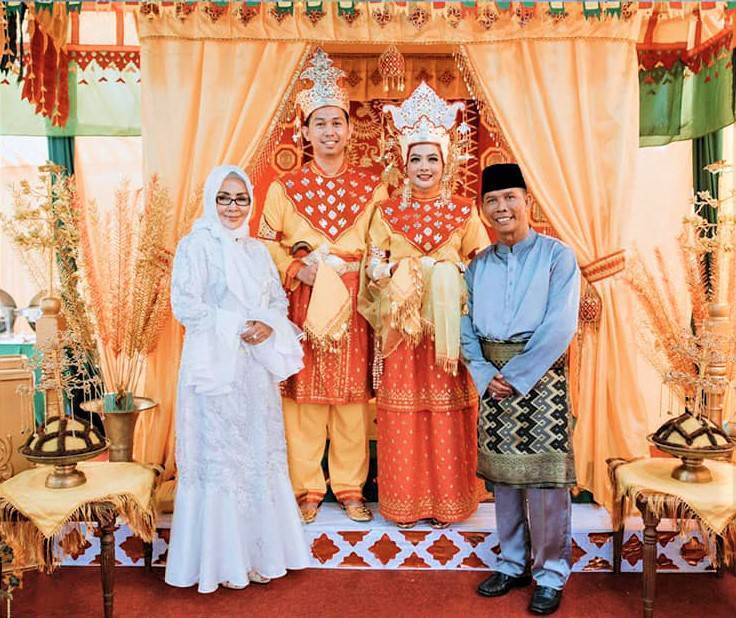
Each community has created its own rituals that reflect its values, beliefs, and understanding of the significance of important life events such as weddings, celebrations, or transitions into new stages of life.
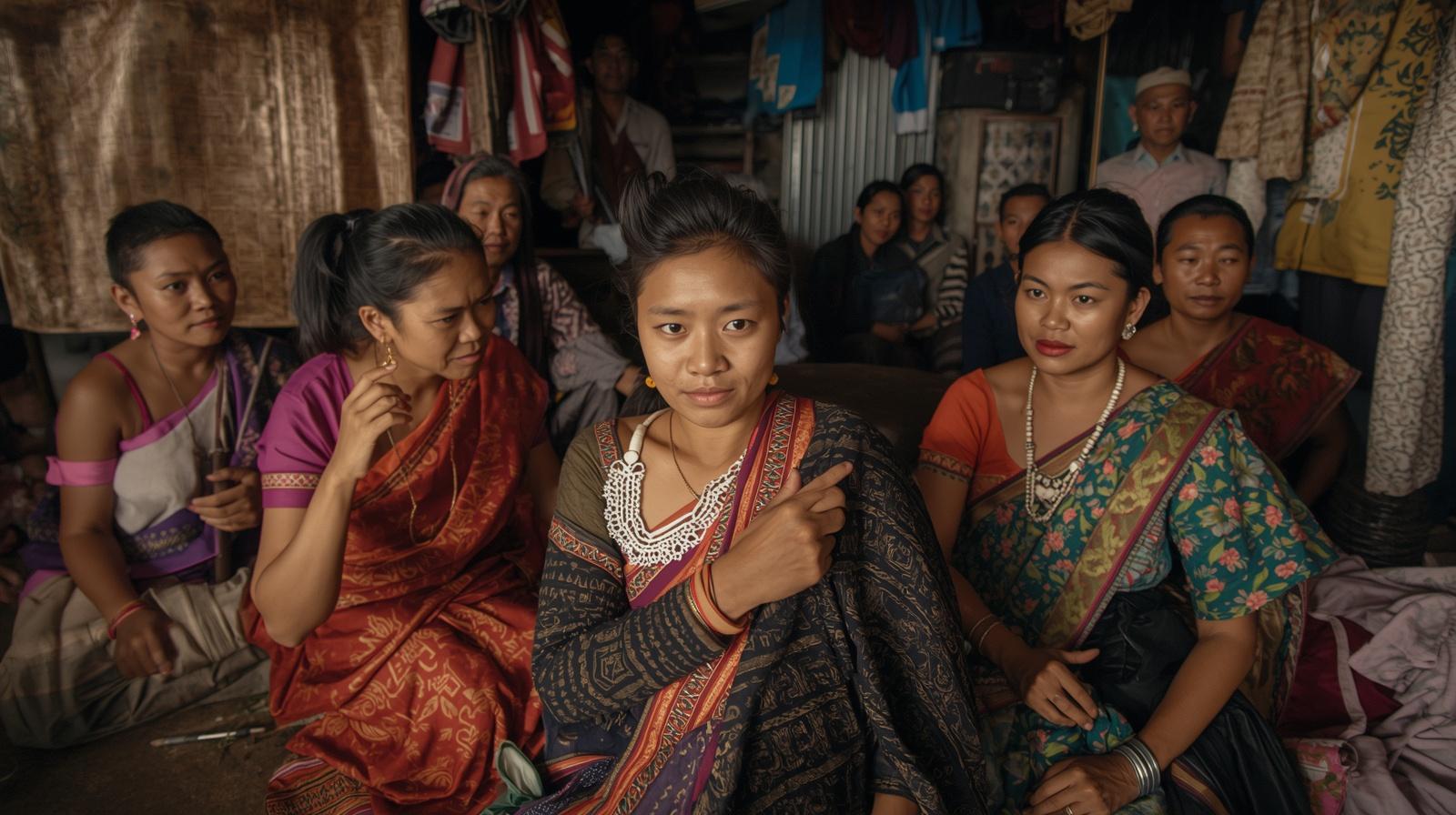
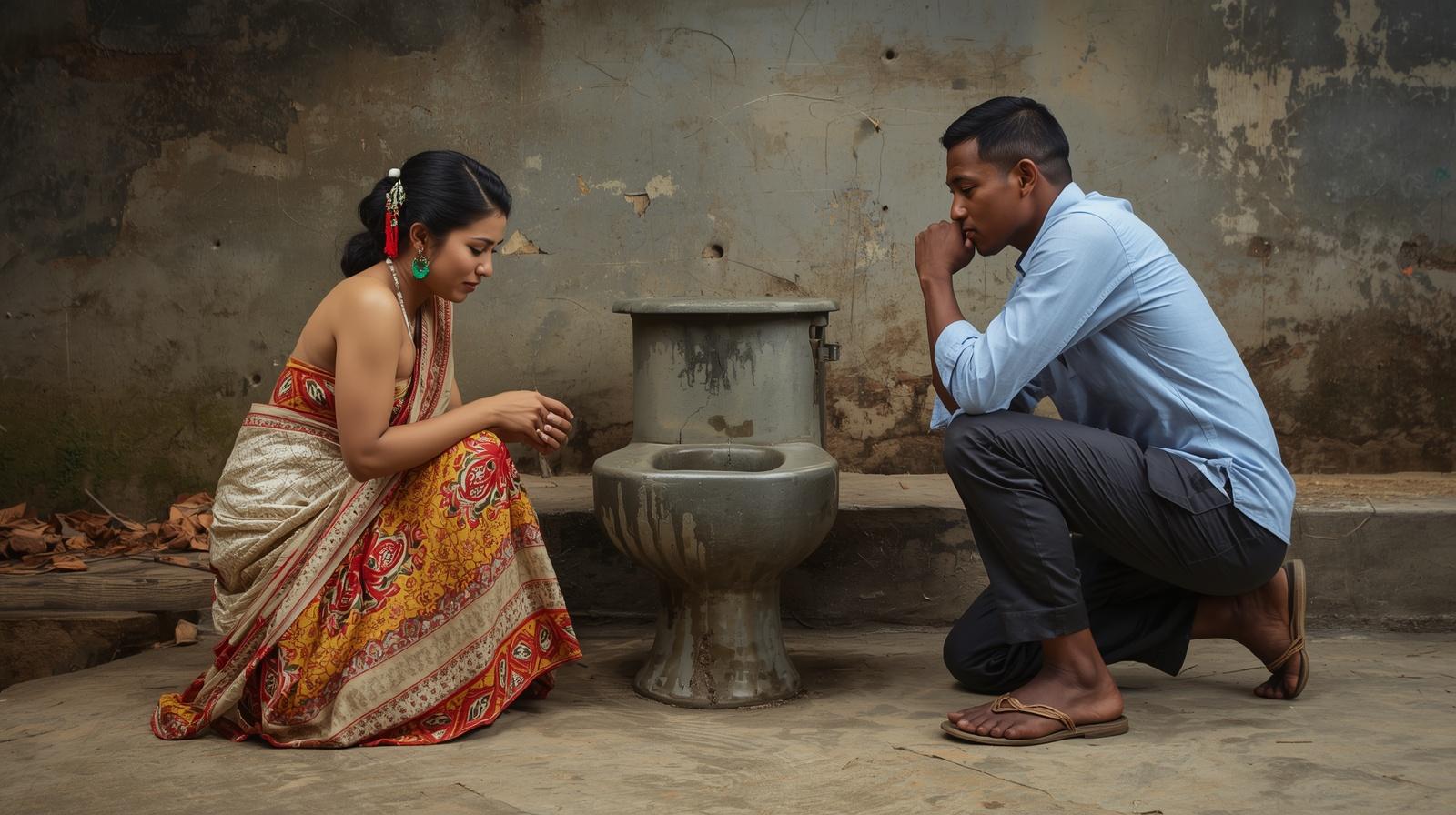
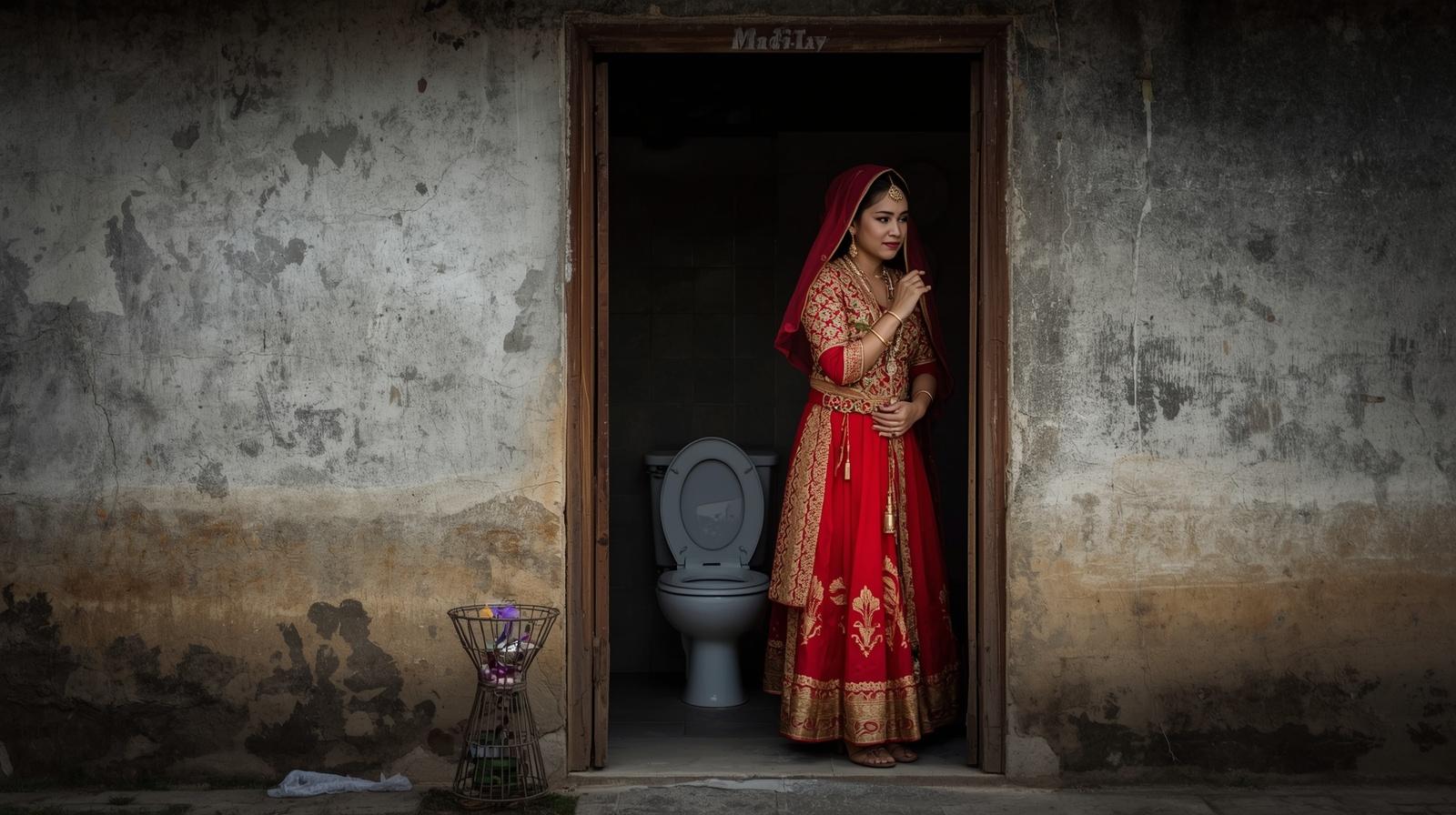
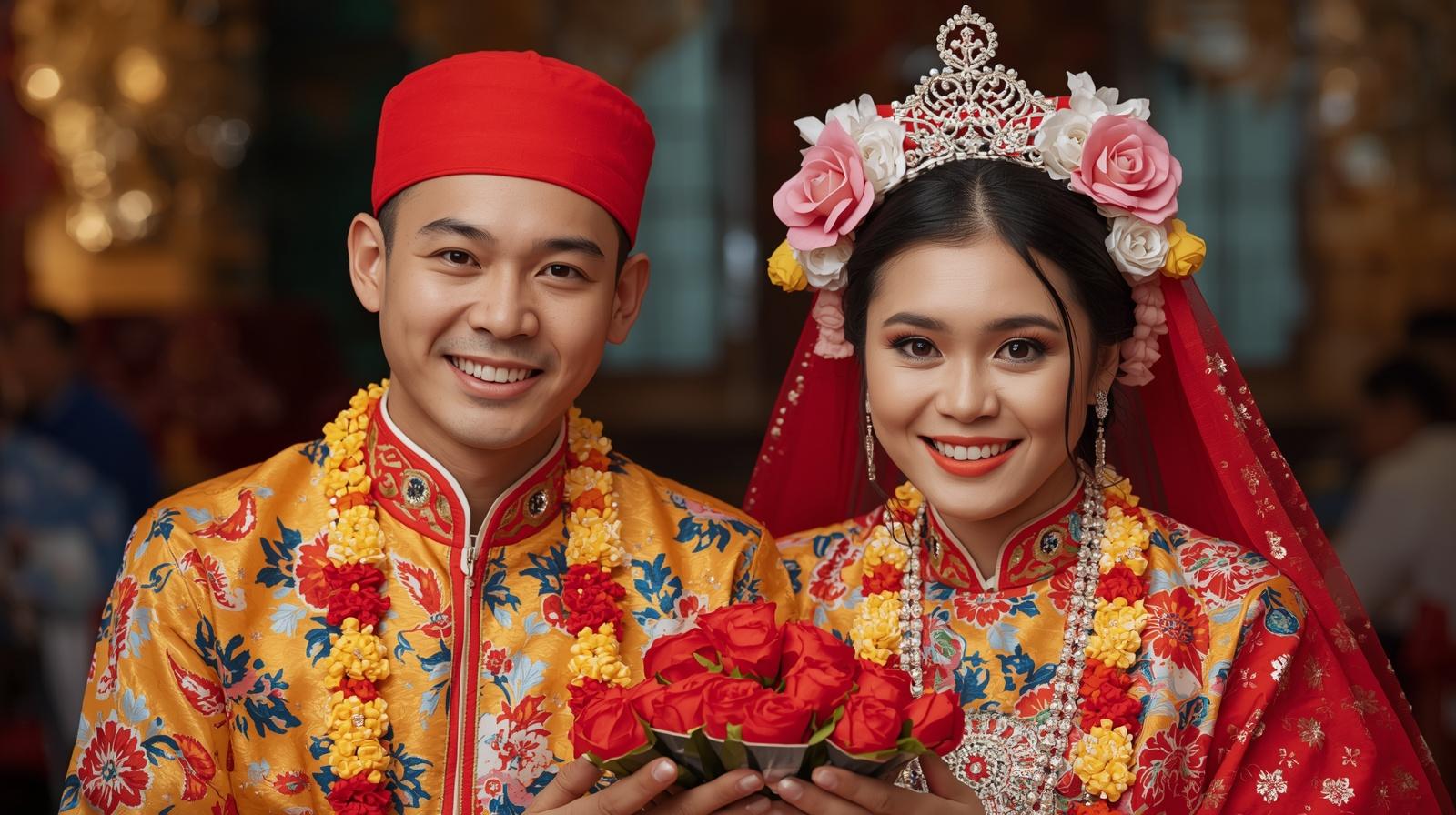

In the Tidong tribal community, there is a popular custom that is deeply rooted in their traditions. The Tidong people live in Borneo, in regions of Malaysia and Indonesia, writes the portal KAUMUDI Online.
The word Tidong means "those who live in the mountains." Among them, there is a wedding-related custom that may seem unusual. It is a custom among newlywed couples.
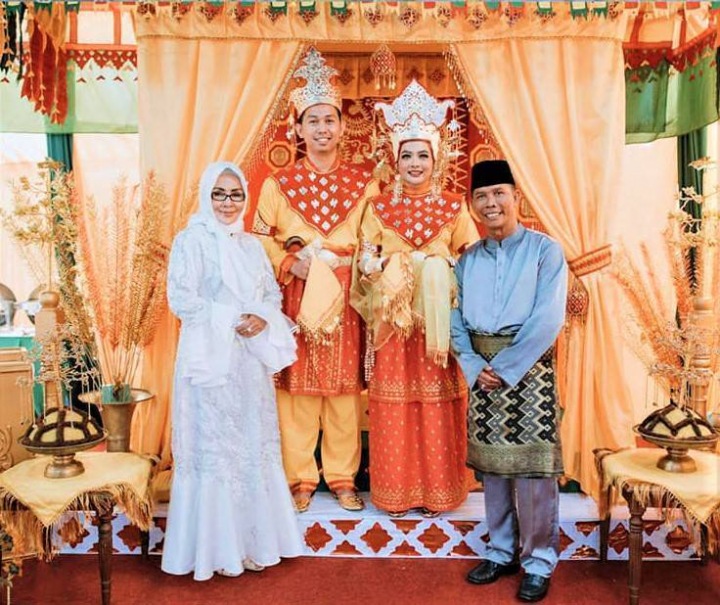
Weddings are one of the most significant life ceremonies for most communities, but the Tidong community from northeastern Borneo has customs that inspire admiration and wonder. Their traditions are deeply rooted in culture and aim to strengthen the marital bond, even though some of them may seem extreme to an outsider.

Musical Test of Love
One of the most captivating customs is that the groom must not see the bride's face during the wedding until he sings several songs to express his love, writes the portal Termwiki.
Only after fulfilling this musical condition does the curtain between them rise, and the couple can meet on stage for the first time.
This ritual symbolizes patience, respect, and devotion, which should be the foundation of their shared life.
Three days and nights without a toilet
Weddings in the Tidong tribe are celebrated with traditional tribal ceremonies just like elsewhere, but with one crucial exception that is unimaginable for most people, writes the portal Writeups24.
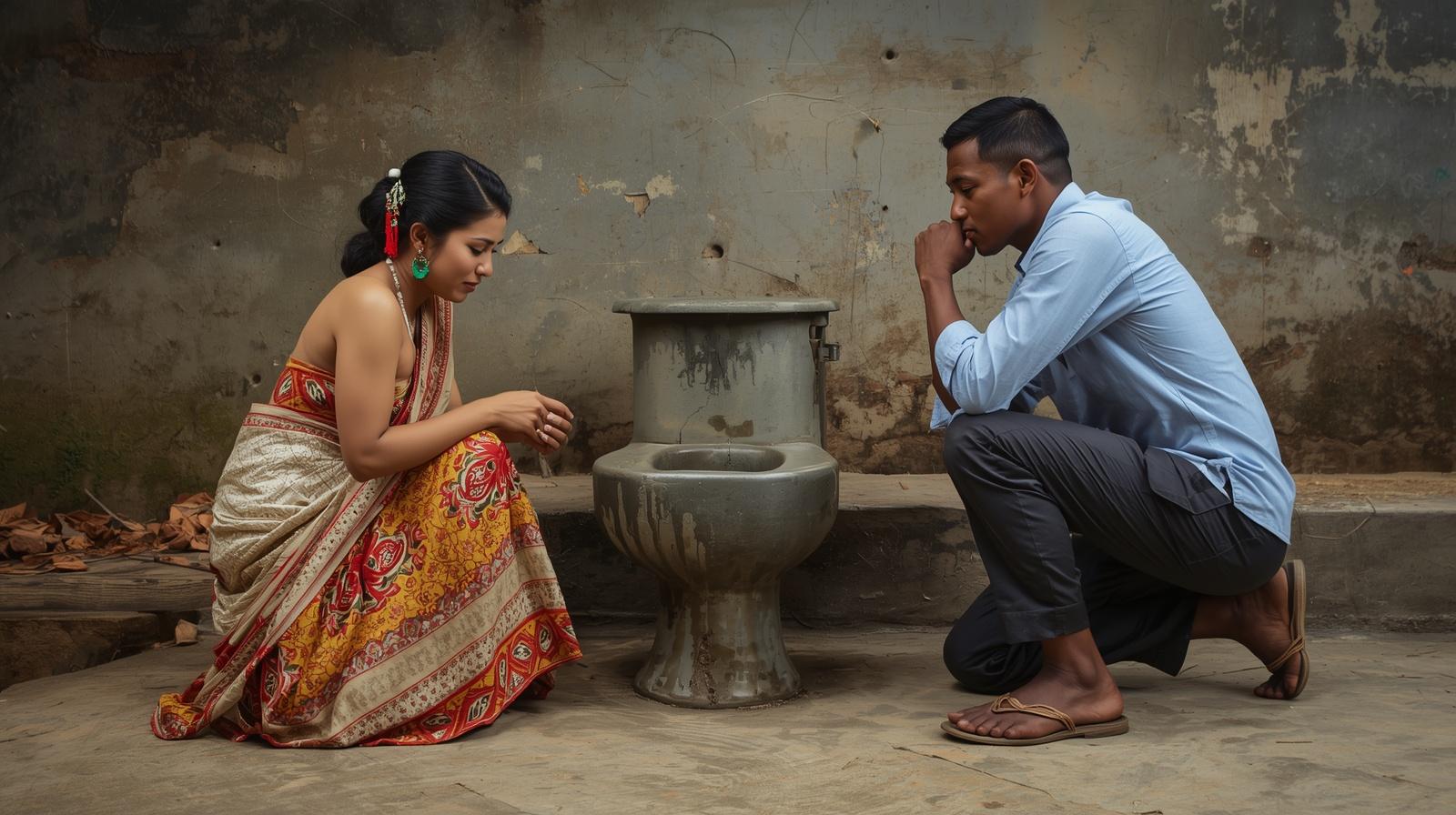
The most extreme and most discussed custom is the ban on using the toilet for newlyweds during the first three days after the wedding.
Yes, you read that correctly. The community believes that stimulating the urinary and digestive system during this period can cause an unhappy marriage, including infidelity or even the death of children at an early age.
According to the tribe, holding in urine and stool for three days strengthens love and solidifies the bond between spouses. The tribe believes that toilets contain dirt and bad energy, which could harm the marriage. If the couple does not complete the ritual, it is considered a bad omen. People believe that it could lead to marital problems, divorce, or even death.
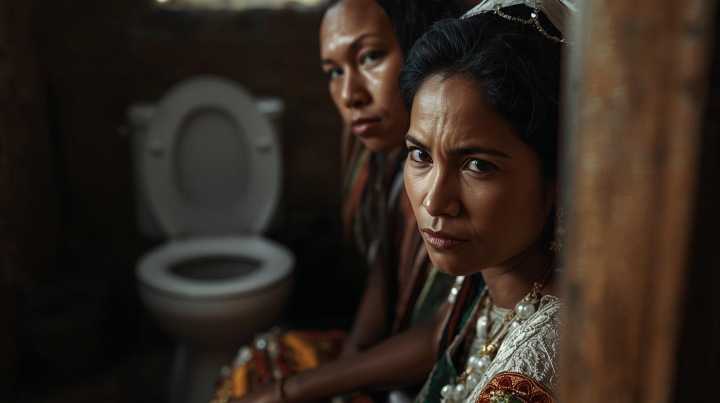
Even though from the perspective of modern medicine it cannot be claimed that holding in natural needs automatically strengthens a relationship, the community regards this ritual as a symbol of discipline and devotion, and therefore strictly adheres to it. Neither the bride nor the groom is allowed to fulfill any need – they don’t use the toilet, empty themselves, or bathe.
During these days, they are completely confined in a specially designated room, and family or other relatives supervise to ensure the couple follows the rules.
Meaning and Symbolism
To make this challenge easier, the couple is given a minimum of food and water. This reduces their urge to use the bathroom. Despite the health risks associated with holding bodily functions for so long, the people of the Tidong tribe continue to observe this ritual with great respect. Family and senior community members ensure that the couple does not abuse the situation and secretly break the ritual.
After three days have passed
After three days, the couple celebrates their success. The tribe believes that those who complete this tradition will have a happy and long-lasting marriage.

The couple can once again attend to their natural needs and undergo a purifying bathing ceremony.
This moment symbolizes the successful overcoming of the trial and the return to normal life. Only then can they use the toilet again and return to regular life. This moment is a ceremonial confirmation in the community that the couple has successfully overcome the trial and is ready for life together.
Risks and Health Impacts
Retaining urine and stool for 72 hours can have serious health consequences.
Common issues include:
- Stomach ulcers and digestive problems
- Headaches and stomach aches
- Constipation
- Rashes and acne
- Bladder overload
- Weakening of the pelvic floor muscles
- Risk of kidney stone formation
- Urinary tract infections
- Loss of bladder control
- Incontinence and bladder dysfunction
Despite these risks, the Tidong community traditionally observes this custom because its spiritual and cultural significance outweighs the physical discomfort.
And let's mention another interesting fact.
In another bizarre wedding ritual, the bride in the village of Pini in Himachal Pradesh does not wear any clothing after the wedding.
During this period, she can only drape a woolen cloth called pattu. The bride and groom can exchange jokes but must keep their distance from each other. The groom also observes specific customs. He abstains from alcohol.
Local residents believe that following these customs brings prosperity and blessings to newlyweds and ensures happiness in their married life, writes the portal News9live.
The wedding traditions of the Tidong tribe are a fascinating example of how deeply culture and beliefs shape life rituals. The three-day ban on using the toilet may not be understandable to the modern person, but for the Tidong, it represents a symbol of discipline, purity, and protection of marriage.
A couple that manages to complete this ritual is, according to the community, ready for a long and happy marriage, based on trust and devotion.
Culture and Daily Life of the Tidong Community
The Tidong community, an ethnic group living in northeastern Borneo, primarily in parts of North Kalimantan in Indonesia and Sabah in Malaysia, maintains its traditional way of life, passed down from generation to generation. Their daily life is deeply connected to nature, rivers, and coastal areas where they reside.
Houses are often built on stilts to protect them from torrential rains and floods, reports INATRIP.
The main source of livelihood is agriculture - they grow cassava, sweet potatoes, fruit, and vegetables. In addition, many Tidung people engage in fishing and traditional crafts, such as making bamboo items and woven accessories.
Their life is communal - family and neighbors support each other, share resources, and maintain common traditions. Even though part of the community is gradually modernizing, they still uphold strong spiritual and cultural beliefs. The Tidung are predominantly Muslim, but elements of older indigenous traditions, celebrating the connection between humans, nature, and supernatural forces, still manifest in their religious practice and customs. Their culture is also rich in celebrations and rituals connected with everyday life - from agricultural cycles to wedding ceremonies and community festivals.
It is precisely these customs that provide the Tidung people with a sense of identity, continuity, and belonging.
Identity and Values of the Tidong Community
Ethnographic and academic studies provide a deeper insight into the values, social identity, and life philosophy of the Tidong community. These works describe how the traditional way of life changes under the influence of modernization, globalization, and the migration of young community members. The studies emphasize that the Tidung place great importance on family ties, community responsibility, and the preservation of cultural customs.
Rituals such as the wedding "toilet ban" are not just unconventional customs - they express collective identity, discipline, and respect for tradition.
Young Tidungs often struggle to balance modern life with the duty to preserve cultural values. Academic studies examine the impact of education and migration on ethnic identity, as well as how the community adapts without losing its unique culture. These studies show that even though some traditional practices may seem exotic or extreme, they hold deep significance for the social cohesion and spiritual stability of the community.
Thanks to them, the Tidung people strengthen their bonds, pass on traditions to younger generations, and maintain a sense of belonging and identity in a changing world.
Source: authored text, news9live.com, termwiki.com, writeups24.com, indiatimes.com, keralakaumudi.com, inatrip.id, eajournals.org