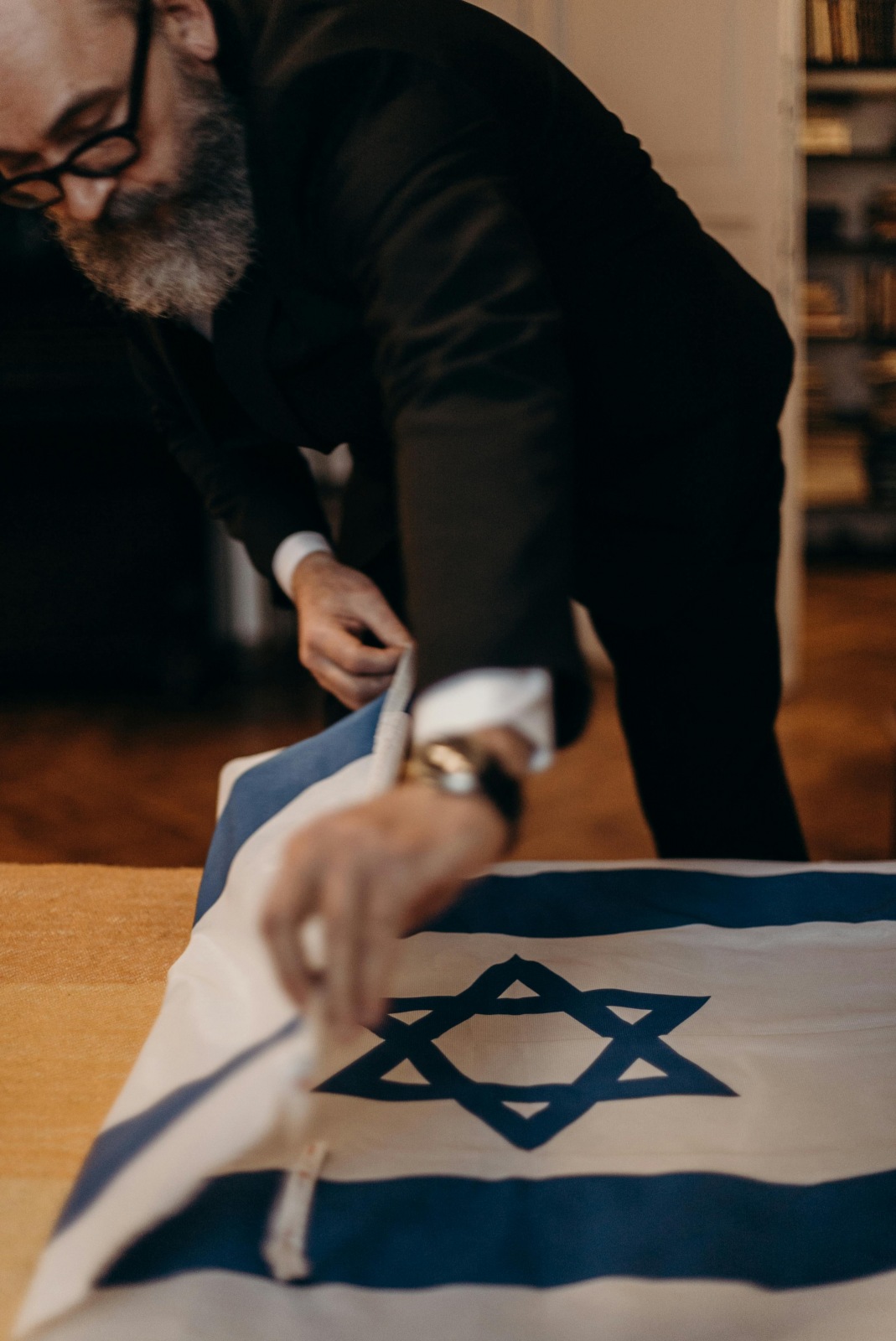
TRANSLATED TO CZECH, CHECK! I'm marrying an Israeli: An unexpected trend is emerging in Israel. Weddings are being held in bomb shelters


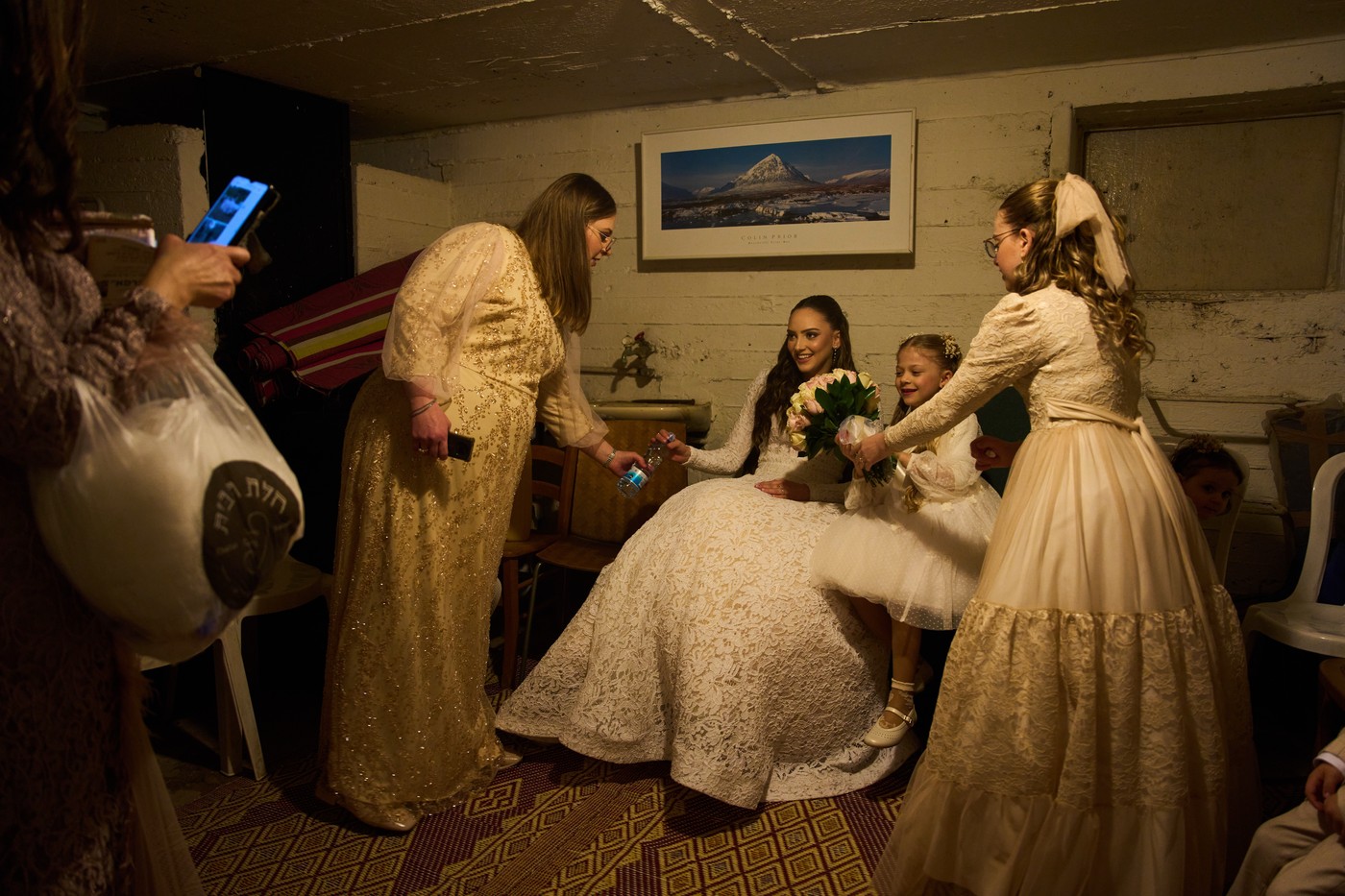
This story is not just about two people who love each other. It is a story about two wars that intersect so closely with their lives that each wedding is an act of courage, each "yes" a cry of hope, and each ordinary morning after the wedding is perceived as a miracle of a new day.
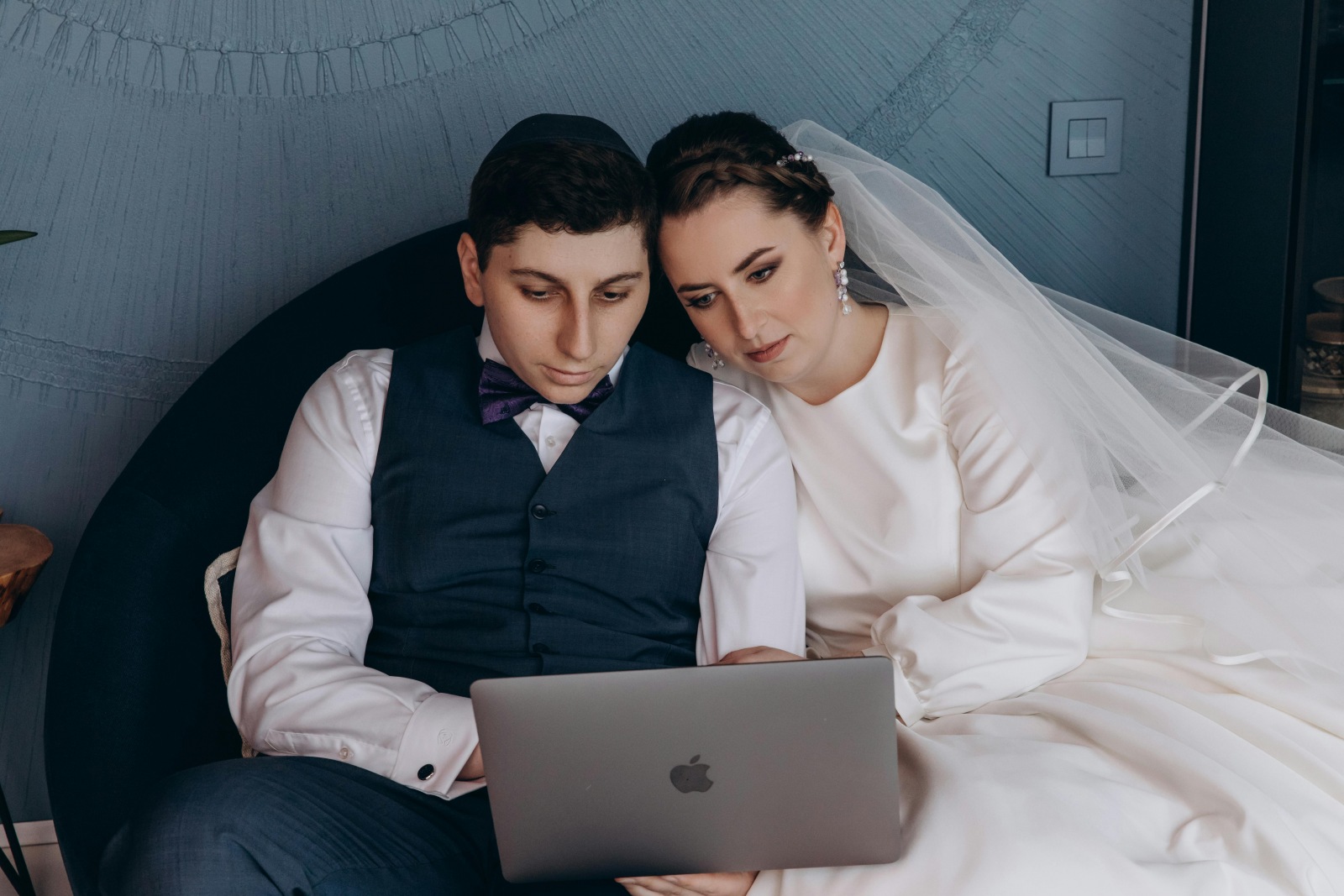
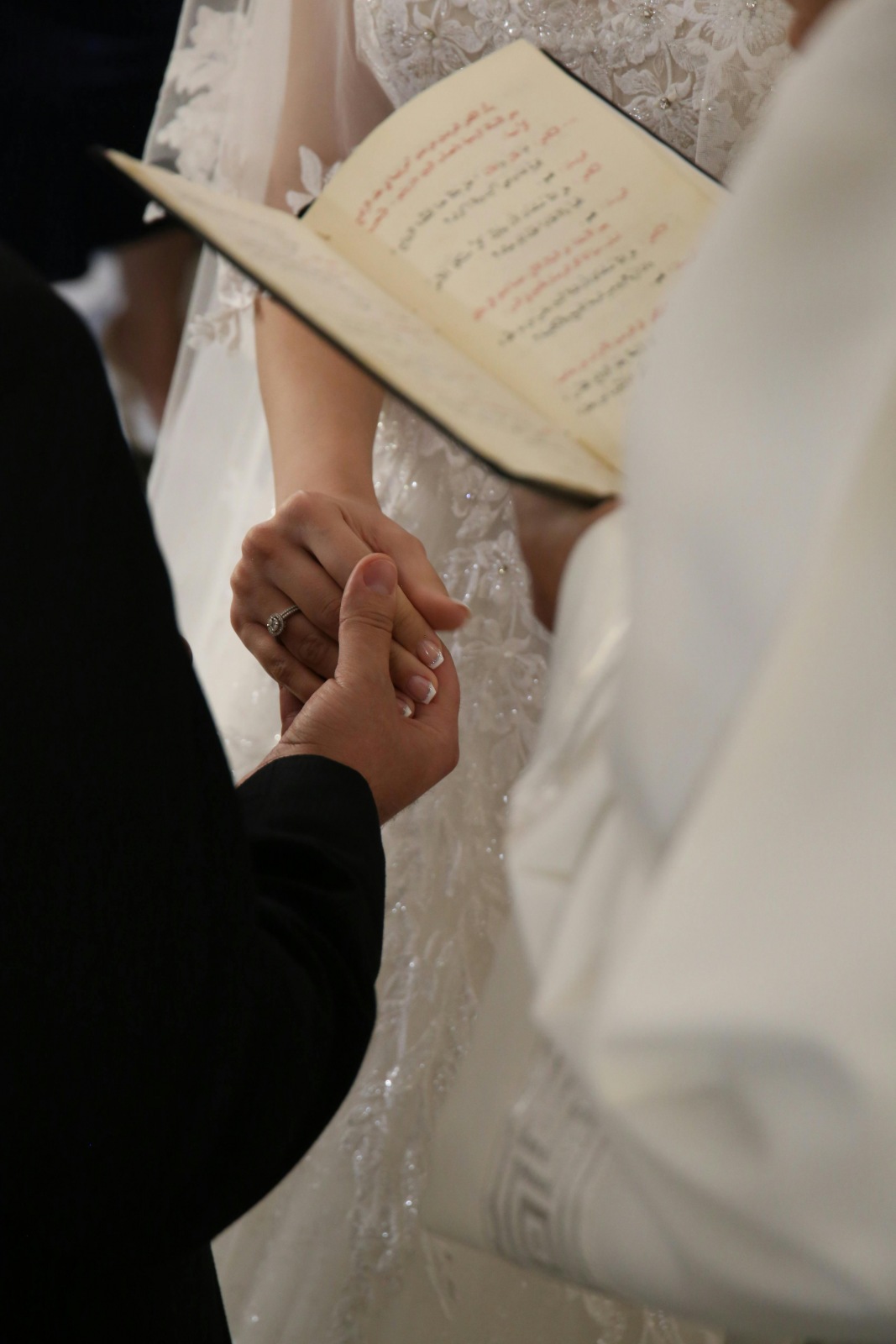
The story takes place at a time when Israel is facing two storms: one extensive regional conflict with Iran, and another long-lasting and ongoing one on the Palestinian territories with Hamas. It is precisely in this complex reality that some young people have decided to say their most important "yes."
A Land Where Love Meets War
In 2026, the conflict in the Middle East had grown into the form of two interconnected wars, writes Reuters.com.
The most extensive conflict is between Israel and Iran, which began on February 28, 2026, after Israel, with support from the USA, launched extensive attacks on Iranian infrastructure, nuclear sites, and military locations, provoking a massive response from Tehran and its allies. This new front has affected the region from Libya and Sudan through Syria and Lebanon to Jordan and the Persian Gulf, where Iran is responding to Israeli and American attacks.
Simultaneously, the long-standing conflict between Israel and Hamas in the Gaza Strip continues, which began with the attack on October 7, 2023. Regular skirmishes, blockades, and occasional rocket attacks have become an everyday reality for thousands of civilians. This dramatic context raises the most intimate question: What does love look like when every day means survival? How do you celebrate a wedding amidst the sound of sirens, shelters, and uncertainty?
And what were the traditions before the conflict?
Weddings in Israel are primarily based on Jewish religious traditions that have been formed over centuries. Although today's weddings tend to be modern and grand, their foundation remains ancient rituals that emphasize family, community, and the spiritual significance of marriage. In Jewish culture, a wedding is not just a romantic moment between two people, but also an important social and religious act that unites families and creates a new home, writes the portal theamm.org.
One of the most prominent symbols of a Jewish wedding is the Chuppah, the wedding canopy under which the bride and groom stand during the ceremony. It is a simple structure made of fabric stretched over four poles or held by family and friends. The Chuppah symbolizes the new home the newlyweds are building together, and it also serves as a reminder of the open tent of biblical patriarchs, which was open to guests from all sides.
Several important rituals take place before the wedding itself. One of them is the signing of the wedding contract Ketubah. It is a traditional Jewish marriage document outlining the husband's duties and obligations towards his wife. The Ketubah is signed before the wedding ceremony in the presence of witnesses and a rabbi, and it is often publicly read during the wedding. After the wedding, the newlyweds usually display it in their home as a symbol of their marriage.
Just before the ceremony, the ritual of Bedeken takes place, during which the groom symbolically covers the bride's face with a veil. This custom has biblical roots and refers to the story of Jacob, who was once deceived and married a different woman than he thought. Covering the face thus symbolizes the certainty that the groom is marrying the right woman and also expresses modesty and respect.
The wedding ceremony itself under the chuppah is accompanied by several blessings and symbolic gestures. One of the most well-known moments is the breaking of the glass, where the groom steps on a glass wrapped in cloth. Guests then exclaim “Mazel tov!” This custom recalls the destruction of the Jerusalem temple and simultaneously symbolizes the idea that even in the greatest joy, people should remember the historical events and trials of their nation.
After the ceremony, a large wedding feast follows, which is one of the merriest parts of the whole celebration. Israeli weddings are known for their lively atmosphere, plenty of music, and dancing. The most typical wedding dance is Hora, where guests dance in a circle and the bride and groom are often lifted on chairs above the heads of other guests. This moment is one of the most joyful and energetic moments of the entire wedding.
The wedding feast is usually rich and reflects the diverse Israeli cuisine. Various salads, hummus, falafel, fish, roasted meats, and sweet desserts may appear on the table. Celebrations often continue late into the night, involving a large number of family and friends.
After the wedding, there is a tradition called Sheva Brachot, which means seven blessings. During the seven days after the wedding, newlyweds meet with family and friends at smaller celebrations where blessings are pronounced again, and the joy of the new marriage is reminded.
However, some things have now changed and had to adapt to the current situation.
Hope Among the Ruins
According to a Jerusalem Post report from December 28, 2025, weddings in Gaza are taking place despite the extensive destruction of buildings, hotels, and wedding halls. Almost 93% of celebration venues have been destroyed, prompting couples to host weddings in private homes or smaller venues. The number of guests is significantly reduced, and most weddings take place only among the closest family and friends.

In the streets, among ruined walls, people began organizing mass weddings that are unprecedented in the modern history of the region. They were not just social events but a collective expression of hope, resilience, and human dignity.
In December, 203 couples got married in Gaza during a mass wedding organized by the Turkish Ribat Humanitarian Aid Association, which provided decorations, venues, and symbolic support for couples living in uncertainty and fear for tens of thousands of days. A usual wedding became a collective celebration of the survival of culture and humanity.
In Khan Younis, 54 couples got married through a lottery to give their lives a new beginning. Such mass weddings were supported by international aid, including a humanitarian organization from the UAE, which wanted to show that hope can grow even where the war has left deep scars.
Interestingly, these weddings did not take place in luxurious venues, but on streets, courtyards, and improvised spaces among houses damaged by previous rounds of conflict. There, among the ruins, friends set up tables, families gathered to celebrate the love that endures despite everything.
How Weddings Took Place Amidst the War
Organizing weddings was challenging. Venues were not traditional halls but courtyards of family homes, improvised stages beside ruins, local centers that survived the bombing. The goal was just to celebrate anything: music, dance, lights, friends supporting each other as they entered a new life.
Guests sat where buildings once stood. Tables were adorned with flowers from small surviving gardens. Music tried to drown out sirens and rumbling sounds from afar. And there, in the midst of this contrasting atmosphere, the newlyweds held hands and stepped into an uncertain future.
Many young people have postponed weddings for several years, according to The Jerusalem Post. Ahmed Subh, a 27-year-old man, stated that war and displacement forced him to repeatedly change his plans. He eventually opted for a small wedding at relatives' with only close family, without grand festivities and noisy celebrations.
Tragedy, Courage, and Continuation
Before the war, weddings in Gaza were grand: they lasted several days, included engagements, public announcements, music parties called "fadaous," and feasts where the whole extended family gathered. Today, celebrations are reduced to a minimum, pre-wedding feasts are canceled, and the number of guests is limited due to high food prices and other necessities.
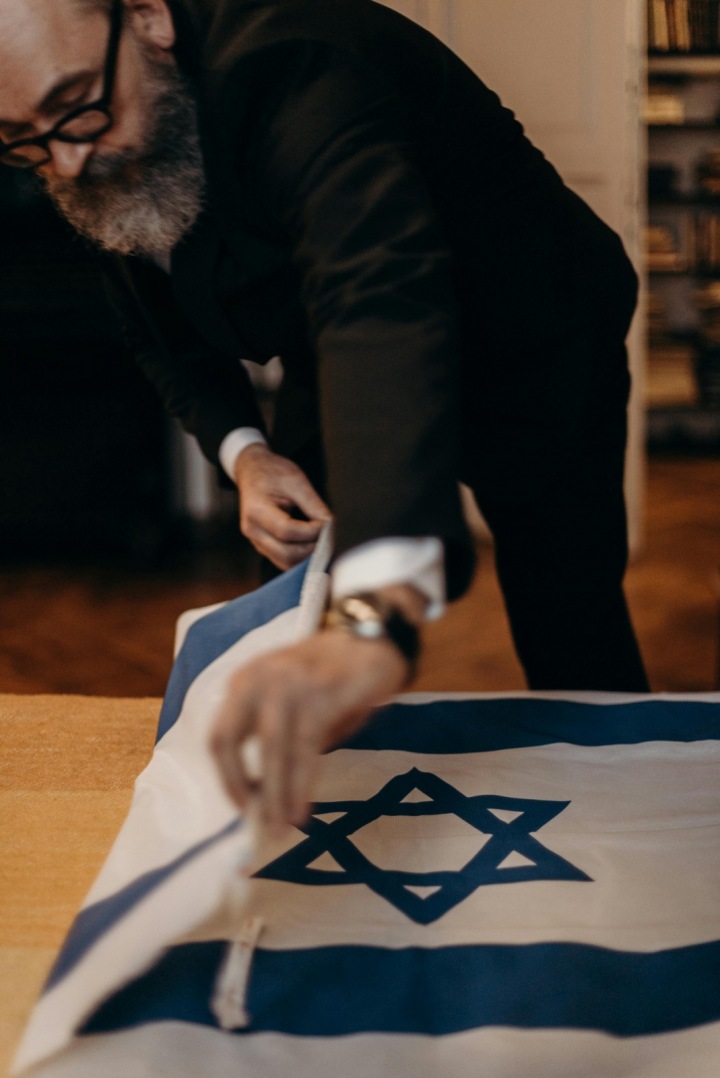
Sobhi Younis, 25 years old, stated that the war brought a feeling that joy has become a heavy duty when many loved ones were killed or displaced. His wedding took place in a small family circle, focused on the religious ceremony and signing of the marriage contract.
Traditional street celebrations and performances by popular artists have almost disappeared. Today, only modest family gatherings are held. Reda A’rab, whose son recently got married, describes a combination of sorrow and hope. The wedding was simple, out of respect for the suffering of people and limited economic means, yet the fact that his son is starting a new life is a symbol of joy and proof that the war has not stolen hope.
Tragedy During Celebrations
In some cases, the war not only interrupted military operations but also celebrations themselves. Attacks struck places where families gathered to celebrate love. Buildings that served as schools or shelters turned into tragic sites. One such incident occurred on December 19, 2025, when the Israeli army hit a wedding celebration in a converted school used as a shelter in Gaza. The wedding of a young couple in the Gaza Strip turned into a tragedy after Israeli artillery struck a building close to the celebration. The attack claimed several family members' lives and turned a day that should have marked the start of a shared future into moments of chaos, fear, and sorrow, reports Al Jazeera.
Mustafa and Nesma al-Borsh had planned their wedding for months. However, their big day turned out very differently than they once envisioned. In the war conditions in the Gaza Strip, they had to host only a modest celebration. The bride wore borrowed white dresses, had her makeup done at a local salon, and had some wedding photos taken with the groom. The ceremony itself took place in a simple tent in the Tuffah neighborhood in eastern Gaza City. The wedding was attended by only about forty guests, mostly close relatives.
As the Friday wedding celebration was coming to a close, an artillery shell landed near the tent. It hit a building right next to the celebration site. The building originally served as a vocational training center for the Ministry of Education in Gaza, but during the war, it was converted into a refuge for displaced families. Newlyweds had planned to begin their married life in this building after the wedding.
After the impact, flames began to shoot from the building. The area filled with thick smoke, dust, and the screams of people trying to help the wounded or find their loved ones. The newlyweds stood in shock, struggling to comprehend what was happening around them. The day meant to be the happiest of their lives turned into a tragedy within minutes. Mustafa immediately grabbed the bride's hand and sent her away with the women of the family who were leaving the tent. He then took off his wedding suit jacket and, along with other men, ran to help those trapped in the damaged building. The shell directly hit the second floor of the building, where Mustafa’s family and other displaced people were housed. The classroom prepared as the couple’s future home was also hit. Everything they had prepared for the start of their lives together was destroyed or burned.
Mustafa, along with other volunteers, began to pull the injured from the rubble. Among them was his nephew, who suffered serious injuries all over his body. The situation was chaotic and dramatic.
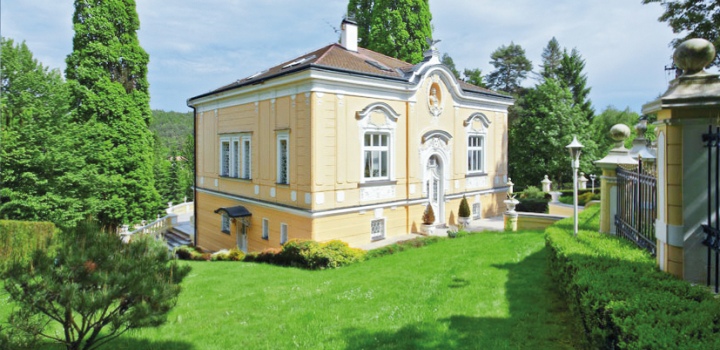
After the tragedy, Mustafa stated that he still wears the same clothes from the wedding day. His shirt still bears a bloodstain from his eight-year-old nephew, who died two days later from his injuries.
After the shelter's destruction and the loss of all their belongings, the newlyweds live separately today. Mustafa stayed in the tent with his family, while Nesma lives with her relatives.
Mustafa proposed to Nesma a few months before the war broke out in October 2023. The young man had prepared an apartment in a family house in the town of Jabalya in the northern Gaza Strip. The apartment was fully furnished – the bedroom, living room, and kitchen were ready for the start of their lives together. During the war, the couple and their families found themselves in a situation of constant displacement, hunger, and bombardment. The thought of a wedding seemed ever more distant. Although families occasionally encouraged them to get married despite the war, both young people refused. They couldn’t imagine a celebration amid suffering and displacement.
The family tragedy made the situation worse. Mustafa lost two older brothers during the war. One died when the family home was bombed in December 2023, and the other in March 2025 during another phase of the conflict. The loss of her sons left deep pain in the family, especially for Mustafa’s mother.
When reports of a ceasefire appeared in January 2025, the couple decided to prepare the wedding again. They believed the war was over. However, their hopes didn’t last long this time either. Hostilities resumed a few months later. Families were again forced to flee from northern Gaza to the western part of the city. They lived in tents in harsh conditions for many months until another ceasefire was announced in October 2025. After its announcement, Mustafa moved his family to a shelter in the Tuffah neighborhood, about half a kilometer from the so-called yellow line, beyond which Israel retained control. The family hoped to survive the winter in better conditions in the school building than in tents.
After an agreement between both families, they finally decided to carry out the wedding. The date was set for December 19. The celebration was to be simple and modest, in a tent next to the building where displaced families were housed. Mustafa prepared everything he could. Other families from the shelter helped him and even provided one of the classrooms where the newlyweds were to live. No one expected the place, which provided refuge to dozens of displaced families, to become a target of attack. The area was densely populated and outside the area controlled by the Israeli army. Nevertheless, the building became a target of artillery fire.
Eight people were killed – neighbors and relatives of Mustafa’s family. Among the victims was a family with a small child and Mustafa’s nephew, who had happily danced at the wedding celebration just moments before.
For Mustafa and Nesma, their wedding day ended with yet another displacement and the loss of everything they had. The young groom says it feels like having to start his life over continually. Both he and his bride are again homeless, as are their families, who now live in tents with relatives. The bride describes her feelings today as deep emptiness. The joy of the wedding dissolved in an instant, and the future they had imagined remained shrouded in darkness.
This moment showed that war can interrupt even the deepest human joy and that every smile after such events carries the mark of sadness for those who are no longer with us, reports the portal Al Jazeera.
Two Conflicts, One Life Rhythm
Every day in Israel and Gaza is now influenced by two levels of wartime conditions:
- Regional conflict with Iran: constant rockets, drones, sirens, and the need to find shelter. The rules of life, work, school, and personal relationships are changing. The priority question is: where to hide, how to protect children and home?
- Conflict with Hamas: long-term, sometimes escalating into open war, involving skirmishes, rocket attacks, blockades, severe consequences for the civilian population.
These two lines intersect in the lives of many couples. Newlyweds in Israel wake up to the sound of sirens, knowing that their significant day will be a test of patience, courage, and love. In Gaza, the daily routine is intertwined with fear of skirmishes and simultaneously with hope that this day might be different - calmer and more joyful.
Bomb Shelter Weddings
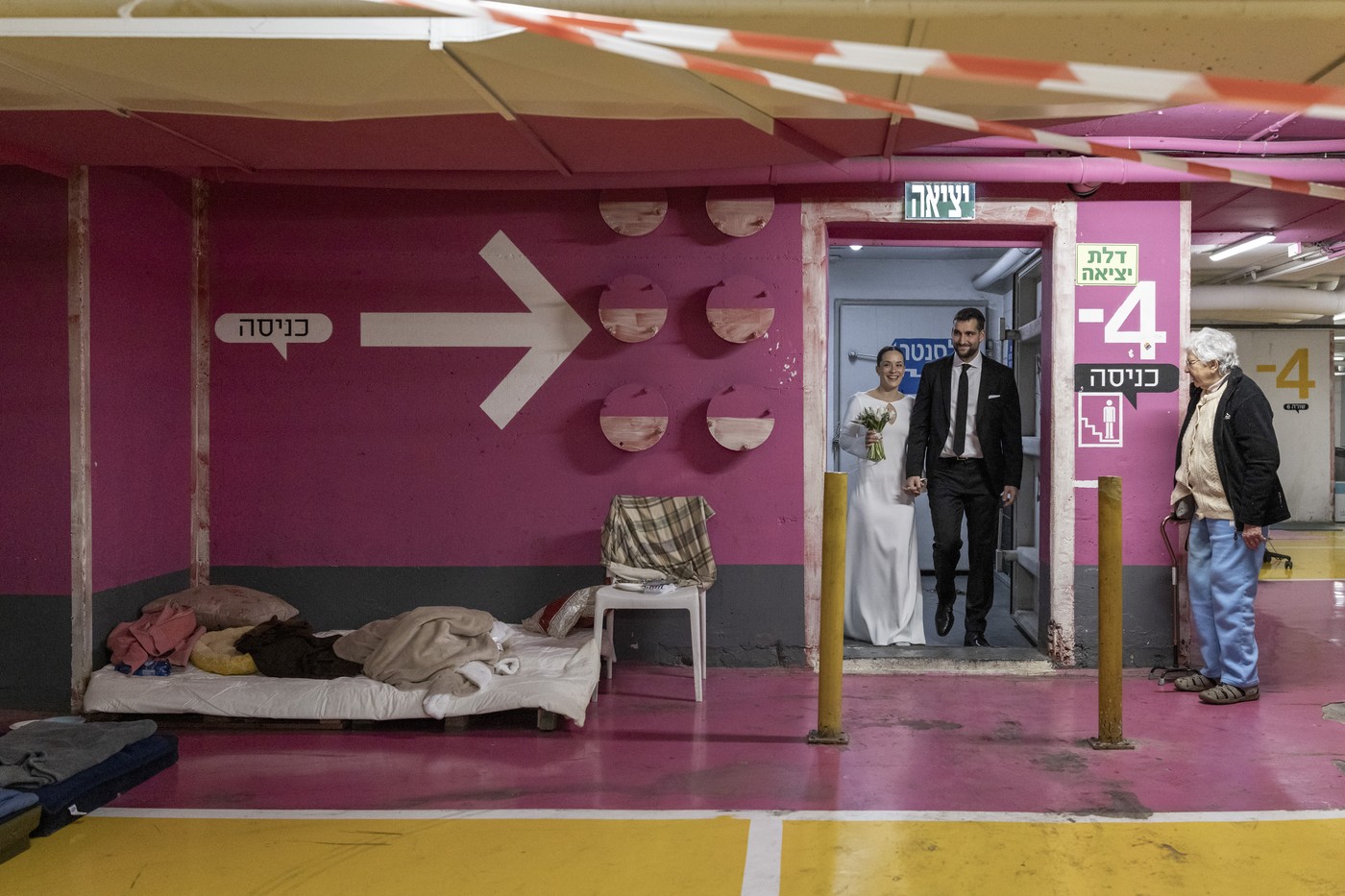
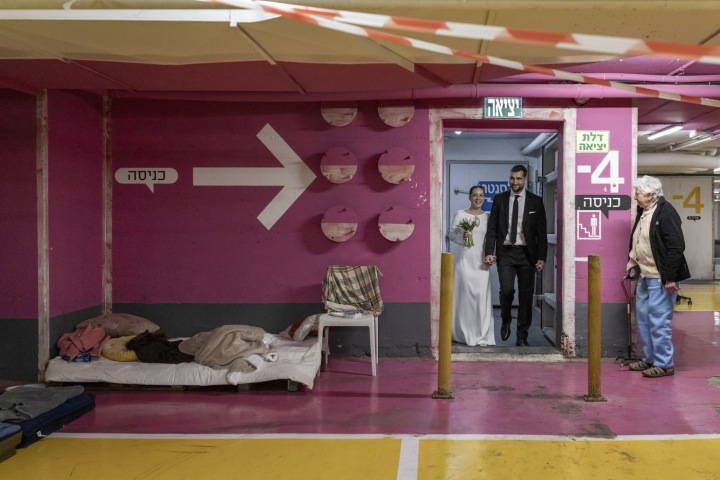
One of the most intense phenomena are the so-called "bomb shelter weddings." Places that most people associate with fear and escape have become spaces of love and hope for many couples. Newlyweds choose these shelters as a symbol that love can survive even in the darkest moments, when a siren might sound every hour. The shelters have become places of community celebrations, techno parties, and loving ceremonies, which would otherwise be held in halls with garden views, reports The Times of Israel.
Rabbinical Dispute Over Weddings
In Israel, there are also religious debates, writes the Jerusalem Post. Chief rabbis are discussing whether it is appropriate to hold Jewish weddings during periods of mourning and war. One rabbi issued a halachic ruling emphasizing the obligation to respect the period of mourning, while another argues that life and celebrations of love should not stop even during war. This dispute shows that even under extreme conditions, civilization and culture strive to maintain continuity.
How War Changes the Daily Lives of Couples
Life under wartime conditions is challenging: the threat of missiles, sudden attacks, blockades, high food prices, and delayed humanitarian aid. Gazans face restrictions on the import of food and medicine, while humanitarian aid is only a fraction of what is needed, writes the portal terrorism-info.org.il.
Young couples are making compromises:
- shortened ceremonies to quickly get guests to shelters,
- smaller number of guests to reduce risk,
- combining the ceremony with practical help for guests and supplies for sheltering.
In such an environment, a wedding becomes not only a celebration of love and commitment but also an act of survival and solidarity with others.
We can easily envision a wedding as a romantic scene in a garden or hall. But imagining a wedding amidst sirens, shelters, fear, and uncertainty means understanding that love is not always fragile.
When people decide to enter into marriage amidst two wars - one regional and the other locally long-term - their decision takes on multiple meanings. It's not just about the two vows "for better or worse," but a firm will to live even where others are afraid to breathe.
When newlyweds walk among the ruins of Gaza, embrace in an underground shelter, or say "I do" with a siren in the background, they bravely prove that love can survive even in war.
And maybe it's the most resilient story the world can know today - that even amidst two conflicts where civilians and entire societies are affected, love finds space, time, and courage to blossom.
Source: author's text, www.reuters.com, jpost.com, theamm.org, aljazeera.com, timesofisrael.com, www.terrorism-info.org.il