TRANSLATE: INTERVIEW: Have you tried corn perfume? High school student Adam created a remedy for viruses from it too

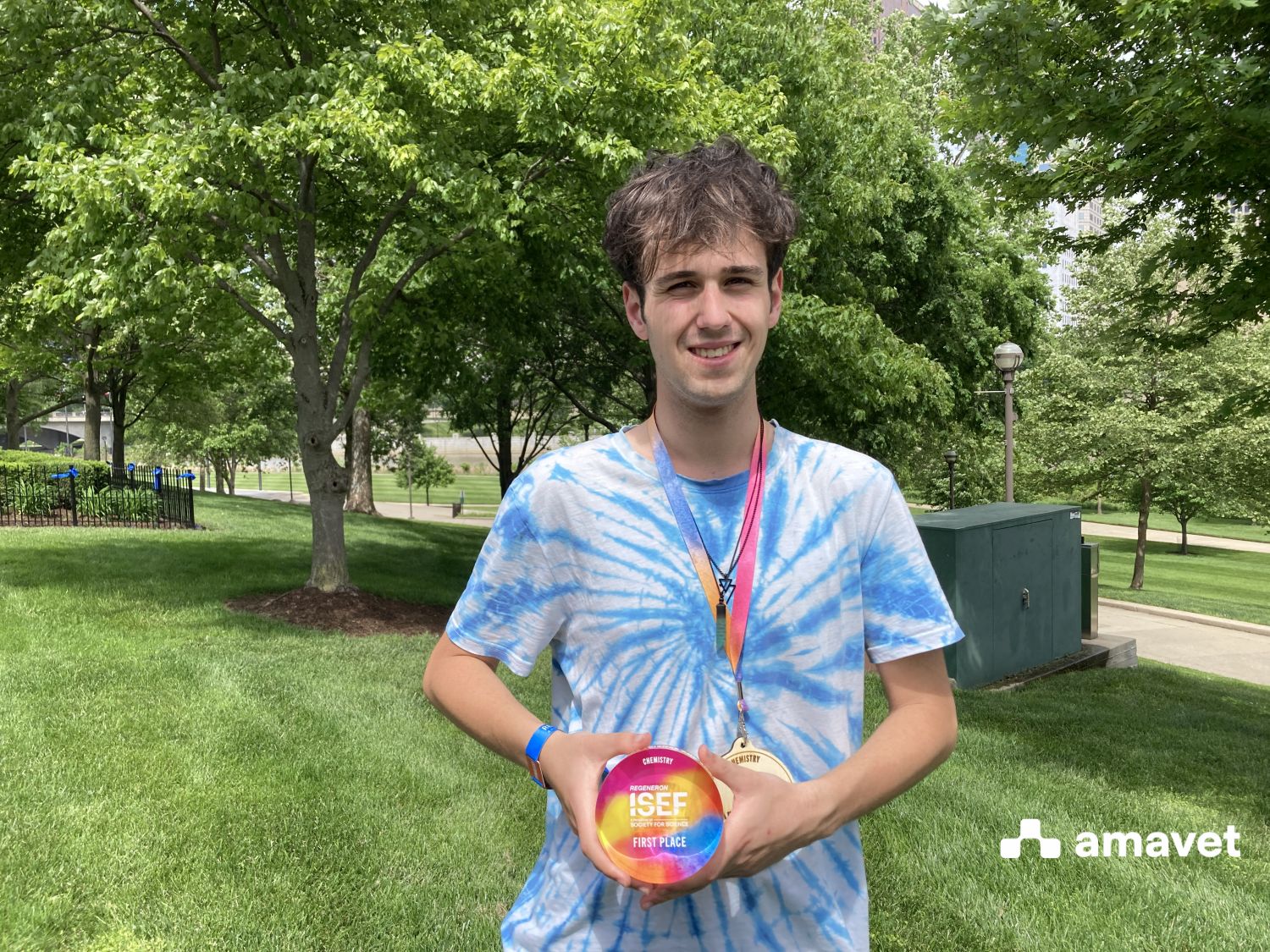
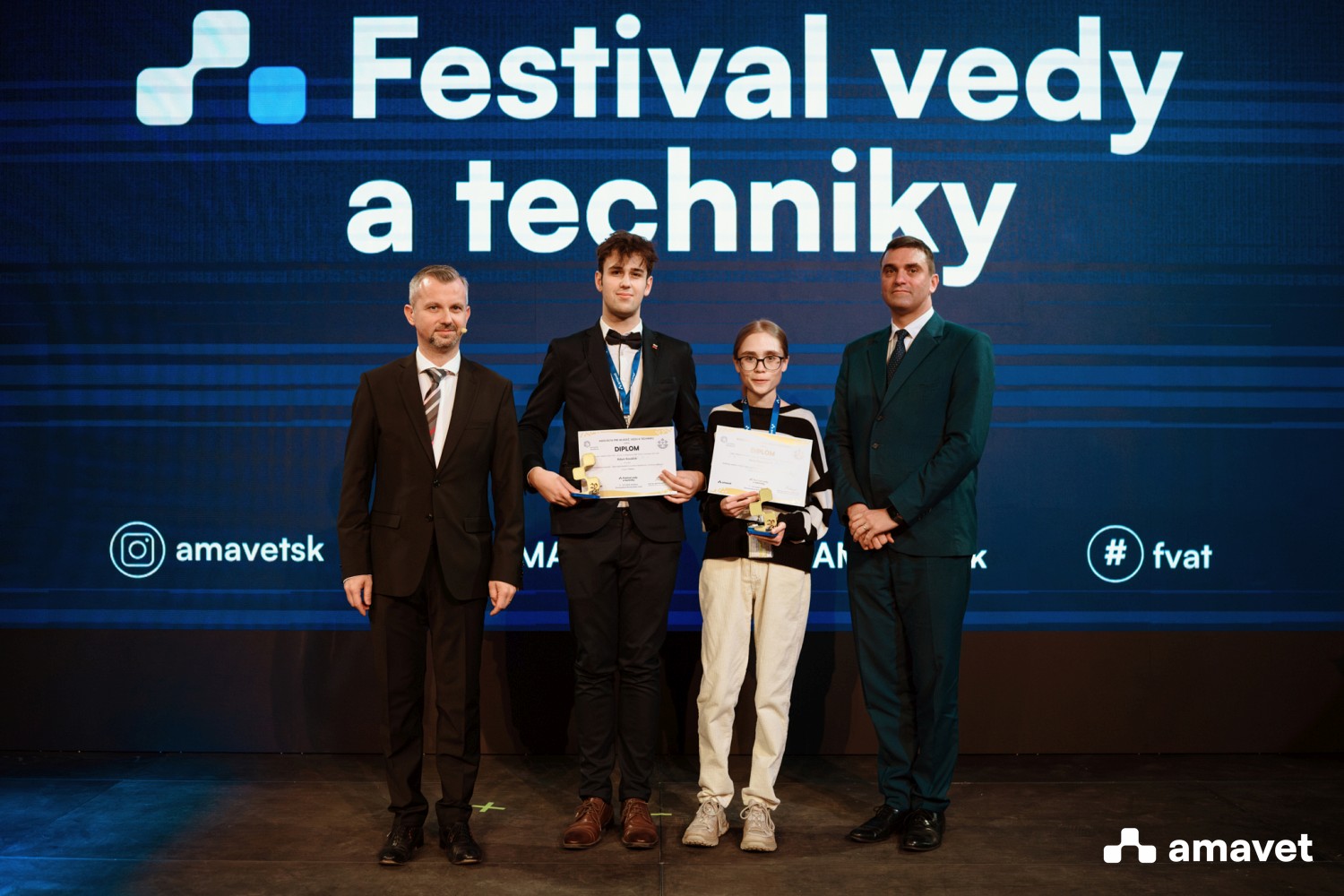
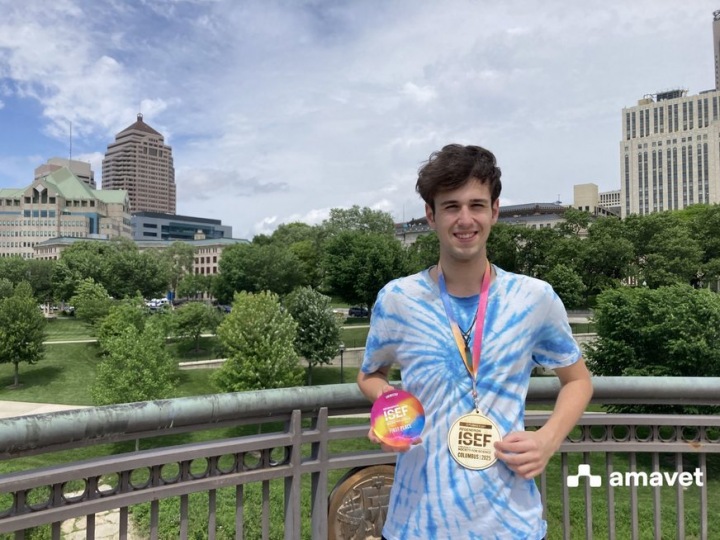
A Slovak from Slovakia has impressed experts overseas. Nineteen-year-old Adam Kovalčík from Dulovice near Komarno has been ranked among the most promising young scientists in the world, after he received a prestigious award in the USA for his breakthrough method of manufacturing antivirals from corn husks. His success was not only due to the courage to try new things but also determination, hard work, and the ability to find solutions where others may not have seen them. Thanks to these qualities, he made it all the way to Columbus, USA, where among 1,700 competitors, he presented his unique project, for which Adam received a cash prize of 100,000 dollars and an open door into the world of pharmacy.
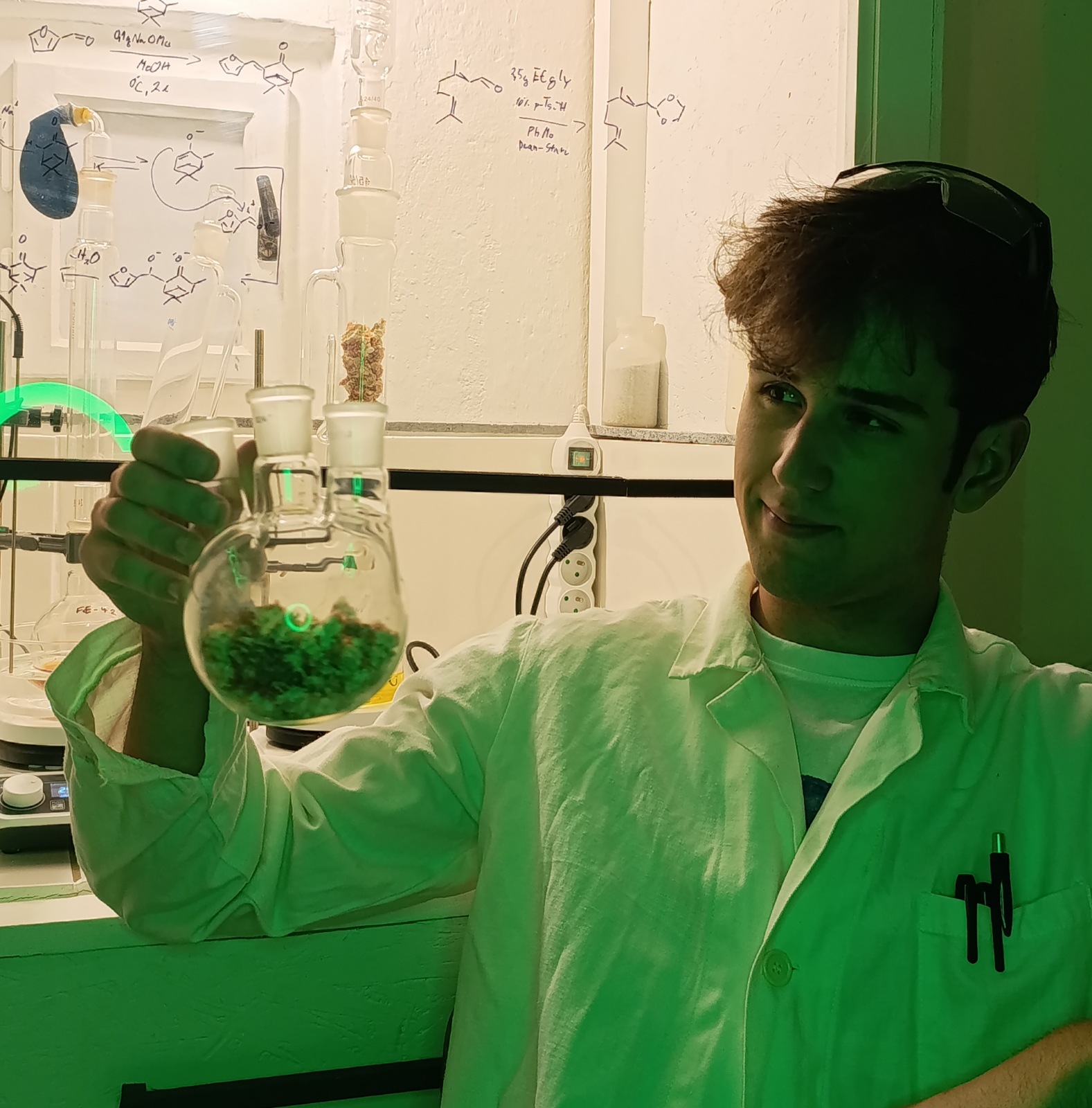
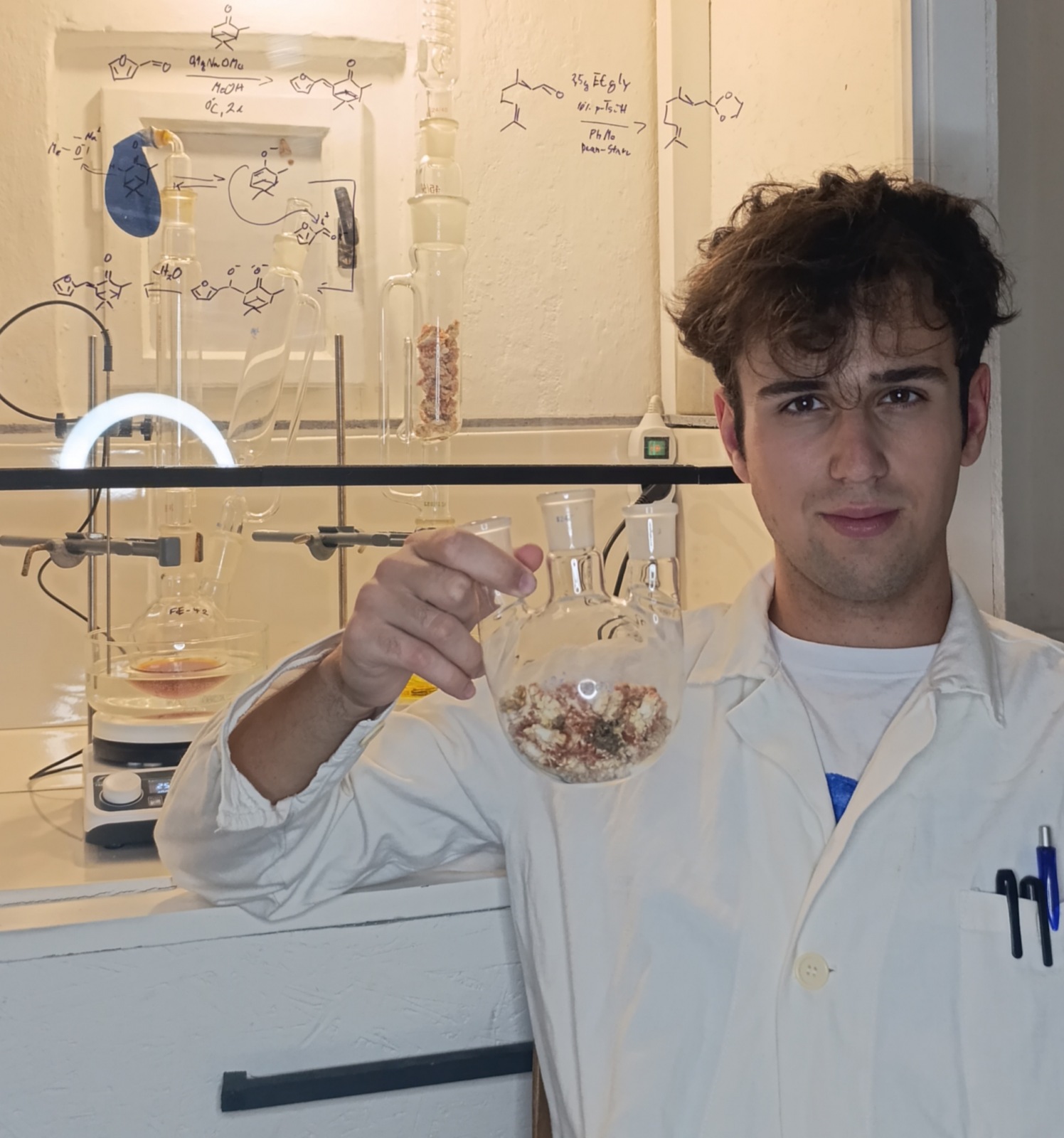
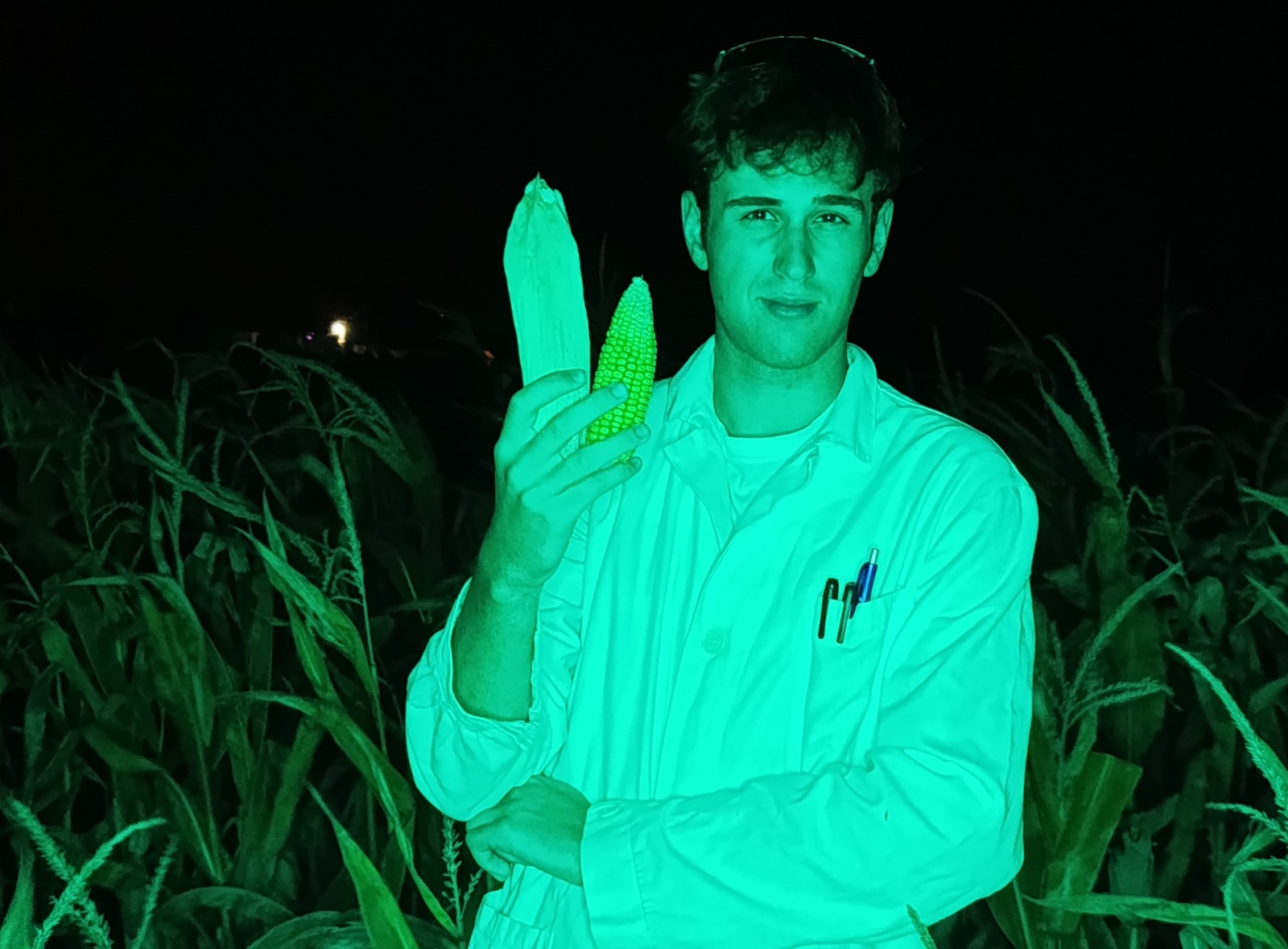



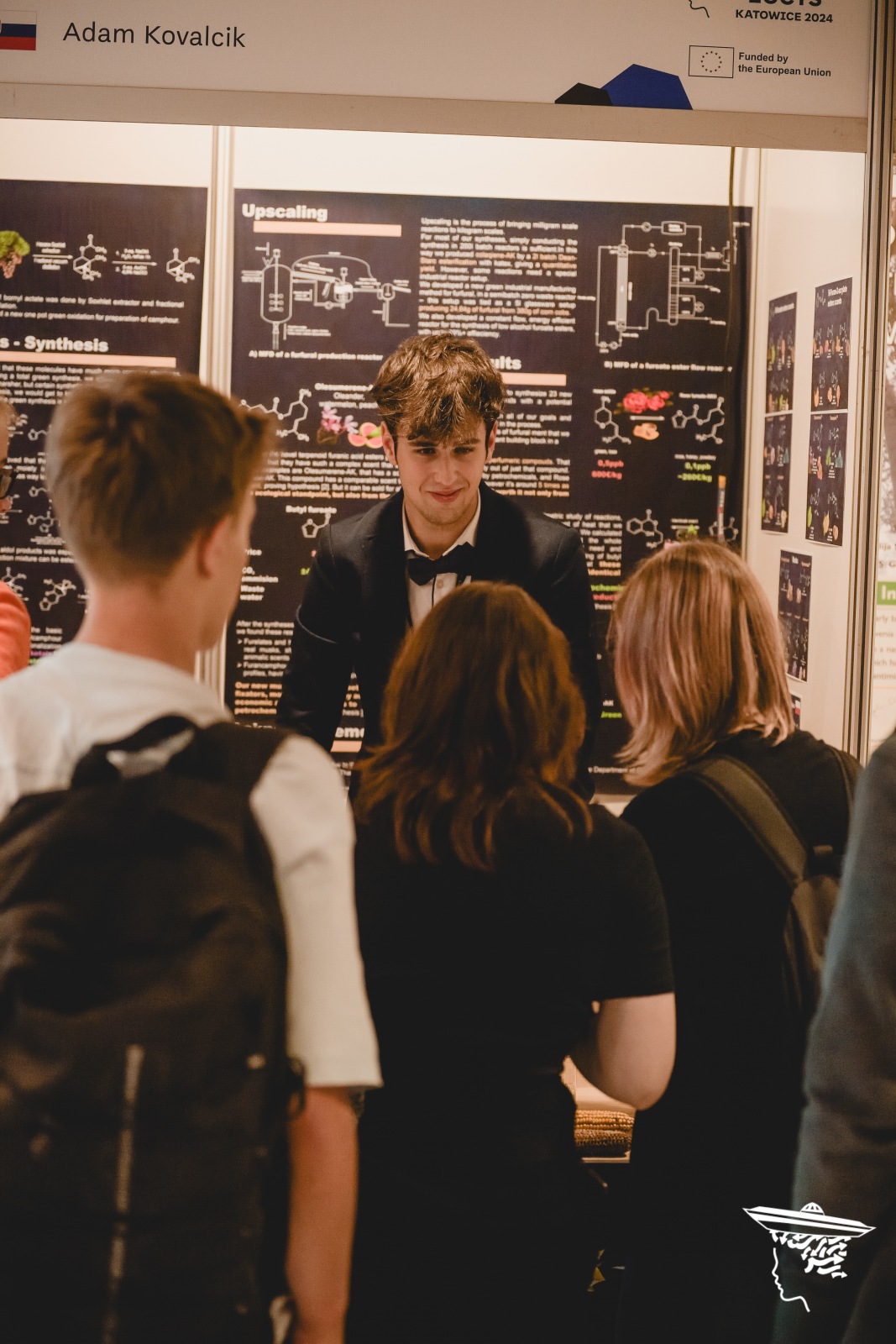


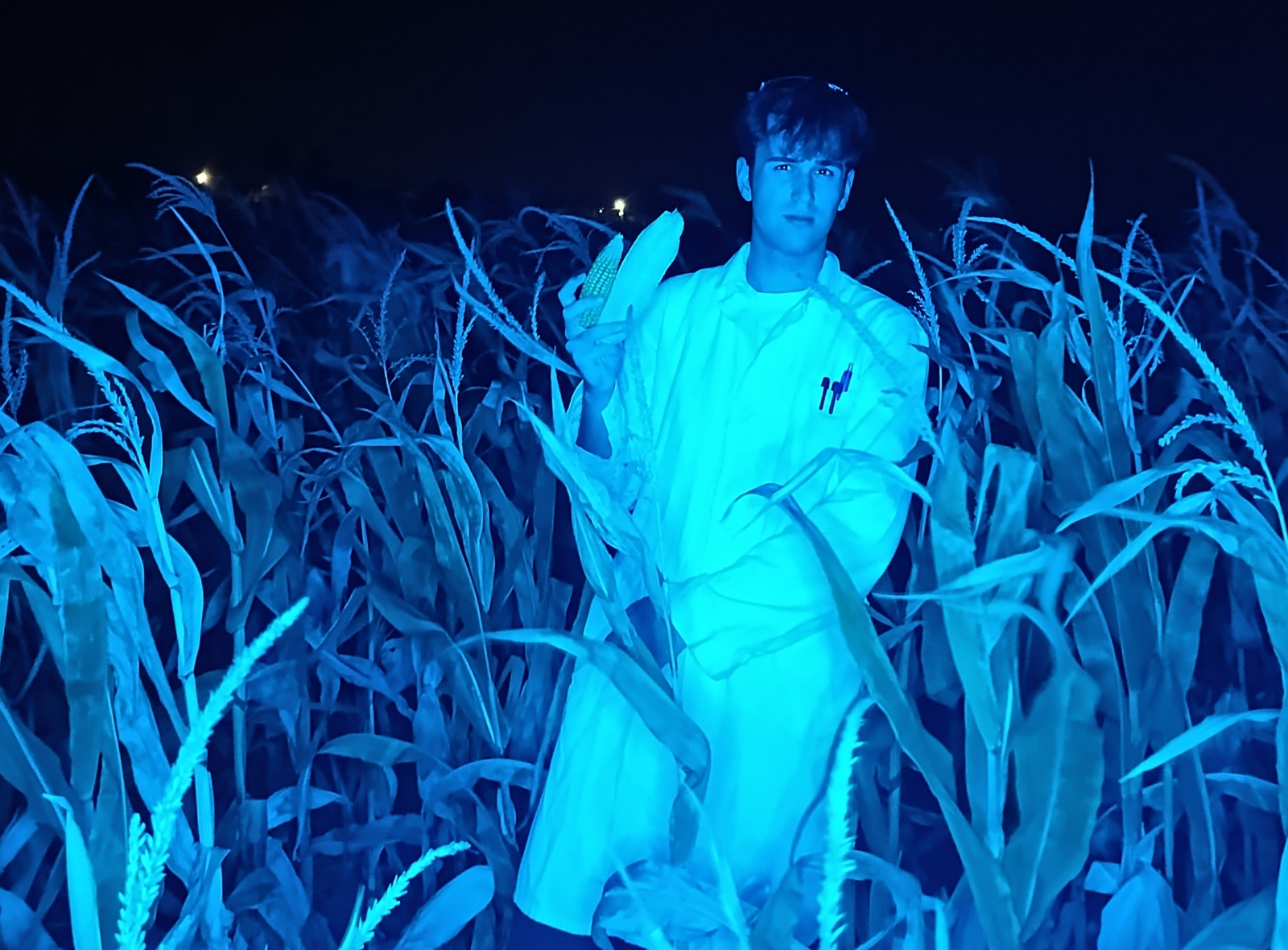
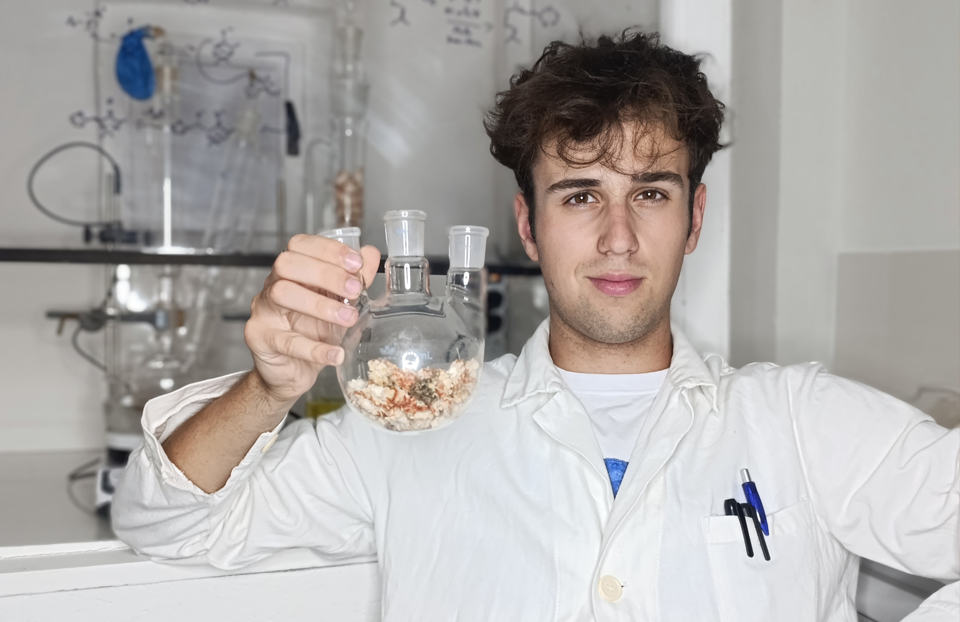
Adam has been interested in organic chemistry since the beginning of his high school studies. He was fascinated by the fact that ordinary corn – cheap and widely available – could be the key to new possibilities. In his second year of high school, he managed to extract furfural from corn waste, from which he created fragrant substances usable in perfumery. But his journey didn't end there . In his third year, Adam decided to push the boundaries further and started researching how to use this raw material in the development of antiviral drugs. His idea turned out to be revolutionary. The antiviral drugs he managed to synthesize can stop the production of RNA in viruses, thereby preventing their further multiplication and gradually leading to their demise. Moreover, the method he developed is not only more effective, but also significantly more eco-friendly and cheaper. The production of one gram of antiviral would cost only about 12.50 dollars instead of 75 dollars, while the entire process would be almost halved. This price is not for the final drug, but for the so-called precursor (the substance from which the drug is made).
Adam's teachers are not sparing with their admiration. They claim that what Adam managed to do even before graduation could only be achieved by a few undergraduates at the end of their university education. But, he remains humble and keeps working for his discoveries to one day become part of real medicine.

Adam, if someone met you on the street in Dulovce, they would probably have no idea that they are standing in front of the winner of a world science competition. How do you feel when people associate you with the word "young scientist" today?
I really like the term "young scientist" and I think it describes me accurately.
At the beginning, there were corn perfumes. How did you get from the idea of ecological scents to antiviral drugs?
It was a long journey, but for me the beginning was always corn. In my research which focused on really different topics, I tried to point out that even perfumes, pesticides or other substances can be produced completely ecologically. Gradually I moved on to more and more complicated chemical substances, until I got to pharmacology.
What fascinated you the most about chemical processes already during your high school years?
Chemistry as such fascinated me by the fact that chemistry explains everything around us and I believe that only with the language of chemistry we can fully understand the world around us. From this naturally came my initial contacts with chemistry on the internet. Most of my knowledge I owe to the internet, and I think it's a very good example of how access to the internet can be beneficial and not bad for young people. And it was precisely the YouTube community of young boys like me that inspired me to start experimenting at home.
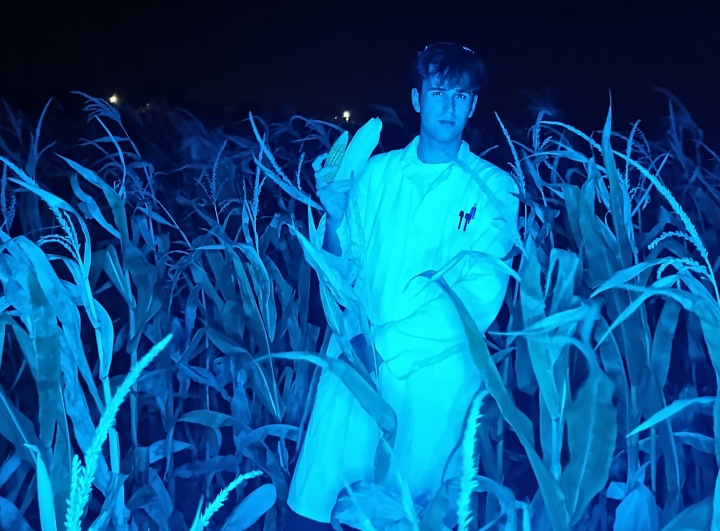
In the prestigious scientific competition in Ohio, USA, you impressed the jury with a revolutionary method of producing the experimental antiviral drug galidesivir, which can stop the copying of viral genes and thus control infections. Your method shortened the usual process from 15 to 10 steps, yielded almost double the output in less time, and at the same time, by utilizing cheap corn waste, reduced costs from 75 dollars to approximately 12.50 dollars per gram for the precursor.
Every living organism is based on one principle, replication. In replication, new DNA or RNA is formed in some viruses. By using substances (drugs) that stop this replication, we can effectively destroy a pathogen that cannot reproduce due to such a chemical.
What was the first impulse that you decided to improve an existing antiviral?
The initial impulse was to achieve something "bigger". I wanted to focus on a substance of great importance, the production of which is difficult and expensive. I would say that optimizing chemical processes makes up the majority of my research.
Your project could potentially significantly (or multiply) lower the cost of the drug. What specific procedure did you simplify or streamline during development?
The fundamental problem with this substance was clear. The high cost was caused by a lengthy chemical process, which required a very specialized workplace for production and expensive raw materials. We have reduced costs by using cheap corn material and utilizing modern economically advantageous chemical reactions.
How long did it take before you achieved results that were appreciated by a competition in the USA?
The project took nearly a year from the beginning.
Adam, in the past, you also developed environmentally friendly perfumes from corn waste. Few people today realize that the perfumes we spray on our bodies every day are made of toxic substances and their production is associated with a huge carbon footprint – for example, up to 100 kilograms of carbon dioxide is produced for 50 milliliters of perfume. However, you decided to take a different path and started making perfumes from corn that are non-toxic, ecological, and do not create waste. You even claim that replacing petrochemical butyl salicylate with natural green butyl furoate would reduce emissions by as much as 2,400 percent. Can you tell us more about how you created these fragrant substances that can be used in perfumery?
Developing new substances in perfumery is often very challenging. We always set a certain scientific basis, when our structures are mostly designed on natural substances that are already found in perfumes. This is followed by a long period of trial and error, when we try to modify these substances, creating new scents. It does not always have to work out for us, I've even had molecules that smelled like grilled meat. But the basis is persistent work in the lab, because we need to test dozens of new molecules many times over.
In the past, you have developed up to 24 new fragrance materials for ecological perfumes. Which one personally enchanted you the most, and why exactly that one?
There were several, but for me, it would be isopropyl furoate. It is one of the first substances I created and the beauty lies in its simplicity of production, yet an incredibly strong scent of tobacco and spices, which we usually have to create in perfumes by mixing many compounds, yet here it is in one molecule.

What major issues did you have to overcome to make perfumes non-toxic and eco-friendly?
The vast majority of fragrances in perfumes come either from petroleum or coal tar. To produce a few grams of the resulting substance, kilos of fossil fuels are often required, from which all emissions of these substances also originate. By conducting our process as highly efficient and practically waste-free, and using only natural materials, we can afford that the impact of our substances on the environment is practically nonexistent.
What are your favorite fragrances?
Mainly strong men's tobacco scents, or from floral scents of agate flowers.
How did this experience inspire you to work on antivirals?
I built a new path to precursors for various drugs on the knowledge I gained during this work.
What does it mean to you that Slovak research and young talent can succeed on such a prestigious world stage?
I believe that with this success, I have shone a light on the fact that we too have talented people and can do top-notch research.
What are your future plans. Do you want to focus more on perfumery, antivirals or a combination of both areas?
My plan is definitely to continue in perfumery. It's an area in which I have been working for a long time, I love it and I like about it that I can get the company / business going now as a student. I see the other topics as academically interesting for now.
What advice would you give to young scientists who want to take their idea to an international level?
Take every opportunity that comes your way. Even I got to where I am today thanks to always saying "Yes!" when it came to some activity that took up my free time, but eventually pushed me further. And it was these small shifts that got me "to the top".