The story of Jensen Huang, the founder of Nvidia: The visionary found potential in artificial intelligence before others did
The fame of his company is becoming clearer. But his impressive life story begins in a way that few would expect. In a school for troubled children. He learned English vocabulary one by one. And he saw potential in artificial intelligence at a time when others were still hesitant.
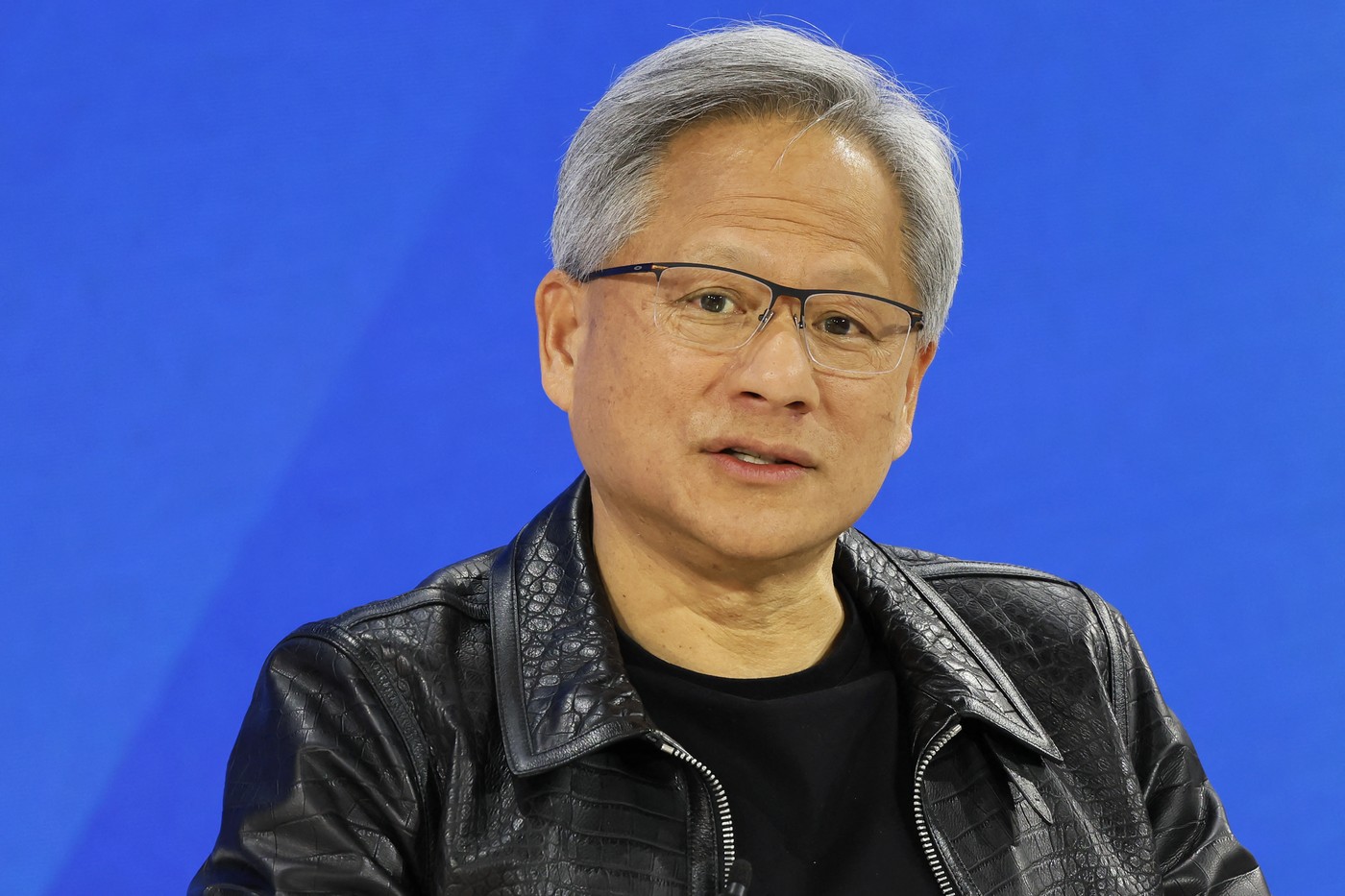
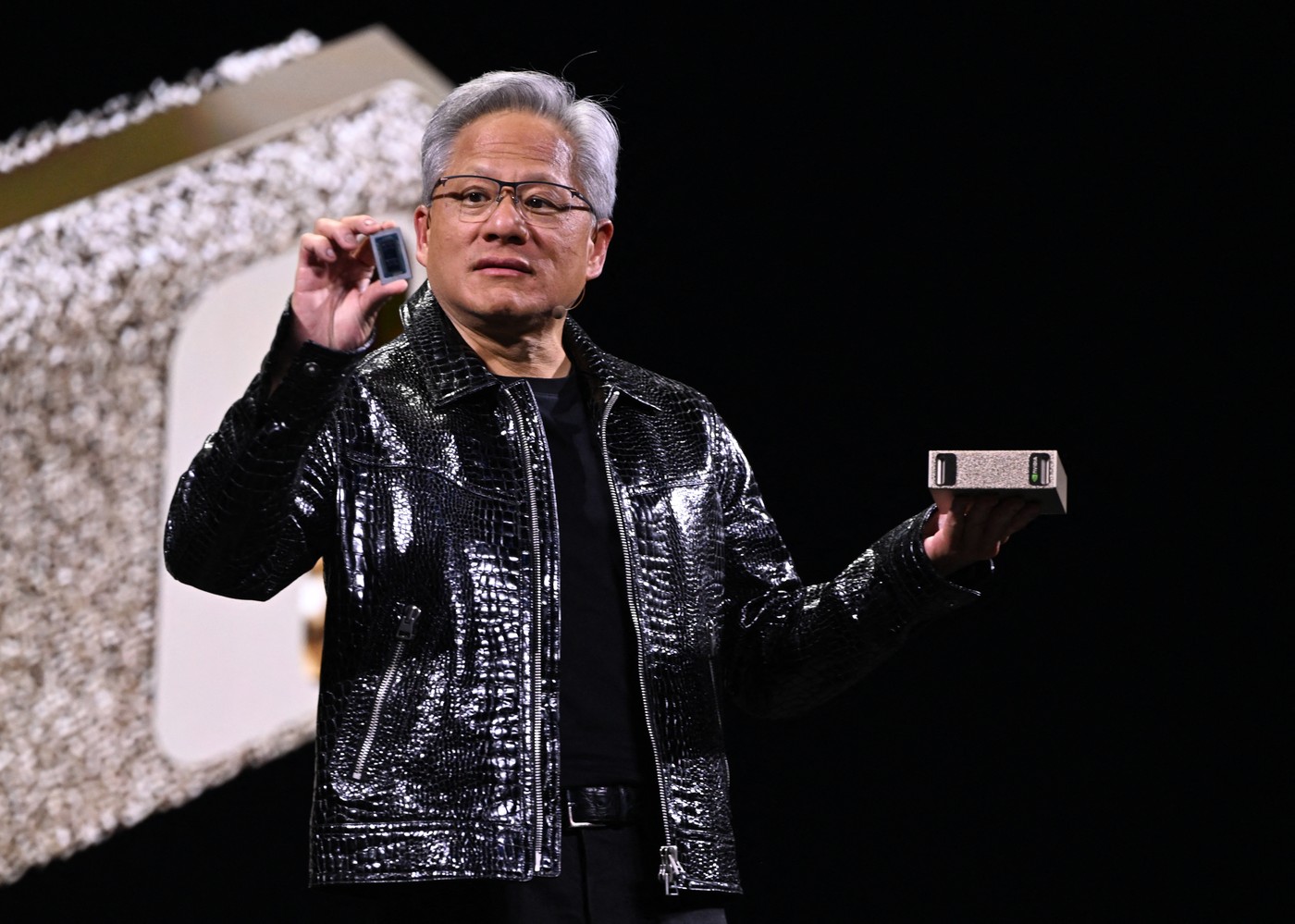
A truly interesting life story is behind the company Nvidia. Co-founder Jensen Huang is a man in a typical black leather jacket. A workaholic with a 14-hour workday. Along with Elon Musk, he is the hottest star from Silicon Valley.
To this day, "his restaurant" is famous
You never know who will come to your part-time job, one might say. When Elon Musk washed dishes in his acting role in The Big Bang Theory for charity, he might not have suspected that Jensen Huang actually did this.
"I started as a dishwasher at Denny's,"
he often recalls in his speeches, as a reminder of his student days.

The Denny's restaurant chain has one branch, on Berryessa Road in East San Jose, California. Above the corner seat, a freshly painted plaque reads:
"A booth that started a company's activity for 1 trillion dollars. Congratulations Nvidia! Who knew that the idea that started here would change the world?"
he revealed to the Lemonde website, stating that he honored this place with his visit in 2023 to remember his humble beginnings.
The twenty-first richest person in the world was born in Taiwan
He is currently the 21st richest person in the world, with his approximately seventy billion dollars, he also belongs to the top, which has the potential to be even more successful. He is 61 years old, born in Taiwan. From the age of five he lived in Thailand, where his family had traveled for work. The father, who had returned from a business trip in the USA, was so excited about life overseas, that he uncompromisingly saw the future of his sons right there. The whole situation was also contributed by the unstable political situation in Thailand at that time, so he wanted his children to be safe. The mother, despite not speaking English herself, took care of intensive English lessons. She simply selected the words and forced her sons to learn them. But he did not go to the dream country fully equipped with language. Everything was learned on the go.
Boarding School for Troubled Students by Mistake
The first experience with the USA was essentially one big mistake. At the age of nine, little Huang moved with his ten-year-old brother to Tacoma, Washington to live with their aunt, and studied at a boarding school for troubled students. However, this was not intentional. It was a father's mistake, he thought it was a prestigious school at the time.
At school, it was customary for every student to work, so little Huang cleaned the toilets, bathrooms, but also joined the swim team. In the end, everything wrong was forgotten and he sees the tough start as a good springboard.
"The end of the story is that I loved the time I was there,"
Huang commented for npr.org. "We worked really hard - we learned really hard and the kids were really tough," he added, saying that kids commonly went to school armed with knives.
In 2019, he donated two million dollars from his foundation fund to modernize this school.
Prestigious schools followed
Then he did better. He studied electrical engineering at Oregon State University and continued at Stanford. His whole family also moved to the USA, young Jensen skipped years during his studies and, in addition to the famous dish washer at Denny's, he also earned money as a waiter or bus driver.
Designed microprocessors and hung out at Denny´s for coffee
He worked in engineering for several years, designing microprocessors in the famous Silicon Valley. He figured out where his heart was pulling him and in his 30s he co-founded Nvidia together with Chris Malachowsky and Curtis Priem. Together they pooled savings of $40,000 and embarked on a journey that gradually turned out to be harder than they thought in their naivety. And the company started developing graphics cards for gaming computers.
It was around the year 1992 when these three were devising their business plans. They often did so out of nostalgia at Denny's restaurant, where Jensen once worked. There was quiet, cheap coffee, and a homely environment.
The company was first named NVision, later it was renamed to Nvidia. They raised 20 million from investors, including Sequoia Capital, and gradually became leaders in the gaming industry.
Failures are part of business
In September 2020, a deal with Arm for 40 million dollars fell through, the purchase was against the grain of the antitrust office. In the end, the company withdrew the purchase and the investment was wasted. In the nineties they were on the verge of bankruptcy and not even a legal dispute with Intel, which cost them 1.5 billion dollars, did them any good.
The present in AI is also thanks to his foresight
Last year, the company Open AI introduced ChatGPT, which runs on chips from Nvidia's workshop. The company is thus becoming a very important part of the artificial intelligence revolution. This is partly because Huang had a great intuition and bet on AI development when it was still in its infancy.
The company entered the trillion-dollar companies, i.e., companies with a value over one trillion dollars, last June. Today it has a value over three trillion dollars and is experiencing a rocket growth in the value of its securities.
Processors can be found in the film industry as well
Today, Nvidia chips enable the production of most animated films, from Avatar to Tin-Tin. Nvidia's graphics processors are so powerful that they are now built into three out of five of the fastest supercomputers in the world.
"What are graphics processors good for? They process a huge amount of data,"
says Malachowsky, one of the co-founders, and perfectly expressed the direction of their company. Their success is based on this speed and the development of better technologies.
News presented at Nvidia's press conference
The firm recently gave a presentation of its hot news. So on the stage are new graphics cards and AI chips, artificial intelligence models (Cosmos - can model photorealistic video, which can be used for example for robot training or development of automated services). The partnership with Toyota on the development of autonomous trucks was also announced. And the highlight was a desktop computer focused on home-based fan development of AI for 3 thousand dollars.
This is Nvidia, whose founder wasn't afraid to go through harsh school education and start a business, about whose real impacts he had no idea.
Source: authorial text, npr.org, lemonde.fr, businessinsider.com, apnews.com