The St. James's Way on Your Own: 280 Kilometers with a Backpack, Unwavering Determination, and One Foolish Dream


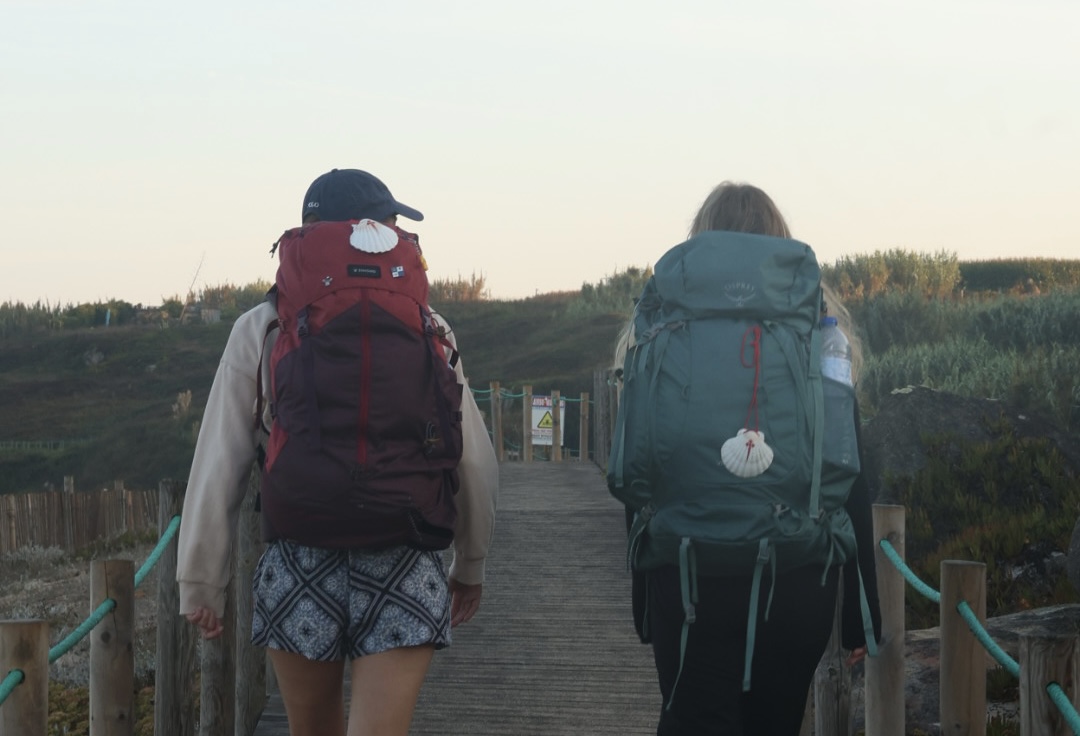
Setting off on an almost three-hundred-kilometer journey on foot may seem like a youthful whim and quite a silly idea. In a world where transportation is constantly evolving and there are ways to get practically anywhere in no time, ordinary walking seems almost overlooked. We live in an accelerated world, so the thought of packing up and disappearing for a few weeks with a backpack doesn't appeal to many. However, there are a few who still do it. And coincidentally, or at least according to a local wanderer, it is often us after the Germans. Probably the most atheist nationality in Europe. So, what draws Czechs to this spiritual journey? Is it the desire to switch off and not worry, which was ultimately our own impetus for this unforgettable adventure?
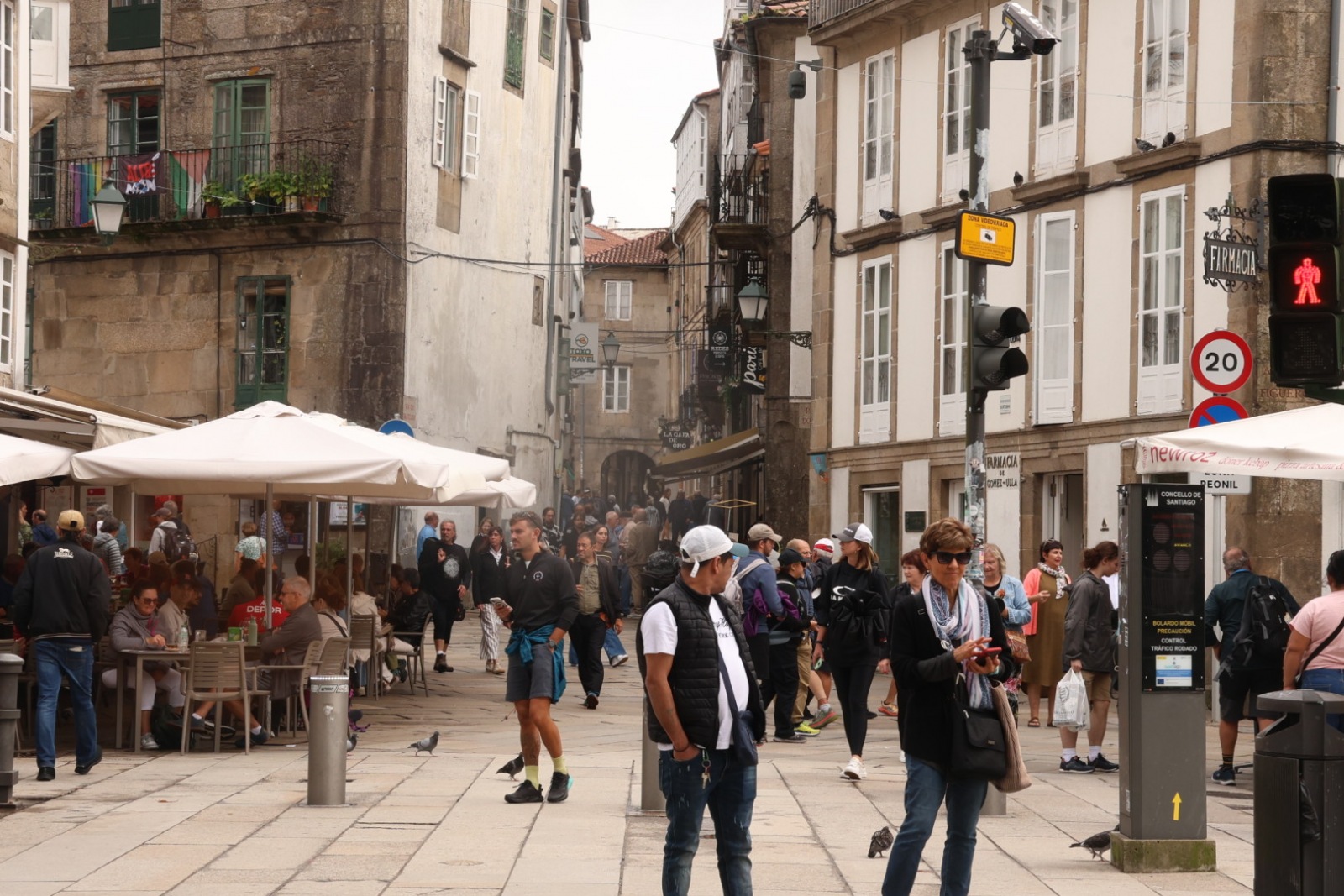
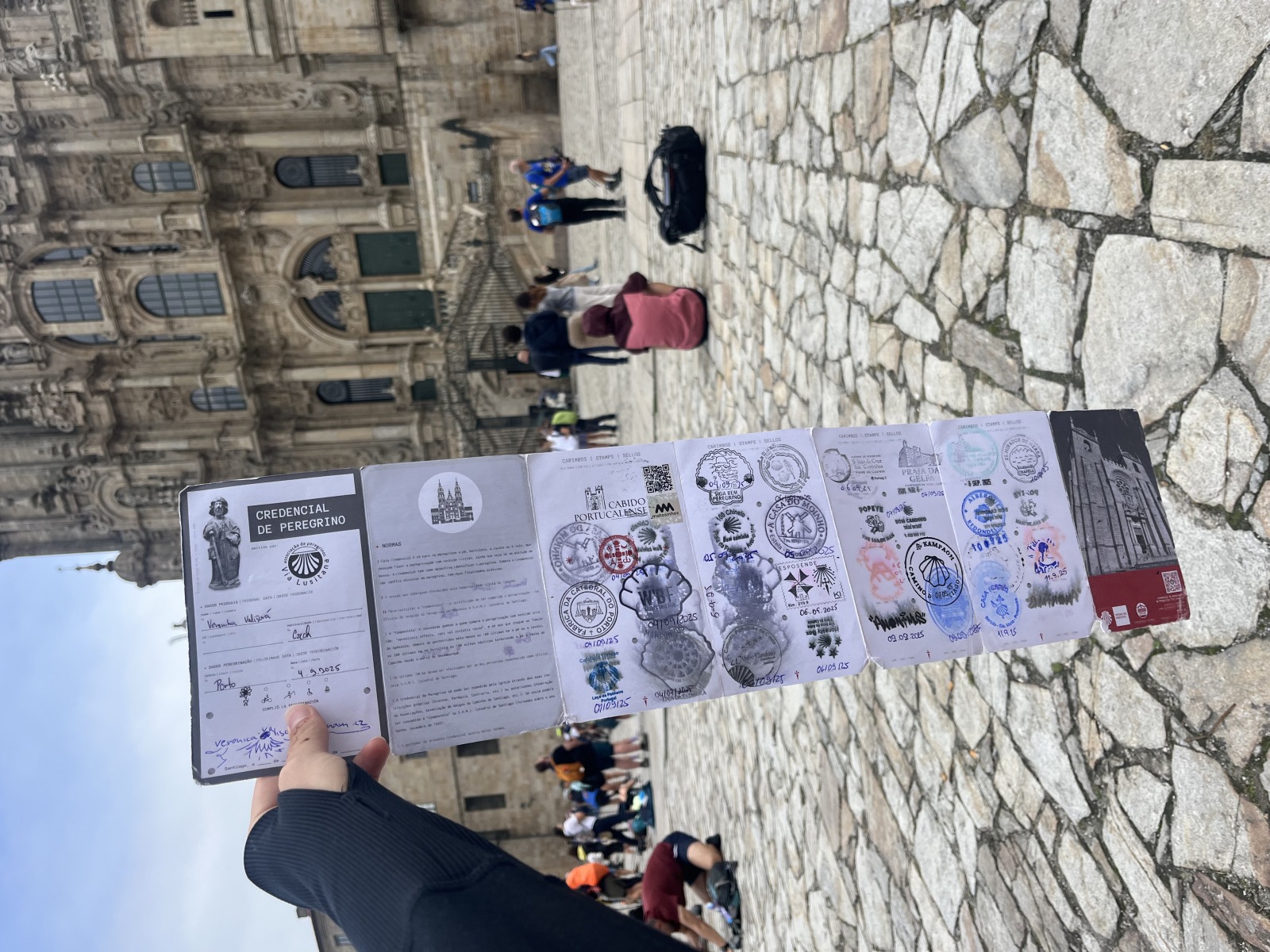
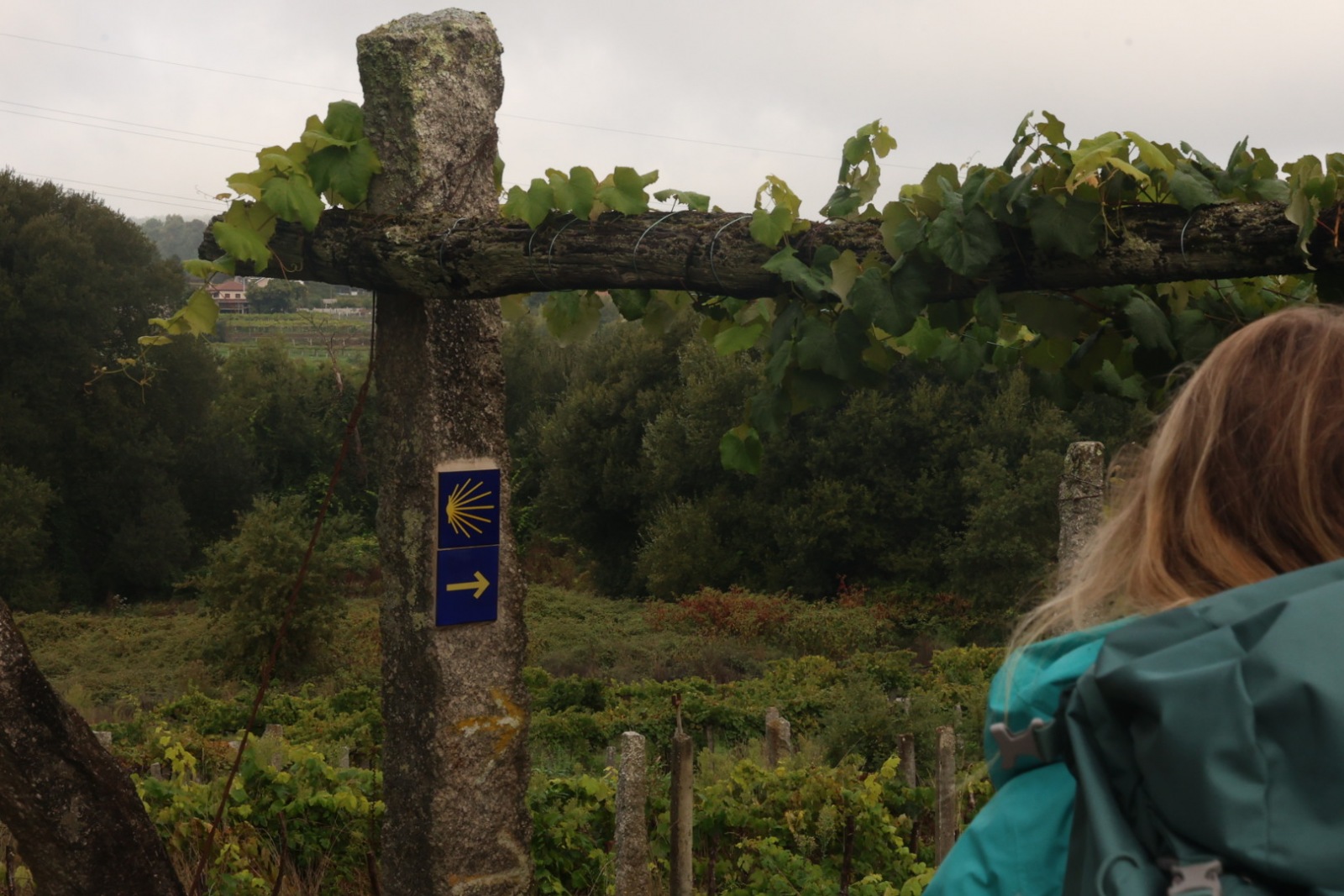
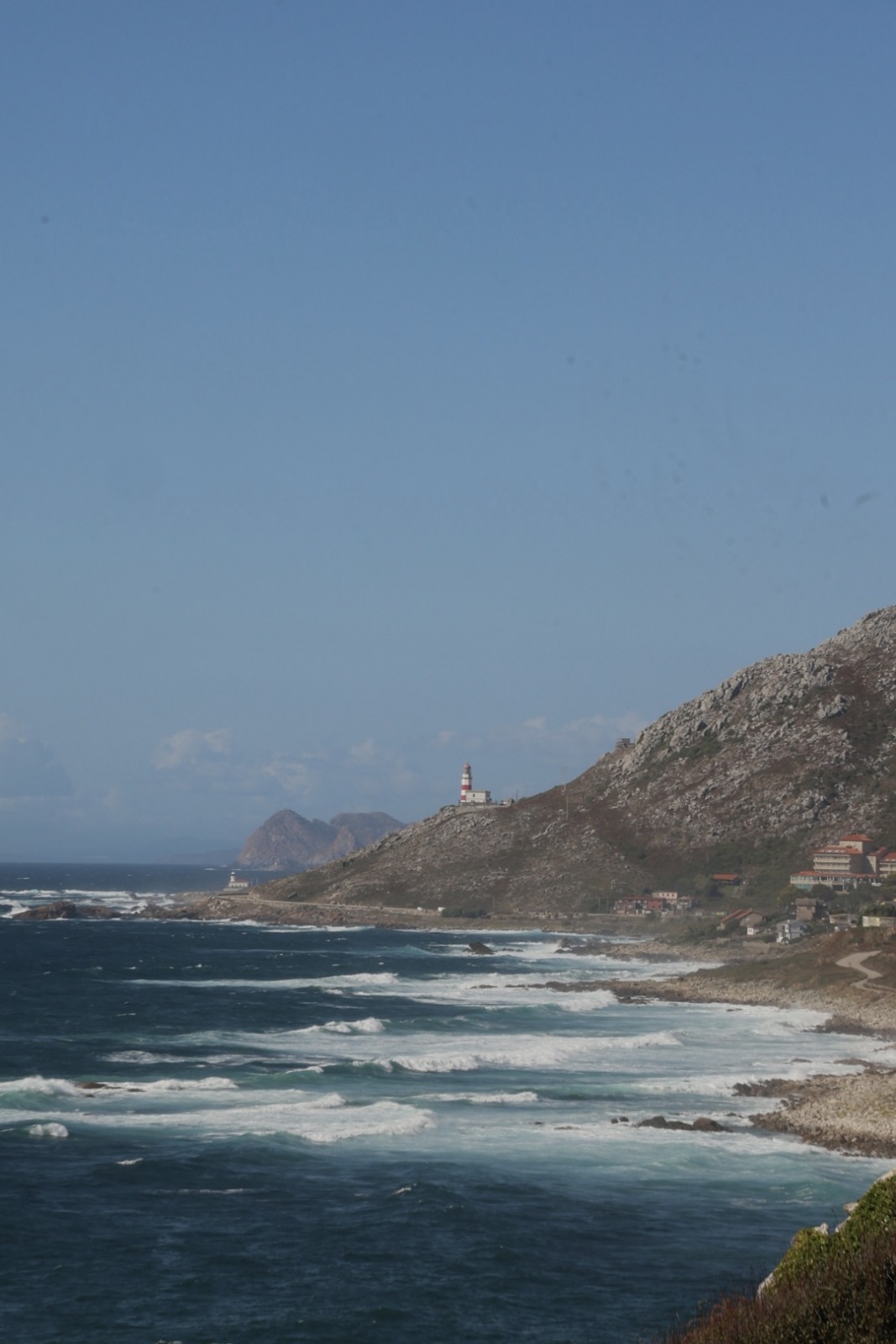
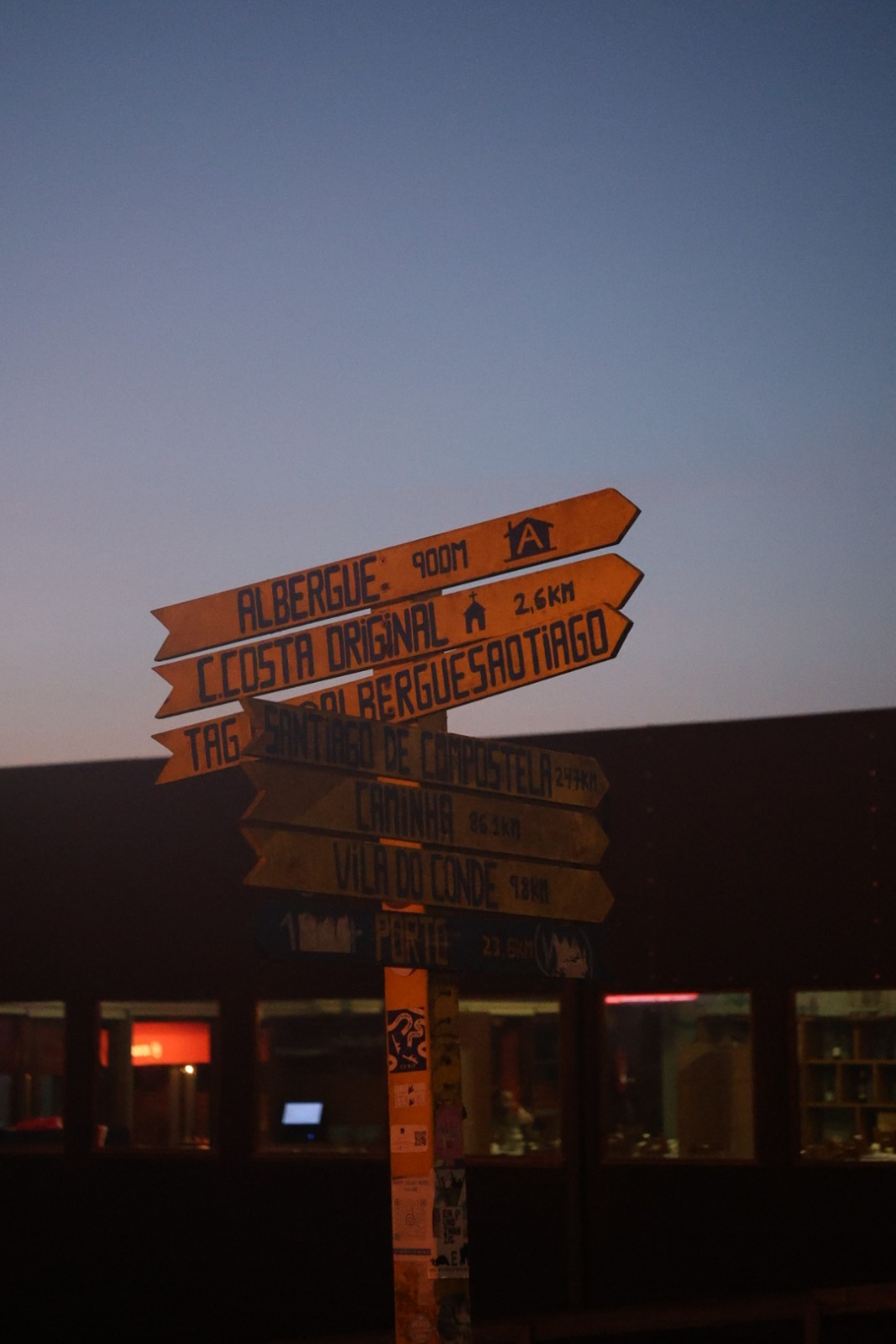
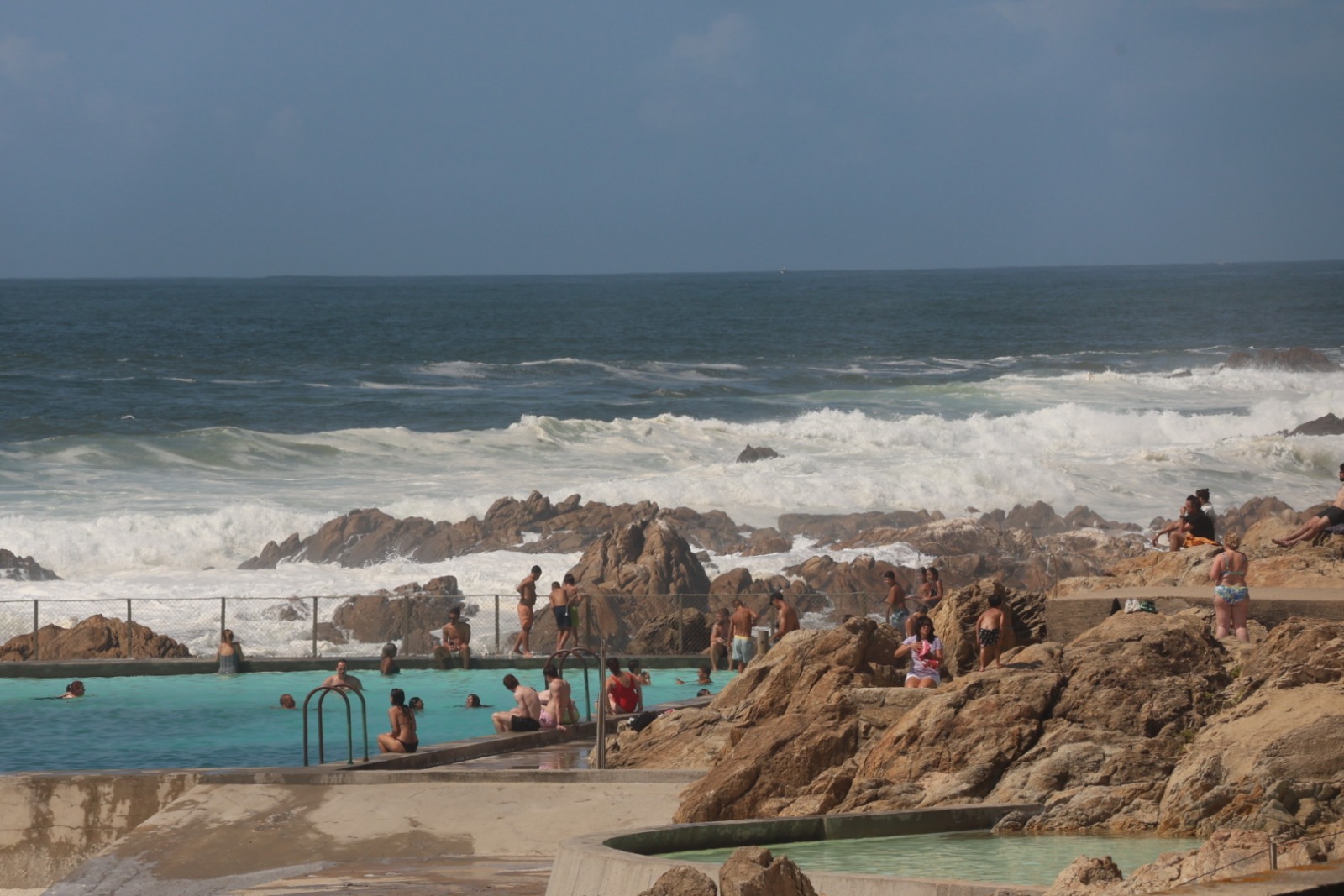
The Way of St. James, or Camino de Santiago de Compostela. Twelve main historical pilgrimage routes that will lead you to the tomb of Saint James in Santiago. The starting point is entirely up to you, but we chose Porto. The Portuguese route is one of the most popular and also the shortest, even if it might not seem so at first glance. However, it does have two options. You can either go inland or, like us, choose the beauty of the coast. And believe me, every morning with the sound of the sparkling waves, awakening seagulls, and the rising sun equates to peace of mind.
A Roof Over Your Head Can Be a Problem
Fortunately, we live in the internet age, which makes the whole preparation a bit easier. Even so, there are things that might still surprise you. Or, as in our case, you simply underestimate them. It happened to us on the very first day. As two young girls, we had prepared quite thoroughly for the entire journey. We had great trail shoes, pretty good backpacks, sunscreen, and a sleeping bag. We managed packing quite well, except for a few unnecessary items. What we really didn't manage, however, was finding places to sleep. And we messed up three times in a row.
If you're planning to take this journey, you really have to consider that you won’t be alone. And that pilgrim hostels, known as albergues, don’t have unlimited space. You might find yourself in the middle of nowhere with the nearest village ten kilometers away, realizing that things didn’t go as planned. Luckily, at least in our case, we have to say that the Portuguese are incredibly hospitable. In all three instances, someone eventually rescued us, and we didn’t have to spend the night on the beach. Yes, we considered that too. Instead, we once stayed for ten euros with an old and very charming couple at their home, and another time, we managed to find space at least on the ground with nuns in a convent. I will remember both accommodations fondly for a long time.

Age Doesn't Matter
On the entire pilgrimage, it's undoubtedly the pilgrims who are the best. While in everyday life you may not really enjoy being around people outside your age group, here it doesn't matter how old you are, where you're from, or what you believe. The only thing that matters is that you were brave enough to set out on the journey with a backpack. And that's exactly what will lead to some of the most interesting conversations of your life.
After all, how often do you have a chat with Australian grandmothers who share their lunch with you and even buy you candies? Where else do you come across Rudy from Hawaii, who embarked on the journey symbolically after the death of his pastor? Or an experienced American woman who loves Berlin and takes life with a bit of perspective? You'll likely be on a very similar wavelength with the pilgrims, but the supportive locals who, even after all these years, welcome and celebrate every pilgrim? Nothing can quite prepare you for that.
The Camino Will Stay With You
Spending just under two weeks crossing Portugal and Spain isn't a simple feat. First of all, you'll understand that walking fifty kilometers in a day is indeed possible. Yes, it was a shock for us too. Secondly, and going back a bit, you'll realize that good people still exist. That was a bit surprising as well. But most importantly, you'll prove to yourself that you really can do it. Before you set out, you'll need to brace yourself a bit. Many people will tell you that you might not make it, question why you're doing it, or suggest you could always finish by train. Most of them mean well since it truly is a demanding journey. But the important thing is to believe in yourself.
In the end, it will be worth it. And the feeling when you're standing by the cathedral after two hundred and eighty kilometers in your legs is indescribable. If something resonated with me, it was the words of a young pilgrim who says that the Camino stays with you forever and never ends. And so there's only left to say "Buen camino!"
Sources: author's text, caminodesantiagotours.cz