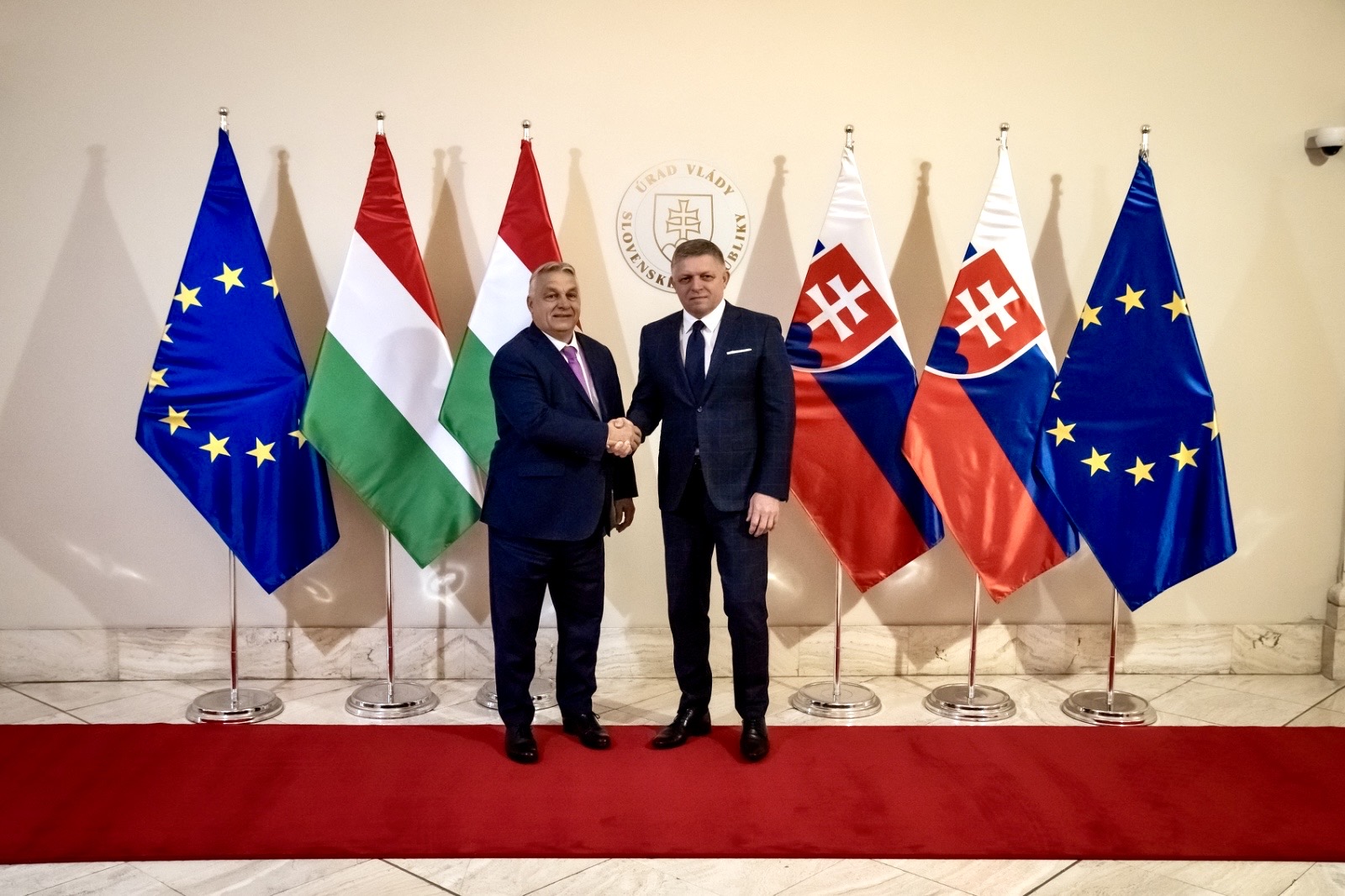
Robert Fico warns: If someone tries to remove Orbán, I will intervene "very hard"

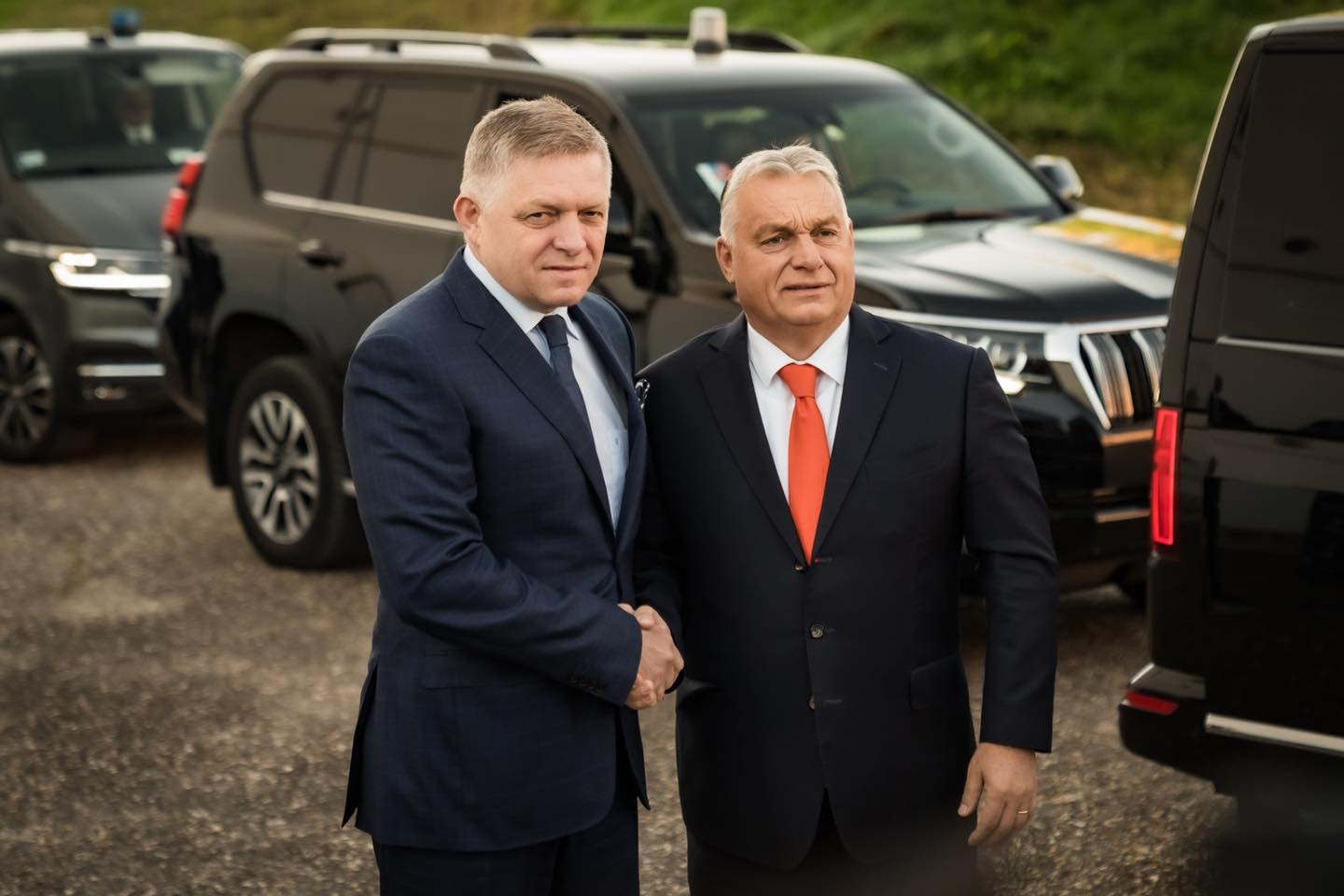
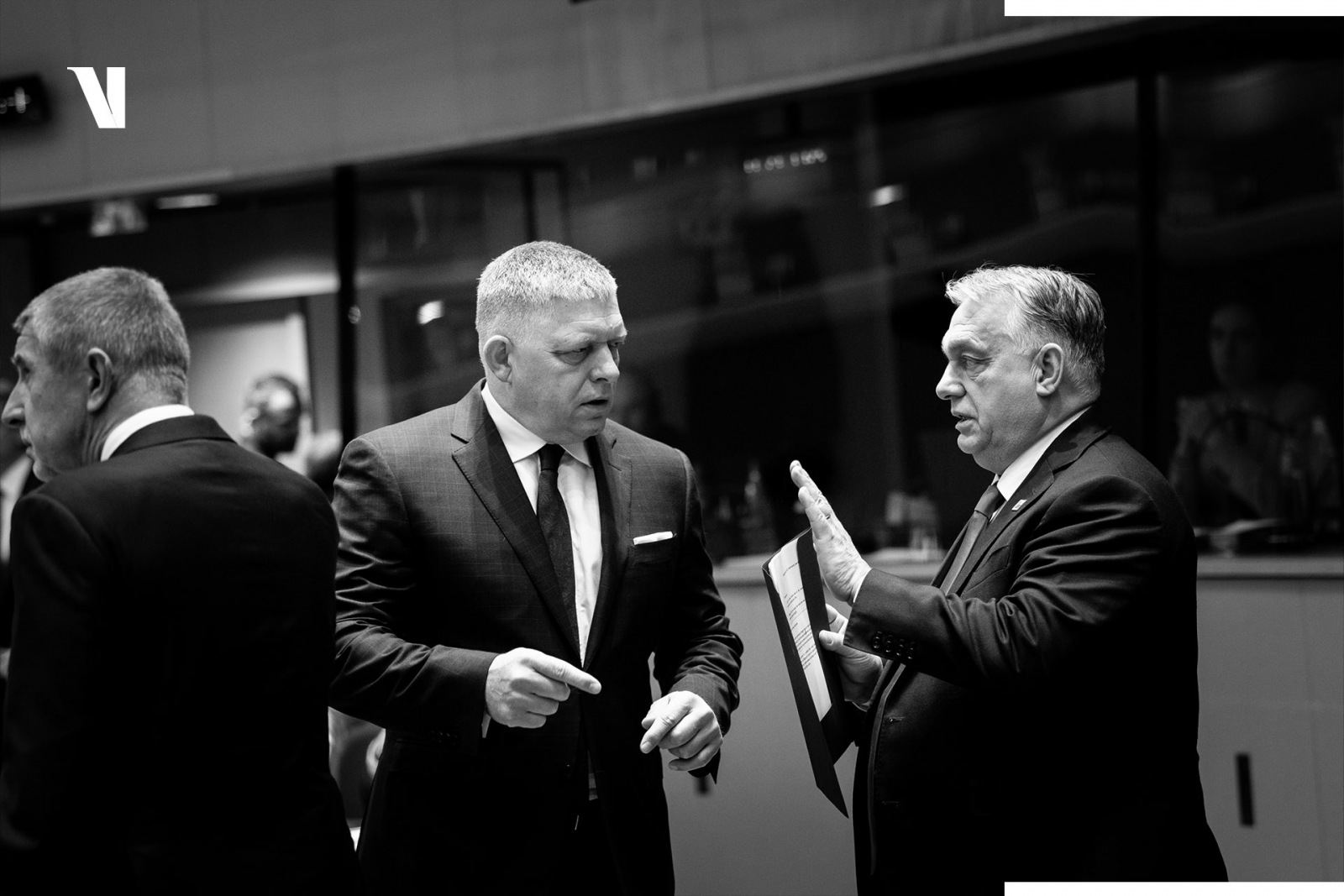
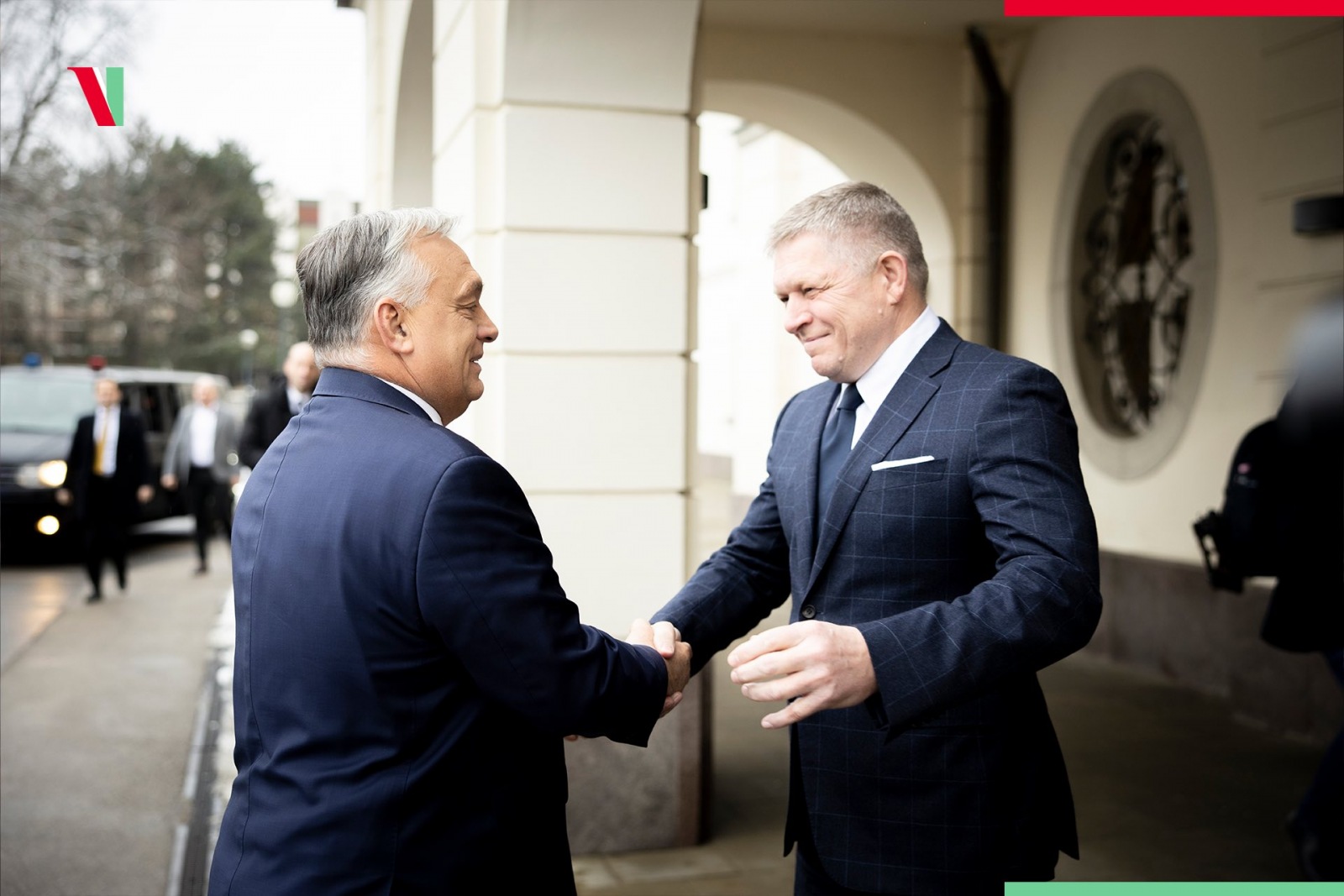
Viktor Orbán and Robert Fico have long been established as politicians who openly emphasize national interests and criticize certain decisions of the European Union. In joint appearances, they often talk about the need for state sovereignty and reject the idea that Brussels should determine the direction of domestic policies. Such positions have emerged, for example, in discussions on energy. Both governments have pointed out that decisions by the European Union could harm Central European countries, which are historically dependent on certain energy sources. According to Robert Fico, each country must decide on its own energy policy and no one should dictate from where it will purchase gas or oil.
Joint Game within the V4
The similarity in the policies of Bratislava and Budapest is also evident in the debate about the future of the Visegrád Four. Orbán and Fico repeatedly talk about the need to strengthen cooperation among Central European countries and have suggested that they would like to renew a stronger partnership within this regional grouping. According to the Slovak Prime Minister, some V4 country leaders might even have the same opinion on certain European issues in the future.
Similarities between Budapest and Bratislava have also been noticed by foreign analysts. Orbán has been known for years for his tough conflicts with Brussels, especially on issues of migration, the rule of law, or energy, writes The Guardian.

If Orbán falls, will Fico feel it too?
Who would have expected that the Hungarian elections would become the most watched in all of Europe? After more than sixteen years in power, Viktor Orbán is facing a significant challenge from the opposition, and some voters are calling for a change in political direction. If the opposition were to defeat Orbán, similar political projects in the region could weaken. Slovakia would suddenly lose its closest ideological partner in Europe. On the contrary, if Orbán wins again, it could strengthen the political model referred to in Central Europe as "sovereignist". In practice, this means a greater emphasis on national politics and more frequent conflicts with Brussels.
Slovak Perspective
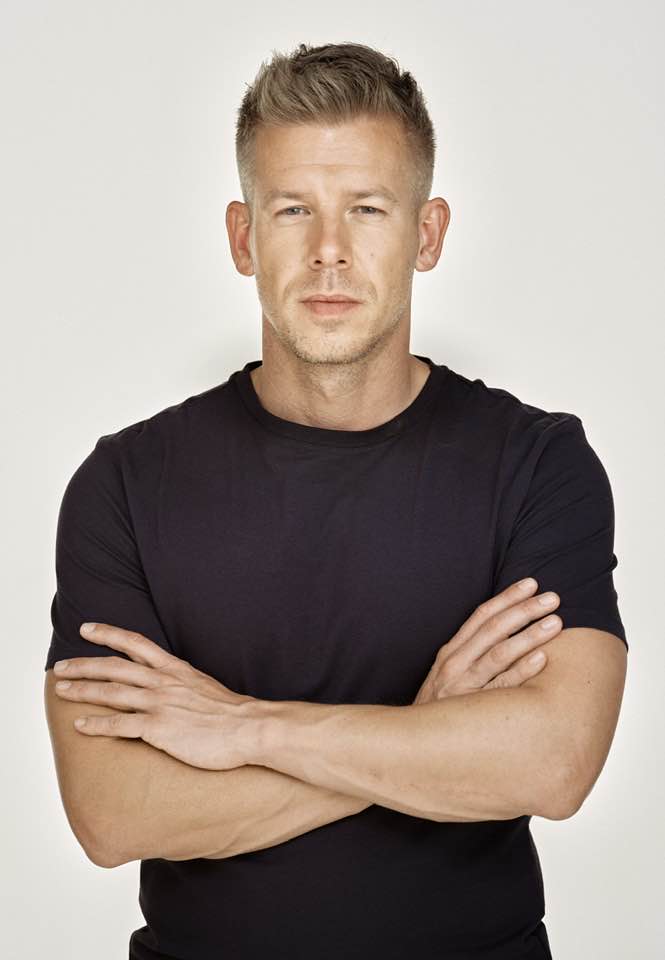
Slovak Prime Minister Robert Fico (Smer-SD) stated that, in his opinion, Slovak-Hungarian relations could significantly worsen if the upcoming parliamentary elections in Hungary are won by the leader of the opposition there, Péter Magyar.
These remarks were made at a press conference following a government meeting in Hronské Kľačany, with Fico mentioning that the topic of relations between Bratislava and Budapest was also highlighted during his morning meeting with high school students, reports the Epoch Times.
Fico warned that if the new Hungarian government were to start fulfilling its pre-election promises, it could, according to him, create sensitive tensions on issues that Slovakia considers crucial, including the Beneš Decrees and other historical-political topics. In this context, he spoke of the risk of "thin ice" and emphasized that Slovakia will not interfere in the course of Hungarian elections.
The Slovak Prime Minister also warns of the possible questioning of the elections on an international level in the event of Viktor Orbán's victory. However, he noted that it is difficult to manipulate elections in the world of advanced democracies, yet the question remains to what extent Hungary still ranks among such countries after years of Orbán's authoritarian rule.

In the next part, Fico also addressed the media information concerning communication from 2020, according to which the then Prime Minister Peter Pellegrini allegedly asked the Hungarian party shortly before the parliamentary elections to mediate contact with the Russian Prime Minister. According to this information, it was an attempt to influence the pre-election situation in favor of the Smer-SD party, of which Pellegrini was the electoral leader at the time.
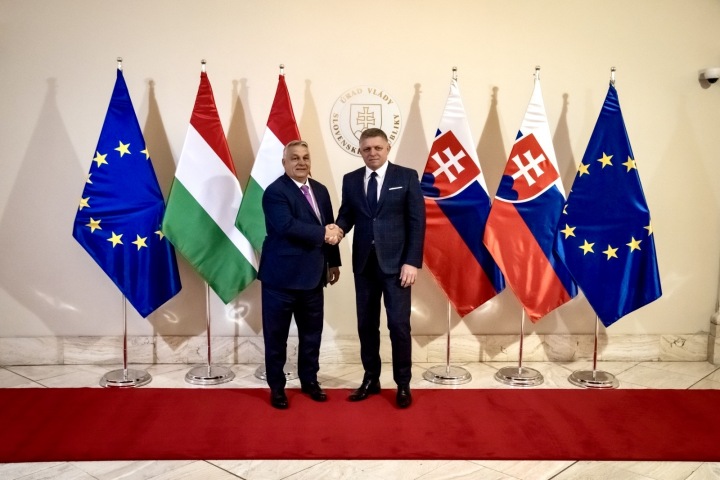
The findings that were publicized were also said to include a transcription of a phone call between Hungarian Foreign Minister Péter Szijjártó and Russian Foreign Minister Sergei Lavrov, which the intelligence apparatus was supposed to have captured. It was suggested that the Hungarian diplomacy had conveyed this request to the Russian side. Peter Pellegrini then indeed traveled to Moscow, just a few days before the elections to the National Council of the Slovak Republic. Robert Fico responded to these claims by stating that in 2020 he was not part of the active political events within the Smer-SD campaign.
"In 2020, I practically did not exist politically. I have no reason to comment on this. I did not lead the Smer candidate list, I was not part of the election campaign, nor did I know the strategy. I will not comment on this at all,"
Fico responded to the journalist's question.
He also rejected the notion that he saw any violation of rules or interference in the elections, while critically pointing out other instances of foreign influence, which he believes represent more realistic interference in democratic processes.
“A violation of the rules is when the British Foreign Office hires a company that pays influencers, actors, and celebrities in Slovakia to help Progressive Slovakia. That is election interference. But some phone call…?”
he noted.
If Viktor Orbán weakened or even lost after years in power, it could change the balance of political power in Central Europe. Some polls suggest that part of the Hungarian public would like a more moderate approach to the European Union, with up to 77 percent of voters supporting the country's EU membership, and many would welcome better relations with Brussels, writes The Guardian.
If such a political turn were to become reality, it could also influence the atmosphere in Slovak politics. Orbán represents for some politicians in the region a symbol of a strong national leader capable of resisting the pressure of major European players.
Orbán's TikTok versus Fico's Facebook? Hungarian elections show how politics in our region is changing
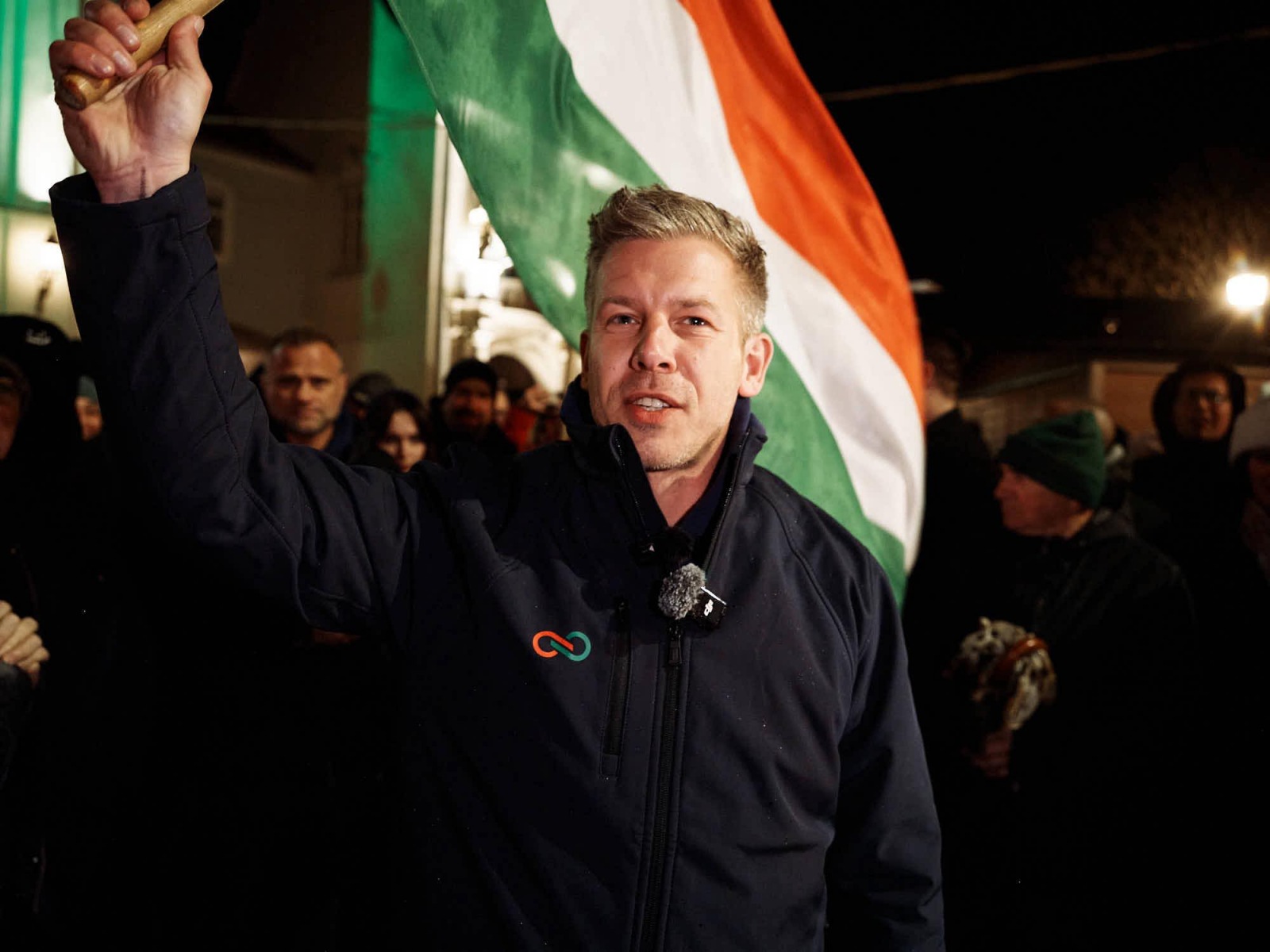
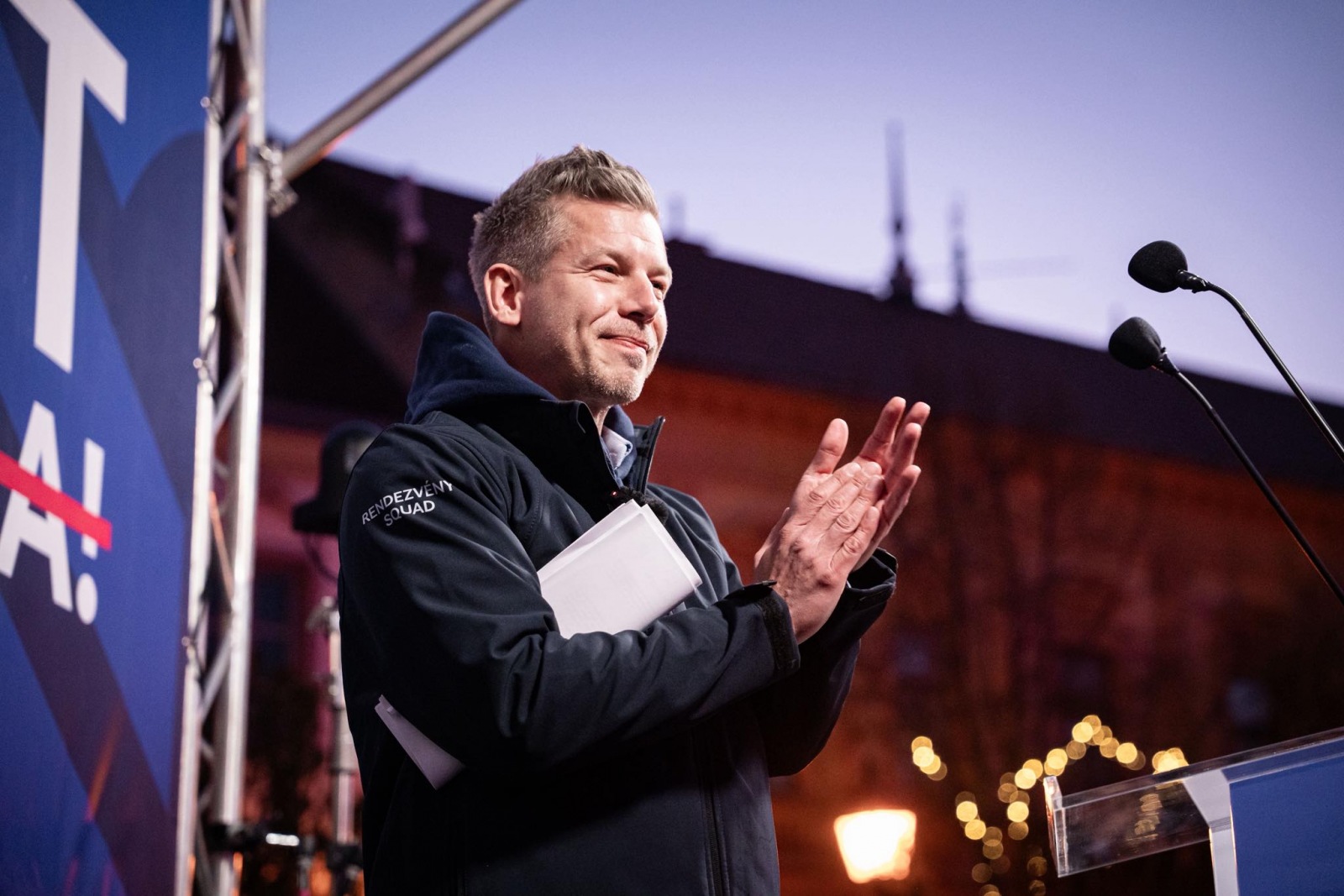
In recent months, the Hungarian election campaign has shifted to a place that politicians considered more of a supplement a few years ago, social media. TikTok, Facebook, and the platform X have become the main battleground between Prime Minister Viktor Orbán and his new rival, Péter Magyar.
What is happening in Hungarian politics today also interests Slovakia. Both Orbán and Fico often communicate in a similar style and heavily rely on direct contact with voters through social networks. While Orbán built his influence mainly through television and print media, Fico became one of the most prominent politicians in the region specifically on Facebook.
Orbán's New Rival Grew Up on Social Networks
The biggest surprise on the Hungarian political scene is lawyer Péter Magyar. His rise is closely linked to social media. Magyar regularly posts videos, livestreams, and comments on Facebook and TikTok, where he manages to reach hundreds of thousands of people. According to an analysis by the portal Telex, his videos achieve millions of views and significantly surpass the audience of many traditional media outlets. Digital communication has thus helped him bypass the media space, which in Hungary is often labeled as being biased towards the government.
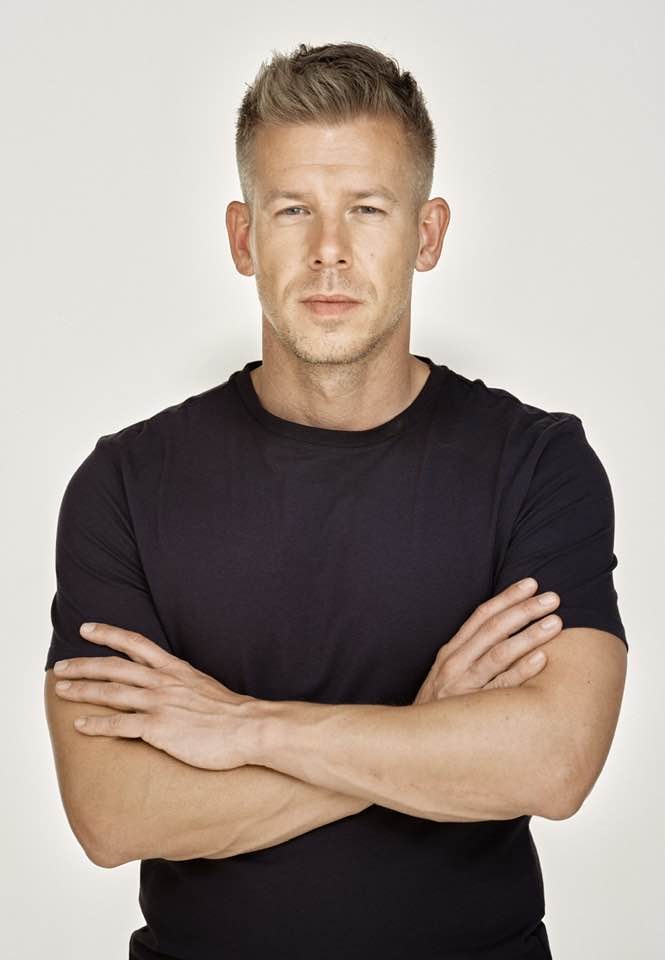
According to an analysis by the Polish team Res Futura, the balance of power between Hungarian Prime Minister Viktor Orbán and opposition leader Péter Magyar in the digital space has significantly shifted. Analysts say the turning point came after changes in the advertising rules of Meta and Google's platforms, which restricted political advertising in Europe. While previously Orbán and the Fidesz party had almost complete dominance of the online space due to large budgets and a strong supporter base, the situation has significantly changed after the restriction of paid advertising.
Magyar with Millions of Interactions, Orbán Lags Behind
Polish analysts report that Péter Magyar has reached approximately 16 million video views on social media in recent days.
The comparison of interactions shows a difference:
- Orbán with 1.6 million followers received approximately 1 million likes
- Magyar with a smaller base achieved about 1.3 million reactions
According to the analysis, this means Magyar achieved approximately 30% better performance, despite publishing about 40% less content.
An even more pronounced difference is in sharing:
- Magyar: 93,000 shares
- Orbán: 68,000 shares
Millions in Advertising and Fidesz's Dominance
The analysis also points to the enormous amounts that the Hungarian political scene has spent on online advertising over the past 6.5 years:
- 3 billion forints (≈ 7.75 million euros) on Google ads
- more than 18 billion forints on Facebook ads
Approximately 7 billion forints of these expenditures went to the 15 most promoted sites. Up to 13 of them were linked to Fidesz:
- 6.5 billion forints went directly to sites connected with the ruling party
Violation of rules and "digital circles"
Despite the ban on political advertising, Fidesz did not always adhere to the rules according to the analysis. Party spokesman Balázs Németh even admitted that they test the boundaries of the system and rely on platforms themselves to determine what to ban. Up to 84% of Fidesz's ads were reportedly marked as rule violations. The party also utilized so-called "digital civic circles," through which content reached users outside official advertising channels.
Magyar Without Ads, Orbán with an Algorithmic Problem
Polish analysts claim that Magyar has built an "army of content distributors," which means they don't need large advertising budgets or TV space. Orbán, on the other hand, is increasingly reliant on his loyal supporters. His posts receive a high number of negative reactions, which reduces their reach in social media algorithms.
Average Post Results (February – March 2026):
- Magyar: 2,325 shares per post
- Orbán: approximately 1,000 shares per post
This means:
- 27% fewer total shares for Orbán
- up to 57% fewer shares per post
Analysts interpret this as Orbán's supporters being more passive consumers in the online space.
16 million views as the new media order
According to Res Futura, Magyar's 16 million video views approach the level of large television stations. The analysis also reminds that a large part of Hungarian media is still under the influence of Fidesz, which means that the government still has a strong reach outside social networks.
Analysts claim that Facebook favors content that generates comments and longer video views. In this regard, Magyar has an advantage because his content elicits strong reactions and discussions. According to them, Orbán's communication is more based on static posts, which perform worse in the online environment. One analysis compares it to Orbán "communicating through digital flyers in a world of TikTok and Netflix."
Magyar builds his communication on the story of an "insider exposing the truth." The topics touch on everyday life: fuel prices, corruption, or local issues. In contrast, Orbán focuses more on geopolitical themes, external threats, and security narratives, which analysts say leads to lower content virality.
According to Res Futura, Orbán publishes frequently but with lower efficiency, which, combined with negative reactions, leads to a gradual weakening of his reach in the online space. Social media algorithms thus increasingly naturally favor Magyar's communication, while Orbán's posts recede into the background.
Orbán Still Dominates Television
Although the opposition is gaining popularity on the internet, Viktor Orbán still holds a strong position in traditional media.
According to analyses by the Heinrich Böll Stiftung, a large part of the Hungarian media market is close to the government or its political allies. Therefore, the opposition often seeks space on social networks, where communication is less controlled.
The Dark Side of the Campaign
However, the digital space also brings risks. An analysis by the company NewsGuard revealed dozens of TikTok accounts that spread manipulative content before the elections.
What is happening in Budapest may soon spread to other countries in Central Europe. The Hungarian campaign shows how dramatically political communication is changing. In the past, billboards and television debates were decisive. Today, a single viral video can determine a politician's popularity. This is precisely why Slovak politicians are monitoring developments in Hungary. If social media can change the political scene of their southern neighbors, it's only a matter of time before a similar battle erupts in Slovakia.
Sources: author's text, NewsGuard, Res Futura, Telex, The Guardian, Epoch Times