Hunger for gold is growing. Purchases reported by the Czech National Bank and small investors

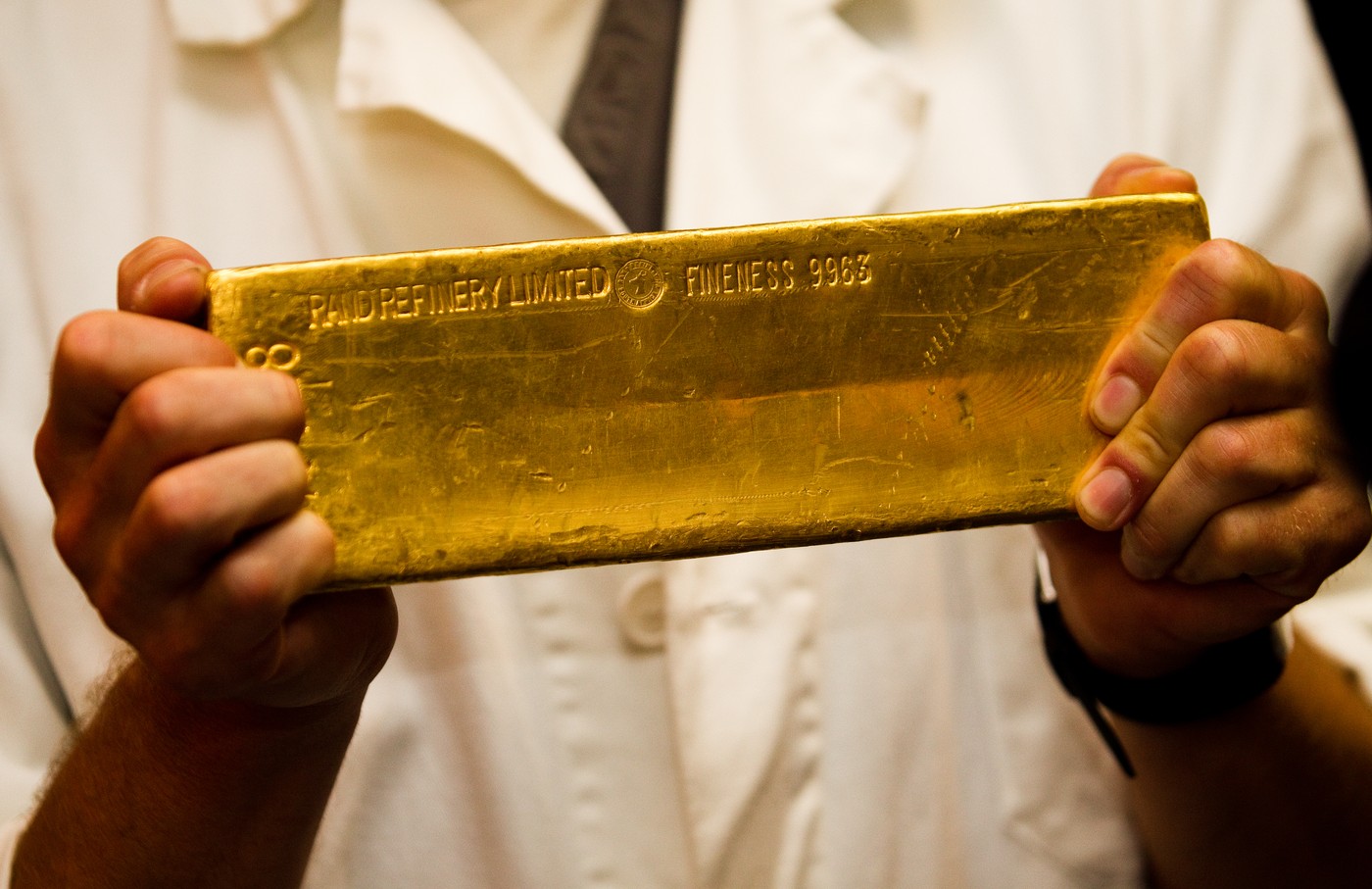
Financial markets have been marked in recent months by building up security reserves and purchases of gold, which remains for many investors primarily an embodiment of stability. We don't have to look far for an example - our central bank currently has almost 90 tons of this precious metal in its reserves. In two years, it should be 10 more. Why is there such interest in gold?
Analyses by the Czech National Bank have shown that if it holds approximately 100 tons of gold in its foreign exchange reserves, the volatility of its economic results will be reduced. This will make it less sensitive to fluctuations in financial markets. This target should be achieved within two years at the latest.
During the time of Governor Jiří Rusnok, however, the bank could rely on reserves at a level that only slightly exceeded 10 tons. As recently as 2019, in its annual report, it stated that it did not consider this commodity to be an optimal instrument for holding foreign exchange reserves of modern central banks. According to Rusnok, gold was at that time an uninteresting asset from a yield perspective.

Gold probably experienced its best moments in 1979 and 2008, when uncertainty caused by global crises triggered literal investment frenzy. Its price then soared steeply upward. It was similar during the coronavirus pandemic, which literally engulfed the entire world at the beginning of 2020.
The Governor Bets on Gold
Gold is now being purchased by the Czech National Bank under the leadership of Aleš Michl on international markets, particularly in London. The local Loco London Precious Metals Market is one of the largest and oldest markets of its kind in the world. Most of the gold from reserves is also safely stored right here, from where it is easily tradable on world markets.
"Gold is excellent for a large portfolio. We have a huge portfolio and gold has a zero correlation coefficient to stocks, which means it very well hedges risk against stocks,"
Governor Michl declared two years ago in an interview for the SeznamZprávy website.
Our central bank also from time to time lends gold in the form of deposits to other central banks, which generates interest. According to its statement, gold in reserves serves not only as an important diversification tool, but also for minting gold commemorative coins and thus has symbolic value, because gold purchases restore the tradition of the Czechoslovak "golden treasure". Part of the total volume is therefore also stored in the building of the Czech National Bank in Prague.
Interest is strengthening worldwide as well
The total volume of global demand for gold strengthened slightly in the first half of the year, states the Report by the World Gold Council. In the second quarter alone, central banks purchased nearly 290 tons of this precious metal. For example, China, where purchases are made not only by households but mainly by the local central bank, has been demanding the yellow metal for 23 consecutive months. It is thus trying to reduce dependence on the American dollar. Ordinary people are also looking for a safer place for savings at a time of real estate market downturn and weak returns from other investments.
According to research by the World Gold Council, up to a third of the world's central banks intend to increase their gold reserves even further. The motives why banks and investors are turning to gold remain the same over time - diversification of central bank reserves and industrial use of silver and the role of gold as a store of value during periods of economic and geopolitical uncertainty.
According to analysts, further growth in the value of this precious metal can be expected in the future. The reason is persistently elevated inflation, rising government debt and high labor costs. This may trigger further increased interest in this precious metal.
Beware of Scammers
What plays the main role when choosing gold? On one hand, it's its weight, the origin of the ingot, certification, and the credibility of the seller. The final price and information about under what conditions the item can be sold in the future are also important.
"If the seller mainly emphasizes exceptional design, limited number of pieces, or limited edition, but does not provide clear information about the gold content, increased caution is warranted. A warning sign may also be pressure to make a quick decision or claims that it is a unique investment opportunity that will not be repeated,"
explained in a press release economist and co-founder of the company Zlaté rezervy Roman Pilíšek.
But that is certainly not the only risk that a potential buyer may face. People can also sometimes unknowingly sign up for repeat purchases.
"A common practice is sending unsolicited shipments directly with a payment demand. Another consists of automatically enrolling the customer in a so-called collector's service. For example, a consumer orders the first shipment of coins, but if they do not expressly refuse further deliveries, the seller automatically starts sending them more,"
warned Lucie Korbeliusová from the company dTest.
Sources: original text, CNB, World Gold Council, Gold Reserves