The Mortgage World: Swiss Aren't in a Hurry to Pay Off Their Mortgages. When I Found Out Why, I Changed My Opinion About Them
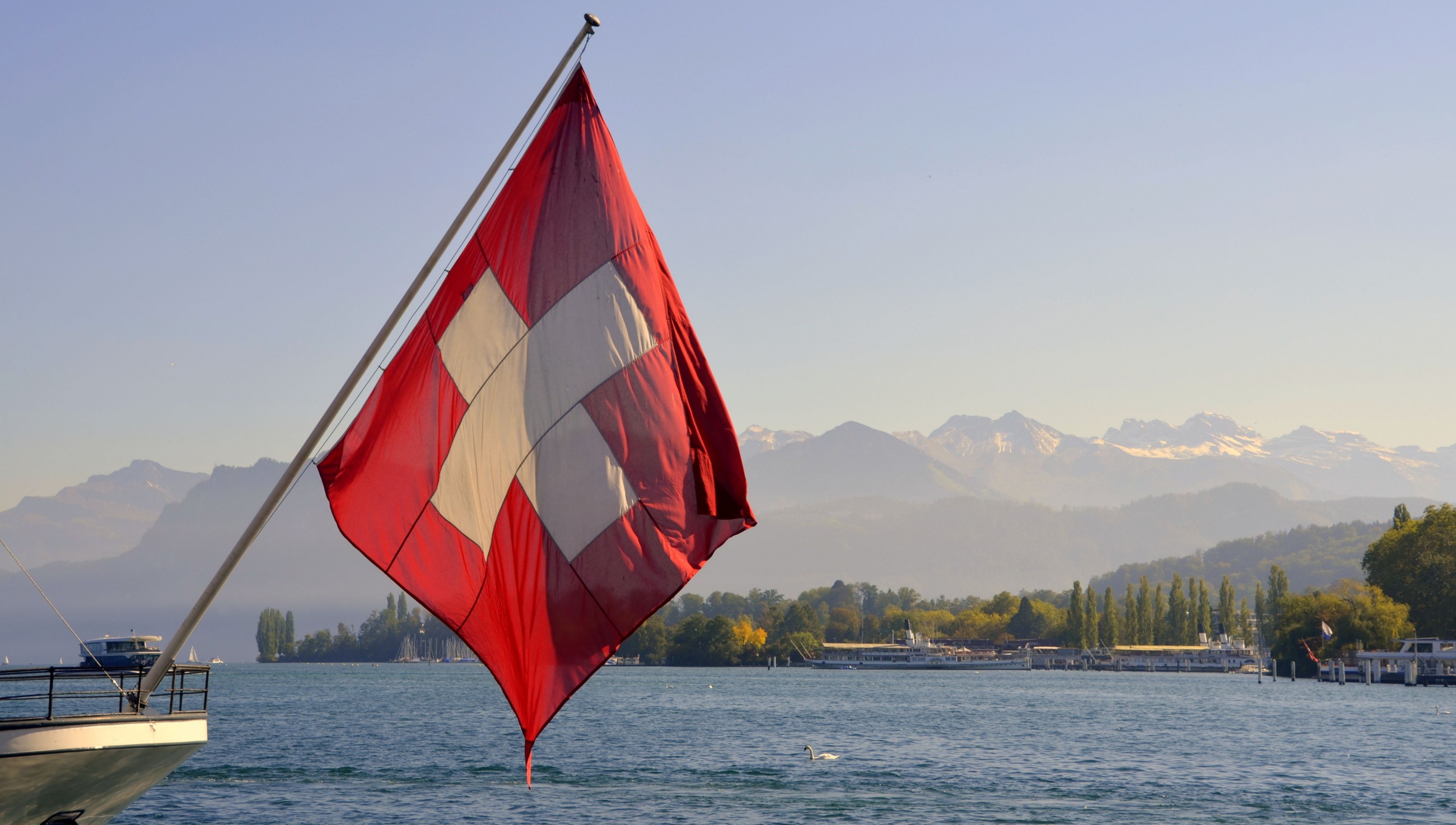
In Switzerland, they have some of the most indebted households in the world. At the same time, they are among the richest countries on the planet. I admit, it didn't make sense to me at first. But the more I tried to understand why, the more I discovered that the story isn't about mortgages. It's about how differently one can think about wealth.
There is a joke about the legendary Swiss rationality. A Swiss man walks down the street and finds a hundred-crown note. He leaves it. Because if it were worth picking up, it wouldn’t be there. I admit that this type of joke belongs to the group known as dry humor, but when I started reading about Swiss mortgages, it occurred to me that there might be something to it.
The Swiss have a reputation for being very pragmatic about money. Perhaps this is hinted at by the fact that a 1000 franc note is still in common circulation in Switzerland. That’s approximately 27,000 crowns, roughly the amount that today represents the monthly mortgage payment for many Czech households. I have never held such a note in my life, and my husband would certainly forbid me from holding it, given the long list of things I've already misplaced. But my thought is different.
What if the biggest financial goal wasn't to pay off the mortgage?
I know. Right now, more than half of the Czech Republic is rolling their eyes. And the rest might think I've lost my mind. I don't really blame them.
In the Czech Republic, a mortgage isn't just a financial product. For many people, it represents a life milestone. It starts with signing the contract and ends with the last payment. I know people who remember the date of their first payment. And I know those who are already planning what they'll do after the last one. In the United States, there was even a tradition of so-called mortgage burning parties. When people paid off their mortgage, they ceremonially burned the documents related to the loan and invited family or friends to celebrate. I don't see myself there either, but I fully empathize. The feeling when you see zero in your banking account actually shows signs of a good '80s party even today.
But while reading about Switzerland, I wondered if a similar celebration would make sense for a person who can pay off their mortgage but consciously decides not to. It's important to note upfront that the Swiss are anything but naive. In the early 90s, they went through their own real estate crisis, where after interest rates increased, there was a drop in property prices and issues in part of the banking sector. This is probably one of the main reasons why they approach mortgages in a disciplined manner.
Country with One of the Highest Debts in the World
But then I came across a number that truly surprised me. In Switzerland, household debt reaches approximately 123% of GDP. This is one of the highest values in the world. And this is where I became alert. Because when I hear about such high debt, I automatically expect a problem, but here we are talking about one of the wealthiest and most stable countries on the planet. The more I read about it, the more I realized that I might not be looking at different numbers, but at a completely different way of thinking about money. And then I came across another number, which is why I actually rewrote the whole article.
Wealth in Funds, Not Just in Walls
According to data from the Swiss National Bank, households owned financial assets worth 3.278 trillion Swiss francs at the end of 2025. The value of their real estate reached 2.924 trillion francs. In other words? The Swiss have more money in financial assets than in real estate. And I think this sentence almost explains their entire relationship with mortgages.
In the Czech Republic, most of us think of property as an apartment, house, or land. When we become wealthier, it is often our real estate that primarily grows. In Switzerland, a significant part of wealth consists of investments, pension funds, and other financial assets. Pension funds and long-term investments represent a significant portion of household financial assets. Perhaps this is precisely why a mortgage there does not seem like something that needs to be gotten rid of as quickly as possible.
Mortgage as a Tool, Not a Goal
And now is the right time to explain how it actually works. When purchasing a property in Switzerland, you typically have to invest at least 20% of your own funds. The bank usually finances a maximum of 80% of the property's value. The mortgage is often divided into two parts. The first part represents approximately two-thirds of the property's value. It is not necessary to pay this off gradually. If the client meets the bank's conditions, they can keep it for a very long time. But I want to add that the bank doesn't say you never have to pay it off, but rather, "you don't have to amortize it gradually." This means that if conditions are met, the loan can be refinanced and continue for a very long time. The second part covers the difference between these two-thirds and the total financing. This part needs to be gradually amortized, usually within 15 years or at the latest by retirement.
For a Czech homeowner, this might sound strange. We are used to seeing a mortgage as something that needs to be gradually eliminated. In Switzerland, some people perceive it more as a tool. Not because they can't pay it off, but because they believe that their money can work more efficiently elsewhere in the meantime.
House without a mortgage versus higher wealth
Imagine you have enough money to pay off the mortgage. Would you do it? Most Czechs would probably answer yes. Some Swiss wouldn't.
Imagine two people. Both have a house worth 10 million crowns. Both have a mortgage of 5 million crowns. And both have an additional 5 million in their account. The first person pays off the mortgage. The second keeps it and invests the money. If the mortgage costs 4% annually and the investment earns 7% annually in the long term, the second person believes that their capital can work more efficiently than being tied up in the walls of a house. Of course, this comes at the cost of investment risk. I'm not saying what is the universally correct solution. These are just two different perspectives on the same money.
Swiss People Own Homes Less Frequently Than Czechs
It's really necessary to share one more number. In the Czech Republic, approximately three-quarters of the population live in their own homes. In Switzerland, only about 36%. This is one of the lowest rates of home ownership in Europe. This is, of course, a difference and another piece in the complex comparative puzzle.
In the Czech context, the last installment is often a symbol of financial freedom. In Switzerland, the more important question might be whether paying off the mortgage is truly the best use of money.
No Mortgage = Higher Wealth?
The most interesting aspect of the Swiss system for me is not that people keep part of their mortgage long-term. Nor is it that they have one of the highest levels of household debt in the world. The most interesting aspect is the question they are actually posing with this. Is the goal to pay off the mortgage? Or is the goal to build the largest possible wealth? In the Czech Republic, we often view these two things as the same. But they don't have to be the same. A person can have a house with no mortgage and almost no other assets. Similarly, one can have a mortgage and simultaneously investments that far exceed their debt.
I'm not saying that one way is right and the other is wrong. I'm just fascinated that while here we consider a paid-off mortgage almost a symbol of financial victory, in Switzerland some people first ask a different question: What is the best use of my money? That's where I find the biggest difference between the Czech and Swiss perspectives on wealth.
Is a greater financial success a house without a mortgage, or a higher net worth?
Sources: author’s text, commentary, Swiss National Bank, UBS, Swiss Federal Statistical Office, CEIC Data, SNB, BFS