On the Level: Pavlova's Lawsuit Against Babiš. The Reality Show Continues, the Constitutional Court Will Decide What Happened at the Party in Ankara


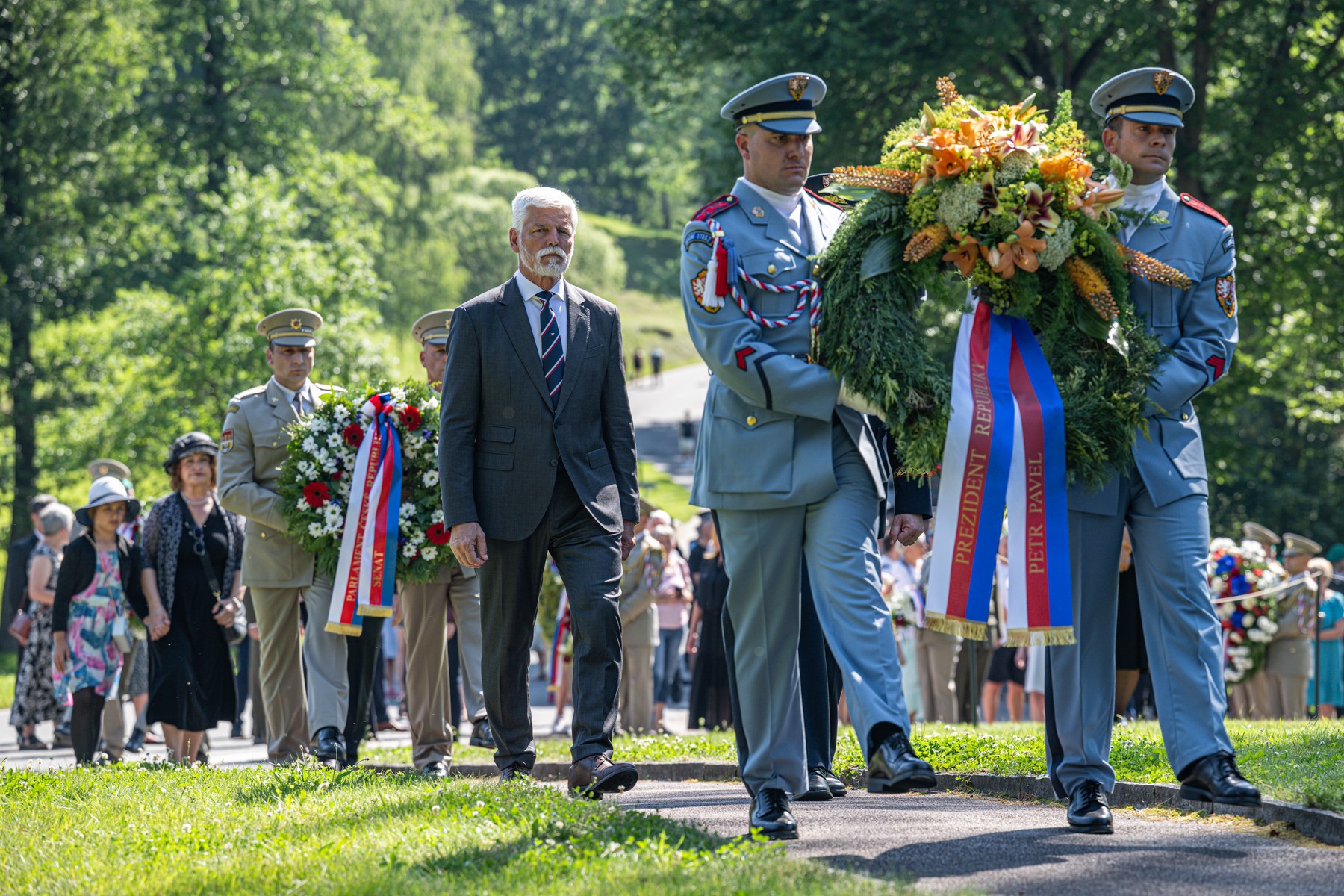
They have filed a competence lawsuit for us. We finally got it. The system of a directly elected president is perfectly suited for conflicts between the head of state and the government. They always managed to be somehow hushed up, but Petr Pavel eventually made a decisive move and turned to the Constitutional Court. Although this is the first time this mechanism has been used by the president, the revolution in this conflict originated elsewhere.
The theater surrounding who will attend the NATO summit has overwhelmed the public space in an unusually absurd manner. Although foreign policy topics typically don't interest anyone much, and bureaucratic sessions at the plenary meetings of international organizations, from the UN through NATO to the EU, are even less appealing, this time Czech politicians have managed to popularize this unpopular genre with the audience.
Though based on the adage "negative publicity is still publicity," it probably couldn't have happened any other way. If government representatives had simply reached an agreement with the president, there would be nothing to write about or argue over during five-minute political debates in pubs, on public transport, or in the changing room before tennis.

Petr Pavel in reality show, another episode: Constitutional Court
One could almost say that the whole charade was created to turn politics into a thrilling object to watch in the style of a reality show. Will he go or won't he? In this episode at the government meeting on June 8, we learned that we would find out on June 22. The government says he won't go, but the president pulled the last card from his sleeve and threw it at the Constitutional Court. The tension continues. How will it all end?
Passionate viewers come to learn how the Constitutional Court decides, according to what? What actually is the Constitution and how is it interpreted? A reality show based on significantly higher ideals than the question of who finally became intimately close in Are You the One?
Could the entire show be orchestrated behind the scenes by the Prime Minister and the President to skillfully heighten the tension and then pat each other on the back on how well it all works?
The problem is, of course, hidden under the lid, and the scenario presented as reality show is its consequence. It all began with the adoption of direct presidential elections without revising his constitutional powers. Sure, it wasn't realistic because Czech politicians couldn't agree on it then or now with the two-thirds constitutional majority. A directly elected president has a stronger mandate, being the only top constitutional official with legitimacy directly from the voters (neither the Prime Minister nor the chairmen of parliamentary chambers are directly elected), which theoretically places him on par with parliament. However, this is not mentioned in the Constitution.
In practice, a directly elected president may not be connected to political parties, and thus is not in contact with them. It is true that according to the current composition of the parliamentary chambers, an opposition president would sit at the Castle, as the parliamentary opposition has such dominance in the Senate that they could easily push through their candidate if the 5 largest opposition parties agreed on them. As an acknowledged representative of the opposition, they might give the government an even harder time than a compromiser like Pavel. Of course, the presidential compromise must be particularly advantageous for the president.
Effort to Mask Reality Leads to Theater
A conflict-ridden environment is inherently part of politics, and rightly so. The components of the system must limit and check each other; otherwise, we abandon the principles of a democratic state. But isn't the president the one who usurps power instead?
“We don't have a presidential system, no. And we also don't have a sea, for example. And a pig doesn't have antlers. And none of these things can be changed by the jurisdictional lawsuit. The president's competence under Article 63 to represent the state externally is exactly the same now as it was from the very beginning. If governments refused to let Havel, Klaus, or Zeman go somewhere, saying they've traveled enough, they could have filed that jurisdictional lawsuit too. It's a pity they didn't, while we still wouldn't be a presidential system, at least we would be spared this theater today,”
The situation on X is commented by lawyer and commentator Jan Palička.
Since in the past, the president attended the NATO summit 20 times and once Petr Fiala represented Miloš Zeman due to illness, it might be swinging in the opposite direction. Petr Pavel, on the other hand, is not complaining about the presence of the prime minister at the event; he just wants to be there.
How the Constitutional Court will decide in the closely watched case, we do not know, but it is quite possible it will side with the president, allowing him to go where he wishes. However, that does not necessarily mean that Pavel will actually go there.
If the non-partisan president doesn't attend, we might hear from government representatives about how it was a great group of friends there and that everyone has each other's numbers. The problem of free-riding in defense costs within the Alliance will be "explained." If the president manages to sneak into the event after all, he'll probably have a bigger hangover from the party in Ankara. When everyone brings snacks to the table and one person only eats them, they usually aren't the most popular member of the group, even if they describe themselves that way.
Sources: author's text, commentary, irozhlas.cz, X, Senate PCR