Marrying a man from the Dani tribe: Women's fingers are amputated, men wear a gourd on their penis, and sex doesn't mean much to them


Although it is not directly a wedding custom, it says a lot about what it means to become part of a family where family bonds were considered so sacred that the loss of a loved one was supposed to manifest not only in tears but also in physical pain. This is precisely why the story of a woman who would marry a man from the Dani tribe is a fascinating glimpse into one of the most extraordinary cultures of Oceania.
A Tribe Discovered by the World Only a Few Decades Ago
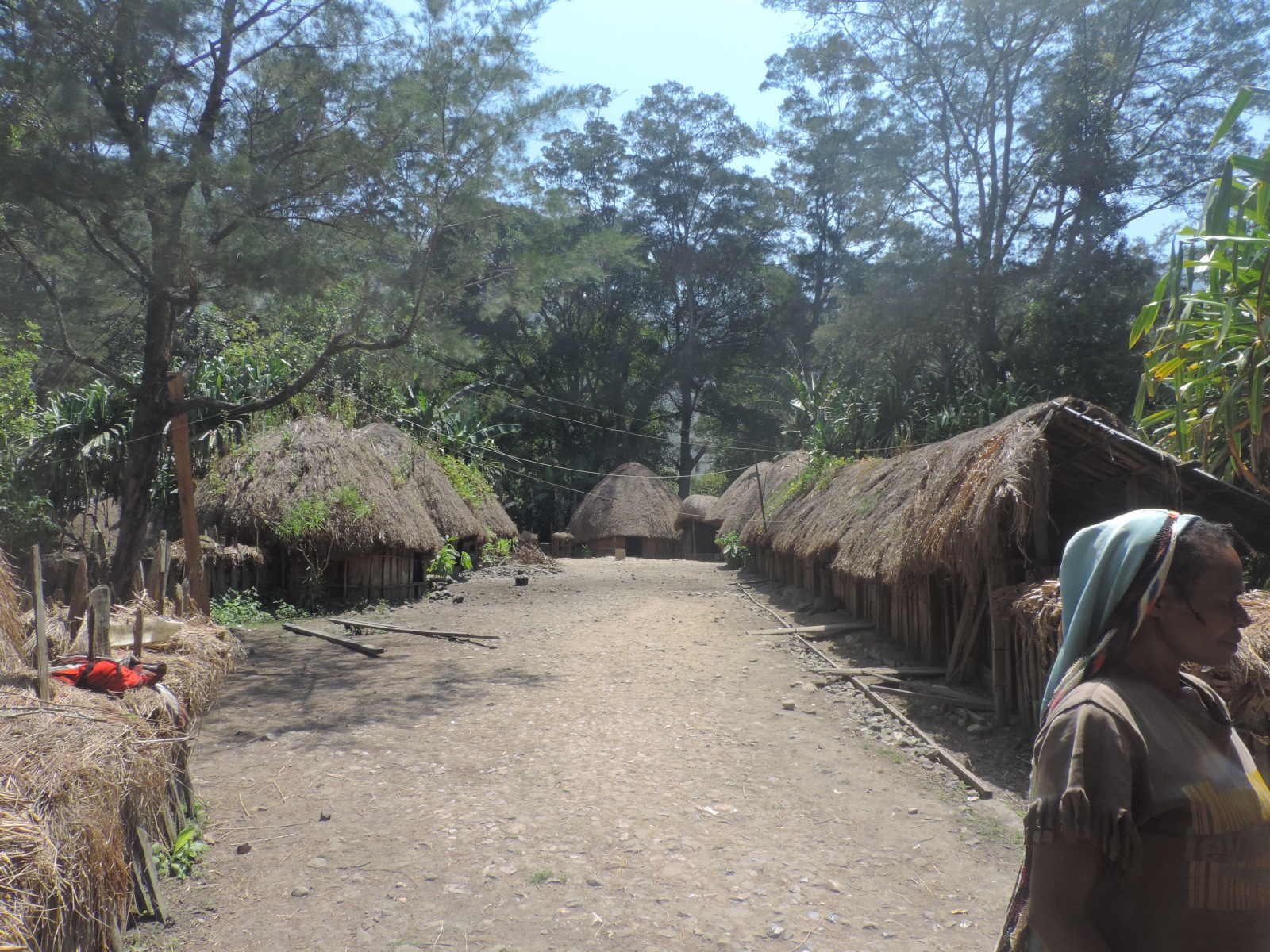
The Dani are among the most well-known indigenous tribes of New Guinea, but they remained virtually unknown to the rest of the world for centuries. They live in the Baliem Valley in the western part of the island of New Guinea, which today belongs to Indonesia. Their villages were separated from the outside world by high mountains and dense jungle, allowing them to maintain a way of life that changed minimally over generations. It wasn't until 1938 that they were discovered during an aerial expedition by American explorer Richard Archbold. The world was shocked to learn that in the remote mountains, there lived a large community that had preserved its own culture, traditions, and functioning rules practically without the influence of modern civilization, reports Blesk.cz.
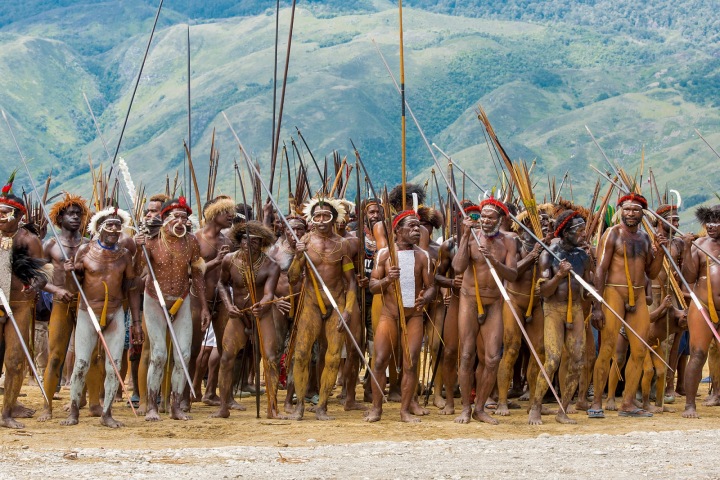
The Baliem Valley remains one of the most remote areas of Indonesia to this day. It is precisely this geographical isolation that has preserved customs here that have long disappeared in many other parts of the world. Additionally, New Guinea is one of the most linguistically diverse places on the planet. Experts estimate that more than seven hundred languages and dialects are used here. Many communities have been separated by mountain ranges for centuries, and each has developed its own culture, traditions, and language.
A World Where Money Didn't Rule
For a person from Slovakia, one of the greatest cultural surprises would be the way the Dani people traditionally perceived wealth. Money did not play a significant role in their lives for many years. Much more important was cooperation and the ability of the entire community to function as one unit. When there was a need to build a house, prepare a feast, or solve a problem, the whole village got involved. The success of an individual was not judged by how much they owned but by the contribution they made to their family and community. Marriage was also seen as a union of two clans, not just two people in love.

Family Was Everything
For Daniy, family was the foundation of life. Traditional society operated on strong kinship ties, and individuals were closely connected to their clan. The birth of a child, a wedding, or even the death of a family member were events that impacted the entire community. This is why the loss of a loved one was not considered just a personal tragedy. It was believed that death disrupted the family's balance and could bring further misfortune. Grief needed to be visibly expressed, while also warding off evil forces that could threaten the survivors, reports the portal Pluralis.
When the Soul's Pain Was Not Enough
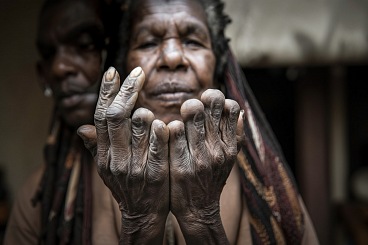
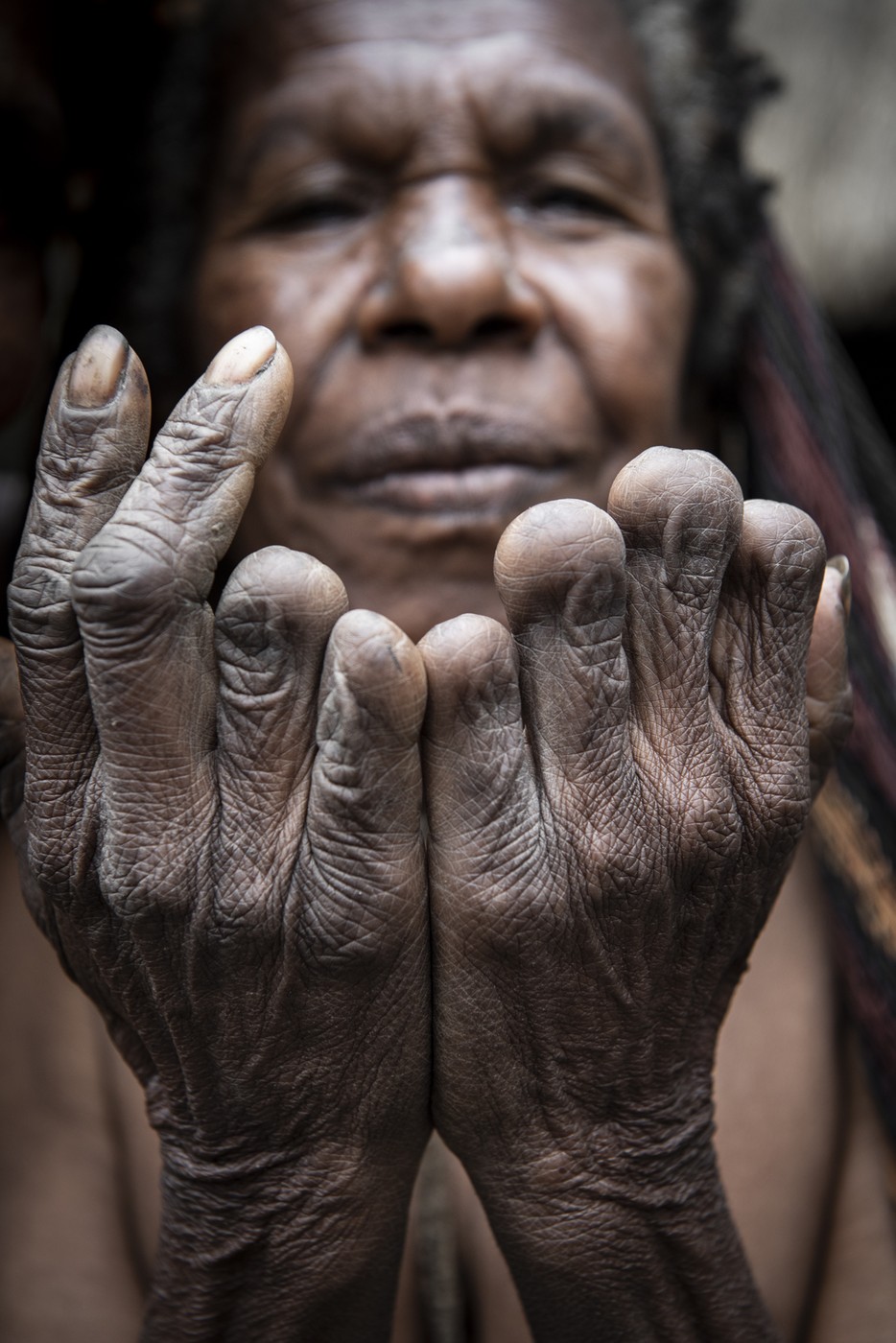
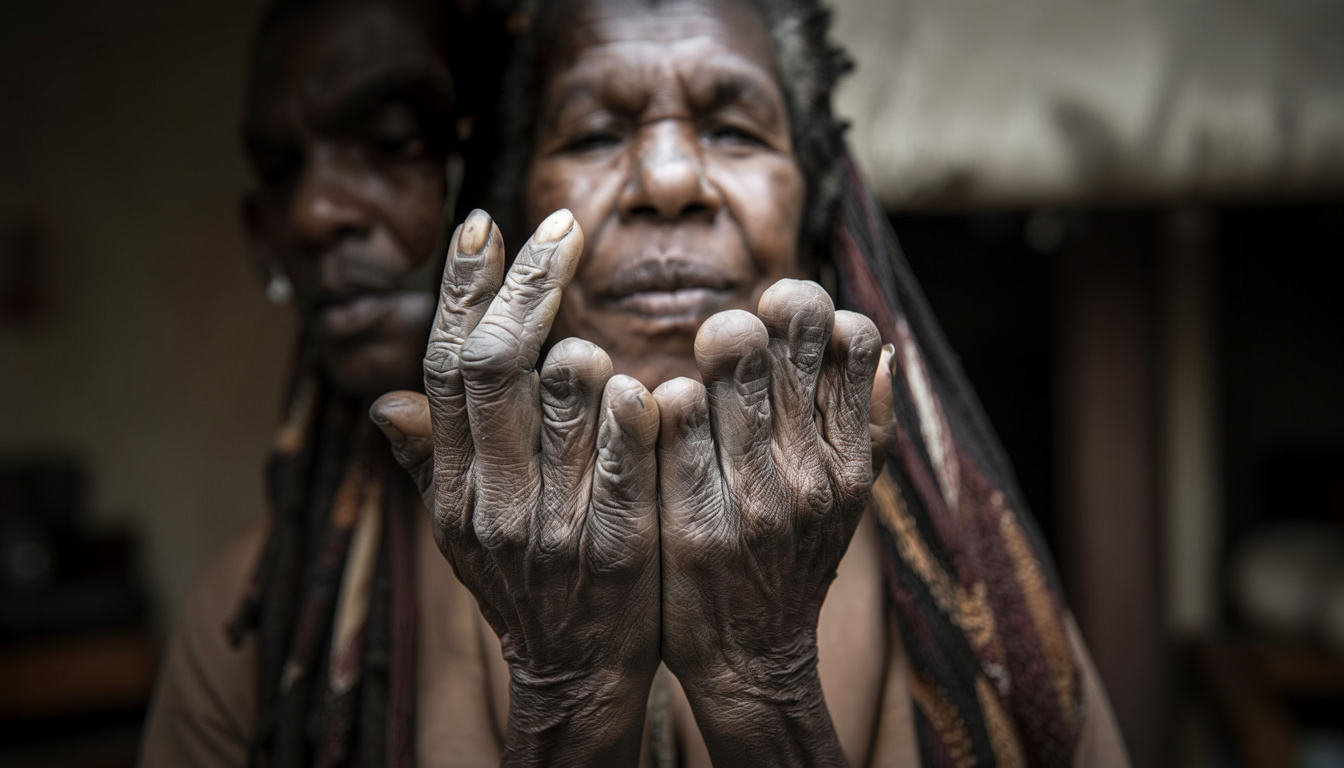
The most well-known ritual of the Dani was the so-called Ikipalin or Iki Paleg. It was a mourning ceremony during which mainly women had a finger segment amputated after the death of a close relative. The closer the relationship to the deceased, the stronger the social obligation to undergo this painful ceremony.
Before amputation, the finger was tightly bound to interrupt blood circulation. Then part of it was removed, and the wound was treated using local plants and herbs. Although today this custom appears extremely drastic, in the traditional culture of the Dani, it was understood as an expression of love, respect, and devotion to the deceased. According to traditional beliefs, physical pain was meant to express deep grief over the loss of a loved one. The death of a family member was not only perceived as a personal tragedy but as an event that affected the entire clan. Some women lost multiple finger segments during their lifetime because they repeatedly underwent the ritual upon the death of parents, siblings, spouses, or other close relatives.
Singaporean photographer and traveler Teh Han Lin, who spent a few days among the Dani people, described this tradition as extraordinarily harsh, but also pointed out that local women have considered it a natural part of expressing grief for generations.
Only women have to cut their fingers. In my opinion, it's a cruel and inhumane practice, but for them, it's the only way to express their grief over the loss of a loved one, and they do it voluntarily.
Although the Indonesian government has banned this practice, older women can still be found missing several finger segments. They are a living reminder of one of the most famous traditions of the Dani tribe, writes SevenPonds.
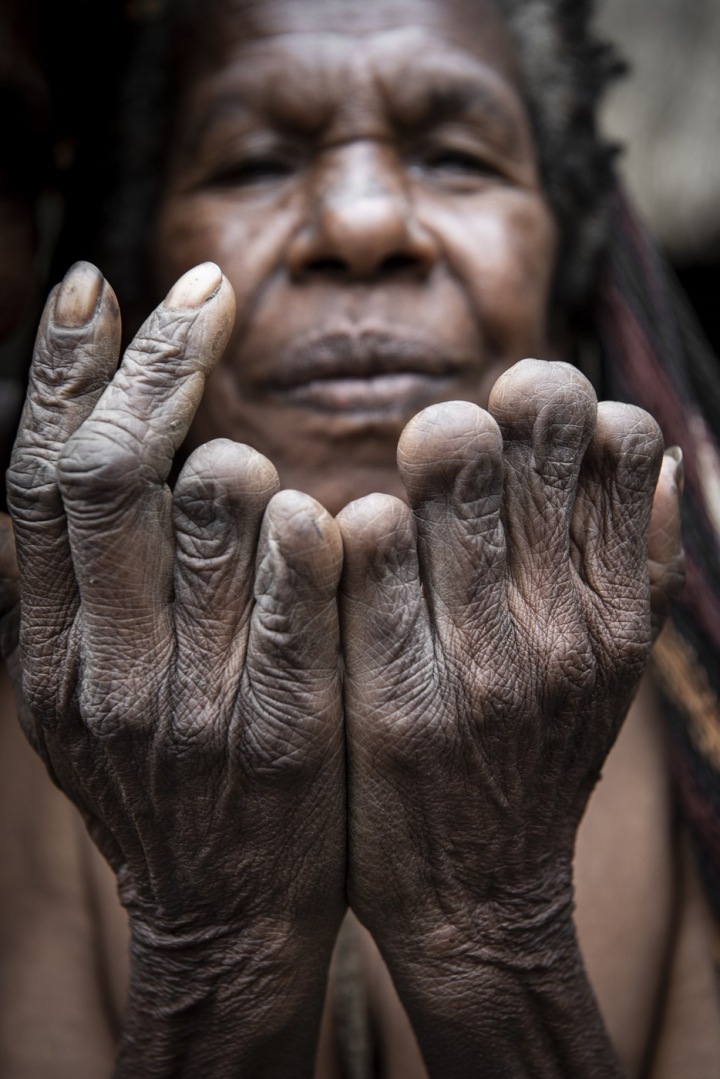
The Dani believed that individual fingers represented family members. The hand symbolized the unity of the clan and cooperation among its members. When someone died, the removal of a finger part was meant to remind that the family would never be as complete as before. The physical pain also symbolized the pain of the soul. It was believed that such a sacrifice would help alleviate the suffering of the survivors and prevent further tragedies in the family.
Ikipalin was usually performed by someone from close relatives. Members of the tribe believed that finger amputation helped calm the spirit of the deceased and simultaneously expressed the grief of the bereaved. This tradition was also associated with other superstitions. In some cases, mothers bit off the fingers of their daughters in childhood, believing it would influence their future life, ensure them a longer life, or differentiate them from others. Nevertheless, amputations primarily involved older women, writes The Guardian Life.
Although the Indonesian government banned this practice years ago, many older women still bear visible consequences of this ritual. Their mutilated hands are a living reminder of a tradition that was once an integral part of the community's life. Some researchers believe that in remote areas, this practice may continue outside the notice of authorities.
How the amputation was performed
The upper part of the finger was often removed using a sharp stone tool. However, sometimes no tools were used. The joint was first weakened by repeated biting or pressure, and then a string was tightly wrapped around the finger to stop the blood supply. Without oxygen, nerves and muscles gradually died off. After some time, the dead part of the finger would fall off on its own. Another method involved tightly binding the joints to completely cut off blood circulation. After the amputation, the open wound was cauterized to stop the bleeding. The separated part of the finger was then burned or buried in a place of special significance to the family. In ancient times, sharp stones were also used to break finger segments. The ceremony was often carried out by parents, siblings, or other close relatives. Mourning was not only expressed through amputation. During the mourning period, the Dani people would smear their faces with ash and clay. Some would also cut off parts of their ears. Another form of mourning ritual included smearing the body with river mud and refusing to bathe for several days. These actions symbolized the return of the deceased person back to nature.
Pigs Were More Valuable Than Money
If a woman were to marry a man from the Dani tribe, she would quickly understand that the greatest wealth is not measured by a bank account balance. In traditional society, pigs were a symbol of prestige. A family that owned more pigs had a higher social status and greater influence. Pigs played a significant role in weddings, family agreements, and large celebrations. They could serve as part of wedding gifts or as a sign of respect between families. To this day, they remain among the most valuable assets of many households in the Baliem area.
A Wedding Was Not Just a Matter for Two People, But for the Entire Clan
In the traditional Dani society, marriage did not represent merely the union of two people in love. The wedding was primarily an event that brought families together and strengthened relationships between individual clans. Although the future spouses played an important role, significant input also came from parents, elder family members, and community chiefs. Marriage was considered a commitment to the entire group. The formation of a new couple meant a new alliance, new workforce for the family, and the continuation of the lineage. That is why marriage agreements were often subjects of lengthy negotiations between families.
Pigs as Wedding Wealth
As part of traditional wedding arrangements, pigs were given to the bride's family. Their number often reflected the status of the groom's family and their ability to ensure the future of the newlyweds. It was not about purchasing the bride in today's sense of the word, but a symbolic gesture of respect between families. For the Dani people, pigs were akin to a combination of property, savings, and social status in the modern world.
A Feast That Brings the Whole Village Together
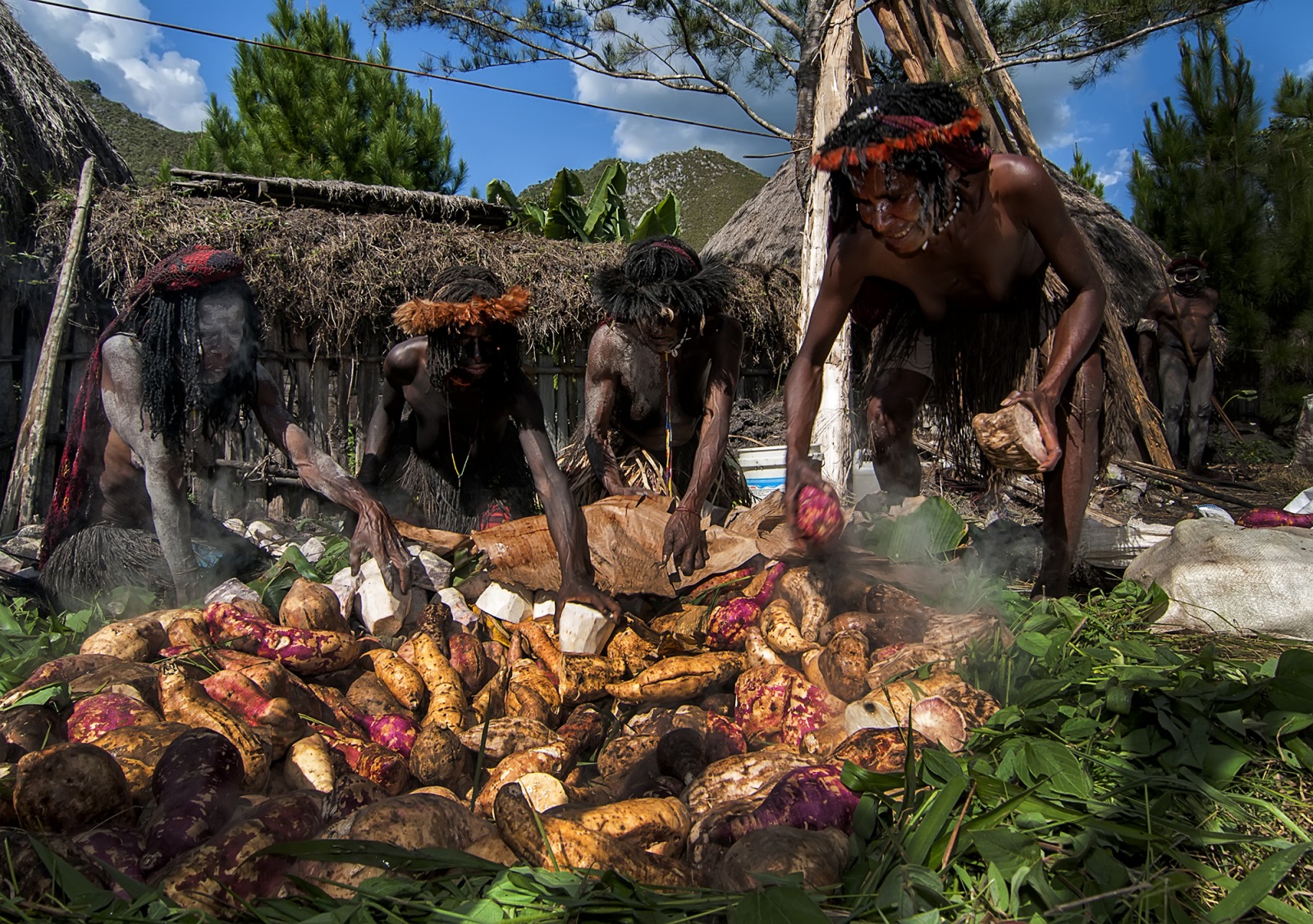
Large family events are incomplete without the traditional feast called bakar batu. It is an ancient method of cooking using heated stones.
Heated stones are placed in a pit dug in the ground, where sweet potatoes, cassava, bananas, and meat are laid on top. Everything is then covered with more stones and buried.
Preparing the food is a social event. The entire community participates, and the resulting feast symbolizes family unity, friendship, and mutual assistance.
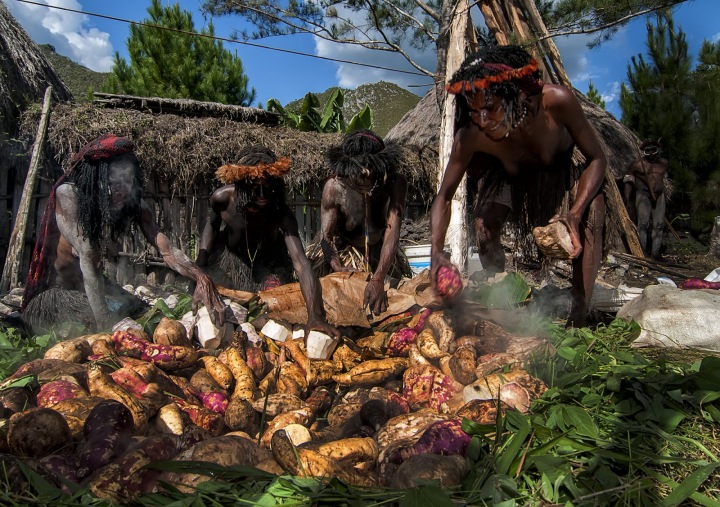
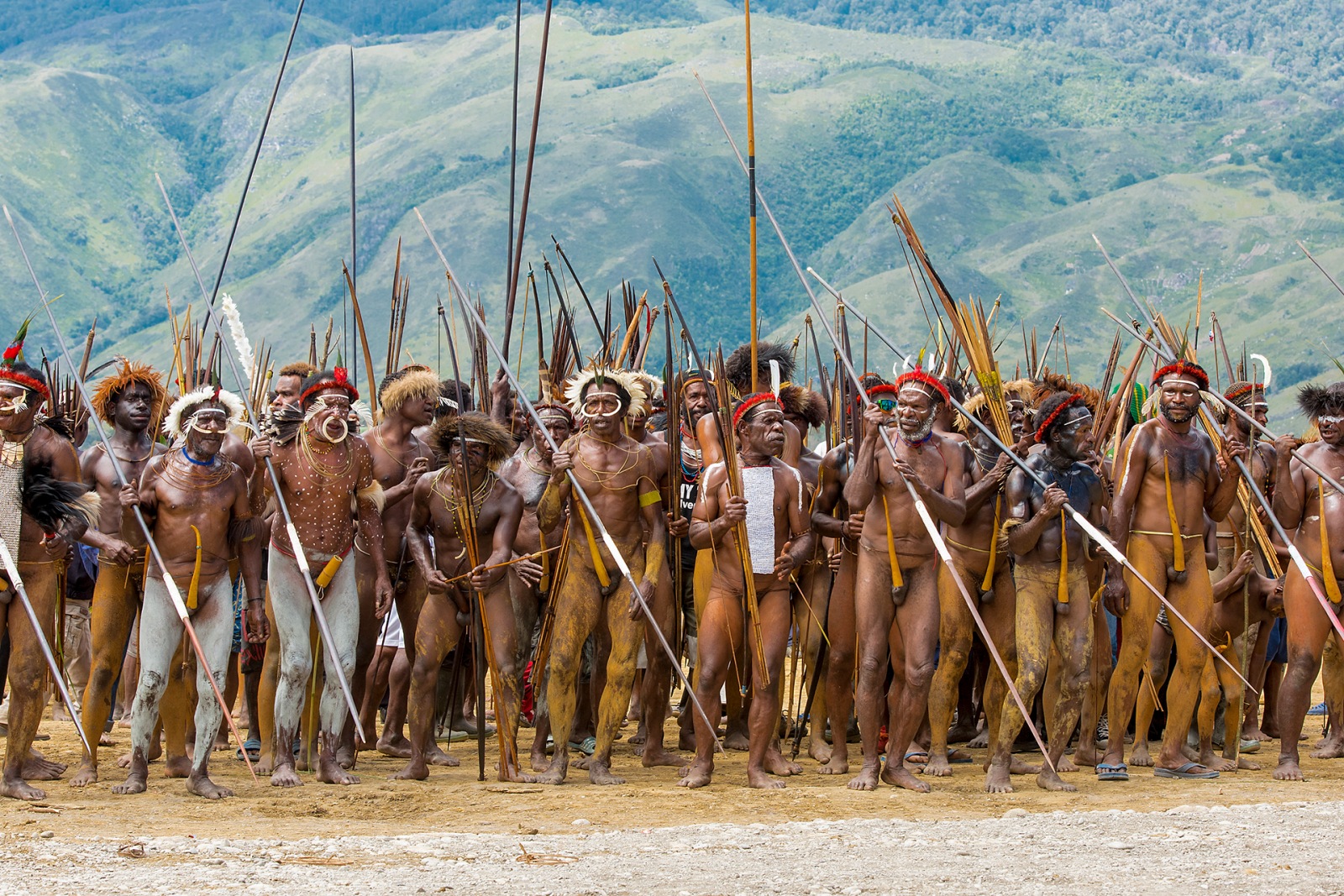
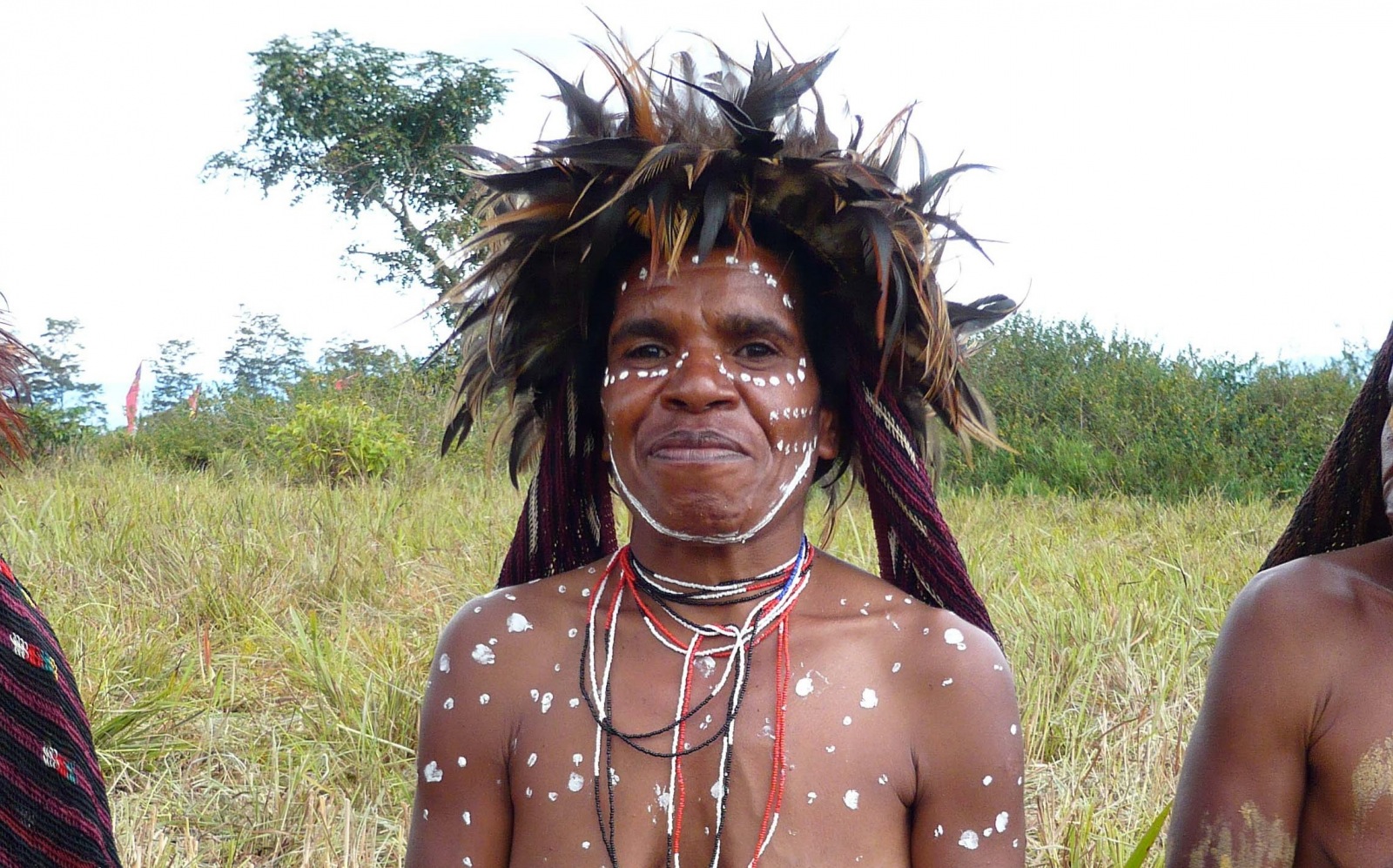
Sweet potatoes, bananas, and cassava are among the staple foods of the Dani people. Sweet potatoes are grown extensively in the Baliem Valley and form an important part of the diet. During significant events, entire villages participate in the preparation of a feast, which can last for several hours. During wedding celebrations, entire communities would gather. Traditional songs were sung, dances were performed, and guests wore festive decorations made of feathers, shells, and other natural materials. Thus, a wedding was not just a one-day celebration but a significant social event remembered for many years.
A man could have multiple wives
In the past, polygamy was not uncommon among the Dani, writes the portal Encyclopedia.com. A man with sufficient wealth and social status could marry multiple wives. However, such an arrangement was not available to everyone and required the ability to provide for all household members. More wives meant greater workforce for the family, more children, and higher prestige. With the arrival of Christianity and modern societal changes, this custom is gradually declining.
Men and Women Under One Family, But in Separate Houses
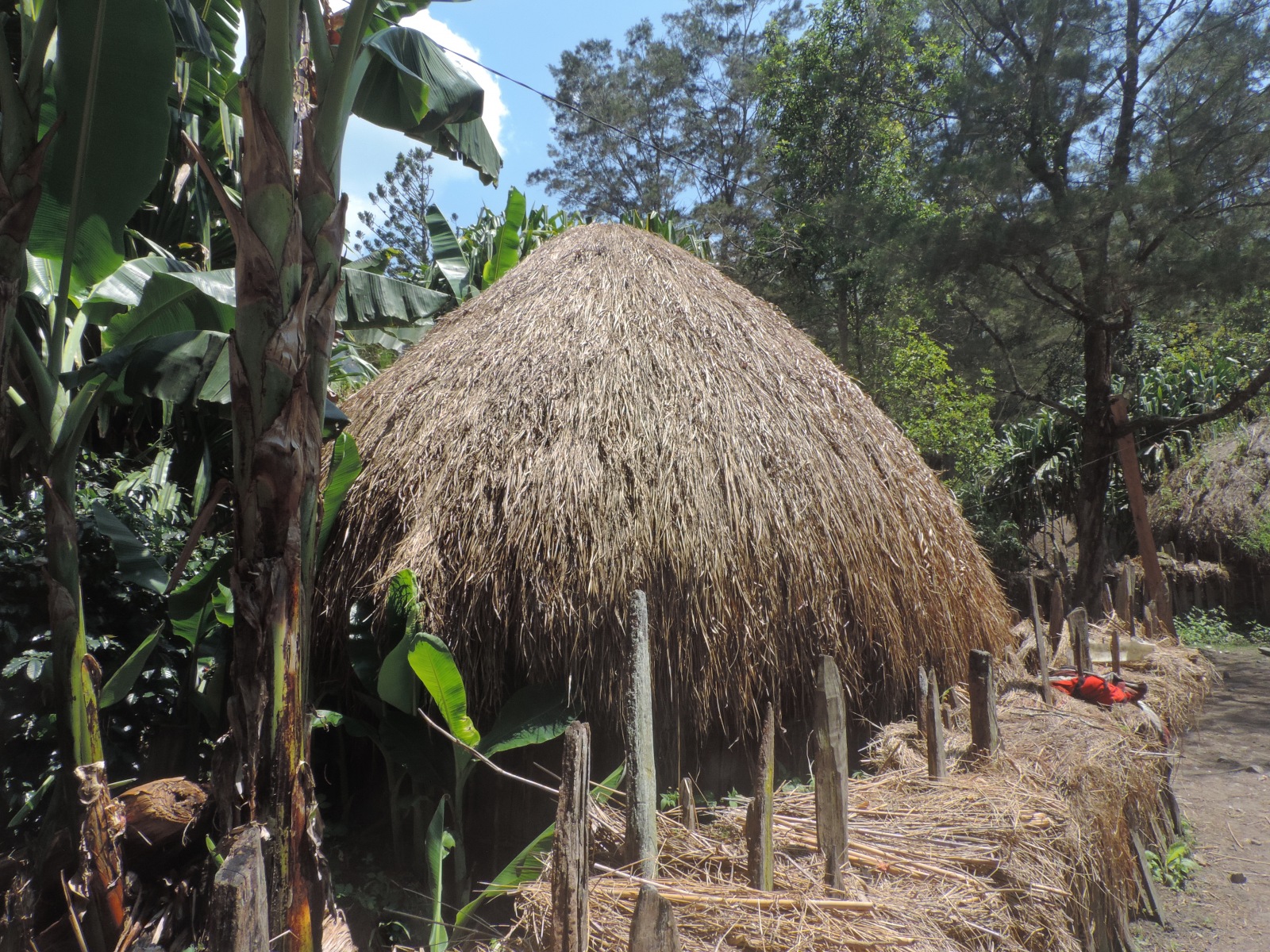
One of the most interesting peculiarities of traditional life among the Dani people is the separate living arrangements for men and women. Men had their own houses designated for communal gatherings and decision-making regarding community matters. Women lived with children in separate dwellings, which also housed livestock including valuable pigs. Such an arrangement might seem unusual to Europeans, but for the Dani, it represented a natural way of functioning within society. Each group had its tasks and duties, which were important for the functioning of the entire village.
Men Wore Gourds Instead of Clothing
In the early 1970s, the Indonesian government attempted to modernize the Dani tribe through a program called "Operation Koteka" or "Operation Penis Sheath." The goal was to convince local men to wear shorts instead of traditional attire. However, the project did not achieve significant success, and the Dani continued to preserve their traditional clothing.
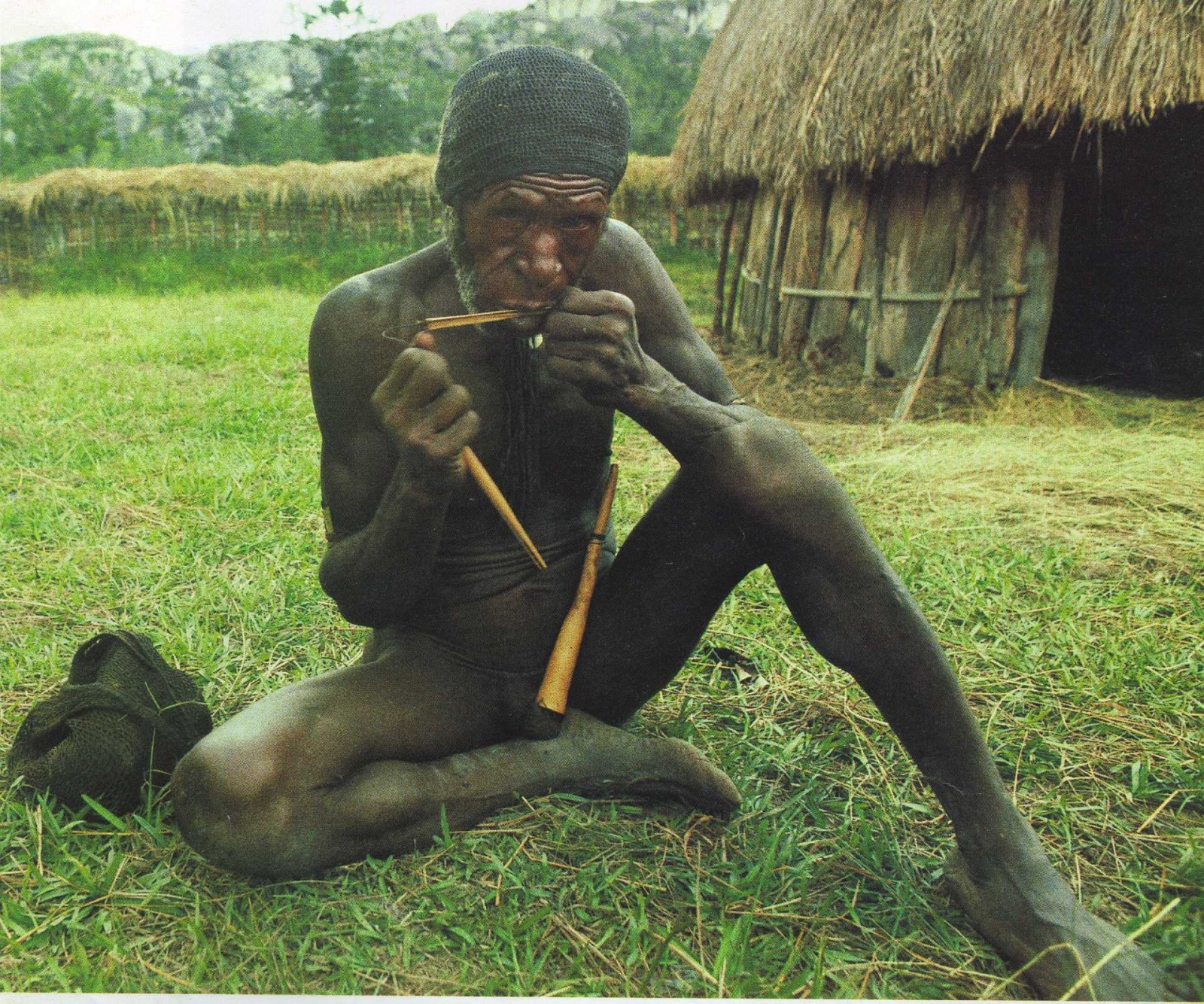
Koteka, worn by men, is made from a specially dried gourd. It is a protective cover made from specifically processed and dried gourd. Traditionally, men wore it as part of everyday attire. Boys would receive their first koteka in childhood, and upon reaching adulthood, they would receive another, which accompanied them throughout their lives.

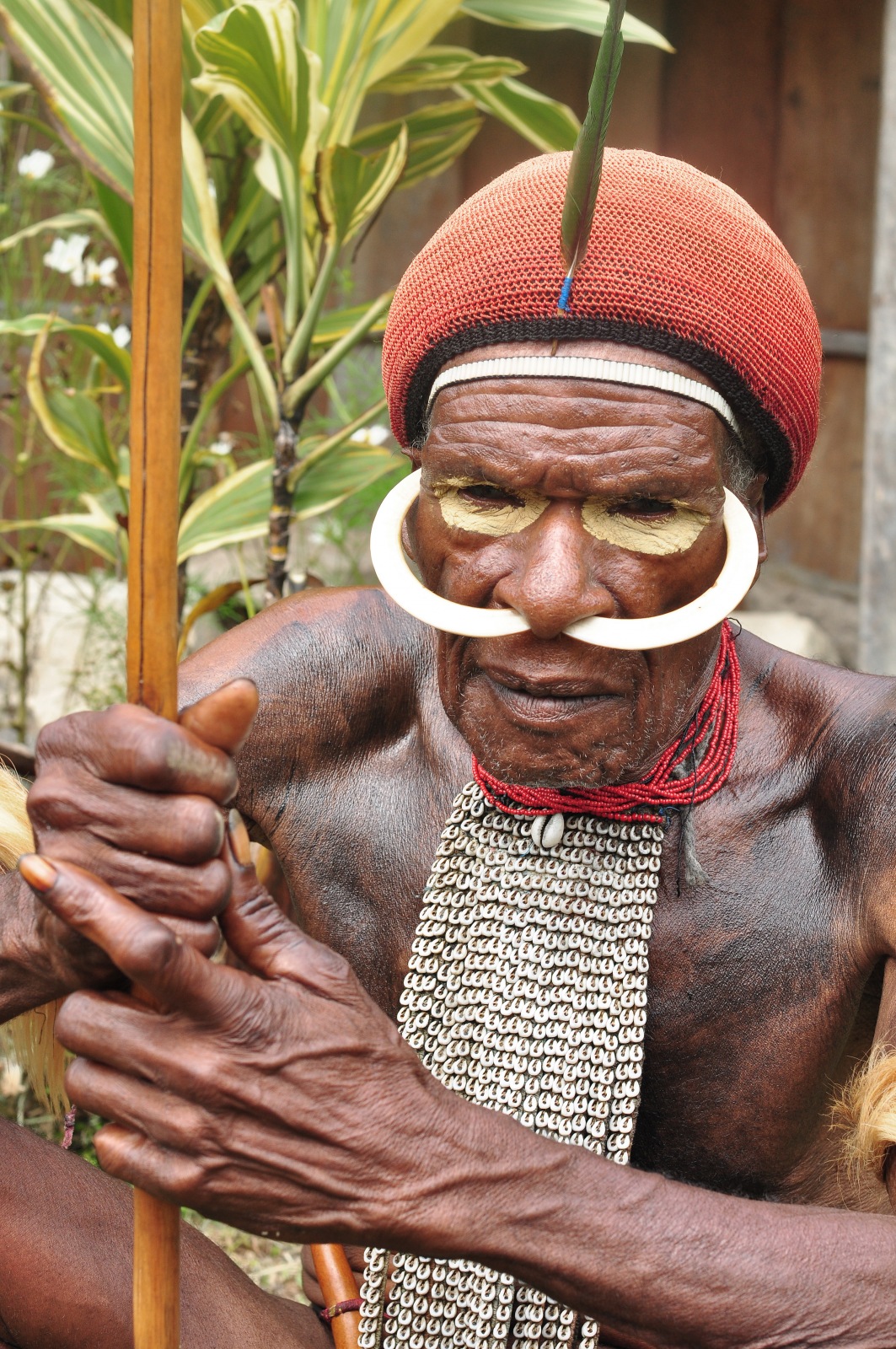
The koteka serves as a cover for the male genitalia. It is secured at the bottom with a string and then attached to the body to hold it in an upright position. Its shape, size, or way of wearing could vary depending on the region, age, or social status of the man. For the Dani, it was neither unusual nor shameful. It was a natural part of their identity, just as wearing pants or a shirt is commonplace for a European. During celebrations, the koteka was complemented with bird-of-paradise feathers, shell necklaces, bone decorations, or traditional weapons. Although many members of the tribe wear modern clothing today, the koteka remains a symbol of their culture and can still be seen during festivals, writes the portal Pilot Guides.
Unusual Rules of Married Life
For Europeans, the traditional beliefs of the Dani people about intimate life may be intriguing. In the past, it was believed that too frequent sexual intercourse could weaken a man's strength and ability to work. Therefore, there were periods during which couples were expected to practice sexual restraint.
After the birth of a child, there could be a period of several years without intimate life. According to local beliefs, such rules were meant to ensure the healthy development of the child and the stability of the family. Although many of these traditions are gradually disappearing today, they remain among the most interesting aspects of Dani culture.
Wild at First Glance, Truly Warm-Hearted
Although many of the Dani traditions may seem harsh or incomprehensible to Europeans, visitors often describe a completely different side of this community. People who have had the opportunity to spend a few days among them speak of their hospitality, openness, and genuine curiosity. Photographer Teh Han Lin, who documented their daily life, mentioned that while the locals often do not speak Indonesian or English, they still strive to communicate through gestures, smiles, and body language.
They may look wild, but in reality they are very friendly and kind if you treat them the same way.
It is precisely this contrast between harsh traditions and human warmth that makes the Danis one of the most fascinating communities in the world.
Marriage to a man from the Dani tribe would be a meeting of two completely different worlds. On one side modern Europe, on the other a culture in which family ties have been considered the highest value for centuries. The story of women who cut off parts of their fingers after the death of loved ones is not just a story of pain. It is primarily a testimony to the significance of family in the life of one of Papua's most famous tribes.
For a Czech woman, marrying a man from the Dani tribe would not only mean moving to the other end of the world. It would mean entering a community where family ties are stronger than possessions, where traditions have been passed down for generations, and where today they still remember times when love for family was proven in a way that modern people can hardly imagine.
Source: author's text, Blesk.cz, Pluralis.cz, SevenPonds.com, The Guardian Nigeria (Guardian Life), Encyclopedia.com, PilotGuides.com