Czechs are increasing their financial reserves. A third of households save more than 5,000 crowns a month.


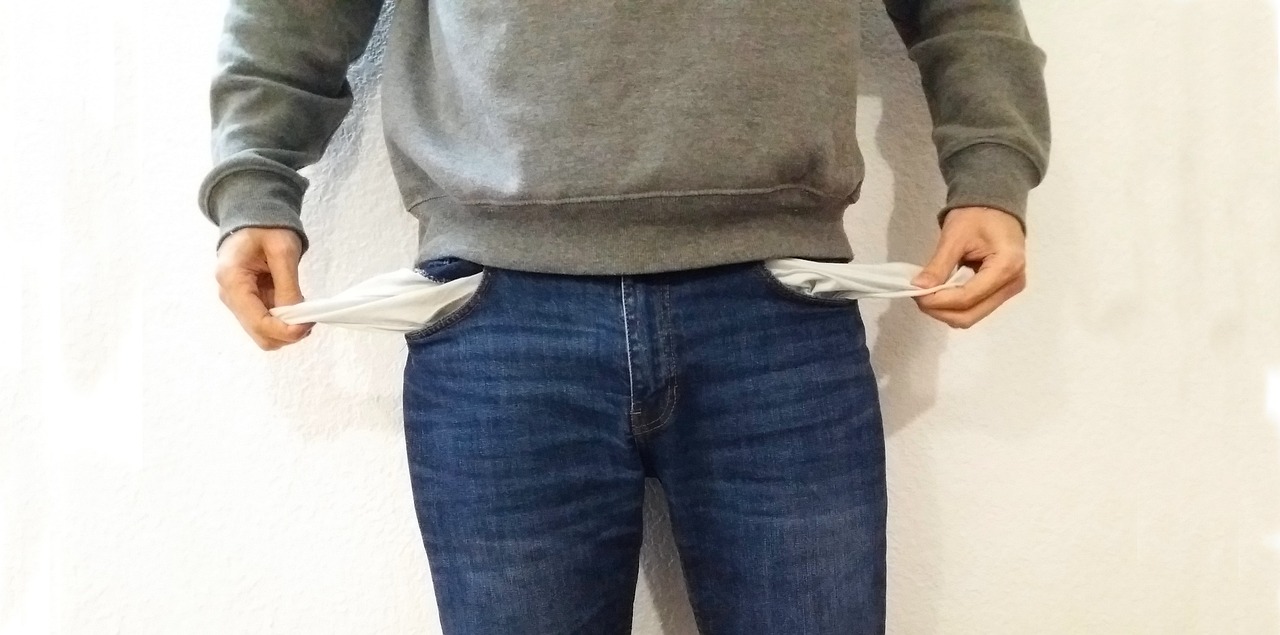
More and more people are beginning to think about back doors. According to summer research, the number of those who regularly set aside money for financial reserves is increasing. Roughly a third of us save more than 5,000 crowns a month. On the contrary, over 10 percent of Czechs can't save any money at all. Experts advise that we should rely on total reserves of three to six months' wages.
"Every tenth household in the Czech Republic is currently not able to create any financial reserve and covers standard living costs from previous savings or loans. Nine out of ten households are able to create at least a minimal financial reserve, even if it does not exceed one month, it is often thanks to sharing income between household members,"
Monika Hrubá from the Česká spořitelna told LP-Life.
We are putting more and more into reserves
Nevertheless, there are an increasing number of people who are beginning to not only recognize the importance of a financial reserve, but are also able to set aside money for it. The number of households with no financial reserve has dropped from 14 percent last year to ten. This comes from a June survey conducted by Home Credit, carried out by Ipsos agency among over a thousand respondents.

About a third of households save more than 5,000 Czech crowns, which is five percentage points higher than last year. One quarter of Czechs have a reserve of a monthly income or less, and 26 percent of households have saved more than five times their monthly income. Less than a thousand Czech crowns a month can be set aside by 11 percent.
"Having a sufficient financial reserve is key to managing unexpected life situations, such as income outages, unforeseen expenses, or health complications. The ideal financial reserve should cover at least three to six months of ordinary household expenses. The best way to create it is regular saving of even smaller amounts, which gradually accumulate,"
explained for the Czech Press Agency ombudsman of Home Credit clients, Miroslav Zborovský.
Saving accounts lead
The most popular tool for saving money is a savings account. Over 70 percent of Czechs use them. 32 percent of people keep their reserves in a current account, which is seven percentage points less than last year.
Moreover, investing is becoming increasingly popular among the young and educated. Thanks to this, almost half of Czechs already have investment products. According to the research, ETF funds are the most popular, used by 19 percent of respondents. Among people with income over 50 thousand, it's up to 40 percent. 18 percent of Czechs prefer shares of specific companies. These are usually university graduates and people between 18 and 26 years old. Real estate is primarily popular among people with higher incomes. Cryptocurrencies are attracting the young and Prague residents, the research claims.
"The main factors affecting whether people have reserves at their disposal are education, income and how they manage it, marital status, the way of securing housing, and the use of other saving and credit products. With higher education, the likelihood that people have some financial reserve and the size of this reserve increases,"
in this context, reminded the editorial office Kamil Fialová from the Sociological Institute of the Academy of Sciences of the Czech Republic.
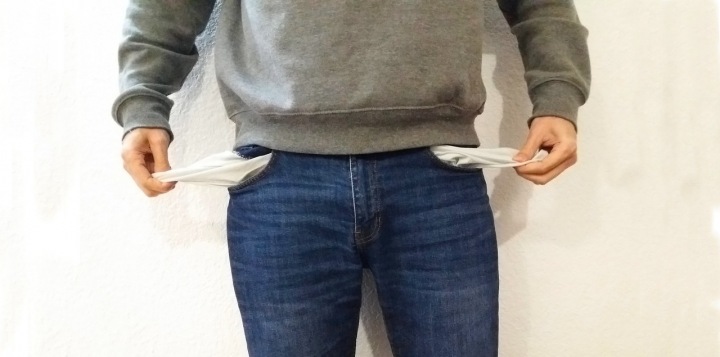
What is the optimal financial reserve?
According to experts, we should rely on a reserve amounting to three to six months' wages, roughly from 120 to 250 thousand crowns. Whereas the short-term reserve should be quickly accessible, the long-term reserve can be put to work. In the case of the first option, the aforementioned savings accounts may prove useful, for the second option, funds, securities or property holdings.
Although a large part of the domestic population has never made and does not make a family budget, most believe they have a good overview of household expenses. Only a fraction of us do not know what expenses we actually have.
"If it's at all possible and the family budget allows it, it's important to keep expected monthly income and expenses at least slightly in the plus for the benefit of incoming funds. Unexpected expenses can often surprise at the least opportune time. Therefore, it's a good idea to set aside a predetermined amount from each paycheck, for instance five to ten percent, for harder times,"
Zborovský recommends and adds that, for example, when a car, washing machine, or laptop breaks down, it is possible to use savings to cover at least some of these costs.
Sources: author's article, ČTK