I'm Taking a Mongolian: The chicken organs determined whether the chosen wedding date is suitable

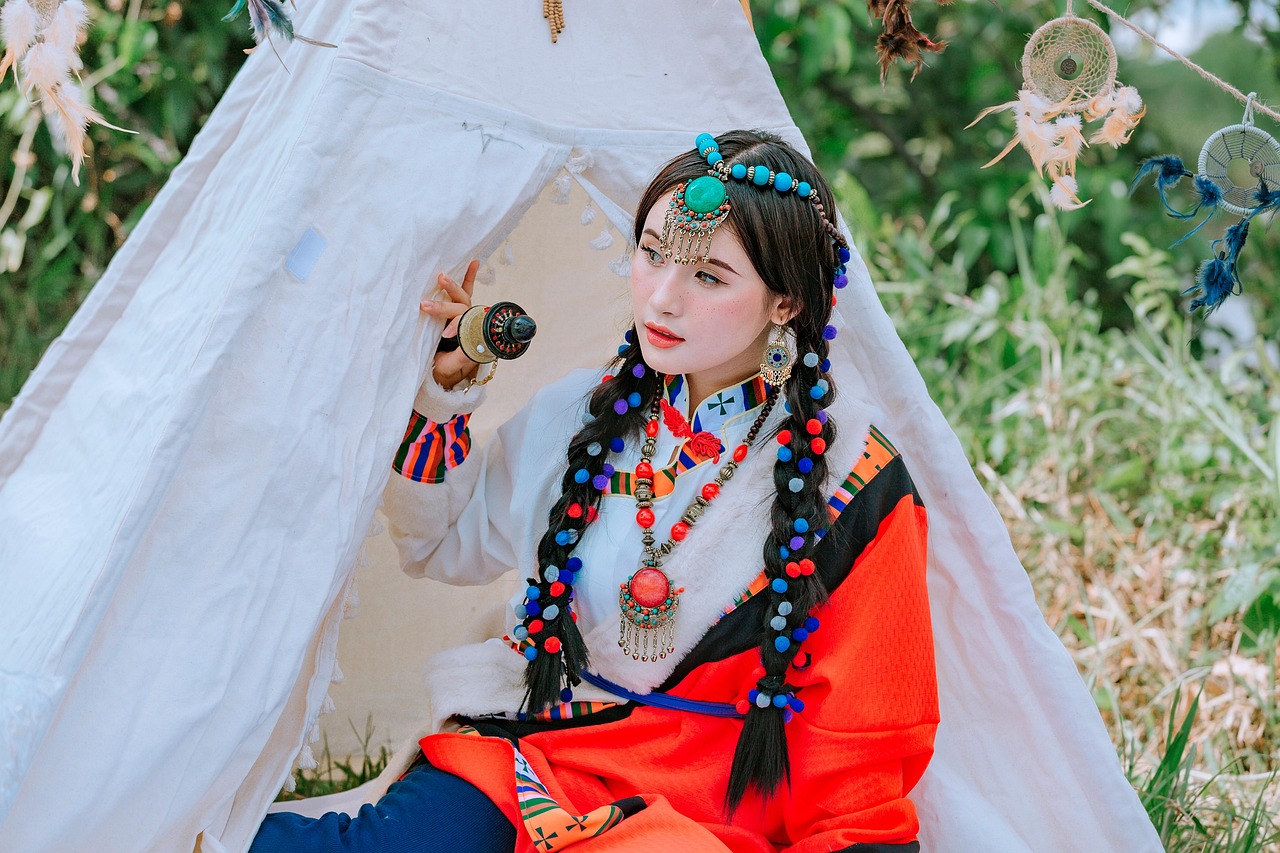
In a land where the horizon meets the sky and the wind dances over endless steppes, a magical story unfolds, the story of a Mongolian wedding. Imagine a bride in colourful dresses, whose embroidery tells the stories of ancestors, and the groom's step accompanied by the deep tones of the morin khoor (a traditional instrument with horse strings).
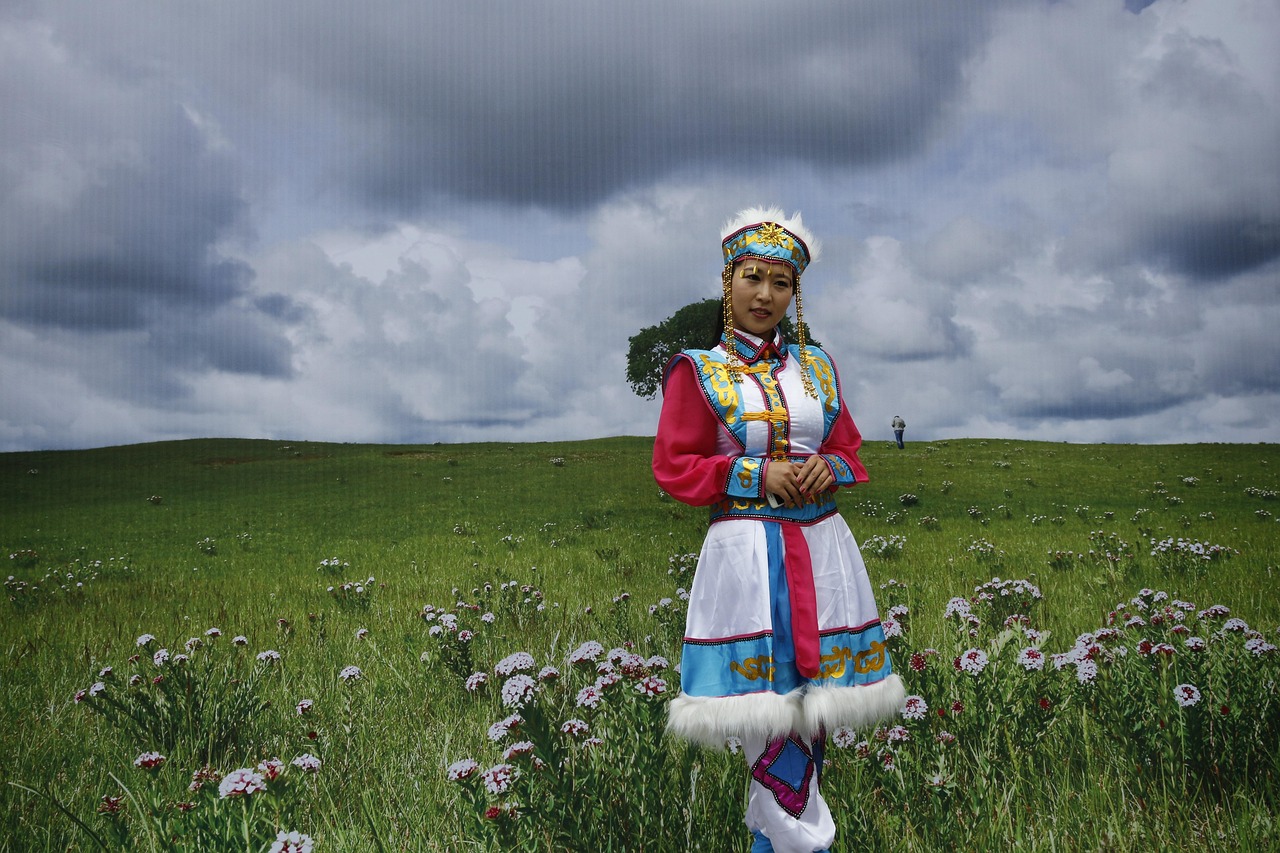
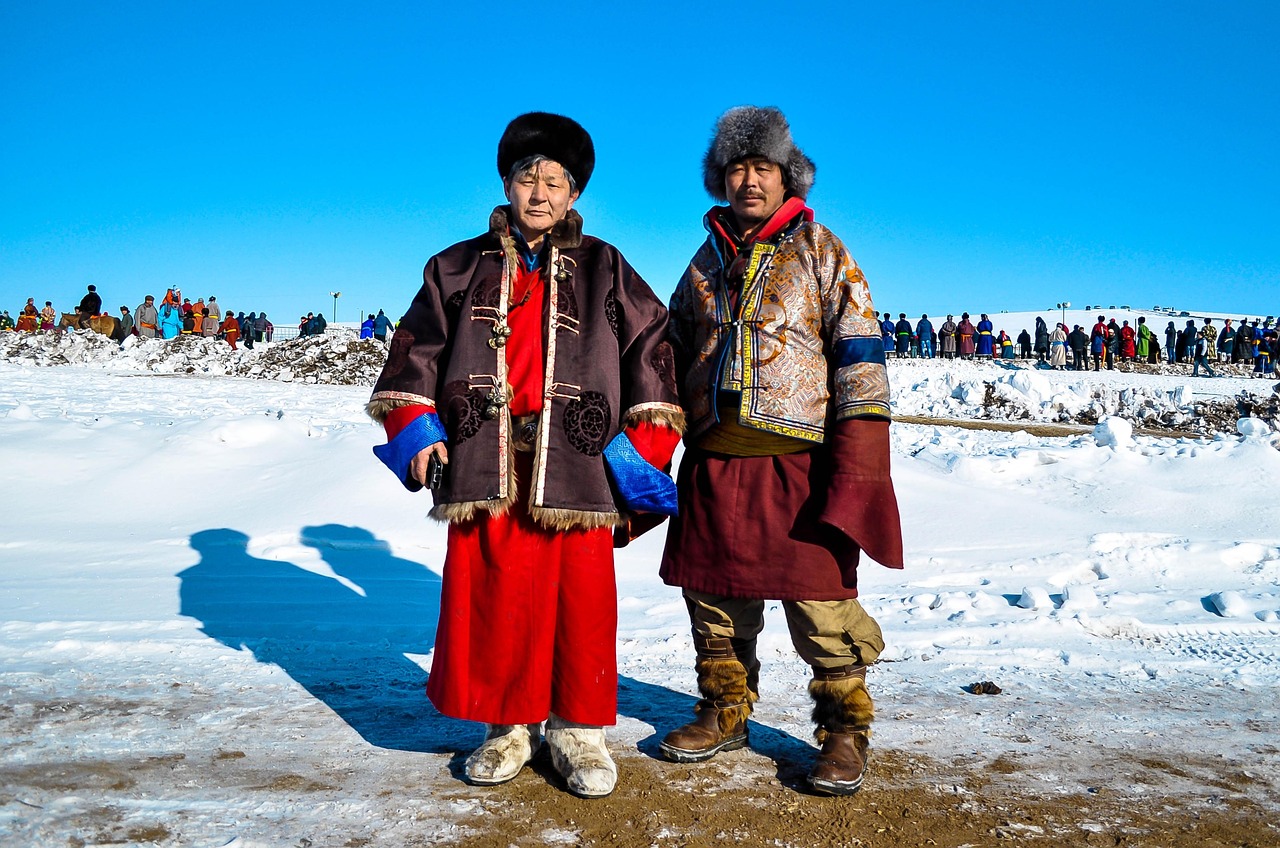
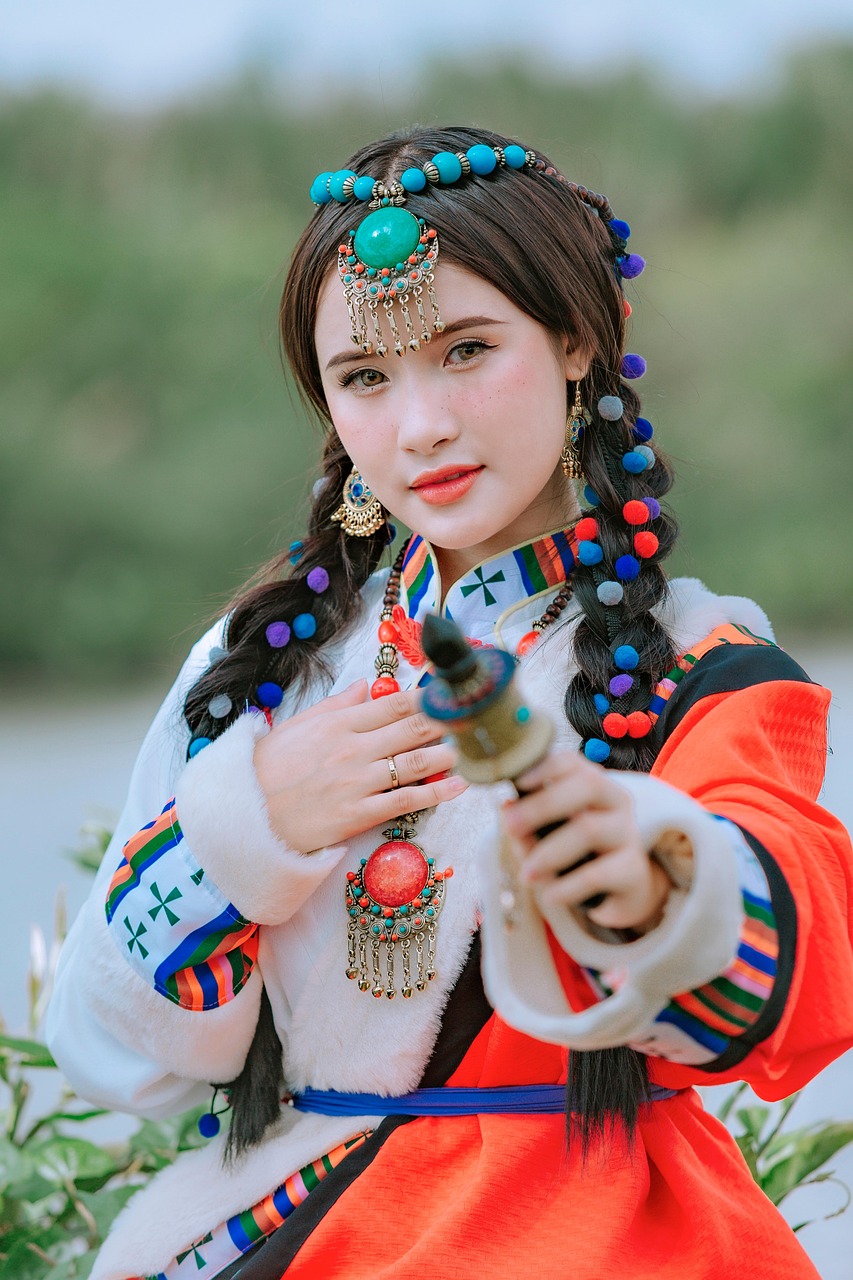
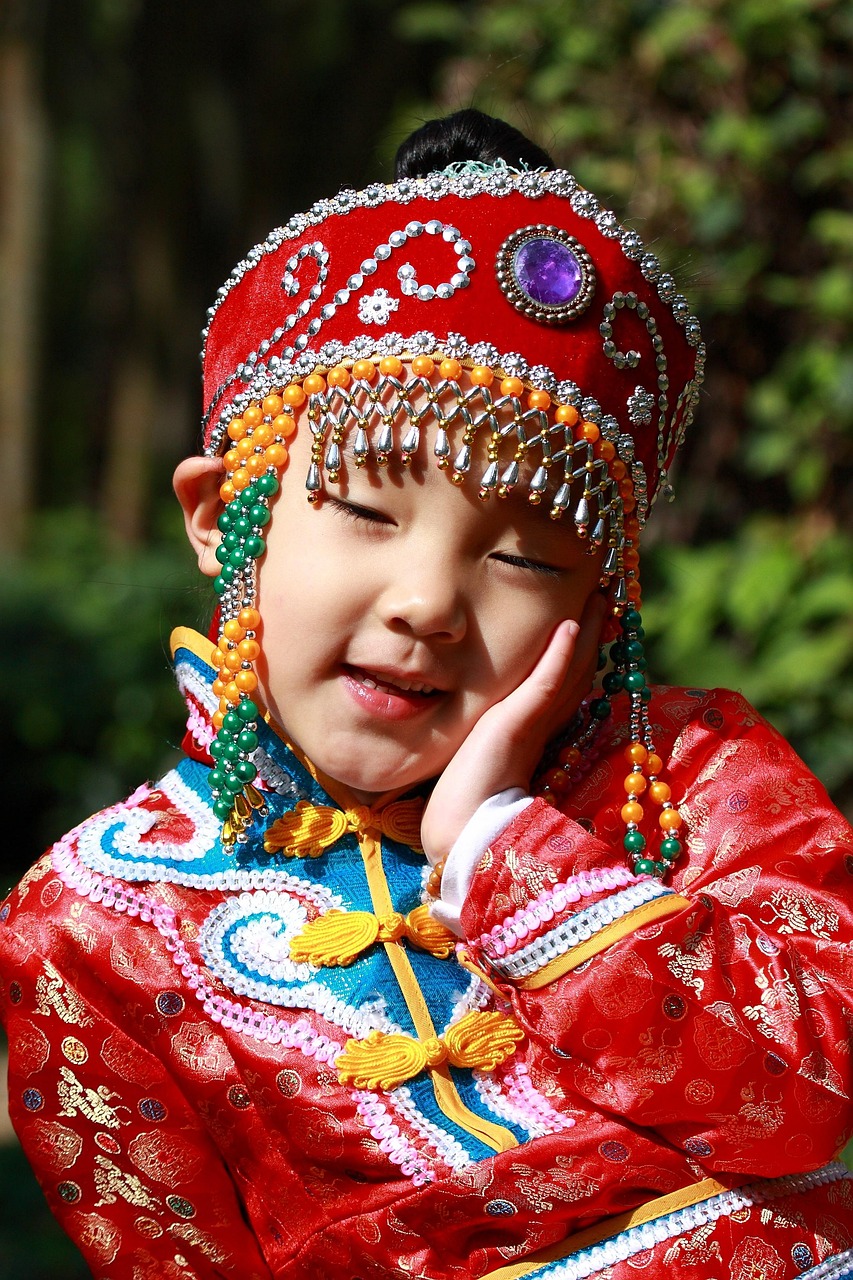
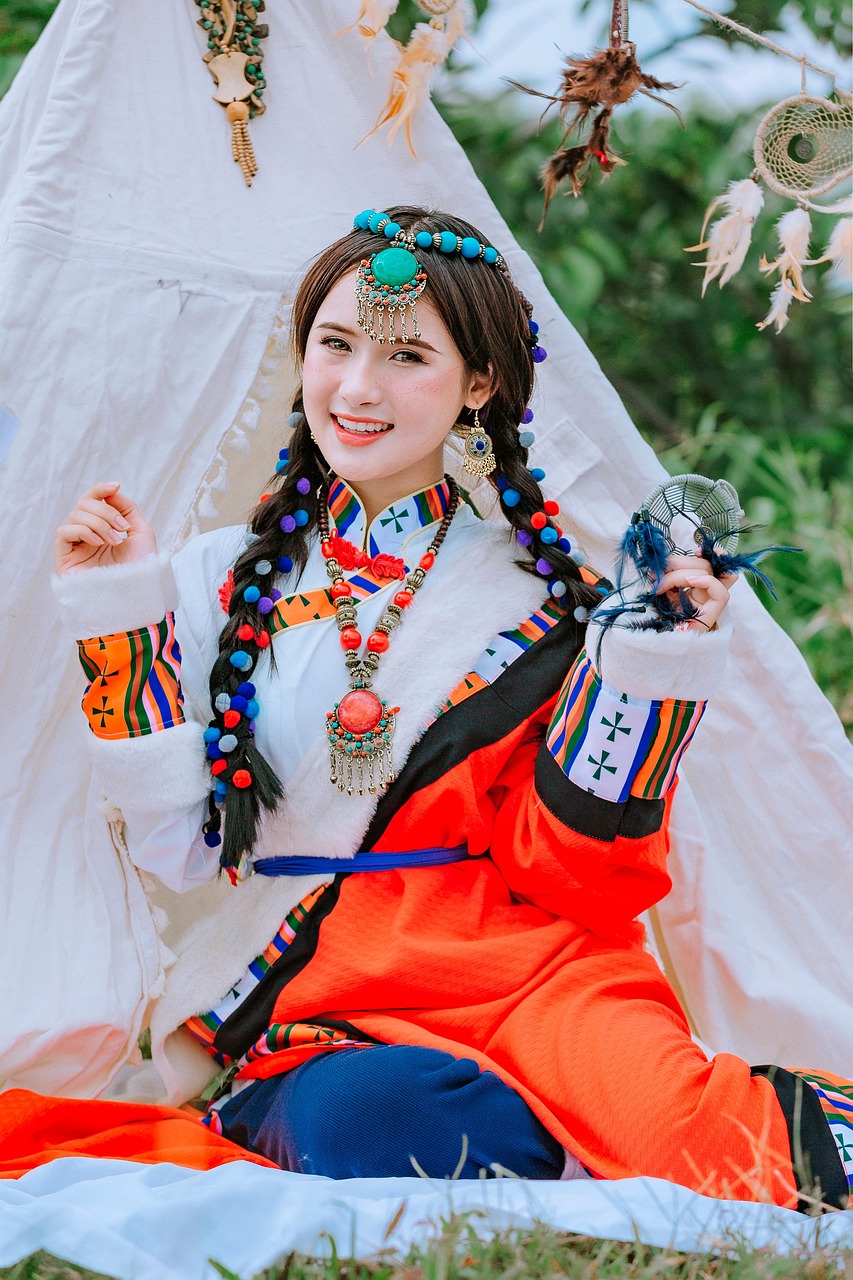
A Mongolian wedding is an experience that will pull you into the heart of Mongolian culture and leave a deep mark in you. It's not just an event, it's a journey through songs, the scent of horse milk, the warmth of family unity, and the spark of fire in yurts. And it's in this land of wind and silence that memories are born that will last forever.
Mongolia is a country that has preserved much of its traditional customs and cultural elements, even as the world modernizes. The wedding is one of the most important moments in the lives of Mongolians and carries with it a number of traditional rituals that are associated with strong family values and respect for ancestors.
Eva, a Czech from central Moravia, has always been interested in Eastern cultures and their traditions. After graduating from university, she decided to embark on an adventurous journey through Asia. During her stay in Mongolia, she met Batbayar, a young Mongol, who worked as a guide. Initially, they only formed a friendship, but over time their relationship deepened and the friends became lovers. Batbayar came from a traditional Mongolian family that retained old customs. As Eva started to know his country and culture more, she fell in love not only with him, but also with the country that fascinated her with its history, nature, and way of life. At that time, a plan began to develop to unite two different cultures in one wedding ceremony.

Engagement Gifts
Did you know that when a young Mongol longs for a girl's hand, he doesn't go directly to her, but first sends a gentle symbolic message into battle? Through a matchmaker, he delivers white handkerchiefs filled with sugar, tea leaves and a tendon from a horse's leg. If the girl's family accepts these gifts, it means they agree with the marriage and the cycle of beautiful traditions begins. Shortly thereafter, the groom arrives with his family to officially ask for her hand. Wine, if accepted, seals the future marriage.
With the wedding day approaching, the groom sends the last package of gifts. Among them is a whole roasted lamb, wine, tea leaves, and again khadag. The newlyweds receive lots of gifts. The groom's family gives them a "ger". It's something like a house. A couple living in the countryside usually also receives an odd number of animals. The bride's family gives necessary kitchen items, various clothes, and jewelry.
The groom's strength is tested on the neck of a lamb
In the Erdös region, the groom and his entourage set out for the bride's house, where they are greeted with great fanfare. Singing, dancing, and feasting are the order of the day. However, while the festivities are at their peak, someone from the bride's side quietly leads the groom to the bride's room, where an unexpected test awaits him.
The bridesmaids bring him a boiled ram's neck and challenge him to break it with his hands. It is meant to prove his strength.
However, a clever trap has been prepared, inside the bone there is an iron rod or a willow branch, which makes it impossible to simply break the neck. If the groom doesn't know about the joke, he sweats unnecessarily, and the bridesmaids laugh. However, if someone warned him, he pulls out the rod beforehand and breaks the neck without effort.
Races to the Wedding
In Mongolian wedding tradition, the journey to the groom's house turns into a playful and joyful races full of tactics and wit. The bride's procession and the groom's group compete with each other to see who gets to the groom's house first. Victory has a symbolic meaning and brings deserved boasting. These joyful races are not just about speed, but also about joy, humor, and the celebration of the union of two families.
Correct Date
The wedding date is not determined by the calendar, but by the fortune teller. One of the most interesting and most mystical customs is fortune telling from a cut chicken. This custom is called "zurkhai" (astrological divination). A shaman, elder spiritual, or the groom's family itself examine the chicken's internal organs, mainly the heart, lungs and liver, to determine whether the selected wedding date is favorable.
After the chicken is cut, the condition of its liver is tested. If the liver is inadequate or "bad", it means that the chosen period is not favorable for the wedding.
This process continues until a chicken is found whose liver is in good condition, indicating that it is the right time to celebrate this life event. It is therefore assumed that the choice of the right day is guaranteed according to the state of the liver, which is very important for a couple when deciding their wedding day. In cities, this tradition is less common today, but it can still appear in traditionally based families.
The bride equips the freshly built yurt
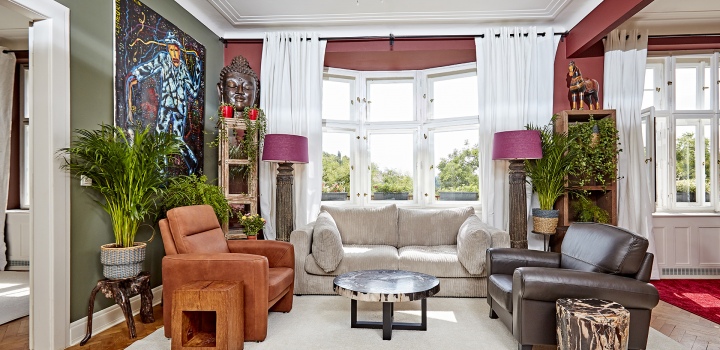
While the groom's family is building a new ger (yurt) and dressing it in fresh felt, the bride spends the last month in her parents' house, receiving gifts from relatives. She and her family will bring chests, pillows, teapots, and a leather saddle to their new home, in short, everything that is meant to facilitate the start of their life together. They also bring the traditional wedding dress, which the bride wears as a symbol of a new beginning.
Early in the morning, the bride leaves her parents' house accompanied by an odd number of escorts. A caravan with men arrives at the groom's Chingis Khan yurt saddle, where a rider with a bowl of milk treats welcomes them. The couple walks between two fires - an ancient purifying bridge from the old to the new.
In front of the yurt door, the bride finds a spread white felt. The contrasts of the sun and the moon are indicated by grains of barley and rice - the groom climbs onto the symbol of the sun, the bride onto the symbol of the moon. Both faces turn to the rising sun and the protruding sheep's shin bone reminds of ancient respect to the heavens. After crossing the threshold, the bride bows to the fire, Buddha, the father-in-law, and the family dog. The symbolism of the fireplace is unmistakable: the tripod on which the kettle stands, personifies the father, mother, and the newly baked bride, who are together secured at one place of the family. As a sign of respect, the bride then prepares and serves milk tea to the elders, including the new in-laws. In rural areas, the couple may exchange silver or gold rings at a simple ceremony.
Wedding celebration
After the wedding ceremony comes the moment everyone is looking forward to, the wedding feast. It's a time of celebration, singing, dancing, and sharing the joy of the new union. Typically, both families prepare it and it can vary in different regions.
In urban environments, the wedding celebration often takes a more civilised character. Guests gather throughout one evening at a restaurant where a delicious feast, music and speeches from loved ones take place. It is an elegant and heartfelt gathering among friends and family. However, in rural areas, wedding festivities take on different dimensions. Celebrations here can last up to three days and often take place directly in the newlyweds' new shared home. Such events have a festive, but also community character - everyone contributes with their presence, help or gift.
And it is precisely these gifts that are an important gesture of support in this culture. Guests mainly bring money, furniture or other practical things that will help the young couple build a shared household.
Traditional rituals that deepen the significance of this day are part of the celebrations. Folk music, singing of Mongolian songs, and dancing create an atmosphere full of joy, solidarity and cultural pride. The wedding celebration thus becomes not only the end of one day, but the start of a new life, not only for the couple, but also for their surroundings, which become part of their shared story.
Poetry of Good Words and a Three-Day Feast
After three days, the celebration ends with poetic blessings. Brief, rhymed verses that remind us of the laws of nature and the fragility of human relationships.
The Mongolian wedding thus transforms into a dramatic, poignant and at the same time joyfully ceremonial story, in which old traditions meet modern reality and where every symbol - from the white horse to the flame of fire - tells a separate chapter about courage, devotion and the family's journey to happiness.
In the morning after the wedding feast, the bride must open the "chimney" in her "geri" and the chimney in the geri belonging to her father and father-in-law.
All pre-wedding and post-wedding ceremonies include a specific blessing. These blessings emphasize the importance of marriage and its institutional significance, but each blessing has its own specifics depending on the people involved.
Traditional Mongolian wedding rituals
Traditional weddings are often held in a "geri" - a round yurt building, symbolizing the cycle of life. The yurt is richly decorated with carpets, ribbons of luck, and flags with mantras. The married couple is blessed by a monk or a respected member of the community, with incense, prayers, and gifts for the spirits not being absent. The wedding is usually conducted by a Buddhist monk or an elder member of the community. Sometimes, a horoscope interpretation according to the lunar calendar is read. The bride is usually led to the groom on a horse or on foot, accompanied by relatives.
Mongolian weddings are inseparably linked with a number of symbolic rituals. One of the most important is the "batu", a ceremony in which the groom and bride mutually express their respect and devotion. During this ceremony, both are in traditional Mongolian dress. The man wears a "deel", loose woolen clothing, while the bride wears colorful wedding dresses, often adorned with embroidery.
Another unforgettable tradition is the wedding feast, which usually takes place in the groom's family home. During the wedding, a large amount of food is served. From cooked mutton, through buuz (meat dumplings) to airag (fermented mare's milk, which is the national drink of Mongols). Also available is a traditional dance with white sleeves, singing with long vowels, and a drinking competition.
An important part of the wedding day is the ritual fire, during which ancestors are remembered. In some areas, food is offered to the spirits of the family during the ceremony to accompany the wedding with luck and protection from above.
A Mongolian wedding is also rich in music and dances, which create an atmosphere of joy and happiness.
After the wedding
After the wedding, the life of the bride changes not only personally, but also culturally. In the traditional Mongolian context, it is expected that she will become part of the man's family and gradually adapt to life in the steppe or in the countryside. The wedding for her is not just a ritual, but also a new beginning in life, where she must meet the demands that traditional Mongolian values place on a woman.
The bride usually participates in household chores, taking care of farm animals, and cleaning.
Despite these traditional expectations, however, more and more Mongols are embracing modern changes in recent years, which is reflected in the changing status of women in society. Many young Mongolian women opt for a career, independence, and family life that is in line with their individual ambitions.
Combining two worlds
The story of Eva and Batbayar is an example of how two different cultures can enrich each other. Eva gradually began to learn Mongolian traditions and customs, while also preserving her Czech roots. A wedding in Mongolia, which was a combination of old Mongolian traditions with Eva's modern outlook, was a big step for both of them into their shared life.
Although life in Mongolia was not initially easy for her, over time she became part of his family and despite all the differences, she learned to appreciate and respect their culture.
Love, respect and tradition still live in many Mongolian families who value their heritage, but are also open to new influences and modern values.
Source : author's text, amicusmongolia.com, mongolianstore.com, travelbuddies.info, chinaculture.org, weddings.traditionscustoms.com