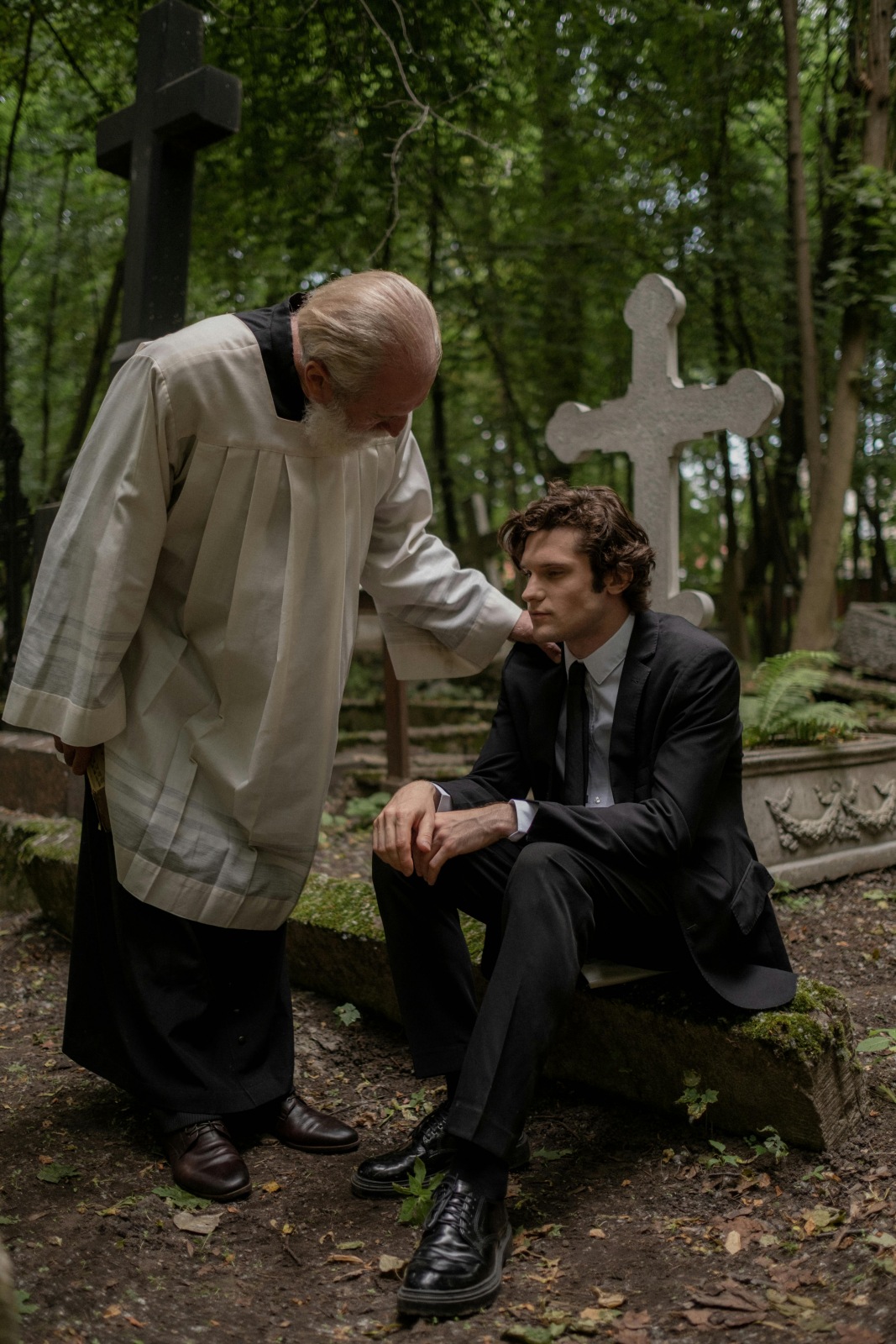
I'm taking the mortician: In the fridge next to the yogurts, he has embalming gloves. Death completely surrounds him.

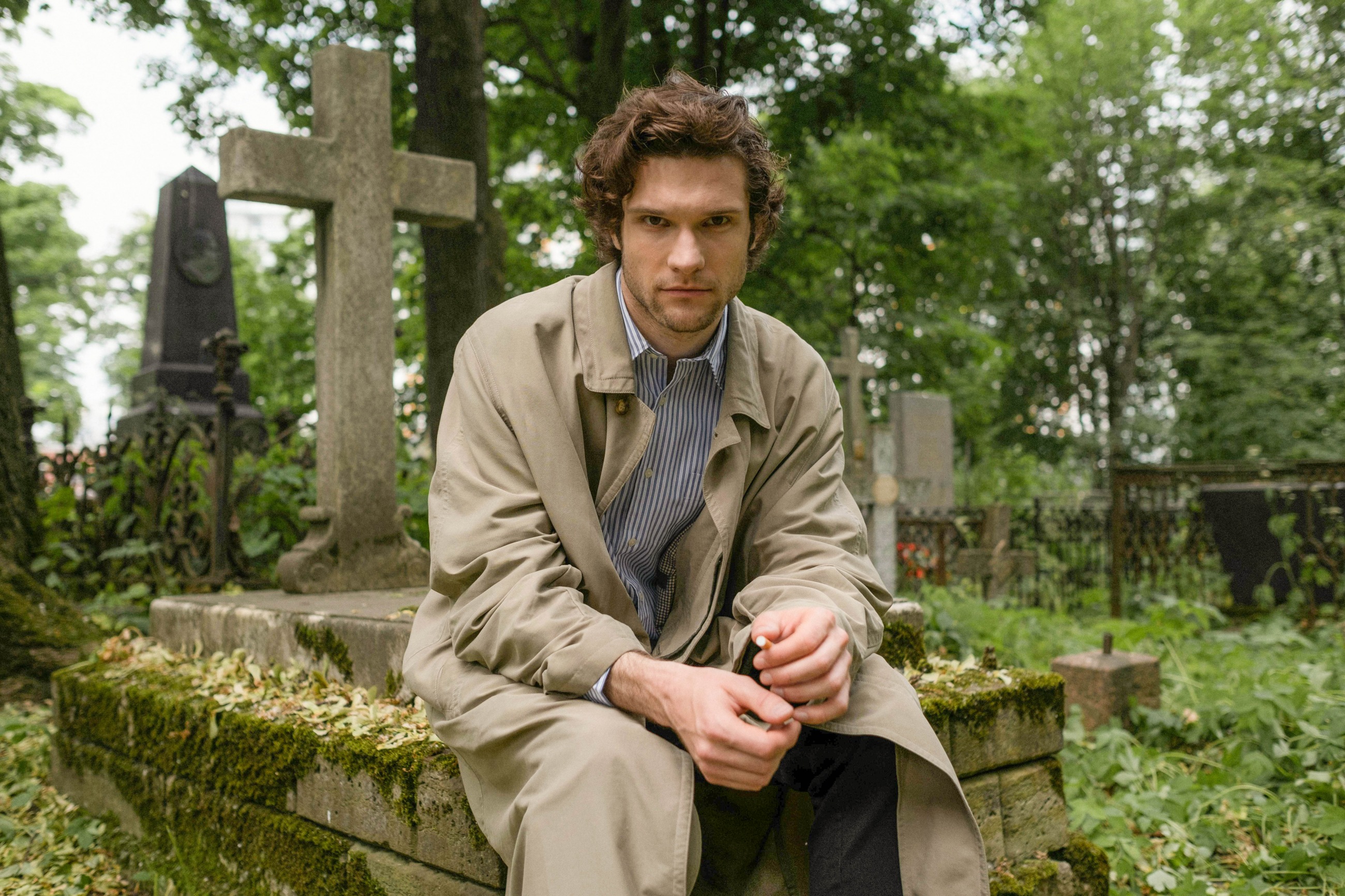
Life writes the most surprising scripts, even those that connect two seemingly unconnected spheres. Love and death. Romance and farewell. A gentle promise for life and at the same time daily contact with what cannot be returned. Such an extraordinary story is hidden behind the wedding of Martina and Roman, who is a professional funeral service worker.


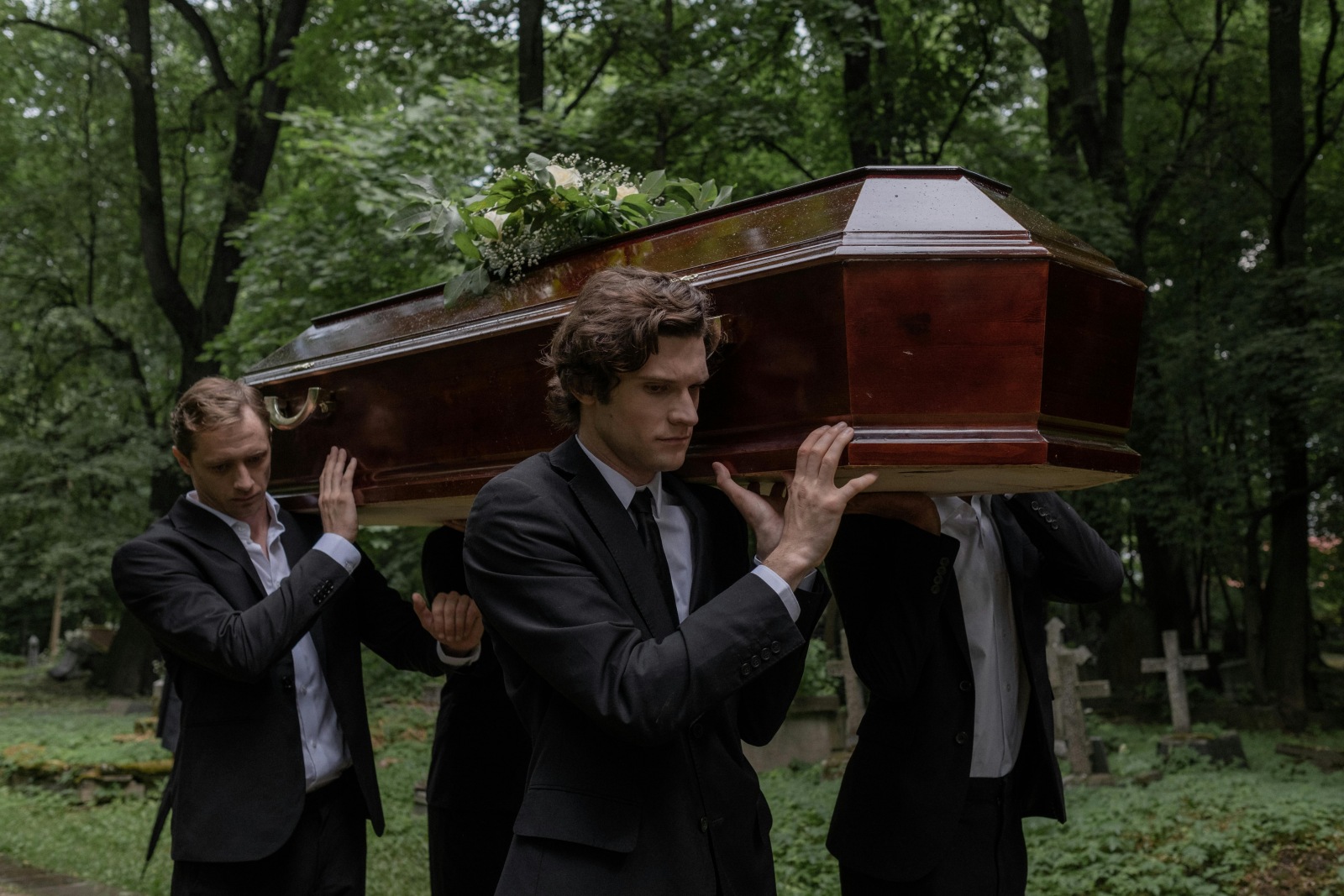
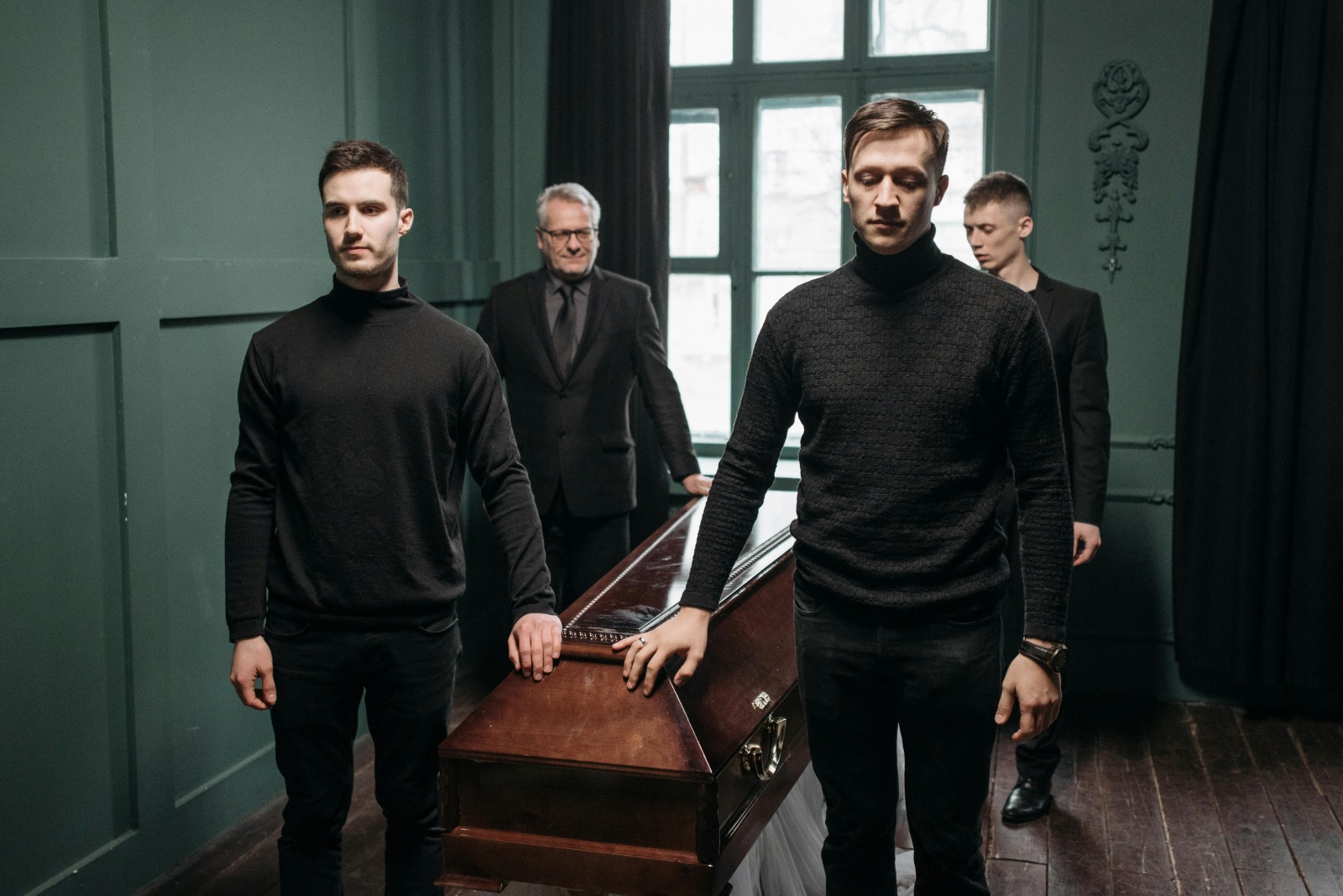
We managed to connect with Martina, the wife of a man "from the world of silence", and we spoke openly with her about a life which requires more than just tolerance. The man who guides others on their final journey every day? What was the wedding like? The answers might surprise you.
When love is born among coffins and candles
Some love stories are full of light, others are born in the shadows. This love was born in silence and in a space where people usually don't meet, at a funeral. It was November, the beginning of All Saints' Day, and Martina was mourning her grandfather when she first met Roman. A tall, silent man with a look that was both comforting and impenetrable. She was sent to the funeral service to arrange the funeral details, the selection of the coffin, flowers and music.

She was not prepared for it, mentally or practically, so she just stood in the office, trying to hold back tears and calm her own breathing. Roman received her with such tranquility that she felt peace everywhere at that moment. He was explaining to her what was needed, offering options, not judging, not pushing, just being there. In his presence, she realized that death is not just about the end, but also the transition and he was the one who knew this path in every detail.
After the funeral, she received an email with a bill, to which Roman added a short sentence that resonated: "Even in the deepest sorrow, there is room for new beginnings."
At first, it startled her, but something inside her prompted her to respond. After several emails, came coffee. And then another. It turned out that Roman, despite his profession, was neither cold nor closed off. He was different. They learned to be silent when others were shouting, to respect pain, not to bring unnecessary chaos into the world. Their love did not develop fast, it was not dramatic or cinematic, but it was lasting. Like silence in a church. And that's what enchanted Martina.
They got engaged after a year
However, marrying a funeral director brought its own specifics, which only those who look at life superficially would not notice. First and foremost, she had to come to terms with the fact that Roman's work never ends. In regular couples, it is argued about who was at work longer, who forgot to buy milk. In their relationship, it was necessary to consider that the phone could ring at any time and Roman would have to leave or arrange transportation. To go to a funeral that was postponed due to bad weather.
There were days when they were preparing for dinner, and suddenly everything was canceled because someone died, and Roman simply couldn't refuse. The hardest thing was being unable to be angry. She knew he was doing important work, she knew this was not an excuse. But understanding something in mind and feeling it in the heart are two different things.
Wedding in the spirit of death
The wedding preparation was permeated with a strange symbolism. Although both desired a traditional ceremony, many elements were influenced by Roman's profession. They did not want rose or gold decoration - they chose burgundy, white and dark green. Everything seemed dignified, even sacred. On the napkins, there were Latin quotes about eternity and love, some of which Roman wrote down from epitaphs he remembered over the years.
Their wedding day took place in an old mansion, the ceremony was civil, but it had almost a funeral atmosphere - dimmed lights, live flowers in rich colors, chairs arranged as in a chapel. The guests were surprised, some perhaps even a little unsure, but no one said anything aloud. Everyone knew that it was his day. And that it should be the way they want it to be.
Black cake and Enya
Instead of a traditional cake, they had a black poppy seed cake with vanilla cream, which was decorated with a subtle dusting of gingerbread powder - it resembled ashes, yet tasted like heaven. The music was selected by Roman. There were songs by Enya, old Gregorian chants, but also sad songs that are commonly played at the last farewell.
"I wanted it to have a deeper meaning," Roman said at the time. "Realize that marriage is not just the beginning of a shared life, but also a commitment to go together until the end."
They planned a honeymoon, but never traveled. The first date had to be canceled due to an exhumation, which Roman could not refuse. The second time, a child's funeral, which Roman personally helped the family with, thwarted them, and the third time they canceled themselves. They didn't want to anymore. Instead, they spent the weekend in Luhačovice, where they walked in the park, were silent, and occasionally laughed. However, Roman also mentioned that the park would be ideal for an urn grove. Martina knew he had a sense of black humor, but she also had mixed strange feelings.
Wife in the shadow of death
After the wedding, they began to live together. And although their marriage seemed peaceful from the outside, the reality was different. Roman often came home tired, soaked by rain, saturated with the sadness of other people. He brought silence with him. Not the calm one, but the oppressive one. Sometimes, when she turned on music or wanted to laugh at a romantic comedy, Roman would simply become silent and said: "I can't do it today."
His job changed him. He began to take more and more interest in death - not only as part of his profession, but also as a philosophy. He read books on the afterlife, collected old urns, which he exhibited in the living room. After some time, Martina moved them to the basement. He even had souvenirs from travels - miniature coffins, skulls carved from wood, old funeral decorations. Neighbors asked him if he was a goth. Martina just smiled.
When she asked him if his work affected him more than it should, he replied:
"Sometimes, I feel better among them than among the living. They don't need anything. They are calm."
And then she realized that living with a funeral director is not just about the lack of cologne smell, but of disinfectants. It's a life with death in the background. Constantly. In the fridge next to yogurts, he has embalming gloves. Next to the toothbrush, there are samples of mouth closure waxes. In their bedroom hangs a picture from a funeral exhibition in Germany, which Roman considers a work of art.

Wedding night with the scent of myrrh and silence
Martina admits that the wedding night, which many brides look forward to with anticipation of intimacy and joy, had a completely different vibe for her. "It was strange. Even though I was happy that we got married, I also felt that I was marrying someone who belongs to a different world. After dancing and eating, we slept in a hotel room, but Roman first spent a long time praying. He had his ritual - he lit a candle, opened a book about the soul after death, and told me about how he imagined peace. I don't know if I was moved or scared at that moment." She returns to that night in her memories with a smile, but also with a bit of confusion. "I knew we were not like others. I just didn't know how much it would differ."
I interviewed Martina and asked her if she would do it again. "Yes, but with my eyes open. He is a good person. Honorable. Loyal. Kind. However, death surrounds him so much that sometimes he forgets that I am alive. That I need laughter, life, light. Sometimes I feel like I've married someone who is already halfway there. But then he hugs me and says: "You are my anchor in this world. And I know it makes sense."

Rituals of death in everyday life
Having a man at home who dresses the deceased every day, applies their makeup, prepares them for farewell, and does not perceive death as a taboo, but as a part of everyday life, also means living with a different kind of routine.
"Roman never wants people to make fun of death at home. When I sometimes use black humor, he gets offended. Death is sacred to him. Sometimes he has peculiar moods. He comes home and I already know that it affected him. If he has a child's funeral or an accident, he just sits down, has a glass of wine and remains silent all evening. And sometimes he brings his work into bed in his head. He falls asleep and speaks from a dream. About the coffin, about names, about who didn't have a cross."
One of the most sensitive topics Martina decided to talk about is the issue of parenthood. "Roman always used to say that the world is too sad for us to bring children into it. He said he knows what awaits them. He says he encounters the pain of parents burying their youngest every day, and he couldn't bear the thought of one day having to lose someone so beloved. I wanted children, but I gave up. I still don't know if it was the right decision." Even though they live peacefully today, both carry their silent sorrow within them – hers unfulfilled.
When the house fills with something inexplicable
Although they are not superstitious, both claim that strange things occasionally happen in their household.
"Roman once brought home an old rosary he found in the coat of a deceased person. He wanted to save it from being thrown away. From that day on, our dog began to howl every night at three o'clock. Once, our oven turned on by itself. They say it was just a short circuit, but I have a feeling that since then something or someone has been watching us. However, Roman takes it calmly. He says that souls seek us only when they feel lonely."
Martina does not comment aloud on some things. She realizes that what others would call fear is part of the private world of her husband.
When death crosses the threshold of his own home
One thing is to accompany strangers when they lose their loved ones. It's completely different when death strikes the gravedigger himself. Few people realize that a person who deals with the deceased on a daily basis can be much more vulnerable than anyone else to the death of their own loved ones. In one of the most open parts of our confession, the undertaker's wife confessed:
"When his mother died, I expected him to be strong, to handle it like a professional. Instead, he collapsed. For the first time, I saw the coldness he'd spent his whole life protecting himself from crack. And beneath it was a man who didn't know what to do."
Death of a loved one does not have the same character for them as for other people; it is not abstract, it is not anonymous.
"We know what happens to the body. We know what will happen next. And that sometimes makes it even worse. Because you can't escape into the unknown,"
The owner of the funeral home himself told us, which we contacted. He remains standing in front of the coffin not as one who gives instructions, but as a son, brother, father. No uniform, no professional tone. Just like another mourner, for whom one of the pillars of the world has collapsed. And then it turns out that even those who accompany death every day are ultimately as helpless against pain as anyone else.
Life with a mortician is not for everyone. It's like living on the edge - between silence and scream, between humility and fear, between death and love.
Source: author's text, own questioning