I'm Taking a Costa Rican: How Costa Rican Wedding Traditions and Life in the Blue Zone Bring Newlyweds Happiness and Longevity

When we say wedding, everyone thinks of a white dress, rings, a wedding cake, and the first bridal dance. But what if we look at this life event through the eyes of another nation, specifically the Pacific gem of Costa Rica?
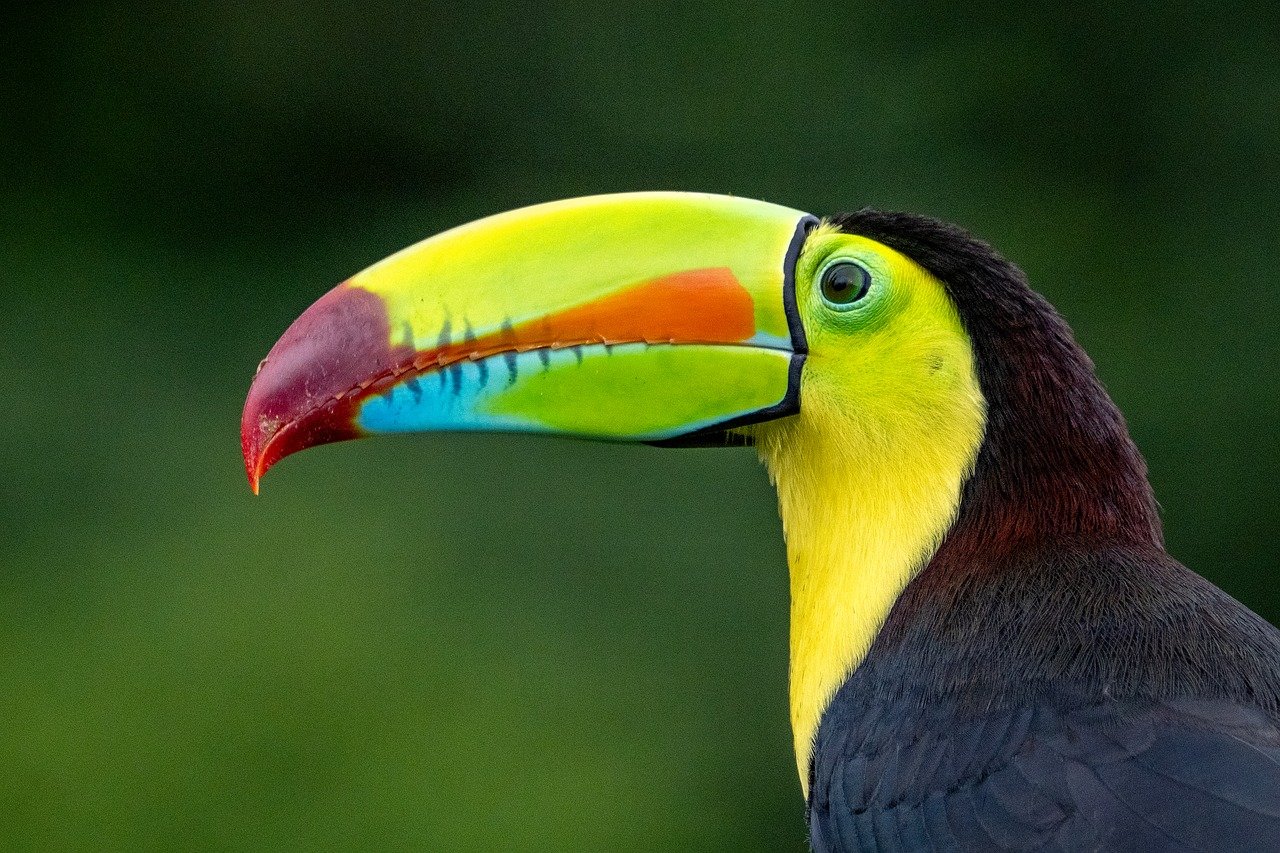
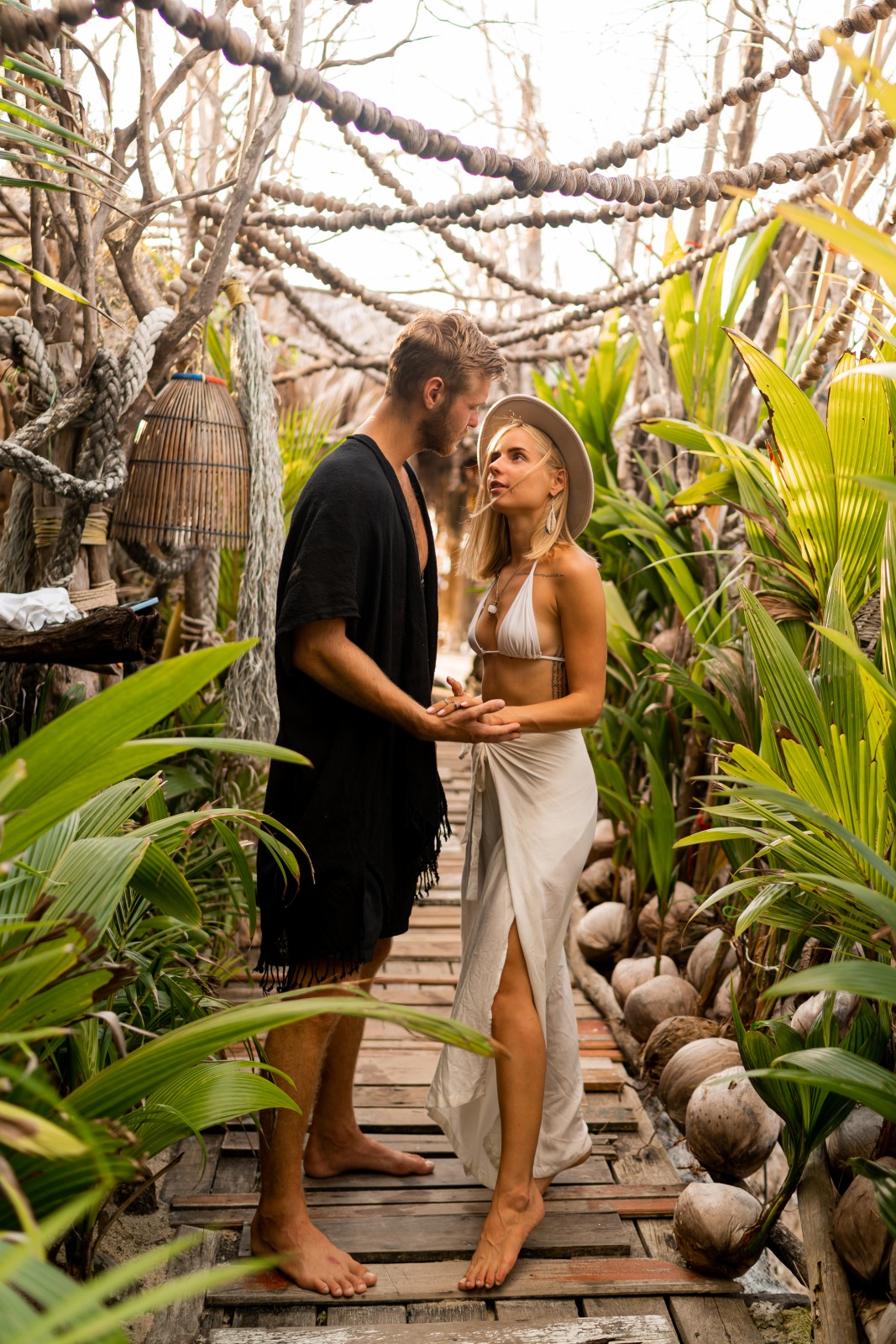
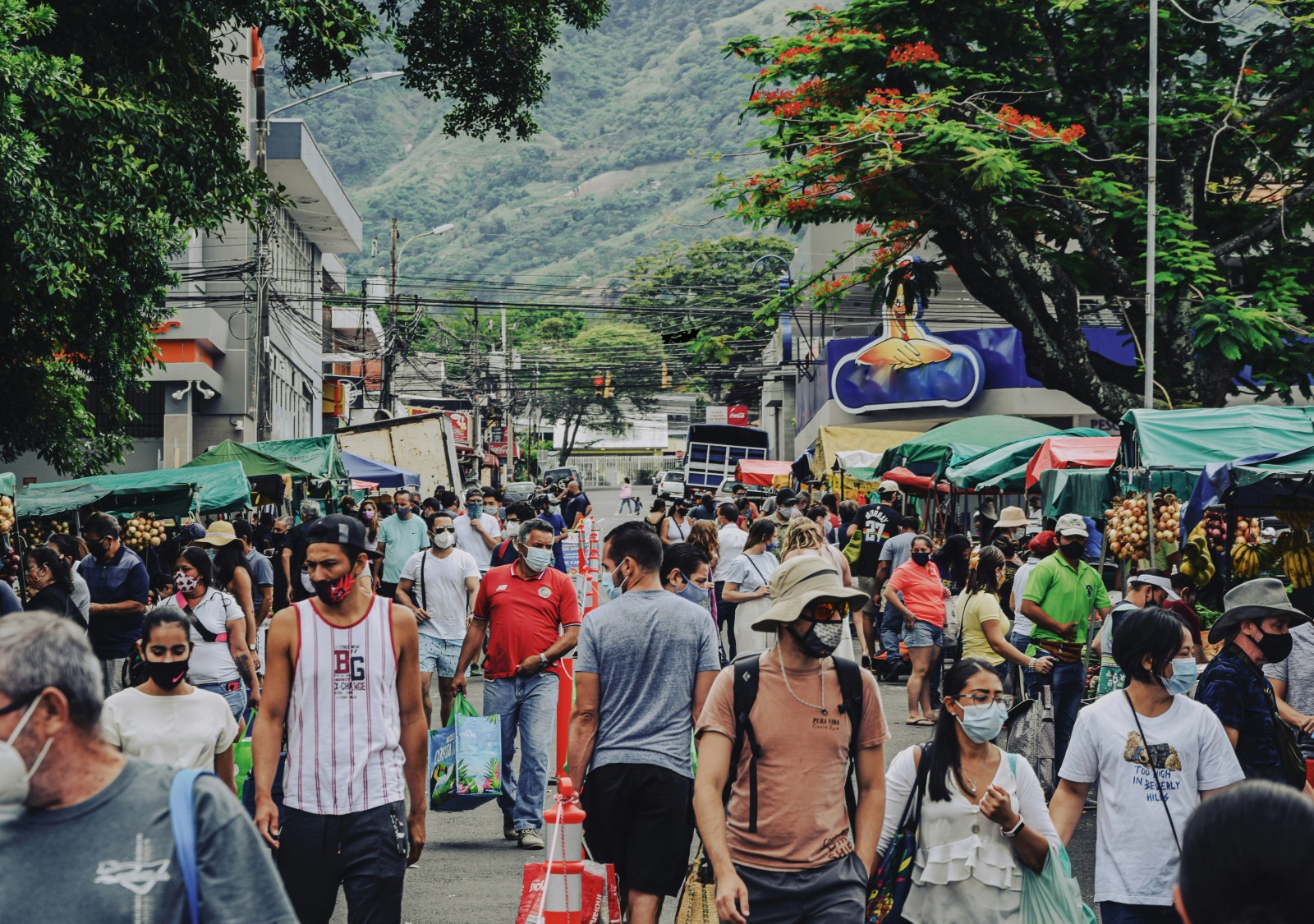

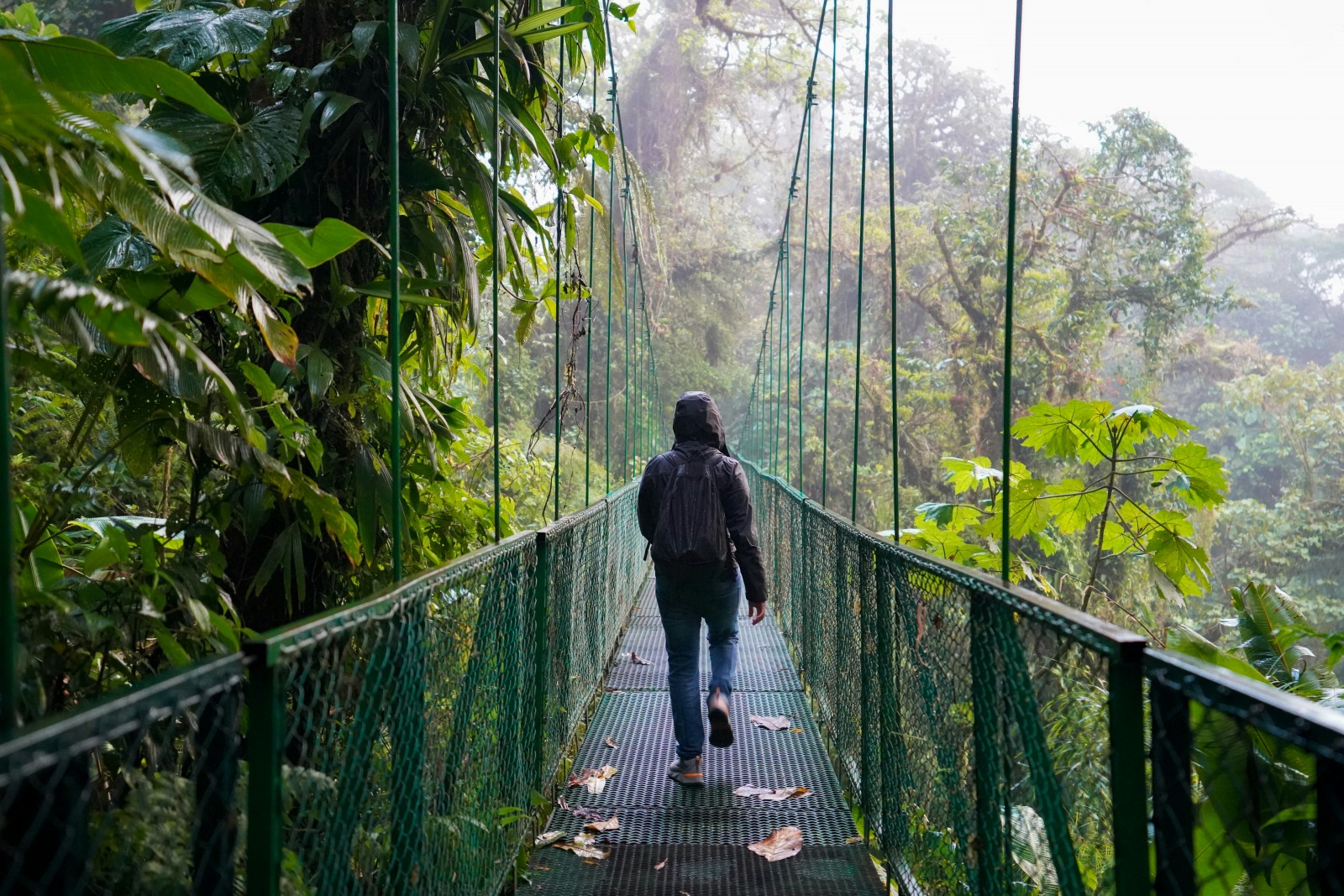



Costa Rica is a country immersed in rich culture and traditions, many of which prevail even in wedding ceremonies. These customs offer a glimpse into the country's history, values, and sentiments of the Costa Rican people, locally known as Ticos.
Costa Ricans live longer than most of the world
Costa Rica is one of the five blue zones in the world where people live longer than the global average. This country is known for its unique eating habits and lifestyle, which significantly support the long and healthy life of local people. There are wonderful people living there, whom you will instantly fall in love with for their sincerity, kindness, calm approach, and openness. Costa Ricans do not stress over trivial things and live by the motto "Pura Vida", which translates to "pure life". They use this motto as a response to everything and truly live by it. For a European, accustomed to precision, discipline, and perfection, it may be difficult to adopt such a relaxed approach, where things are not urgently resolved and if something doesn't get done today, it will be done tomorrow or perhaps not at all, and the world won't collapse, life goes on. A drawback of this "Pura Vida" style, however, is that if you need something urgent or of high quality, you may be unpleasantly surprised.
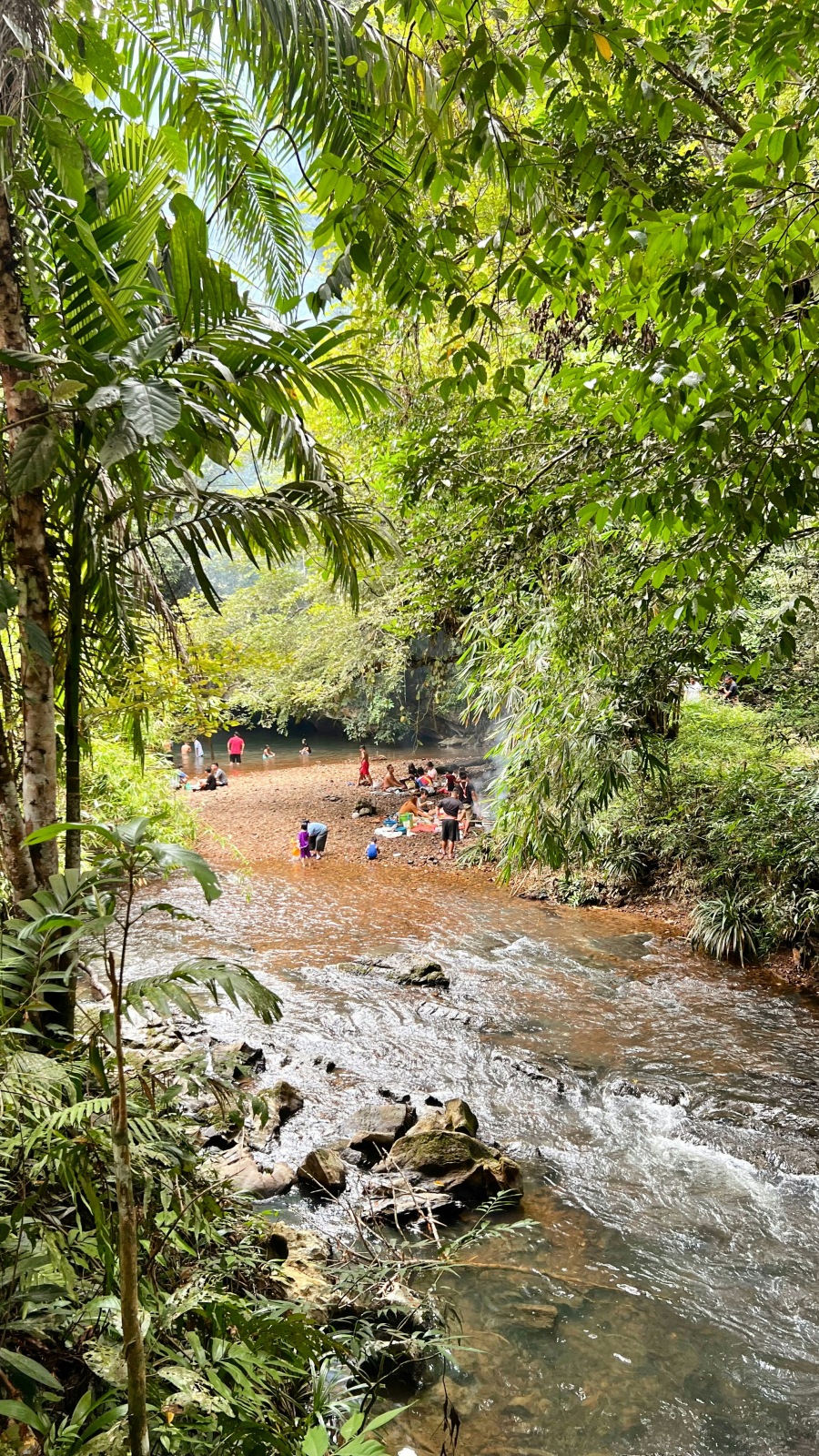
And what is the secret of their longevity? Surely it's thanks to fresh air, untouched nature, clean water, sunshine, fresh fruit and above all a positive mood and the right mental attitude, with which people live there all their life. They never complain, they live life joyfully and fully, they rejoice in small things and are not afraid to openly express their love. This is their recipe for a long and happy life.

A love story of love without boundaries
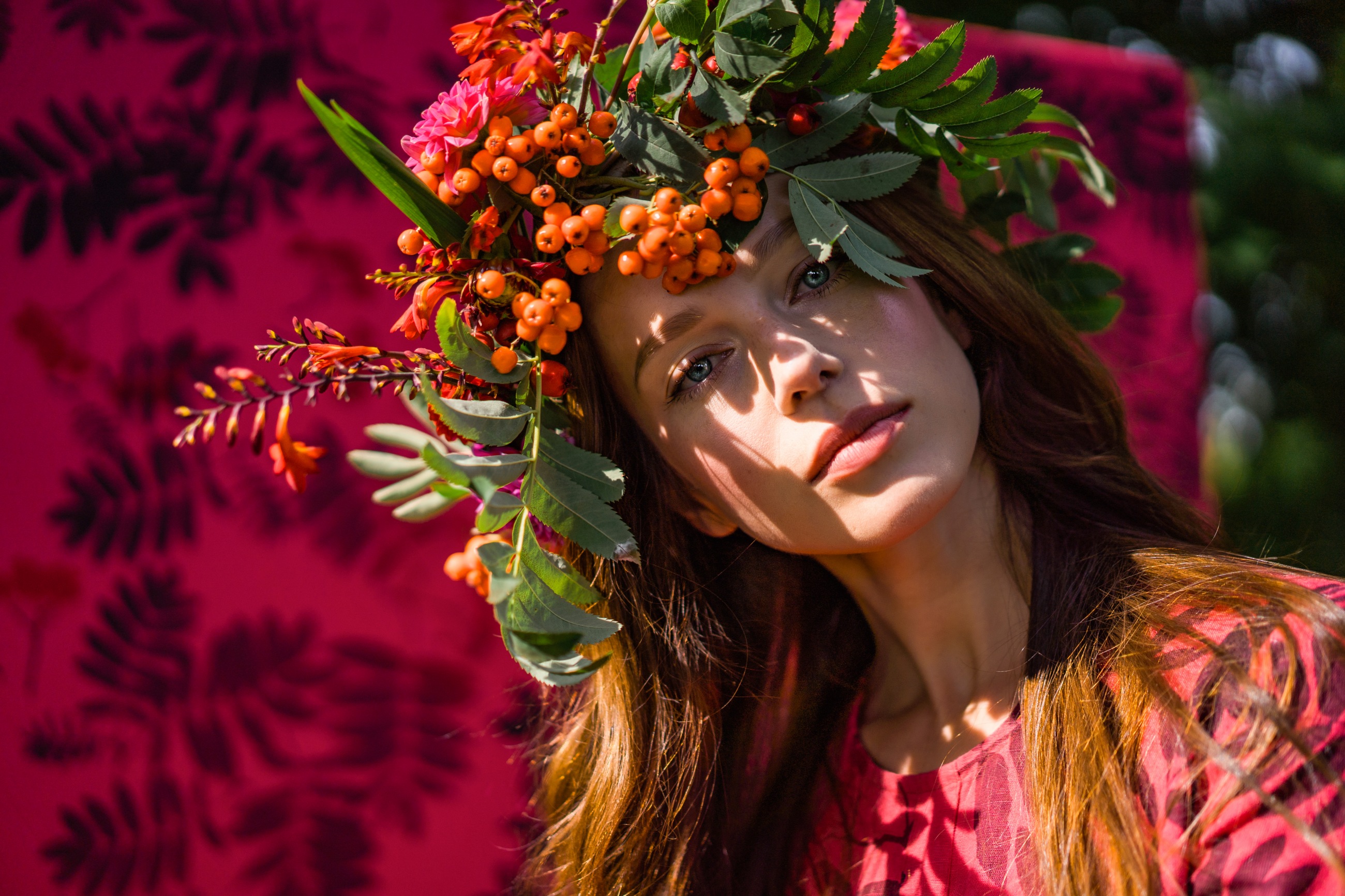
Wedding preparations can take several months or even a year, especially if a big celebration is planned. Parents, grandparents, siblings - everyone has their place. Brides often choose dresses with symbolism that they inherited, or have them sewn according to traditional cuts. A common accessory is live flowers in their hair, symbolizing respect for nature. We met with Monika, who told us her story.
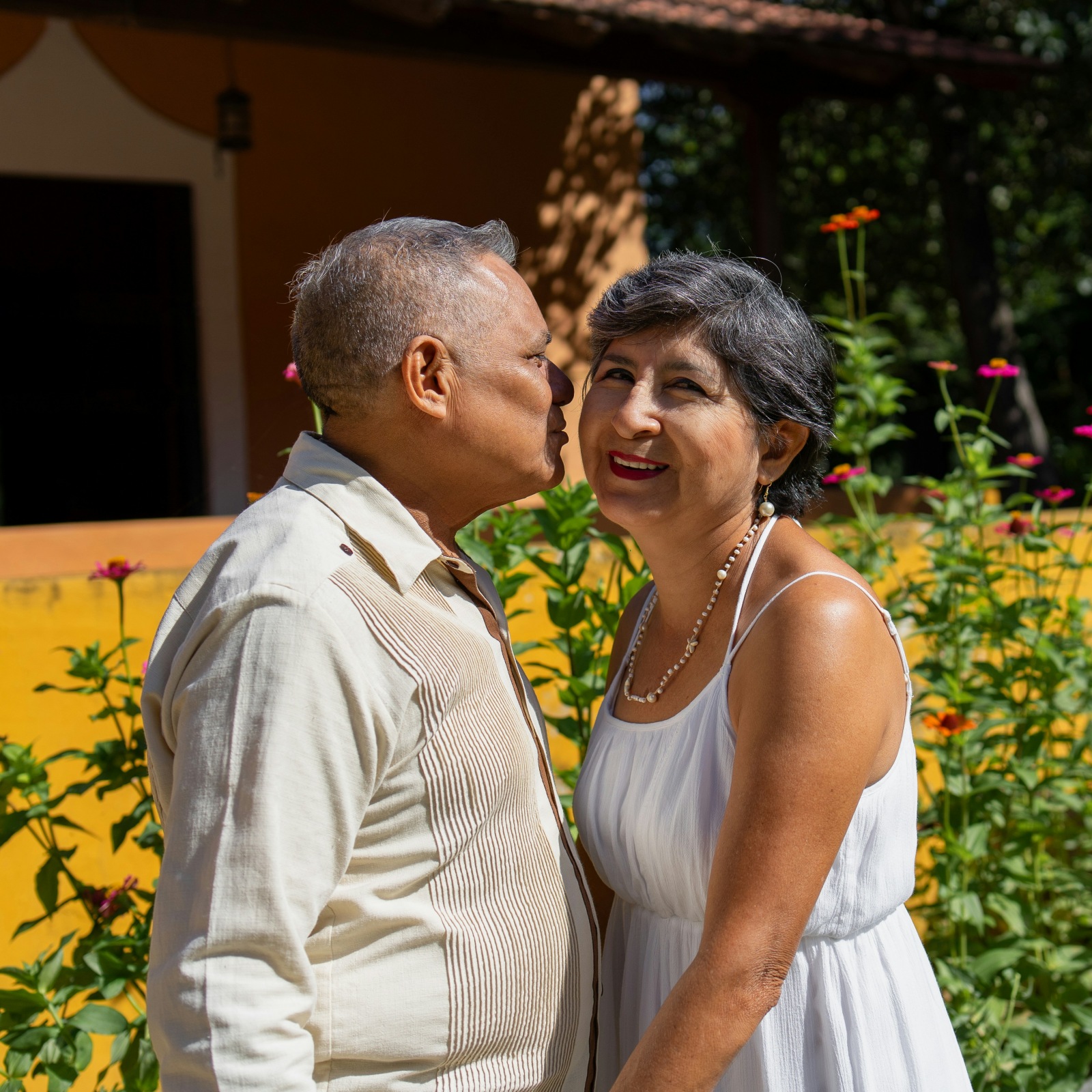
Monika, a young woman from Ostrava, originally went to Costa Rica only for a student stay. She loved nature and wanted to take a break from the monotonous life in Europe for a few months. Little did she know that she would meet Mauricio on a local ecological farm in the mountains. He was a quiet, kindhearted Costa Rican who worked there with animals. They began to talk about coffee, about life, about family. After a few months, they knew they wanted to be together. After Monika returned to the Czech Republic, there were long phone calls, video calls and then a decision – we will try it fully. Monika moved to San José and after two years came the wedding.
"For Mauricio's family, it was absolutely natural that I was a foreigner. They accepted me as if I were their own. I felt everything very sincerely. And the wedding? I have never experienced anything like it - singing, dancing, food, emotions, everyone was blessing us," recalls Monika.
The wedding took place in a small mountain village not far from Cartago, amid gardens full of orchids. The attire was simple but in harmony with nature. At the banquet, salsa and Czech polka were danced - and everyone was laughing that Mauricio already knows what awaits him.
Engagement and "pedida de mano" – an old-fashioned proposal
Although young couples often choose Western-style engagements, in traditional families the so-called "pedida de mano" – a formal ceremony during which the groom asks the bride's parents for her hand – still prevails. This moment takes place within the family circle at the bride-to-be's house, often at a shared table. A prayer, singing, or elder's intercession follows. This custom is an act of deep respect for the partner's family and the entire process of entering marriage.
And how does it work? The groom gives a formal speech, in which he expresses his love to his partner, thanks her family for her upbringing, and respects her values. Then he asks the parents for a blessing, confirming their consent to the relationship and future marriage.
Monika and Mauricio experienced pedida de mano firsthand. Monika's family couldn't be physically present, but Mauricio came with his mom and granddad to the village where Monika lived as part of a volunteer program.
"It was touching. His grandfather wore the shirt he had at his wedding. They brought flowers, cakes, and Mauricio's mother prepared a speech. Everything took place under the mango tree behind the house. I would never say that such a simple ceremony could have such depth."
After the blessing, they prayed for the couple's health, for their life together and mutual understanding. From that day on, Monika was "officially" accepted into the family - not only as a partner, but also as a daughter.
A marriage proposal is not a formality. In traditional Costa Rican communities, it is taken very seriously. If the groom decides to bypass this ritual, it could anger or offend the bride's family. Although many couples live together before marriage today, this ceremony serves as the official acceptance of the man into the woman's family - and vice versa.
Traditional Costa Rican wedding attire
Traditional Costa Rican wedding attire is a beautiful tribute to the heritage of the country. Brides often wear dresses with Spanish influences, a mantilla-style veil, and dresses with delicate lace details. Grooms typically dress in black tie with a handkerchief tied around their neck, symbolizing their readiness for commitment.
Serenade as the start of a shared life
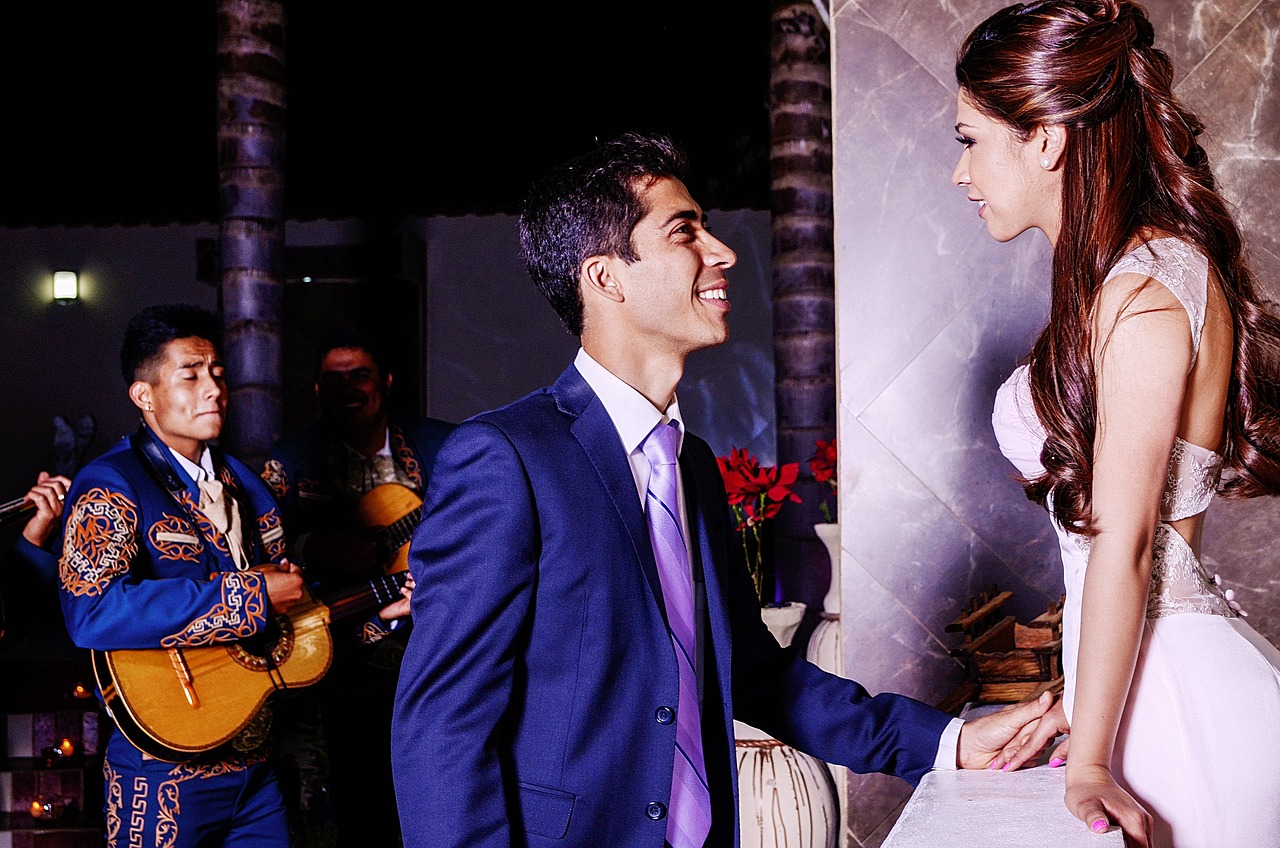
On the evening before the wedding, it is customary for the groom to sing a serenade to his bride at her home, accompanied by mariachi or other local musicians. In many cases, the groom gives his future wife a rose, which is a romantic gesture in itself. La Serenada is not just a folk insert for entertainment. In Costa Rican culture, it symbolizes the transition from an independent life to commitment. It is a moment when the groom publicly shows that he appreciates his partner's feelings and is ready to protect, support and console her throughout his life. For foreign brides – for example, for Czech women who marry Costa Ricans – this tradition is often a big surprise.
"It was like something out of a movie. Mauricio stood in front of our house, roses in his hand, guitarists playing behind him. When he started singing, I didn't know whether to cry or laugh with emotion. It was one of the most beautiful moments in my life."
Even though today's couples meet online, the tradition of serenading still finds its place - even some young Costa Ricans are reviving it with a fresh, modern approach. Instead of classic songs, pop ballads are played. However, what matters is not what is being played, but the sincere intent behind it - to show that love deserves to be celebrated loudly.
Wedding Ceremony
Costa Rica is predominantly a Catholic country, and therefore a church wedding is considered the purest form of marriage. The wedding ceremony is usually dignified, but at the same time touching and personal. The spouses choose their favorite readings from the Bible and often involve relatives who read texts or bring gifts.
An interesting element is the "el lazo" - ribbon. When the newlyweds make vows, the godparents or parents put a lazo (decorative rope or rosary) in the form of an eight around their shoulders. This act symbolizes unity and blessing of protection over their marriage. It is a powerful visual representation of two lives that are intricately intertwined. "Arras" is another tradition in which the bride and groom exchange thirteen coins, which represent the groom's promise to take care of his family. These coins, transferred from the groom to the bride, represent his promise to take care of their future. The choice of the number 13 is a tribute to Jesus Christ and his twelve apostles and emphasizes the strong Catholic influence of the country. This tradition serves as a beautiful reminder of the values of equality, mutual respect, and shared responsibility in marriage.
La Hora Loca - Crazy Hour Full of Joy
No Costa Rican wedding would be complete without "La Hora Loca" - a crazy hour that turns the wedding celebration into an explosion of colors, music and dance. Guests dress up in colorful costumes, put on masks and hats, and the atmosphere turns into a small carnival. This part of the evening is about relaxation, fun and joy - and it's one of those moments that the wedding guests and couple will always remember. Dancing until dawn is not uncommon in Costa Rica, but a expected part of the wedding. As in other Latin American countries, Costa Ricans love to dance.
Dance ritual with money - El Baile del Billete
Another popular tradition is the so-called "Dance with Money" (El Baile del Billete). During this part of the wedding, guests can dance with the bride or groom in exchange for pinning money on the dress. The newlyweds keep these contributions - they can use them for honeymoons, furnishing the household or simply set them aside. It's a fun way to combine dance with support for the young couple at the start of their shared life.
Torta Tres Leches
In Costa Rican weddings, the traditional dessert Tres Leches - a sponge cake soaked in three kinds of milk: condensed, evaporated, and cream. This cake has a delicate, moist texture and a sweet, but balanced taste. It's the perfect way to sweeten up the conjugal life and delight guests with something typically local.
Casado - a wedding plate full of flavors
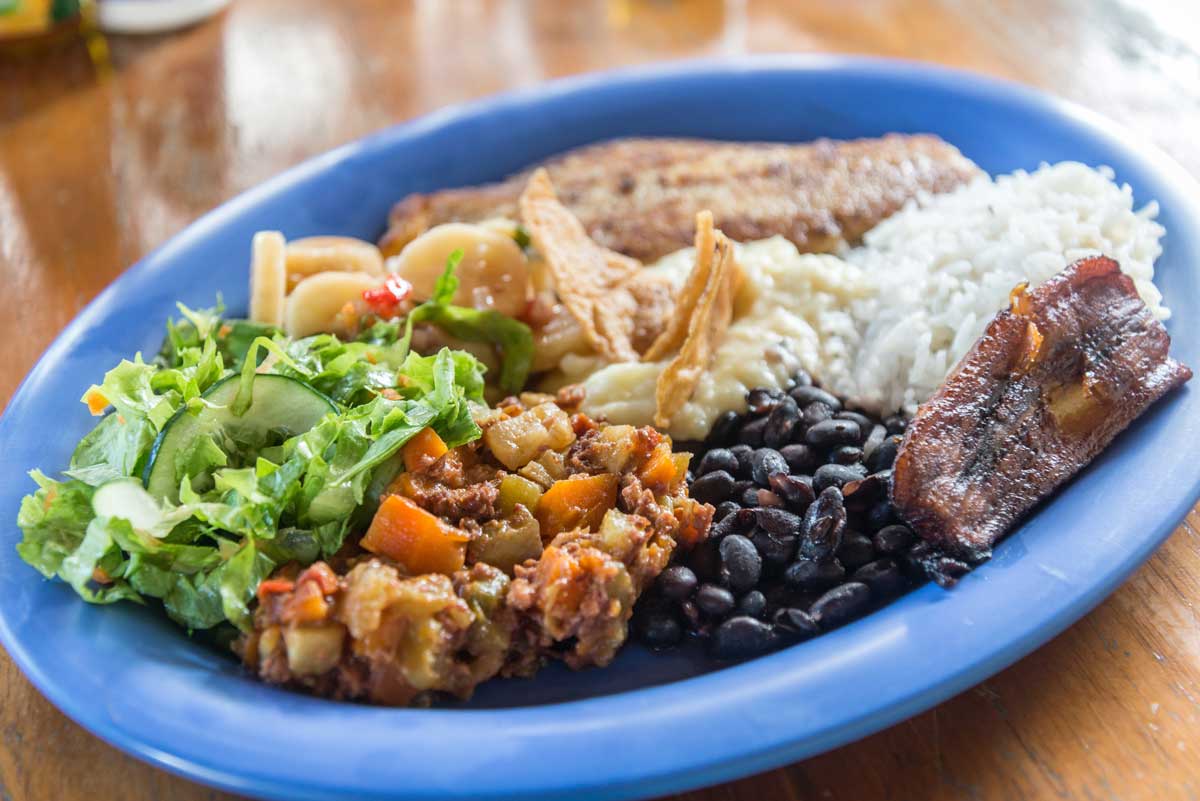
And even food at Costa Rican weddings has its own story. Most often, a dish called Casado is served, which translates to "married". This hearty plate symbolizes union and domestic life. It usually contains rice, black beans, sweet bananas, salad, and selected meats - chicken, beef, or fish. It is often served with traditional sides, such as picadillo (mixed vegetables) and tortillas. It is a dish that not only fills you up, but also represents Costa Rican hospitality and warmth. It is also served with "gallo pinto" (a type of rice and beans) and "tamales" (corn dough stuffed with porridge, wrapped and baked in banana leaves). And let's not forget about arroz con leche (rice pudding). By serving these dishes, you honor Costa Rican culture and also give your guests a true taste of the nation.
And of course, the event wouldn't be complete without a traditional wedding cake, often flavored with rum and filled with dried fruit.
Seafood is also a standard menu at many Costa Rican wedding feasts. Various drinks, including wine, beer, and vodka are also available during the banquet, besides many other local favorite dishes. Revelry, parties, and drinking usually last into the night, some going on until dawn, making it an unforgettable event.
Latin Music - the rhythm that unites
Music is an integral part of every Costa Rican wedding. A live band or DJ usually plays salsa, merengue, bachata, cumbia, or even tango - music styles that get everyone's blood pumping. If you decide to get married in Costa Rica, expect that the dance floor will be full from the first beat until the last breath.
Eco-friendly celebrations
Costa Rica's devotion to Mother Nature shines even brighter on wedding days. Couples organise eco-friendly celebrations, swap plastic decorations for biodegradable materials, and choose locally grown flowers and plants. The ceremonies take place in the heart of nature, on sun-drenched beaches or underneath the emerald canopies of forests - every detail is a love letter to the environment. In this way, they honour their love and the planet, reflecting the nation's desire to protect nature.
After the wedding - a new life with a dose of "pura vida"
After the wedding, the couple returns quite quickly to their normal routine - work, household, garden care or animals. Life in Costa Rica, however, is at a slower pace.
In many regions, the philosophy of "Pura Vida", which literally means "pure life", but in practice it is a mindset: to enjoy the little things, remember to smile and not to unnecessarily stress.
Married life often intersects with the community - neighbors help each other, friends are welcome without invitation and traditional Sunday lunches connect generations. The relationship between a man and a woman is perceived as a partnership with strong, but also traditional roles - the man is usually the breadwinner of the family, the woman is the guardian of the home, although in cities these boundaries are gradually fading.
It is customary for newlyweds to be helped by the community, whether financially or practically - for example in building a house, buying equipment or growing their own crops. Inter-generational relationships are very strong - grandparents help with children, with household chores and pass on wisdom. In a partner's life, it is expected from spouses to mutually support, respect and be patient with each other. Unlike the fast-paced European lifestyle, there is spontaneity and distance - if something doesn't work today, it may work tomorrow. This is their pura vida. For most couples in Costa Rica, marriage has a deep spiritual meaning. Regular participation in the holy mass, baptism of children, holidays such as Christmas or Easter - all this is an integral part of family life. Newlyweds often pray together, and if problems arise, they do not avoid talking to a priest or a community counselor.
They live longer than others
The Costa Rican diet is rich in beans, which provide protein, fiber and vitamins, often served with rice, corn and vegetables in the traditional dish casado. Fresh fruits and vegetables, such as papaya, mango and zucchini, form the basis of meals, while local coffee is a source of antioxidants. The daily life of Costa Ricans is filled with natural movement – from working on farms to walking, which, together with regular health care, contributes to their longevity and health.
What should we take away from this?
If there is one thing that characterizes a Costa Rican wedding and the afterlife, it's harmony with nature, humility, and emphasis on family and community. Love is not lived out loud here, but deeply. And even though not everyone may want to live amidst banana trees or on the coast of the Pacific Ocean, some values are universal:
- Love is manifested in deeds.
- Family is not a burden, but wealth.
- Shared silence is sometimes more beautiful than a thousand words.
If you ever desire a wedding in an exotic location where nature and spiritual depth coexist and the family plays a major role, a Costa Rican wedding will be the right experience for your soul and heart. And who knows, maybe in the rainforest you'll discover not only tropical birds but also the love of your life.
Source: authorial text, weddingscostarica.com, playabellaweddingsandtravel.com, eventdone.com, stayintamarindo.com, newsbytesapp.com, costa-rica-women.com