I'm marrying a Swiss man: Women give men a bottle of alcohol to give them courage



Weddings in Switzerland have a strong tradition. Celebrations are often rich in symbolism and rituals. In the past, marriage was more of a formal affair, associated with the local community and church, but today everyone can choose between a classic church ceremony, a civil marriage, or a combination of both. A civil marriage is legally binding, and couples must conduct it at the registry office where they present all necessary documents and personally declare that they meet the conditions for entering into marriage.

Traditional Swiss games and customs are fascinating and often very entertaining. Many Swiss traditions are linked to protection against evil spirits or the wish for a fruitful and happy life. Before the couple stands at the altar, one of the most fun and chaotic evenings takes place - the so-called “Polterabend.”
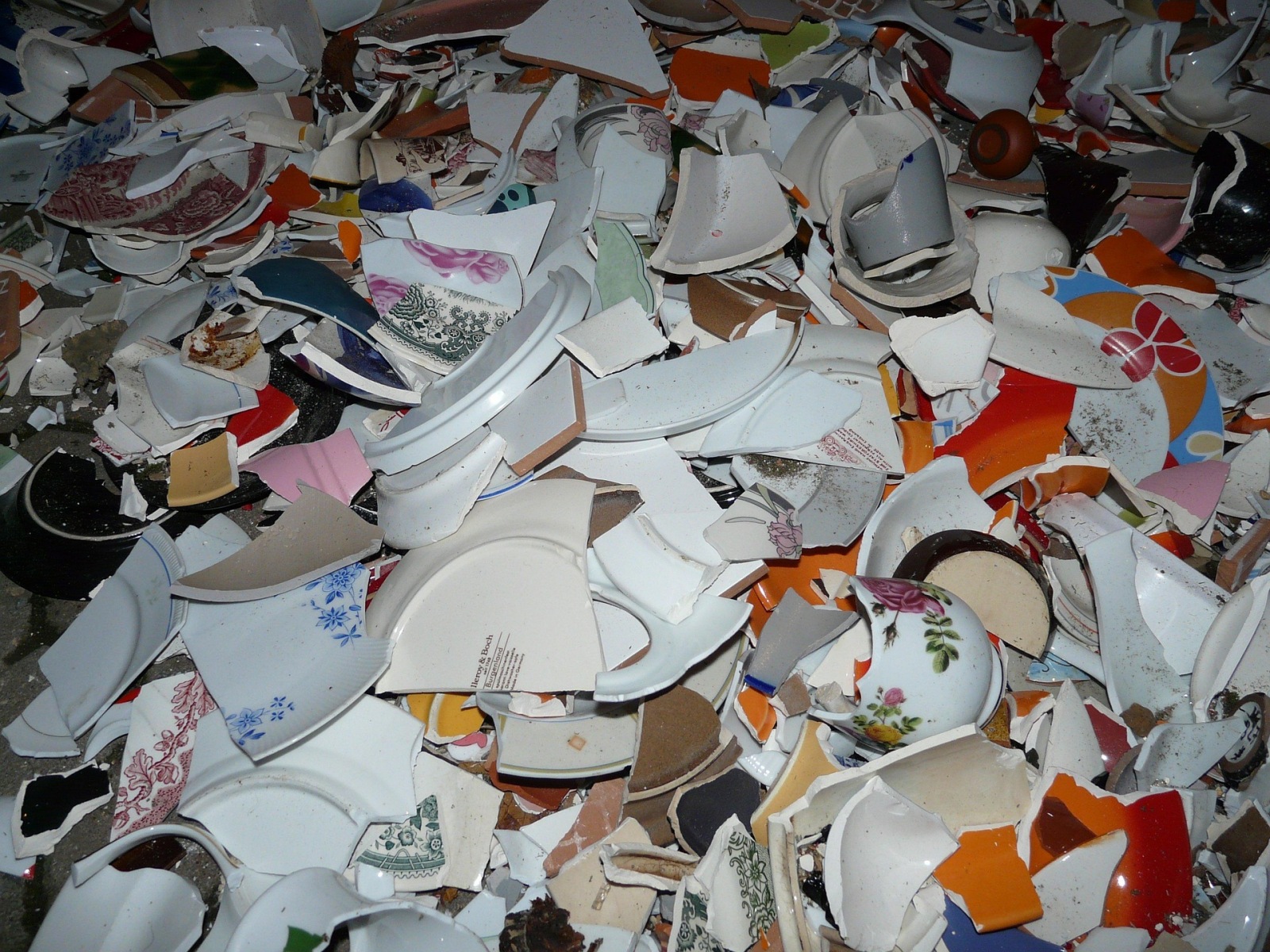
In the past, guests brought old porcelain plates and pots, which they broke during the evening to drive away evil forces and ensure a happy start for the newlyweds. It was said that “broken shards bring luck.” However, today modern Swiss brides prefer to spend this evening or weekend more relaxedly — at a brunch, spa weekend, or a city trip with friends, while the groom enjoys the day with friends, often full of fun tasks and challenges that he has to tackle. The organization of these pre-wedding events is often taken over by the best man and bridesmaid, thus preserving the tradition of close ones sharing in the joyful moments of the couple.

Another tradition that adds a unique character to Swiss weddings is the separate overnight stay of the newlyweds the night before the wedding. The couple usually spends the night in different places, sometimes in a hotel, with a friend, a family member, or with the best man. This custom is meant to ensure that both arrive rested and ready for the big moment on the day of the ceremony. Another tradition is the well-known "bride kidnapping," where groomsmen and friends hide the bride, and the groom must find her, sometimes with tasks like chopping wood or other challenges that symbolize the ability to cooperate and overcome obstacles.
One of the unusual and fascinating traditions is that a woman who shows interest in a man can give him a bottle of alcohol. This gesture serves as an invitation to visit her home and encourages the man to come and talk to her parents about a possible marriage. It is an old custom that symbolizes openness and a sincere interest in a future life together.
The bride is elegantly dressed, often with traditional elements such as lace, embroidery, or alpine motifs.
On their head, they wear a crown or wreath, a symbol of virginity and youth, which is burned after the exchange of vows. If it burns quickly, it predicts happiness in marriage. The bridesmaid leads the guests to the place where the feast is held and gives the guest a colorful handkerchief.
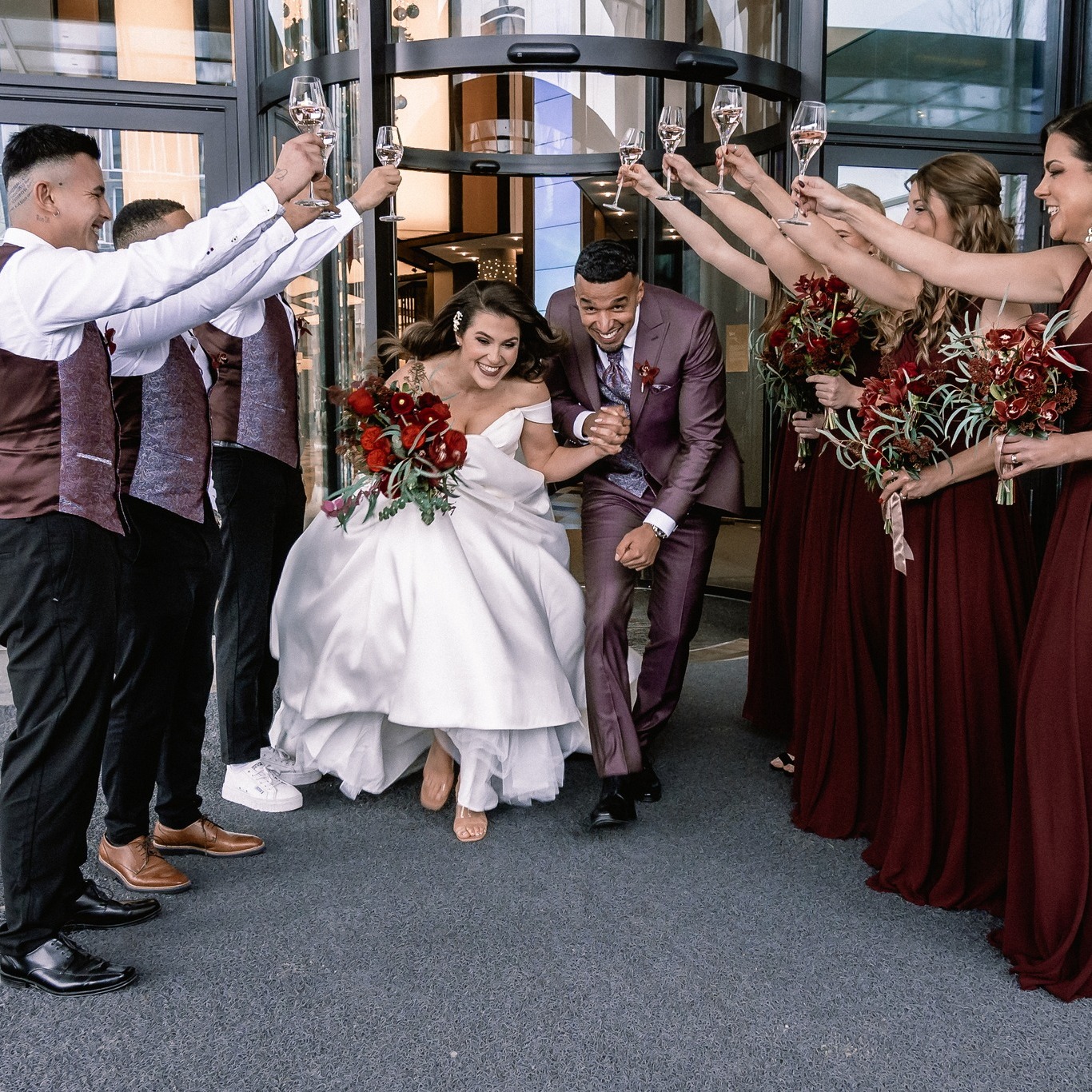
After the ceremony, the wedding guests gather in front of the ceremony venue and form what is called Spalierstehen - two rows of guests between which the newlyweds walk. This ritual symbolizes the support of the community and jointly overcoming life’s obstacles. Often before this moment, a ribbon is stretched out that the couple must cut, or rice or candies are thrown to bring luck and fertility.
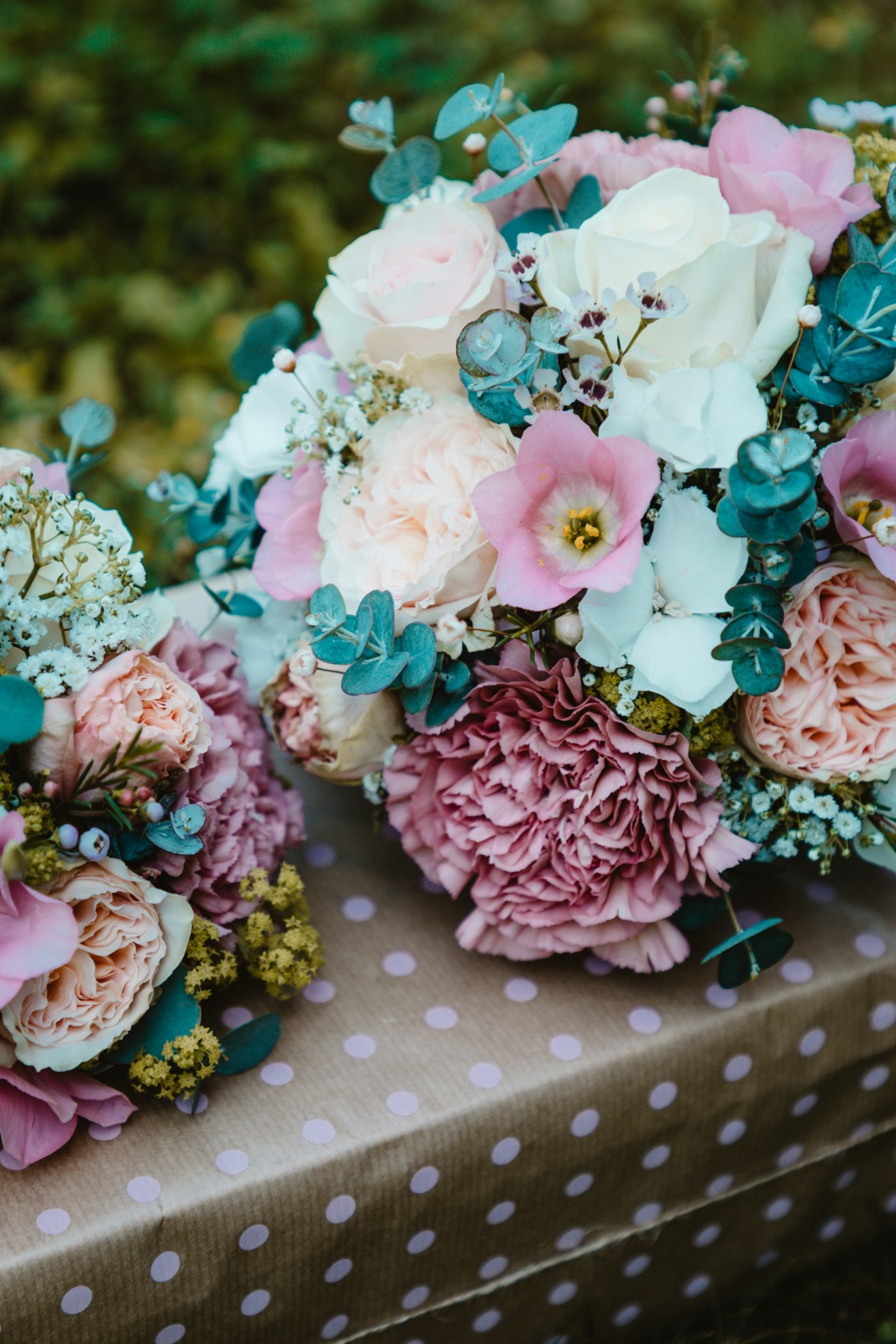
Among the unforgettable customs is also the throwing of the bouquet. Unmarried women stand behind the bride and try to catch the bouquet. According to tradition, the one who catches it is soon to get married or receive a proposal. Another symbolic tradition is the planting of a conifer tree by the newlyweds near the house, which is meant to bring fertility and a happy family life.
An equally important tradition is the planting of a conifer tree by the newlyweds near their new home. This act symbolizes fertility, growth, and the positive values the couple wishes for their shared life. Sometimes, a layer of branches is even created on the path leading to the car taking the couple to the ceremony, adding a magical, almost ritualistic character to the entire event. Interestingly, in the canton of Lucerne, the bouquet and flowers that men wear on their jackets are prepared by single women even before the wedding dinner, as a symbolic gesture of support and good luck for the newlyweds.

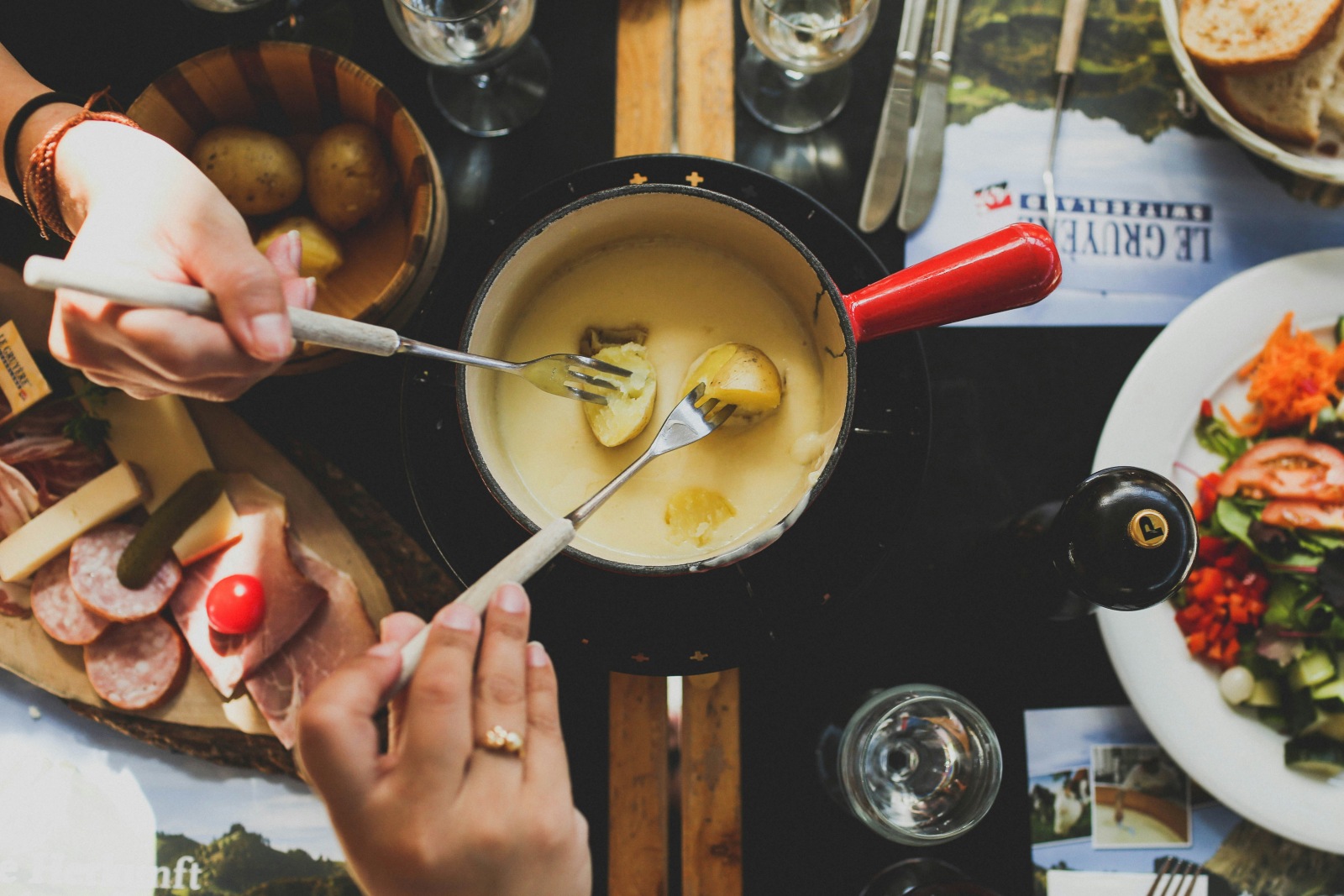
Weddings in Switzerland are also associated with music and dance. Live music with an accordion, alphorn, or traditional band creates an authentic folk atmosphere that entices guests to dance the polka or other regional dances. In some areas, Schwingen, traditional Swiss wrestling, is added to the program, symbolizing strength, endurance, and the ability to face life's challenges. Swiss specialties such as fondue, raclette, sweets like meringue or Nusstorte are served, reflecting the hospitality and joy of communal dining.
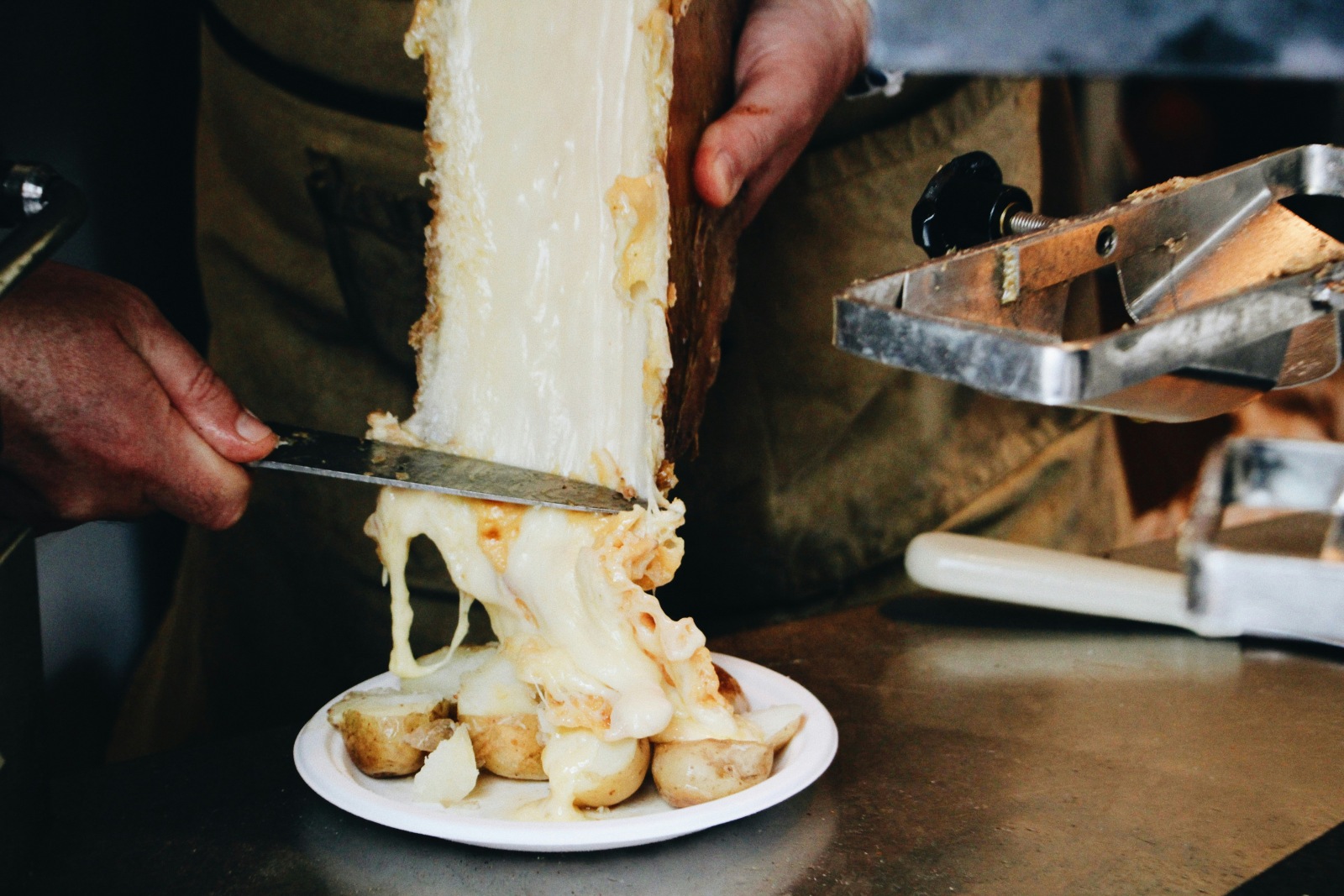
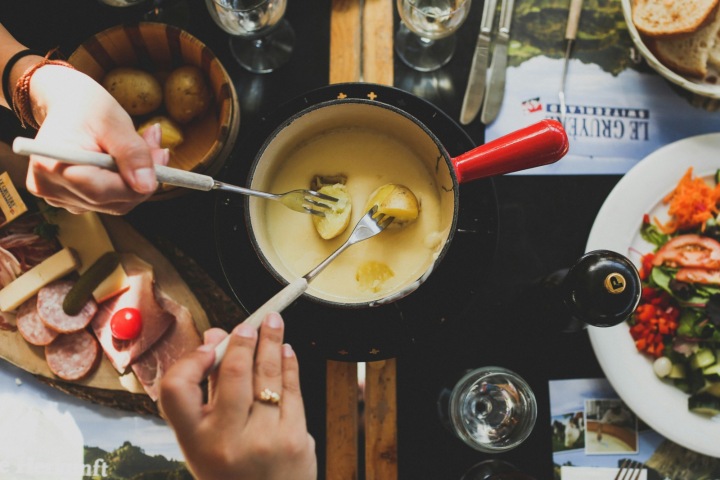
Swiss cuisine often takes center stage on the wedding menu thanks to iconic dishes like cheese fondue and raclette. These are communal meals shared among guests, symbolizing the unity and shared journey of the newlyweds through life, writes the portal cycheese.com.
Fondue is a dish where pieces of bread or vegetables are dipped into melted cheese, and raclette is a cheese traditionally melted and served over potatoes, vegetables, or raw meat.
Desserts like meringue (light, fluffy meringues made from egg whites and sugar) and Nusstorte (sweet nut cake) are a common part of the wedding table. These sweets symbolize the sweetness and richness of life that the couple wishes for during their life together.

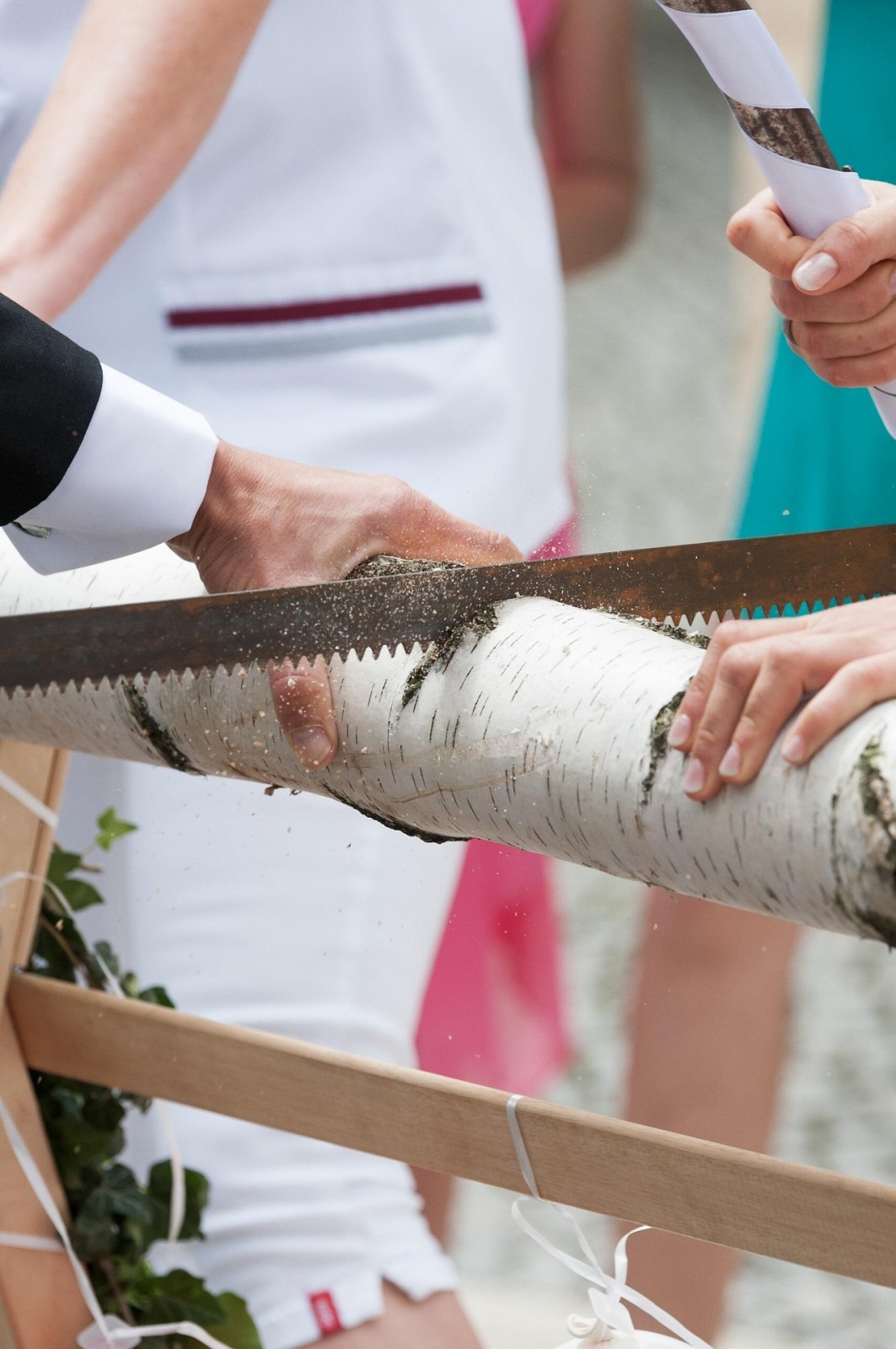
Another traditional ritual that often takes place during or after the feast is the so-called “Baumstamm sägen”, or joint sawing of a wooden log. The bride and groom together tackle a physical task, symbolizing what they can achieve together and how important partnership and teamwork are in marriage. Similar symbolic games can be complemented by the recitation of poems, singing, playing musical instruments, or other entertaining skits prepared by the groomsman and bridesmaid with the participation of the guests.
The history of Swiss traditions runs deep, influenced by German, French, and Italian culture. In some regions, Aelplerchilbi processions are still held today, accompanied by yodeling, flag throwing, and traditional music which refers to Switzerland's agricultural past. Flowers play an important role, whether in the bride's bouquet or as decorations, symbolizing beauty and new beginnings.
The evening culminates in an elegant feast, the cutting of the wedding cake, and the couple's first dance. Cutting the cake often symbolizes who will "take the lead" in the marriage, and the first dance also symbolically starts their life together. This may be followed by a father-daughter dance, which symbolically hands over the bride into the care of the husband and a new life.
Swiss wedding traditions are similar to the rich traditions of Western Europe. The engagement ring is an important part of Swiss marriages, just like elsewhere. It is made of gold and symbolizes the financial sacrifice the groom makes for his bride. In modern times, the gold ring is adorned with a diamond. Forget about the right hand, in Switzerland it's all about the left. Why? Because the ring finger has a direct line to your heart! That's the "vein of love," pumping pure romance into your life forever. The eternal circle of the ring? That's your endless love story.
Every Western European wedding will have something old, something new, something blue, and something borrowed.
Something old represents the continuity of tradition. It can be a scarf or jewelry passed down from generation to generation, writes the portal edelswiss-limousine.ch.
Something new represents the future and hope and can be anything from the wedding ring to clothing. Something borrowed suggests future happiness and is usually a gift from the bride's close friends who are happily married. Blue symbolizes purity, and the couple strives to incorporate this color into their Swiss wedding attire. All of these Western European wedding traditions form an integral part of Swiss wedding traditions.
Swiss weddings are thus not only a celebration of love but also a journey through the culture, history, and beauty of the country. Every detail, every custom, and every tradition reminds us of the deep roots that connect generations and symbolize the life cycle of love and happiness. As the newlyweds walk through their big day, you can smell the alpine flowers, hear the ringing of cowbells and the music of folk instruments, and it is precisely then that everyone understands that a Swiss wedding is more than just a ceremony. It is a story of love, unity, and cultural depth that is passed down from generation to generation. Gesundheit und Glück – health and happiness!
Source: original text, edelswiss-limousine.ch, premiumswitzerland.com, swissactivities.com, cycheese.com