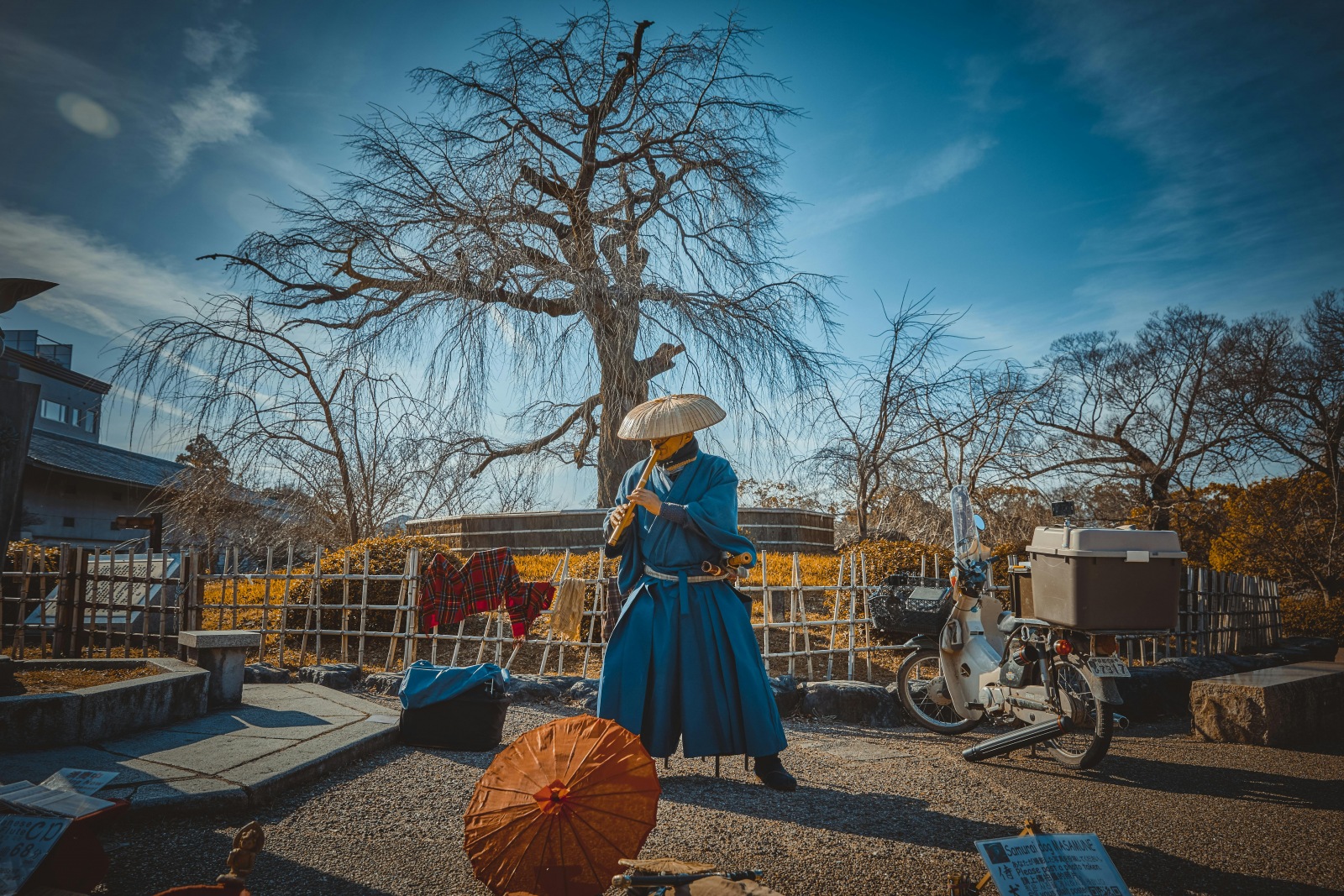
I take samurais: His soul can be as strong as steel and as gentle as a tea blossom


When one says "samurai", most people imagine a man in armor, with a katana and a serious face, strolling in ancient Japan. But I, an ordinary woman from Central Europe, didn't meet him in a historical movie, but in a teahouse in Kyoto, where my curiosity about Japanese culture led me. I didn't expect that love would come in such a humble and silent form. And certainly not, that I would one day say: "I am marrying a samurai". Said Ivana, who reminisced about the times when she married a samurai.

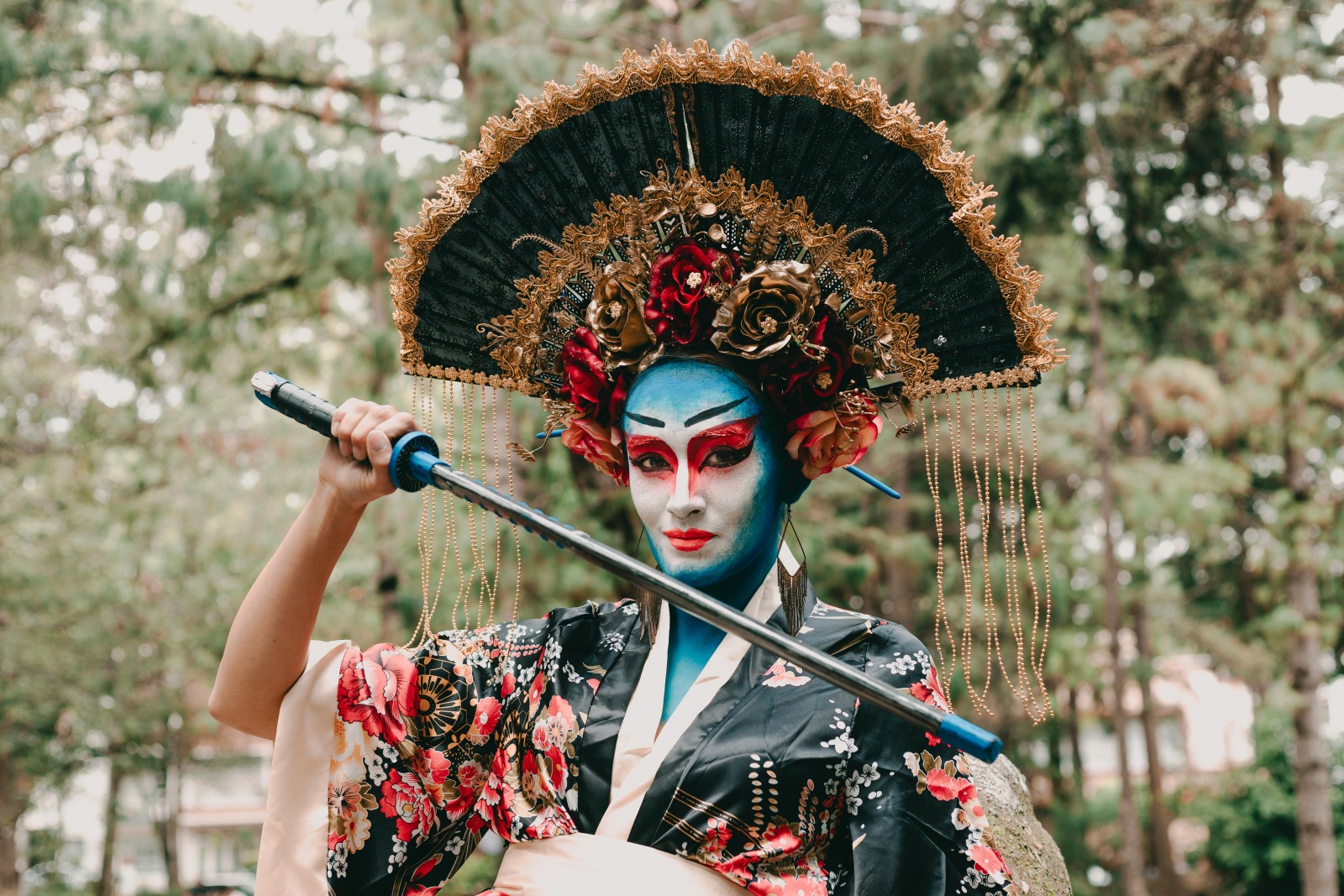
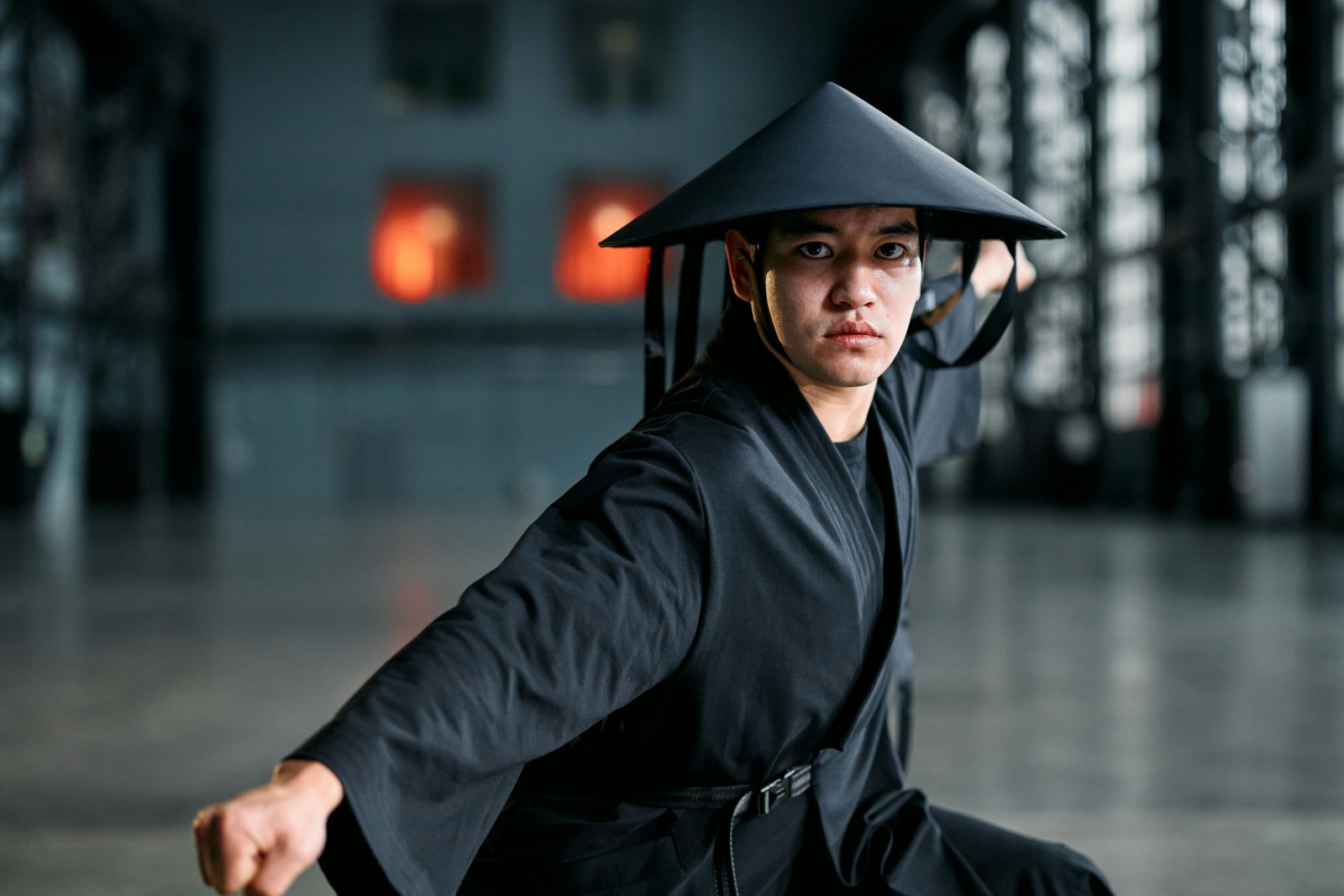
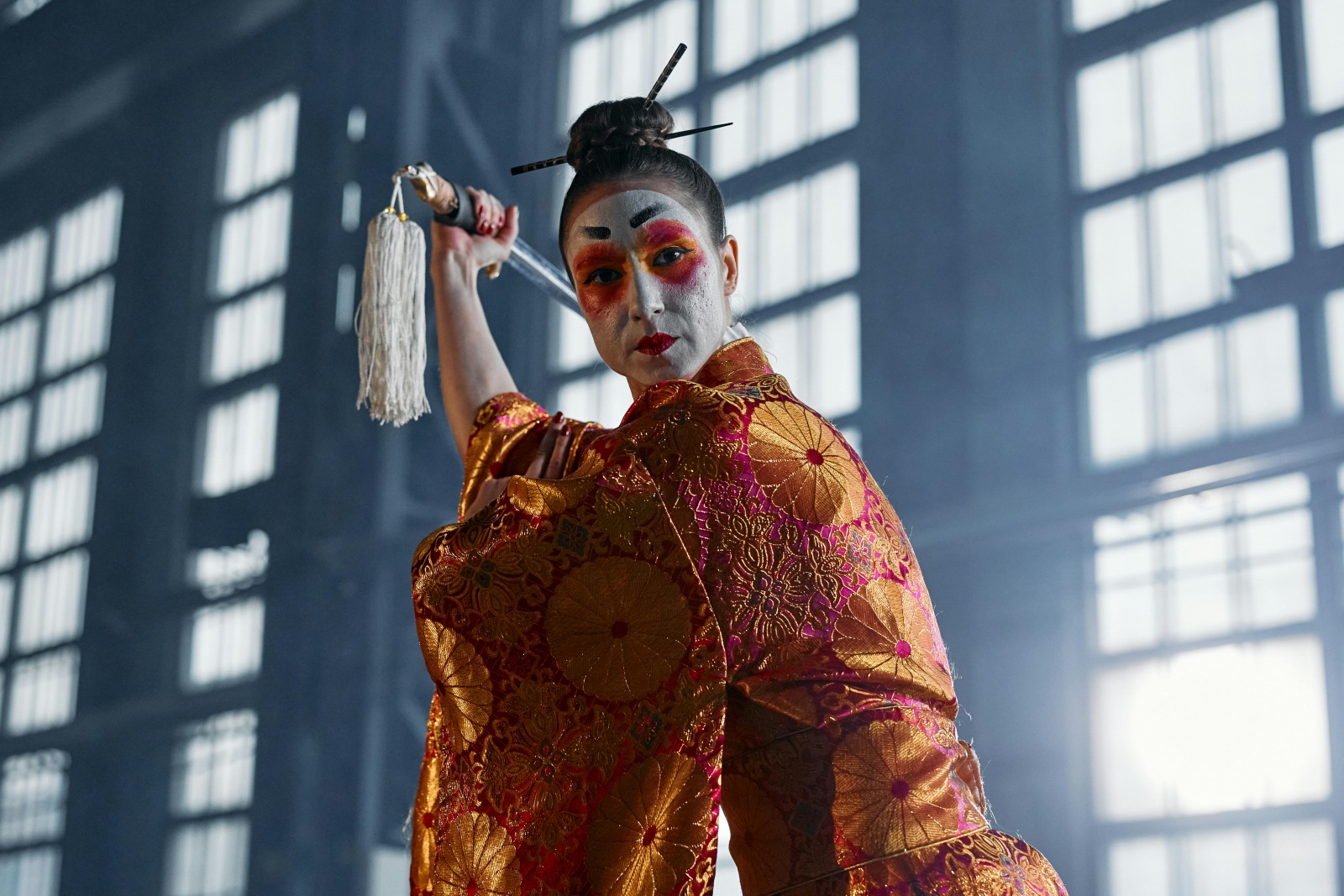

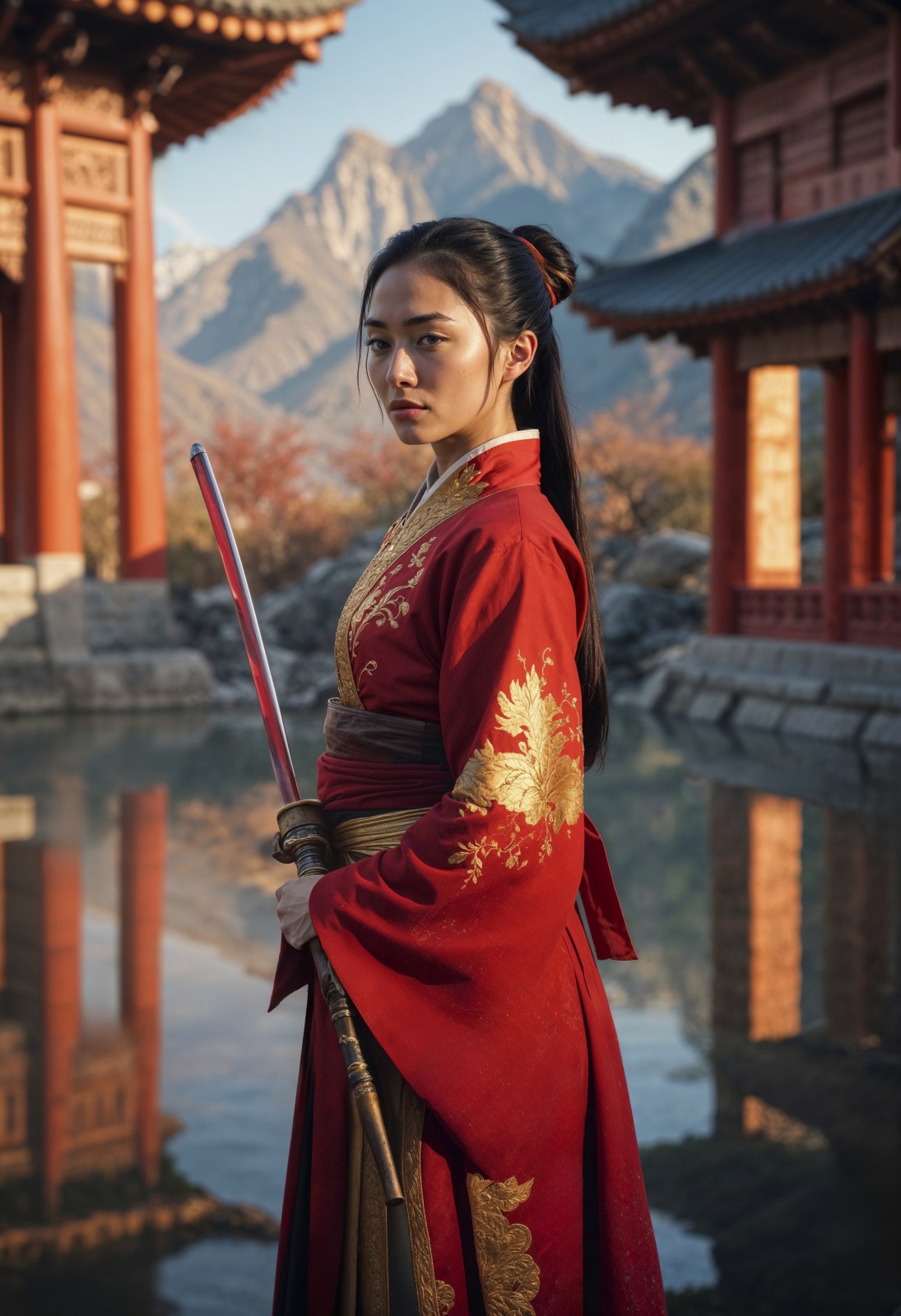
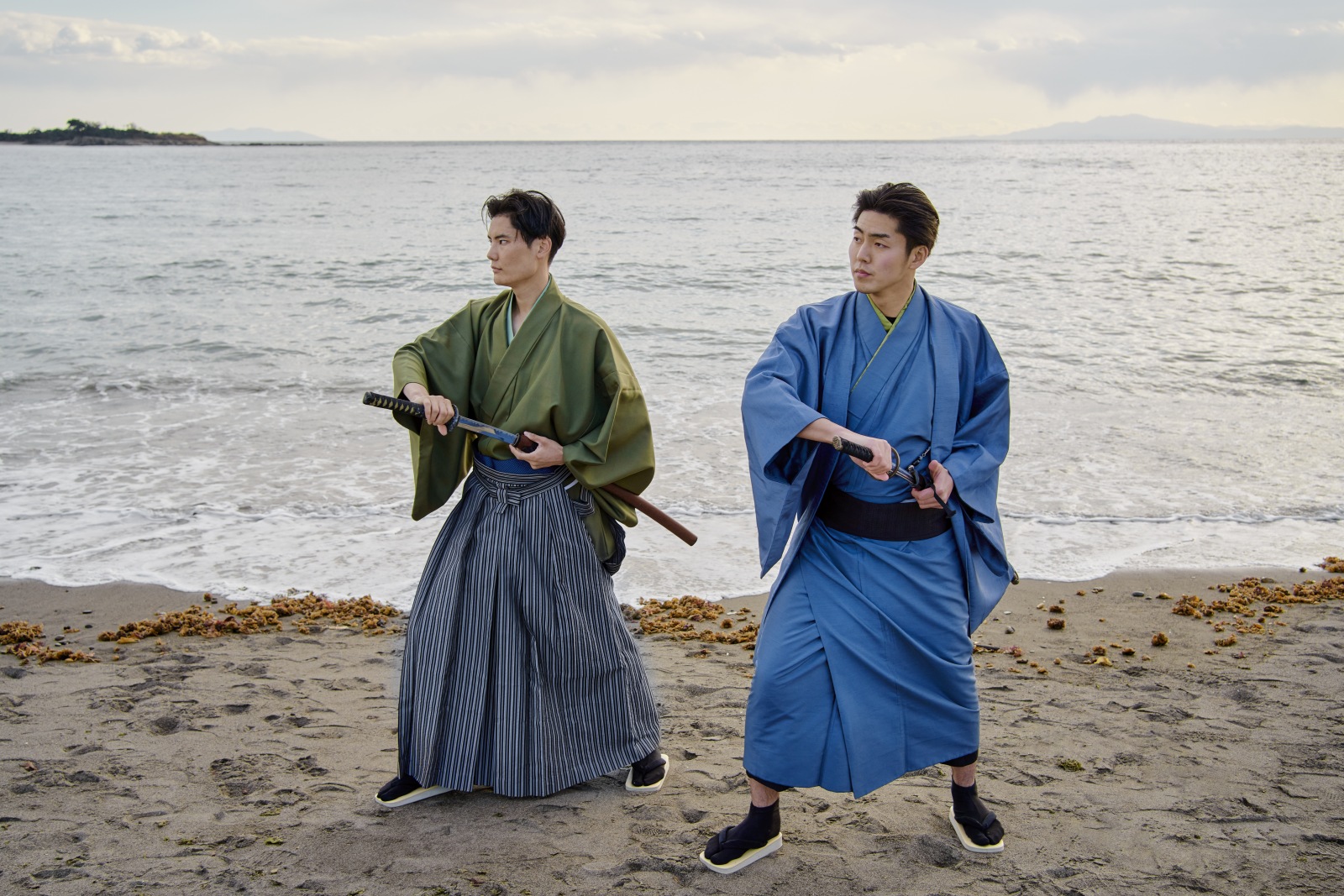
Before the marriage proposal came, it took many months for us to get to know each other. For a samurai, partnership is not just an emotional affair. It is a commitment of the spirit. He examines character, endurance, the ability to be silent and to speak. And only when he was sure that I was ready to enter his world, he invited me to his home. There I understood what humility means. A clean space, a precisely arranged house, a stone garden, a morning tea ceremony, ritual cleaning. Nothing is random. Everything has its meaning. Their life is not about speed, but about balance between spirit and body.
Getting involved in samurai culture is not just about romance, but about respect. His family officially accepted me during a tea ceremony called yuino - an exchange of symbolic gifts. It was not about any status objects.
I received a folded white silk gown, eggs, dried fish as a sign of prosperity, and hemp cords as a symbol of durability. Everything ancient, deep, quiet, but all the more impressive.

Wedding day
The wedding took place in a Shinto shrine. Before the ceremony, I had to undergo a purification ritual – the symbolic washing of hands and spirit. Dressed in a white kimono shiromuku, which represents purity and readiness to accept my husband’s world, I stood next to him – a man in a black montsuki with the family emblem.
The priest prayed to the nature spirits kami, we exchanged vows and each had three sips of sake from three bowls – the san-san-kudo ritual.
The San-san-kudo ritual is one of the most important and traditional wedding rites in Japanese culture, particularly in Shinto weddings. The name san-san-kudō literally means "three-three-nine times" or "triple nine". During this ceremony, the groom and bride drink sake from three small cups of various sizes. Each of them drinks three times from each cup, so each drinks nine times in total.
The number three has a special meaning in Japanese culture as it is considered lucky and sacred, associated with balance and harmony.
The ceremony takes place with a priest or an elder family member presenting glasses of sake. During the ceremony, prayers or wishes to the deity are often recited to protect the new union. After the ceremony, a celebration followed, but it was not loud or ostentatious. It was a family dinner, quiet conversations, laughter, and honors for the elders. Food was prepared according to seasonal principles, each course had its own meaning. It was not about efficiency, but respect for tradition.
Wedding feast with symbolism
The food was chosen so that each dish carried the symbolism of blessing:
Fish Tai (luck)
Tai is a type of fish, known as royal bream (red bream). In Japanese, the word "tai" sounds similar to the word "medai" (luck, success). Therefore, this fish is considered a symbol of luck and good events. At weddings, it is served so that the bride and groom have luck and prosperity in their life.
Kombu (joy)
Kombu is a dried seaweed traditionally used in Japanese cuisine. The word "kombu" sounds similar to "yorokobu", which means "joy" or "happiness". Therefore, kombu is often used in festive dishes to bring joy and good mood into the lives of newlyweds.
Sekihan (celebration)
Sekihan is a rice dish prepared from red beans (adzuki). The red color symbolizes happiness, joy, and protection from evil spirits. Sekihan is traditionally served at festive occasions, such as weddings or birthdays, to celebrate a happy moment.
Ozōni (new beginning)
Ozōni is a traditional soup with rice cakes (mochi), often served during New Year's and wedding ceremonies. It symbolizes a new beginning, prosperity, and long life. In the context of a wedding, it represents a happy and successful start to the couples' shared life.
Samurai clothing you should already have in your wardrobe
There are many pieces of samurai clothing that you should already have in your wardrobe.
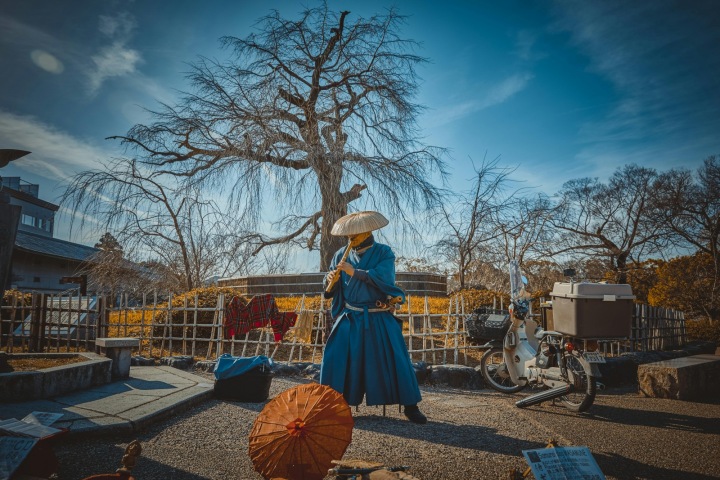
They each have their own meaning and history.
Hakama
A traditional Japanese garment worn by both men and women. It is a type of pleated skirt that is tied at the waist or hips with a sash and can be worn in various styles or ways.

Kimono
A traditional Japanese garment that combines elements of a dress and a robe, usually made from silk, cotton, linen or other natural fabrics, such as hemp.
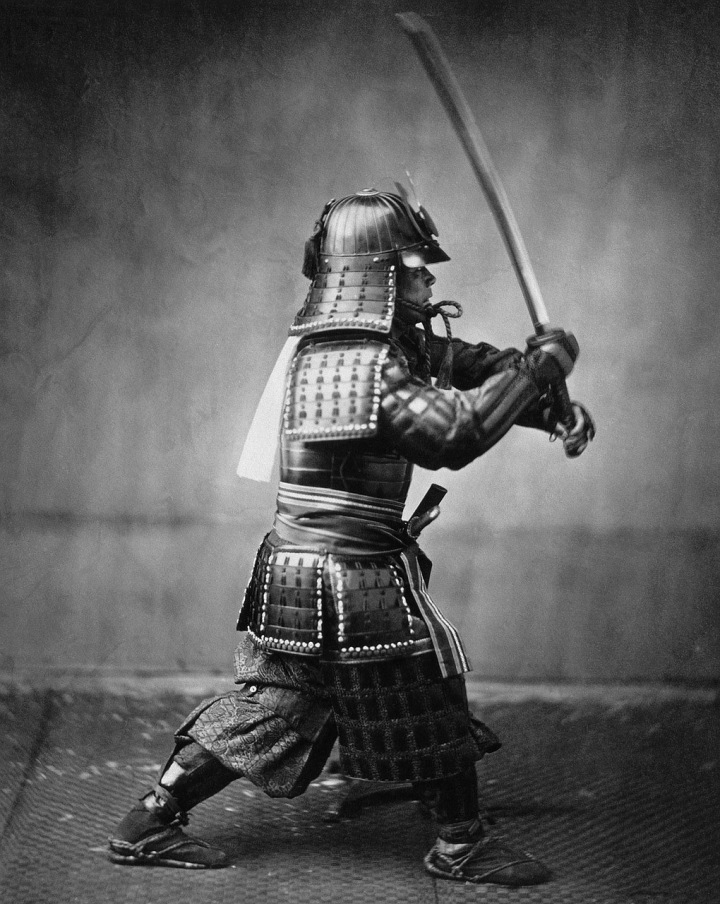
In the past, samurais were known for their strict dress code. They had clothes that they wore depending on their status in society. Although there is no definitive answer to how to dress best as a samurai, it is worth mentioning that in the past they adhered to a strict dress code. A new trend is emerging in Japan that brings back the term "samurai elegance" - a style that combines modern fashion with traditional Japanese clothing. It is characterized by luxurious fashion patterns inspired by the Kansai style.
Life after Wedding: Being a Samurai's Wife
Life with a samurai is not a fairy tale life. But it's a life in harmony.
He wakes up earlier than I do. He meditates. He practices with his sword - not because he has to, but because his discipline is a way of being. Sometimes we don't talk much - not because we don't have anything to say, but because silence is just as important to us as words.
I have learned that being his wife means respecting space. I've learned to make tea with respect, to cook rice as a ritual, not just as food. I have learned that bowing means more than shaking hands. In return, he's learning about my world. He's learning to love spontaneity, my laughter, my European ways. He's learning to understand that my culture is different, but no less valuable. And it's here that we find love - between bamboo and cucumbers, between a quiet temple and lively laughter.
What was it like in the past?
The tradition was that samurais had arranged marriages. Usually, it was the task of a samurai's friend or relative of the same or higher rank to arrange a partner for him. For samurais, it was often difficult to meet with women because of how much time they spent on their duties, so this type of recommendation and agreement was the basis of samurai lifestyle. It was common for middle to high-ranking samurais to marry a woman from a samurai family, however, lower-ranking samurais could also marry ordinary people. In this case, women brought a dowry, which represented the property of the daughter's parents, to help start a family home. It's a widespread misconception that samurai women were subordinate to their husbands. In reality, samurai women enjoyed the same social status as their husbands and could even inherit property or serve as samurais themselves.
Women who married samurai warriors were called "karamono-no-yo" or "women of the house".
How female society functioned in feudal Japan and how men and women influenced each other
One of the most important aspects of feudal Japan was the role of women.
Women had to always be subordinate to men. They could never make their own decisions, which meant that they were viewed as an object or property.
The marital system in Japan during this period was very different from what we know today. Men and women were not equal in marriage and women had to obey their husbands in everything they did, because if they didn't submit, it would have a bad impact on them.
Role of samurai wives and their influence on Japanese society
Samurai wives often stayed at home to take care of the household and children.
In the history of Japan, they were often overlooked. They were not warriors, but rather women who stayed at home and cared for the children, while their husbands went out campaigning. They also traded goods in the name of their husbands, worked as farmers or craftswomen. In many cases, samurai wives had economic power that exceeded the economic power of some samurai sons, because they could inherit land from their fathers or use it as collateral for a loan.
Love that knows no bounds
Marrying a man like him is a decision not only to love, but also to accept a different lifestyle. It means being true to values that do not come from shopping centers, but from sources of ancient teachings. It means to love without drama, but with a deep intent. It means standing by his side in quietness and laughter, knowing how to put down the sword and open the heart.
Why did I marry a samurai? Not because he is exceptional, but because his soul can be as strong as steel and as gentle as a tea flower, and because in his silence I found a voice that understands my heart.
Source: author's text, kyohaku.go.jp, nippon.com, culinary-academy.jp, yamato-culture.com, tofugu.com, japantimes.co.jp, samuraihistory.com