I am marrying a Zimbabwean: Man must pay a fine if a couple lived together before marriage or if a woman becomes pregnant before marriage


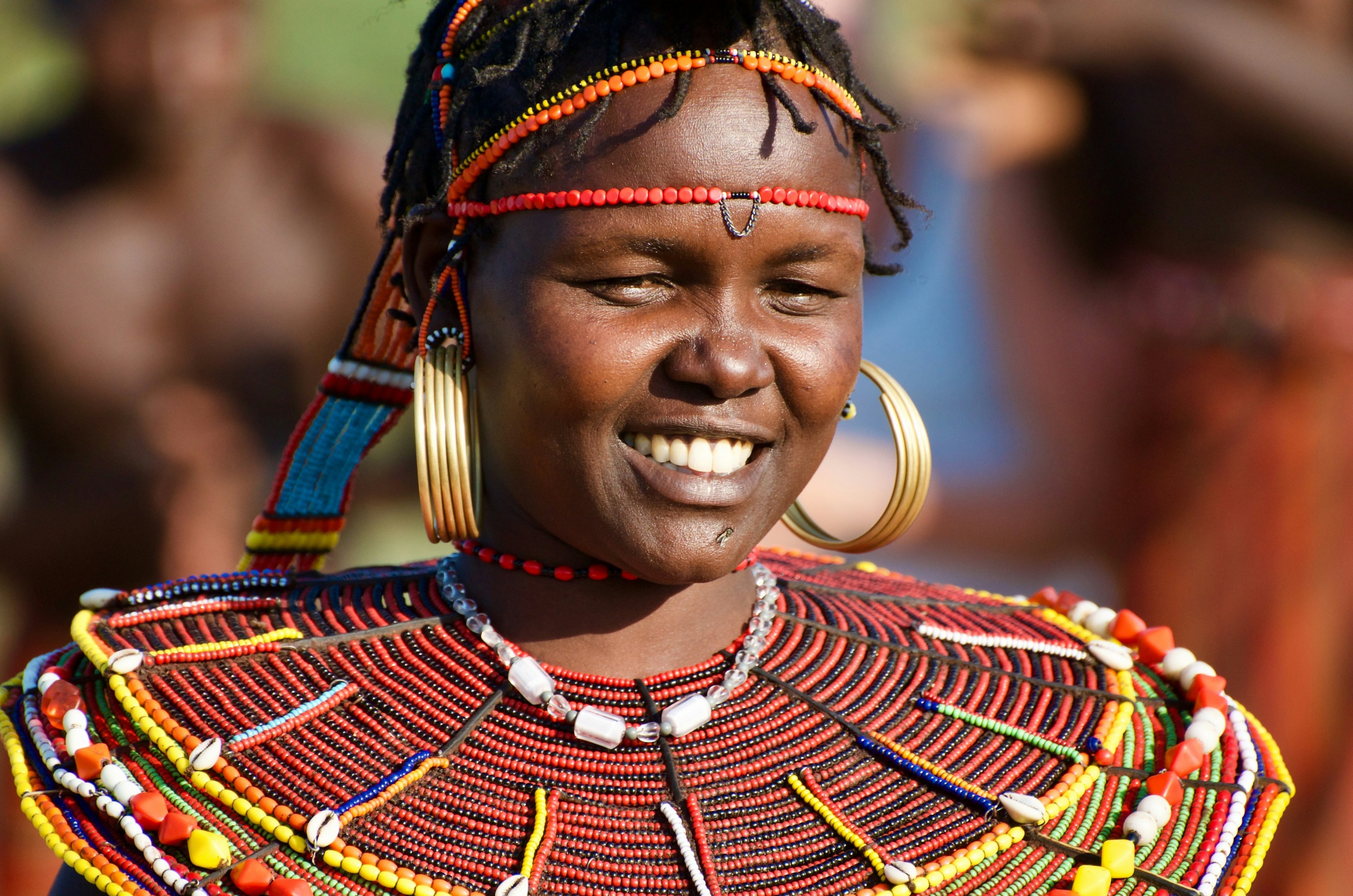
The bride's ransom, or "roora / lobola" in the local Shona language, is a traditional expression of gratitude that the prospective groom pays to his future in-laws. It is considered an expression of gratitude to the bride's parents for raising their daughter.

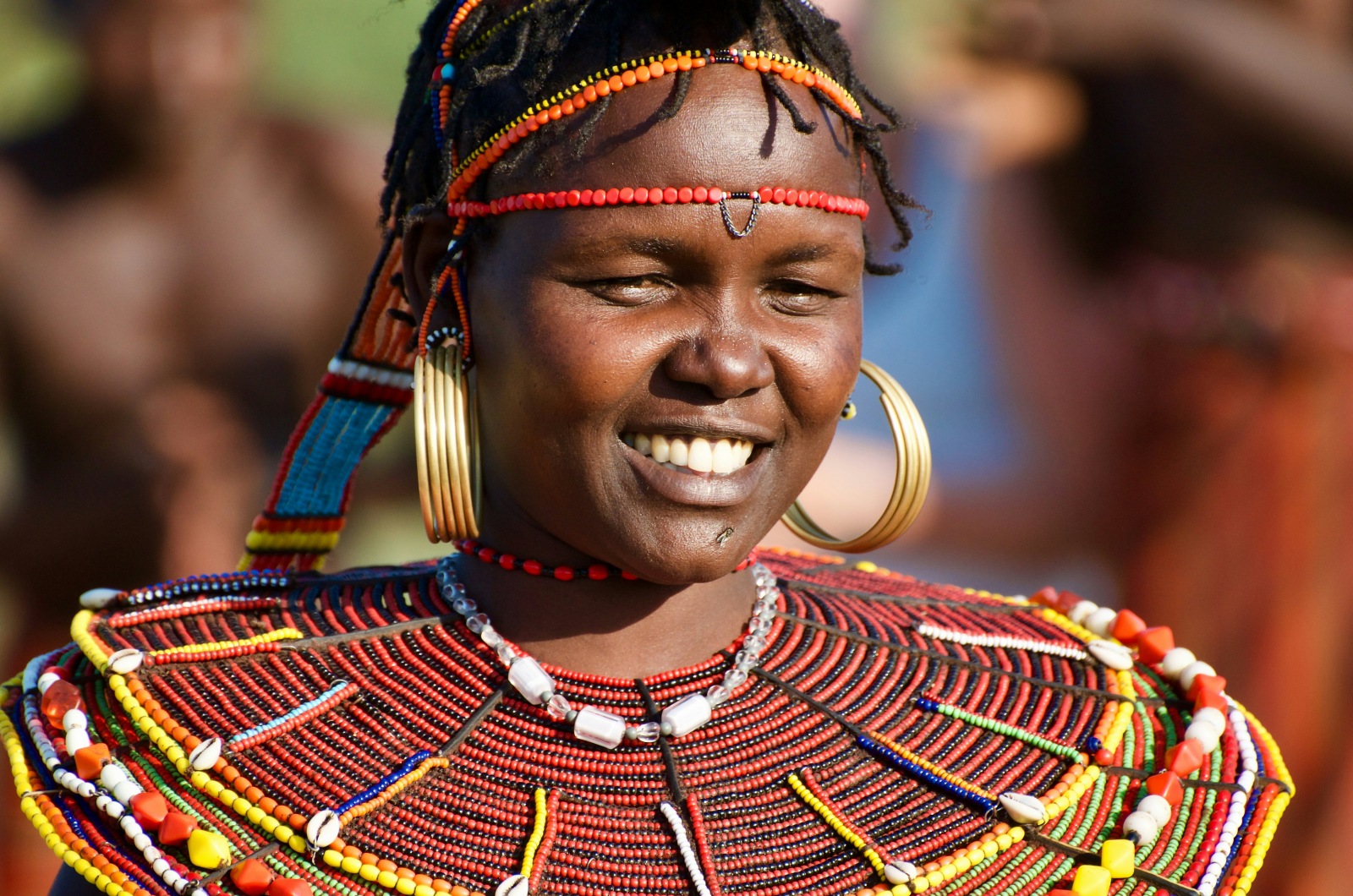
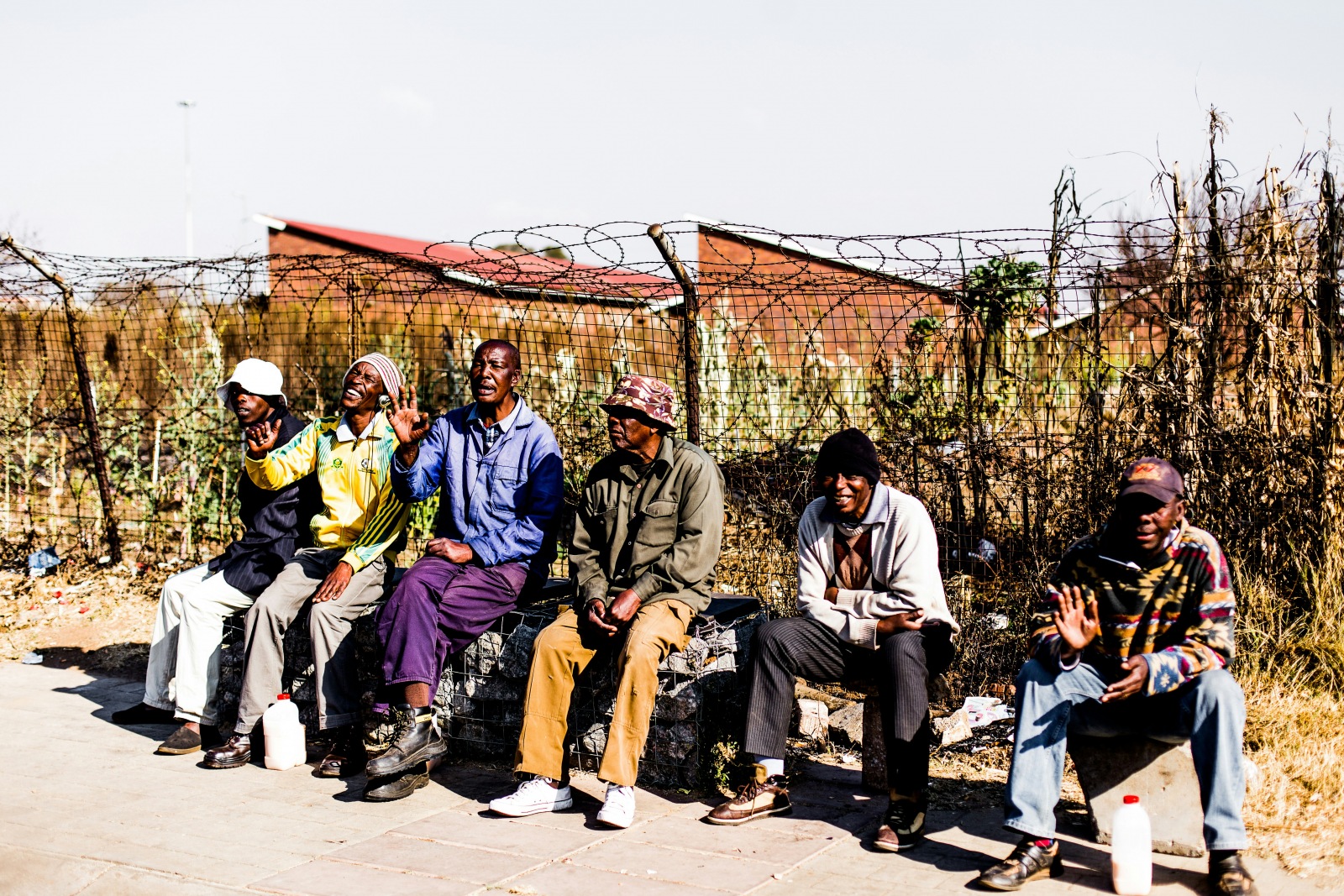


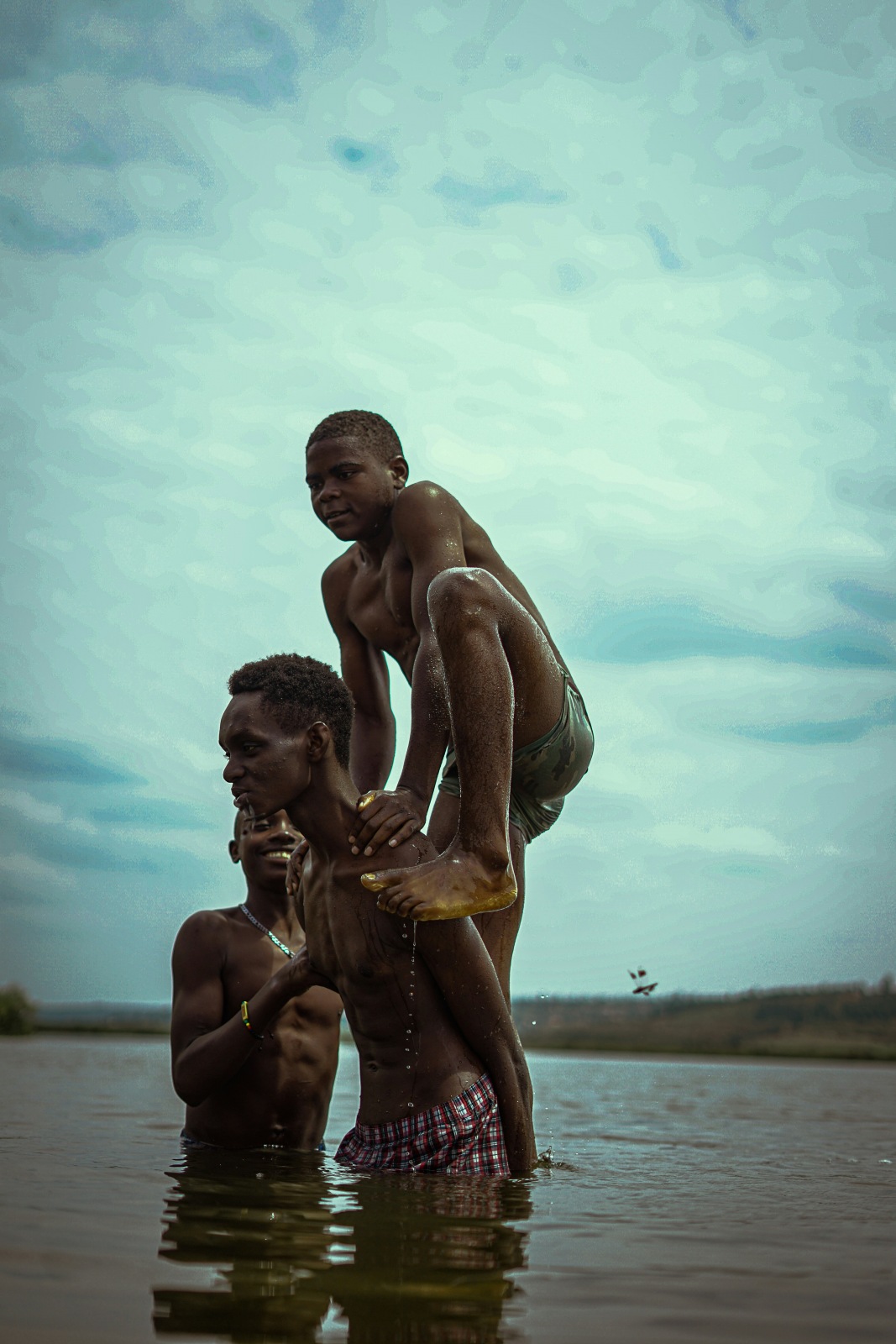
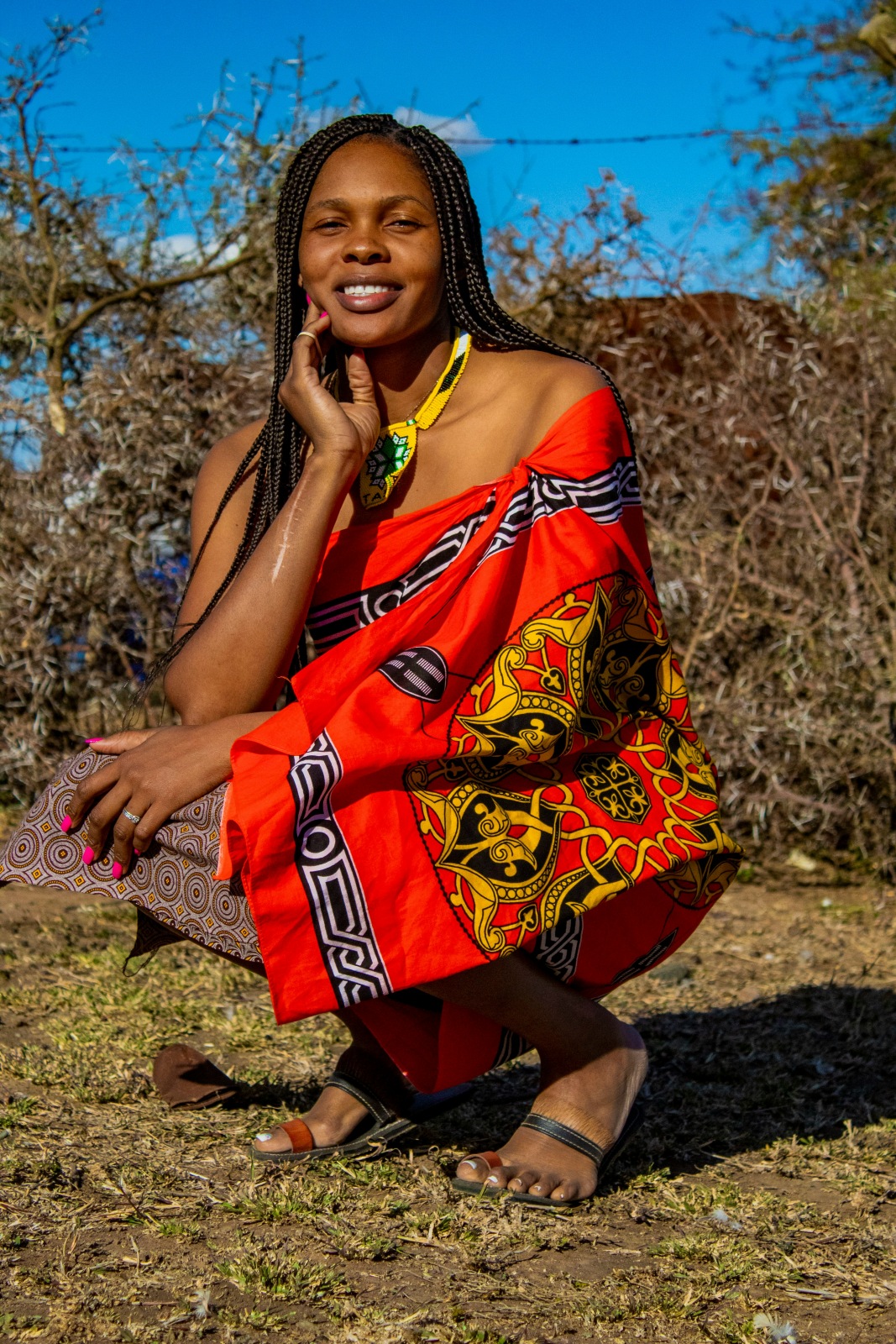
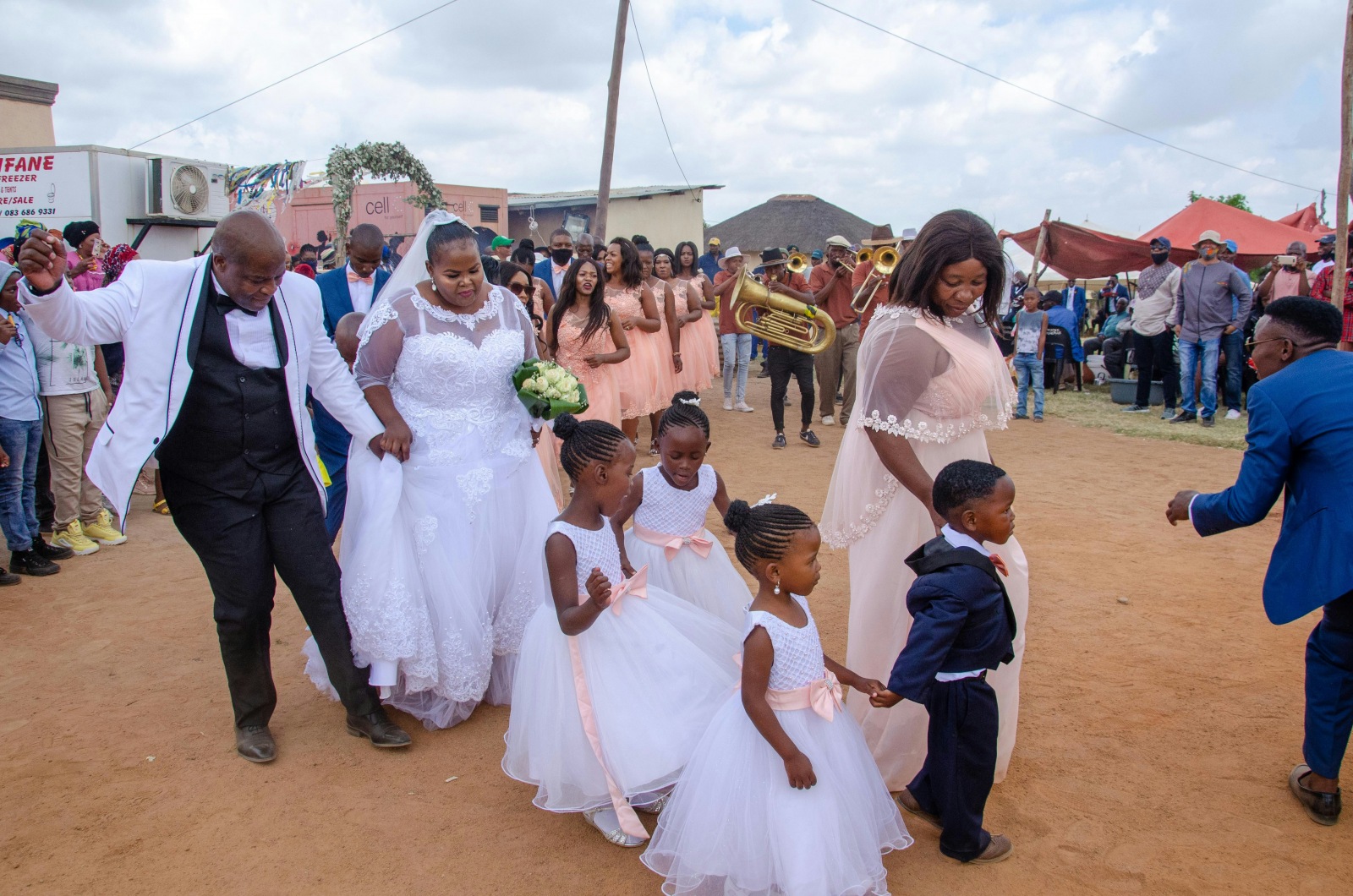


Love that transcends cultural boundaries is common today. An example is Martina from the Czech Republic and Tendai from Zimbabwe, who met during their studies in Prague. The support of their families was important, who tried to understand and respect differences.
Marriage to a Zimbabwean brings a wealth of new culture - an emphasis on family, respect for ancestors, and community. Even though it requires adaptation, it opens the door to unique experiences and a deeper understanding of the world. Zimbabwean weddings combine traditional and modern elements, they vary by region, but always celebrate love, family, and the spiritual connection of two people.
Munyai – Mediator between families
Munyai is a man chosen by both families, but usually recommended by the groom's family.
Zimbabwean wedding dresses
Today's Zimbabwean brides often refuse to wear the classic western white wedding dresses. Instead, they prefer a combination of traditional motifs, colors and fabrics that reflect their cultural heritage. This approach gives bridesmaids and brides greater freedom while respecting their roots.
Bride's isolation before the wedding
Before the actual wedding day, brides are usually "isolated" for two weeks - they are separated from the outside world and kept in a specially built booth or room in their parents' house. This ritual is designed to protect her from men's gazes and prepare her for a new stage in life. During this period, older women from the family dedicate their time to instruct her on the obligations of a wife.
Roora
When a man in Zimbabwe feels that he has found the one and is ready to join his life with hers, his first step does not lead directly to the woman, but to her father. In the spirit of tradition, he asks for permission to court her – not as a formality, but as a sign of respect for the family who raised her. Only when he receives the father's blessing, can he officially ask his beloved for her hand.
This, however, is just the beginning of the wedding story. The bride's family then sets a time when they want to meet with the future son-in-law and his relatives to start negotiations about the so-called Roora , also known as Lobola . The meeting takes place in the house where the bride grew up – a place intertwined with memories and symbolism. The groom's family comes with gifts and money, but it's not just about the "bride price". The Roora is a way to express gratitude to the family for years of care, love, and upbringing that shaped the woman the man wants to spend his life with.
One of the first steps is kubvisa ndiro, i.e. bringing food to treat all those present. If the groom's family underestimates this duty, they may incur shame or they will be expected to pay a higher sum as compensation. Even though in the past lobola was paid mainly in livestock - cows or goats, today money is a more common form. However, the amount can depend on several factors - the bride's education, the origin of her family, or regional customs. An interesting fact from the past is that if the groom could not afford to give the bride's family even a garden hoe (which was entirely sufficient in certain periods), he had to manually work for an agreed time. This custom was called kutema ugariri - work instead of dowry.
The elements of the roora language and their naming vary depending on the region and dialect of the Shona language.
Vhura muromo
The engagement ceremony roora is an integral step towards marriage in the Shona culture. The groom's family comes with gifts - from money through a goat to symbolic attentions - but they cannot get straight to the point. First, they must pay the Vhura muromo, which means "open the mouth" - it is a symbolic fee for the right to start the conversation about the bride's hand. If there was any kind of misunderstanding in the past, for example a violation of the meeting deadline, this is also resolved in this phase with financial compensation.
Only when all these formalities are arranged, the atmosphere relaxes. The bride's family welcomes guests with hospitality, and negotiations can fully begin. The munyai – a mediator from the groom's side, who leads negotiations on behalf of the whole family takes the floor. And this is the moment when real dialogue about the merging of two families starts.

Negotiations are the soul of the entire ceremony. Each item from the list of requirements has its price, but nothing is fixed. The groom's family often asks for a moment to consult - sometimes they go outside to "consult with the others", but everyone knows it's a bargaining strategy. These moments are full of smiles, tension, and warmth and create new bonds between families.
Roora Payments (payments for parents)
For the bride's father, matekenyandebvu is paid - a gift for bearing his daughter when she was a child sitting on his lap and playing with his beard. It's a kind joke, but a gesture of deep gratitude.
For the bride's mother the payments are critical and without negotiation:
- Mafukidzadumbu - for nine months she carried her daughter in her heart.
- Mbereko - for every moment she carried her on her back as a baby.
These amounts are a firm expression of respect and are non-negotiable.
Mbudzi yedare – goat for gathering
A live goat - mbudzi yedare is brought into the house. If they don't bring it, its value has to be paid out in cash. The goat is prepared and served as food for all the young men in the bride's family.
Mari yekunonga – gift for the bride
The bride briefly enters the room. She can take as much as she deems appropriate from the money the groom's family has already given. Typically, they share the money with their sisters and aunts who participate in the ceremony. The groom's family then has to replenish the missing amount.
Rusambo (or Rugaba) - the main gift
The most important payment is rusambo - the main gift for the bride's family. In Shona culture, this gift is the foundation of marriage. It is often not paid all at once, but over a longer period. It is a way for the groom to demonstrate responsibility and commitment to the bride's family.
Penalty for premarital life or pregnancy
According to Zimbabwean traditions, a man must pay "compensation" to the bride's family if it is found that the couple lived together before traditional ceremonies were performed or if the woman becomes pregnant before the wedding. These compensations are usually less compared to the full amount of lobola. Many men, however, try to deal with the situation through rapid negotiations with the bride's family as soon as they find out about the pregnancy, in order to avoid paying penalties. However, this tactic only works if the girl manages to hide her pregnancy from her family for a longer period.
Livestock is important
The bride's family determines how many cows are required. Some may be delivered live to the village, others may be reimbursed in cash. The most important cow is called mombe yeumai - "mother's cow". This one must be alive to be able to give birth to a calf in the future, which is seen as a blessing to the marriage. After the calf is born, the cow is usually slaughtered and served at a large family feast.
Majasi - clothes for parents
Majas means clothing. The groom's family will provide clothing for the bride's parents according to the exact list symbolizes respect and gratitude.
At the end of the roora ceremony comes a poignant moment: kupinzwa mumusha, ie acceptance of the groom into the family. His escort enters the room where the negotiations were held, and the groom greets his new in-laws for the first time as the husband of their daughter. This moment is accompanied by gusvi - traditional applause.
Wedding Ceremony (Kuroora)
After the successful completion of the Roora, the actual wedding ceremony, known as "Kuroora", takes place. It may be a mixture of traditional ceremonies and modern influences and often includes a church ceremony or a civil ceremony. However, traditional elements remain the central feature of the celebration. The bride traditionally wears white dresses, often incorporating elements of her cultural heritage. She may also choose traditional fabrics or decorations that reflect her family's origin. The groom usually wears a suit, sometimes given a touch of a traditional scarf or hat. The wedding ceremony itself is a time for exchanging vows and celebrating the union of the couple. It is a moment of solemn commitment and joyful anticipation for the future.
After the formal ceremony, the families eat together, drink and celebrate the new union. The bride stays a few more days at her parents' house, packing her things and preparing for life in a new house. When she comes to her husband, another ritual follows - kuperekwa, meaning acceptance into the husband's family.
Skipping Roora would be like skipping the heart of the wedding ceremony. In the eyes of society, it would be considered disrespectful and could also endanger the future relationship between the families. In a country where family and tradition mean everything, Roora is not only a commitment, but also a celebration of the union of two worlds, two stories, embarking on the journey of a new common life.
After the formal ceremony, the real celebration begins! Zimbabwean weddings are known for their lively music and energetic dancing. Traditional drums, mbira (thumb piano), and modern Zimbabwean music are all part of the mix.
Sharing Abundance
No Zimbabwean wedding is complete without a lavish feast. Food plays a central role in the celebration, symbolizing the abundance and prosperity of the newlyweds. Traditional dishes such as "Sadza" (a thick porridge made from maize flour), "Nyama" (meat), and various stewed dishes and vegetables are served. Food is usually served on large plates for guests to share, symbolizing the unity of the couple's families as they come together to celebrate their union.
Mbira - A Musical Instrument of Spiritual Value
The Mbira is a traditional musical instrument, in the shape of a wooden board with attached metal keys. It has a very specific sound and is part of all significant Zimbabwean celebrations, including weddings. Zimbabweans believe that the music of the Mbira summons the spirits of familial ancestors (vadzimu), the spirits of deceased chieftains (mhondoro) and the most powerful guardian spirits.
Matebele – House paintings of newlyweds
When newlyweds move into their common home, the bride is tasked with painting the outer gates, the front and side walls, and the interior of the house. A carefully painted house symbolizes that the woman is a good wife and mother, who takes care of the household. This custom is inherited from generation to generation and expresses respect for the family and tradition.
Idzila – Ndebele rings as a symbol of marriage
Idzila are traditional Ndebele necklaces or bracelets made of copper and brass, which a woman wears on her hands, legs, and neck. These rings are considered a symbol of power and wealth, which a husband gives to his wife. During the wife's life, they wear them as a sign of fidelity and connection with the husband. Idzila is put aside only after the husband's death.
Isigolwani - Grass Rings
Isigolwani are rings of shrunk grass that are part of the traditional dress of young married women who do not yet have their own home, or girls ready for marriage. These rings are often decorated with beads and symbolize the transition to married life.
Ijogolo – Apron after the birth of the first child
According to custom, a woman wears a special five-fingered apron, called Ijogolo, after the birth of her first child. This badge represents the completion of marriage and motherhood, making the woman a full member of society.
Wedding Blanket (Nguba)
The wedding blanket, known as Nguba, is a gift that the bride receives immediately after the wedding. This blanket is adorned with beads that are either woven into the fabric or sewn onto the surface. In addition to its practical function, the blanket is used to record important life events of the bride, making it her personal family document.
Amacubi – Traditional Headdresses
Many married women in Zimbabwe wear various forms of headdresses as a sign of respect and reverence to their husbands. The most popular is Amacubi, adorned with beads, but some women also prefer beaded headbands or knitted hats.
Poverty at Every Step
Life in Zimbabwe is marked by numerous challenges that impact the daily reality of the inhabitants of this African country. hyperinflation, which led to the collapse of the national currency and disruption of normal life. Many stores were empty, people couldn't afford even basic food, and the state was forced to introduce foreign currencies as a temporary means of payment.
Health care is in a bad state
Hospitals often lack drugs, equipment, or enough medical staff. High mortality is caused by a combination of diseases such as HIV/AIDS, tuberculosis, malaria, but also malnutrition. It is precisely because of these factors that the average lifespan in the country is very low - people often do not live to be 40 years old.
Children's education
The educational system in Zimbabwe once belonged to the best in Africa, but years of crisis and underfunding have significantly weakened it. While in cities children have relatively better access to schools, in the countryside the situation is much worse - schools are often remote, poorly equipped, and teachers often lack sufficient salary or motivation.
Despite all the hardships, the inhabitants of Zimbabwe are known for their strong will, resilience and community spirit. Family and traditional values play an important role in their lives and people often support each other, even when they themselves have little. Life in Zimbabwe is full of obstacles, but it also carries a great deal of courage, hope and desire for a better future.
Source: original text, zimbabwewedding.org, idoinafrica.com, nymistore.com, theanimasquill.com