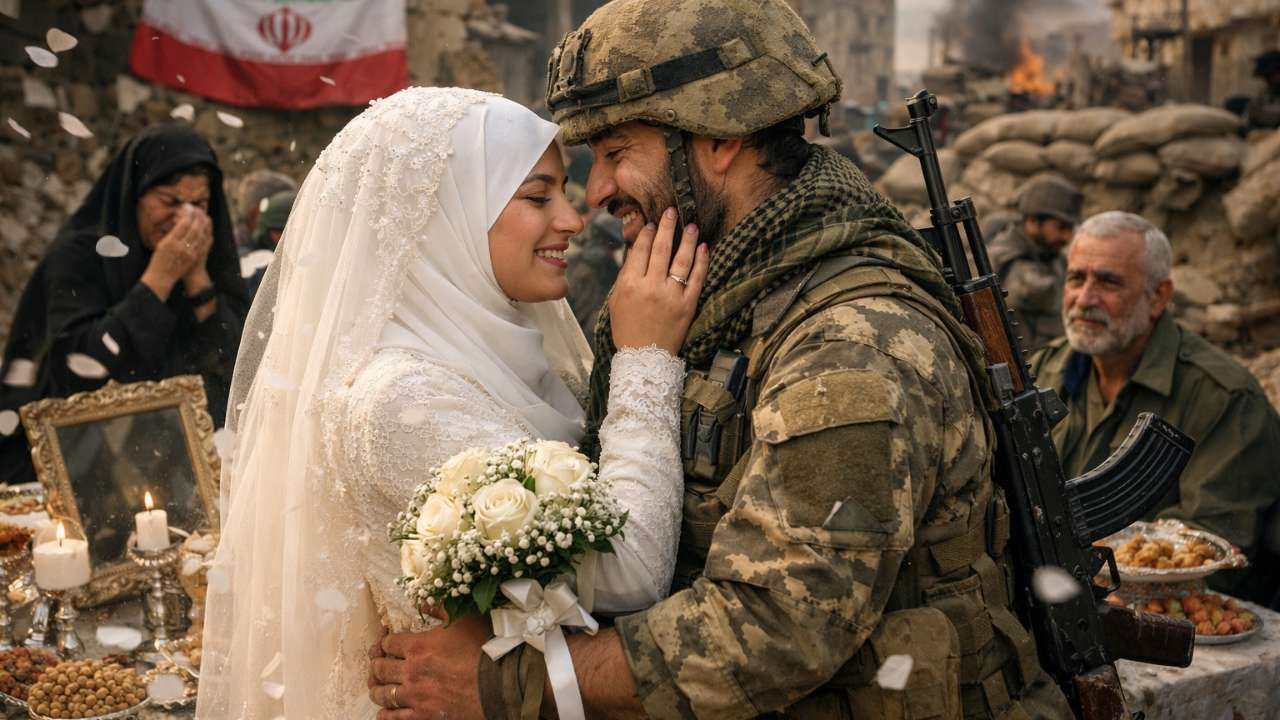
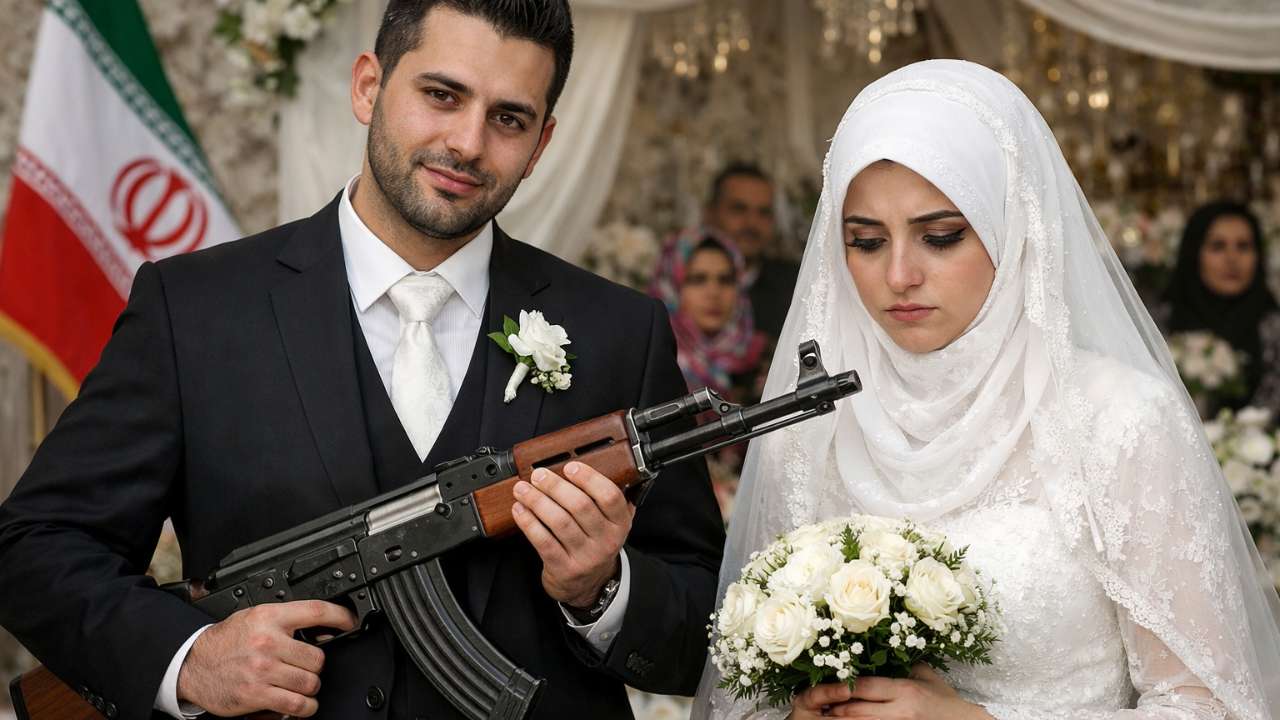
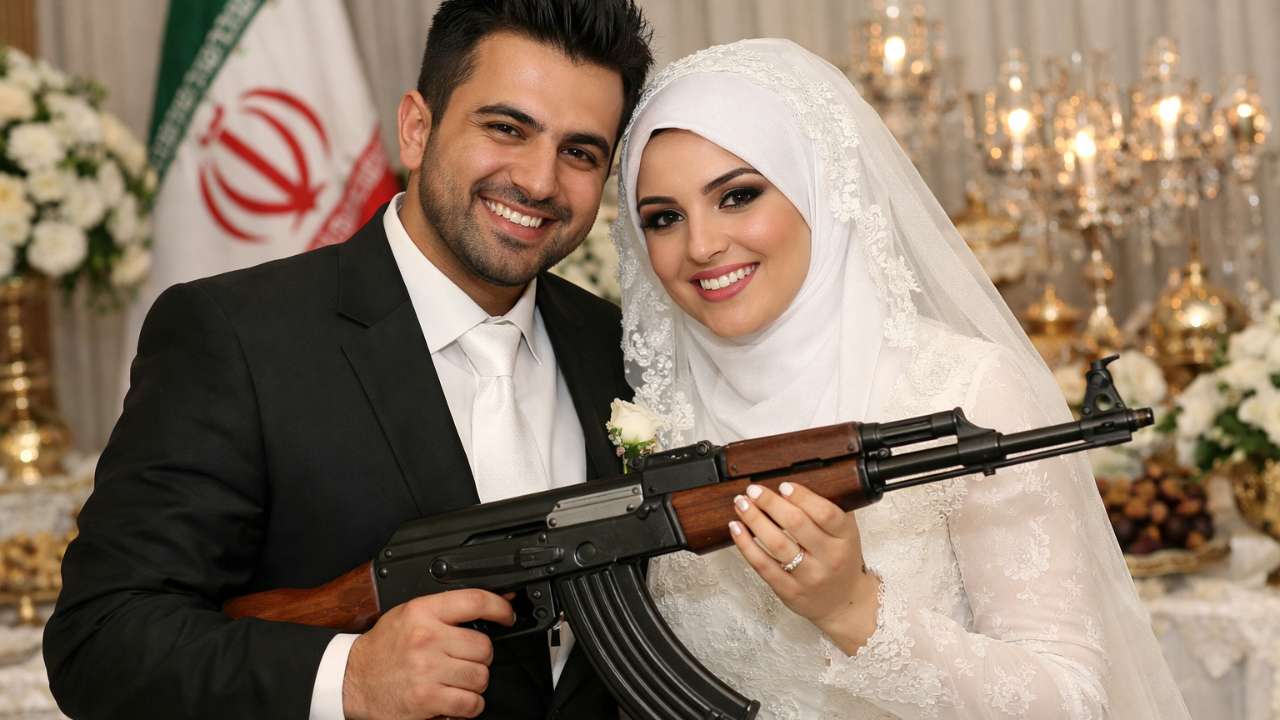
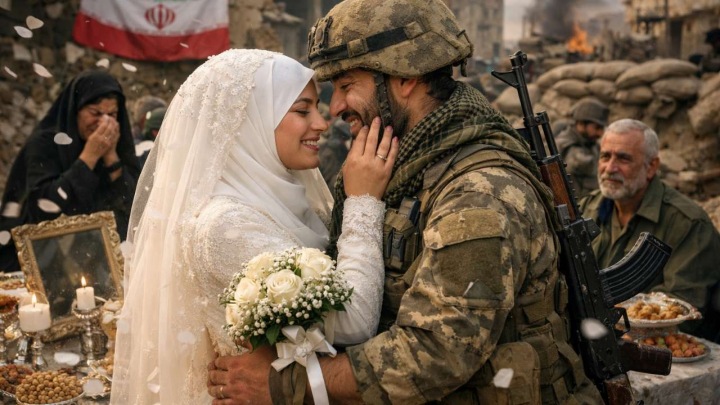
I am marrying an Iranian: The couple held a wedding ceremony while holding rifles and a copy of the Quran in their hands.


In late February of this year, a large-scale war broke out when a joint American-Israeli operation launched extensive strikes against Iran, targeting not only military facilities but also infrastructure and civilian areas across the country. Loud explosions were reported in the capital, Tehran, as well as in other cities, and the conflict quickly escalated into one of the largest global confrontations in the Middle East in the last decade.
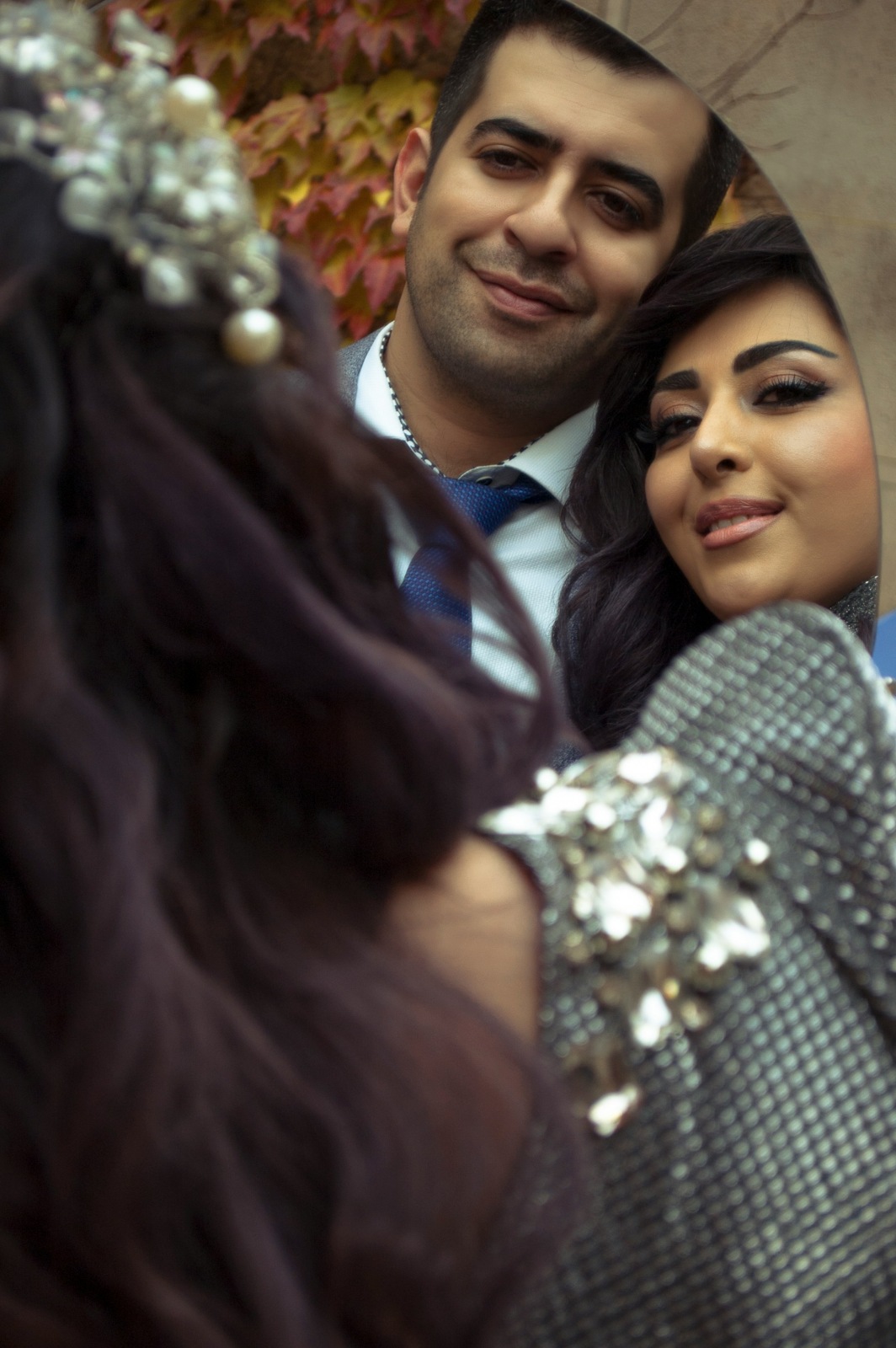
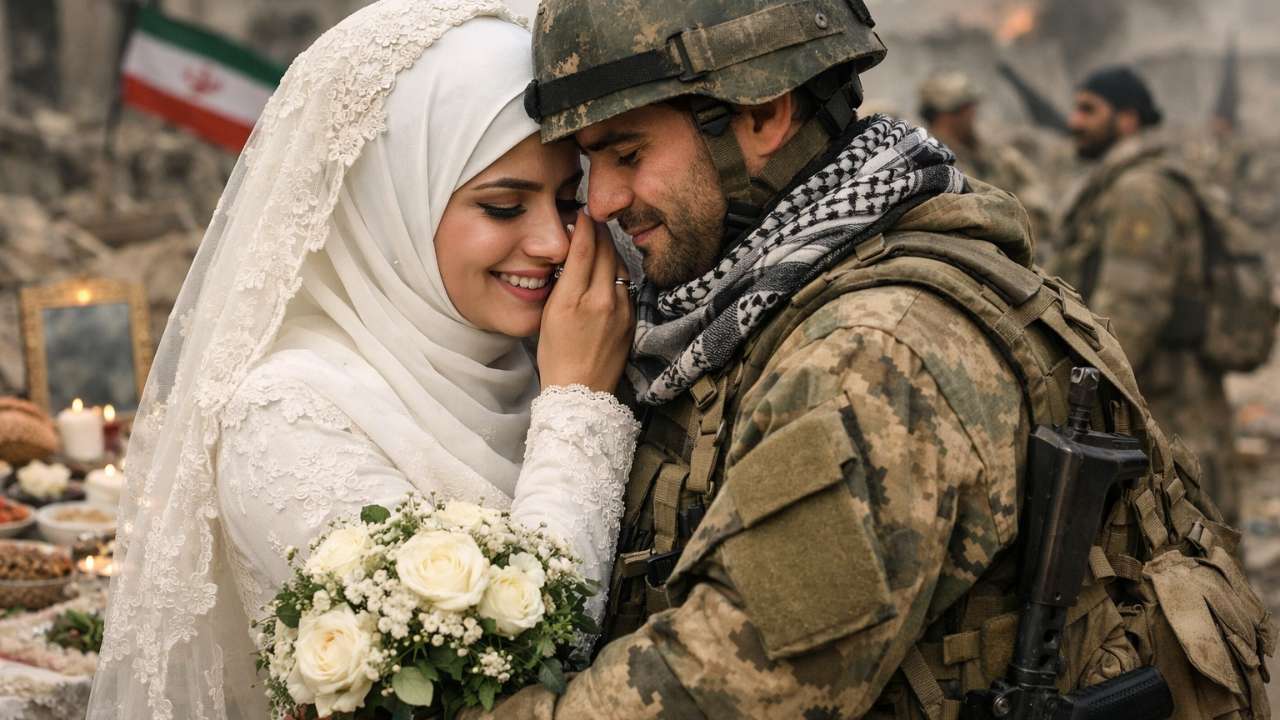
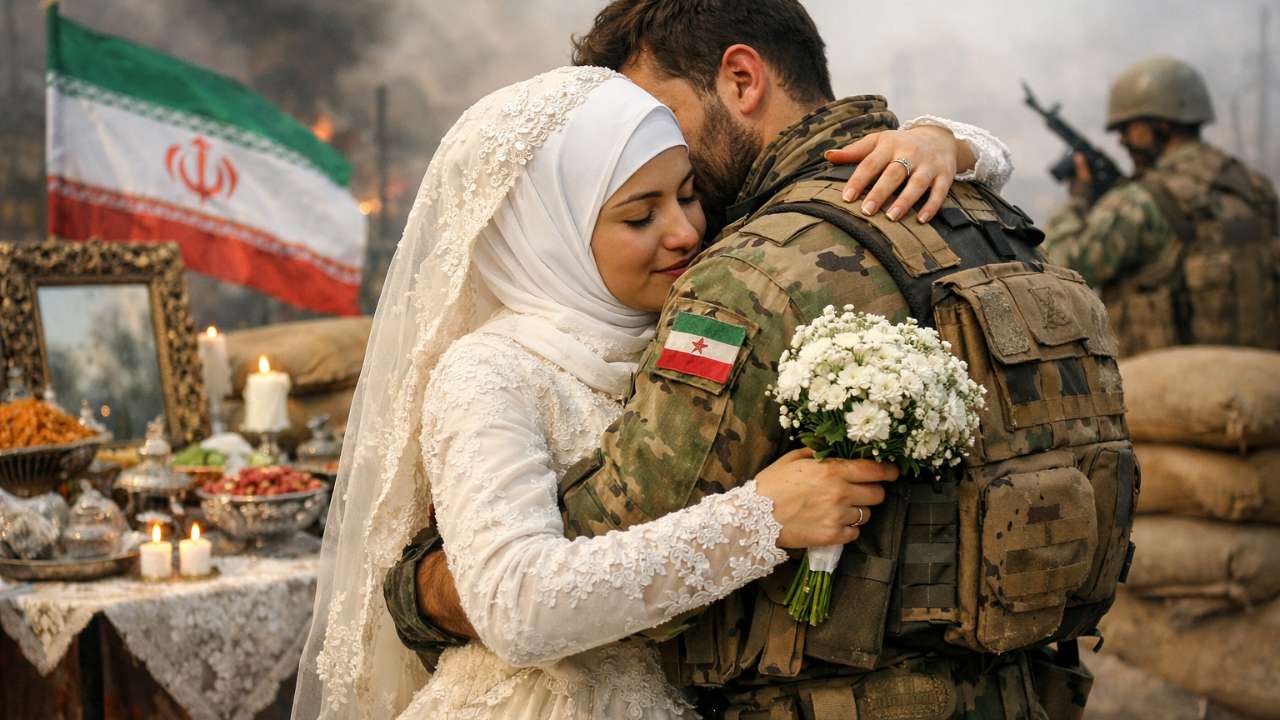
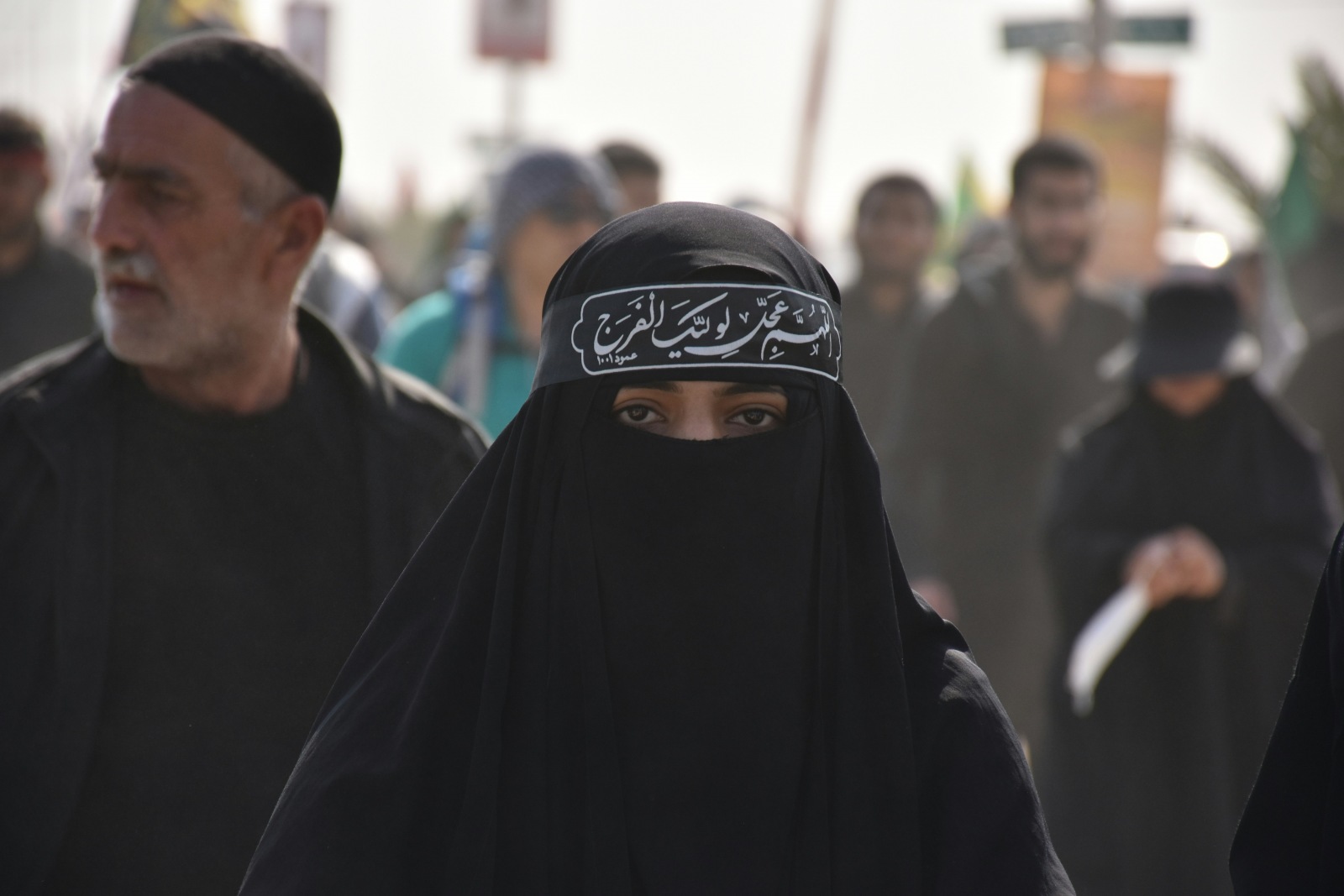
During the attacks, the long-term Supreme Leader Ali Khamenei was also killed, which immediately became the focal point of a national crisis and shocked Iranian society. His replacement was decided by the Iranian Assembly of Experts, which elected his son Mojtaba Khamenei as the new leader in March. In many cities, daily life has changed significantly. Nevertheless, people are trying to continue with their regular lives and gather together. Shops and cafes are still operating, and people are trying to spend time together, even in a tense atmosphere and with concerns for safety, reports the website The Guardian.
This reality also includes weddings. While many couples have postponed them, others have decided to proceed with their weddings despite the war. For young people, it often represents a symbolic act of defiance against fear and uncertainty. In March 2026, Iran also experienced Nowruz - the Persian New Year, which is a time of ceremonies, gatherings, and family celebrations. However, this year the holiday unfolded in the shadow of war, with some still adhering to old rituals, like the Haft-Seen table with traditional symbols, to maintain at least a piece of normalcy amidst the chaos.
Ask, what is it?
Haft-Seen (in Persian Haft-Sīn) is one of the most well-known symbols of the Iranian holiday Nowruz, the Persian New Year. This holiday is celebrated with the arrival of spring, approximately on March 21st, and has a history of more than 3000 years. Haft-Seen represents a festively set table on which items beginning with the letter "S" in Persian are placed. The word haft means seven and seen refers to the letter "S," which is why there are precisely seven symbolic items on the table.
Each of these items has its own significance and represents wishes for the new year. Among the most common are, for example, sabzeh, which is sprouted wheat or lentils symbolizing new life and the renewal of nature. Another element is samanu, a sweet pudding made from wheat sprouts representing abundance and strength. Senjed (dried oleaster fruits), symbolizing love, as well as seeb, or apple, representing health and beauty, are also typically included on the table. An important component is seer, or garlic, symbolizing protection and health, serkeh (vinegar), which represents patience and wisdom acquired throughout life, and somāq, a red spice symbolizing the sunrise and the victory of light over darkness.
In addition to these seven basic items, other symbolic things are often added to the Haft-Seen. This can include a mirror, which represents purity and reflection, candles symbolizing light and life, colored eggs as a symbol of fertility, or goldfish, which are meant to represent life and movement. The table often also includes a holy book, such as the Quran, or sometimes a collection of poems by the Persian poet Hafez. The Haft-Seen table is prepared before the arrival of Nowruz, and the family gathers around it exactly at the moment when the new year begins according to the Persian calendar. This moment is called “tahvil-e sal”. Families congratulate each other, embrace, and wish each other happiness for the new year.
This tradition is not just a decoration but a profound symbol of renewal, hope, and new beginnings. That is why Haft-Seen is among the most important elements of Nowruz celebrations not only in Iran but also in other countries where the Persian community resides.
How Iranians Celebrate Love Today
For young couples in Iran, a wedding has become a symbol of normalcy, hope, and life continuing even in times of death and fear. According to a report on Facebook on the news portal WION, some young couples celebrate their weddings in public spaces and streets in the presence of the public, which many view as an act of solidarity and social connection in times of crisis.
Some ceremonies today even combine symbols of faith and protection. Videos from Tehran show couples holding the Quran and military service insignias during the ceremony, reminding them that their love is linked to survival and courage. Even in times of war, young people want to experience the ritual of union that goes beyond aesthetics and becomes an expression of life force.
Traditional weddings in Iran are full of rich traditions that families uphold, making the entire ceremony special. Although customs may vary from region to region, many steps remain the same and all carry their own significance, writes the portal Tappersia.com.
Proposal
At the start of the wedding ceremony, the groom's family goes to the bride's house to officially ask for her hand in marriage. This moment is accompanied by traditional customs. The groom's family must come with cakes and flowers to show respect. The families get acquainted, discuss the future of the young couple, and often only the parents and son, or sometimes grandparents, participate in the ceremony. In many families, it is believed that the presence of an elder speaking for the groom's family is a sign of respect. If the answer is "Yes," the next phase begins – inviting the groom's family to the bride's house for a more serious discussion about marriage, known as Bale Boroon.
Bale Boroon - "She Said Yes"
In this stage, more people are invited, often aunts and cousins from both families, to get to know their relative's partner and discuss the wedding and the couple's future. The groom's mother gives the girl a ring as a symbol of commitment. The term "Bale Boroon" literally means "take the yes." Mehrieh is also discussed here, which is a promise from the groom to the bride's family in case of divorce, often in the form of gold coins or a house, to ensure the bride's future.
Two Ceremonies
In Iran, it is common to have two ceremonies. The first, Aghd, is a religious and legal ceremony during which the couple becomes husband and wife. It usually lasts from noon to evening, with juices and sweets served, and a mullah reads verses from the Quran and asks the bride three times "Do you agree?", to which she responds "Yes". Guests bring gifts, mostly gold jewelry, money, or gold coins. This ceremony is like an engagement but more formal and larger because the couple is already officially married.
The second ceremony, Aroosi, is the actual wedding, which usually takes place a year or more after Aghd. It begins in the evening around 8:00 PM and can last until dawn, depending on the type of wedding, guests, and family culture. Some families organize a large wedding for hundreds of guests in halls or gardens, while others prefer a smaller celebration with close relatives and friends. It includes dinner, sweets, and lots of dancing. After the wedding, the family and guests accompany the newlyweds to their home, where the celebration often continues with just the closest ones.

Weddings in Various Regions of Iran
Mazandaran
In addition to common traditions, there are specific folkloric customs, such as "Khoorgir," a woman who invites guests to the wedding, and "Kharj Bar," where the groom sends food, meat, and rice to the new home the day before the wedding with music and transportation using donkeys and sheep. Henna is applied to the hands of the bride and groom during the Henna Bandhan celebration, which is meant to bring luck. Guests bring gifts on large trays, and when the bride enters the house, the father-in-law gives her a gold coin, Pa Naaz, as a welcome.
Lorestan
A custom is Shirbaha, money from the groom for the bride's family as thanks for her upbringing, and Sarkaleh, where the groom's family buys clothing for the women and girls from the bride's family. Weddings are colorful, full of dancing to traditional musical instruments - Dhol and Corna, without DJs. Some dances are called Toshmal.
Kurdistan
Weddings last up to 7 days. Women from the area help with baking bread and preparations. Henna is applied to the bride's hands, and the groom's family provides the dresses. During the seven days, everything is prepared, danced, and celebrated.
Southern Iran
Weddings, sometimes lasting up to 7 days (now shortened to 3 days), start with lunches at the bride's place with close relatives. Guests, the groom, and selected individuals sing and dance as they arrive at the bride's house. The bride does not show her face until the guests leave. During the wedding, traditional Iranian instruments and female singing are heard.
In today's reality, however, these celebrations look different: large halls are replaced by smaller family spaces, the number of guests is limited, and the music is often quieter, more of a prelude to happiness than a loud celebration. Guests smile more because they managed to arrive safely rather than dancing until the morning.
Elite Weddings, Controversy, and Social Contrast
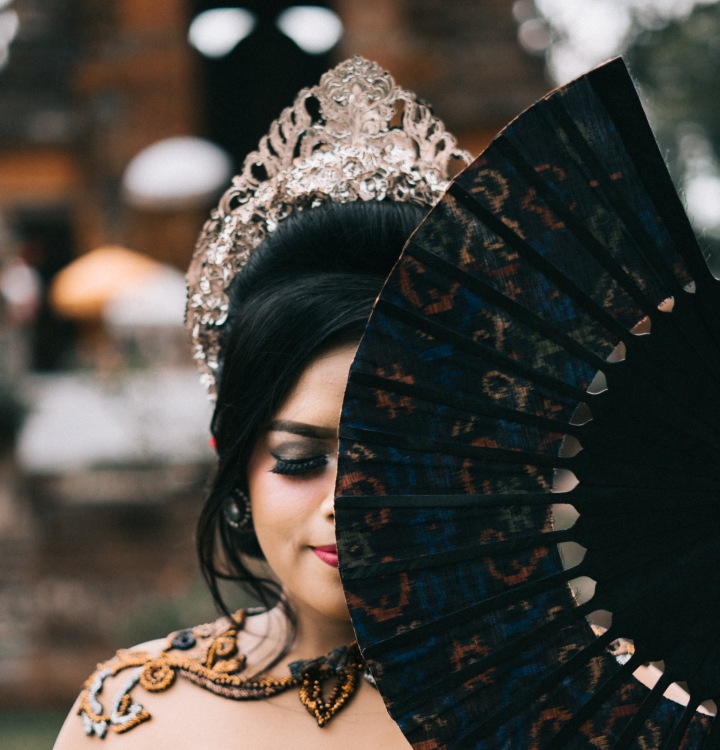
One of the things that always attracts attention is Persian wedding dresses. The bride wears a gown made of silk, satin, or brocade, often featuring delicate floral embroidery, rich ornamentation, and pastel or golden details. The veil and long sleeves are part of the cultural and religious code; however, the dress also represents an expression of beauty and luxury. The war brought about more practical modifications—materials and cuts that allow for safe movement during the celebrations or the organization of feasts in smaller spaces.
Although most weddings today are more modest and cautious, in 2025 videos of more luxurious weddings of Iranian elites appeared online, which provoked strong public reactions. At first glance, nothing unusual in the video from 2024. The bride looks stunning in a strapless white dress with a plunging neckline. The transparent veil is delicately embroidered with flowers and her hair is subtly curled. Every table in the luxurious hotel is lavishly set with candlesticks, flowers, and wine.
But outside, it is a completely different world. The National Guard patrols the streets, loyal supporters of the party closely monitor every step, and religious fanatics wander the alleys. In an environment where even a small violation of the rules can mean death, strict moral norms apply.
Wedding Video of Iran's Elite Sparks National Outrage
For Iranian oligarchs, the situation is entirely different. Fatemeh Shamkhani is the daughter of Ali Shamkhani, a personal advisor to former Supreme Religious Leader of Iran, Ayatollah Ali Khamenei. Her wedding, which openly violated Islamic Sharia law, is not subject to the same rules as regular citizens. Writes The Conversation.
An analyst of international affairs from the University of Westminster, Dr. Farhang Morady, points out:
“The state has complete power to control women's bodies, but these rules do not apply to those at the top of the social ladder.”
The bride wore a deeply cut dress, which sparked accusations of double standards among the elite in Ayatollah Khamenei's regime. Her hairstyle was meticulously styled. In Iran, this means breaking strict rules—women must have their heads and bodies covered. However, Fatemeh and her female guests dressed in a Western style that would otherwise result in whipping in the streets.
The tragic case of Mahsa Amini, a 23-year-old Kurdish woman who died in police custody in 2022 for allegedly violating hair-covering rules, and other cases of young girls killed by the moral police for incorrectly wearing headscarves, are being recalled.
Despite national outrage, the Iranian government has tightened control and enforcement of draconian moral norms, except for those who are part of the elite. Dr. Morady writes:
Video revealed significant class and moral differences in the Iranian Republic, contradicting the values of revolutionary simplicity and Islamic modesty.
Iran is in crisis, the capital Tehran is emptying, water resources are drying up, cities are suffocating in thick smog, electricity is being rationed, and food prices are rising. The country has been bombarded by Israel and the USA.
Ali Shamkhani is not an ordinary political official; he is a former commander of the Revolutionary Guard and actively participated in the brutal suppression of protests. His daughter Fatemeh can enjoy privileges that ordinary Iranians do not have, and her wedding only highlighted this.
The Shamkhani family was even designated by the USA for managing a shipping empire circumventing international sanctions. The wedding video leaked, which some see as an act of power or retaliation, but the effect was the opposite—it highlighted the regime's corruption and hypocrisy.
Dr. Morady points out:
"Such events are not just news. Gradually, they can weaken the social and political foundations of Iran. When ruling families ignore the rules, the rules lose their authority."
The viral spread of the video showed that a regime accustomed to having control found itself in an uncomfortable situation and is responding by strengthening repression. Iran's secret police, IRGC, have an extensive network of control, but even they cannot completely stop the spread of information.
Economic Reality of War
However, the war has significantly impacted the economic aspect of weddings. Sanctions, inflation, and a disrupted economy have made organizing a large celebration financially unattainable for many couples. Analysts point out that Iran's economy is under severe pressure due to the conflict and sanctions, and concerns about economic collapse are growing, reports Reuters.com.
Many couples therefore choose simple solutions - a modest ceremony, a minimum of guests, and often even living together with their parents until the situation in the country stabilizes.
Sanctions, inflation, and economic problems have also caused government programs to support young applicants for marriage loans to become backlogged – thousands of applications are waiting for review as young people seek financial assistance to start a family during the crisis.
According to a report from January 2026, Iran recorded 900,000 applications for marriage loans, with 500,000 still on the waiting list due to enormous demand and limited resources. Meanwhile, banks have disbursed large volumes of loans, and the parliament proposed increasing the limits for young applicants up to 500 million tomans, writes the portal StoryChase.
However, war places even more strain on these programs: the economy is weakened by fighting, infrastructure is damaged, and young couples struggle with uncertainty when planning large celebrations or even living together.
What it means to get married in 2026
In Iran today, a wedding does not just mean a wedding ceremony. It is an expression of faith in the future, an internal struggle with uncertainty, and a personal act of resistance. Many young couples who planned traditional celebrations before February 2026 are now organizing smaller family ceremonies, where every gift, every smile, and every dance means: "We are here. We love each other. And we will continue to live."
And this is despite the fact that the conflict is still ongoing, sirens are sounding overhead, and the world watches as the situation escalates day by day.
Source: author's text, storychase.co, reuters.com, news.com.au, tappersia.com, facebook.com, theguardian.com, pravda.sk