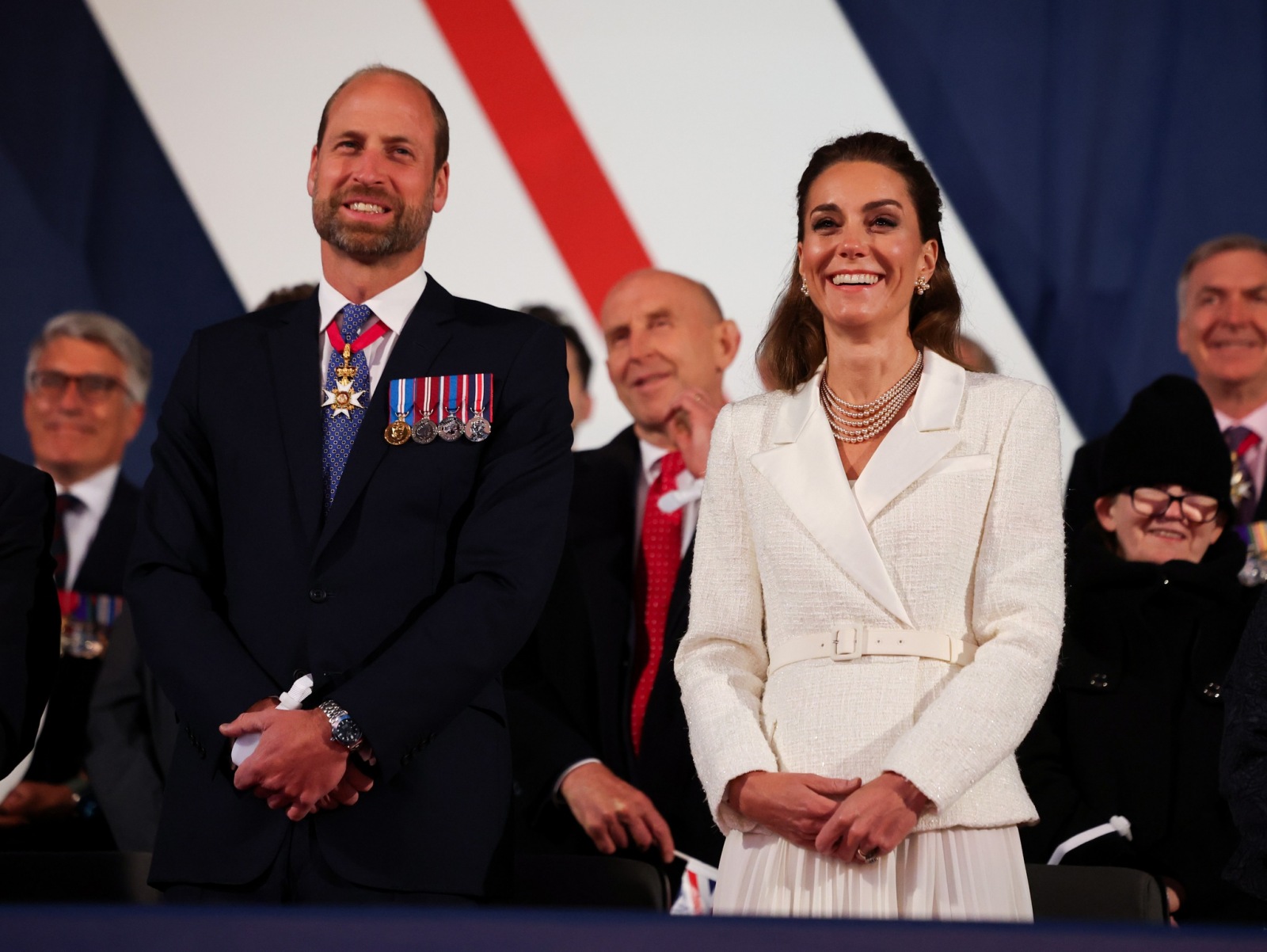
How members of the royal family actually make money. Only two of them are truly wealthy.

Recent examination of Prince Andrew's financial situation has revealed surprising facts. Despite all the titles, grand residences, and pompous ceremonies, Prince Andrew does not have any secret royal treasure. After deducting state allowances and benefits, his main income was solely from a military pension, which barely covered the heating costs of part of his residence, Royal Lodge. This raises a fundamental question: is everything we associate with royal wealth truly the personal property of members of the monarchy?
Three Pillars of Royal Income: Grants, Estates, and Inheritance
According to The Times, the financial system of the British monarchy relies on three main pillars:
- Sovereign Grant – a state grant funded from the revenues of the Crown Estate, used for official duties and the maintenance of residences.
- Duchy of Lancaster – the monarch's private property, generating an annual income for the king.
- Duchy of Cornwall – an estate belonging to the heir to the throne, currently Prince William, funding his private life, official duties, and charitable projects.
Real Ownership vs. Illusion of Wealth
Iconic symbols of the monarchy such as Buckingham Palace, Windsor, the Crown Jewels, or the extensive portfolio of the Crown Estate are not actually the private property of the royal family. A crucial aspect of the family's wealth is the so-called Crown Estate, which is a portfolio of real estate, including not just buildings but also parts of the seabed. It is valued at over 15 billion pounds (420 billion CZK). However, the British monarch only "formally" owns it, and in reality, this property belongs to the British state and is managed for the benefit of British taxpayers. The monarch cannot sell the Crown Estate or use it for payments at their discretion.
Ordinary members of the extended royal family are not privately wealthy and do not draw funds from public taxes. The daughters of Prince Andrew, Princesses Beatrice and Eugenie, do not receive personal income from the state or the king. Beatrice works in the private sector in the technology field, and Eugenie works in a London art gallery.

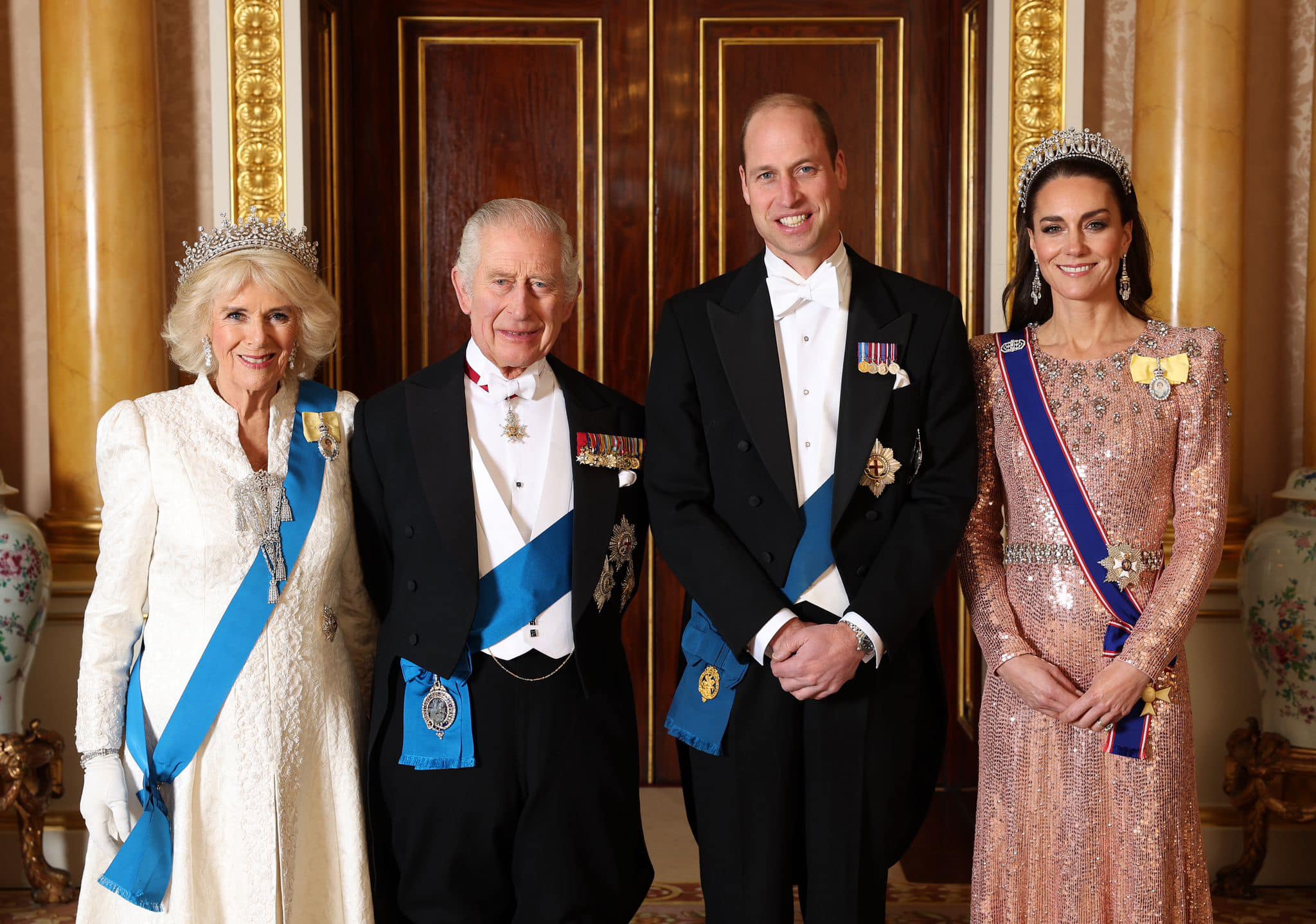
The truth is that only two members of the British monarchy possess truly extreme private wealth:
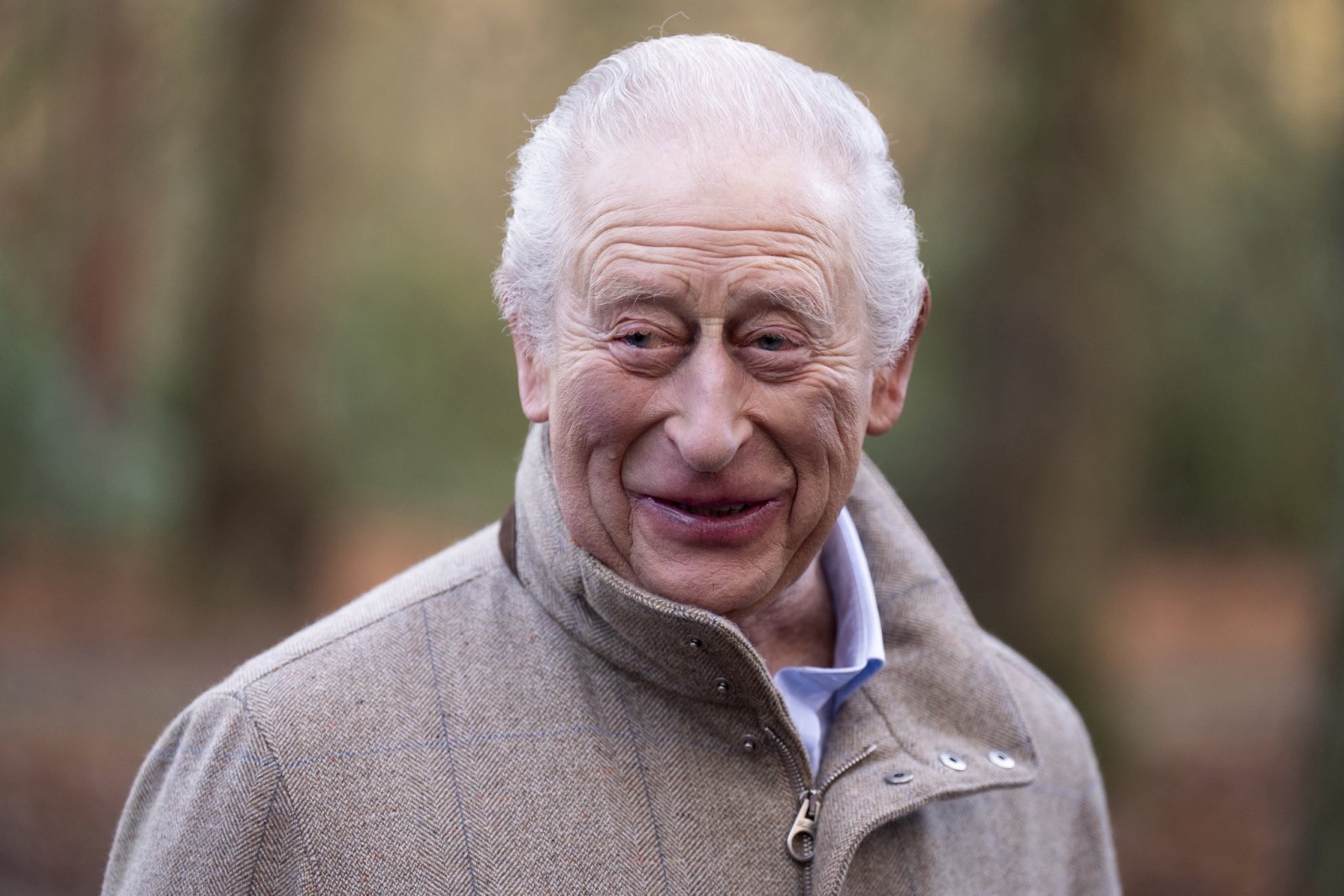
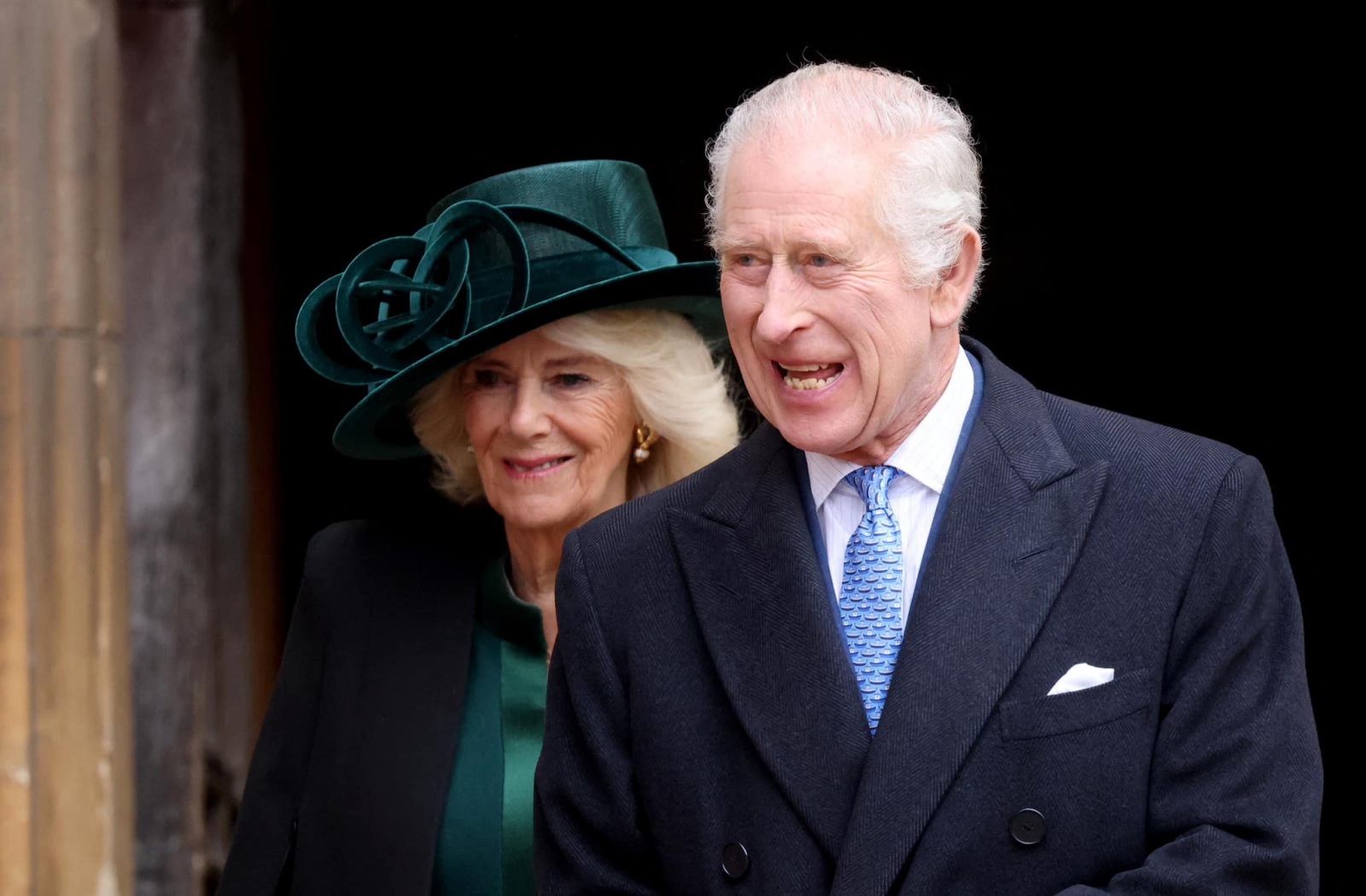
– King Charles III
– Prince William
Their wealth comes from ancient real estate empires hidden under the names of the feudal estates of the Duchy of Lancaster and the Duchy of Cornwall. Every year, they generate a nice tens of millions of pounds, which cheerfully make their way to their bank accounts.
Duchy of Lancaster (the monarch's private treasury)
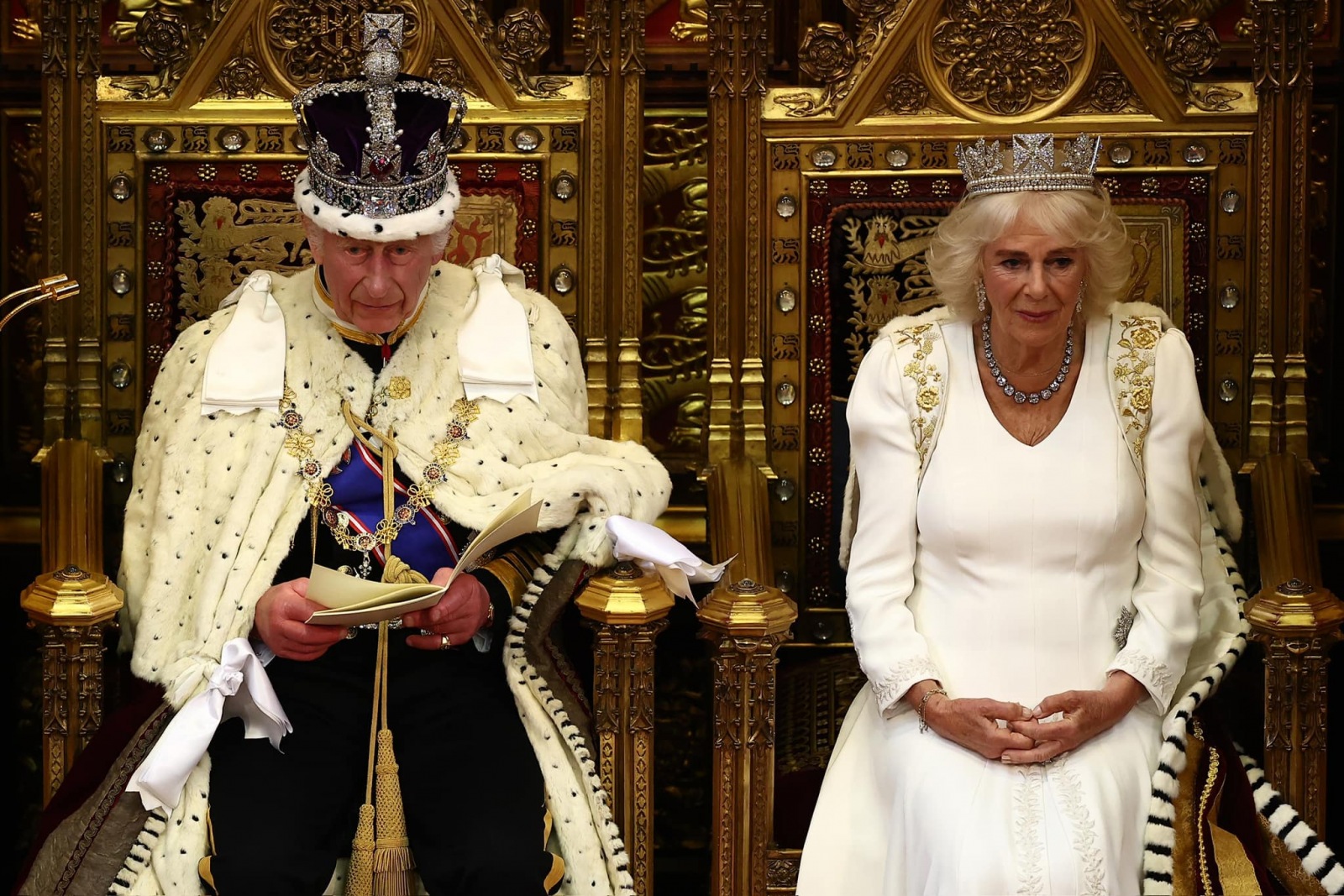
Unlike the royal palaces, the Duchy of Lancaster does not belong to the state but exclusively to the reigning monarch. Its role is to ensure the personal income of the king.
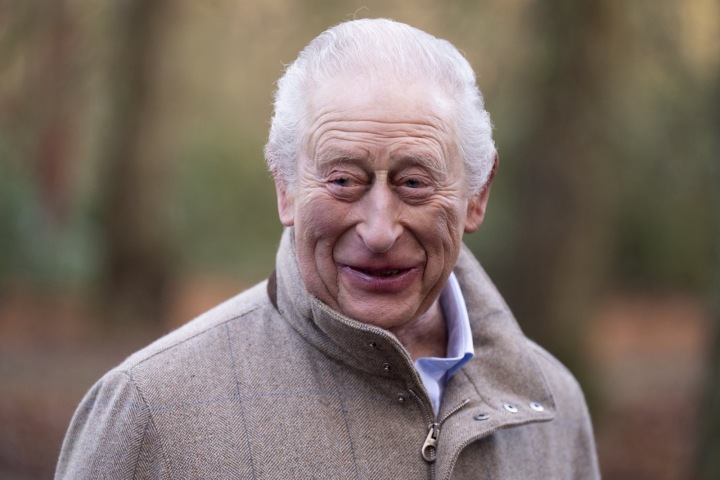
Its roots go back to the late Middle Ages. The legal status of the duchy was definitively separated from the crown in 1399, when Henry IV ensured that his family property remained in his private hands even after ascending the throne. Today, the Duchy of Lancaster includes lucrative London properties, agricultural lands, historic buildings, and quarries.
Its value is estimated at 650 to 680 million pounds (18.2 to 19 billion CZK). It generates an annual net profit of 24 to 27 million pounds (about 672 to 756 million CZK) for the king.
King Charles decided to tax the profits even though he didn't have to, in an effort to improve the image of the royal family in the public eye, as there are significant anti-monarchy forces in Britain.
According to British legislation, he would not have to pay income tax from his private funds, including the income from the Duchy of Lancaster. This unusual privilege also stems from medieval law, which guarantees the monarch financial independence from state sources.
Duchy of Cornwall (the financial engine of the heir to the throne)
The Duchy of Cornwall belongs to the heir to the throne, today Prince William.
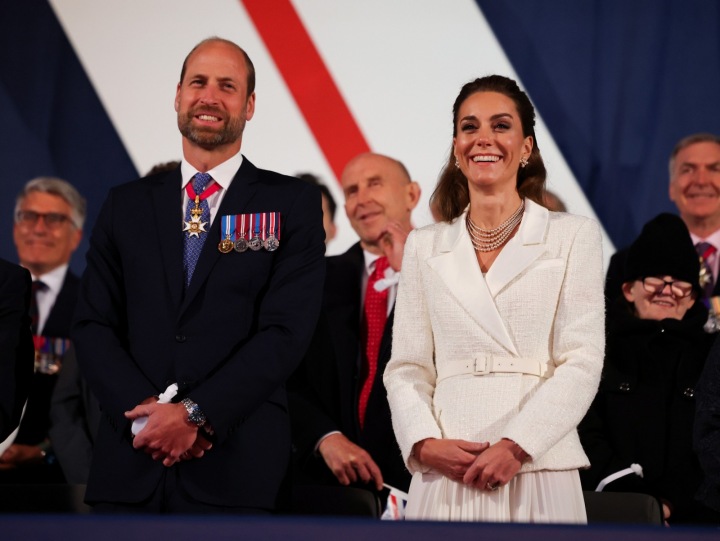
The history of the heir to the throne's property holdings began in 1337. King Edward III wanted a fief for his son that was independent of the will of the medieval parliament, so it was separated from the British crown, and therefore from the state. In addition to more than 130,000 acres of land, it also includes Dartmoor Prison and the Oval cricket ground.
The annual net income of the Duchy of Cornwall reaches 23 to 30 million pounds (644 to 840 million CZK). This money funds the life of Prince William and his family. It should be noted that it is also used by William and his wife Kate to sponsor a wide array of charitable activities.

Private Castles and Heritage
Apart from the described medieval estates, which have now transformed into real property funds, King Charles III also owns purely private residences. Notably, this includes Balmoral Castle in Scotland, which was particularly favored by Queen Elizabeth II, and the Sandringham Estate in Norfolk. The inheritance from Elizabeth was estimated at a round 200 million dollars (4.6 billion CZK).
Behind the grandeur of the palaces lies an exclusive club of billionaires with a maximum capacity of two members. Other family members can earn money by serving the family, but ultimately, that decision rests solely with the king and his heir. Many members of the royal family earn their bread through work, similar to the daughters of Prince Andrew.
Source: author's text, theguardian.com, thetimes.com, celebritynetworth.com